
Material Science Choices That Improve Corrosion Resistance in Industrial Parts





A stainless fastener that stains after a few washdown cycles, a painted bracket that blisters at an edge, or a tool housing that develops rust beneath a clamp can all trigger the same operational concern: the part met its drawing requirements, yet it is no longer reliable in service. The immediate effect may be cosmetic, but corrosion can quickly become a quality escape, a seized assembly, a contaminated process area, a sharp-edge hazard, or an unplanned maintenance task.
The most effective answer is rarely “use a more corrosion-resistant metal” in isolation. Good material science decisions match the base material, alloy condition, surface finish, joining method, protective system, and real exposure environment. A part that performs well in dry indoor storage may fail rapidly when chloride residue, standing water, dissimilar-metal contact, trapped debris, or repeated temperature changes are introduced. Selection should begin with the corrosion mechanism that is most likely to occur, not with a generic material grade preference.
Start with the failure pattern, not the material name
Corrosion resistance is often specified as a single property, but industrial parts encounter several different forms of attack. Identifying the visible pattern helps narrow the selection and inspection path before a drawing, coating, or process is changed.
Appearance alone does not prove root cause. For example, brown staining on stainless steel may come from embedded carbon-steel particles rather than failure of the stainless substrate itself. Likewise, paint blistering may reflect poor pretreatment or moisture entering through an edge rather than a paint-film problem across the entire component. Inspection should record the location of first attack, whether moisture can remain there, what other materials contact the area, and whether the part was welded, machined, plated, or cleaned after fabrication.
Match alloy families to the actual environment
Carbon steel remains practical when exposure is controlled and an appropriate protective system can be maintained. It is strong, readily fabricated, and economical for many frames, brackets, fixtures, and enclosed machine components. Its limitation is straightforward: bare or damaged carbon steel has little tolerance for persistent moisture, oxygen, salt residue, or corrosive process fluids. It should not be treated as self-protecting simply because the surrounding area is “indoors.” Condensation, cleaning chemicals, and wet debris can create a much harsher microenvironment than the building itself.
Stainless steels gain corrosion resistance from a chromium-rich passive surface film. That film can reform after minor damage when oxygen is available, but it is not immune to chlorides, stagnant solutions, contamination, or poor fabrication practices. Austenitic stainless grades are widely used where general moisture resistance and cleanability are important. In chloride-bearing environments, alloy composition becomes more critical; a grade that performs acceptably around occasional water exposure may be vulnerable in salt-laden deposits, disinfectant residue, or coastal air. The relevant question is not whether the label says “stainless,” but whether the grade, finish, and service conditions support stable passivation.
Ferritic and martensitic stainless steels may be chosen for magnetic response, wear resistance, strength, or cost reasons, but their corrosion behavior differs from common austenitic grades. High-strength martensitic materials, in particular, need careful review where corrosion and cyclic stress occur together. A material chosen for hardness can introduce cracking risk if the operating environment and heat-treatment condition are not considered at the same time.
Aluminum alloys form a natural oxide film and can perform well in many atmospheric applications. However, aluminum is sensitive to galvanic coupling with more noble metals in the presence of moisture. It can also suffer localized attack in chloride environments and may be affected by highly acidic or highly alkaline cleaners. Anodizing, conversion coatings, paint systems, and sealed interfaces can improve service performance, but scratches, unsealed edges, and unsuitable fasteners still require attention.
Nickel-based alloys, titanium, copper alloys, and engineered polymers may be appropriate in more demanding chemical or thermal conditions, but they should not be specified merely as premium substitutes. A chemically resistant alloy may create galvanic issues with adjacent hardware, complicate welding, or exceed the practical needs of the part. Material science works best as a risk-based selection process: use the needed resistance for the specific exposure, then control the interfaces that can defeat it.
Do not separate base-metal selection from fabrication
A corrosion-resistant alloy can lose much of its advantage during cutting, welding, grinding, forming, or assembly. This is especially important when inspection finds attack limited to fabricated features rather than broad exposed surfaces.
Weld zones need their own review
Welding changes local chemistry, microstructure, surface condition, and residual stress. Heat tint on stainless steel is not only an appearance issue; it can indicate a surface condition with reduced corrosion resistance if it is left untreated in a demanding environment. Weld spatter, undercut, rough profiles, and incomplete cleaning can retain moisture and deposits. Weld design matters as much as weld quality: overlapping seams, narrow gaps, and unsealed lap joints can hold liquid long after the outer surface appears dry.
When welded stainless components will see washdown, chloride-containing residues, or intermittent immersion, the post-weld cleaning and restoration process should be defined rather than assumed. The method must suit the alloy, product geometry, and contamination risk. Abrasive tools previously used on carbon steel can transfer particles to stainless surfaces, creating rust staining that may be mistaken for bulk corrosion.
Machined and cut edges are frequent weak points
Sharp edges tend to receive thinner, less uniform coating coverage. Burrs can fracture a coating during handling, while threads may be damaged during assembly and then trap moisture. Laser-cut, plasma-cut, or mechanically cut edges may need cleaning, rounding, sealing, or specific coating preparation depending on the substrate and finishing system. A corrosion-control requirement that covers only large visible faces leaves the most failure-prone geometry unmanaged.
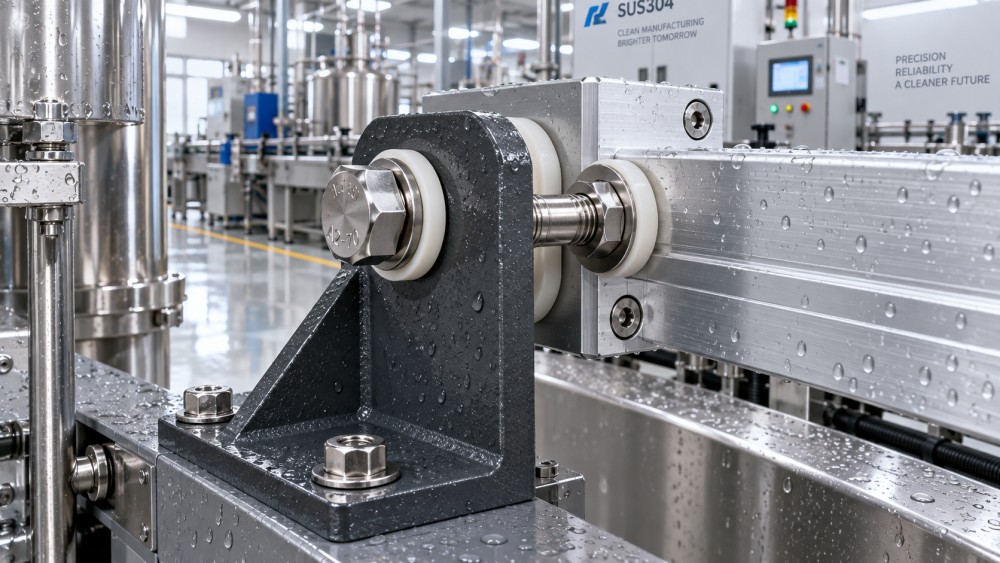
Formed assemblies deserve similar attention. A painted or plated surface may look continuous before bending but crack at the bend radius afterward. In a bolted joint, compression can damage a coating, and a washer can create a moisture-retaining boundary. These details should appear in the manufacturing review, not only in a final visual inspection.
Choose coatings as systems, not as a single line on a drawing
Coatings protect by creating a barrier, providing sacrificial action, improving chemical resistance, or combining these effects. Their performance depends on surface preparation, film continuity, thickness control, curing, edge coverage, and compatibility with the substrate. A coating name without preparation and inspection criteria is incomplete.
For carbon steel, metallic zinc-based protection can provide sacrificial behavior where minor damage exposes the underlying steel. Paint or powder coatings can provide an effective barrier when pretreatment and coverage are controlled. Multi-layer systems may be useful where the environment includes repeated moisture, abrasion, or chemical contact. Yet no coating should be assumed to protect indefinitely inside an unsealed crevice or beneath a damaged joint.
Electroplated finishes can be suitable for fasteners and precision components, but high-strength steels require special care because certain processing routes can introduce hydrogen. Where strength level and application risk make hydrogen embrittlement a concern, the material condition, plating process, baking requirements where applicable, and handling controls need coordinated technical review. A visually acceptable plated part is not enough evidence of safe long-term performance.
For aluminum, anodizing and paint-compatible conversion systems are common choices, but their suitability depends on alloy composition, intended appearance, wear exposure, and chemical contact. Bare anodized surfaces may be effective in some conditions yet insufficient where strong cleaners, abrasive contact, or galvanic interfaces are present. The coating decision should include the expected maintenance method, because a cleaning agent can be as influential as outdoor exposure.
Control the environment around the part
Corrosion frequently starts where design allows contaminants to remain. A nominally resistant material cannot perform as intended when chlorides, acidic residues, wet insulation, or process deposits are repeatedly held against the surface. The practical goal is to eliminate long time-of-wetness and create assemblies that can drain, dry, and be inspected.
- Use drainage paths rather than closed pockets where water or cleaning solution can collect.
- Avoid unsealed lap joints in wet or chemically exposed service unless the joint design and sealant are suitable for the environment.
- Provide access for cleaning and inspection around brackets, guards, fasteners, and clamp interfaces.
- Prevent incompatible materials from remaining in wet electrical contact; use isolating washers, sleeves, coatings, or redesigned interfaces where needed.
- Confirm that cleaning chemicals, lubricants, and process fluids are compatible with the selected alloy and finish.
- Specify how damaged protective surfaces will be evaluated and repaired during installation and maintenance.
Galvanic corrosion deserves special attention because it can appear unexpectedly after a material upgrade. Pairing stainless hardware with aluminum, for example, may be manageable in a dry assembly but problematic when water and dissolved salts bridge the contact area. The relative surface areas also matter. A small area of less noble metal coupled to a large noble surface can be more severely affected than the reverse arrangement. Design review should consider the complete assembly rather than approving each material independently.
A practical approval path before production release
Material decisions become more reliable when they are translated into traceable checks. Start by defining the exposure in operational terms: indoor humidity is different from direct washdown; occasional splash differs from continuous immersion; a neutral cleaner is different from a chloride-bearing disinfectant. Include temperature cycling, abrasion, UV exposure where relevant, and the possibility of deposits remaining on the surface.
Next, review the part drawing and bill of materials for hidden interfaces. Identify base metal, fasteners, weld filler where applicable, inserts, gaskets, coatings, adhesives, and any conductive path between dissimilar materials. A corrosion issue at a single joint may be caused by an unlisted washer, retaining clip, or assembly lubricant rather than the primary component material.
Then define acceptance criteria that match the risk. Depending on the application, these may include coating continuity, edge coverage, surface-cleanliness requirements, correct material identification, weld post-treatment, dimensional checks after finishing, and verification that drainage features remain open. Inspection plans should distinguish cosmetic staining from conditions that can impair function or safety. A small stain on a noncritical exterior surface and pitting at a load-bearing thread should not be handled with the same disposition rule.
Finally, make maintenance part of the material decision. Specify acceptable cleaners, avoid abrasive practices that damage passive films or coating barriers, and inspect locations where moisture becomes trapped. When a field issue occurs, preserve evidence before aggressive cleaning removes the clues: photograph the pattern, record adjacent materials, note chemical exposure, and check whether attack is localized at edges, welds, threads, or contact points. This information is far more useful than replacing the part with a vaguely “better” material.
Questions that often arise during corrosion reviews
Is stainless steel always better than coated carbon steel?
No. Stainless steel may offer strong general resistance, but it can be vulnerable to chloride-related pitting, crevice attack, contamination, and unsuitable fabrication. A properly designed and maintained coated carbon-steel part can be appropriate in controlled service. The better choice depends on exposure, geometry, maintenance access, and consequences of coating damage.
Can a thicker coating solve corrosion at edges and joints?
Additional thickness may help in some systems, but it does not correct poor edge preparation, trapped moisture, cracked films, incompatible metal contact, or inadequate pretreatment. Edge radius, joint design, drainage, and local coverage should be reviewed alongside nominal coating thickness.
When should a corrosion concern be escalated for technical review?
Escalation is appropriate when attack affects load-bearing parts, pressure-retaining components, electrical grounding paths, safety guards, threaded connections, weld zones, or high-strength plated hardware. It is also warranted when the process fluid is chemically aggressive, when the environment includes chlorides and heat, or when cracking accompanies corrosion. In these cases, material compatibility and failure risk should be evaluated before parts are released or returned to service.
Related News
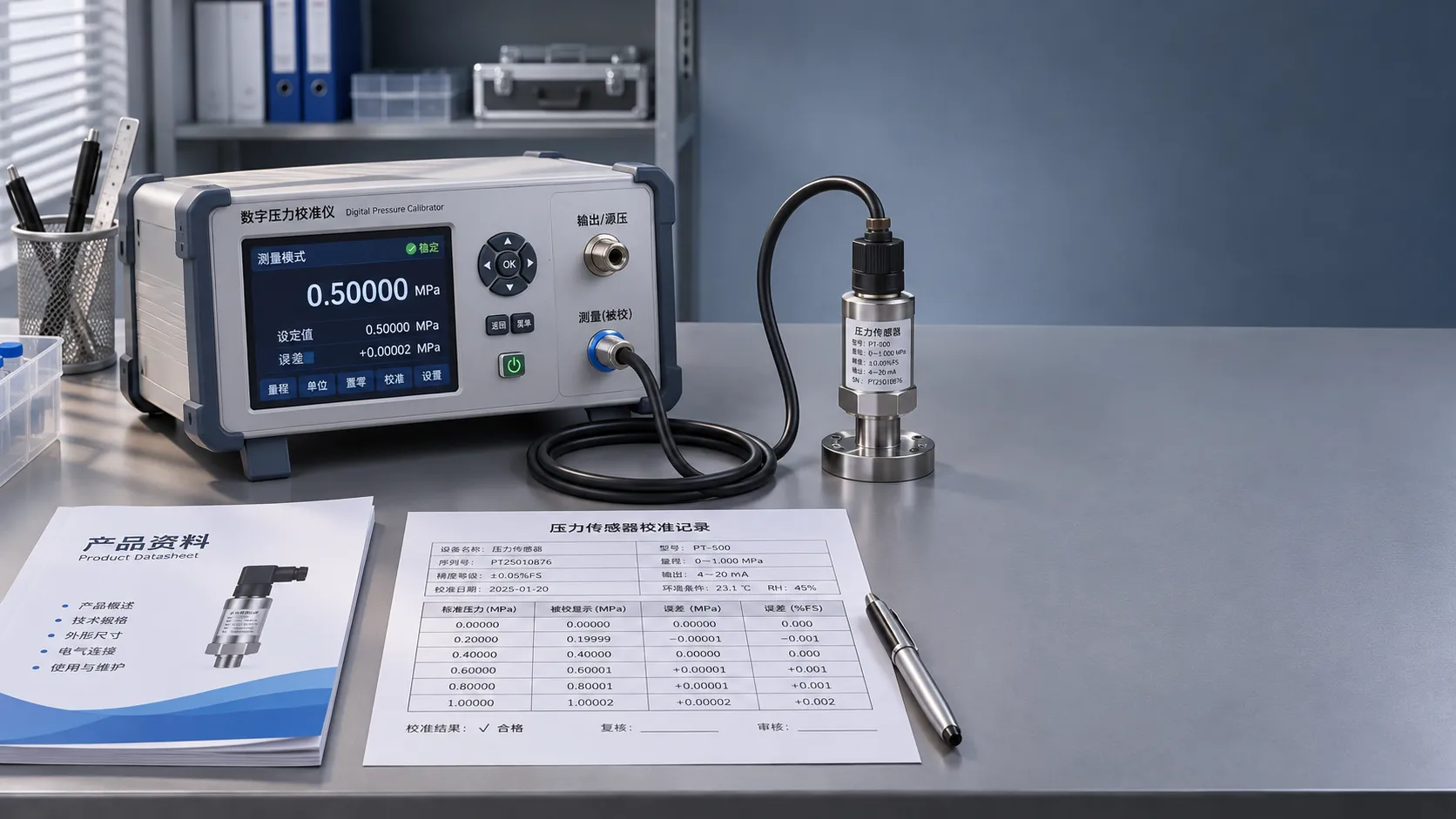
Calibration Tool Specifications: Where to Find and Verify Product Data
Explore product information resources for calibration tools and learn how to verify specifications, certificates and traceability before you buy.
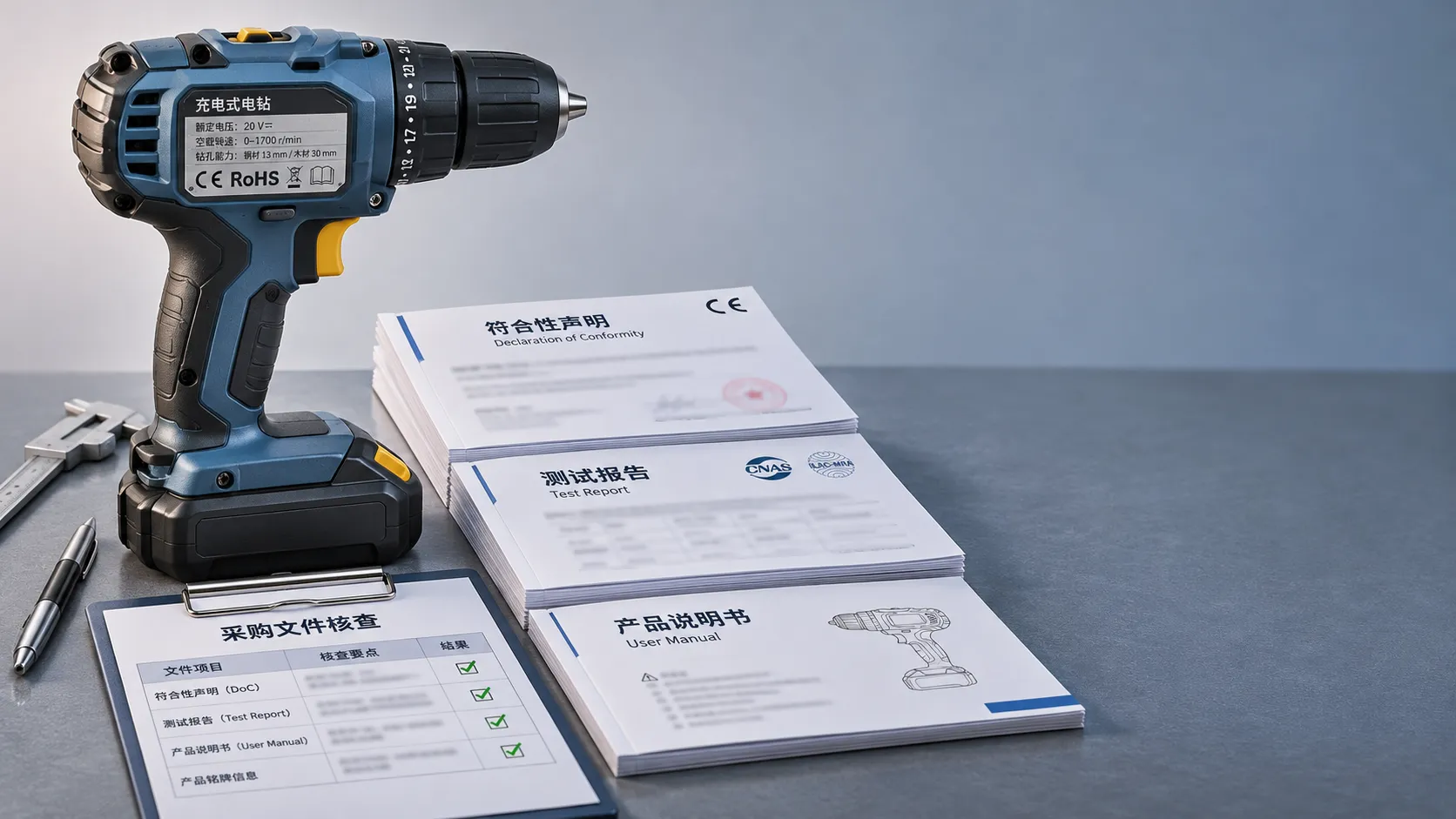
Choosing CE-Marked OEM Tools: Documents Buyers Should Check
Buying OEM tool solutions CE certified for Europe? Discover the documents to check, avoid costly compliance gaps, and choose suppliers with confidence.
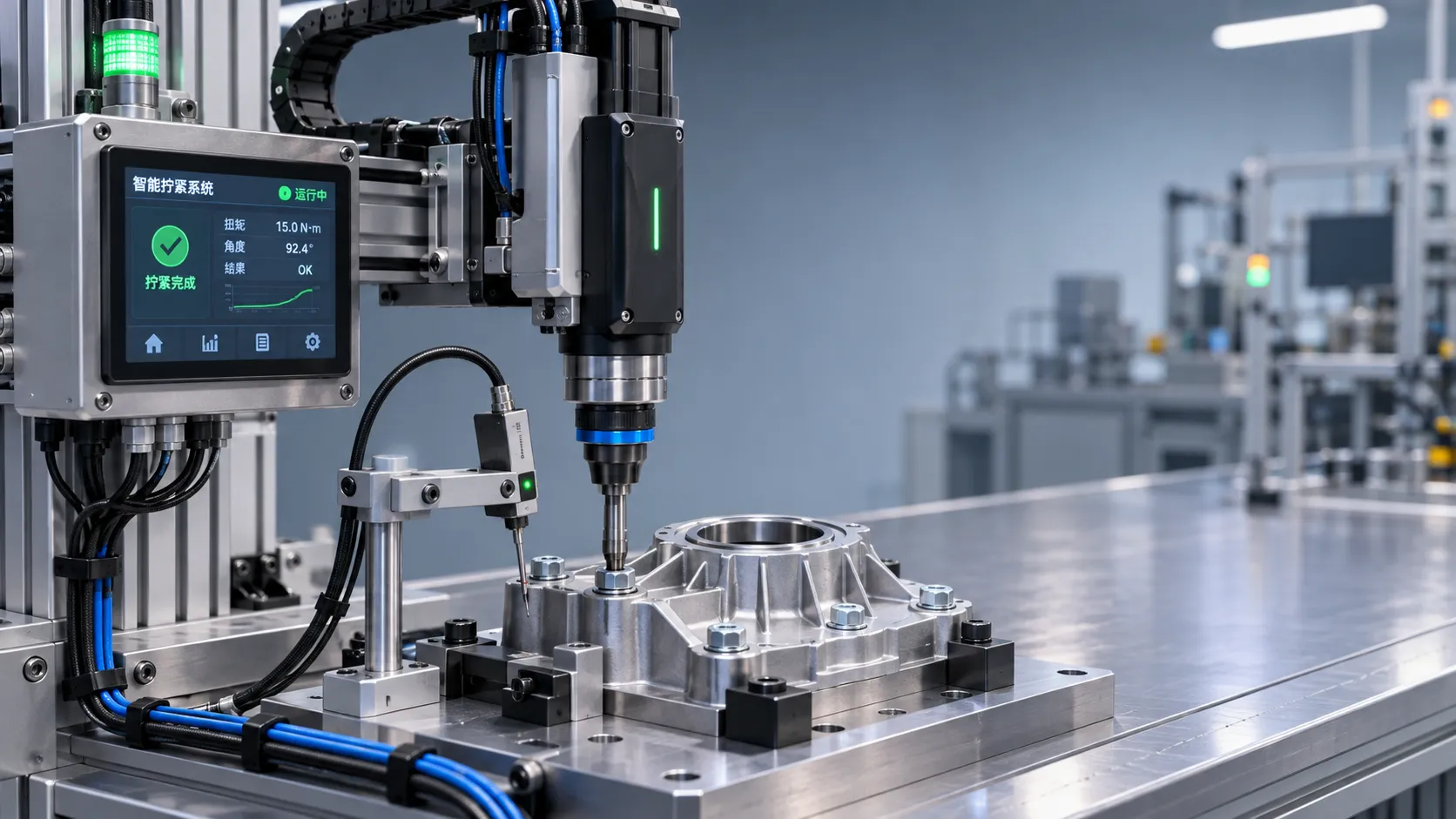
Industrial Innovation Trends: Where Manufacturers Should Invest
Explore industrial innovation trends in fastening, metrology, laser welding, and connected tools—and discover where manufacturers should invest.
Industrial Assembly Specifications: How to Define Tolerances and Torque
Explore specification-oriented articles on industrial assembly and learn how to define tolerances, validate torque settings, and improve joint reliability.
AMS Specifications for Aerospace Tooling: What Do They Cover?
Aerospace tools AMS requirements can cover materials, processes and documentation. Learn how to verify compliance and assess finished-tool acceptance.
Choosing Industrial Assembly Solutions for High-Mix Production Lines
Choose industrial assembly solutions for high-mix production with practical guidance on changeovers, quality, traceability, automation, and total cost.
Choosing an Industrial IoT Tools Distributor: Integration and Support Criteria
Choose an industrial IoT tools distributor with confidence. Compare integration, support, security, and lifetime costs to avoid hidden risks and protect production.
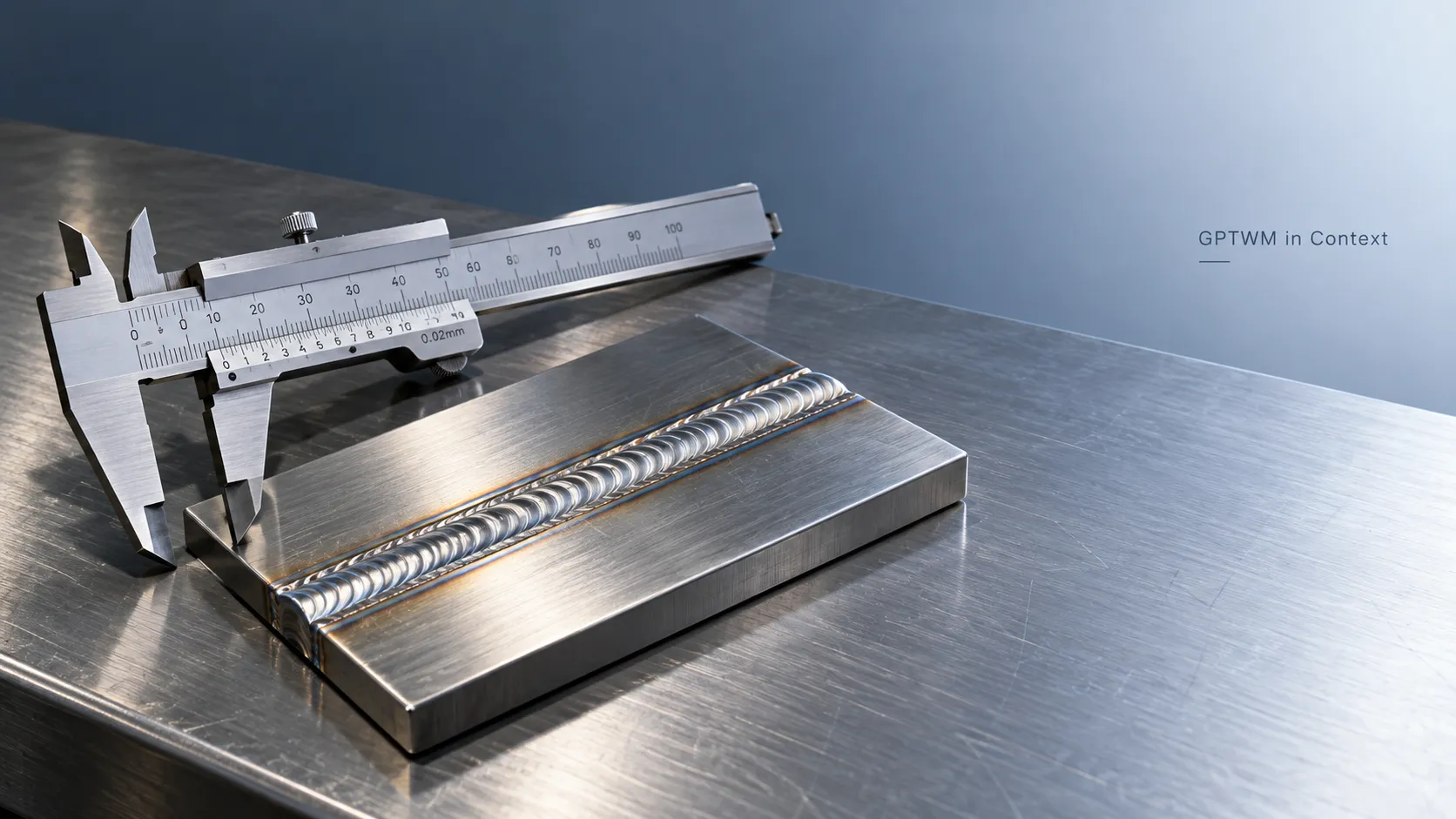
What Does GPTWM Mean? How to Verify Its Meaning in Context
What does gptwm mean? Explore its industrial context and learn how to verify the full name, publisher, and supporting sources before relying on its claims.
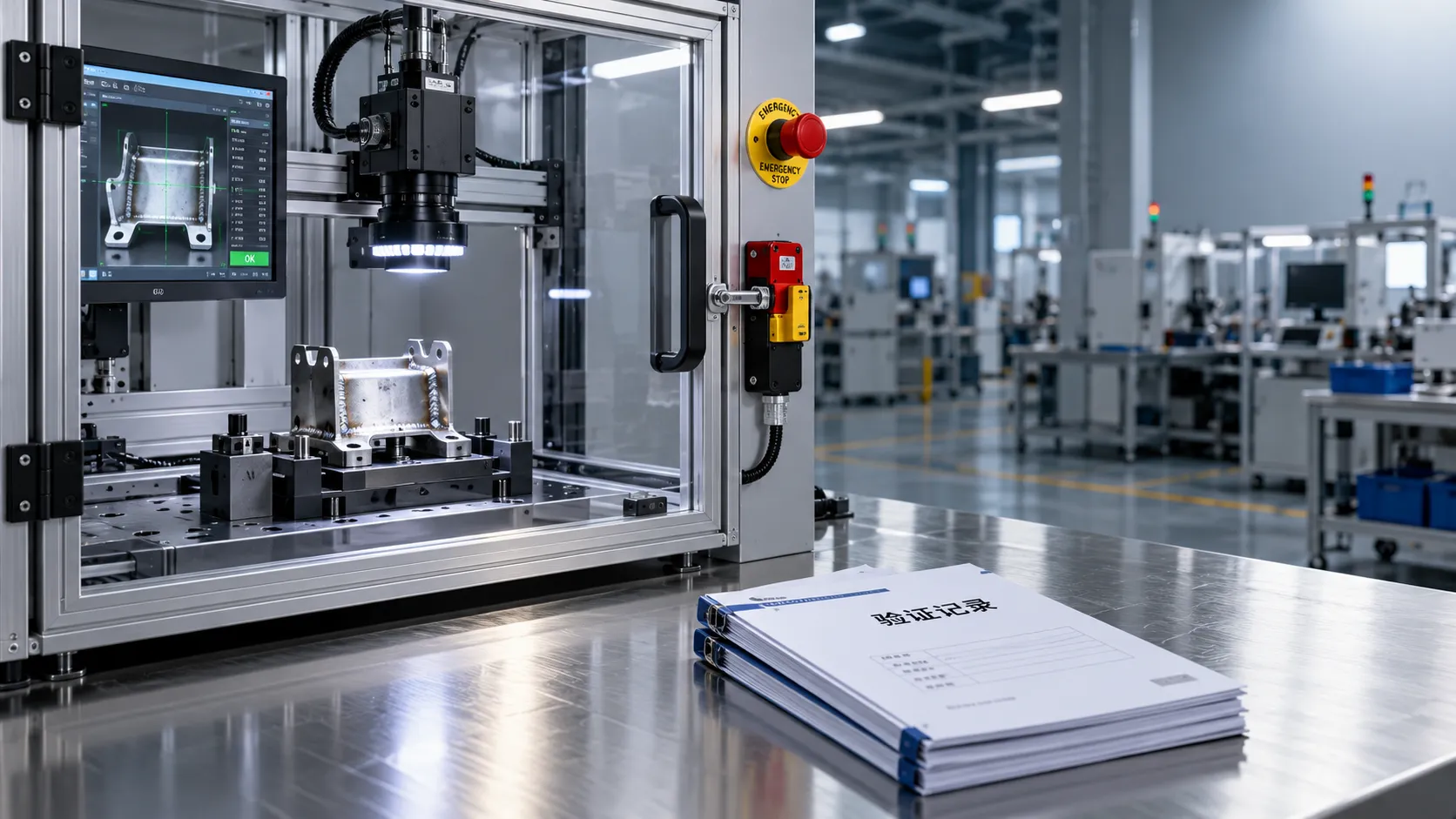
Industrial AI Compliance Guide: What to Check Before Factory Deployment
Use this industrial intelligence compliance guide to check safety, legal duties, cybersecurity, and validation before factory AI deployment. Explore the checklist to close critical gaps.
Related News
- 00
0000-00
Calibration Tool Specifications: Where to Find and Verify Product Data - 00
0000-00
Industrial Assembly Specifications: How to Define Tolerances and Torque - 00
0000-00
AMS Specifications for Aerospace Tooling: What Do They Cover? - 00
0000-00
Choosing Industrial Assembly Solutions for High-Mix Production Lines - 00
0000-00
Industrial AI Compliance Guide: What to Check Before Factory Deployment
0000-00
Prof. Marcus Chen
Weekly Insights
Stay ahead with our curated technology reports delivered every Monday.