
What Are Ergonomic Standards in Manufacturing and How Do They Reduce Operator Risk?





Why do ergonomic standards matter so much in manufacturing?
Ergonomic standards matter because operator risk usually builds slowly, then shows up as injury, rework, downtime, or inconsistent output.
In practical terms, ergonomic standards set limits and design rules for posture, force, repetition, reach, vibration, visibility, and tool interaction.
That makes them more than a compliance checklist. They become a working method for reducing fatigue before fatigue becomes a quality or safety event.
This is especially relevant in assembly, welding, inspection, packaging, and maintenance tasks where the same motion repeats across long shifts.
A station may appear efficient on paper, yet still expose the operator to awkward wrist angles, shoulder elevation, pinch force, or poor line of sight.
When that happens, defect risk and injury risk often rise together.
Across industrial sectors, ergonomic standards also create a common language between EHS reviews, process engineering, tool design, and production planning.
That wider view matters to GPTWM, which tracks the last-mile realities of industrial manufacturing, from handheld laser welding safety to intelligent torque control.
In other words, ergonomic standards support both worker protection and decision quality when selecting tools, layouts, and operating methods.
What exactly counts as an ergonomic standard?
Many people assume ergonomic standards refer to one global rulebook. In reality, they are a family of standards, guidelines, and assessment methods.
Some define design principles. Others focus on measurement, manual handling, repetitive tasks, workstation dimensions, or vibration exposure.
Common references often include ISO ergonomic principles, OSHA guidance, EN standards, and task-based assessment tools such as RULA, REBA, or NIOSH lifting models.
The useful question is not which document sounds most authoritative. The better question is which standard fits the actual risk in the process.
For example, a torque fastening cell may need attention to grip force, trigger frequency, reaction torque, and suspended tool balance.
A metrology bench may instead need rules for viewing angle, standing duration, reach envelope, and lighting consistency.
That is why ergonomic standards should be read as application tools, not abstract theory.
A short comparison helps clarify where each type of reference is most useful.
Used this way, ergonomic standards help narrow decisions instead of creating more paperwork.
Where do ergonomic standards reduce operator risk most clearly?
The clearest benefits usually appear in tasks with repetition, force, precision, or constrained access.
Think about fastening, grinding, deburring, handheld welding, gauging, visual inspection, kitting, and material transfer.
In these situations, the wrong setup can increase musculoskeletal strain even if the task lasts only a few seconds per cycle.
A good ergonomic standard reduces risk by controlling several factors at once, not just one visible issue.
- It lowers excessive reach by placing parts inside the normal work zone.
- It reduces static load by improving seat, bench, or arm support design.
- It limits force spikes through lighter tools, torque reaction arms, or better fixturing.
- It cuts visual strain with better contrast, angle, and task lighting.
- It reduces error-linked fatigue by making controls, displays, and hand positions more intuitive.
In actual plants, risk reduction rarely comes from a single dramatic redesign.
More often, it comes from small corrections made early: handle shape, lift assist, part height, rotation fixture, anti-vibration choice, or task rotation.
This is where intelligence-led observation becomes useful.
GPTWM frequently highlights how tool lightweighting, brushless motor adoption, and digitally controlled torque systems affect not only efficiency, but physical exposure at the operator level.
How can you tell whether a workstation really meets ergonomic standards?
The fastest mistake is judging only by appearance. A clean station can still be ergonomically poor.
A better approach is to test the station against task demands, body mechanics, and exposure time.
Start with direct observation. Watch one full cycle, then several consecutive cycles. Repetition often reveals risk that single-cycle reviews miss.
Then check the following points.
- Are elbows kept near the body for most of the task?
- Does the wrist stay close to neutral during tool use or inspection?
- Is shoulder height avoided during normal production pace?
- Can parts be reached without trunk twisting or forward leaning?
- Does the operator need high pinch force to hold, align, or verify parts?
- Are vibration, noise, heat, and glove compatibility affecting control quality?
If several answers raise concern, the workstation may not be aligned with ergonomic standards even if output targets are still being met.
Another useful check is variance.
If taller and shorter operators use very different compensating postures, adjustability is probably insufficient.
That issue is common in mixed-task cells and shared inspection benches.
Which mistakes make ergonomic standards look implemented when they are not?
One common mistake is treating ergonomic standards as a one-time audit rather than a living process control discipline.
Layouts change, part mix changes, and new tools change exposure patterns. The original assessment can become outdated quickly.
Another mistake is focusing only on lifting.
In many industrial operations, strain comes less from heavy loads and more from repetition, contact pressure, awkward hand orientation, or sustained visual concentration.
There is also a technology-related blind spot.
A new electric tool may improve speed, yet worsen wrist deviation or trigger frequency if the handle geometry is wrong.
Likewise, automation can remove one hazard while creating another during loading, changeover, or manual rework.
The most reliable way to avoid these gaps is to review ergonomic standards during process changes, not after incident reports.
Useful warning signs include:
- rising minor discomfort reports before recordable injuries appear
- quality drift near the end of shifts
- frequent operator-created workarounds
- high variation in cycle time between otherwise trained staff
- repeated tool drops, misalignment, or overgrip behavior
What is a realistic way to implement ergonomic standards without slowing production?
Implementation works best when ergonomic standards are tied to process performance, not separated from it.
That means linking risk review to quality escapes, near misses, takt loss, maintenance feedback, and tooling decisions.
A practical rollout usually starts small.
Pick a task family with clear exposure, measurable repetition, or known discomfort signals. Validate the baseline. Then improve one variable at a time.
For example, change tool suspension before changing the entire bench. Adjust part presentation before redesigning staffing rotation.
This stepwise method makes cause and effect easier to prove.
It also supports better investment decisions, especially where budgets must balance safety, throughput, and equipment lifecycle.
In sectors tracked by GPTWM, this often includes comparing manual, assisted, and intelligent tool options through both exposure data and operational fit.
A simple implementation path looks like this:
- Map high-risk tasks by frequency, force, and posture.
- Match each task to the relevant ergonomic standards or assessment method.
- Prioritize controls that reduce exposure without disrupting process stability.
- Recheck quality, cycle time, and discomfort signals after the change.
- Update the standard work so improvements are sustained.
When this is done well, ergonomic standards stop being a side project and become part of how robust operations are designed.
So what should be reviewed next?
If operator risk is the concern, start by identifying where fatigue, posture, force, and precision overlap.
Those intersections usually reveal the strongest case for applying ergonomic standards.
From there, review whether current tool choices, workstation heights, access zones, and inspection methods still match actual production conditions.
It is also worth comparing incident data with subtle indicators such as regrip behavior, end-of-shift defects, or repeated discomfort feedback.
That broader reading often shows where ergonomic standards can deliver the most immediate risk reduction.
A useful next step is to build a short review list covering task type, exposure duration, posture demand, tool characteristics, and adjustment options.
With that in place, ergonomic standards become easier to apply consistently across assembly, welding, metrology, and maintenance environments.
That is also where intelligence platforms like GPTWM add value: not by replacing site assessment, but by helping connect standards, tool evolution, and real manufacturing risk signals.
Related News
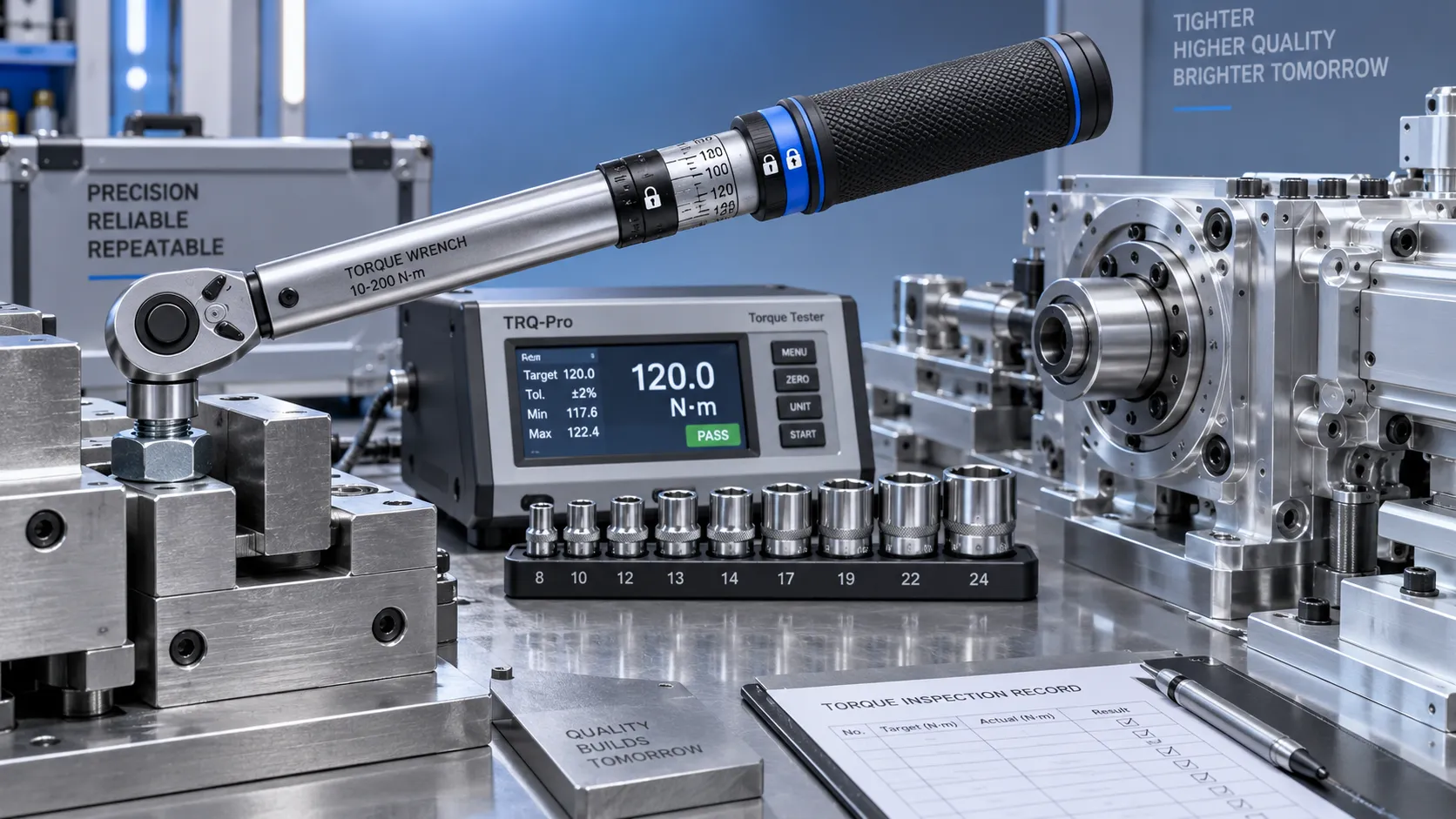
Selecting Adjustable Torque Tools for Repeatable Fastener Assembly
Adjustable torque tools: learn how to match range, accuracy, control methods, calibration, and ergonomics for repeatable, reliable fastener assembly.
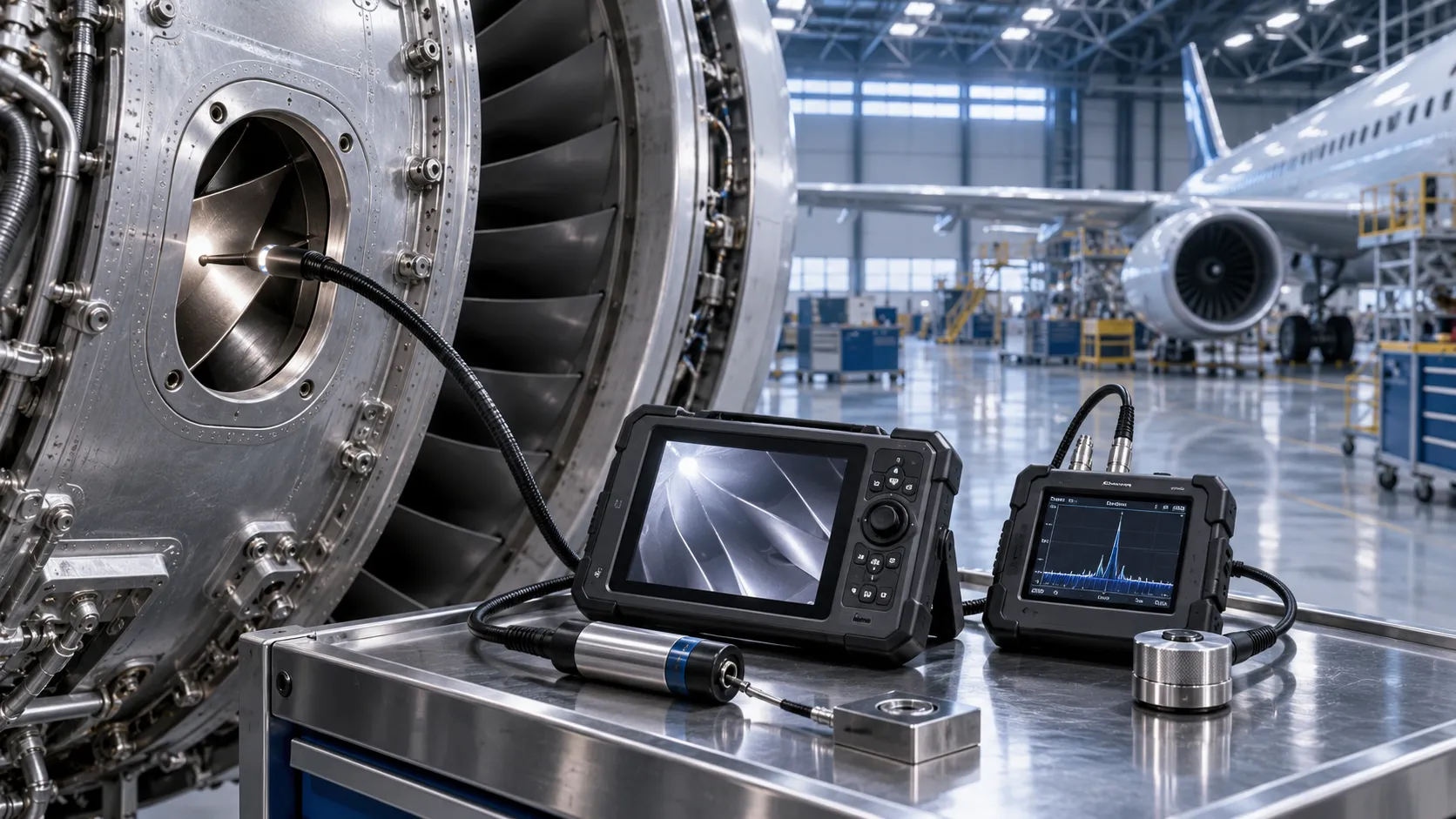
How to Select Aerospace Inspection Tools for Aircraft Maintenance Tasks
Aerospace maintenance inspection tools: learn how to select reliable, traceable equipment for aircraft access, accuracy, calibration, and compliant maintenance decisions.
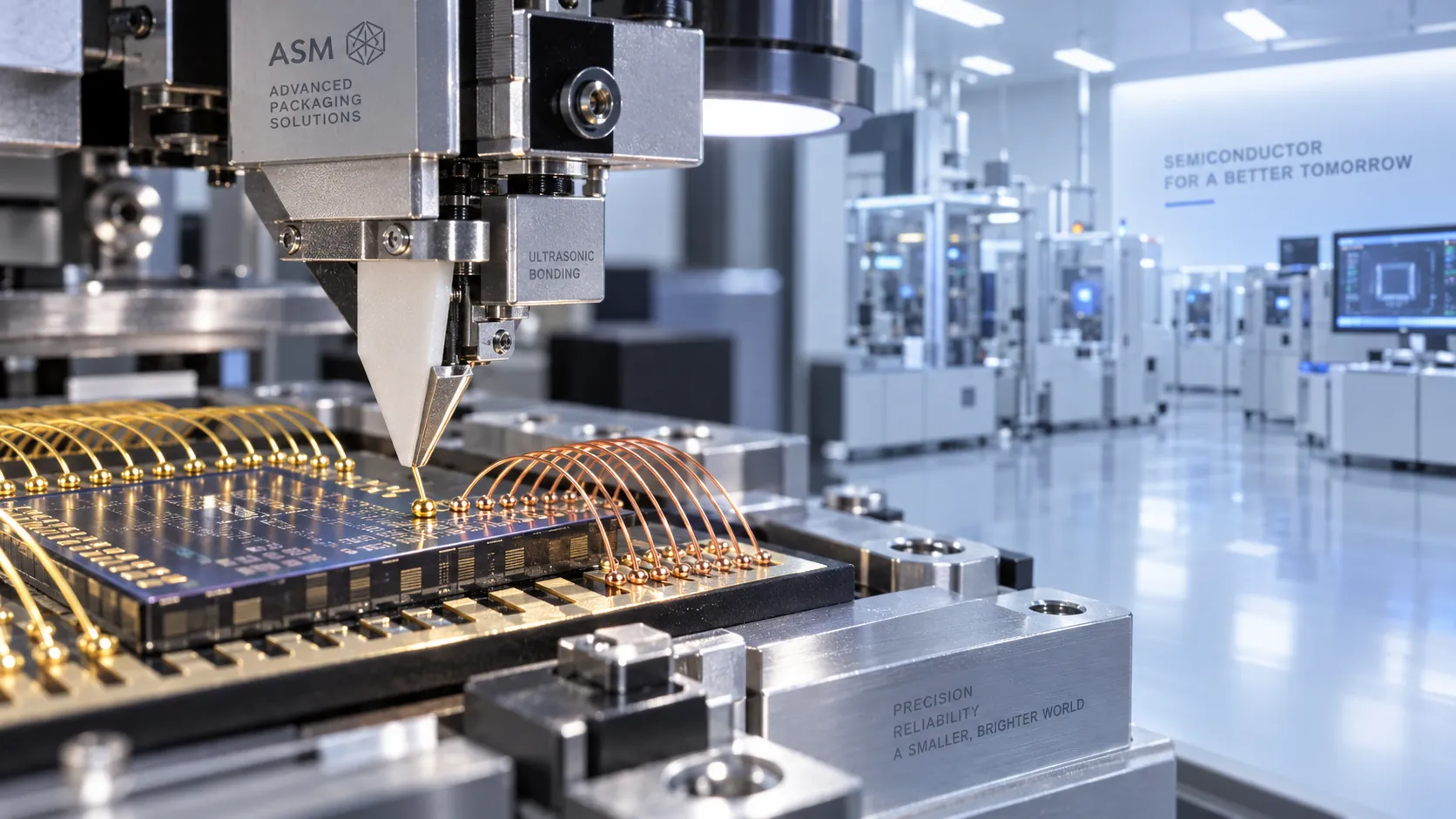
How to Select Wire Bonding Tools for Fine-Pitch Semiconductor Packaging
Explore semiconductor manufacturing tools for wire bonding and learn how to select precision solutions for fine-pitch packaging, reliable loops, accuracy, and yield.
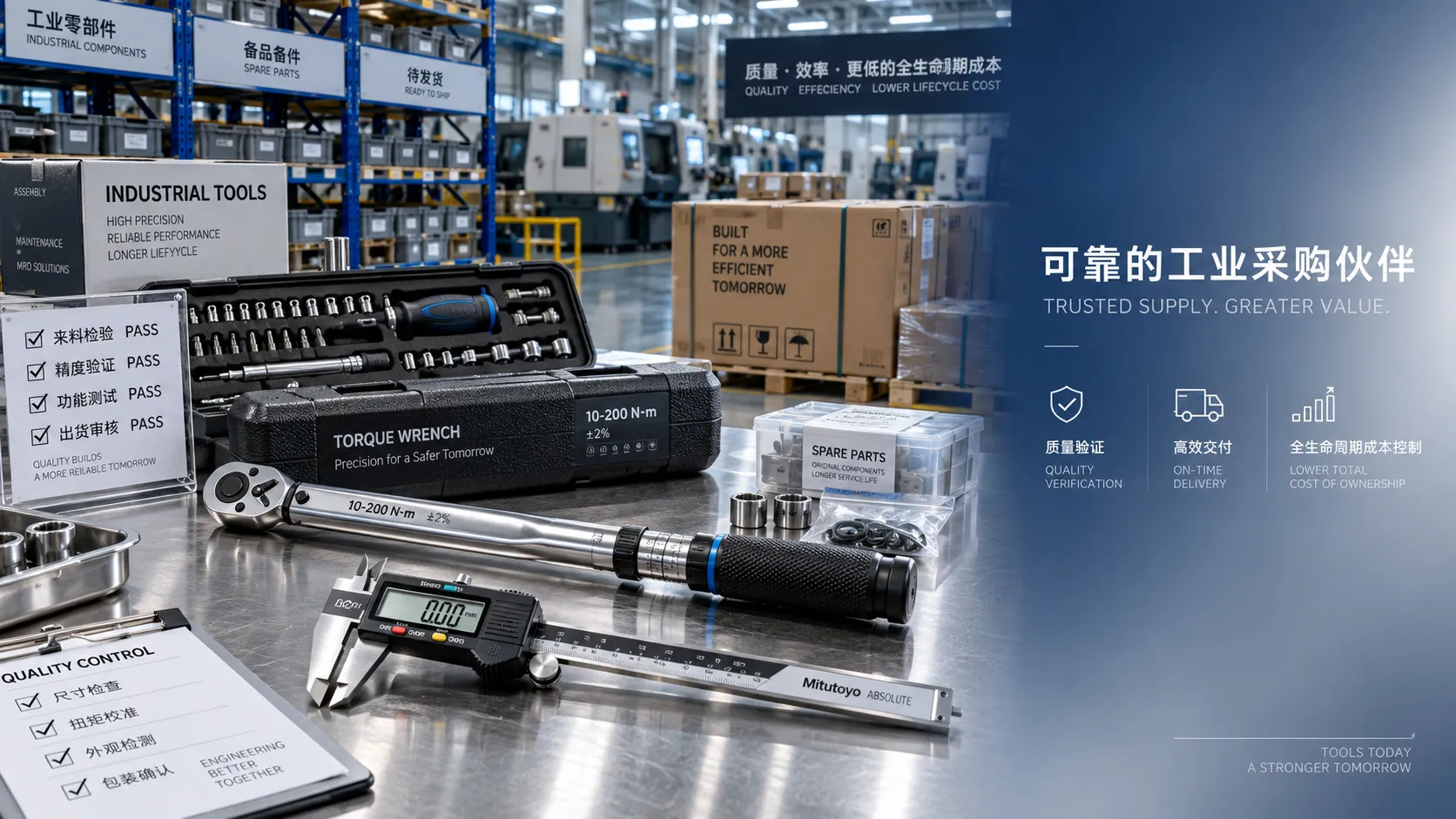
How to Compare Industrial Tool Suppliers for Quality, Lead Time, and Total Cost
Industrial tool selection supplier comparison made simple: evaluate quality, lead times, total cost, service, and supply resilience for confident sourcing decisions.
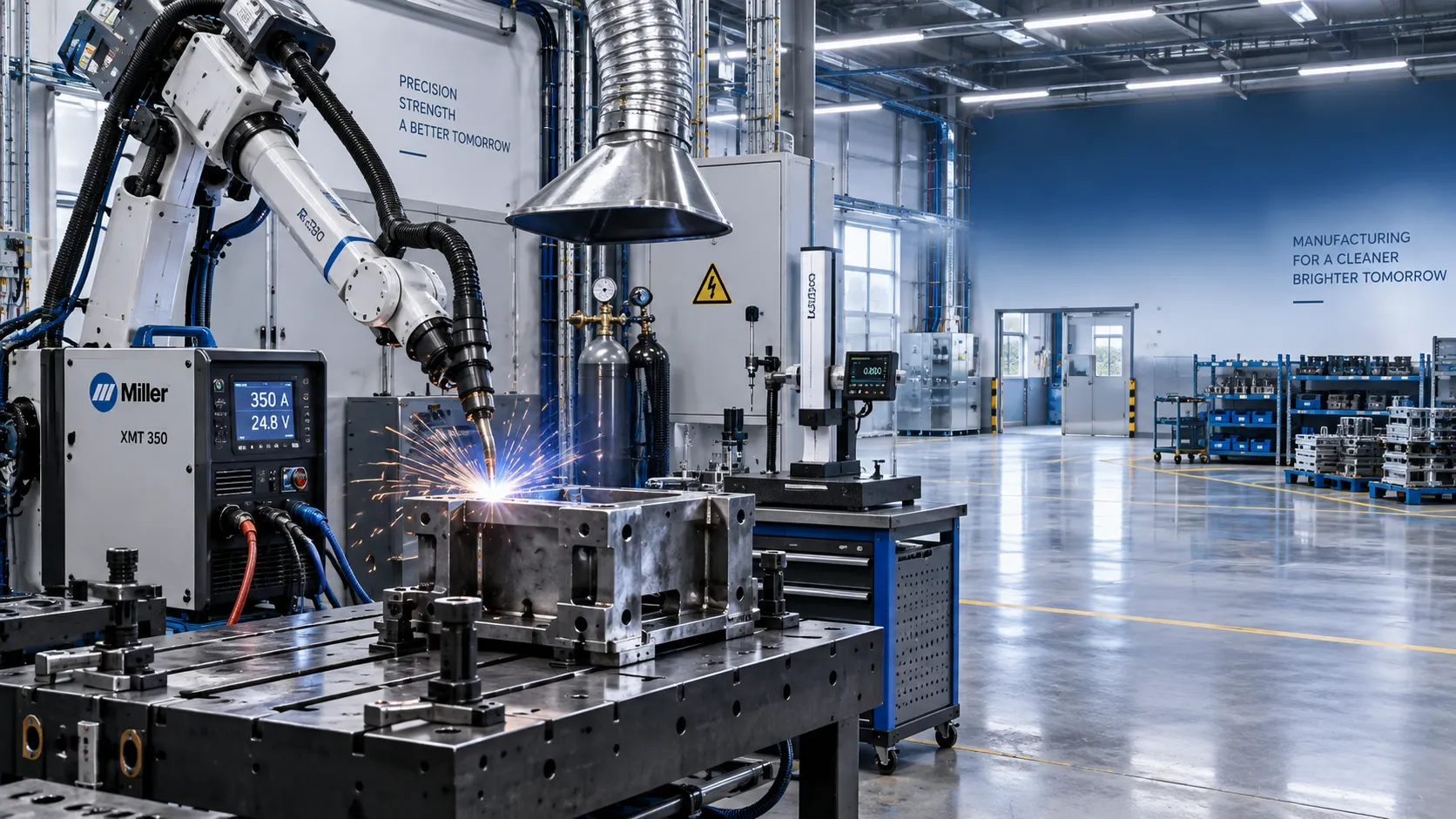
Industrial Equipment Application Guidance: Match Machines to Operating Conditions
Application guidance industrial equipment: match capacity, duty cycle, materials, site conditions, safety, and lifecycle cost to improve reliable output. Read the guide.
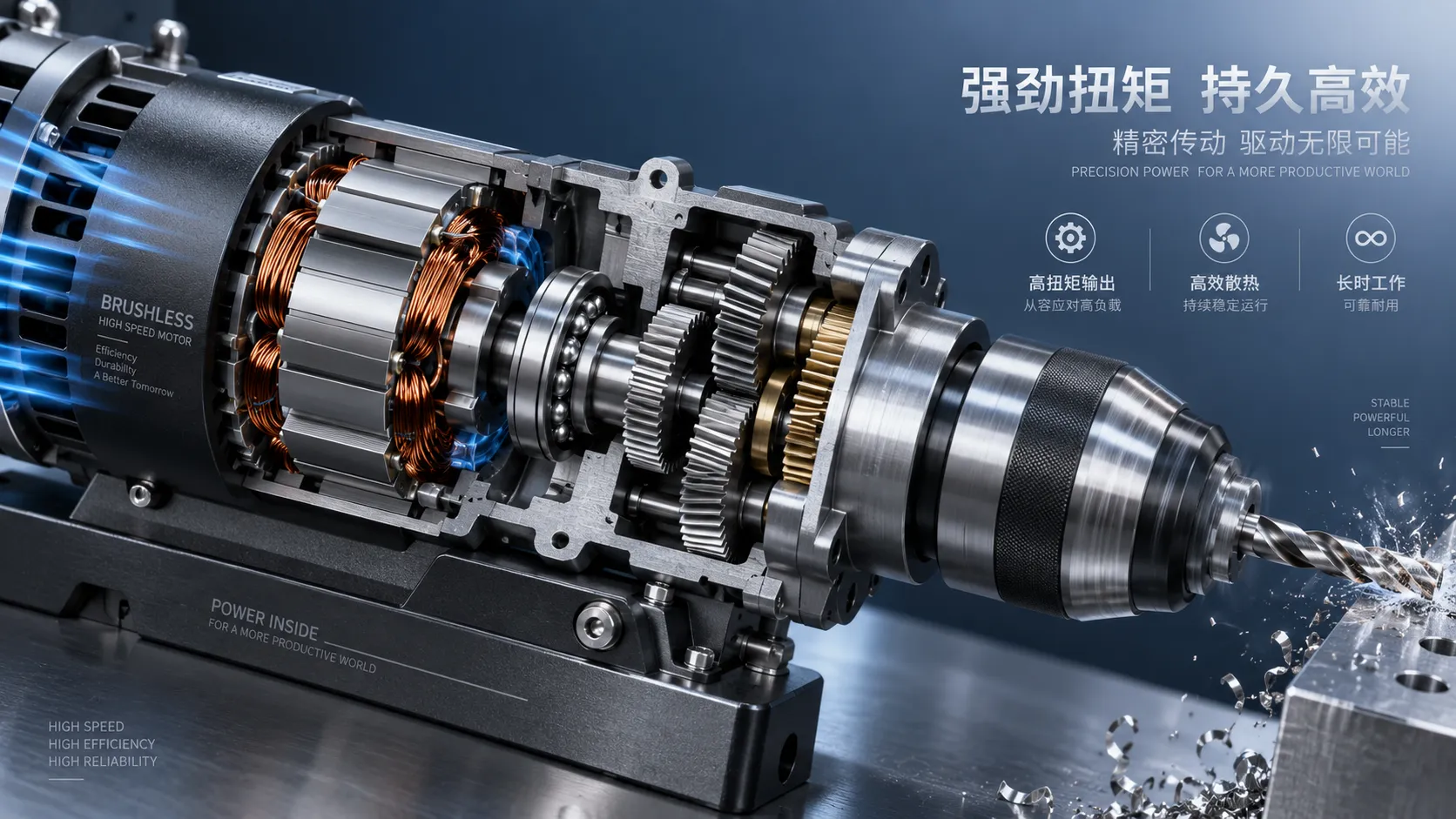
Selecting High-Speed Brushless Tool Motors for Torque, Heat, and Duty Cycle
High speed brushless tool motors: learn how to balance torque, heat, gearing, and duty cycle for reliable industrial tool performance and longer service life.
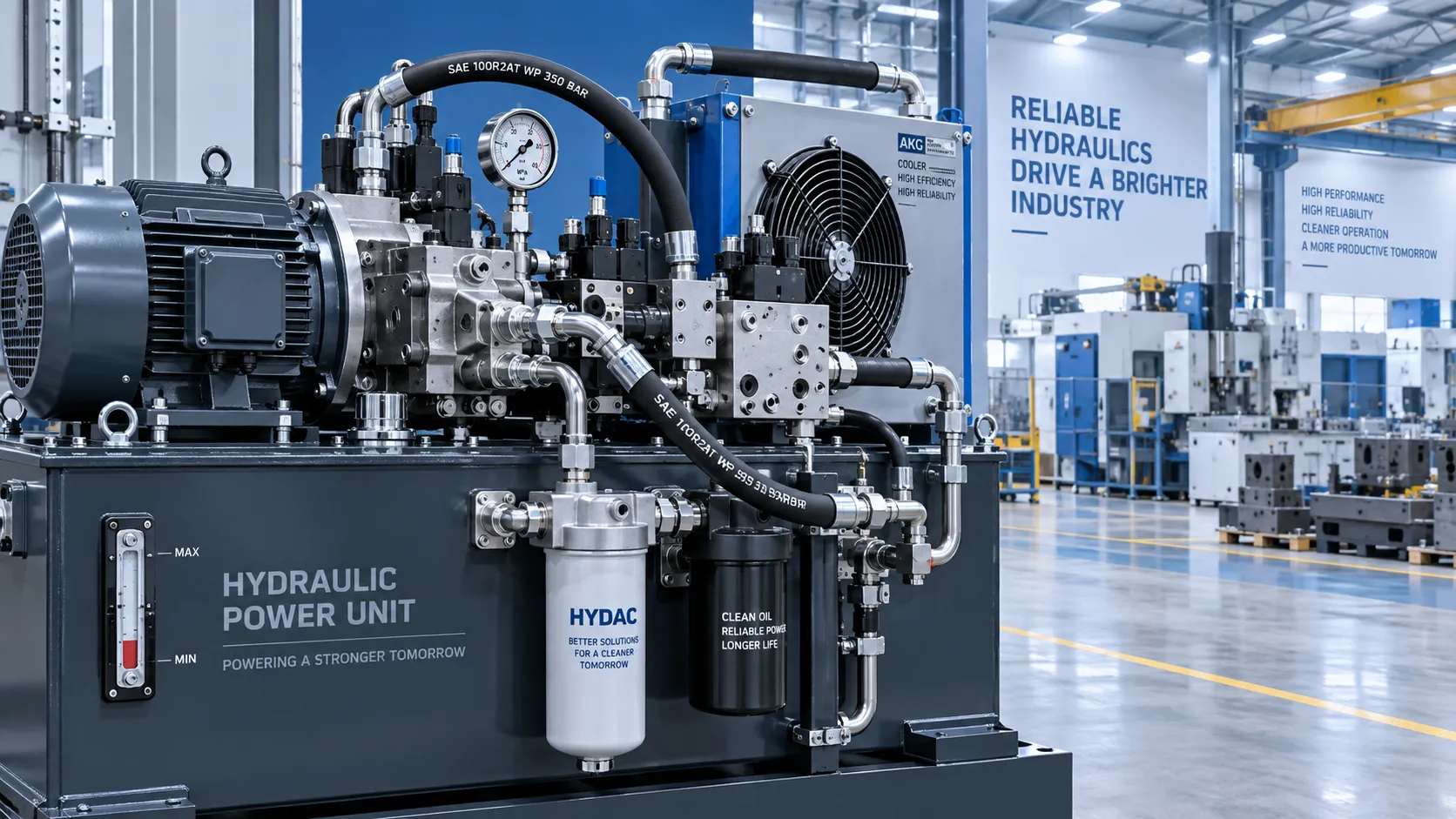
What Determines Industrial Hydraulic System Price for Heavy-Duty Equipment?
Industrial hydraulic system price depends on duty cycle, pressure, components, cooling, and integration. Compare quotes intelligently to secure reliable heavy-duty performance.
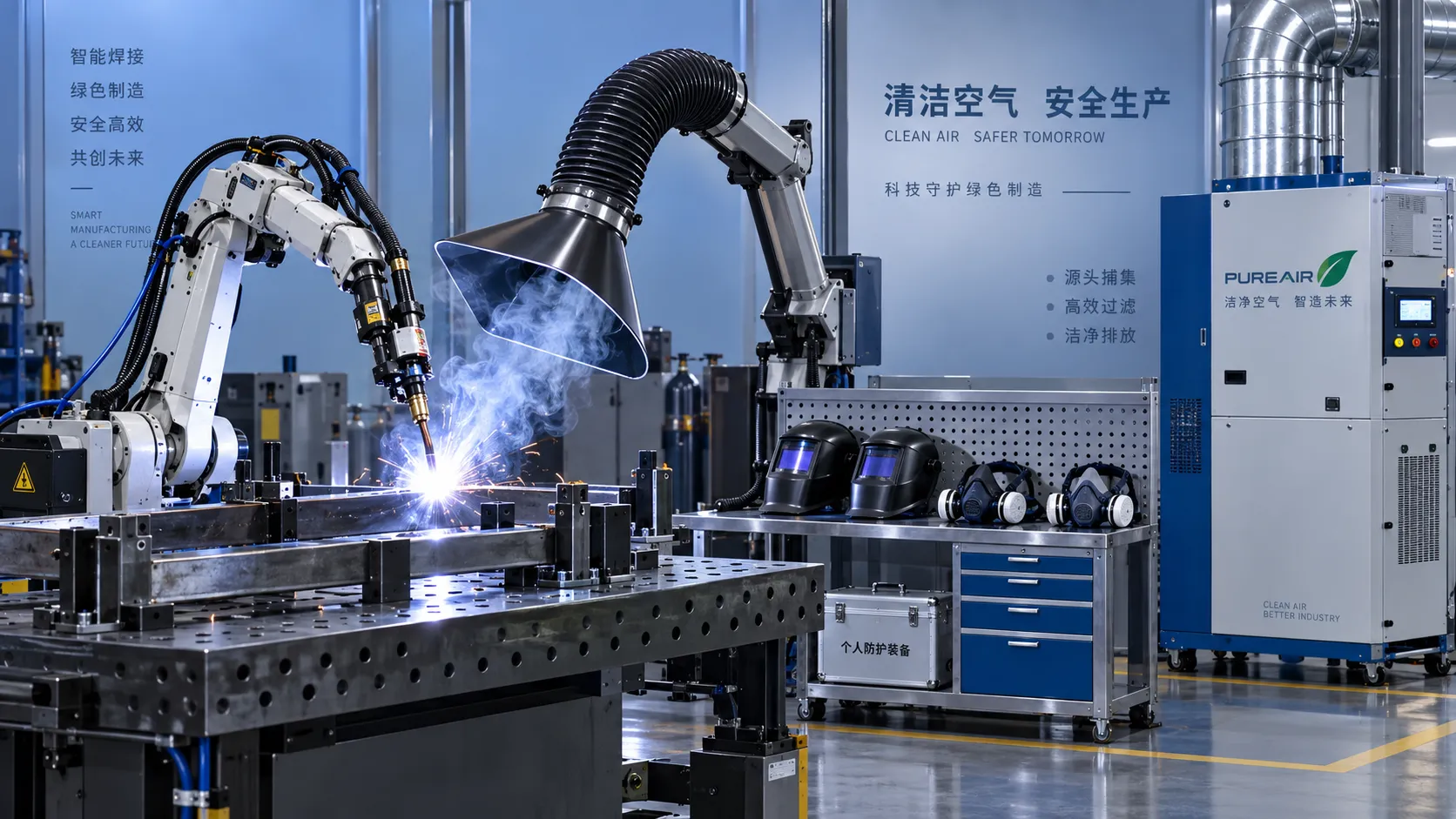
Welding Fume Extraction PPE: When Respirators Are Not Enough for Shop Safety
Welding fume extraction PPE: learn why respirators alone fall short and how source capture, ventilation, and layered controls improve shop safety.
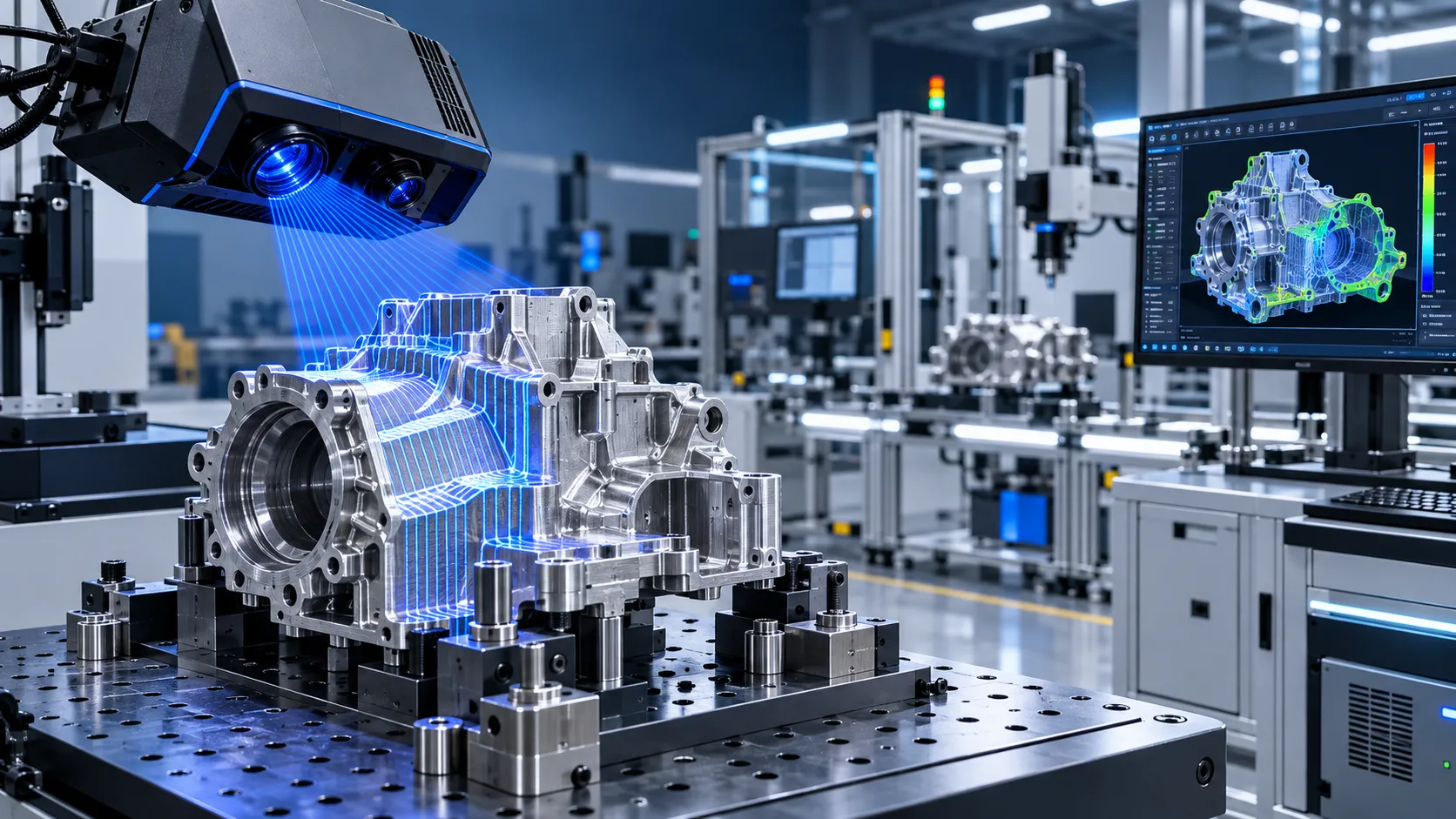
How to Select Optical Metrology Solutions for Tight-Tolerance Manufacturing
Optical industrial metrology solutions for tight-tolerance manufacturing: evaluate accuracy, surface compatibility, workflow, and traceability to select with confidence.
Related News
- 00
0000-00
Selecting Adjustable Torque Tools for Repeatable Fastener Assembly - 00
0000-00
How to Select Aerospace Inspection Tools for Aircraft Maintenance Tasks - 00
0000-00
How to Select Wire Bonding Tools for Fine-Pitch Semiconductor Packaging - 00
0000-00
Industrial Equipment Application Guidance: Match Machines to Operating Conditions - 00
0000-00
Selecting High-Speed Brushless Tool Motors for Torque, Heat, and Duty Cycle
Prof. Marcus Chen
Weekly Insights
Stay ahead with our curated technology reports delivered every Monday.