
Product Comparison Resources for Component Compatibility and Lifecycle Risk





Product Comparison Resources for Component Compatibility and Lifecycle Risk
A component comparison becomes expensive when it stops at the catalog page. Two parts may share a nominal size, voltage range, thread designation, or torque rating and still behave very differently once they enter a real assembly line, repair bay, welding cell, or field-maintenance workflow. The practical question is rarely “Which product has the better specification?” It is usually “Which option will fit our system, remain available, and fail in a way we can manage?”
For technical evaluators, useful product comparison resources for components must connect engineering data with operating conditions. A drawing, data sheet, conformity declaration, spare-parts list, service bulletin, and supplier roadmap may all matter more than a polished side-by-side feature table. This is especially true in industrial assembly, metal joining, precision measurement, hydraulic service, and powered-tool applications, where the “last mile” of manufacturing often exposes weaknesses that were invisible during initial purchasing.
The best comparison process does not try to predict every possible failure. It identifies the few incompatibilities and lifecycle risks that could interrupt production, compromise measurement confidence, create an unsafe work condition, or force an unplanned redesign later.
Compatibility Is More Than a Dimensional Match
Dimensional fit is the obvious starting point. Hole patterns, connector geometry, shaft sizes, hose fittings, thread pitch, mounting clearances, cable reach, and tool envelope all deserve verification. But physical interchangeability is only one layer. In practice, evaluators need to test compatibility across at least five layers: mechanical, electrical or pneumatic, material, functional, and information-related.
Consider a torque-controlled assembly tool. It may physically accept the same fastener and fit into the same workstation as another model. Yet the replacement may communicate through a different protocol, store tightening records in an incompatible format, require different controller firmware, or use a distinct calibration process. The tool is not truly interchangeable if the quality system cannot validate its output or retrieve its traceability data.
A similar issue appears in metrology. A caliper, micrometer, or digital indicator can appear comparable based on range and resolution, but the real decision may turn on jaw geometry, repeatability under shop-floor handling, ingress protection, output interface, battery arrangement, fixture compatibility, and available calibration support. Resolution alone does not establish that an instrument is suitable for a particular tolerance or inspection method.
Material compatibility deserves the same attention. A seal, nozzle, contact tip, abrasive, cutting accessory, coating, or insulating component can meet a basic specification while aging poorly in the actual environment. Heat, weld spatter, coolant chemistry, cleaning agents, ultraviolet exposure, vibration, metallic dust, salt-laden air, and repeated thermal cycles change the evaluation. When a supplier lists a material grade, the technical team should still ask what surrounding media, temperature range, and duty cycle the part is expected to tolerate in this installation.
Build the Comparison Around the Failure Point, Not the Product Category
A generic comparison of “Tool A versus Tool B” is usually too broad to guide a decision. A better method begins with the point at which failure would be felt. For a handheld laser welding setup, that may be safety interlock behavior, consumable availability, optical protection requirements, cooling stability, or operator training demands. For a hydraulic component, the critical issue may be seal compatibility, pressure transients, port configuration, contamination sensitivity, or the lead time for a replacement cartridge.
This framing helps prevent an all-too-common procurement mistake: choosing a component that performs well in isolation but creates a hidden dependency elsewhere. An adapter may solve a mounting issue yet add stack-up length that reduces access. A lower-cost sensor may use a connector that forces a harness change. A replacement welding torch may fit the power source but require different consumables, different maintenance routines, or a revised stock profile for the service team.
The comparison file should therefore include the surrounding system, not only the item being purchased. Before approving alternatives, capture the interfaces that cannot be changed easily: fixed mounting surfaces, control architecture, safety circuits, qualification documents, operator ergonomics, installed spares, and maintenance skill levels. In many projects, these constraints eliminate apparently attractive options quickly—and that is useful. Early elimination is cheaper than adaptation after installation.
Lifecycle Risk Often Hides Behind “Equivalent” Components
Lifecycle risk is not simply the possibility that a supplier disappears. It includes product discontinuation, undocumented revisions, shrinking service coverage, uncertain consumable supply, changing export conditions, and an installed base that becomes difficult to maintain. A component can be technically sound today and still be a poor choice for equipment expected to remain in service for years.
Technical evaluators should distinguish between a component’s current availability and its maintainability. Current availability answers whether it can be bought now. Maintainability asks whether the organization can inspect, repair, calibrate, source, and substitute it without disrupting the process. Those are very different tests.
This distinction matters for products with embedded electronics, proprietary batteries, application software, smart controllers, and digital measurement outputs. The hardware may remain physically usable while the supporting software, communication modules, or replacement accessories become difficult to obtain. It also matters for conventional equipment. A welding torch body may be durable, but if its consumable family is poorly distributed in the regions where the equipment is used, the operating risk remains high.
A sensible comparison asks for evidence rather than promises. Is there a published notice process for product changes? Are manuals and exploded parts diagrams accessible? Can the supplier identify wear items separately from major assemblies? Is calibration or repair handled locally, centrally, or only through a distributor? Are replacement models genuinely backward-compatible, or do they require changes to controllers, fixtures, cables, or qualification records? Where answers are unclear, the risk should be recorded explicitly rather than assumed away.
Use Primary Documents Before Marketplace Listings
Online listings and distributor comparisons are useful for narrowing an initial field, but they should not be the final source for critical interfaces. Listings may compress variants into one product family, omit revision details, or carry copied specifications that do not reflect the latest manufacturer documentation. For component decisions affecting safety, measurement integrity, production uptime, or regulated outputs, primary documents should lead the review.
The most useful documents are often less glamorous than a brochure: dimensional drawings with tolerances; installation instructions; wiring diagrams; material declarations where relevant; maintenance schedules; calibration procedures; parts breakdowns; compatibility matrices; and notices covering superseded models. For joining and assembly equipment, it is also worth checking whether the stated performance conditions match the intended use. A rating measured under a controlled test condition may not describe a dusty, high-duty, multi-shift environment.
When documents disagree, do not average the values or select the more favorable claim. Treat the discrepancy as a technical question. It may be caused by a model variant, a regional version, a different test method, or an outdated file. That small pause can prevent a surprisingly large integration problem.
A Practical Decision Record Makes Future Substitution Easier
The strongest component evaluations leave behind a decision record that someone else can understand two years later. This is not bureaucracy for its own sake. Staff changes, equipment moves, supplier changes, and urgent breakdowns are normal industrial events. If the reasoning exists only in email threads or in one engineer’s memory, the next replacement decision starts from zero.
A useful record can be short, but it should state the application, the non-negotiable interfaces, the approved product revision or configuration, documents reviewed, known limitations, required spares, and conditions that would trigger re-evaluation. It should also separate assumptions from confirmed facts. For example, “connector mating verified from drawing” is not the same as “functional communication verified on the installed controller.” Both statements have value, but they carry different confidence levels.
This becomes particularly important where intelligent torque systems, sensor-enabled tools, and digital metrology devices are introduced into established production environments. The mechanical swap may be straightforward; the validation burden may not be. Changes to data capture, measurement traceability, access permissions, or software versions should be treated as part of the component change, not as an afterthought for the controls team.
Where Industry Intelligence Adds Context
Product documentation explains what a component is designed to do. Industry intelligence helps evaluators understand the conditions around that product: shifts in raw-material availability, changing export restrictions, adoption patterns for new tool technologies, service-network changes, and the direction of adjacent systems. That context can matter when a part is being selected for a global maintenance program rather than a single local installation.
The Global Precision Tools & Welding Matrix approaches this decision layer from the practical end of industrial manufacturing. Its Strategic Intelligence Center connects developments in assembly tools, metal joining, precision metrology, hydraulic equipment, and related supply conditions. For an evaluator, the value is not a generic recommendation. It is the ability to place a component comparison alongside questions about handheld laser welding safety, brushless tool motor limits, connected torque control, inspection requirements, and distributor support realities.
That broader view is useful because component risk rarely stays within one department. A choice made for a lower purchase price can affect quality assurance, maintenance inventory, training, digital traceability, and field service. Conversely, a component that costs more initially may be easier to inspect, stock, repair, and replace across multiple sites. The correct conclusion depends on the operating model, but the comparison should make those trade-offs visible.
The Final Check: Can the Team Live With the Decision?
Before releasing a component for purchase, ask a plain operational question: if this part fails, changes revision, or becomes unavailable, does the team know what happens next? If the answer relies on an undocumented adapter, a single person’s knowledge, an uncertain aftermarket source, or a controller change that has never been tested, the lifecycle exposure is not under control.
Good product comparison resources for components do not produce a winner by default. They make compatibility assumptions visible, show where evidence is missing, and reveal whether a low-cost option merely shifts cost into commissioning, maintenance, or future redesign. In industrial work, that clarity is often the most valuable output of the evaluation.
Related News
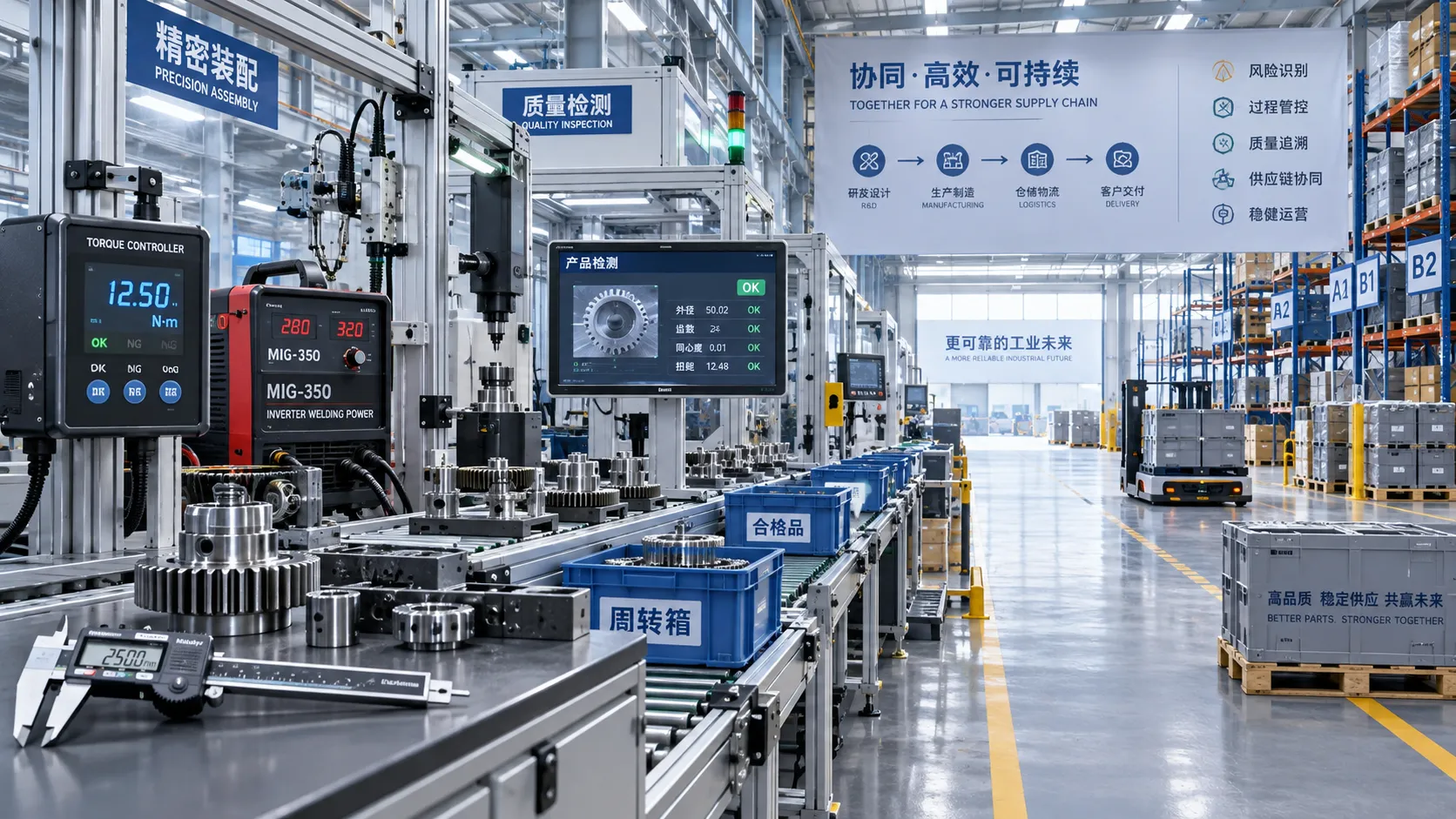
How Procurement Teams Can Map the Industrial Value Chain to Reduce Supply Risk
Industrial value chain procurement helps teams map hidden dependencies, qualify resilient sources, and reduce supply risk before disruptions stop production.

How Specification-Driven Articles Improve Precision Measurement System Selection
Specification-oriented articles precision measurement guidance helps teams compare accuracy, repeatability, environment, and data needs to select reliable systems with confidence.

How to Evaluate a Technology Integration Service Provider for Complex Projects
Technology integration service provider selection guide: evaluate interface ownership, delivery discipline, scalable architecture, and risk control for complex projects.
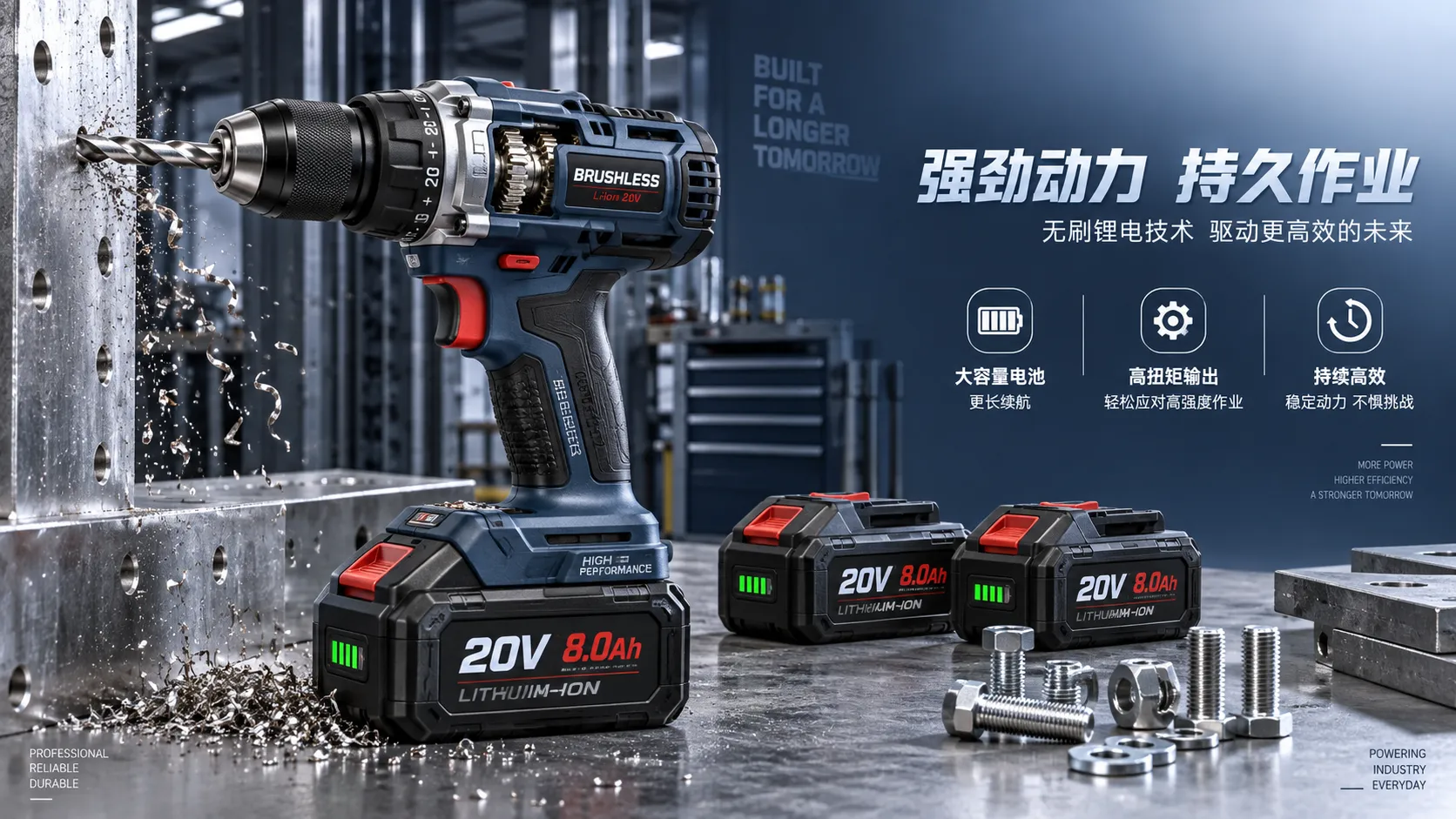
How Battery, Torque, and Duty Cycle Affect Cordless Power Tool Efficiency
Cordless power tool efficiency depends on battery output, torque, and duty cycle. Learn how to match tools to demanding jobs for stronger runtime and productivity.
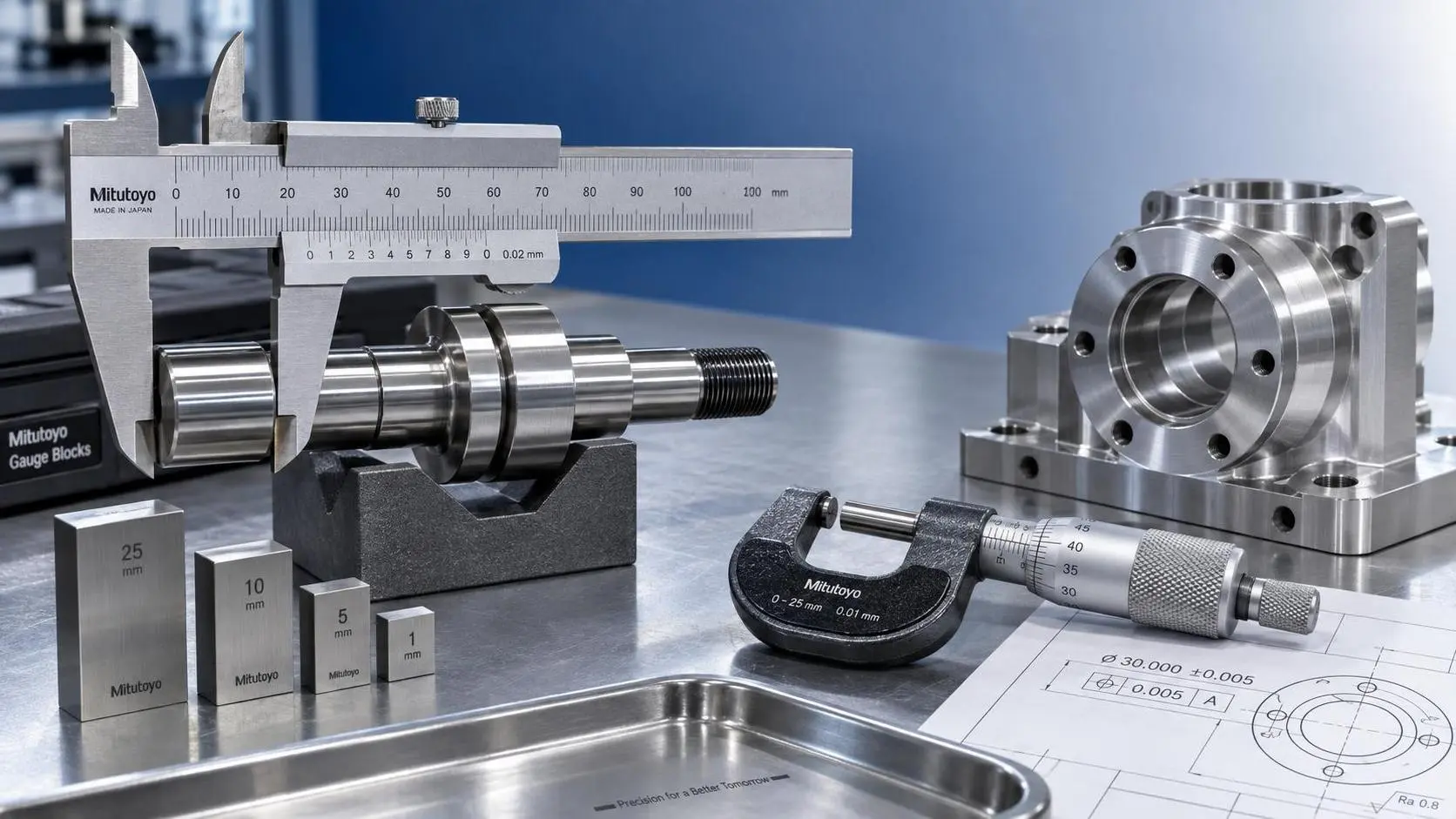
How to Select Vernier Precision Calipers for Tight-Tolerance Machining Inspection
Vernier precision calipers for tight-tolerance machining: learn how to select the right range, jaw design, accuracy, and verification process for reliable inspection.
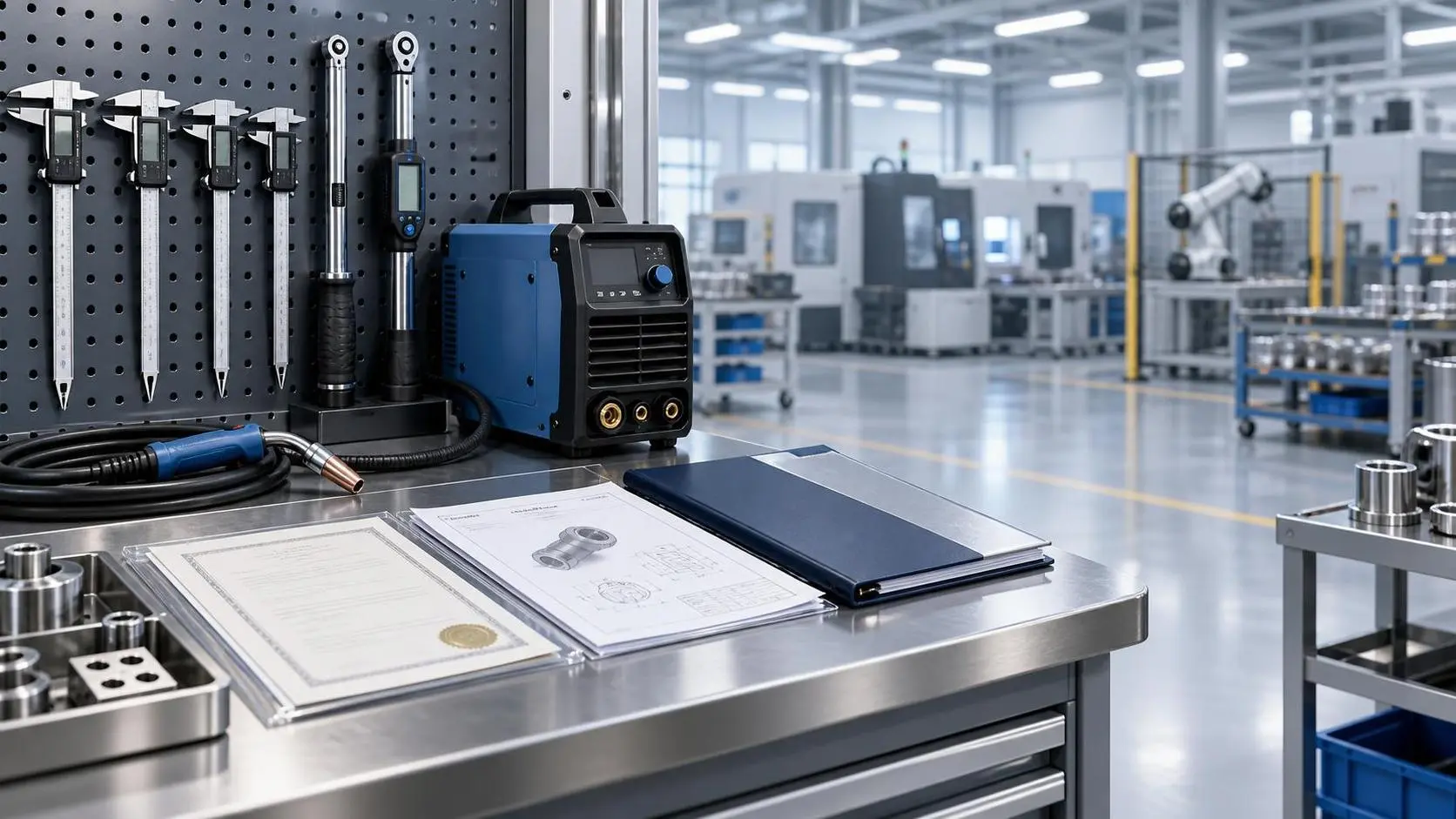
Product Comparison Resources in Europe: How Buyers Can Verify Specs and Suppliers
Product comparison resources Europe: learn how to verify industrial specs, compliance claims, supplier credibility, and delivery risk for smarter purchasing decisions.

How to Evaluate an Industrial Metrology Solution Manufacturer for Production Use
Industrial metrology solution manufacturer evaluation guide for production: compare accuracy, traceability, automation, software, service, and acceptance testing to reduce risk.

Which ISO Standards Matter Most for Precision Engineering Quality Control?
Precision engineering ISO standards explained: discover how ISO 9001, ISO/IEC 17025, ISO 10012, GPS, and ISO 3834 strengthen quality control, traceability, and compliance.
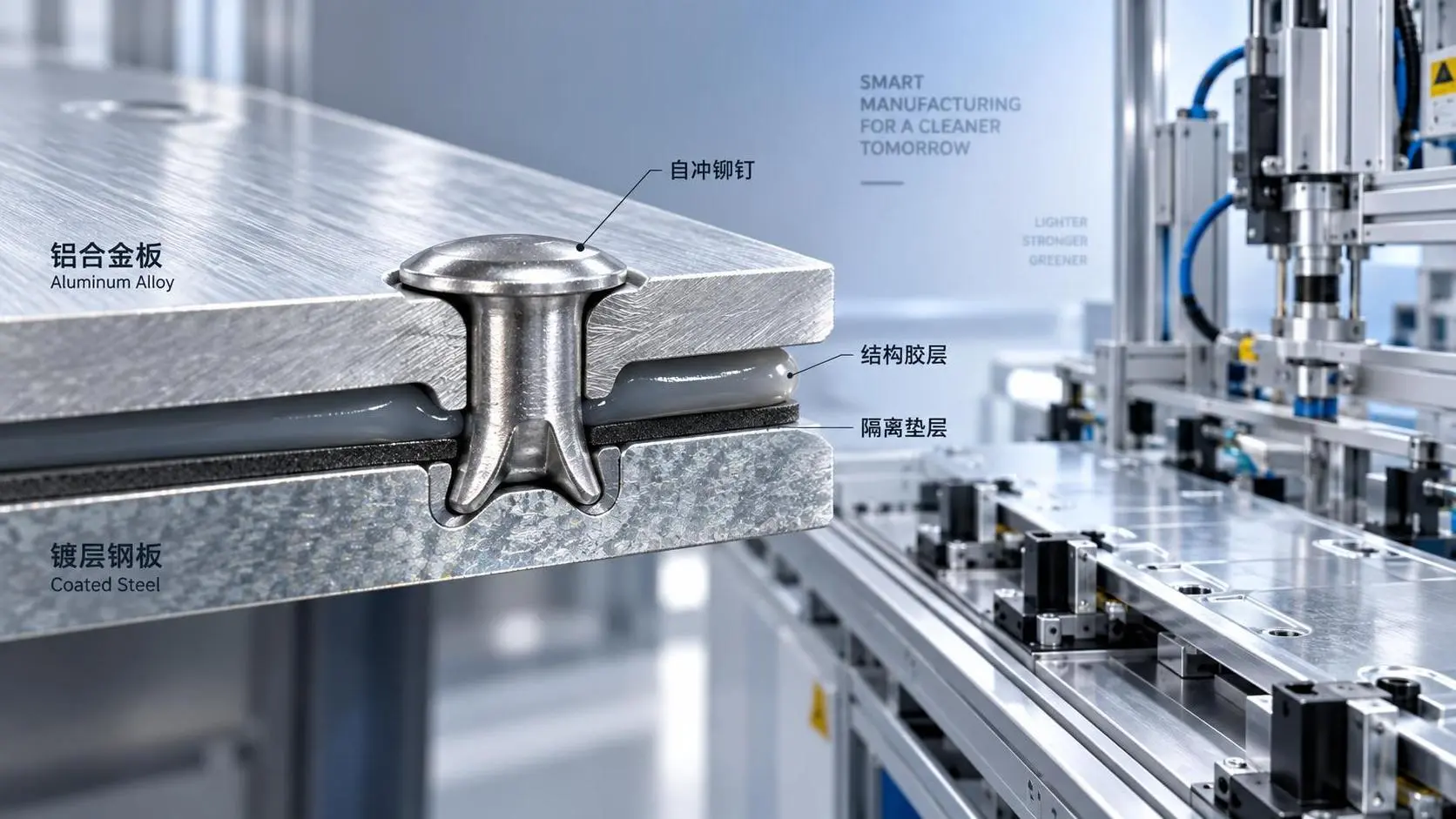
Selecting Metal Joining Methods for Aluminum-to-Steel Assemblies
Metal joining solutions for dissimilar metals: compare aluminum-to-steel fastening, bonding, hybrid, and thermal methods for corrosion-resistant, reliable assemblies.
Related News
- 00
0000-00
How Specification-Driven Articles Improve Precision Measurement System Selection - 00
0000-00
Product Comparison Resources for Component Compatibility and Lifecycle Risk - 00
0000-00
Which ISO Standards Matter Most for Precision Engineering Quality Control? - 00
0000-00
Selecting Metal Joining Methods for Aluminum-to-Steel Assemblies - 00
0000-00
How to Evaluate Industrial Manufacturing Systems for Throughput, Flexibility, and ROI
Prof. Marcus Chen
Weekly Insights
Stay ahead with our curated technology reports delivered every Monday.