
Selecting Metal Joining Methods for Aluminum-to-Steel Assemblies





Aluminum-to-steel assemblies should not be selected by asking which process produces the strongest-looking joint. The practical question is whether the joint will remain stable through forming, service loads, temperature changes, moisture exposure, coating operations, and inspection. A method that works well on a clean laboratory coupon can become unreliable when production variation, access limits, or corrosion pathways are introduced.
Among metal joining solutions for dissimilar metals, aluminum-to-steel joints require particular care because the materials respond very differently to heat and create a galvanic corrosion risk when electrically connected in the presence of an electrolyte. Aluminum melts at a much lower temperature than steel, conducts heat rapidly, and forms a persistent oxide layer. Direct fusion welding can also create brittle iron-aluminum intermetallic compounds at the interface. These factors do not eliminate welding as an option, but they make process control, joint design, and surface condition central to the decision.
A sound selection starts with the assembly rather than the joining machine. Define what the joint must do, where it will operate, and how it will be made repeatedly. The best process for a sealed automotive panel is not automatically the right choice for a repairable enclosure, a structural frame, or a low-volume fabricated unit.
Start with the failure mode, not the process name
Before comparing rivets, adhesives, laser systems, or resistance spot welding, identify the load path and the likely failure mechanism. Aluminum-to-steel assemblies often fail for reasons that are not visible in a basic tensile pull test. Peel loading, vibration, thermal cycling, edge corrosion, local buckling, coating damage, and water retention can matter more than nominal static strength.
A lap joint carrying mainly shear behaves differently from a bracket that sees peel and prying forces. Mechanical fasteners generally tolerate accessible lap joints well, while adhesive bonding can distribute shear over a larger area but is less forgiving of poorly controlled bond-line thickness or inadequate surface preparation. A direct welded joint may be compact and efficient, but it can introduce heat distortion, local metallurgical changes, or difficult inspection requirements.
It is useful to classify the assembly early:
- Primarily structural: load capacity, fatigue behavior, stiffness, and failure containment are dominant.
- Sealing or enclosure-oriented: leak resistance, corrosion protection, appearance, and thermal movement may outweigh peak load.
- Electrically functional: conductivity, grounding, and controlled electrical isolation must be evaluated together.
- Serviceable: disassembly, replacement, and field repair limit the use of permanent joining methods.
- High-volume manufactured: cycle consistency, fixturing, automation compatibility, and quality monitoring become major cost drivers.
This classification often removes unsuitable options quickly. For example, an assembly needing routine disassembly should not be designed around a permanent adhesive-only joint. Likewise, a highly exposed exterior structure should not rely on a bare aluminum-to-steel contact interface merely because a mechanical fastener provides an economical initial assembly.
The aluminum-steel interface is the real design problem
Galvanic corrosion occurs when aluminum and steel are electrically connected and moisture or another conductive medium bridges the materials. Aluminum is generally the more vulnerable side of the pair. The risk is not determined only by the metals themselves. It is strongly affected by crevices, damaged coatings, trapped water, salt exposure, temperature, drainage, and the relative exposed surface areas of the two materials.
For this reason, the joining decision cannot be separated from corrosion strategy. A process that creates a continuous bond may reduce exposed interface area, but it may also damage protective coatings. A fastened joint can preserve surrounding material properties, yet it may create crevices around holes and under heads. An insulating adhesive layer, sealant, washer, coating system, or carefully designed barrier can interrupt the galvanic path, provided it remains intact under service conditions.
Do not treat a corrosion barrier as an optional finishing detail. It should be defined in the joint stack-up: which surfaces are coated, which are masked, whether a conductive path is required, how edges are sealed, where water can drain, and what happens if the coating is scratched during assembly. The corrosion plan must also remain compatible with the selected joining process. Some adhesives require a prepared metallic surface; some thermal processes burn away nearby coatings; some fasteners demand local coating removal or create coating damage at installation.
How the main joining options differ in practice
Mechanical fasteners: practical, but not automatically simple
Bolts, screws, blind rivets, flow-drill fasteners, and related methods are often the most direct route when serviceability or low thermal input is important. Their main strength is predictability: the process can be verified through installed position, clamp load where applicable, and visible joint features. They also avoid the metallurgical difficulty of melting aluminum and steel together.
The limitations are design-related. A hole reduces net section and can create a fatigue-sensitive location. Thin aluminum may deform under local clamp load unless washers, collars, or formed features distribute the force. Fastener selection must consider the full galvanic couple, not just the aluminum-to-steel interface. A stainless or carbon-steel fastener may alter the corrosion behavior and require isolation components or compatible coatings.
Mechanical fastening is usually a strong starting point when access allows it, repairability matters, or the assembly has modest production volume. It becomes less attractive when the joint must be smooth, airtight, lightweight, or highly resistant to vibration-induced fretting.
Self-piercing rivets and clinching: efficient for the right sheet stack
Self-piercing riveting joins overlapping sheets without a predrilled hole. The rivet pierces upper layers and flares into the lower layer without breaking through it. Clinching creates an interlock by locally forming the sheet stack. Both methods avoid direct fusion and are commonly considered where aluminum sheet is joined to steel sheet.
These methods are highly dependent on stack order, thickness range, material strength, local formability, and tool access. A joint that works with a ductile lower sheet may fail when a higher-strength or less formable grade is substituted. Late material changes are therefore not minor procurement changes; they can require renewed joint development. Die wear, rivet feed, setting force, and panel positioning should also be monitored because a small geometry shift can affect interlock quality.
Choose these methods when the product design can provide consistent lap geometry and access from both sides. They are less suitable for closed sections, highly variable stacks, or configurations where a die cannot reach the backside.
Adhesive bonding: valuable when the joint is designed for bonding
Structural adhesives are not simply liquid welds. They work best when the joint provides adequate overlap, controlled adhesive thickness, and a load path dominated by shear or compression. Their ability to spread load can reduce localized stress and improve panel stiffness. They can also seal the interface and help electrically isolate aluminum from steel, which is useful in corrosion-sensitive assemblies.
The common mistake is to specify an adhesive after the geometry has already been designed around a narrow butt joint or a peel-prone flange. Adhesives are less tolerant of peel, impact at exposed edges, and poorly prepared surfaces. Oil, oxides, inconsistent coatings, and incomplete cure can compromise a bond even when the dispensing system appears to operate normally.
Surface preparation deserves the same engineering attention as adhesive selection. The required sequence may include cleaning, abrasion or conversion treatment, priming, and controlled time between preparation and bonding. The objective is not maximum roughness; it is a stable, repeatable surface condition compatible with the adhesive and environmental exposure. Cure conditions must match what the actual assembly can tolerate, including the effect of heating on coatings, nearby polymers, seals, and dimensional accuracy.
Hybrid joints often solve competing requirements
Combining adhesive bonding with rivets, screws, or clinched features is often the most balanced approach for dissimilar-metal sheet structures. The adhesive shares load and seals broad interfaces, while the mechanical element provides immediate positional retention and can improve resistance to peel or crash-type loading. The fastener also holds parts in place during adhesive cure, reducing dependence on complex clamping fixtures.
Hybrid does not mean automatically more reliable. It introduces interactions that must be designed deliberately. The fastener installation can squeeze out adhesive, disturb the bond line, or leave an unsealed path if dispensing is poorly located. Conversely, excess adhesive can interfere with seating. Define bead placement, fastening sequence, overflow allowance, and inspection criteria as part of one process, not as separate operations.
When welding is justified, distinguish “joining” from “melting both metals”
Direct conventional fusion welding of aluminum to steel is difficult because molten interaction at the interface can form brittle intermetallic layers. The process window is narrow, and the consequences of poor heat control are not always obvious from surface appearance. Simply increasing heat to achieve a larger weld is usually the wrong response.
Welding-related approaches can still be justified where joint compactness, automation, or production speed support the investment and where the process is developed around controlled interfacial behavior. Depending on geometry and materials, options may include solid-state processes, brazing-based approaches, or laser-assisted methods designed to limit direct mixing. The appropriate choice depends on the alloy pair, coating condition, sheet thickness, joint orientation, accessibility, and acceptable heat-affected zone.
For a new program, thermal joining should be evaluated through representative samples rather than ideal flat coupons alone. Include realistic gaps, forming variation, coating conditions, and the actual restraint created by fixtures. The evaluation should examine not only initial strength but also section quality, distortion, repeatability, corrosion protection, and the inspection method available on the production line.
Use inspection capability as a selection filter
A joining process is only as useful as the organization’s ability to confirm it was performed correctly. This is particularly important for hidden interfaces between aluminum and steel. A visible rivet head can be checked for presence and position, but internal setting quality may still need sectioning during development or monitored installation force during production. Adhesive beads can be inspected before closure, yet the final bond interface cannot usually be observed directly after assembly. Thermal joints may require parameter monitoring, sample sectioning, or non-destructive methods appropriate to the joint geometry.
Ask three questions before committing to a process:
- What production variable most strongly predicts an unacceptable joint?
- Can that variable be monitored in real time or verified at a meaningful sampling rate?
- What containment action is possible when a suspect joint is detected?
If the answer depends on destructive testing every finished part, the process may still be feasible, but the manufacturing and quality plan need reconsideration. A less elegant joining method with clear process signals can be the better production choice.
A selection sequence that avoids late redesign
Begin by freezing the basic joint requirements: load directions, expected movement, environmental exposure, electrical needs, sealing requirements, appearance, and repairability. Then screen the geometry. Is there overlap for bonding or riveting? Is there access from one side or both? Can the components tolerate holes, local deformation, or heat? These questions narrow the options before equipment cost becomes a distraction.
Next, establish the corrosion architecture. Specify whether the aluminum and steel will be isolated, whether coatings are continuous through the joint, how fasteners are protected, and how liquid leaves the assembly. Only then compare candidate processes using representative material stacks and realistic surface conditions.
Finally, assess the manufacturing system around the joint: material handling, fixturing, takt time, operator access, tool maintenance, process monitoring, rework rules, and inspection. Industrial assembly decisions benefit from treating metrology as part of process selection rather than as an end-of-line activity. Sources such as GPTWM’s industrial assembly and precision metrology intelligence can help teams track process-development considerations across welding, fastening, and measurement technologies, but the final method should always be anchored in the assembly’s actual failure modes and production constraints.
The most defensible aluminum-to-steel joint is rarely the one with the most advanced equipment. It is the one whose load path, corrosion protection, geometry, manufacturing variation, and verification method all support the same decision. When those elements align, mechanical, bonded, hybrid, and controlled thermal methods can each provide reliable answers to a difficult dissimilar-metal joining problem.
Related News
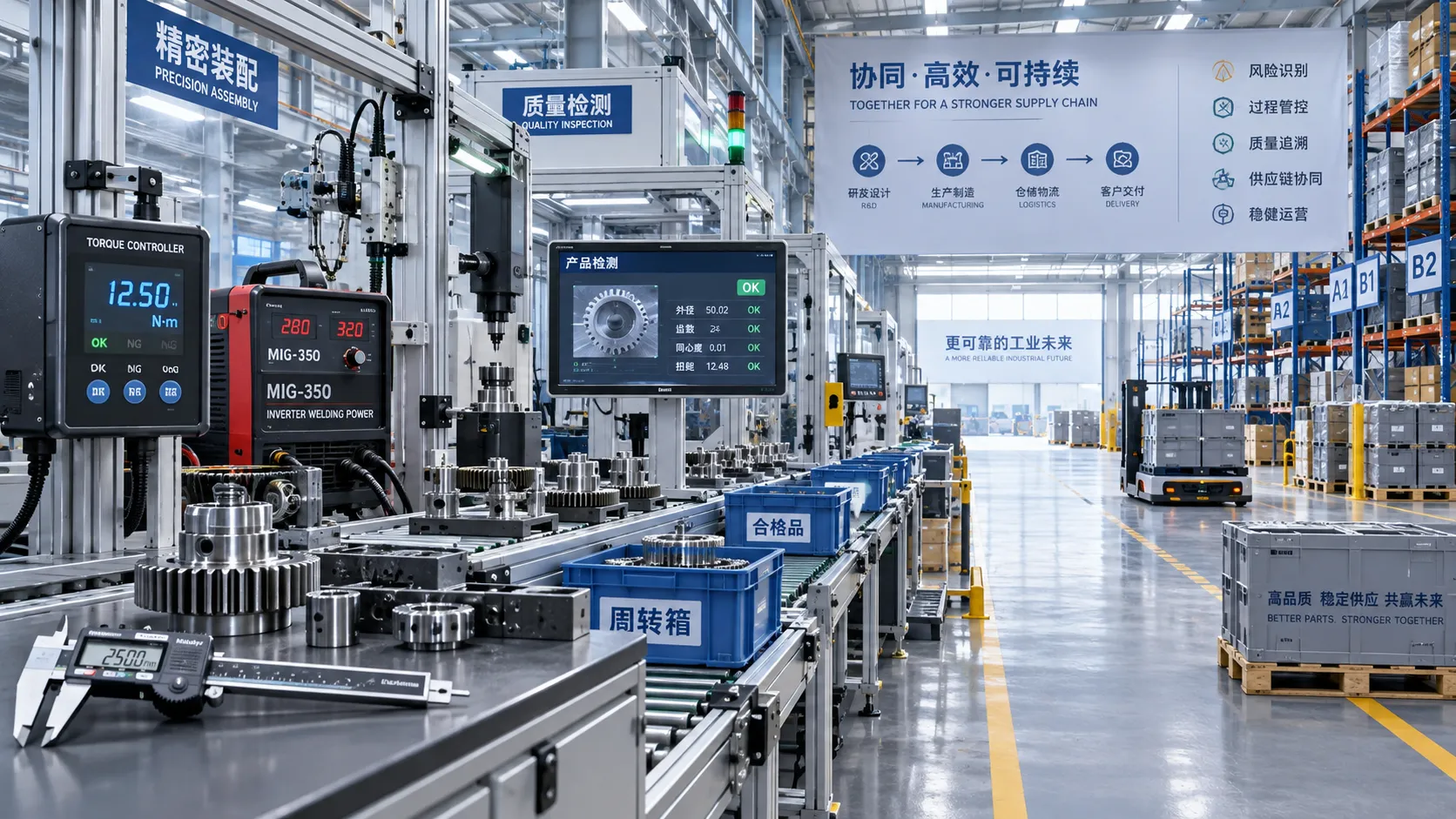
How Procurement Teams Can Map the Industrial Value Chain to Reduce Supply Risk
Industrial value chain procurement helps teams map hidden dependencies, qualify resilient sources, and reduce supply risk before disruptions stop production.
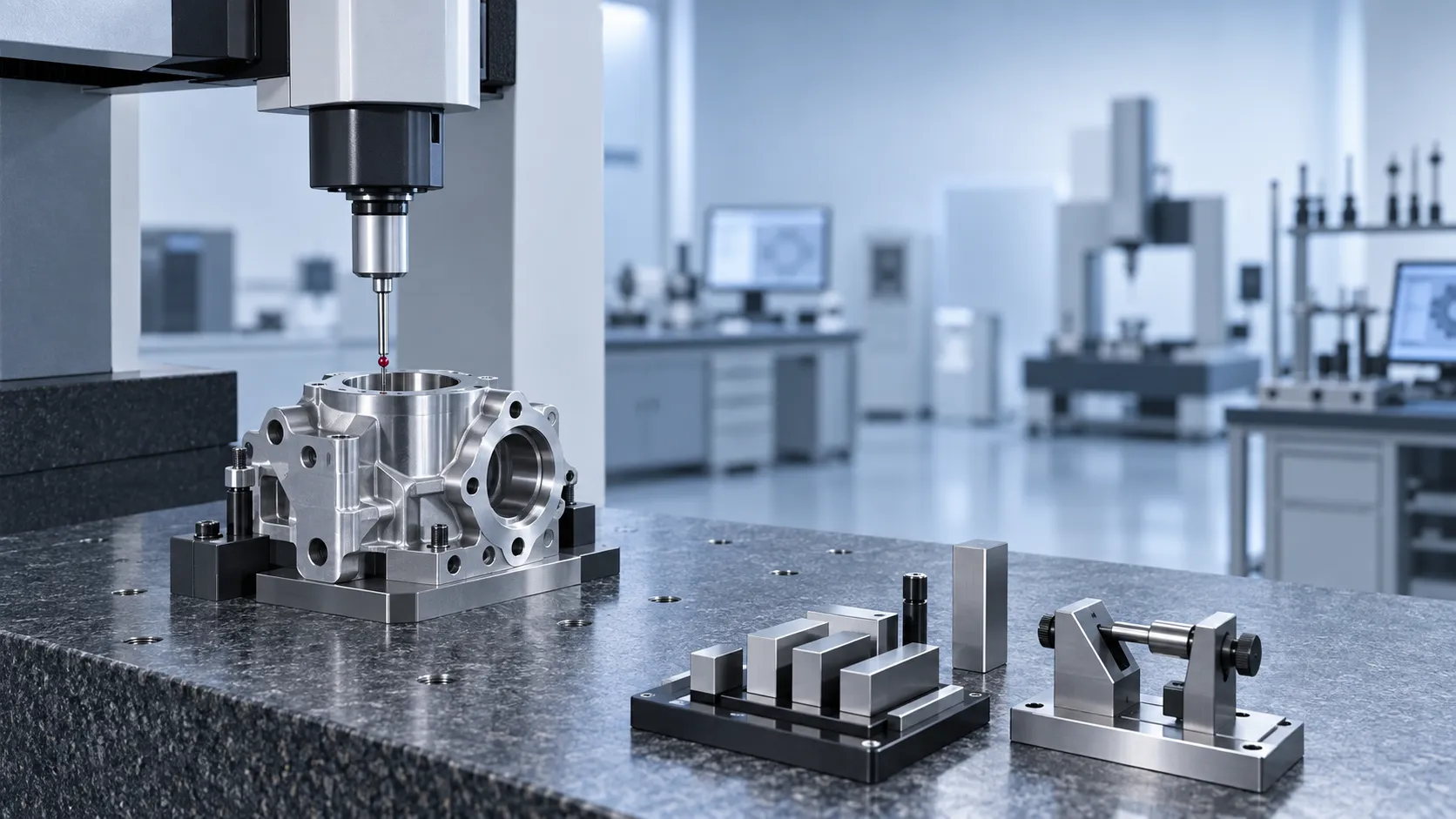
How Specification-Driven Articles Improve Precision Measurement System Selection
Specification-oriented articles precision measurement guidance helps teams compare accuracy, repeatability, environment, and data needs to select reliable systems with confidence.
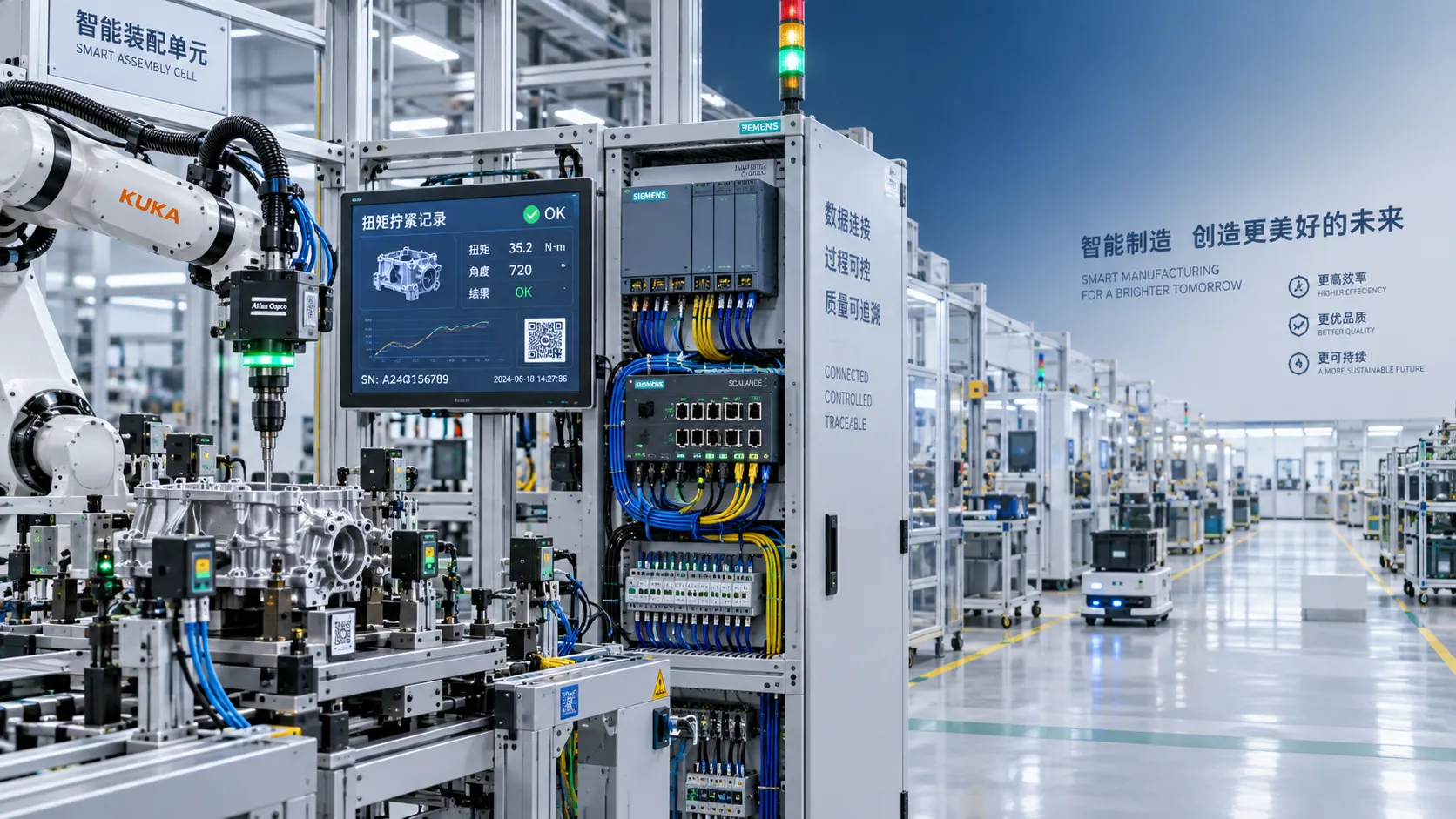
How to Evaluate a Technology Integration Service Provider for Complex Projects
Technology integration service provider selection guide: evaluate interface ownership, delivery discipline, scalable architecture, and risk control for complex projects.
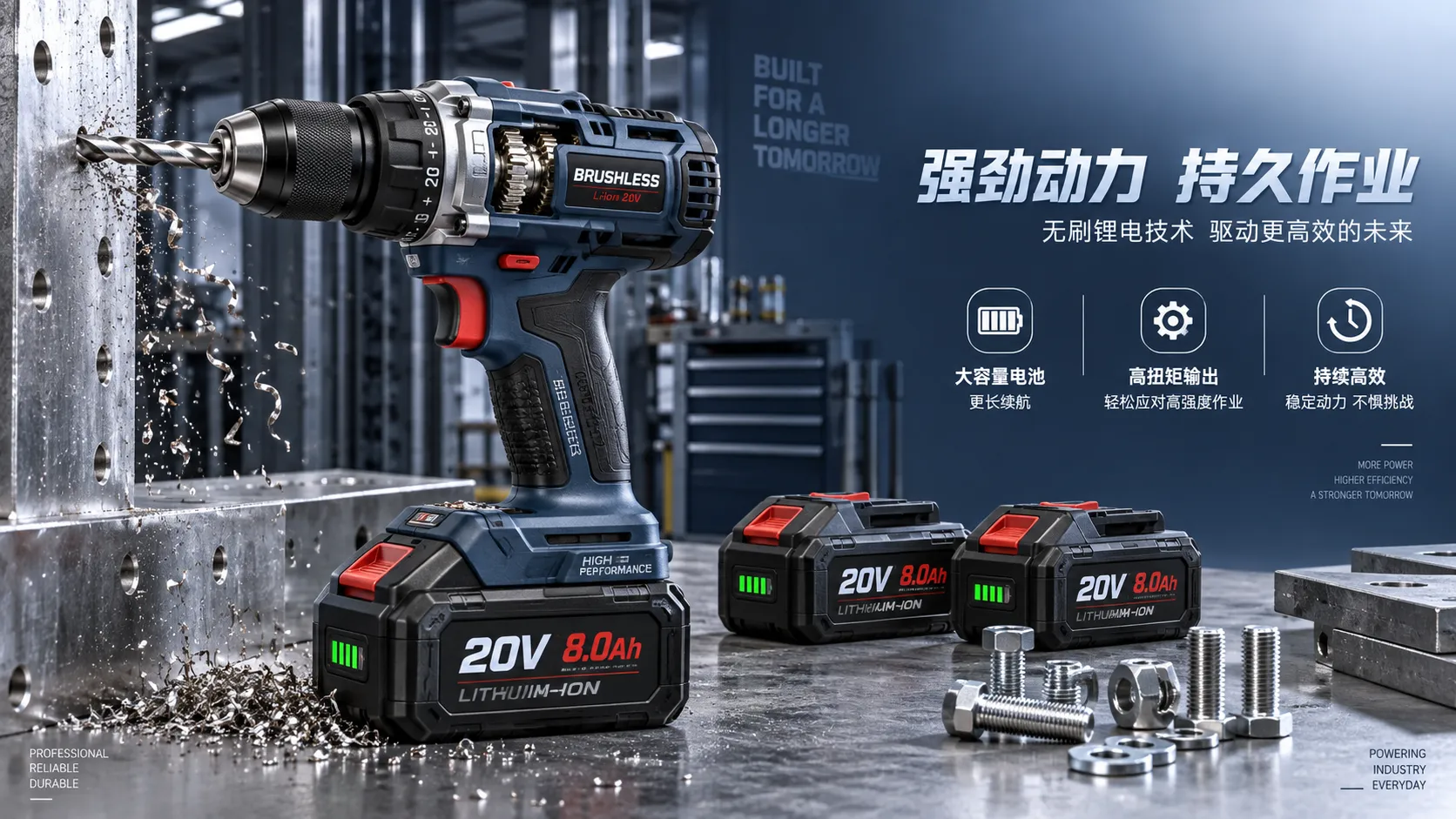
How Battery, Torque, and Duty Cycle Affect Cordless Power Tool Efficiency
Cordless power tool efficiency depends on battery output, torque, and duty cycle. Learn how to match tools to demanding jobs for stronger runtime and productivity.
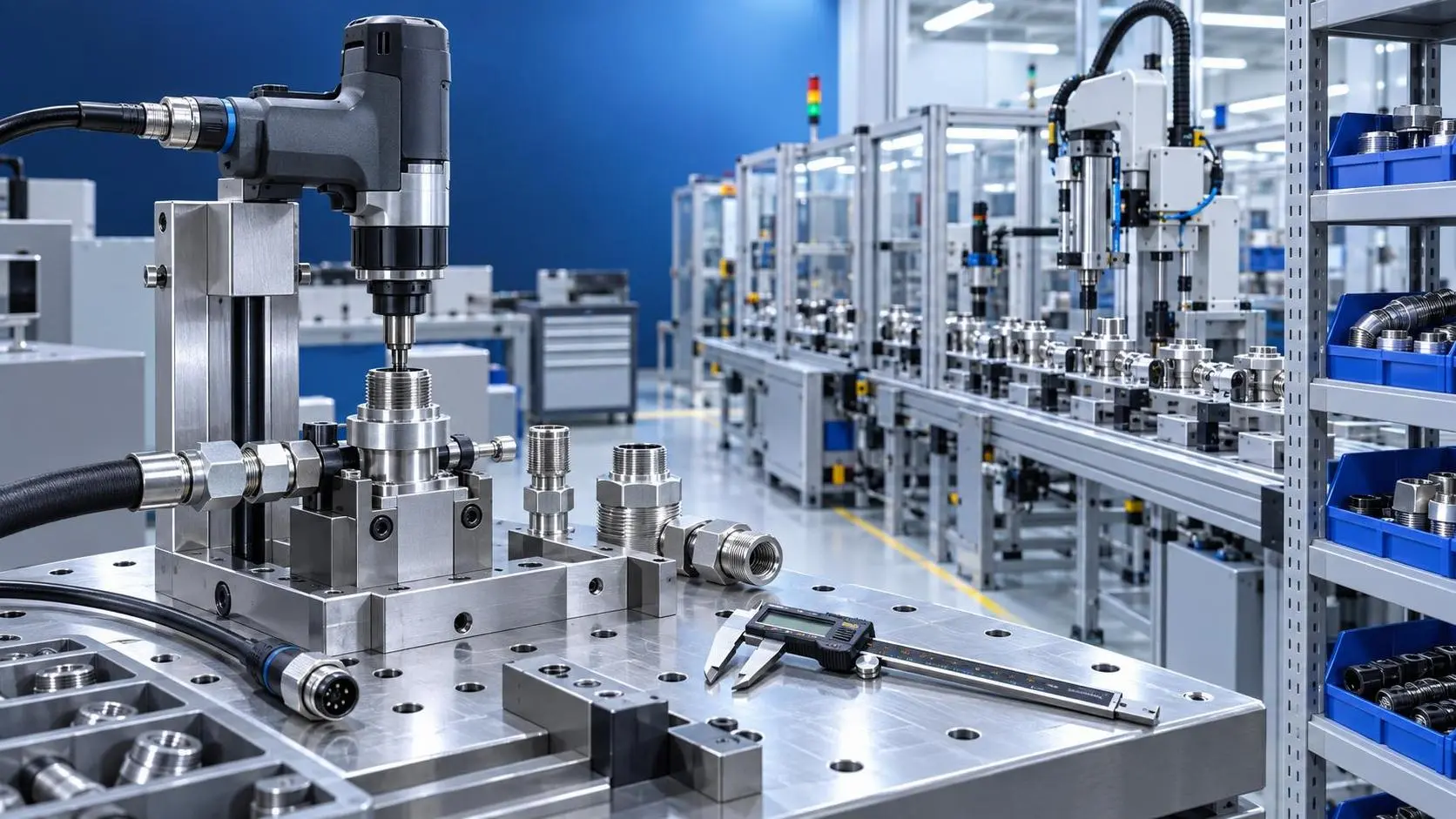
Product Comparison Resources for Component Compatibility and Lifecycle Risk
Product comparison resources for components: evaluate compatibility, interfaces, service support, and lifecycle risk to reduce downtime, avoid redesigns, and make confident sourcing decisions.
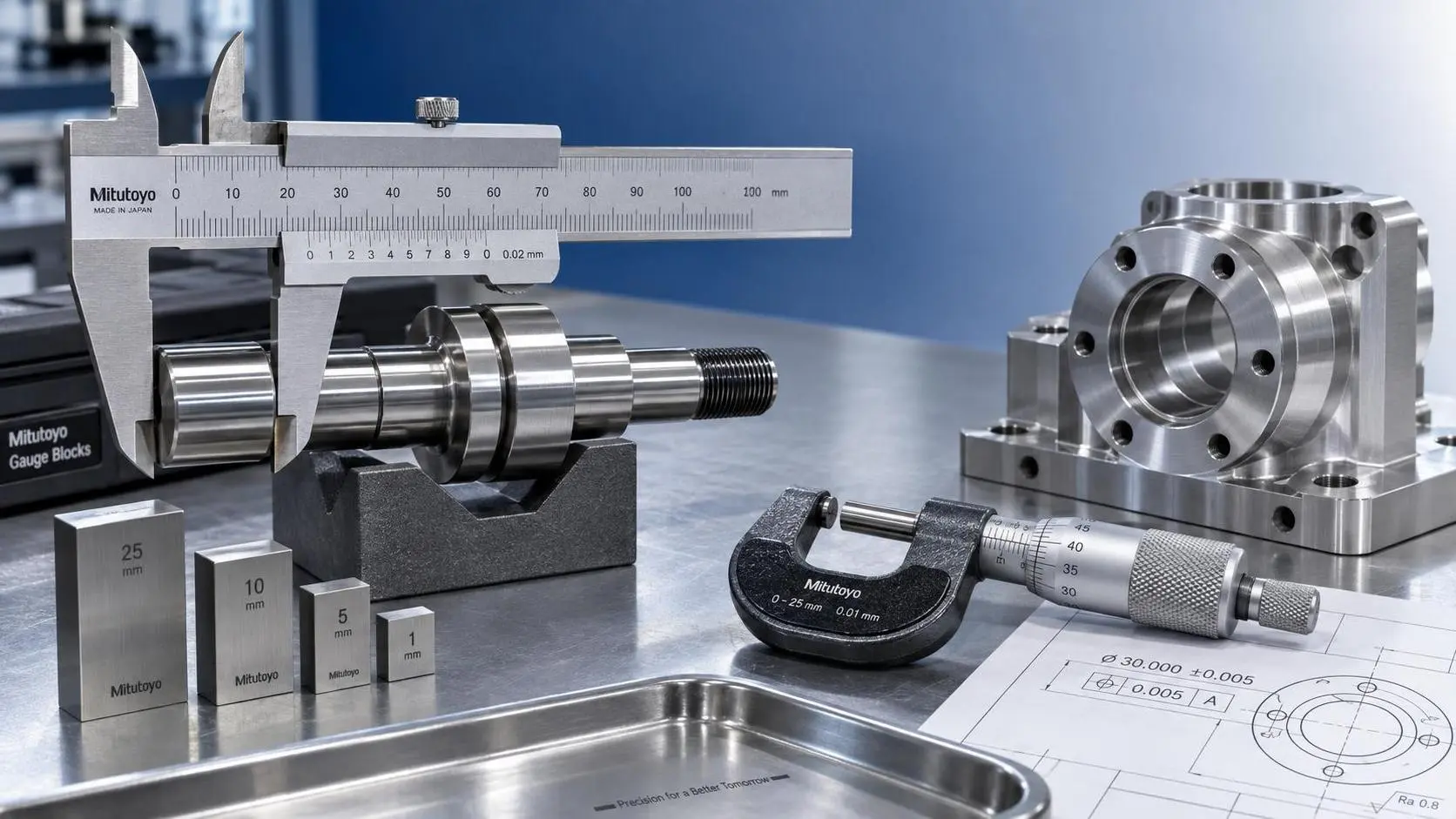
How to Select Vernier Precision Calipers for Tight-Tolerance Machining Inspection
Vernier precision calipers for tight-tolerance machining: learn how to select the right range, jaw design, accuracy, and verification process for reliable inspection.
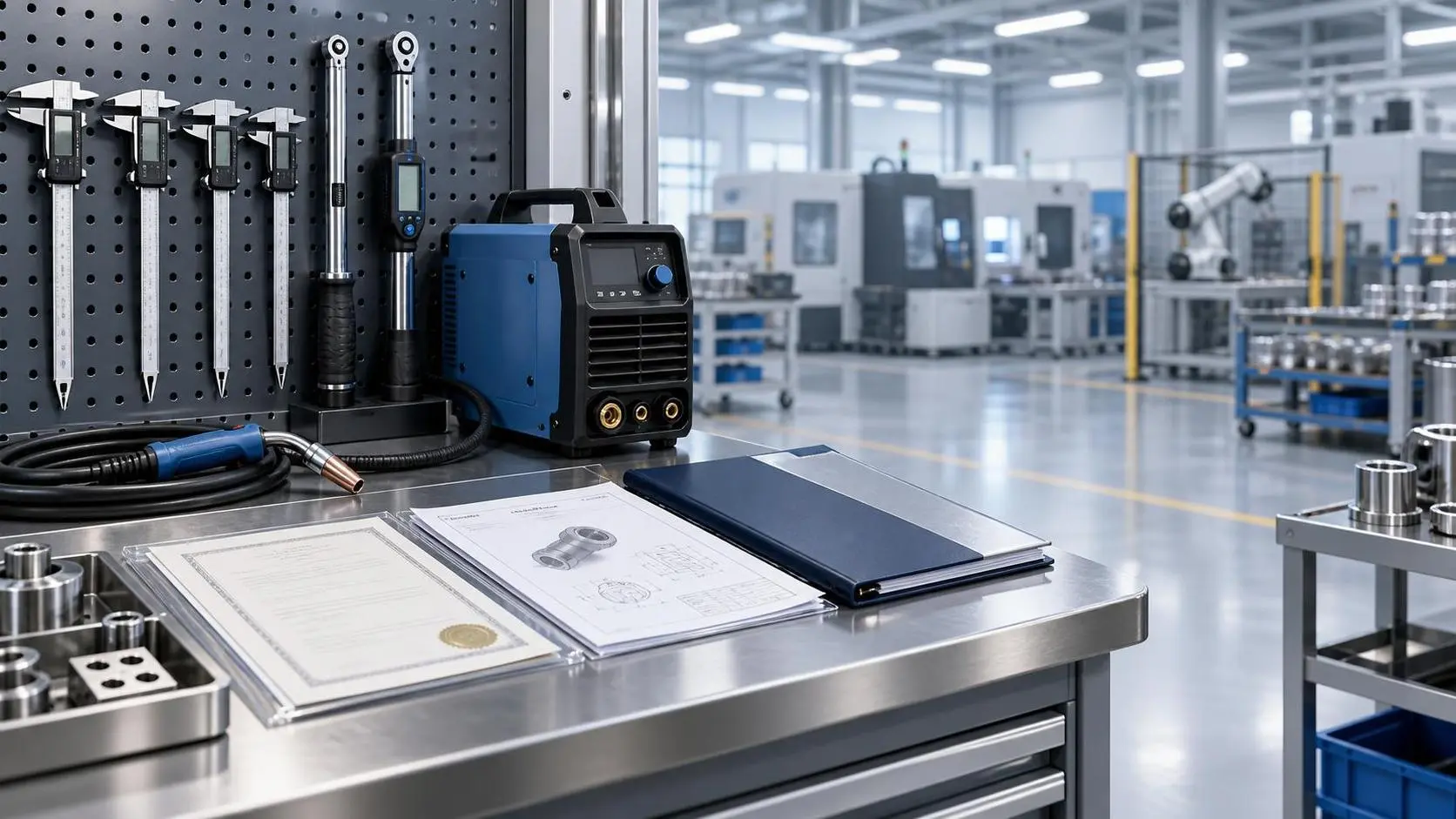
Product Comparison Resources in Europe: How Buyers Can Verify Specs and Suppliers
Product comparison resources Europe: learn how to verify industrial specs, compliance claims, supplier credibility, and delivery risk for smarter purchasing decisions.
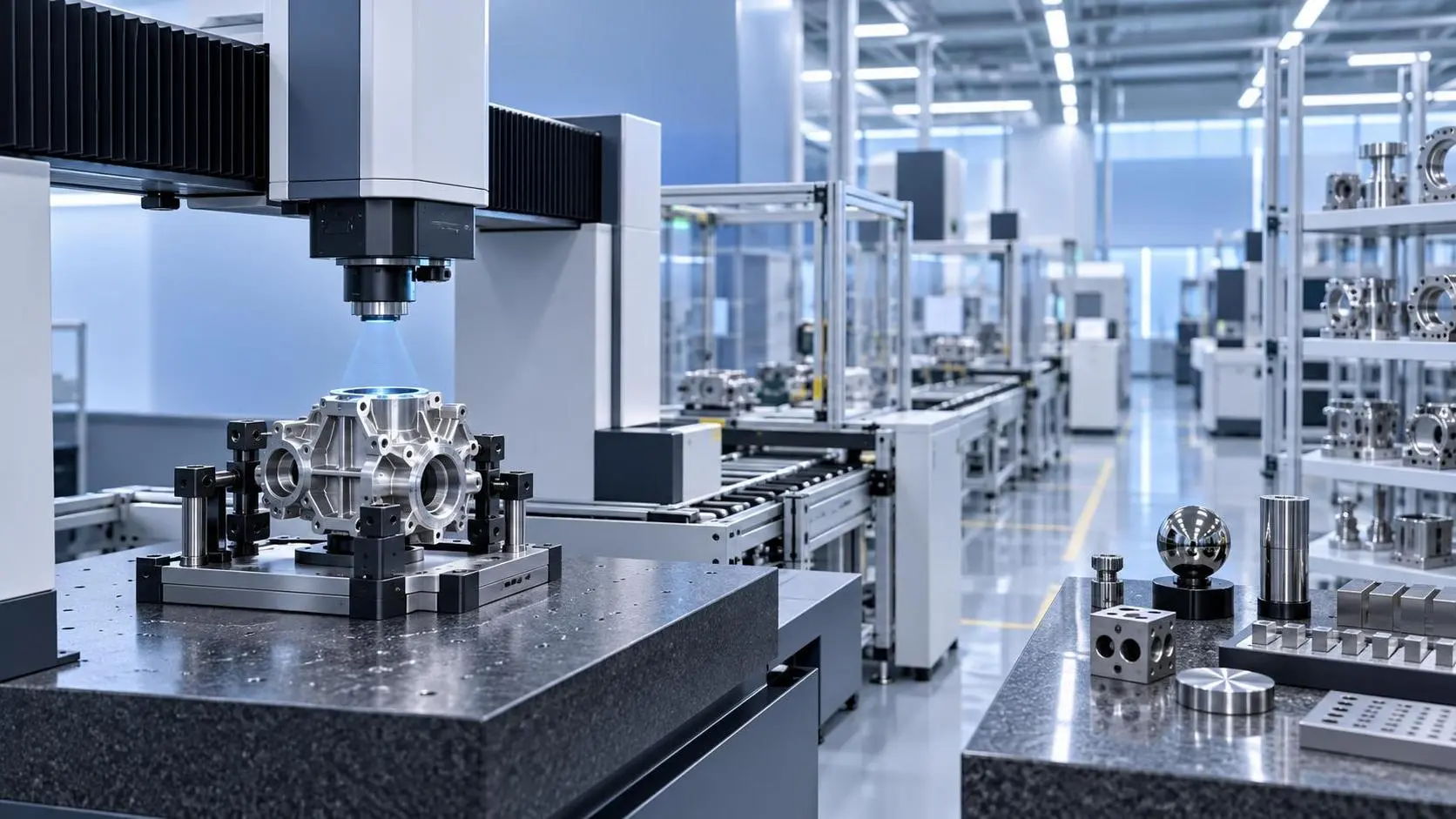
How to Evaluate an Industrial Metrology Solution Manufacturer for Production Use
Industrial metrology solution manufacturer evaluation guide for production: compare accuracy, traceability, automation, software, service, and acceptance testing to reduce risk.
Which ISO Standards Matter Most for Precision Engineering Quality Control?
Precision engineering ISO standards explained: discover how ISO 9001, ISO/IEC 17025, ISO 10012, GPS, and ISO 3834 strengthen quality control, traceability, and compliance.
Related News
- 00
0000-00
How Specification-Driven Articles Improve Precision Measurement System Selection - 00
0000-00
Product Comparison Resources for Component Compatibility and Lifecycle Risk - 00
0000-00
Which ISO Standards Matter Most for Precision Engineering Quality Control? - 00
0000-00
Selecting Metal Joining Methods for Aluminum-to-Steel Assemblies - 00
0000-00
How to Evaluate Industrial Manufacturing Systems for Throughput, Flexibility, and ROI
Prof. Marcus Chen
Weekly Insights
Stay ahead with our curated technology reports delivered every Monday.