
How to Evaluate Industrial Manufacturing Systems for Throughput, Flexibility, and ROI





Start with the production constraint that is actually limiting output. A faster welding cell will not raise finished-goods throughput when inspection queues, fixture changes, material presentation, downstream curing, or manual rework remain the governing constraint. The same applies to assembly systems: a high-speed fastening tool adds little value if parts arrive inconsistently, torque verification interrupts the cycle, or a final metrology station releases work in batches.
A sound evaluation of industrial manufacturing systems therefore begins with the flow of a real product family, not a vendor demonstration cycle. Map the route from incoming components to released product, including transport, buffering, joining, inspection, repair, and packaging. Record the conditions under which output slows: product changeovers, difficult geometries, mixed materials, corrective actions, replenishment, and quality holds. The proposed system should be evaluated against those conditions rather than against its maximum rated speed.
Define Throughput as Released Output
Throughput should mean conforming units released from the process, not parts touched per hour or machine cycles per minute. A system can appear productive while generating work that later waits for inspection, requires rework, or fails a downstream fit-up. For joining operations, deposited weld length is not the same as accepted weld length. For assembly, completed fastening is not the same as a traceable joint that meets torque, angle, seating, and sequence requirements.
Use a baseline that separates three measures:
- Effective cycle time: the elapsed time per acceptable unit across the full station sequence, including loading, clamping, process execution, verification, and unloading.
- Availability loss: time consumed by stoppages, consumable replacement, fault recovery, setup correction, and waiting for material or inspection disposition.
- First-pass yield: the share of units that proceed without correction, retest, or repair. This often has a larger financial effect than a modest reduction in nominal cycle time.
These measures reveal different problems. A long but stable cycle may be suitable when demand is predictable and parallel stations can be added. A short cycle with frequent interruptions can be less useful because the interruption pattern disrupts scheduling and requires excess buffer. A process with good average output but unstable first-pass yield may consume capacity twice: once to produce the unit and again to correct it.
Demand should be translated into a required takt condition, then tested against realistic operating time. Do not use total shift duration as available production time. Planned breaks, planned maintenance, startup checks, changeover time, quality verification, and expected recovery from common stoppages all reduce the time available for product. A system with limited headroom may meet an annual volume estimate while failing during normal weekly variation.
Test the System at the Edges of the Work Envelope
Rated performance frequently reflects an ideal part, ideal access, and an uninterrupted sequence. The relevant questions are harder: Does the system sustain its cycle when a weld seam approaches a corner? Does an automated driver maintain accuracy at the lower and upper ends of the fastener range? Does vision remain reliable on reflective, oily, dark, or variably finished surfaces? Can a metrology routine distinguish an actual dimensional shift from a temporary fixture seating issue?
For welding, sample parts should represent joint type, gap condition, thickness transitions, surface preparation, position, and access restrictions. Heat input, wire or filler selection, shielding conditions, and clamping stiffness affect both process time and downstream distortion. A system that produces an acceptable bead on a flat coupon may require a different path strategy, fixture, or post-process operation on the production assembly.
For assembly, evaluate the complete fastening event. Tool rundown time is only one component. Socket engagement, fastener presentation, part alignment, seating detection, reaction-force management, traceability recording, and exception handling can dominate the station cycle. Brushless tools offer strong repeatability when selection, calibration, battery or power management, and communication reliability are controlled; their theoretical speed is not a substitute for a stable joint strategy.
Flexibility Has Several Costs
Flexibility is often treated as a yes-or-no feature, yet different forms of flexibility have very different value. A system may accommodate several part variants without being able to change material, joint design, or quality logic quickly. Another system may be technically reprogrammable but require extensive fixture adjustment and validation before production can resume. The distinction matters because frequent mix changes expose the true cost of adaptation.
Changeover time should include the first conforming unit after the change, not merely the time spent swapping fixtures. A new recipe may need parameter confirmation, sensor alignment, inspection reference updates, material verification, and a controlled release procedure. If those steps are performed informally, the apparent changeover is short only because risk has been moved outside the measurement.
Modularity deserves a similarly careful review. A modular cell can reduce future disruption when mechanical, electrical, safety, and control interfaces were designed for extension. It can also create extra handoffs, footprint penalties, and integration points that lower reliability. The useful question is which changes are plausible over the asset life and whether the proposed architecture accommodates those changes without rebuilding the operating logic.
Connect Quality Control to the Production Loop
Precision metrology should not be evaluated as a separate reporting layer. Its value comes from how quickly measurement changes the process. A gauge that detects drift after a full batch may identify the problem accurately but still allow extensive rework. A measurement method near the source can prevent that accumulation, provided its repeatability is suitable for the tolerance and it does not create an unsustainable cycle-time burden.
Examine measurement system behavior before relying on it for automatic decisions. Fixture location, datum strategy, part temperature, surface condition, vibration, probe access, lighting, and sensor cleanliness all influence results. A system that reacts to normal measurement noise can generate unnecessary adjustments. Conversely, excessive averaging can hide a developing process shift until it becomes a quality event.
Closed-loop control is most valuable when the correction mechanism is understood. For example, an intelligent torque system can flag a joint outside its programmed signature, but the next action depends on the failure mode. Cross-threading, missing hardware, changing friction, an incorrect component, and poor seating can produce different traces that should not receive the same response. In welding, a dimensional result may reflect fixture wear, thermal distortion, incoming part variation, or an incorrect path. Measurement without fault classification can increase alarms without reducing defects.
Traceability requirements should be defined at the unit level. Decide which process values must be linked to a serial number or lot, how exceptions are recorded, who can alter recipes, and how long records must remain accessible. Data collection becomes expensive when every available signal is retained without a practical use. It becomes inadequate when the retained record cannot reconstruct why a unit was accepted, stopped, or repaired.
Build the ROI Model Around Cash-Generating Capacity
Purchase price is an incomplete basis for return on investment. The model should compare the full change in operating economics between the current state and the proposed state. That includes installation, site preparation, utilities, guarding, fixtures, integration, programming, validation, training, spare parts, calibration, preventive maintenance, consumables, software support, and expected downtime during deployment. It should also capture capacity released elsewhere when a bottleneck is removed.
Separate hard effects from assumptions that need validation. Lower direct labor content may be a hard effect only when staffing can actually be reassigned, reduced, or used to support additional output. A higher production rate has value only when demand, material availability, and downstream capacity can absorb it. Reduced rework should be linked to current defect routes, material loss, repair time, inspection time, and the likelihood that repair affects delivery or product performance.
A useful model uses a base case, a constrained case, and a stress case. The base case reflects expected part mix and operating conditions. The constrained case applies the expected changeover burden, maintenance intervals, and realistic ramp-up loss. The stress case tests the project against a difficult product mix, lower utilization, or a delayed upstream process. This approach exposes investments whose return depends entirely on an unusually favorable assumption.
Some benefits remain important even when they are difficult to express as immediate savings. Better torque records, more consistent measurement data, reduced exposure to heat or repetitive force, and improved process visibility can lower operational uncertainty. Treat these as distinct decision factors rather than converting them into unsupported financial claims. Clear separation preserves the credibility of the ROI case.
Inspect Integration Before Selecting Equipment
Many industrial manufacturing systems underperform because the equipment is sound but the interfaces around it were underestimated. Confirm floor loading, access for installation and maintenance, power quality, compressed air capacity and dryness, extraction needs, network segmentation, material delivery paths, and space for safe recovery from faults. A compact cell that blocks replenishment or requires guarded access for routine consumable replacement may create avoidable lost time.
Control integration needs equal attention. Determine where recipes originate, how product identity is verified, what happens when communication is interrupted, and whether local operation remains controlled during a network outage. Define fault ownership across equipment, fixture, quality, controls, and material functions. A fault screen that reports only a generic station error transfers diagnosis time to the production floor and makes recovery dependent on a small number of specialists.
Acceptance criteria should reflect the intended production environment. A meaningful run includes normal material changes, product transitions, quality checks, controlled stops, fault recovery, and representative part variation. It should verify that cycle data, quality records, and exception states are usable, not merely that the machine moves through its sequence. The objective is to establish repeatable released output under foreseeable conditions.
The strongest choice is often the system with the clearest operational limits, fastest recoverability, and most defensible lifecycle economics, rather than the one with the highest headline speed. When throughput, flexibility, quality response, and lifecycle cost are evaluated as one operating model, capital selection becomes tied to the work the system must reliably deliver.
Related News

Laser vs. Resistance Spot Welding: Which Fits Automotive Body Assembly?
Choosing welding technology for automotive body assembly? Compare laser and resistance spot welding on joint access, quality, cycle time, and cost to find the right fit for your production line.
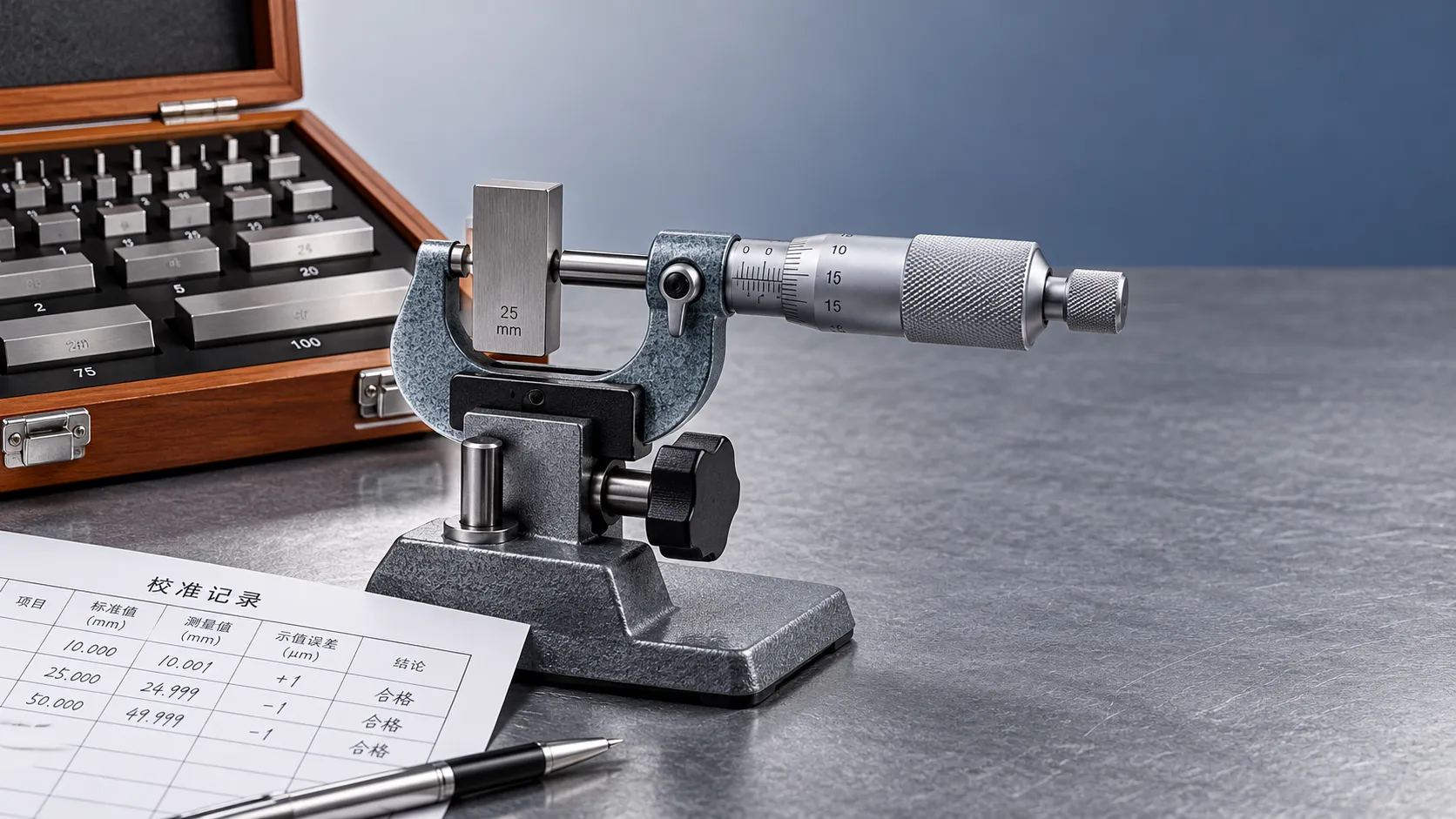
Choosing a High-Precision Measuring Instrument Supplier: Calibration and Support
Choose a high-precision measuring instruments supplier with confidence. Discover how to verify calibration, compare support, and control lifecycle costs before you buy.
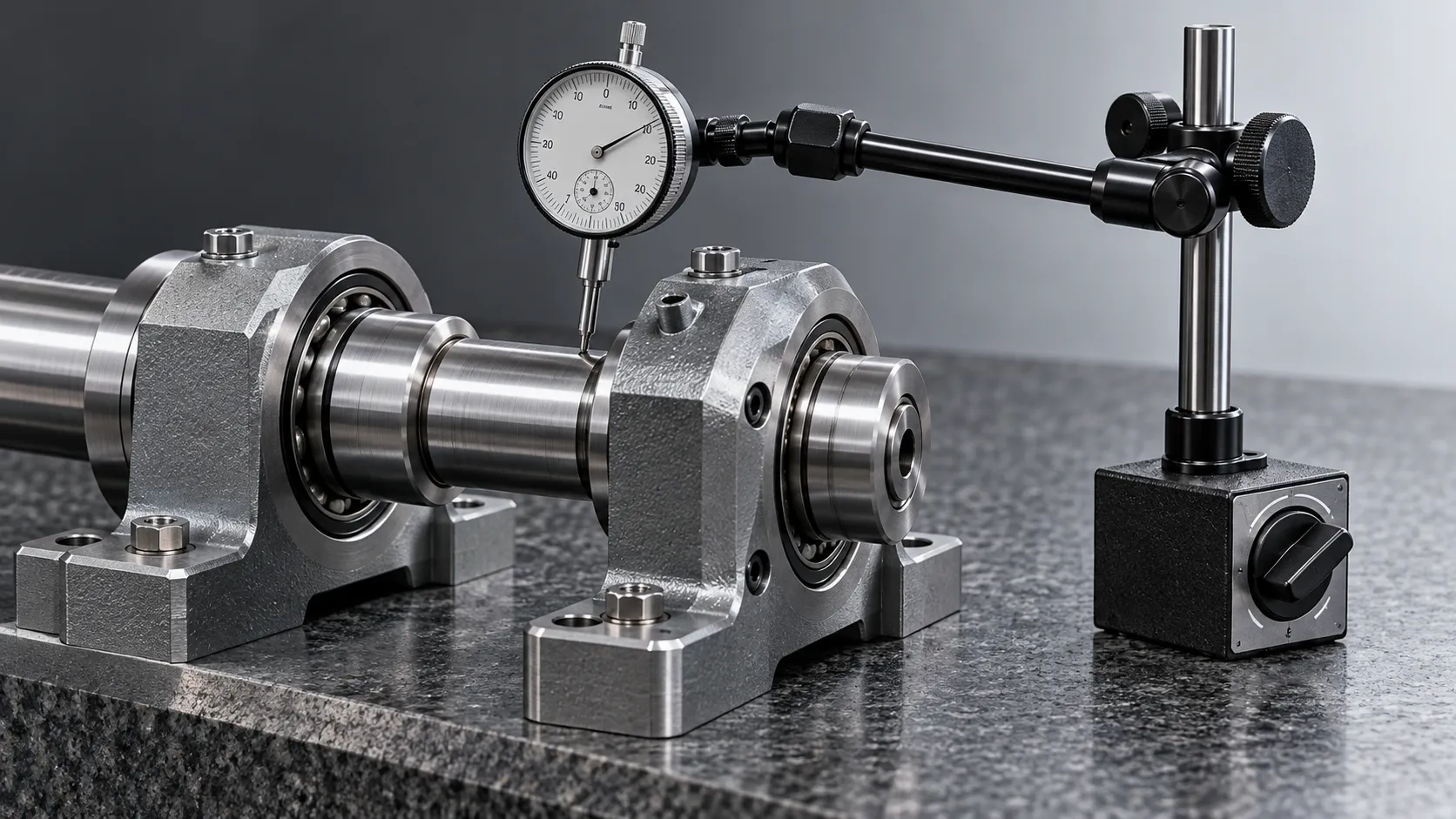
What Defines Craftsmanship in Metalworking? Fit, Finish, and Precision
Discover what defines craftsmanship in metalworking: fit, finish, and precision. Learn how to spot quality, assess suppliers, and choose parts that perform reliably.
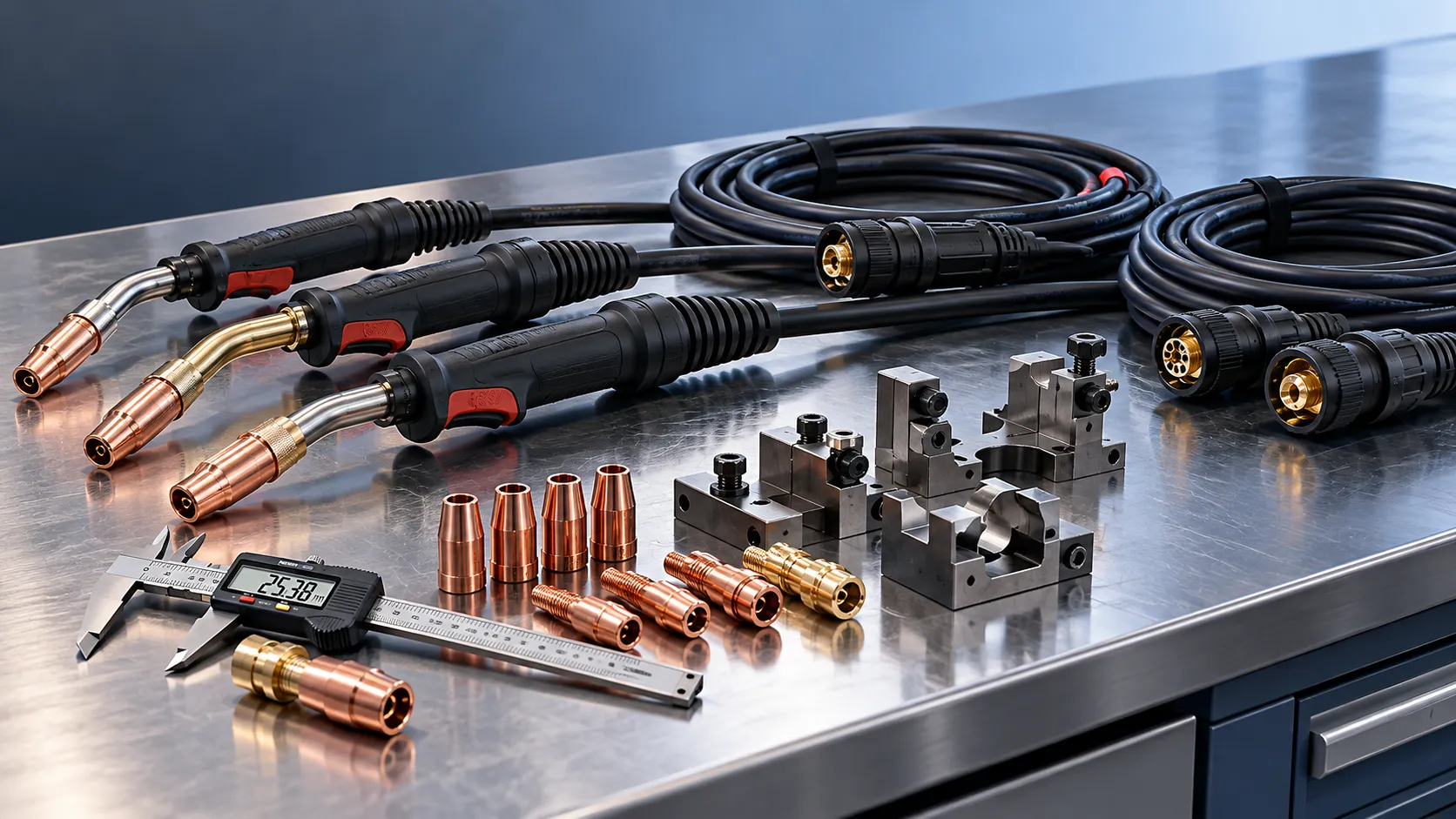
Choosing a Welding Tools Manufacturer: Quality Checks Before a Bulk Order
Choosing a welding tools manufacturer? Discover essential quality checks, sample tests, and inspection terms to reduce bulk-order risks and buy with confidence.
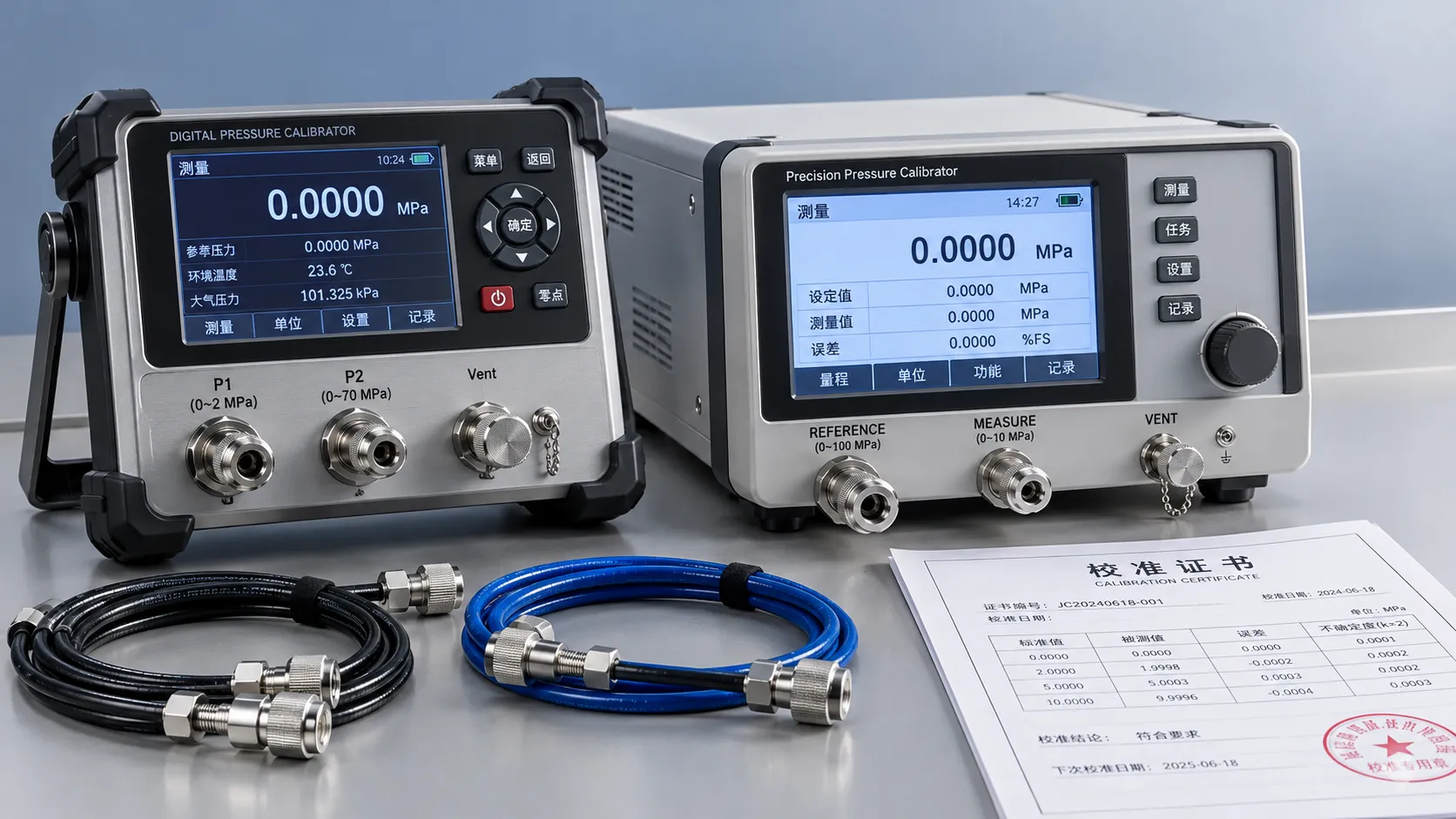
How to Compare Calibration Tools: Range, Uncertainty, and Traceability
Explore product comparison resources for calibration tools. Compare range, uncertainty, and traceability to choose confidently and support defensible measurement decisions.
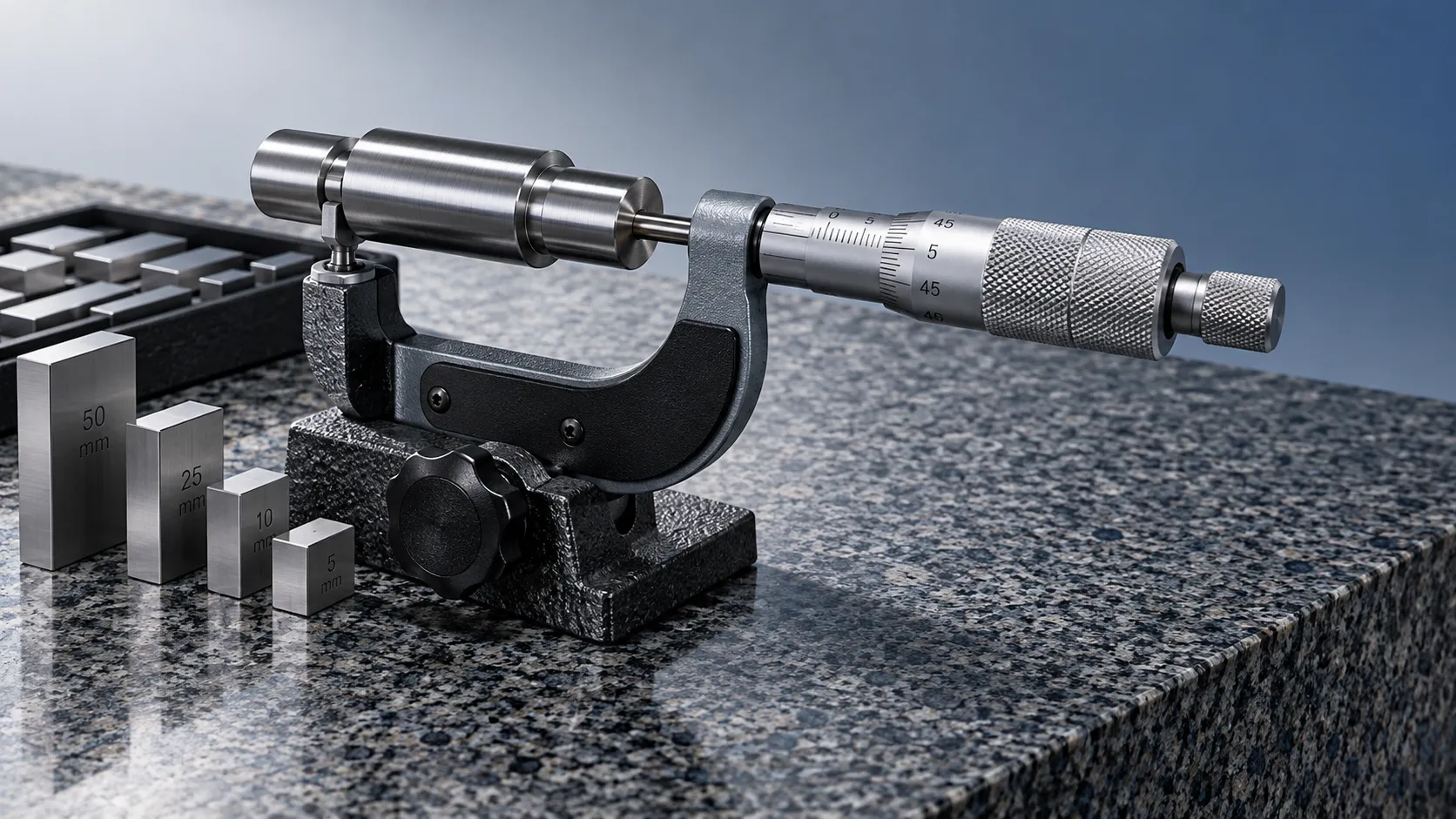
Choosing Industrial Metrology Tools: Matching Measurement Uncertainty to Tolerances
Improve industrial tool selection for metrology by matching measurement uncertainty to tolerances. Learn how to reduce inspection risk and choose equipment with confidence.
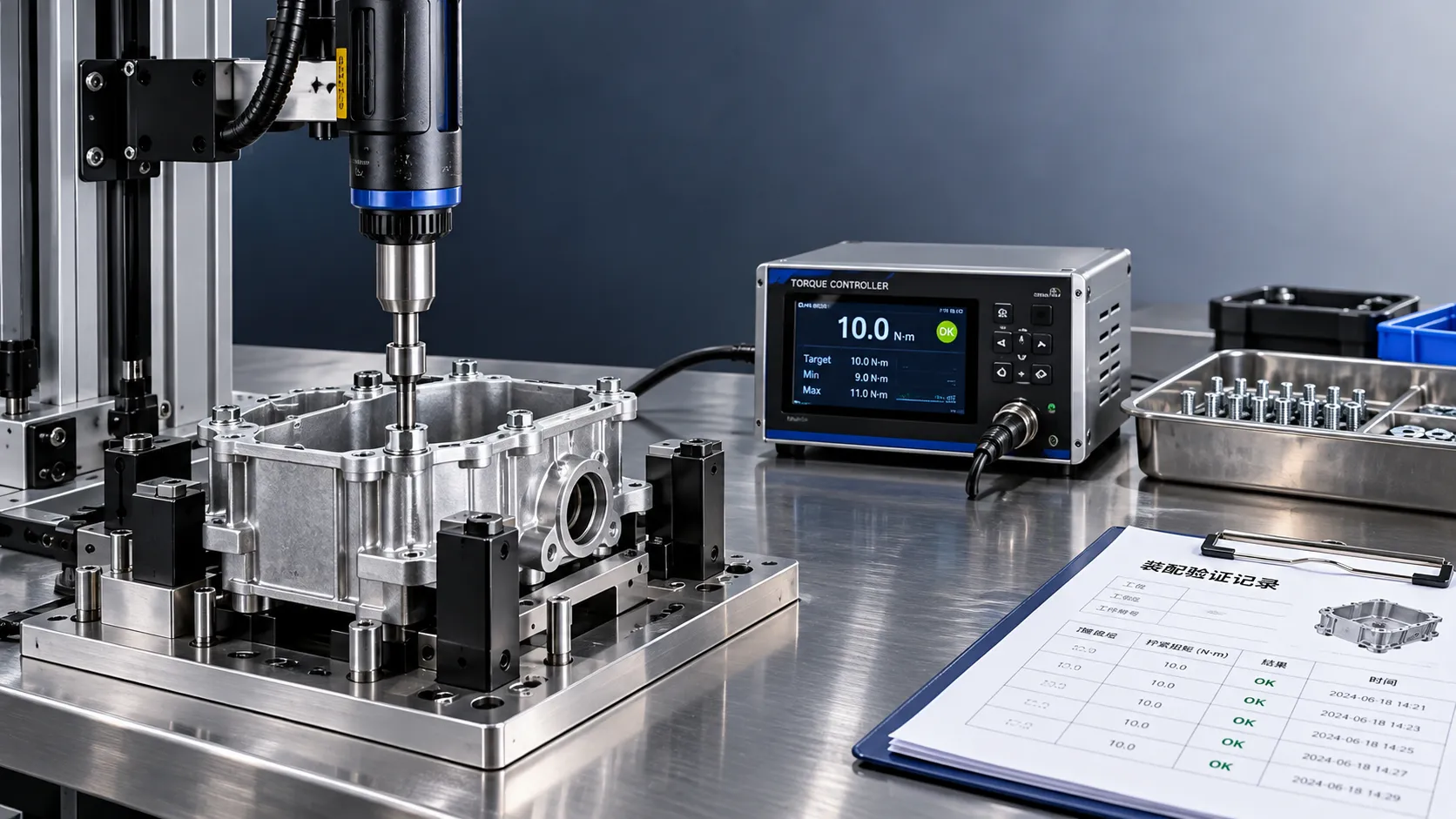
Torque System Suppliers: How to Assess References for Assembly Projects
Explore supplier and solution references torque systems buyers should verify. Assess assembly fit, traceability, and support to reduce risk and choose with confidence.

Equipment Application Guidance for the Middle East: Managing Heat and Dust
Explore application guidance Middle East teams can use to manage heat and dust, protect welding equipment, batteries and precision tools, and reduce downtime. Get practical tips.
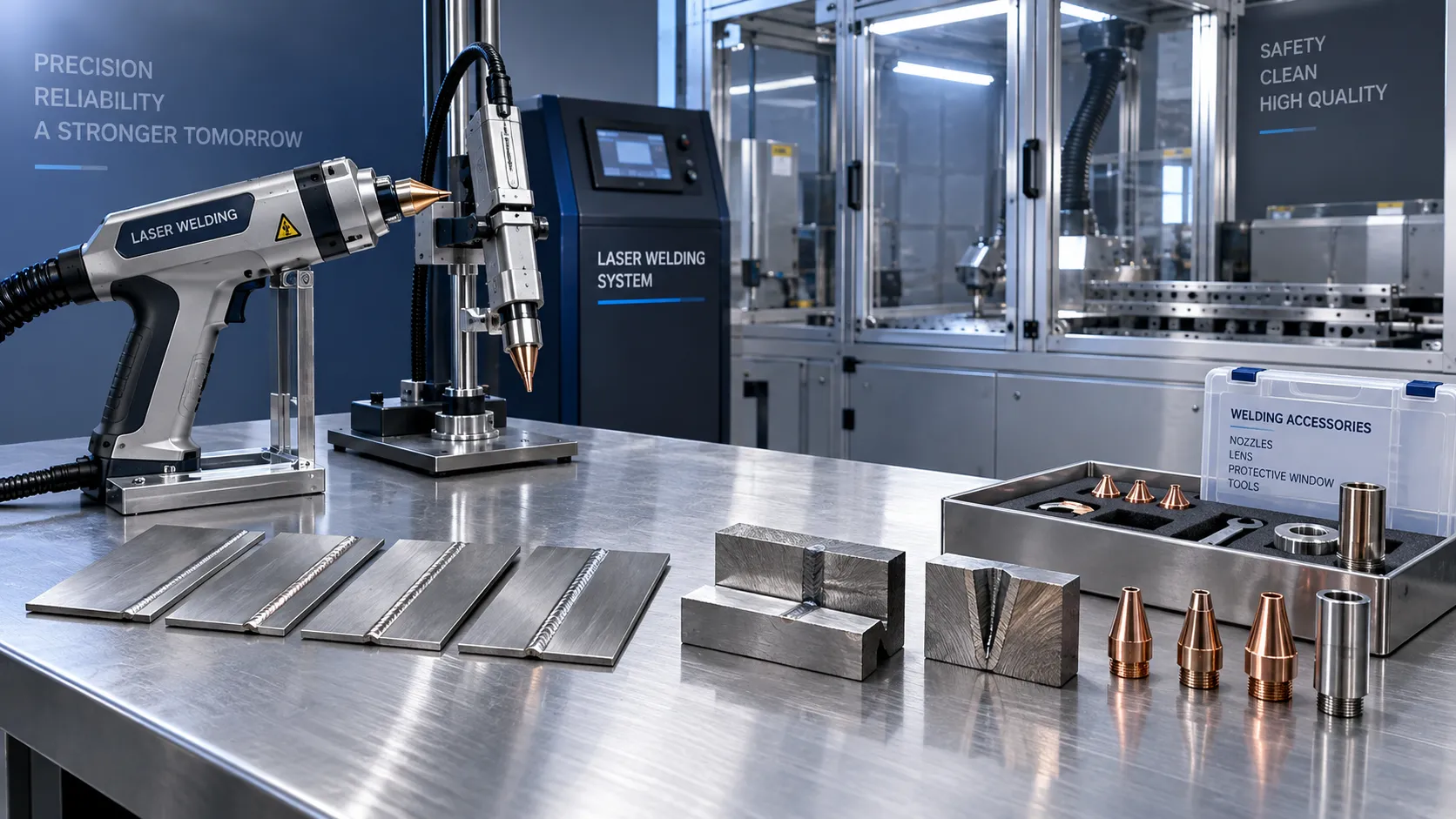
Choosing a Handheld Laser Welding Supplier: Weld Trials, Training, and Service
Choose a handheld laser welding supplier with proven weld trials, safety training, and reliable service. Learn what to verify before buying to reduce downtime and protect your investment.
Related News
- 00
0000-00
Equipment Application Guidance for the Middle East: Managing Heat and Dust - 00
0000-00
Choosing an Industrial IoT Platform: Key Criteria for Legacy Equipment - 00
0000-00
How to Select High-Precision Measuring Instruments for Tight-Tolerance Production? - 00
0000-00
How Do Advanced Manufacturing Methods Improve Batch Consistency? - 00
0000-00
Can Industrial IoT Torque Data Reduce Assembly Defects?
0000-00
Prof. Marcus Chen
Weekly Insights
Stay ahead with our curated technology reports delivered every Monday.