
Automation Industry Tools for Line Expansion: Key Interfaces and Integration Risks





Automation Industry Tools for Line Expansion: Key Interfaces and Integration Risks
As manufacturers expand production lines, automation industry tools stop being a simple equipment purchase.
They become part of a larger operating model that affects throughput, quality, maintenance, and future flexibility.
That is where many expansion projects become more complex than expected.
The issue is rarely one machine in isolation.
It is the interface between machines, controls, software layers, and production data.
In practical terms, the best automation industry tools are not just fast or intelligent.
They are easy to integrate, stable under load, and compatible with how the plant already runs.
This matters even more in assembly, metal joining, and precision inspection environments.
There, a small mismatch in timing, torque, weld quality, or measurement data can spread downstream quickly.
A disciplined interface review reduces that risk before capital is locked in.
Why line expansion now depends on interface quality
Recent line expansions are shaped by shorter product cycles and less predictable order patterns.
That changes how automation industry tools should be evaluated.
Older projects often focused on single-station productivity.
Current projects need cross-line visibility, faster changeovers, and cleaner data exchange.
More clearly, expansion is now a systems decision.
A robot cell, torque tool, laser welding unit, or metrology station must all speak the same operational language.
If they do not, the plant pays through custom middleware, manual workarounds, or unstable commissioning.
That is why interface quality has become a leading investment filter.
The core interfaces behind effective automation industry tools
Before selecting vendors, it helps to separate interfaces into a few practical layers.
1. Control interfaces
These connect PLCs, robot controllers, drives, safety systems, and machine logic.
The main question is simple.
Can the new automation industry tools exchange commands and status signals without fragile custom coding?
- Check protocol support such as OPC UA, PROFINET, EtherNet/IP, or Modbus TCP.
- Confirm signal timing requirements for cycle-critical stations.
- Review fault-handling logic before acceptance testing.
2. Data interfaces
Line expansion usually adds more data sources than teams first expect.
Smart automation industry tools may generate torque curves, weld logs, dimensional reports, alarm histories, and recipe records.
That data only creates value when formats are consistent and traceable.
- Define naming conventions for part IDs, station IDs, and revision status.
- Check whether MES, SCADA, or QMS platforms can ingest the required fields.
- Verify timestamp synchronization across devices.
3. Mechanical and utility interfaces
Some integration failures are not digital at all.
They come from layout conflicts, compressed air instability, power quality, cooling capacity, or tool access limitations.
A high-performance system still underdelivers if utilities were sized for an older line concept.
4. Human-machine interfaces
Operators, maintenance teams, and quality staff all use automation industry tools differently.
If screens, alarms, and workflows are inconsistent, response time slows down.
That weakens the return on otherwise strong equipment.
Where integration risks usually appear
Most integration problems are predictable.
They appear when assumptions stay untested until commissioning.
Protocol compatibility looks better on paper than on site
Vendors may support the same standard, but not the same implementation depth.
One device may expose rich diagnostics.
Another may only pass basic status bits.
For automation industry tools, this gap can break traceability or reduce predictive maintenance value.
Cycle time assumptions can hide bottlenecks
A new station may meet its own benchmark but still disrupt the full line rhythm.
This is common when inspection, weld verification, or torque confirmation adds waiting time.
The result is a hidden buffer problem, not an obvious machine failure.
Data mapping errors weaken decision quality
Expansion projects often promise better visibility.
Yet poor tag structures or missing contextual fields make reports hard to trust.
In that situation, automation industry tools produce data volume without decision value.
Version control and change management are often underestimated
Firmware, software patches, and recipe updates can disrupt validated processes.
This is especially critical when welding parameters or measurement tolerances are tightly controlled.
A line that works at launch may drift later if governance is weak.
A practical evaluation framework before purchase
A useful selection process keeps technical and commercial reviews connected.
That helps prevent low-price decisions from creating high integration cost later.
- Map the full line architecture first. Include controls, utilities, data flows, and quality checkpoints.
- Define mandatory interfaces. Separate essential requirements from optional features.
- Request real communication documentation. Generic compatibility claims are not enough.
- Run a pre-integration workshop with all suppliers. Resolve signal ownership and alarm logic early.
- Use FAT and SAT plans that test interfaces, not just machine functions.
- Assign post-startup ownership for software versions, backups, and support escalation.
This approach gives automation industry tools a better chance to deliver value beyond startup week.
What decision-makers should ask suppliers
The right questions reveal integration maturity faster than marketing material does.
Why this matters for industrial assembly, welding, and metrology
In sectors covered closely by GPTWM, line expansion has a very specific pressure profile.
Assembly lines need repeatable fastening and flexible material flow.
Welding lines need safety controls, parameter discipline, and process traceability.
Metrology stations need clean measurement transfer and reliable tolerance decisions.
These environments cannot rely on fragmented automation industry tools.
They need tools that connect craftsmanship, digital control, and commercial scalability.
That is also why strategic intelligence matters before procurement starts.
Closing perspective
Line expansion succeeds when interface planning is treated as part of business design.
The strongest automation industry tools are the ones that fit the plant, the data model, and the operating discipline.
That means evaluating control links, data compatibility, utility demands, and governance rules before purchase orders are issued.
For manufacturers scaling assembly, welding, or precision inspection capacity, this is the practical path to lower risk.
It also creates a better base for uptime, quality consistency, and future upgrades.
A careful interface audit, supported by credible market intelligence, should be the next step before any major automation industry tools investment moves forward.
Related News
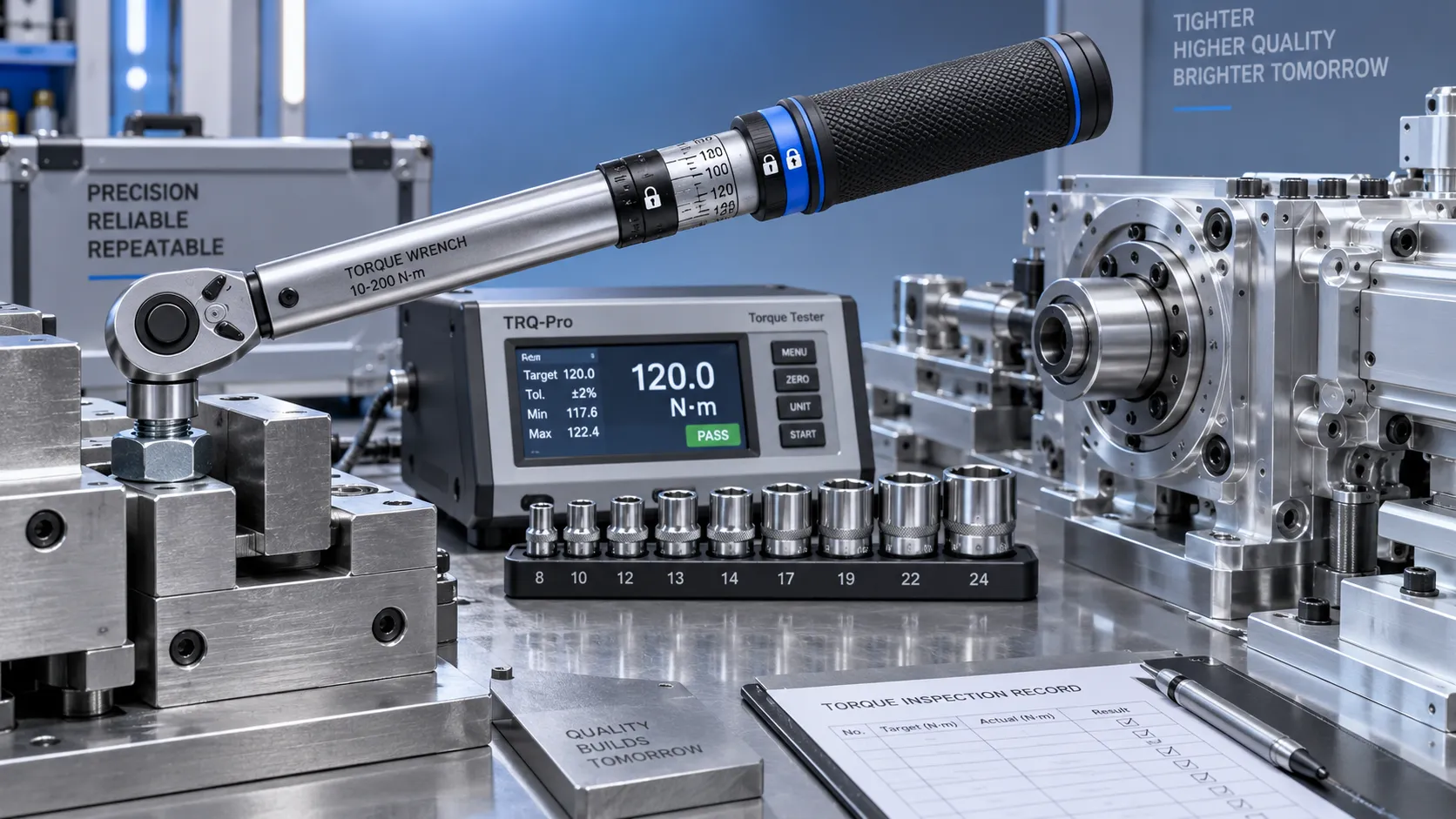
Selecting Adjustable Torque Tools for Repeatable Fastener Assembly
Adjustable torque tools: learn how to match range, accuracy, control methods, calibration, and ergonomics for repeatable, reliable fastener assembly.
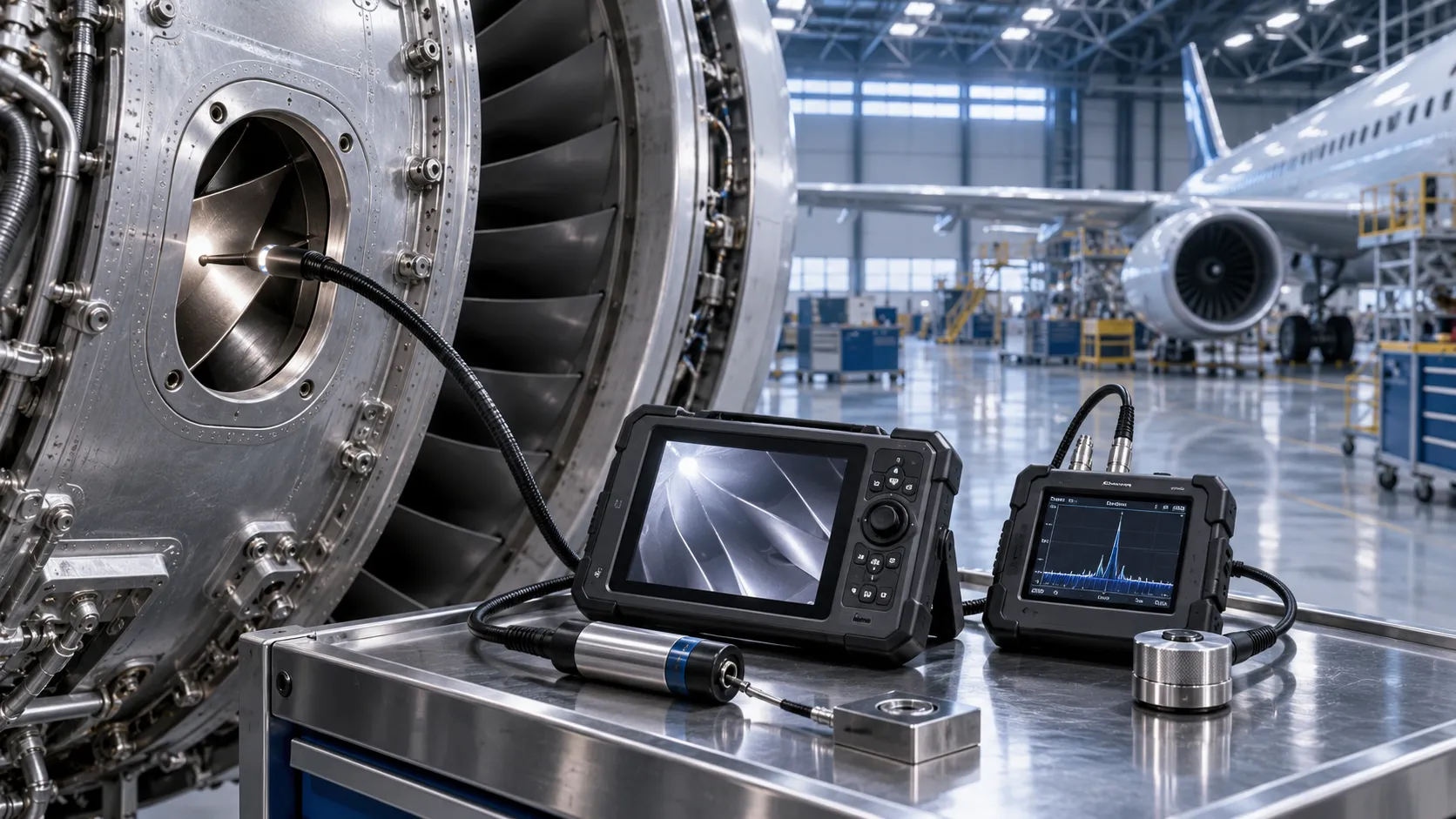
How to Select Aerospace Inspection Tools for Aircraft Maintenance Tasks
Aerospace maintenance inspection tools: learn how to select reliable, traceable equipment for aircraft access, accuracy, calibration, and compliant maintenance decisions.
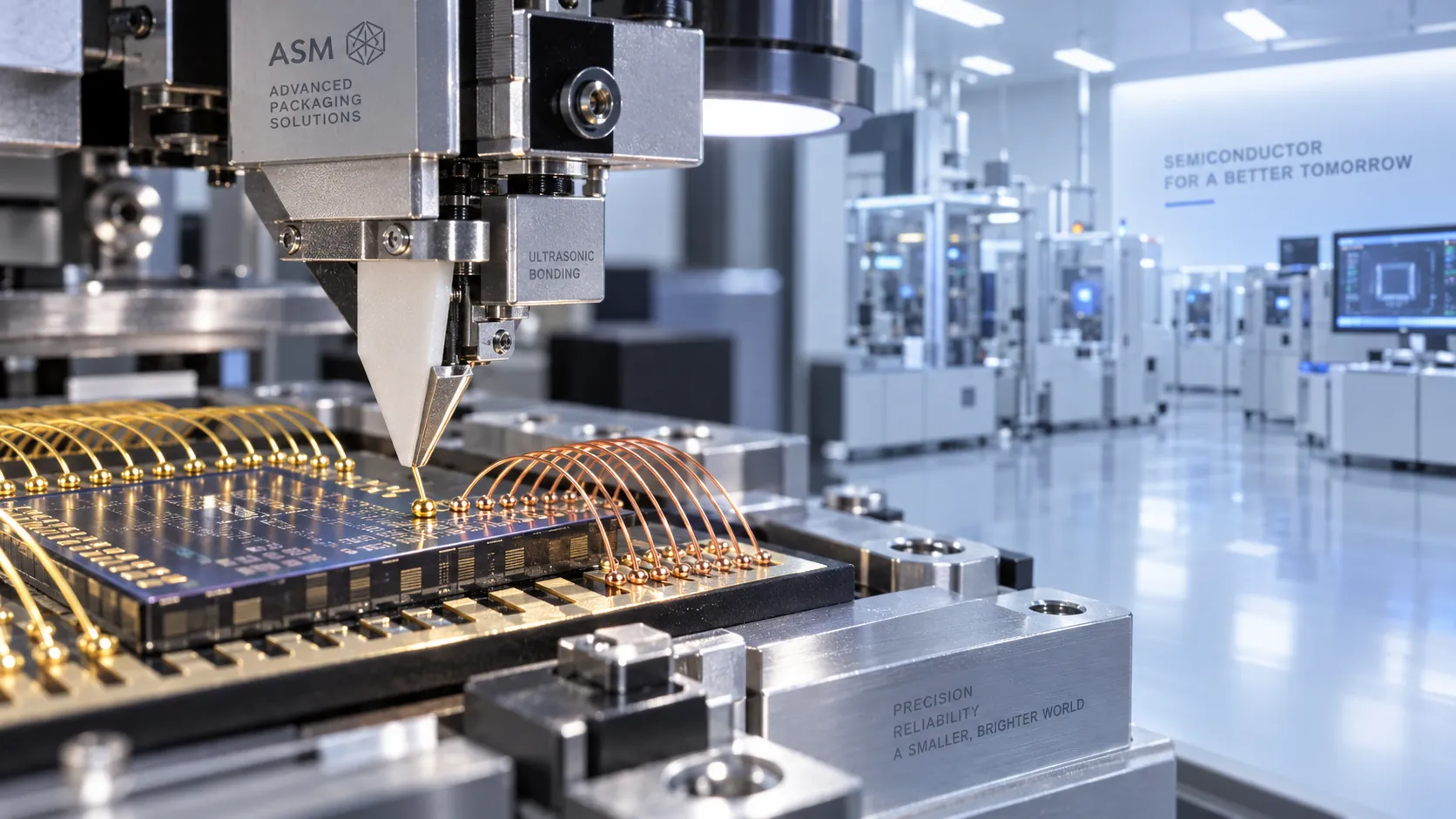
How to Select Wire Bonding Tools for Fine-Pitch Semiconductor Packaging
Explore semiconductor manufacturing tools for wire bonding and learn how to select precision solutions for fine-pitch packaging, reliable loops, accuracy, and yield.
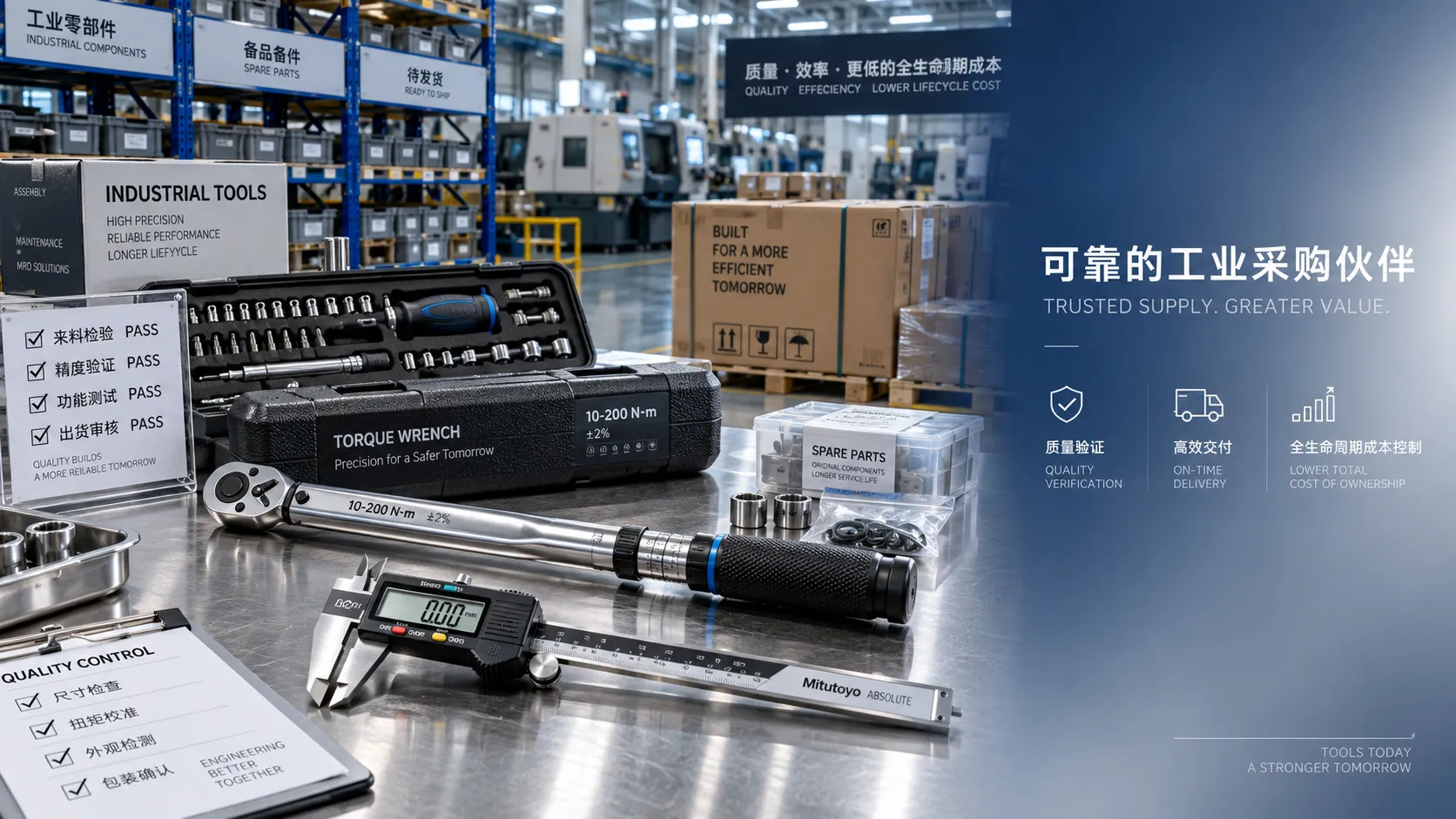
How to Compare Industrial Tool Suppliers for Quality, Lead Time, and Total Cost
Industrial tool selection supplier comparison made simple: evaluate quality, lead times, total cost, service, and supply resilience for confident sourcing decisions.
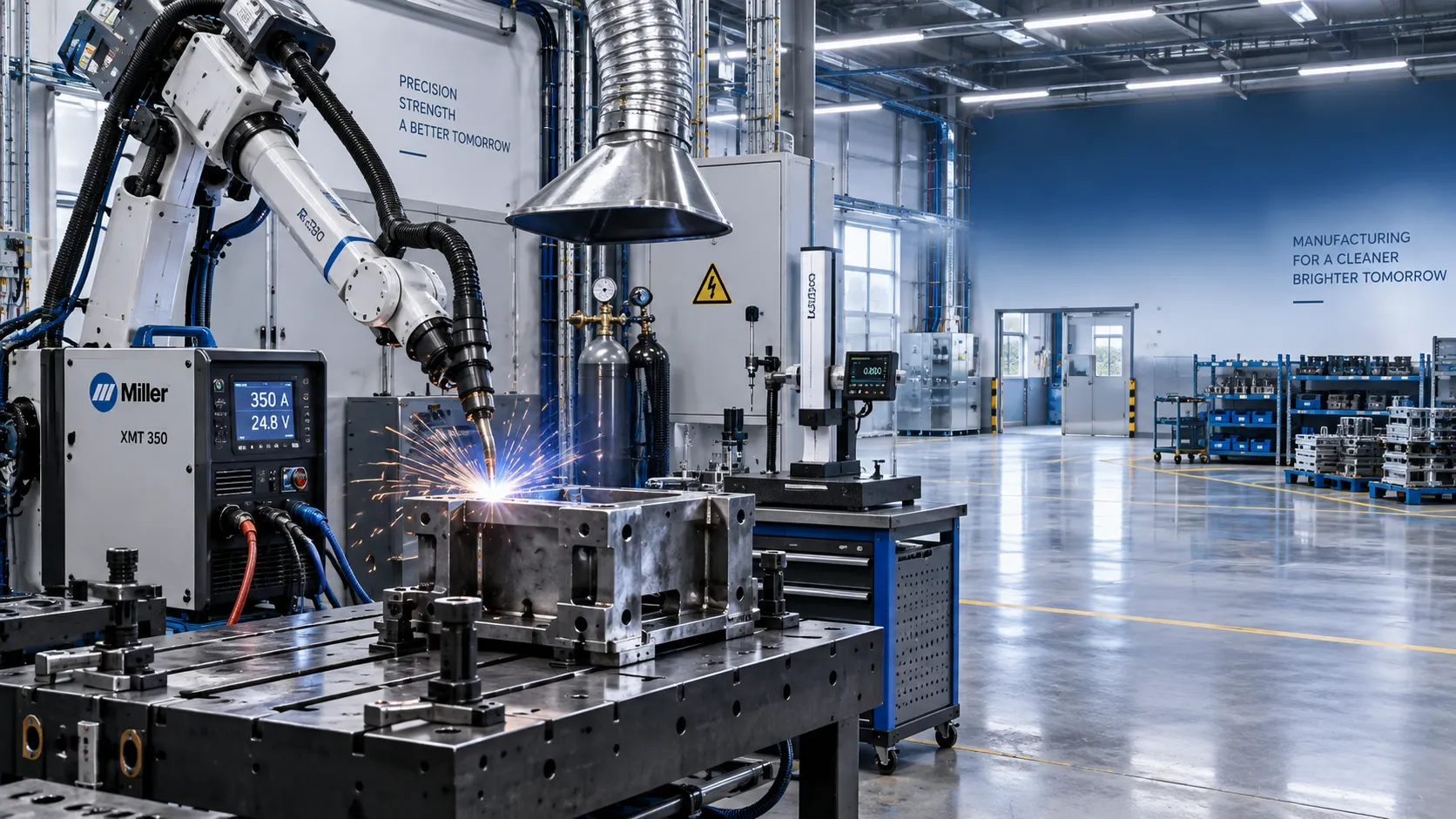
Industrial Equipment Application Guidance: Match Machines to Operating Conditions
Application guidance industrial equipment: match capacity, duty cycle, materials, site conditions, safety, and lifecycle cost to improve reliable output. Read the guide.
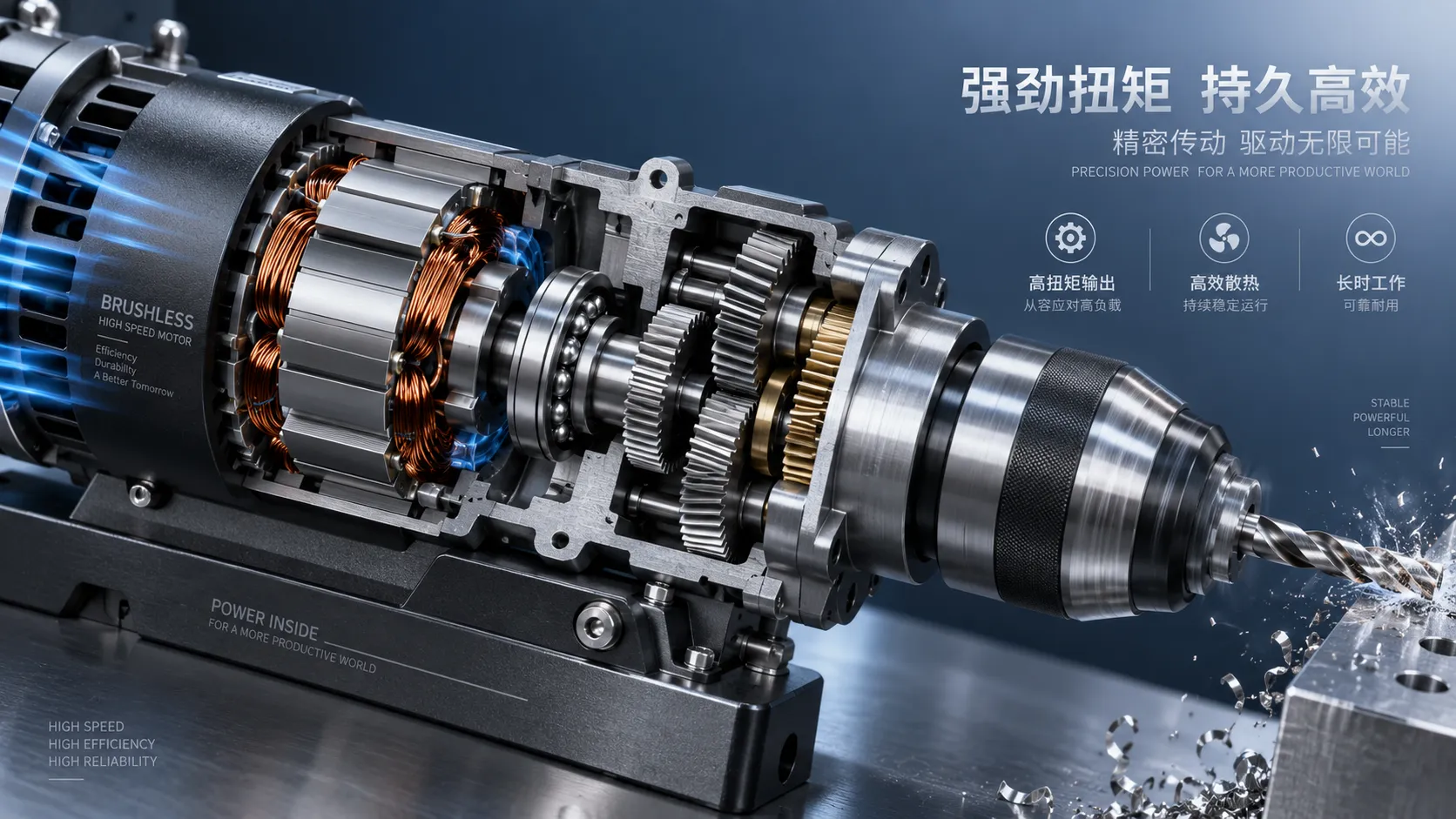
Selecting High-Speed Brushless Tool Motors for Torque, Heat, and Duty Cycle
High speed brushless tool motors: learn how to balance torque, heat, gearing, and duty cycle for reliable industrial tool performance and longer service life.
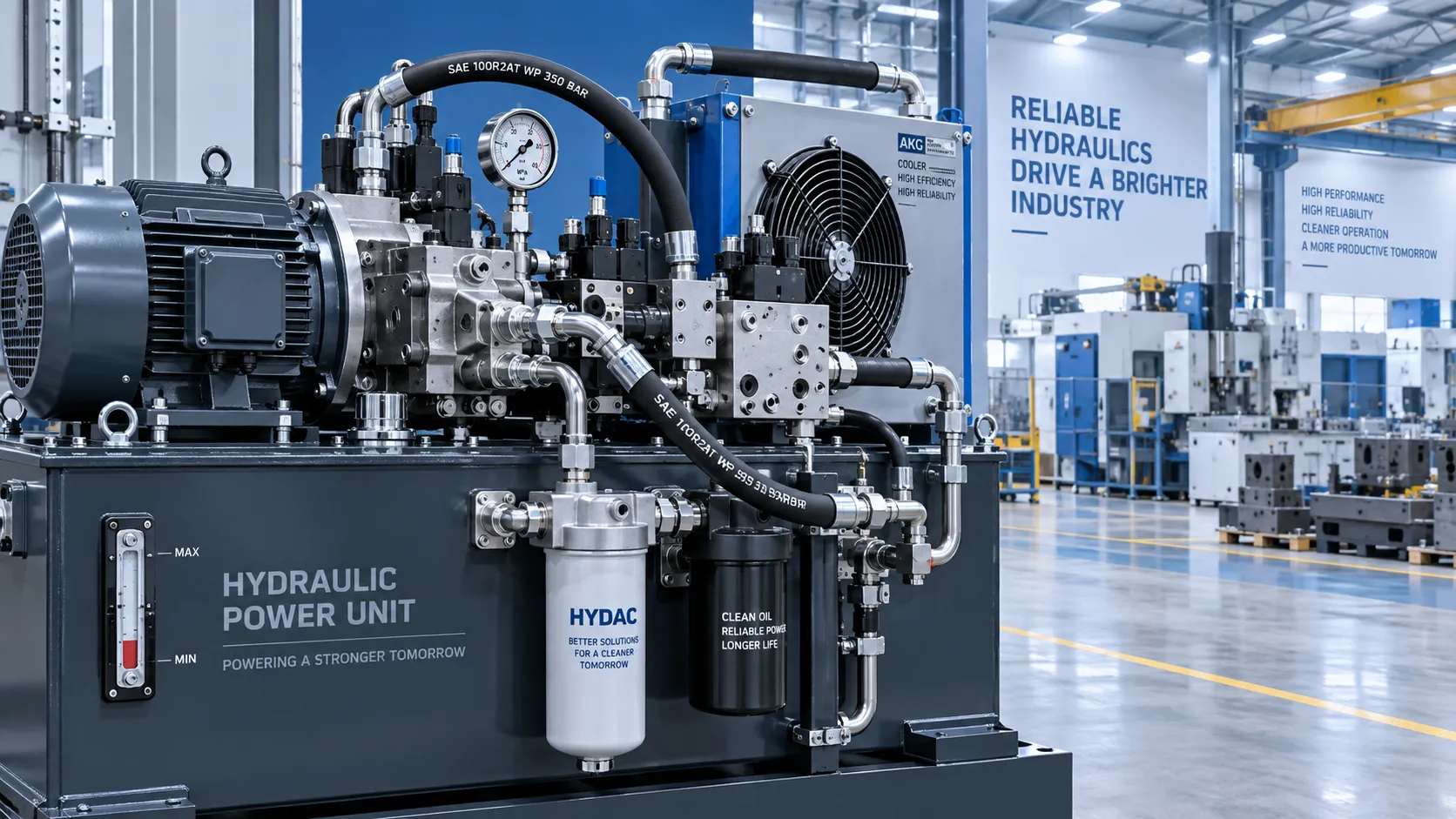
What Determines Industrial Hydraulic System Price for Heavy-Duty Equipment?
Industrial hydraulic system price depends on duty cycle, pressure, components, cooling, and integration. Compare quotes intelligently to secure reliable heavy-duty performance.
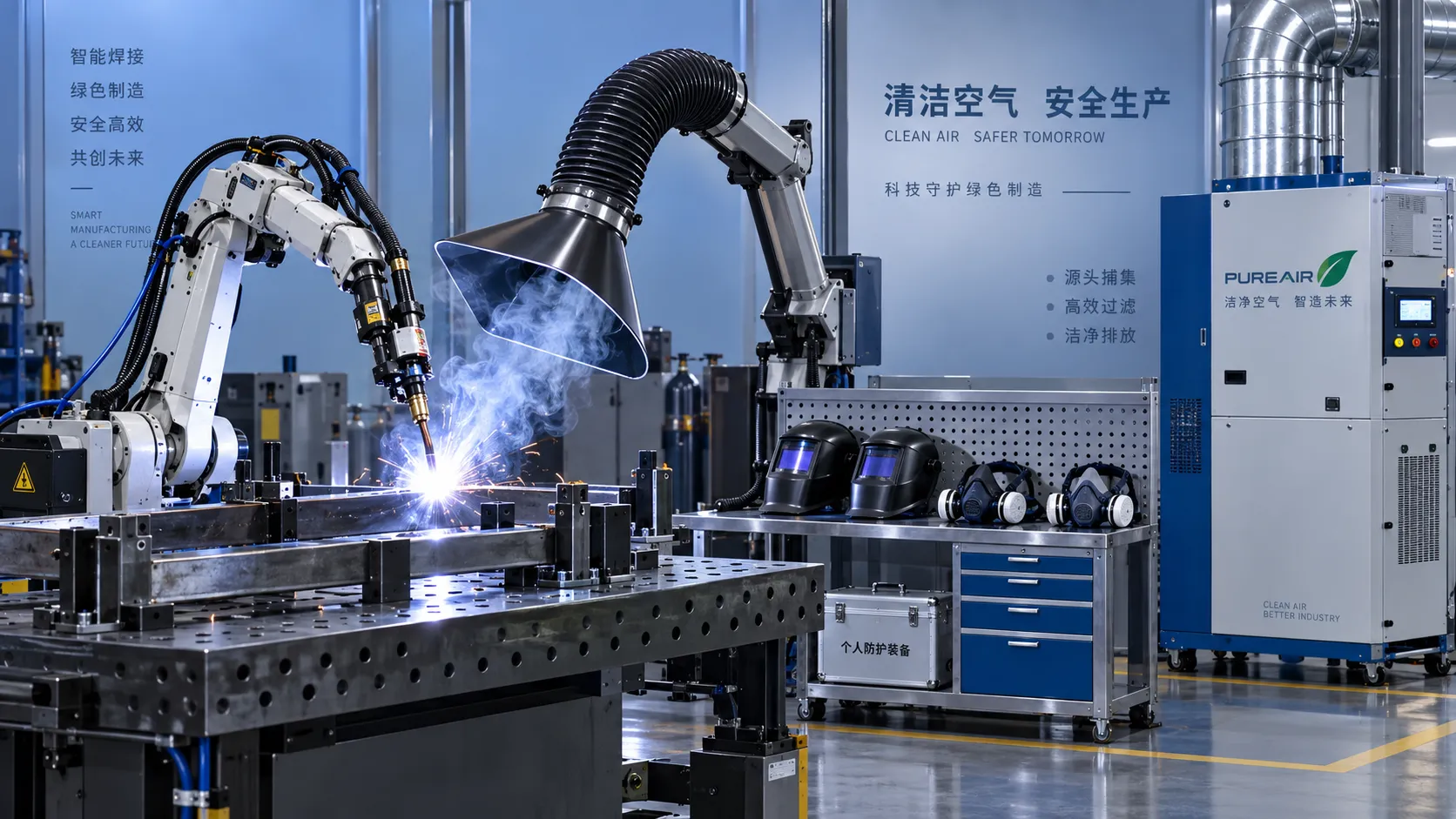
Welding Fume Extraction PPE: When Respirators Are Not Enough for Shop Safety
Welding fume extraction PPE: learn why respirators alone fall short and how source capture, ventilation, and layered controls improve shop safety.
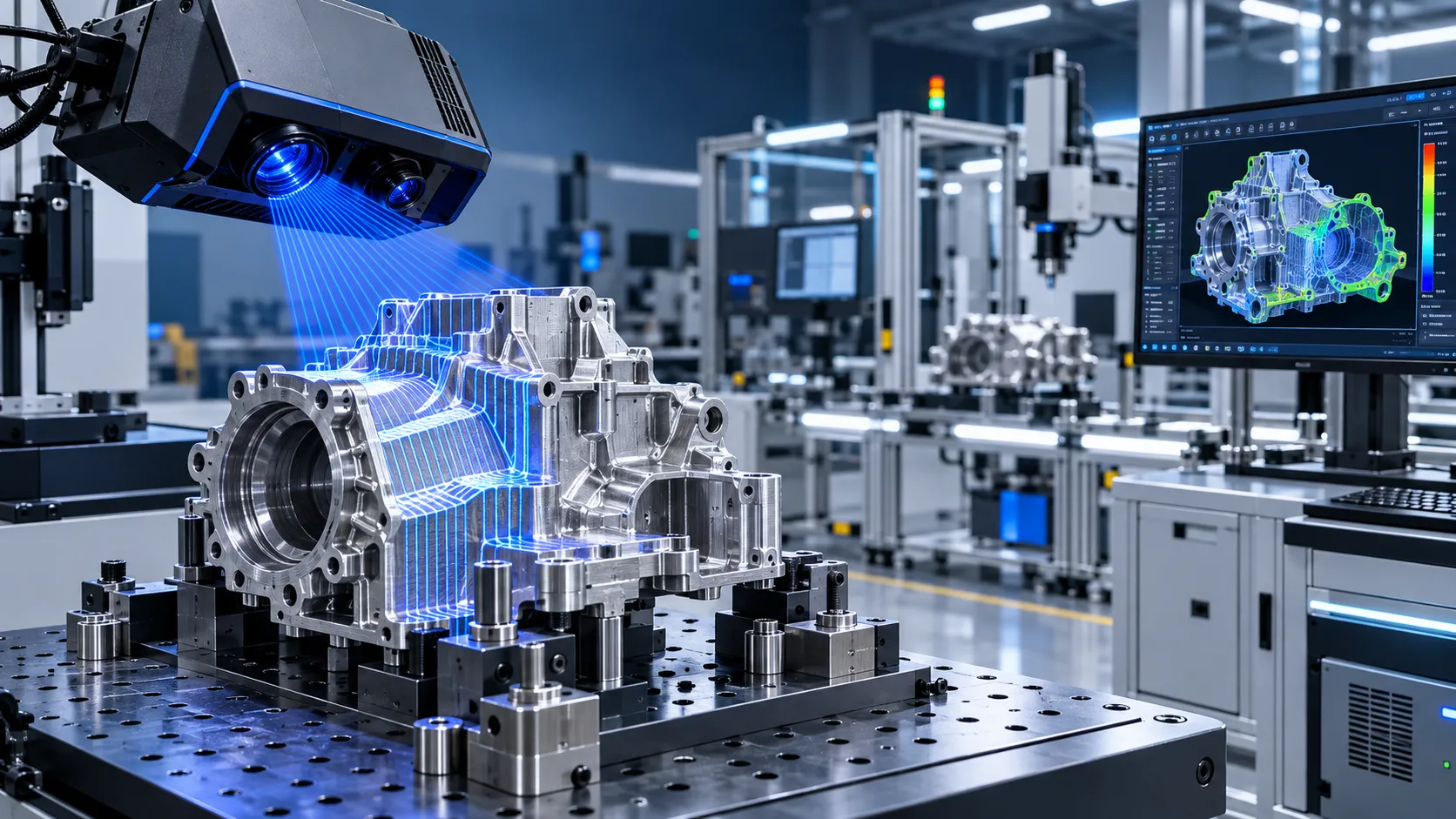
How to Select Optical Metrology Solutions for Tight-Tolerance Manufacturing
Optical industrial metrology solutions for tight-tolerance manufacturing: evaluate accuracy, surface compatibility, workflow, and traceability to select with confidence.
Related News
- 00
0000-00
Selecting Adjustable Torque Tools for Repeatable Fastener Assembly - 00
0000-00
How to Select Aerospace Inspection Tools for Aircraft Maintenance Tasks - 00
0000-00
How to Select Wire Bonding Tools for Fine-Pitch Semiconductor Packaging - 00
0000-00
Industrial Equipment Application Guidance: Match Machines to Operating Conditions - 00
0000-00
Selecting High-Speed Brushless Tool Motors for Torque, Heat, and Duty Cycle
Prof. Marcus Chen
Weekly Insights
Stay ahead with our curated technology reports delivered every Monday.