
Industrial IoT Tools vs Traditional SCADA: Which Fits Multi-Site Operations Better?





Industrial IoT Tools vs Traditional SCADA: Which Fits Multi-Site Operations Better?
For enterprise decision-makers managing dispersed plants, the choice between industrial IoT tools and traditional SCADA is no longer just technical.
It shapes visibility, response speed, cybersecurity posture, and future upgrade costs.
In multi-site operations, a poor fit creates blind spots between factories, vendors, and regional teams.
A strong fit connects production data, maintenance actions, and management decisions without adding friction.
That is why the debate around industrial IoT tools versus SCADA has become more practical than theoretical.
The real question is simple: which model supports multi-site growth better under current industrial pressures?
Why Multi-Site Operations Change the Decision
Single-plant control systems are easier to standardize, monitor, and troubleshoot.
Once operations spread across regions, complexity rises fast.
Different utility conditions, machine vintages, local teams, and supplier contracts start affecting system performance.
Traditional SCADA was built for plant-level supervision.
It excels in deterministic control, alarm handling, and on-site visualization.
However, industrial IoT tools are designed around distributed connectivity, flexible data capture, and remote analytics.
That difference becomes much more visible when ten facilities must operate like one network.
What Traditional SCADA Still Does Very Well
Traditional SCADA remains highly effective in environments where uptime depends on stable local control.
It is proven, familiar, and deeply integrated with PLCs, HMIs, and established automation protocols.
In regulated production lines, that maturity still matters.
- Strong for real-time monitoring and control inside one facility.
- Reliable for alarm management and operator response workflows.
- Useful where legacy equipment dominates the production base.
- Often preferred when internet dependency must stay minimal.
So SCADA is not outdated.
It is simply optimized for a narrower operational center of gravity.
For plants running similar assets in one location, it can remain the right answer.
Where Industrial IoT Tools Pull Ahead
Industrial IoT tools are built for data movement across sites, teams, and systems.
That makes them especially attractive for companies expanding through acquisitions or regional production hubs.
From recent market shifts, the clearer signal is the demand for faster deployment and better cross-site benchmarking.
Industrial IoT tools support that by collecting machine, energy, quality, and maintenance data into shared views.
This also means less dependence on custom local dashboards that rarely scale well.
- Remote access becomes simpler for engineering, service, and leadership teams.
- Data models can unify KPIs across different plants.
- Cloud or hybrid architectures support faster scaling.
- Predictive maintenance and anomaly detection become more realistic.
For multi-site operations, these strengths are not cosmetic features.
They directly affect service consistency, spare parts planning, and response time during disruptions.
A Practical Comparison for Decision-Making
This comparison highlights a useful pattern.
SCADA usually wins inside the plant.
Industrial IoT tools usually win across the network.
The Hidden Cost Factors Many Teams Miss
Purchase price is only one part of the decision.
The larger cost often comes from engineering effort, integration maintenance, and delayed insight.
In real operations, each extra custom interface adds future support risk.
That is especially true when sites use different OEM equipment or separate local contractors.
- Ask how many manual data exports still remain after deployment.
- Check whether alarm logic can be standardized across sites.
- Measure how quickly a new plant can join the system.
- Review cybersecurity governance for remote users and third parties.
These questions reveal the true operating model behind the technology pitch.
In many cases, industrial IoT tools reduce hidden coordination costs more effectively than traditional SCADA extensions.
When a Hybrid Architecture Makes More Sense
The decision does not always need to be binary.
Many successful manufacturers keep SCADA for local control and add industrial IoT tools above it.
This layered model often preserves existing investments while improving enterprise-level visibility.
It also lowers change-management pressure on plant teams.
- Keep SCADA for deterministic control and local safety workflows.
- Use industrial IoT tools for dashboards, analytics, and fleet-wide KPIs.
- Deploy edge gateways where protocol diversity is high.
- Standardize naming, asset models, and reporting rules centrally.
For companies with mixed asset ages, this is often the most realistic path.
It balances operational continuity with digital expansion.
How to Choose the Better Fit for Your Network
A better decision starts with business priorities, not vendor categories.
If the top priority is local control reliability, SCADA may stay central.
If the top priority is unified visibility across sites, industrial IoT tools deserve stronger consideration.
A practical selection process should include the following checkpoints.
- Map all sites by asset age, protocol types, and data criticality.
- Define which KPIs must be comparable across the whole network.
- Estimate rollout time for one site, then for ten sites.
- Evaluate vendor support for cybersecurity, governance, and lifecycle updates.
- Pilot the system on one representative plant before scaling.
This approach keeps the conversation grounded in measurable outcomes.
It also prevents overbuying features that never become operational habits.
Final Takeaway
For multi-site operations, industrial IoT tools generally offer the stronger long-term fit.
They align better with distributed visibility, faster scaling, and cross-site performance management.
Traditional SCADA still plays an important role, especially where local control and legacy integration remain mission-critical.
The most effective answer is often not replacement, but architectural clarity.
Choose the model that improves decisions across every site, not just performance inside one control room.
If your next expansion depends on standardization, resilience, and better operating intelligence, industrial IoT tools should be evaluated first, then integrated with purpose.
Related News
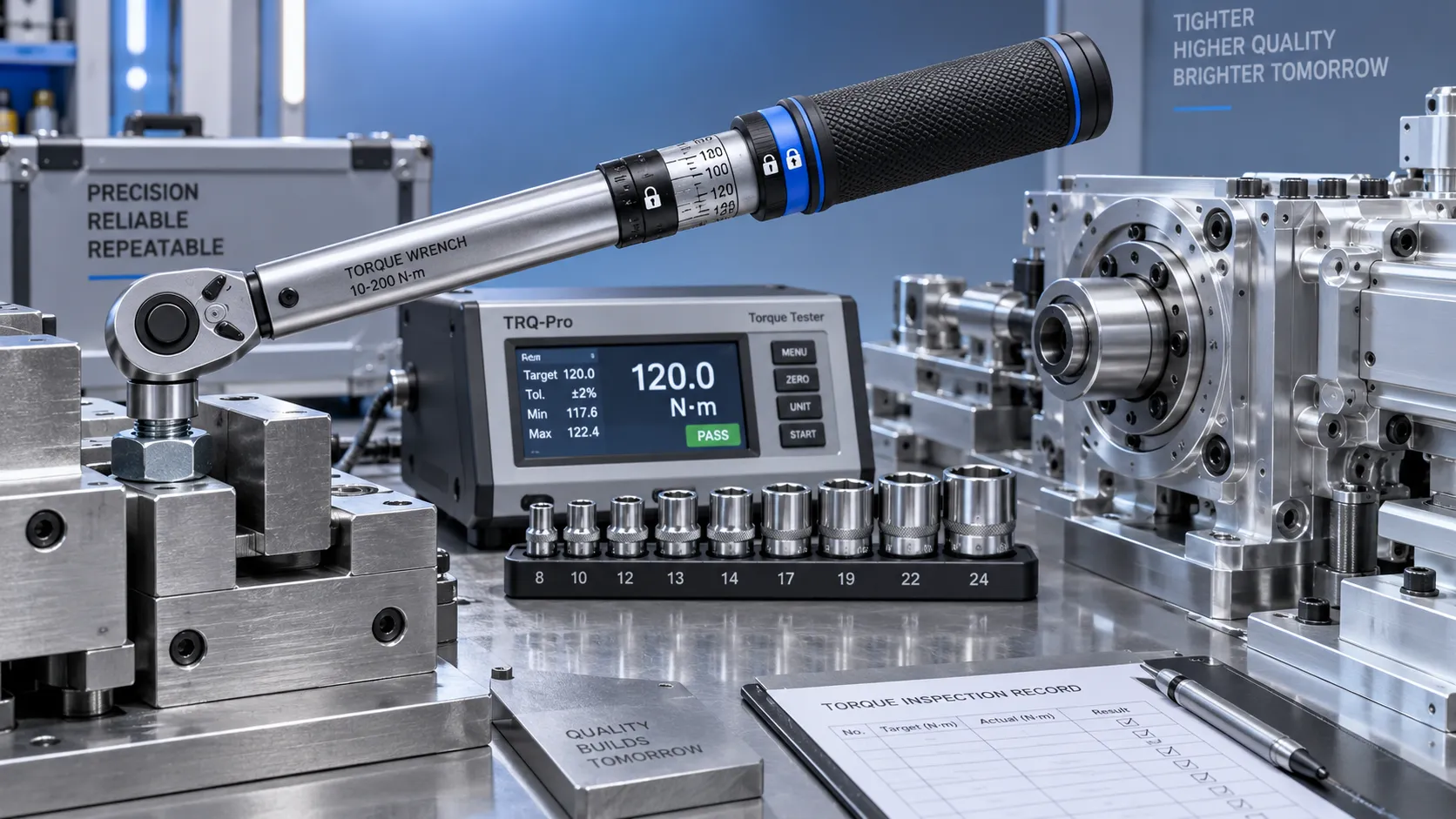
Selecting Adjustable Torque Tools for Repeatable Fastener Assembly
Adjustable torque tools: learn how to match range, accuracy, control methods, calibration, and ergonomics for repeatable, reliable fastener assembly.

How to Select Aerospace Inspection Tools for Aircraft Maintenance Tasks
Aerospace maintenance inspection tools: learn how to select reliable, traceable equipment for aircraft access, accuracy, calibration, and compliant maintenance decisions.

How to Select Wire Bonding Tools for Fine-Pitch Semiconductor Packaging
Explore semiconductor manufacturing tools for wire bonding and learn how to select precision solutions for fine-pitch packaging, reliable loops, accuracy, and yield.
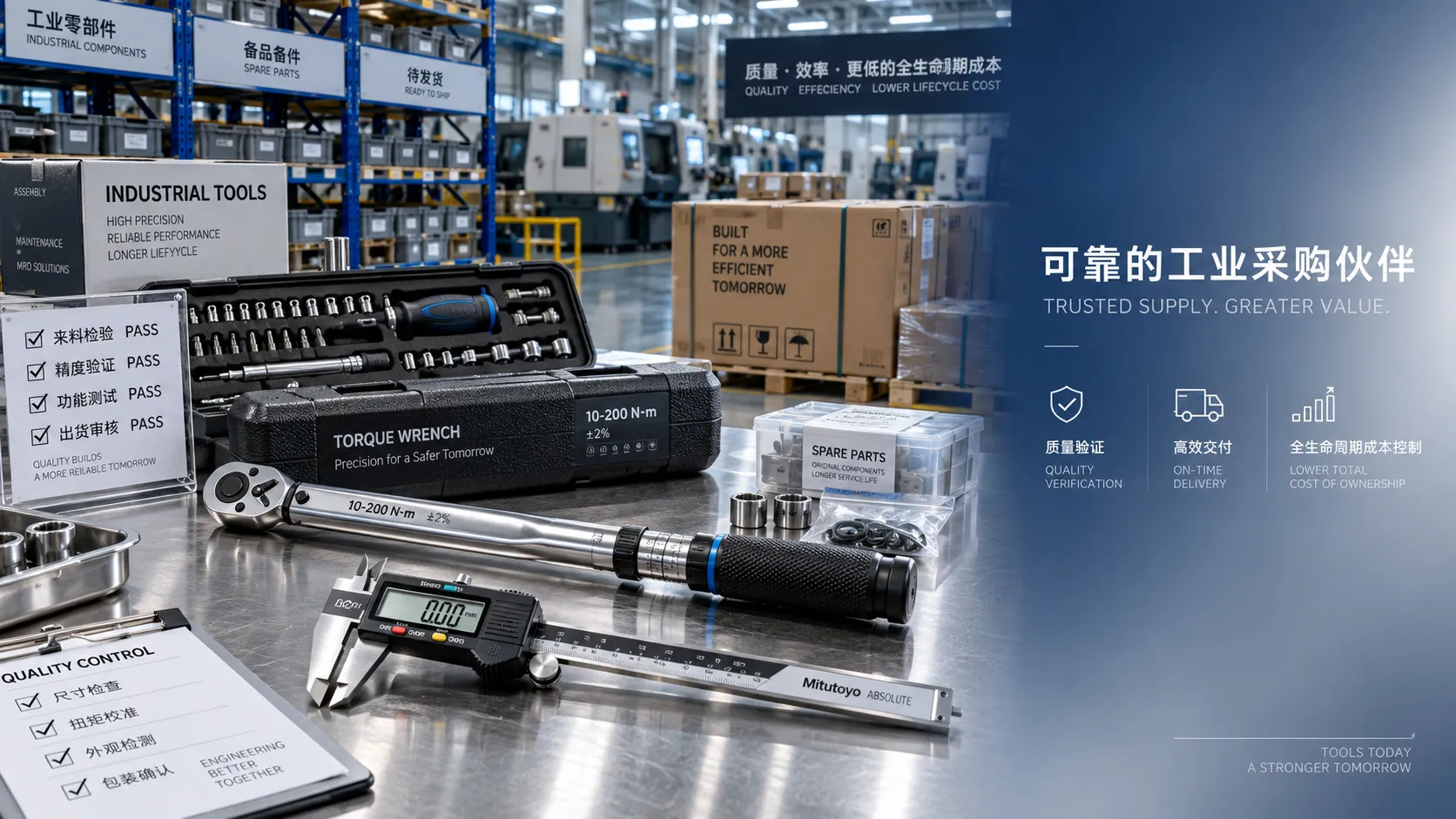
How to Compare Industrial Tool Suppliers for Quality, Lead Time, and Total Cost
Industrial tool selection supplier comparison made simple: evaluate quality, lead times, total cost, service, and supply resilience for confident sourcing decisions.
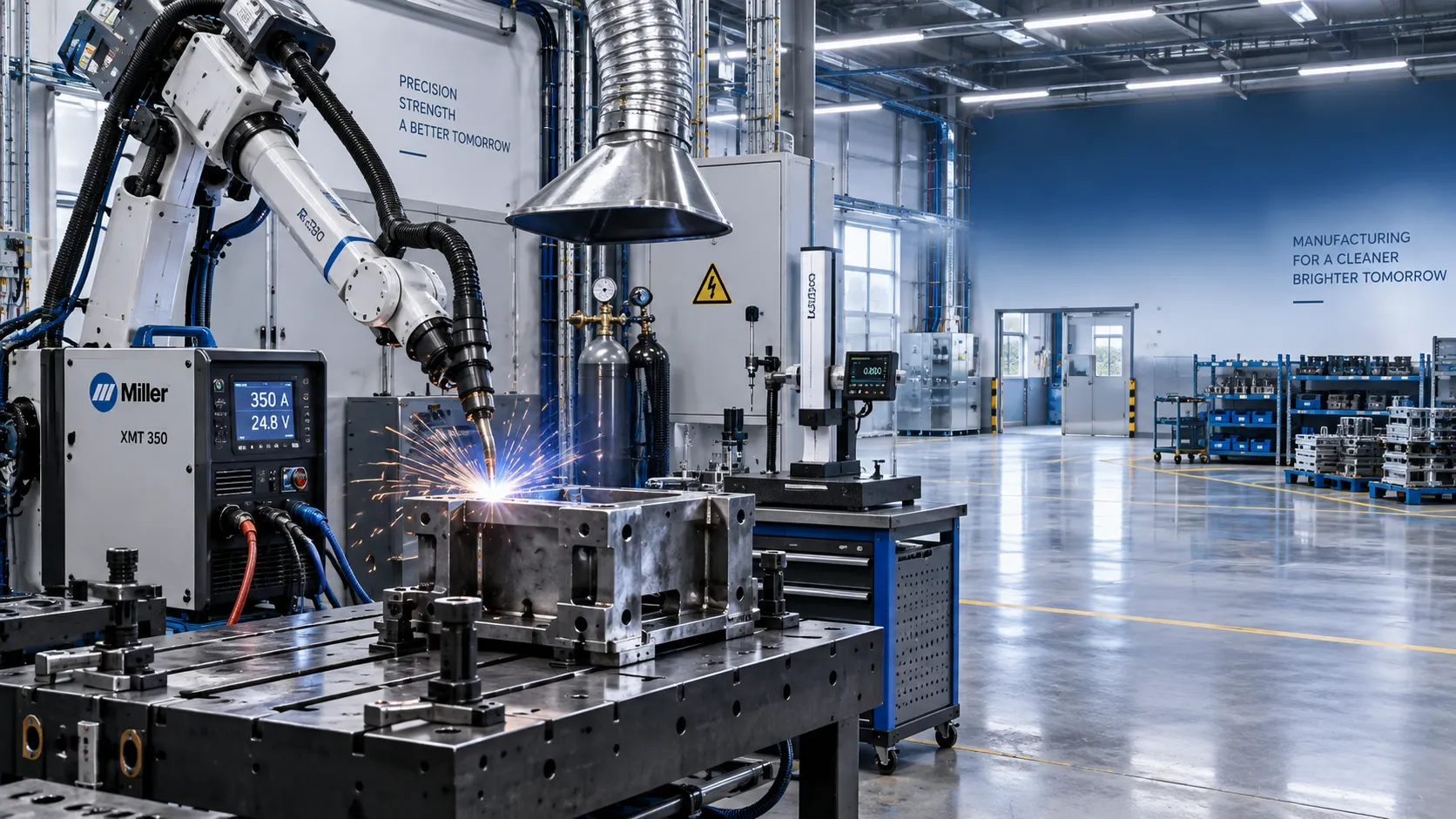
Industrial Equipment Application Guidance: Match Machines to Operating Conditions
Application guidance industrial equipment: match capacity, duty cycle, materials, site conditions, safety, and lifecycle cost to improve reliable output. Read the guide.
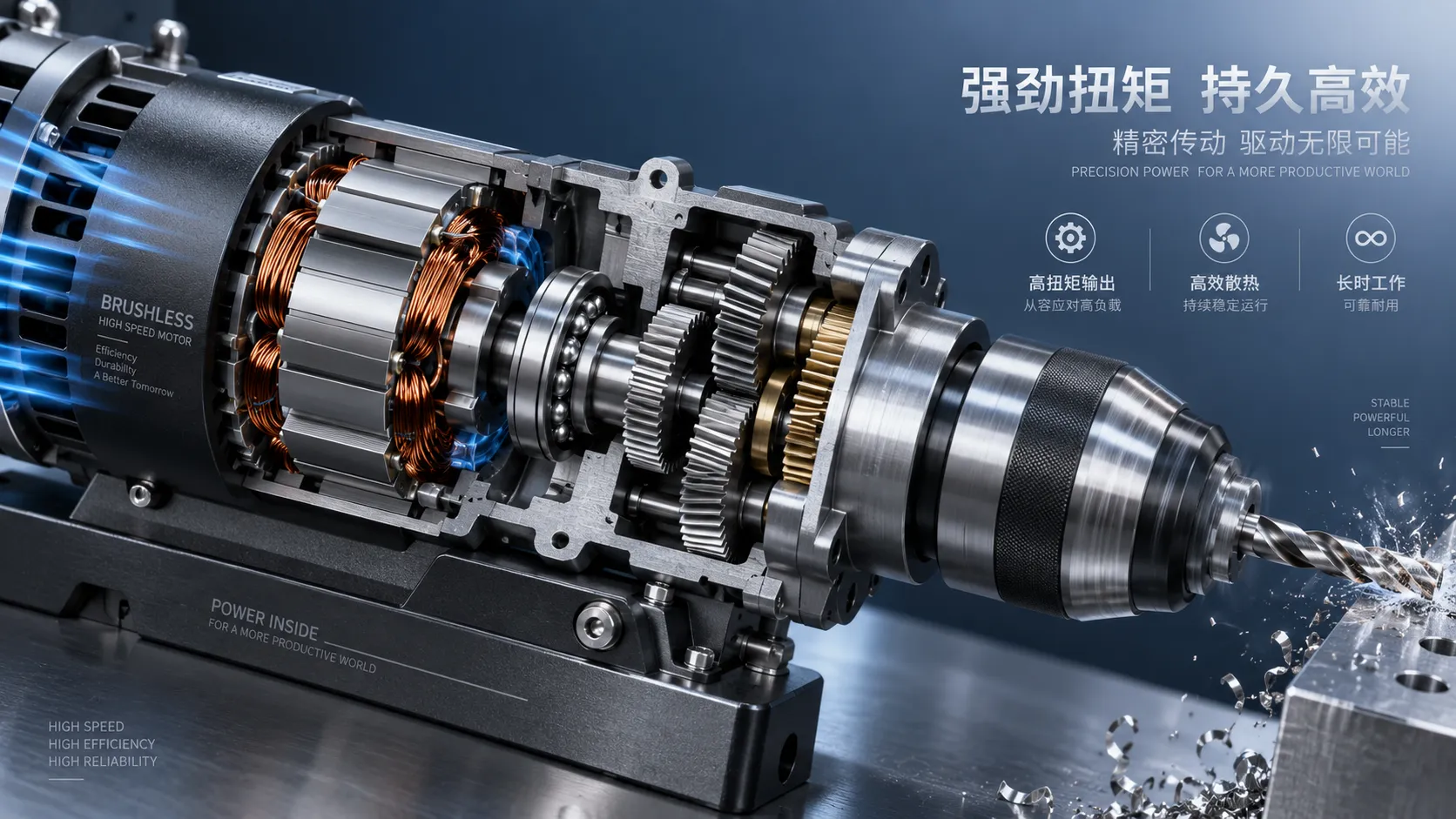
Selecting High-Speed Brushless Tool Motors for Torque, Heat, and Duty Cycle
High speed brushless tool motors: learn how to balance torque, heat, gearing, and duty cycle for reliable industrial tool performance and longer service life.
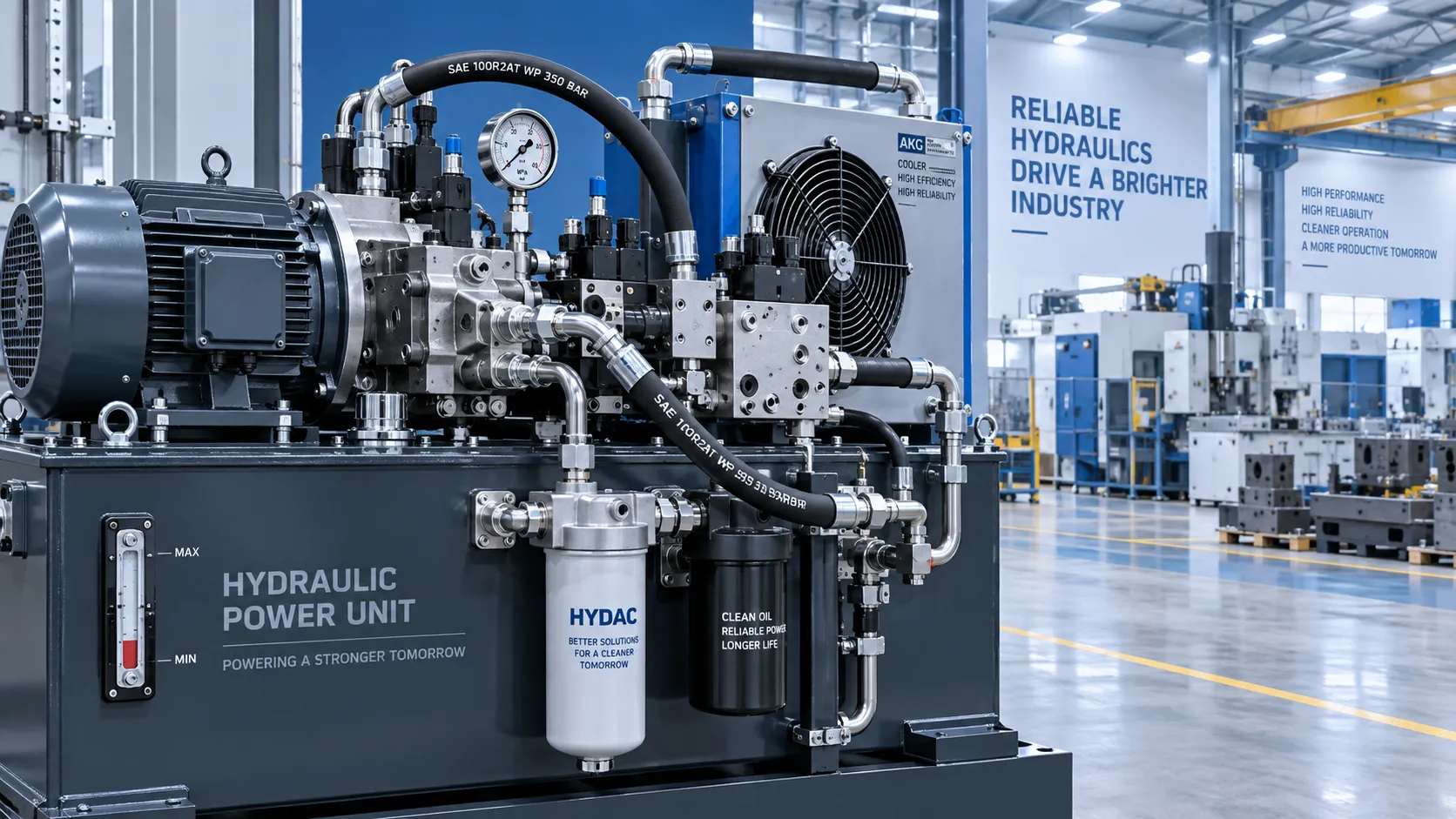
What Determines Industrial Hydraulic System Price for Heavy-Duty Equipment?
Industrial hydraulic system price depends on duty cycle, pressure, components, cooling, and integration. Compare quotes intelligently to secure reliable heavy-duty performance.
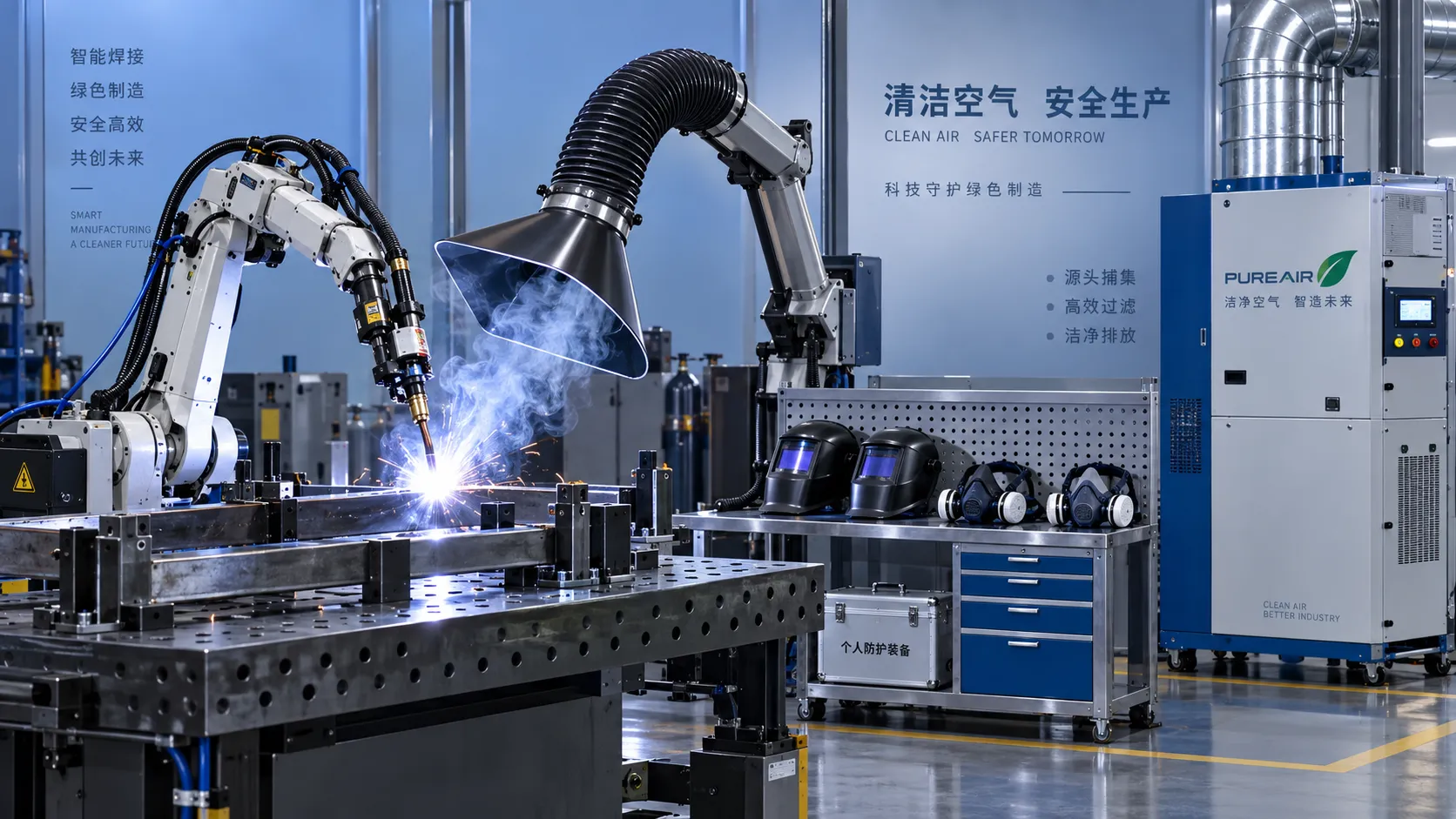
Welding Fume Extraction PPE: When Respirators Are Not Enough for Shop Safety
Welding fume extraction PPE: learn why respirators alone fall short and how source capture, ventilation, and layered controls improve shop safety.

How to Select Optical Metrology Solutions for Tight-Tolerance Manufacturing
Optical industrial metrology solutions for tight-tolerance manufacturing: evaluate accuracy, surface compatibility, workflow, and traceability to select with confidence.
Related News
- 00
0000-00
Selecting Adjustable Torque Tools for Repeatable Fastener Assembly - 00
0000-00
How to Select Aerospace Inspection Tools for Aircraft Maintenance Tasks - 00
0000-00
How to Select Wire Bonding Tools for Fine-Pitch Semiconductor Packaging - 00
0000-00
Industrial Equipment Application Guidance: Match Machines to Operating Conditions - 00
0000-00
Selecting High-Speed Brushless Tool Motors for Torque, Heat, and Duty Cycle
Prof. Marcus Chen
Weekly Insights
Stay ahead with our curated technology reports delivered every Monday.