
What manufacturing technology cuts downtime the most





For project managers and engineering leads, downtime is more than a maintenance issue. It directly affects output, cost control, delivery reliability, and long-term customer confidence.
The central question is simple: what manufacturing technology cuts downtime the most? The practical answer is less simple, because downtime comes from several sources.
Across industrial assembly, welding, inspection, machining, and maintenance, the biggest downtime gains now come from connected manufacturing technology that predicts failures before stoppages occur.
In most operations, predictive monitoring delivers the fastest and widest reduction in lost hours. Yet its full value appears when paired with precision automation, smart joining systems, and real-time metrology.
Why downtime is being redefined by connected manufacturing technology
Downtime once meant a machine stopped. Today, it also includes slow changeovers, unstable weld quality, delayed inspection, torque errors, and hidden performance losses across linked production cells.
That shift matters because modern manufacturing technology is no longer judged only by speed. It is judged by how well it protects continuous flow, quality consistency, and maintenance predictability.
In integrated facilities, one failure can spread through assembly, joining, inspection, packaging, and shipping. A small fault in a motor, sensor, or fixture may trigger expensive chain disruption.
This is why more industrial teams now rank uptime intelligence above isolated equipment upgrades. The best manufacturing technology reduces uncertainty before it reduces labor.
The strongest downtime reduction now comes from predictive monitoring
If one manufacturing technology deserves the top position, it is predictive monitoring supported by Industrial IoT sensors, condition tracking, and analytics-based maintenance planning.
This approach detects abnormal vibration, heat, power draw, torque drift, pressure loss, and cycle instability before they become line-stopping failures.
Compared with scheduled maintenance, predictive systems reduce unnecessary shutdowns. Compared with reactive maintenance, they prevent sudden failures that cause the longest and most expensive outages.
That makes predictive monitoring the most broadly effective manufacturing technology for cutting downtime across mixed industrial environments.
Why it outperforms other options
- It addresses failures before breakdown.
- It improves maintenance timing and spare part planning.
- It reduces false alarms and unnecessary service stops.
- It works across motors, pumps, welding units, conveyors, compressors, and fixtures.
- It supports both legacy lines and newer automated cells.
Other manufacturing technology trends that also cut downtime
Although predictive systems lead overall, several other manufacturing technology upgrades produce major uptime gains when downtime is tied to quality variation, manual intervention, or inspection delay.
Precision automation
Robotics, servo control, adaptive feeders, and automated fastening reduce repetitive errors. They also stabilize cycle times and limit micro-stoppages caused by inconsistent manual handling.
Smart welding and joining systems
Modern welding equipment with digital parameter control lowers rework, heat distortion, and operator-dependent variation. Handheld laser welding, monitored arc systems, and intelligent torque tools reduce stoppages tied to defect correction.
In-line metrology
Real-time measurement catches drift early. Instead of discovering problems after batch completion, teams can adjust fixtures, tooling, or process settings before scrap and shutdowns escalate.
Digital work instructions and traceability
Connected instructions shorten setup errors and speed troubleshooting. Traceable process data also helps isolate root causes faster, reducing repeated downtime events.
Signals behind the rise of downtime-focused manufacturing technology
The move toward uptime-first investment is not random. It reflects wider industrial pressure across cost, labor, energy, compliance, and customer expectations.
What drives the success of this manufacturing technology shift
- Sensor costs have fallen, making condition monitoring easier to deploy.
- Analytics platforms now turn raw machine data into maintenance actions.
- Brushless motors and smarter controls improve equipment stability.
- Digital welding and fastening tools create richer process feedback.
- Portable metrology supports faster checks without long inspection delays.
- Integration between machines, quality systems, and MES is improving.
How different operations feel the impact of manufacturing technology
The value of manufacturing technology changes by process. Downtime in welding differs from downtime in metrology, machining, assembly, or mobile service environments.
In assembly, smart torque systems and automated guidance reduce stoppages caused by missed steps and quality holds. In welding, digital process control reduces burn-through, porosity, and rework interruptions.
In inspection, in-line metrology shortens wait time between production and validation. In maintenance-heavy operations, predictive monitoring helps avoid emergency outages and unstable restarts.
This means the best manufacturing technology is often chosen by root-cause category, not by trend popularity alone.
Where attention should go before investing in manufacturing technology
- Measure whether downtime is failure-driven, quality-driven, or setup-driven.
- Check if hidden losses come from micro-stops instead of full breakdowns.
- Review data availability from welding units, motors, torque tools, and gauges.
- Prioritize technologies that fit existing workflows, not isolated pilot value.
- Link uptime improvement to scrap reduction and throughput stability.
- Evaluate training needs, because adoption quality shapes technology returns.
A practical way to judge which manufacturing technology will cut downtime most
The likely next phase of manufacturing technology and uptime strategy
The next phase will combine condition monitoring, process control, and quality verification into one decision loop. That integration will make downtime prevention more automatic and more precise.
Instead of reacting to alarms separately, connected manufacturing technology will compare machine health, weld quality, torque records, and measurement drift in real time.
That matters for mixed industrial environments, where assembly tools, joining systems, and metrology devices increasingly share data. The strongest advantage will come from systems that connect these layers.
A grounded next step for cutting downtime with manufacturing technology
Start with one question: what causes the most lost hours today? If failures dominate, predictive monitoring is usually the first manufacturing technology to evaluate.
If rework, unstable joining, or inspection delay dominate, focus on smart welding, digital fastening, or in-line metrology. The winning decision should follow the strongest downtime pattern.
For many industrial operations, the answer to what manufacturing technology cuts downtime the most is predictive monitoring. For the best result, combine it with process control and measurement visibility.
That combination delivers more than uptime. It supports stronger quality, lower waste, and better resilience across modern manufacturing technology investment planning.
Related News
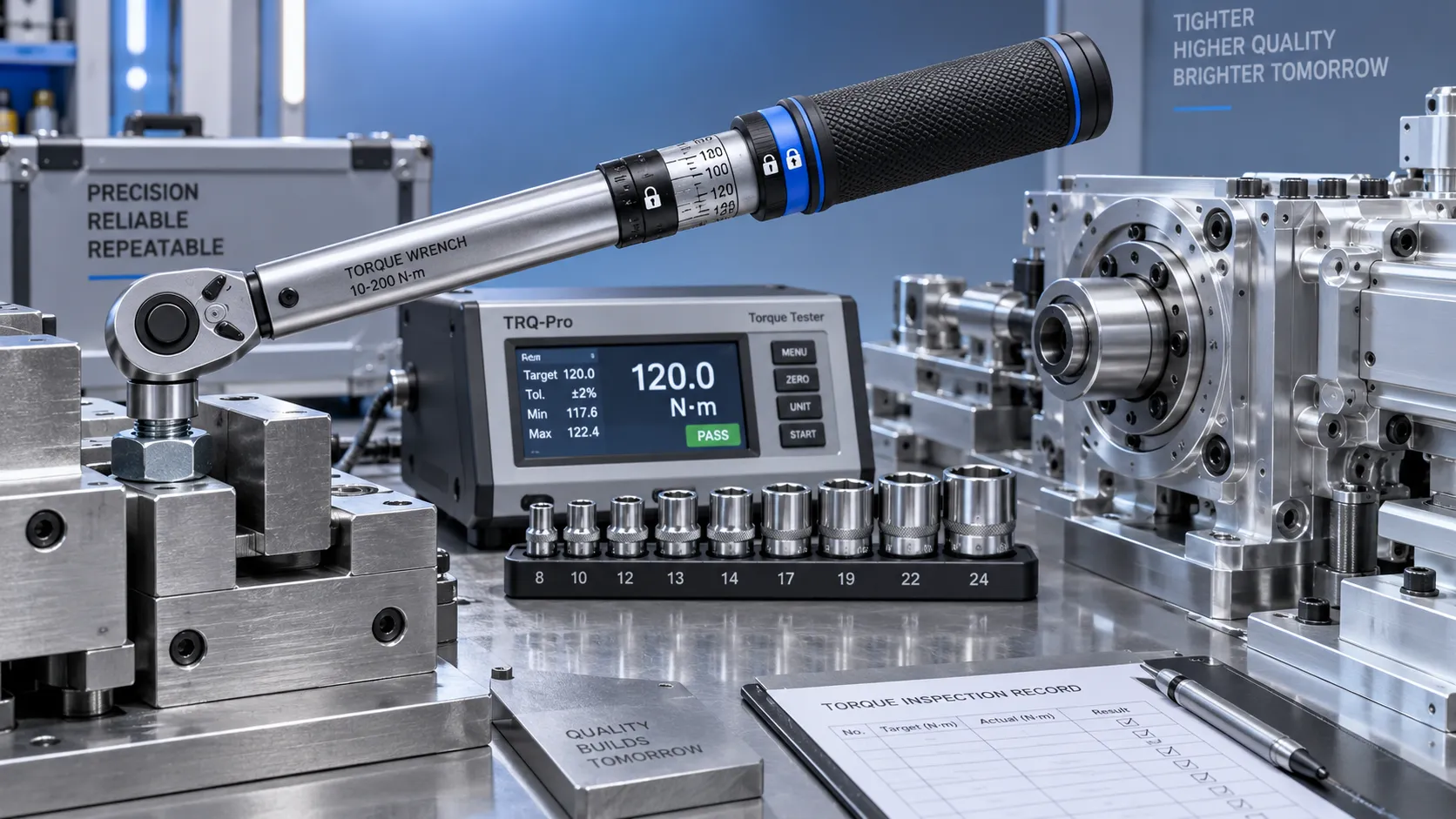
Selecting Adjustable Torque Tools for Repeatable Fastener Assembly
Adjustable torque tools: learn how to match range, accuracy, control methods, calibration, and ergonomics for repeatable, reliable fastener assembly.

How to Select Aerospace Inspection Tools for Aircraft Maintenance Tasks
Aerospace maintenance inspection tools: learn how to select reliable, traceable equipment for aircraft access, accuracy, calibration, and compliant maintenance decisions.

How to Select Wire Bonding Tools for Fine-Pitch Semiconductor Packaging
Explore semiconductor manufacturing tools for wire bonding and learn how to select precision solutions for fine-pitch packaging, reliable loops, accuracy, and yield.
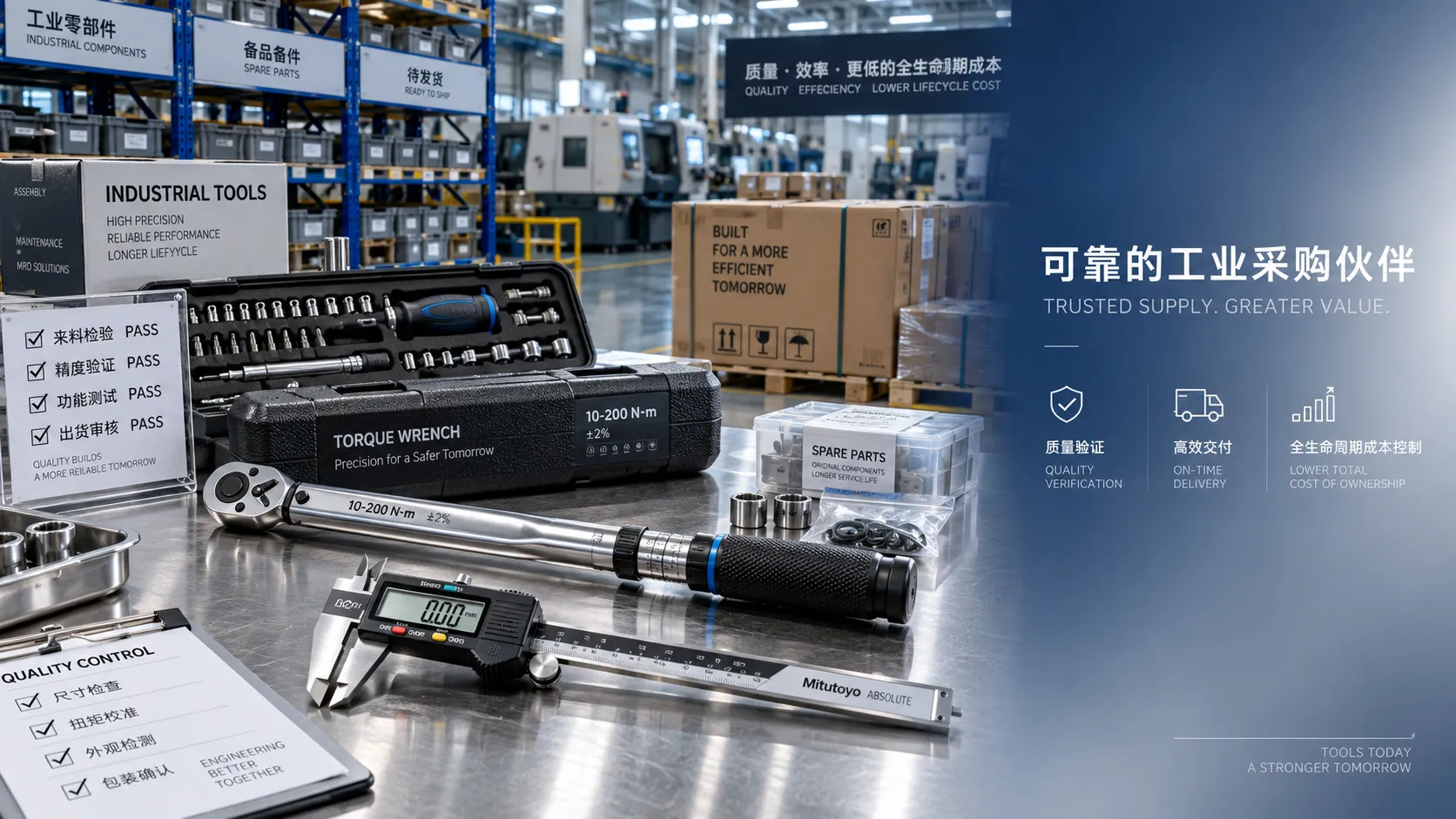
How to Compare Industrial Tool Suppliers for Quality, Lead Time, and Total Cost
Industrial tool selection supplier comparison made simple: evaluate quality, lead times, total cost, service, and supply resilience for confident sourcing decisions.
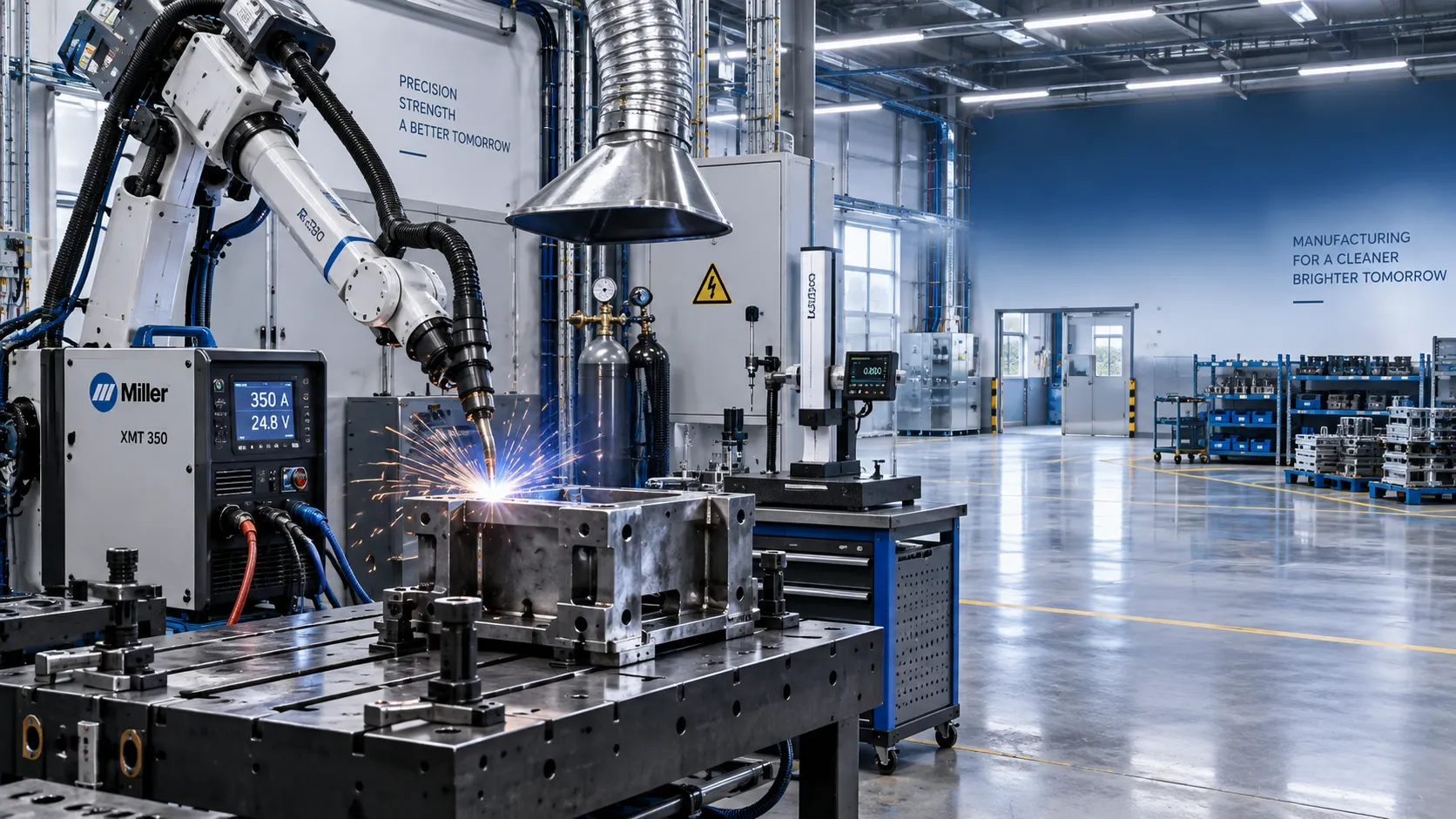
Industrial Equipment Application Guidance: Match Machines to Operating Conditions
Application guidance industrial equipment: match capacity, duty cycle, materials, site conditions, safety, and lifecycle cost to improve reliable output. Read the guide.
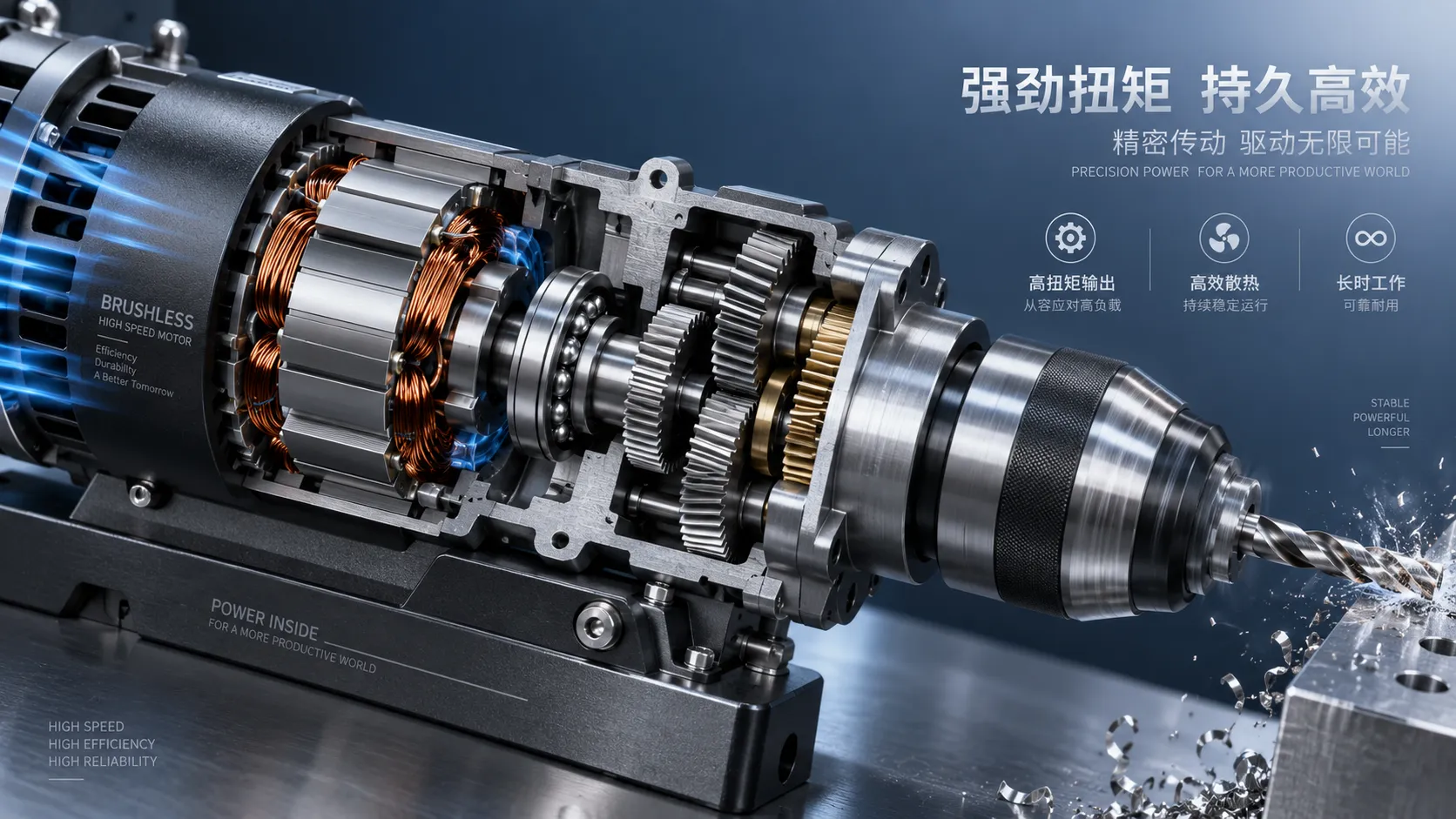
Selecting High-Speed Brushless Tool Motors for Torque, Heat, and Duty Cycle
High speed brushless tool motors: learn how to balance torque, heat, gearing, and duty cycle for reliable industrial tool performance and longer service life.
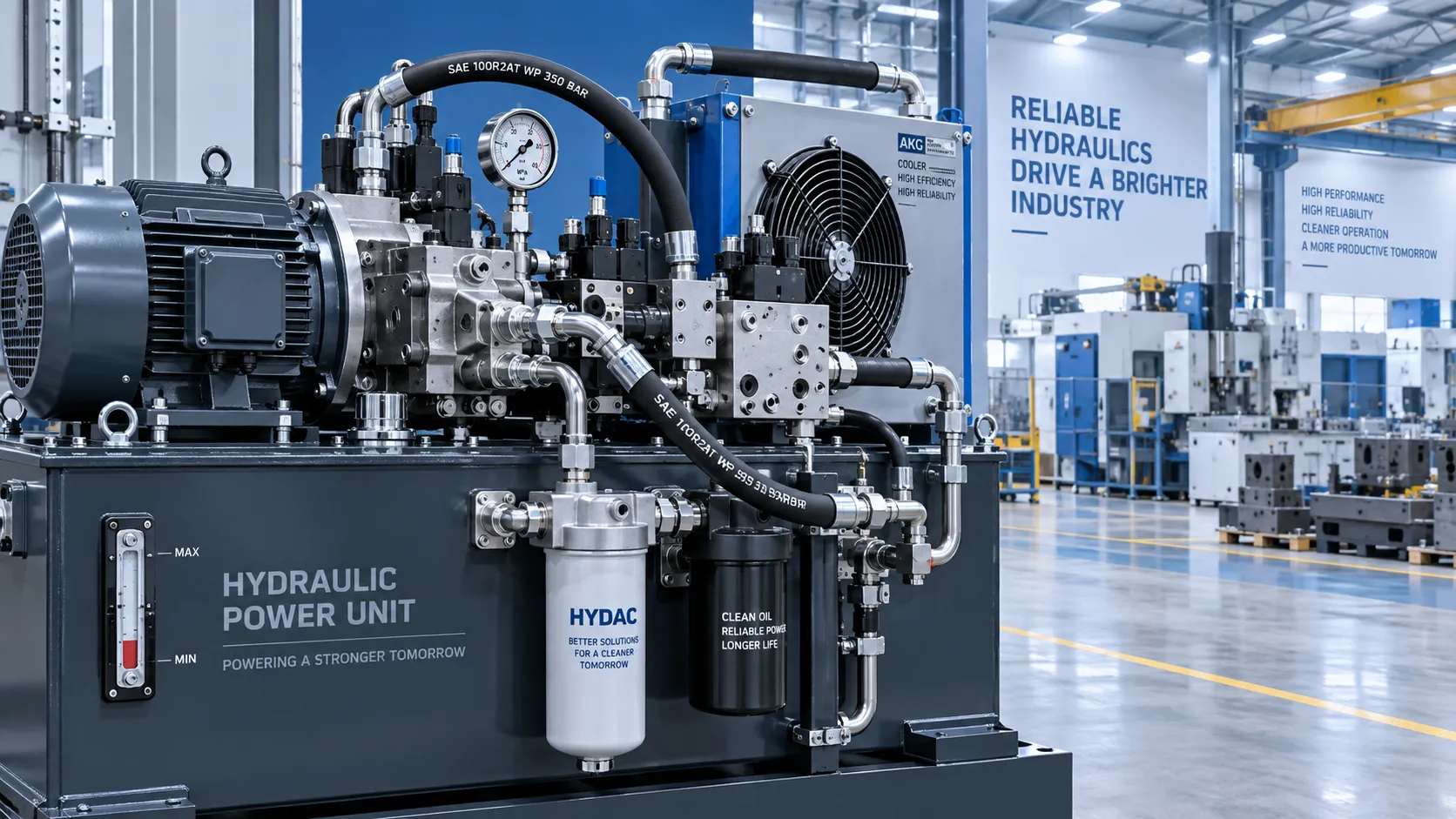
What Determines Industrial Hydraulic System Price for Heavy-Duty Equipment?
Industrial hydraulic system price depends on duty cycle, pressure, components, cooling, and integration. Compare quotes intelligently to secure reliable heavy-duty performance.
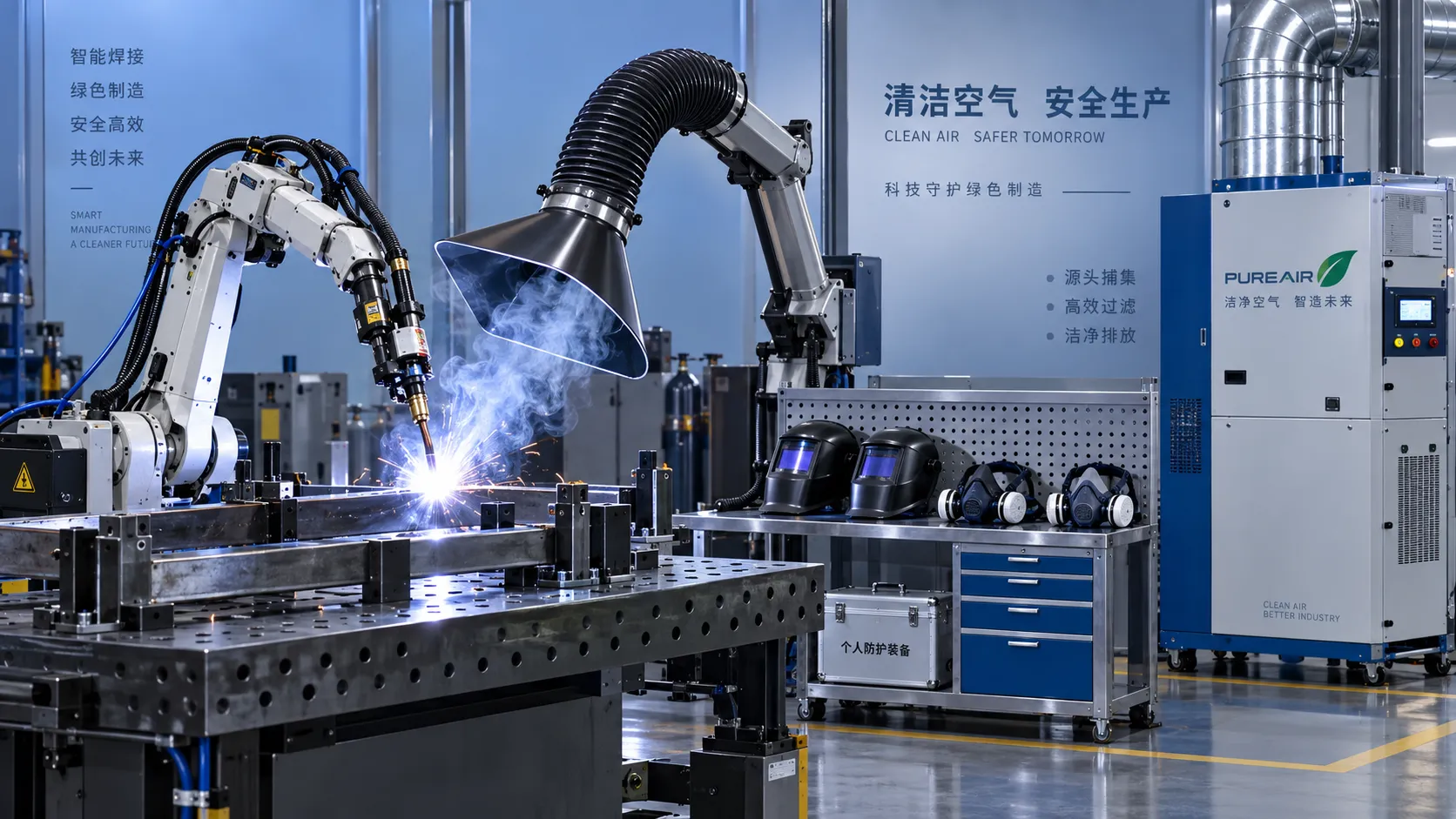
Welding Fume Extraction PPE: When Respirators Are Not Enough for Shop Safety
Welding fume extraction PPE: learn why respirators alone fall short and how source capture, ventilation, and layered controls improve shop safety.
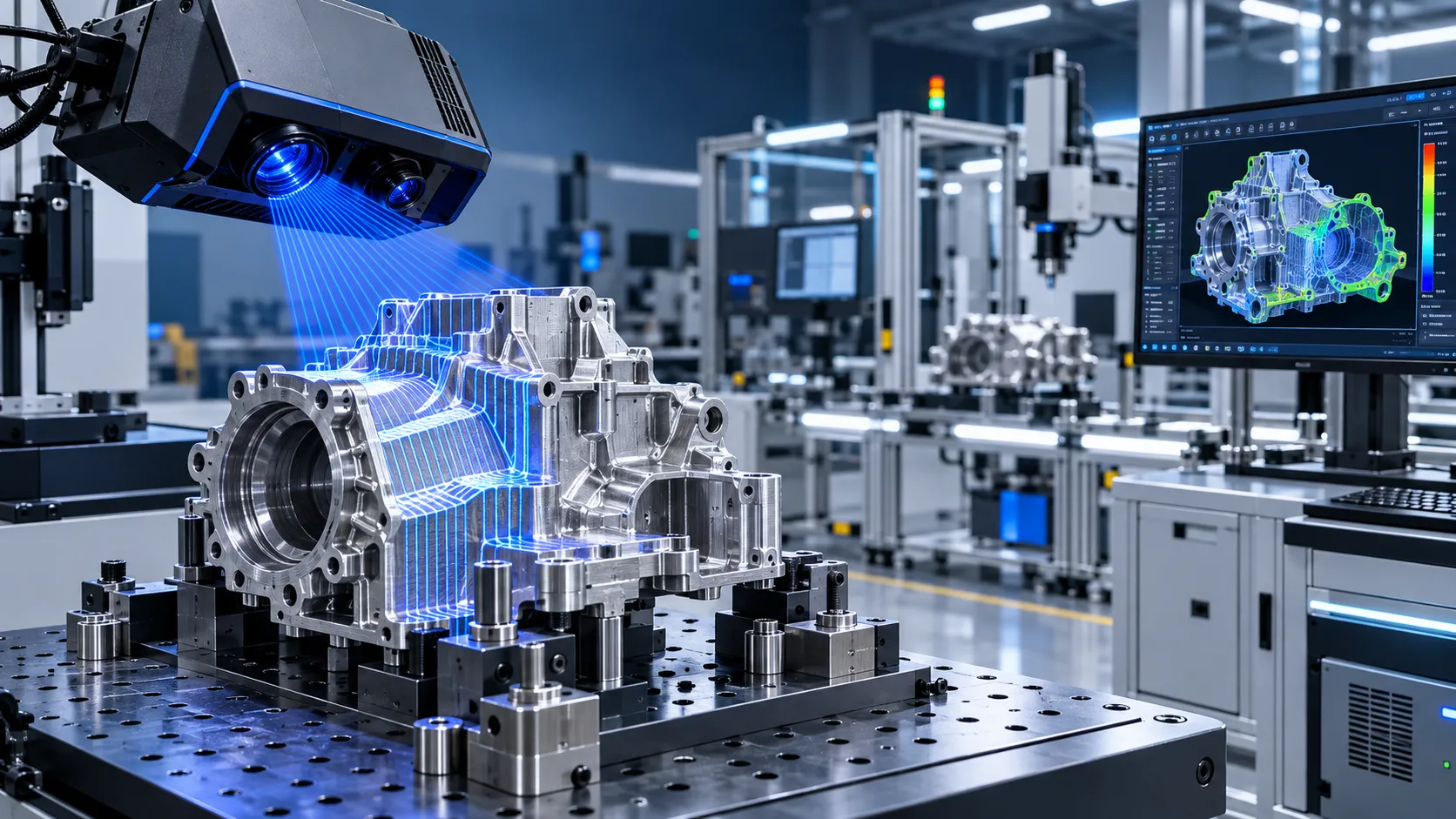
How to Select Optical Metrology Solutions for Tight-Tolerance Manufacturing
Optical industrial metrology solutions for tight-tolerance manufacturing: evaluate accuracy, surface compatibility, workflow, and traceability to select with confidence.
Related News
- 00
0000-00
Selecting Adjustable Torque Tools for Repeatable Fastener Assembly - 00
0000-00
How to Select Aerospace Inspection Tools for Aircraft Maintenance Tasks - 00
0000-00
How to Select Wire Bonding Tools for Fine-Pitch Semiconductor Packaging - 00
0000-00
Industrial Equipment Application Guidance: Match Machines to Operating Conditions - 00
0000-00
Selecting High-Speed Brushless Tool Motors for Torque, Heat, and Duty Cycle
Prof. Marcus Chen
Weekly Insights
Stay ahead with our curated technology reports delivered every Monday.