
Why industrial innovation now matters more than scale





For business evaluators, scale is no longer a reliable shortcut for judging competitive strength. In industrial markets, the better question is whether a company can innovate fast enough to protect margins, meet stricter standards, and adapt operations under pressure.
That is why industrial innovation now matters more than scale. In sectors tied to precision tools, welding systems, and metrology, innovation is what turns manufacturing capability into resilience, pricing power, and long-term relevance.
What business evaluators are really trying to judge today
When decision-makers search for insight on industrial innovation, they are rarely looking for abstract theory. They want a practical way to evaluate whether innovation creates measurable business value or simply increases cost and operational complexity.
For business evaluators, the core issue is straightforward: does a company’s innovation capability improve its ability to win demand, defend margins, reduce compliance risk, and respond faster than larger but less adaptive competitors?
That framing matters because industrial competition has changed. Volume, installed base, and procurement leverage still matter, but they no longer guarantee durable advantage in an environment shaped by volatile inputs, tighter safety expectations, and digital integration requirements.
Why scale alone is losing its old strategic advantage
Scale once delivered a clear formula for industrial success. Bigger companies could negotiate raw materials more effectively, spread fixed costs across larger output, and dominate distribution channels with broader product coverage and stronger bargaining power.
Those strengths have not disappeared, but their relative value has weakened. Supply chain disruption, regional compliance divergence, labor shortages, and faster technology cycles have reduced the benefits of being large if a business cannot also adapt quickly.
A scaled manufacturer with outdated welding processes, limited intelligent tooling, or weak metrology integration may still produce high volume. However, it can lose ground when customers begin prioritizing traceability, safety, efficiency, and process-level data visibility.
In this context, scale can even create friction. Large organizations often carry heavier legacy systems, slower approval chains, and more difficult change management. That makes it harder to introduce smarter production methods at the speed the market now demands.
Why industrial innovation has become the better signal of competitiveness
Industrial innovation is no longer just about breakthrough products. It includes process redesign, safety improvement, digital control, ergonomic optimization, energy efficiency, quality assurance, and the ability to connect tools, operators, and production data into a useful system.
For evaluators, this broader definition is essential. A company does not need to invent a new category to create strategic advantage. It can outperform through better torque intelligence, safer handheld welding workflows, faster inspection cycles, or more precise calibration management.
These improvements matter because they solve expensive operational problems. They reduce rework, improve first-pass yield, shorten training curves, and help customers document compliance. In many industrial categories, those outcomes matter more than incremental differences in unit price.
That is why industrial innovation increasingly supports premium value creation. Buyers in construction, automotive maintenance, aerospace support, and industrial assembly are often willing to pay more when innovation lowers total operating risk and raises measurable productivity.
How innovation creates value in precision tools, welding, and metrology
In the GPTWM coverage universe, the last mile of manufacturing is where value is either secured or lost. A welding torch, power tool, or measuring instrument affects not only task completion, but also repeatability, operator safety, and downstream quality performance.
Consider precision metrology first. Innovation in measuring systems improves confidence in tolerances, enables more reliable quality documentation, and supports better process control. For evaluators, that means less scrap exposure and stronger positioning in industries where precision is audited closely.
In welding, innovation often delivers its value through consistency and safety. Better arc control, handheld laser welding safeguards, and easier parameter management reduce operator-dependent variation. That can expand usable labor capacity while lowering defect and incident risk.
In intelligent tooling, features such as brushless motor optimization, connected torque monitoring, and IoT-enabled diagnostics change how customers evaluate equipment. The tool becomes part of a productivity system rather than a standalone asset, supporting service revenue and longer customer retention.
These examples show why industrial innovation is commercially meaningful. It shifts competition away from basic equipment supply and toward integrated performance, where the winning company delivers measurable outcomes that customers can justify internally.
What business evaluators should examine beyond product claims
Not every innovation story deserves a premium valuation. Business evaluators need to separate marketing language from operational substance. The most useful approach is to assess innovation across capability, adoption, economics, and defensibility rather than product novelty alone.
Start with capability. Does the company have credible technical depth, application knowledge, and feedback loops from real industrial environments? In precision tools and welding, practical engineering maturity often matters more than broad innovation branding.
Next, examine adoption. Are customers actually integrating the solution into workflows, or are they only testing it? Real adoption shows up in repeat orders, cross-selling, service attachment, training demand, and lower churn in technically demanding accounts.
Then evaluate economics. Does the innovation improve gross margin, support premium pricing, or lower support costs over time? Some technologies attract interest but remain too expensive to scale commercially. Strong innovation should create both customer value and supplier leverage.
Finally, assess defensibility. Can competitors replicate the feature quickly, or is the advantage protected by process expertise, ecosystem integration, data models, compliance knowledge, or embedded customer switching costs? Defensible innovation sustains value beyond a short product cycle.
Key questions evaluators should ask before assigning strategic value
One effective way to test innovation quality is to ask whether it solves a painful and recurring problem. If the answer is unclear, the innovation may be technically interesting but commercially weak.
Another question is whether the solution fits current buying behavior. Industrial buyers often prefer technologies that improve output without forcing complete workflow replacement. Adoption friction can destroy the business case even when technical performance is strong.
Evaluators should also ask how innovation performs under cost volatility. If input prices rise or export rules shift, does the company’s design flexibility or sourcing strategy preserve its offer? Innovation should improve adaptability, not just add features.
A further question concerns training and workforce constraints. In many industrial sectors, labor capability is uneven. Solutions that reduce dependence on highly specialized operators may offer more strategic value than solutions that only raise theoretical performance ceilings.
Finally, ask whether the company has converted innovation into a repeatable commercial model. A few successful pilot projects are not enough. The real test is whether sales, service, technical support, and channel partners can scale the value proposition profitably.
Why innovation matters more under market uncertainty
Periods of uncertainty expose the limits of pure scale. Large capacity becomes less useful if demand shifts across regions, compliance rules tighten, or customers delay capital spending and focus instead on efficiency gains from existing operations.
In such conditions, industrial innovation becomes a hedge. It allows suppliers to reposition around operational savings, retrofit opportunities, safety upgrades, and productivity enhancement rather than relying only on volume growth.
This is especially relevant in sectors where customers face margin pressure themselves. A distributor, plant manager, or service contractor is more likely to approve spending when the solution clearly reduces downtime, improves documentation, or lowers error-related costs.
For business evaluators, this means innovation can strengthen resilience even when headline growth slows. Companies with a practical innovation engine often maintain relevance because they help customers solve urgent problems, not because they simply offer broad product catalogs.
The link between industrial innovation and premium value creation
Premium value in industrial markets is rarely created by branding alone. It is usually built on trust that a product or system will perform consistently, reduce operational risk, and justify a higher upfront price through better total lifecycle economics.
Industrial innovation supports that trust when it improves measurable outcomes. Better calibration confidence, more stable welding results, or intelligent torque verification gives customers evidence they can use to defend purchasing decisions internally.
That evidence is important because many industrial purchases are evaluated by multiple stakeholders. Procurement may focus on cost, operations on uptime, engineering on performance, and compliance teams on traceability. Innovation that satisfies several functions at once creates stronger commercial positioning.
As a result, innovative suppliers often gain more than sales growth. They gain negotiation power, stronger channel interest, and a higher likelihood of specification-level preference. For evaluators, those are signs that innovation is translating into real market advantage.
Common mistakes when comparing scale and innovation
One common mistake is assuming scale and innovation are opposites. In reality, the strongest industrial companies combine both. The real issue is which factor better predicts future competitiveness when the two are not equally strong.
Another mistake is overvaluing current market share while undervaluing adaptability. A large installed base can erode faster than expected if customers begin rewarding smarter, safer, and more data-capable systems.
Evaluators also sometimes focus too narrowly on research spending. High spending does not automatically indicate useful industrial innovation. What matters is how effectively that spending is translated into deployable solutions and repeatable customer outcomes.
A final mistake is treating innovation as relevant only to advanced manufacturers. In fact, even traditional industrial segments now compete on productivity, ergonomics, traceability, and maintenance efficiency. Innovation is increasingly important across the full industrial value chain.
How to build a practical evaluation framework
For business evaluators, a useful framework should begin with market pressure. What external forces make innovation strategically valuable in this category? Examples include labor scarcity, safety regulation, digital quality control, and raw material volatility.
Next, map the company’s innovation to these pressures. Does it directly improve throughput, reduce variance, support compliance, or lower training burden? The tighter the connection, the stronger the likely commercial impact.
Then measure proof points. Look for customer retention, premium pricing acceptance, service revenue growth, quality performance gains, and expanding use cases across industries such as construction, automotive, and aerospace maintenance.
Finally, compare innovation maturity with organizational readiness. Even a strong technology platform can underperform if distribution, technical support, and channel education are weak. Strategic value depends on execution as much as on invention.
Conclusion: the smarter question is not who is bigger, but who is more adaptive
Why does industrial innovation now matter more than scale? Because industrial markets reward companies that can improve performance under real constraints, not just companies that can produce more of the same at larger volume.
For business evaluators, the most valuable judgment is whether a company’s innovation capability converts industrial complexity into customer value. In precision tools, welding, and metrology, that capability increasingly shapes resilience, margin quality, and long-term strategic relevance.
Scale still matters, but it is no longer enough on its own. In a market defined by tighter standards, faster change, and higher expectations, industrial innovation is the better indicator of who can sustain advantage and who may struggle to keep up.
Related News
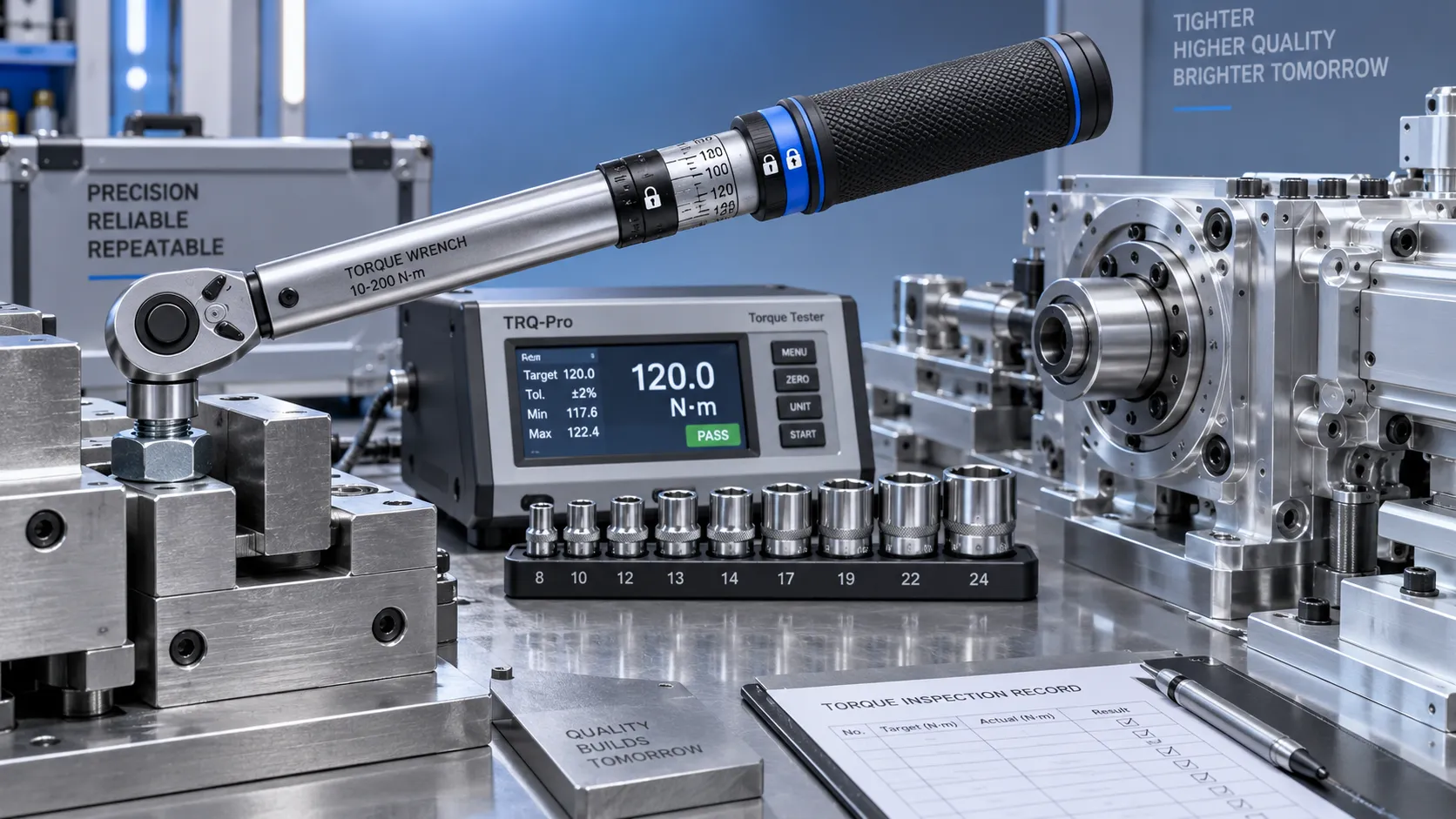
Selecting Adjustable Torque Tools for Repeatable Fastener Assembly
Adjustable torque tools: learn how to match range, accuracy, control methods, calibration, and ergonomics for repeatable, reliable fastener assembly.

How to Select Aerospace Inspection Tools for Aircraft Maintenance Tasks
Aerospace maintenance inspection tools: learn how to select reliable, traceable equipment for aircraft access, accuracy, calibration, and compliant maintenance decisions.

How to Select Wire Bonding Tools for Fine-Pitch Semiconductor Packaging
Explore semiconductor manufacturing tools for wire bonding and learn how to select precision solutions for fine-pitch packaging, reliable loops, accuracy, and yield.
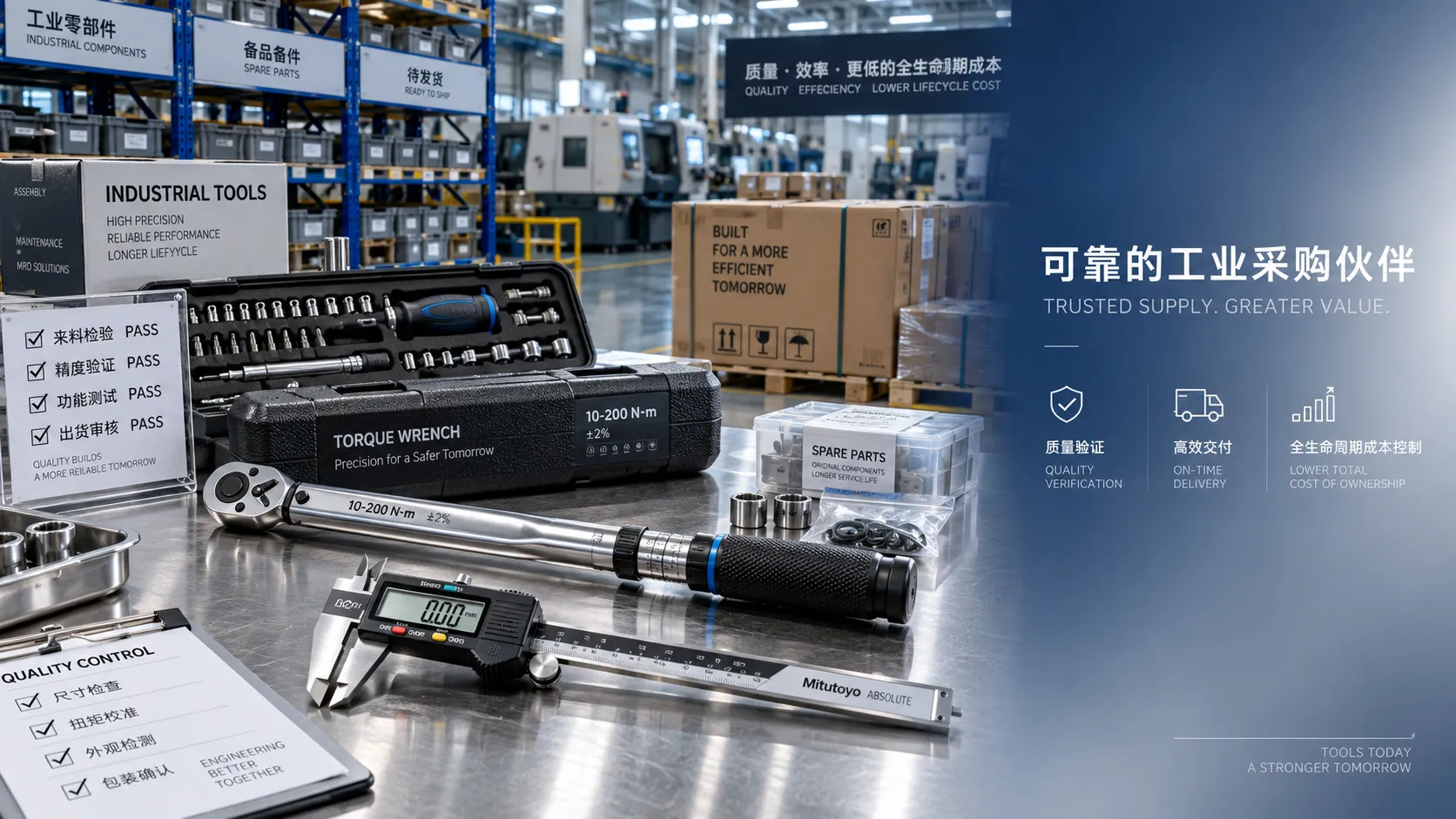
How to Compare Industrial Tool Suppliers for Quality, Lead Time, and Total Cost
Industrial tool selection supplier comparison made simple: evaluate quality, lead times, total cost, service, and supply resilience for confident sourcing decisions.
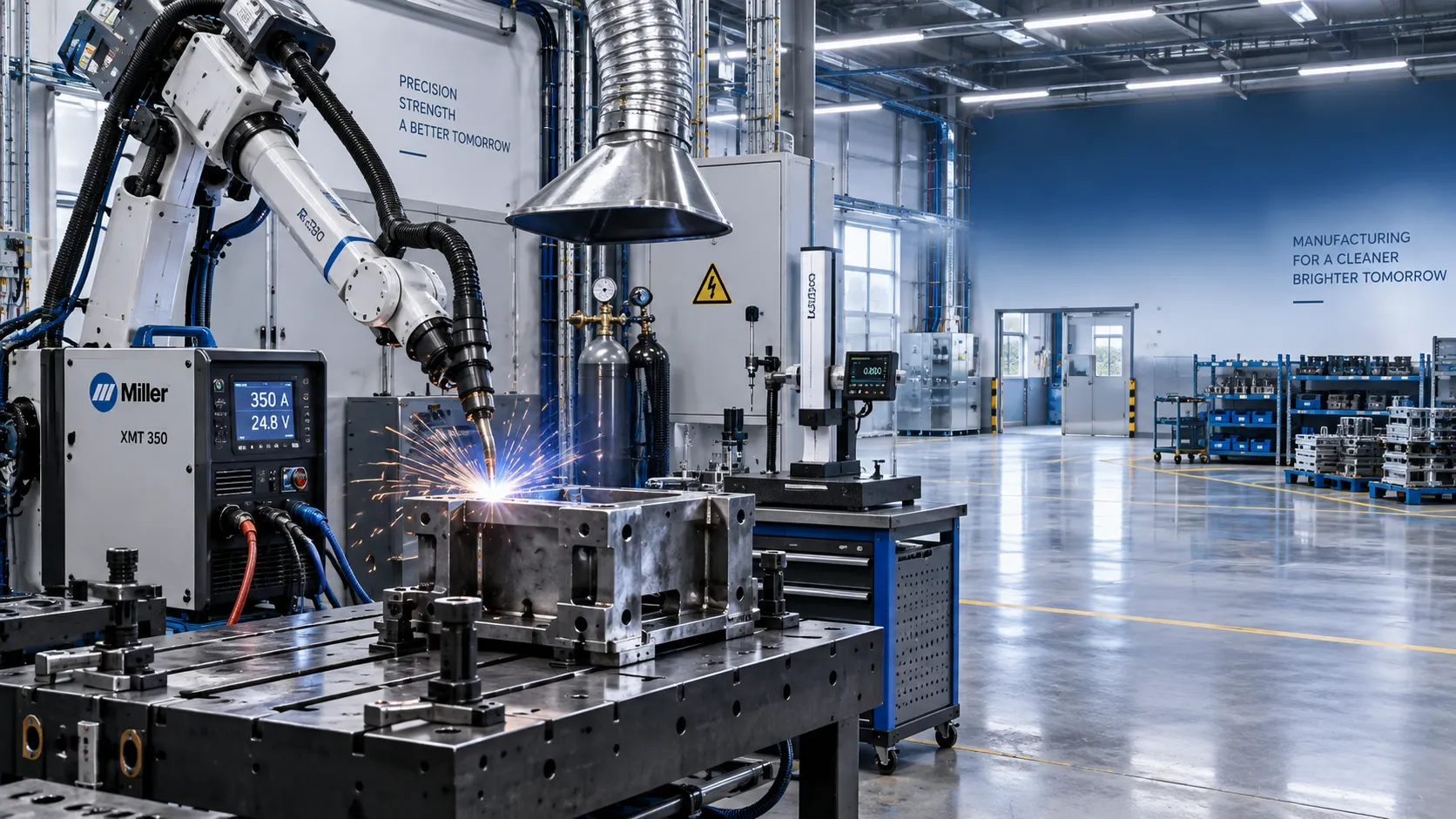
Industrial Equipment Application Guidance: Match Machines to Operating Conditions
Application guidance industrial equipment: match capacity, duty cycle, materials, site conditions, safety, and lifecycle cost to improve reliable output. Read the guide.
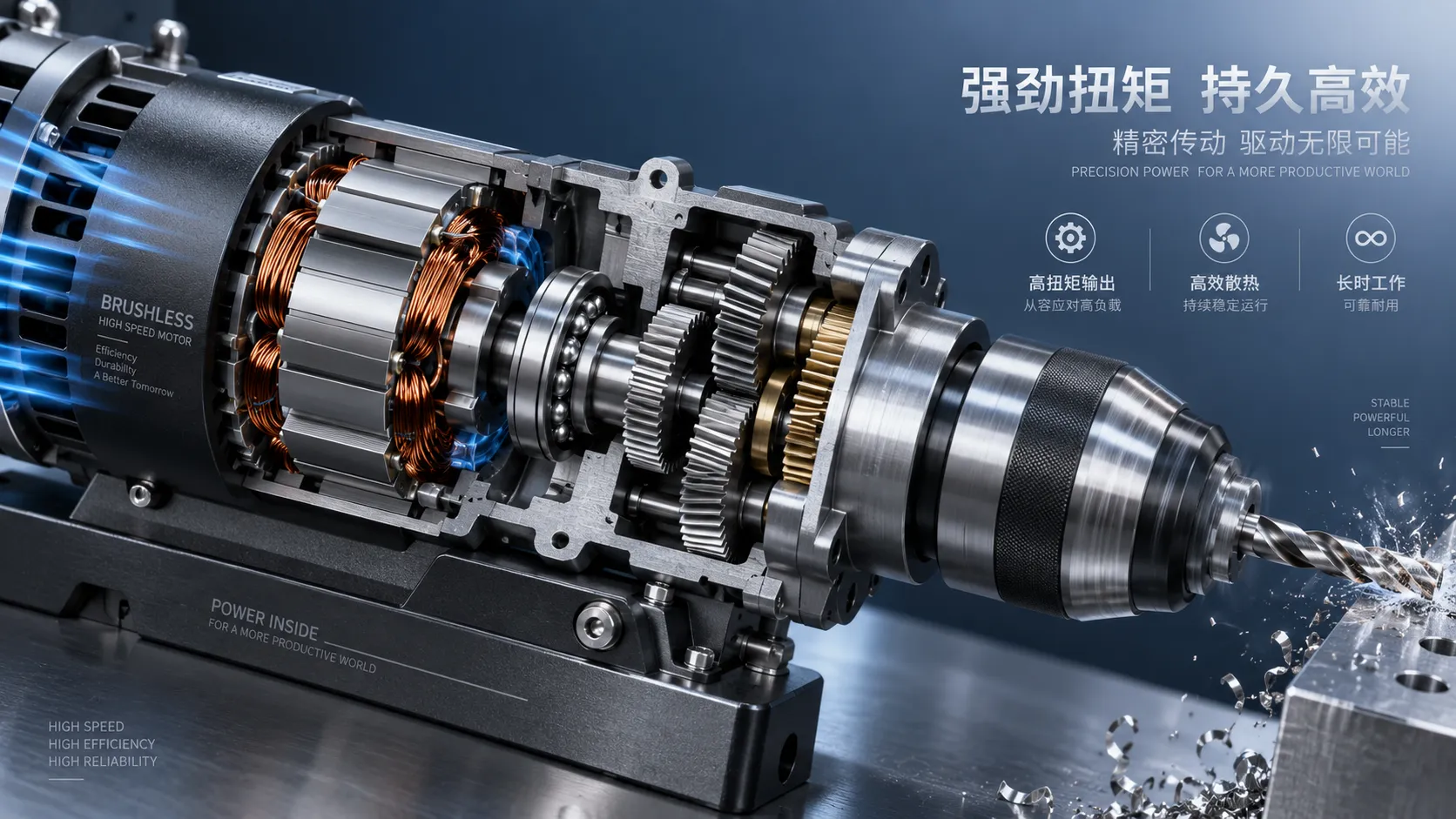
Selecting High-Speed Brushless Tool Motors for Torque, Heat, and Duty Cycle
High speed brushless tool motors: learn how to balance torque, heat, gearing, and duty cycle for reliable industrial tool performance and longer service life.
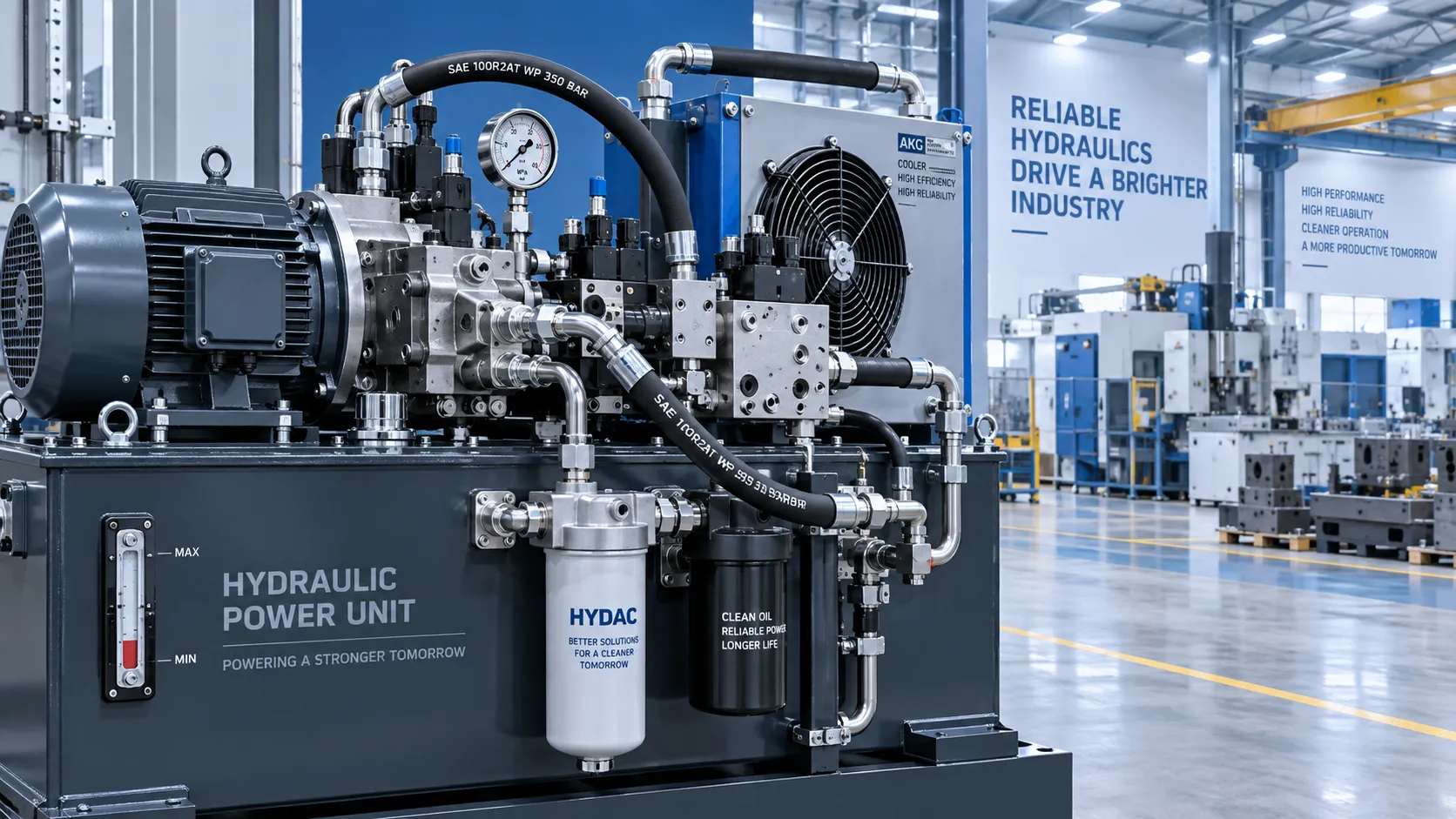
What Determines Industrial Hydraulic System Price for Heavy-Duty Equipment?
Industrial hydraulic system price depends on duty cycle, pressure, components, cooling, and integration. Compare quotes intelligently to secure reliable heavy-duty performance.
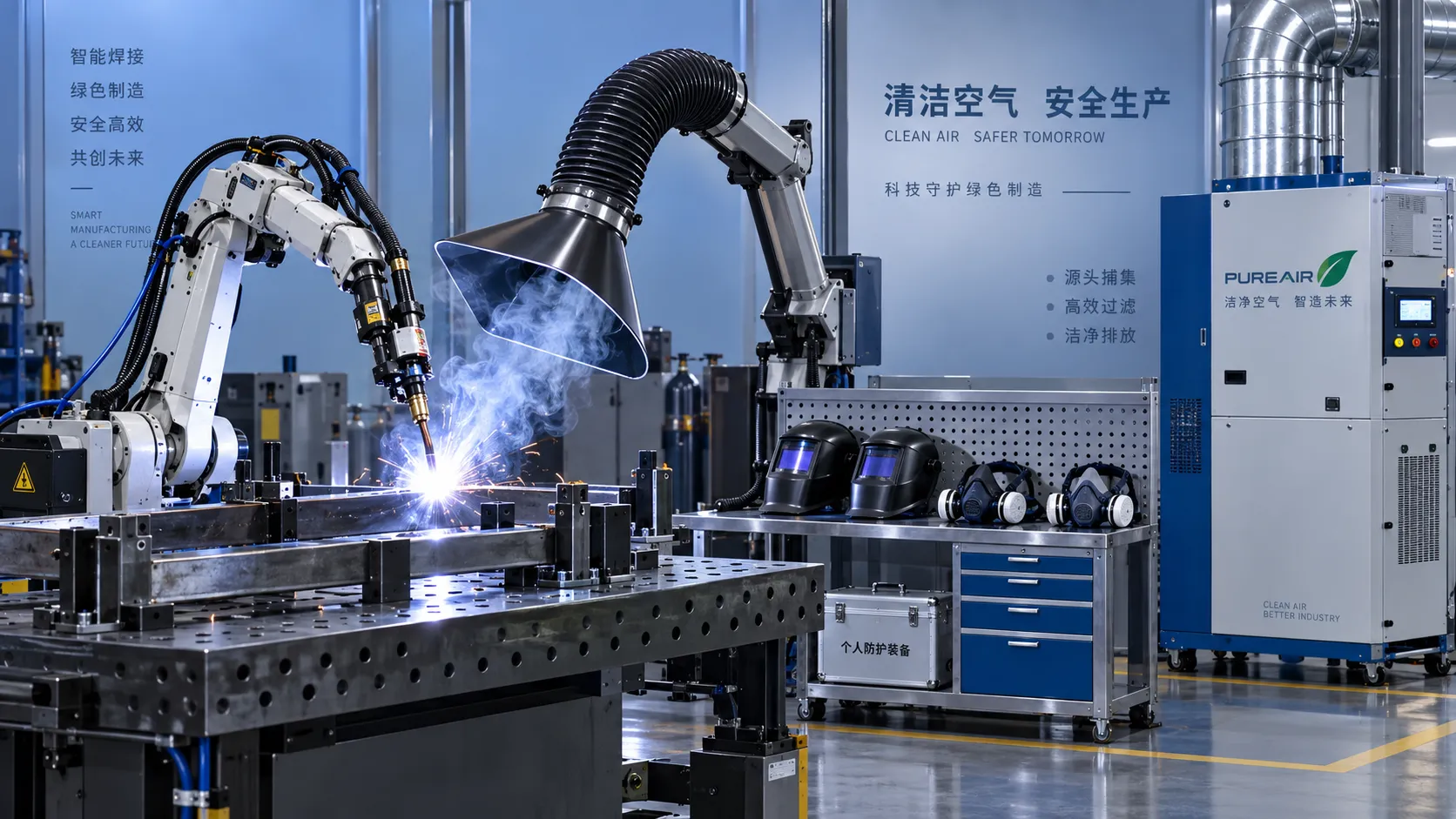
Welding Fume Extraction PPE: When Respirators Are Not Enough for Shop Safety
Welding fume extraction PPE: learn why respirators alone fall short and how source capture, ventilation, and layered controls improve shop safety.

How to Select Optical Metrology Solutions for Tight-Tolerance Manufacturing
Optical industrial metrology solutions for tight-tolerance manufacturing: evaluate accuracy, surface compatibility, workflow, and traceability to select with confidence.
Related News
- 00
0000-00
Selecting Adjustable Torque Tools for Repeatable Fastener Assembly - 00
0000-00
How to Select Aerospace Inspection Tools for Aircraft Maintenance Tasks - 00
0000-00
How to Select Wire Bonding Tools for Fine-Pitch Semiconductor Packaging - 00
0000-00
Industrial Equipment Application Guidance: Match Machines to Operating Conditions - 00
0000-00
Selecting High-Speed Brushless Tool Motors for Torque, Heat, and Duty Cycle
Prof. Marcus Chen
Weekly Insights
Stay ahead with our curated technology reports delivered every Monday.