
What material science is changing in product durability





Material science is redefining product durability by turning performance limits into design opportunities. For technical evaluation, the real question is no longer only how strong a product looks on paper. It is how its materials behave under friction, heat, corrosion, vibration, overload, and repeated cycles. From welded assemblies and precision tools to industrial measuring devices and service equipment, material science now shapes lifecycle cost, safety margin, maintenance intervals, and long-term reliability.
Why a checklist matters when judging material science and durability
Durability failures rarely come from one cause. They often result from a mismatch between base material, surface treatment, joint design, operating environment, and production control.
A checklist approach makes material science practical. It helps compare alternatives consistently, spot hidden failure modes early, and link laboratory data with field performance.
This matters across the broader industrial landscape covered by GPTWM, where precision tools, welding systems, metrology devices, and metal assemblies face demanding service conditions and tightening efficiency targets.
Core durability checklist: what material science is changing
- Check fatigue behavior first, because many industrial failures begin with repeated stress cycles rather than single overload events or obvious impact damage.
- Compare corrosion resistance under real media exposure, including humidity, salt, coolant, flux residue, oils, cleaning agents, and mixed-metal contact.
- Evaluate wear mechanisms separately, distinguishing abrasion, adhesion, fretting, galling, and particle erosion before selecting alloys, polymers, or coatings.
- Review heat stability across peak and cycling temperatures, since thermal expansion mismatch often reduces dimensional control and joint integrity.
- Assess surface engineering, because coatings, nitriding, shot peening, anodizing, and hardfacing often deliver durability gains without redesigning the full part.
- Verify joining compatibility, especially where welding, brazing, adhesives, and mechanical fastening create heat-affected zones or dissimilar material interfaces.
- Measure toughness alongside hardness, since ultra-hard materials can still fail early if they chip, crack, or lose impact tolerance.
- Examine creep and stress relaxation in high-temperature or long-load applications, particularly in seals, polymers, and clamped assemblies.
- Track dimensional stability over time, because precision products depend on low distortion, low moisture uptake, and predictable thermal response.
- Confirm manufacturability, since advanced material science only improves durability when process consistency supports the intended microstructure and finish.
How advanced materials are changing durability performance
High-performance steels now combine strength with improved fracture toughness through cleaner chemistry, tighter grain control, and better heat treatment windows. That reduces crack initiation in load-bearing components.
Aluminum and magnesium systems support lightweighting, but modern material science focuses on alloy design, protective coatings, and joint methods that limit galvanic corrosion and fatigue loss.
Engineered polymers and composites are expanding in housings, grips, insulators, and wear components. Their value depends on fiber orientation, filler quality, thermal aging resistance, and chemical stability.
Ceramic coatings, PVD layers, thermal spray systems, and laser cladding are changing how surfaces handle sliding contact and heat. In many products, the surface now carries the main durability burden.
Application notes across industrial products
Precision tools and handheld equipment
In precision tools, material science affects spindle wear, gearbox life, housing rigidity, and thermal drift. A harder gear alone is not enough if lubrication, shock loading, and shaft alignment remain uncontrolled.
Brushless motor platforms also benefit from better magnet protection, heat-resistant insulation, and lightweight structural alloys. These choices directly influence service life and sustained output.
Welding and metal joining systems
For welding torches, tips, liners, and fixtures, durability depends on thermal fatigue, spatter adhesion, oxidation resistance, and contact wear. Material science improves these through copper alloys, ceramic inserts, and low-stick coatings.
In structural joints, the focus shifts to weld metal chemistry, heat input control, and post-weld residual stress. A strong parent metal can still fail if the joint metallurgy is poorly managed.
Metrology and measurement equipment
Precision measurement systems need materials with low thermal expansion, stable geometry, and excellent surface finish retention. Even slight material movement can distort calibration and long-term repeatability.
Material science supports this through stabilized stainless grades, granite alternatives, ceramics, and engineered polymer elements used where vibration damping matters more than pure stiffness.
Construction, automotive, and aerospace maintenance
Field equipment in maintenance environments faces dust, moisture, impact, chemicals, and irregular duty cycles. Here, material science must balance portability, corrosion resistance, and damage tolerance.
Products that survive these settings usually combine optimized base materials with smart surface protection and sealed interfaces. Durability is often designed as a system, not a single material property.
Commonly overlooked durability risks
Ignoring the heat-affected zone is a common mistake. Material science may improve the bulk alloy, yet local softening or brittleness near a weld can dominate actual failure behavior.
Overvaluing hardness is another risk. Harder materials resist wear, but they may lose resilience under impact, misalignment, or edge loading.
Assuming coating equals protection can also mislead. If substrate preparation, adhesion, or thickness control is poor, the coating may crack, peel, or accelerate hidden corrosion.
Neglecting mixed-material interfaces creates avoidable failures. Material science must address galvanic pairs, differential expansion, and adhesive compatibility when metals, polymers, and composites meet.
Using lab data without field context remains dangerous. Test coupons often miss contamination, operator variation, dynamic loading, and repair cycles seen in real industrial service.
Practical execution steps for stronger durability decisions
- Define the dominant failure mode before comparing materials, then rank candidates by fatigue, wear, corrosion, heat, and dimensional stability.
- Request microstructure, coating, and heat-treatment data, not only tensile strength values or generic grade descriptions.
- Match test conditions to service reality, including cycle count, contaminant exposure, peak temperature, and maintenance intervals.
- Review joints and interfaces as carefully as base materials, because many durability losses begin at transitions and contact points.
- Track total lifecycle cost, since better material science often reduces downtime, replacement frequency, calibration drift, and safety incidents.
Conclusion and next action
Material science is changing product durability by moving performance improvement from simple strength increases to smarter control of surfaces, structures, interfaces, and service behavior. The most durable products now come from integrated decisions across alloy design, polymers, coatings, and joining methods.
Use the checklist above to evaluate whether a product is truly engineered for long life or only marketed as high performance. When material science is assessed through real failure modes, field conditions, and process quality, durability becomes measurable, comparable, and far more predictable.
For sectors connected to precision tools, welding, metrology, and industrial maintenance, that shift is more than technical. It directly supports safer operation, stronger efficiency, and better value across the full manufacturing chain.
Related News
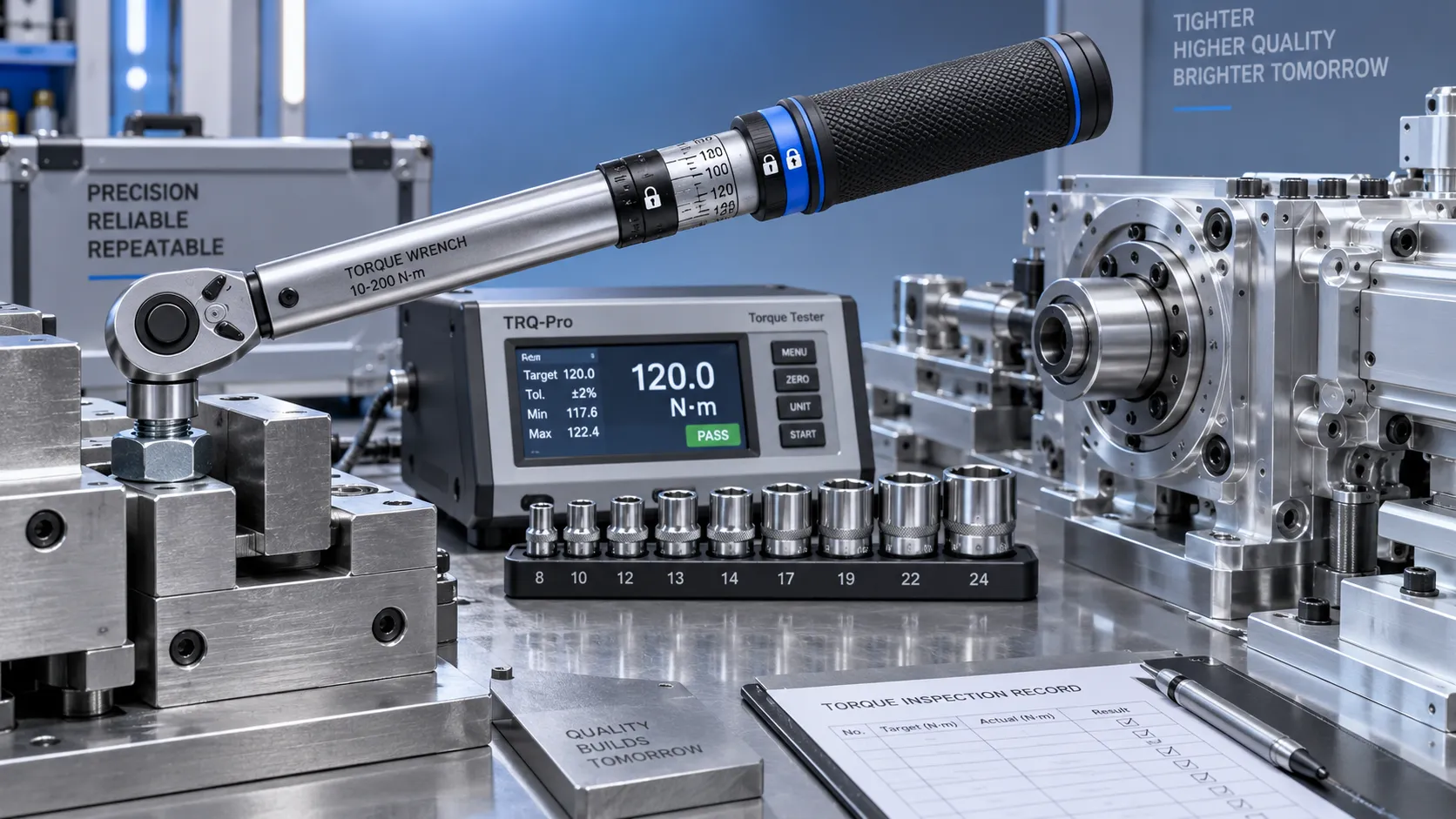
Selecting Adjustable Torque Tools for Repeatable Fastener Assembly
Adjustable torque tools: learn how to match range, accuracy, control methods, calibration, and ergonomics for repeatable, reliable fastener assembly.

How to Select Aerospace Inspection Tools for Aircraft Maintenance Tasks
Aerospace maintenance inspection tools: learn how to select reliable, traceable equipment for aircraft access, accuracy, calibration, and compliant maintenance decisions.
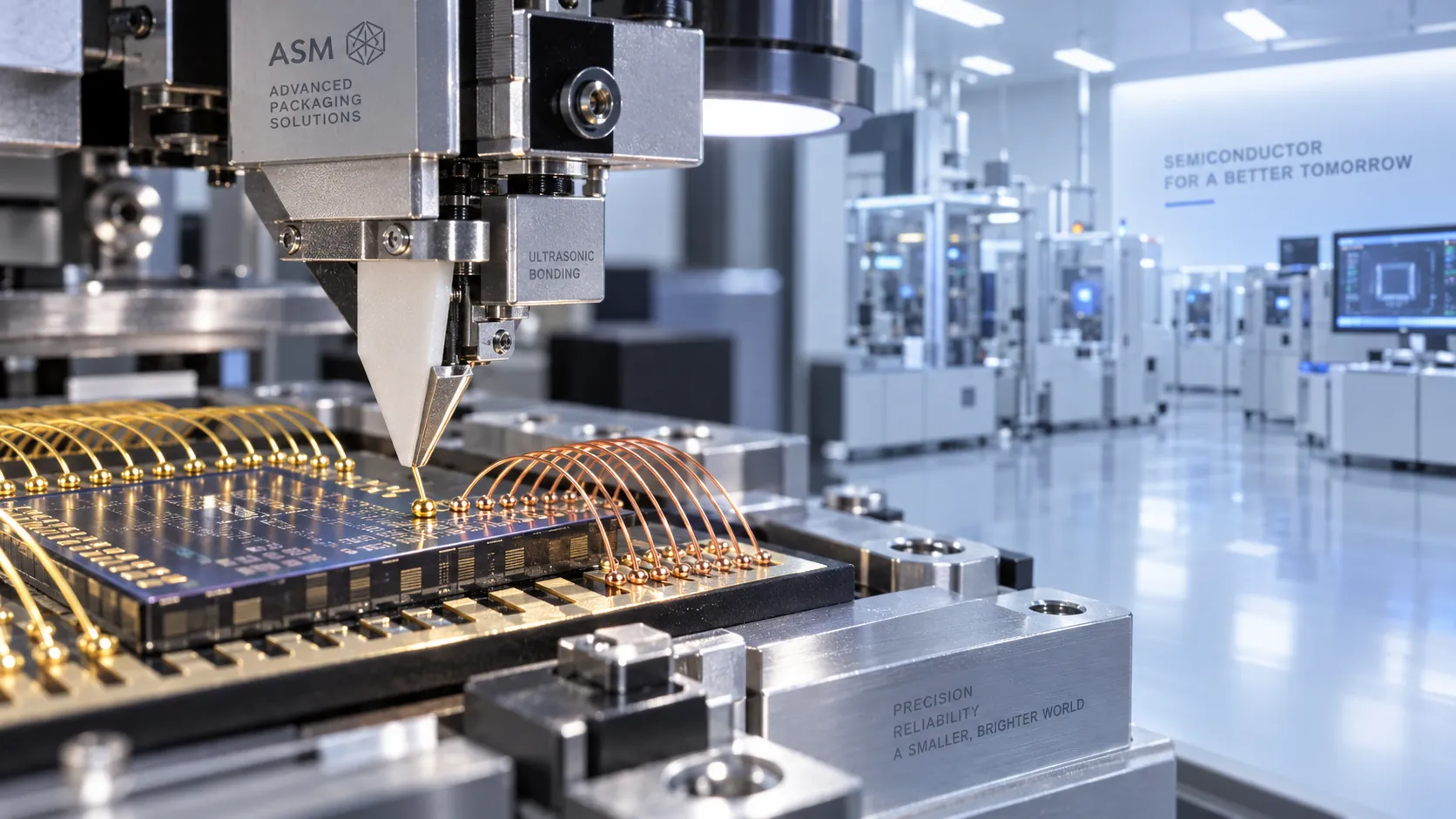
How to Select Wire Bonding Tools for Fine-Pitch Semiconductor Packaging
Explore semiconductor manufacturing tools for wire bonding and learn how to select precision solutions for fine-pitch packaging, reliable loops, accuracy, and yield.
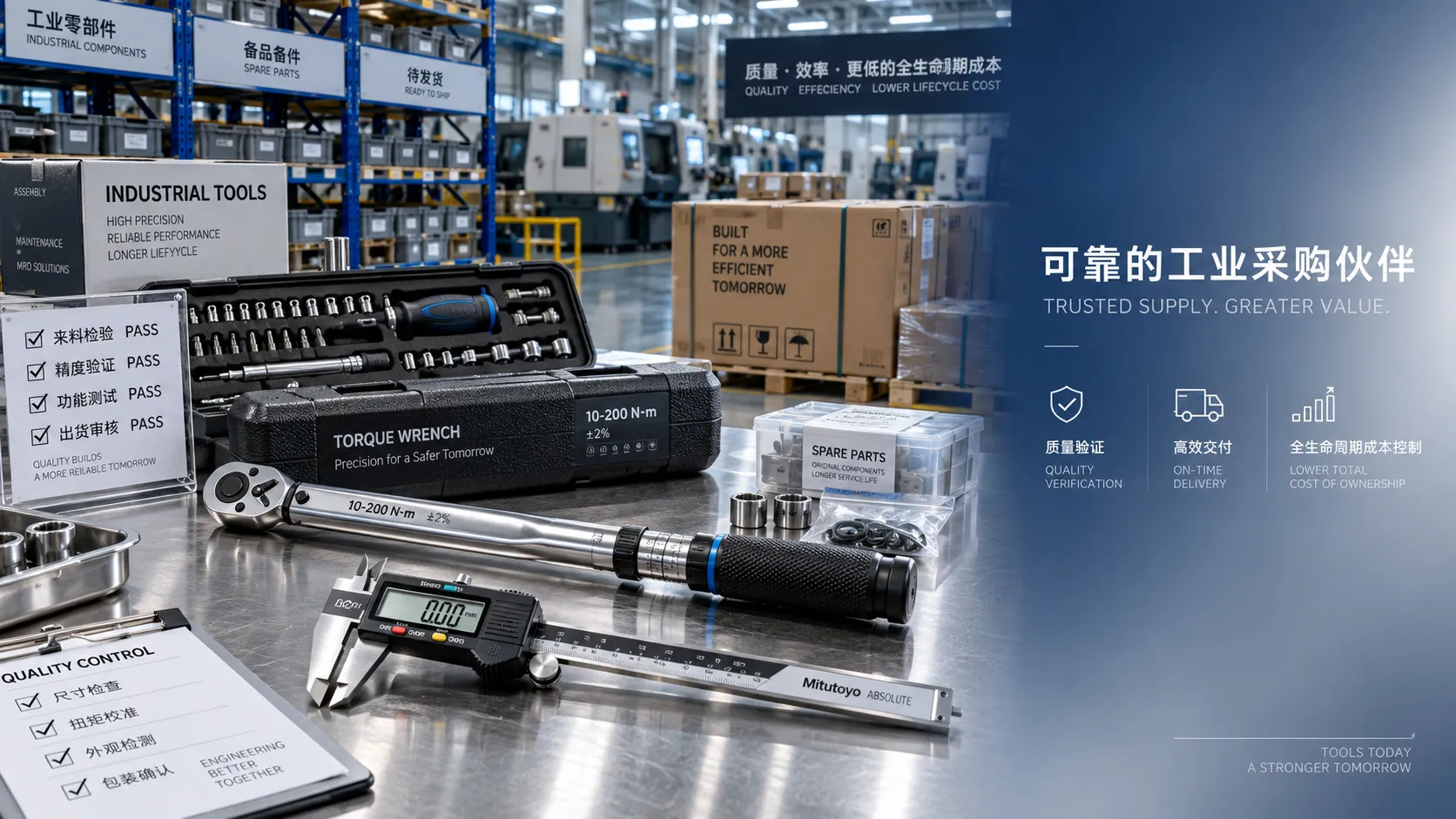
How to Compare Industrial Tool Suppliers for Quality, Lead Time, and Total Cost
Industrial tool selection supplier comparison made simple: evaluate quality, lead times, total cost, service, and supply resilience for confident sourcing decisions.
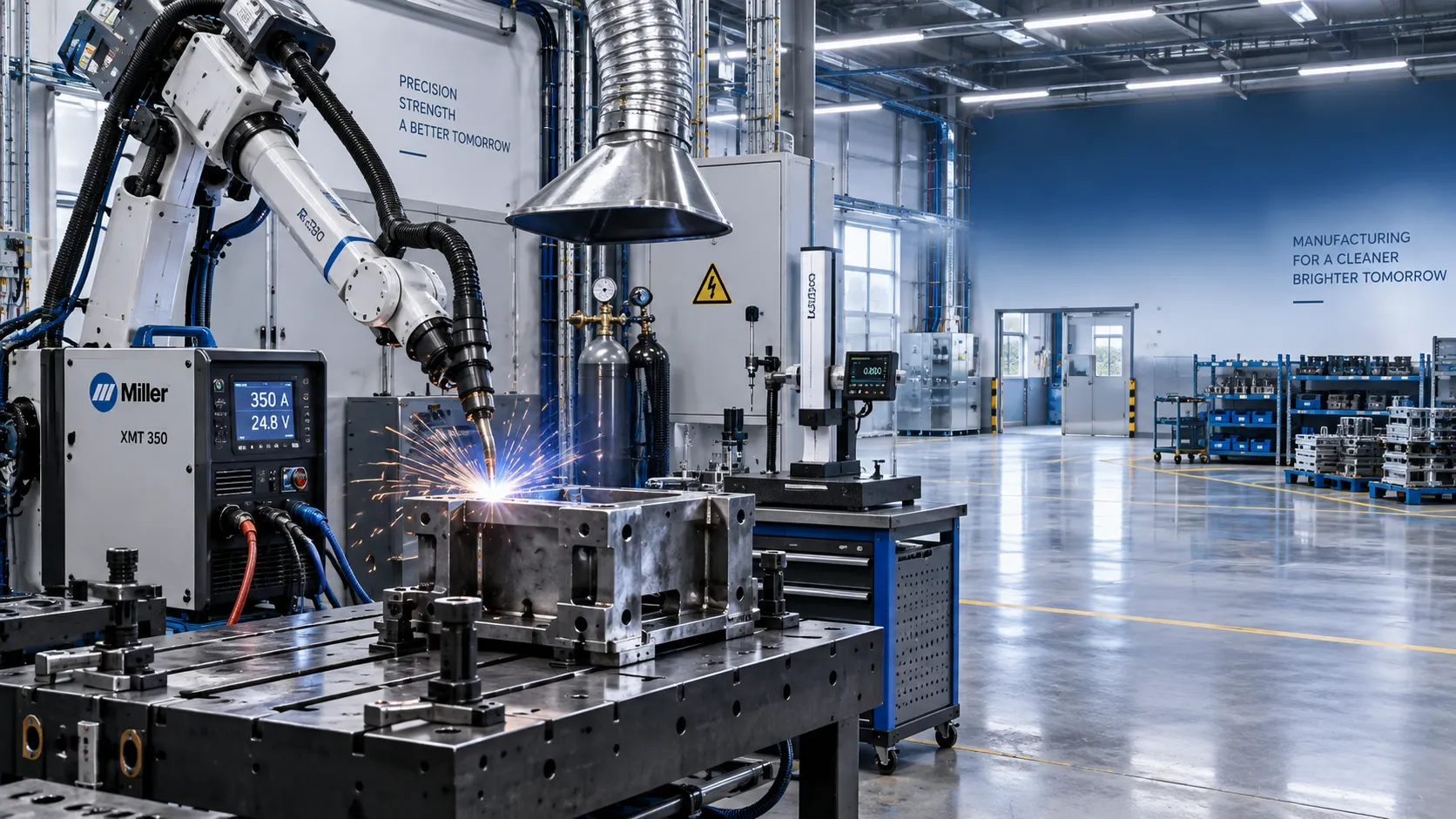
Industrial Equipment Application Guidance: Match Machines to Operating Conditions
Application guidance industrial equipment: match capacity, duty cycle, materials, site conditions, safety, and lifecycle cost to improve reliable output. Read the guide.
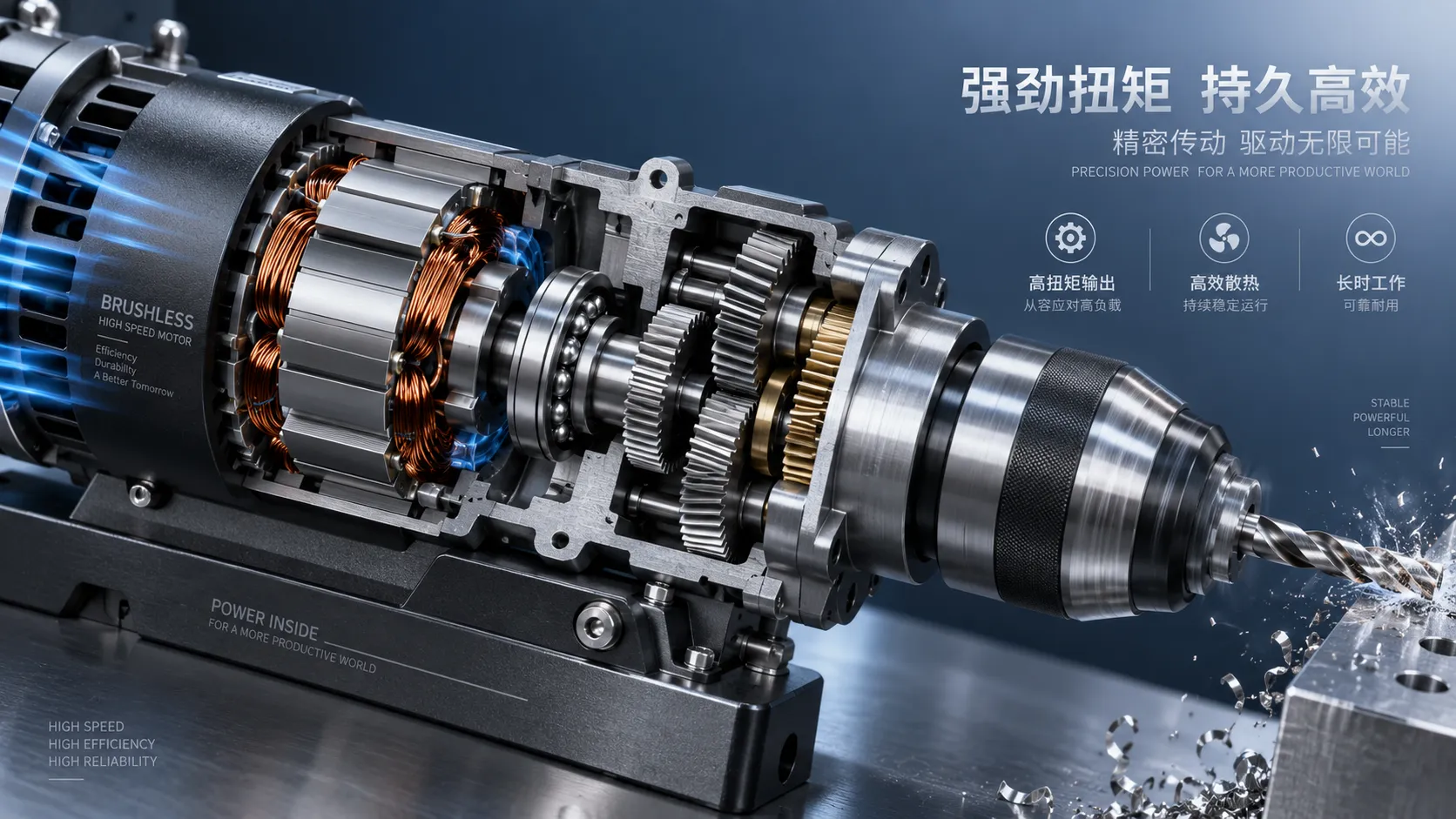
Selecting High-Speed Brushless Tool Motors for Torque, Heat, and Duty Cycle
High speed brushless tool motors: learn how to balance torque, heat, gearing, and duty cycle for reliable industrial tool performance and longer service life.
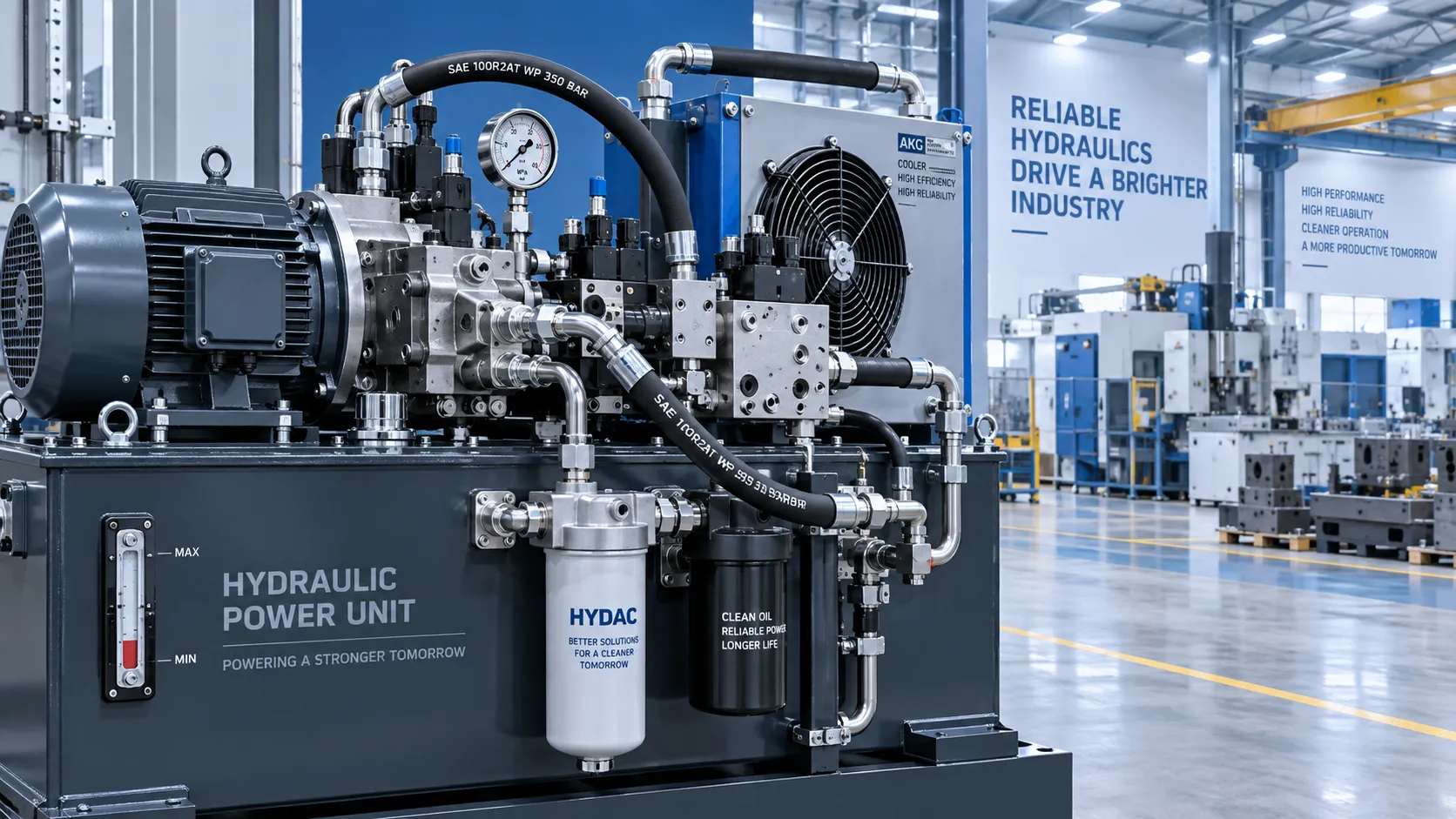
What Determines Industrial Hydraulic System Price for Heavy-Duty Equipment?
Industrial hydraulic system price depends on duty cycle, pressure, components, cooling, and integration. Compare quotes intelligently to secure reliable heavy-duty performance.
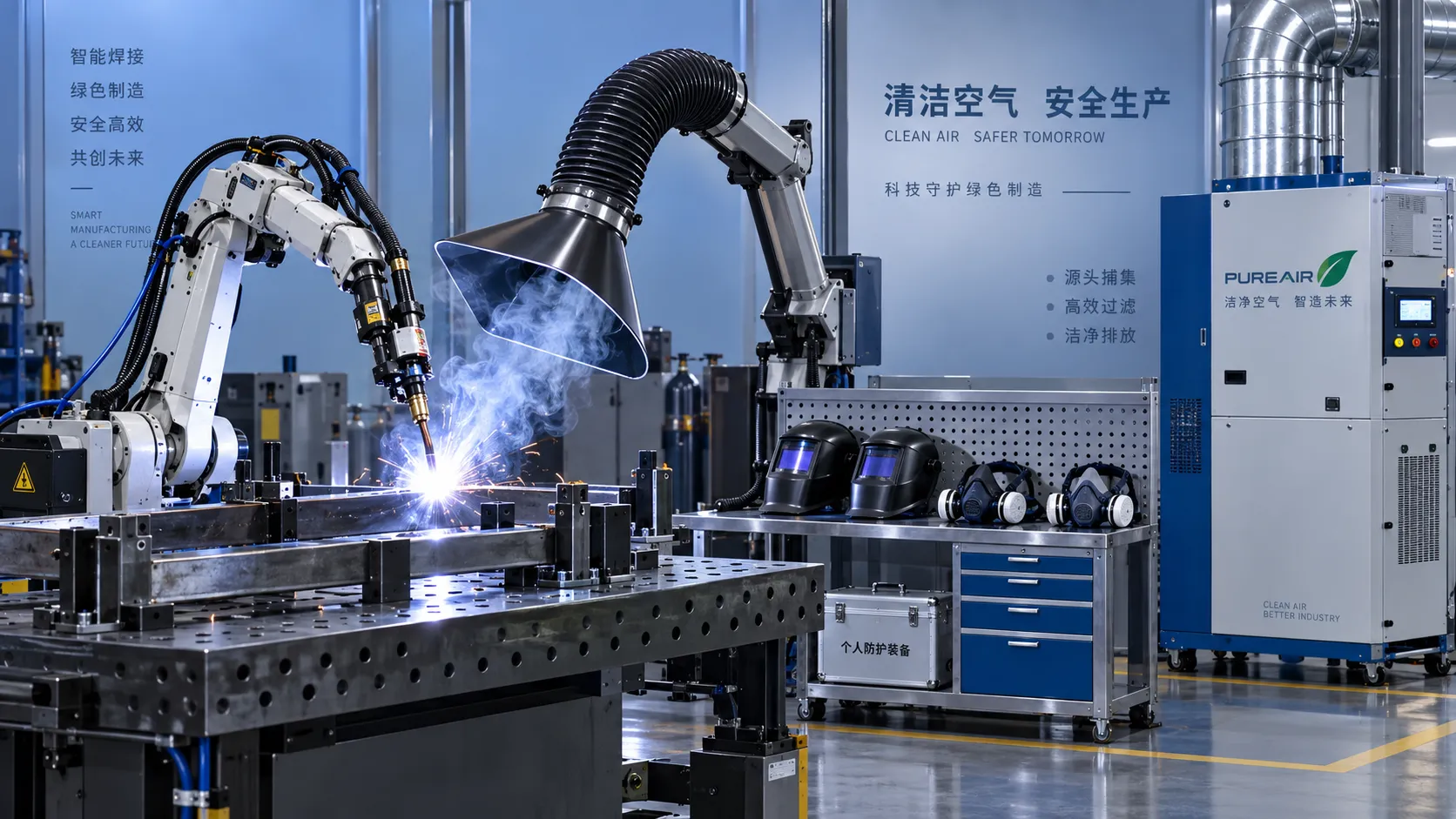
Welding Fume Extraction PPE: When Respirators Are Not Enough for Shop Safety
Welding fume extraction PPE: learn why respirators alone fall short and how source capture, ventilation, and layered controls improve shop safety.
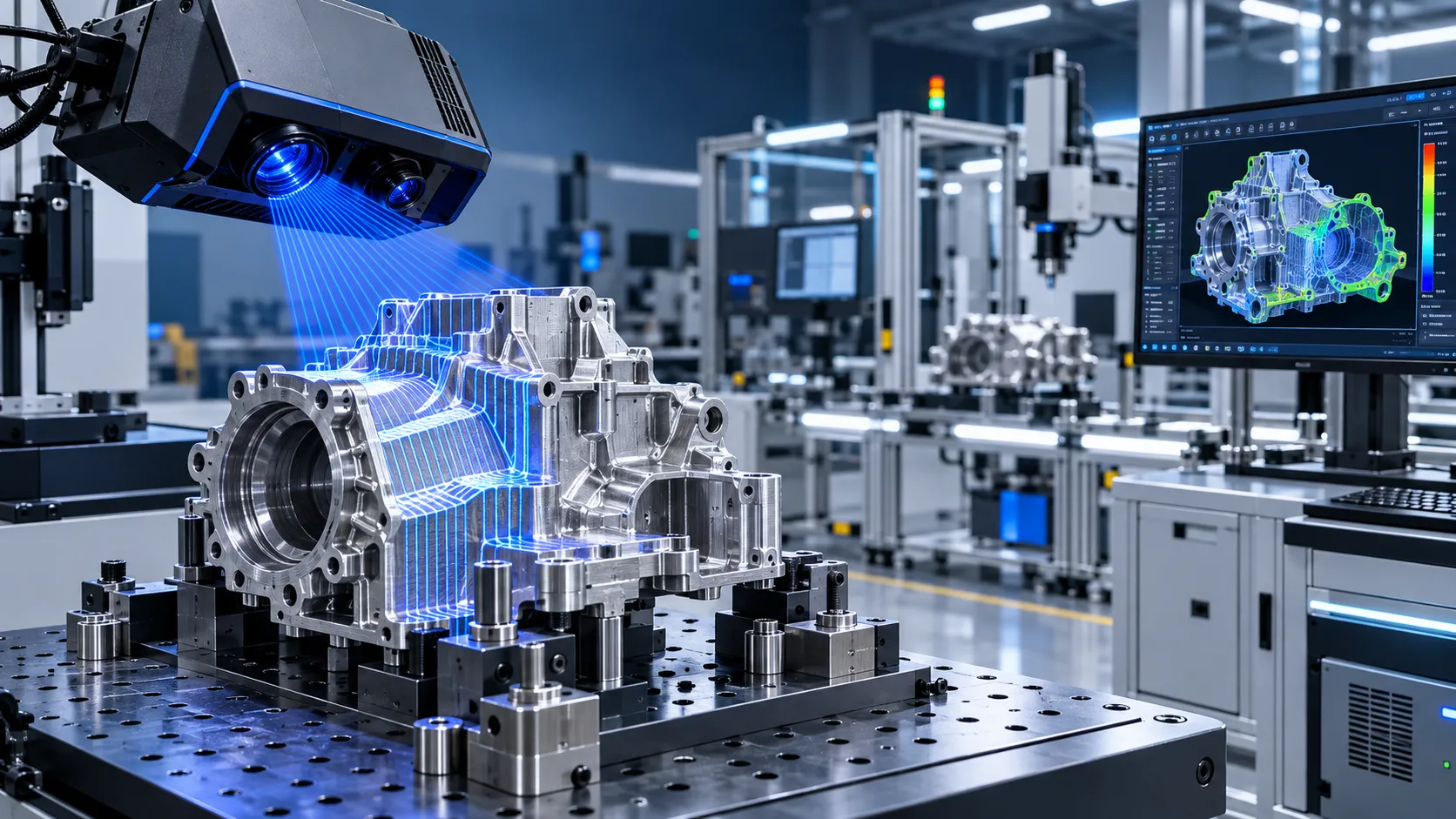
How to Select Optical Metrology Solutions for Tight-Tolerance Manufacturing
Optical industrial metrology solutions for tight-tolerance manufacturing: evaluate accuracy, surface compatibility, workflow, and traceability to select with confidence.
Related News
- 00
0000-00
Selecting Adjustable Torque Tools for Repeatable Fastener Assembly - 00
0000-00
How to Select Aerospace Inspection Tools for Aircraft Maintenance Tasks - 00
0000-00
How to Select Wire Bonding Tools for Fine-Pitch Semiconductor Packaging - 00
0000-00
Industrial Equipment Application Guidance: Match Machines to Operating Conditions - 00
0000-00
Selecting High-Speed Brushless Tool Motors for Torque, Heat, and Duty Cycle
Prof. Marcus Chen
Weekly Insights
Stay ahead with our curated technology reports delivered every Monday.