
Automotive Maintenance Checklist: Common Failure Points and Inspection Priorities





Why does an automotive maintenance checklist matter more than a generic service routine?
A useful automotive maintenance checklist does more than record completed tasks. It helps identify failure points early, before they turn into repeat repairs, roadside faults, or avoidable safety risks.
In daily service work, the biggest losses often come from missed basics. A worn hose clamp, weak battery, uneven brake wear, or loose ground connection can trigger much larger problems later.
That is why inspection priorities matter. The goal is not to check everything with equal effort. The goal is to focus first on components that fail often, degrade quietly, or affect multiple systems.
This approach also fits broader industrial thinking. GPTWM often highlights how precision tools, metrology discipline, and intelligent inspection reduce downstream waste in automotive and equipment maintenance.
In simple terms, better automotive maintenance starts with structured observation. When failure patterns are understood, service quality improves, downtime drops, and diagnostic accuracy becomes more consistent.
Which common failure points deserve attention first?
Not every item on an automotive maintenance checklist carries the same urgency. Some parts fail suddenly. Others deteriorate gradually but create hidden reliability issues.
The most common priority areas usually include braking, battery health, tires, fluid condition, cooling, steering, suspension, and belts. These systems combine high wear with direct performance impact.
A practical way to think about inspection priorities is shown below.
A strong automotive maintenance process begins with these areas because they influence safety, drivability, and diagnostic clarity at the same time.
How should inspection priorities change by vehicle condition or operating environment?
A checklist should not stay static. Vehicles used in short urban cycles, heavy loads, dusty zones, or high-temperature regions develop different maintenance patterns.
For city use, brakes, battery condition, and engine oil contamination deserve more frequent review. Stop-start driving adds electrical stress and accelerates pad wear.
For long-distance or highway operation, tire condition, wheel balance, cooling stability, and belt integrity often move higher on the automotive maintenance checklist.
In dusty or construction-linked environments, air filtration, suspension joints, seals, and underbody fasteners need closer inspection. Fine dust can shorten service life without obvious early symptoms.
Where corrosion is common, connectors, brake lines, battery terminals, and exhaust mounts should be checked more carefully. Rust-related failures usually spread quietly until repair costs rise sharply.
This is where precision measurement becomes valuable. GPTWM frequently connects industrial maintenance trends with tool accuracy, showing that better gauging and torque control improve consistency across repeated inspections.
What does a practical inspection sequence look like in real service work?
A good automotive maintenance checklist follows a logical order. It should reduce missed items, avoid duplicated effort, and support faster fault isolation.
In practice, the sequence below works well because it moves from quick risk screening to deeper confirmation.
- Start with tires, lights, leaks, and visible damage during the walk-around.
- Check battery voltage, warning indicators, and charging behavior before chasing complex faults.
- Inspect fluids for level, color, odor, and contamination rather than level alone.
- Move to brakes, steering, and suspension because these systems combine wear with safety exposure.
- Finish with belts, hoses, mounts, connectors, and service reset confirmation.
This sequence helps avoid a common mistake: replacing parts before confirming basic condition. Many hard-to-read faults begin with poor power supply, fluid neglect, or loose mechanical connections.
Another useful habit is documenting trend changes, not only pass or fail results. Slightly rising brake drag, repeated coolant top-ups, or uneven inner tire wear often reveal future failure earlier.
Where do maintenance teams misjudge risk most often?
The largest mistakes are usually not dramatic. They come from assuming that a vehicle is healthy because no warning light is active or because the last repair appeared successful.
One frequent error is treating visual cleanliness as mechanical health. A washed engine bay can still hide weak clamps, aging hoses, or unstable electrical grounds.
Another misjudgment is relying too heavily on mileage alone. Service intervals matter, but time, heat cycles, vibration, and operating load also shape failure risk.
The table below summarizes several maintenance blind spots and the better response.
In actual automotive maintenance, disciplined checking beats assumption every time. Precision-oriented routines often save more time than hurried part replacement.
How can an automotive maintenance checklist reduce repeat repairs and control cost?
Repeat repairs usually come from incomplete root-cause checking. A checklist helps by forcing consistency, but only if it includes decision points rather than a simple tick-box routine.
For example, when brake wear is uneven, the checklist should prompt inspection of caliper movement, slide lubrication, hose restriction, rotor variation, and wheel bearing play.
When a battery tests weak, the next steps should include charging output, parasitic draw, cable resistance, and terminal condition. Otherwise, replacement alone may not solve the issue.
This is also where industrial intelligence has value. GPTWM’s broader focus on metrology, torque accuracy, and intelligent tools reflects a simple maintenance truth: reliable process control improves repair outcomes.
If cost control is the goal, three habits matter most:
- Rank failure points by safety impact and failure frequency.
- Record trend data instead of one-time observations only.
- Standardize measurement methods across repeated inspections.
That combination strengthens automotive maintenance decisions without turning service into a slow, over-documented process.
What should be reviewed next when building or improving a checklist?
The best automotive maintenance checklist is specific, measurable, and easy to repeat. It should reflect actual failure history, operating conditions, and the tools available for inspection.
A sensible next step is to review recent repair records and identify which faults returned, which systems caused unplanned downtime, and which checks were skipped most often.
After that, tighten the checklist around high-risk items. Define clear thresholds for brake wear, battery condition, fluid contamination, tire damage, and cooling system loss.
It also helps to align the checklist with better measuring practice. More reliable gauges, torque tools, and inspection discipline often create better results than adding more checklist lines.
In the end, strong automotive maintenance is not about checking more boxes. It is about checking the right points, in the right order, with enough precision to prevent the next failure.
If the checklist is being updated, begin with the most common failure points, compare inspection results over time, and refine priorities where risk, cost, and repeat faults intersect.
Related News

How Procurement Teams Can Map the Industrial Value Chain to Reduce Supply Risk
Industrial value chain procurement helps teams map hidden dependencies, qualify resilient sources, and reduce supply risk before disruptions stop production.

How Specification-Driven Articles Improve Precision Measurement System Selection
Specification-oriented articles precision measurement guidance helps teams compare accuracy, repeatability, environment, and data needs to select reliable systems with confidence.

How to Evaluate a Technology Integration Service Provider for Complex Projects
Technology integration service provider selection guide: evaluate interface ownership, delivery discipline, scalable architecture, and risk control for complex projects.
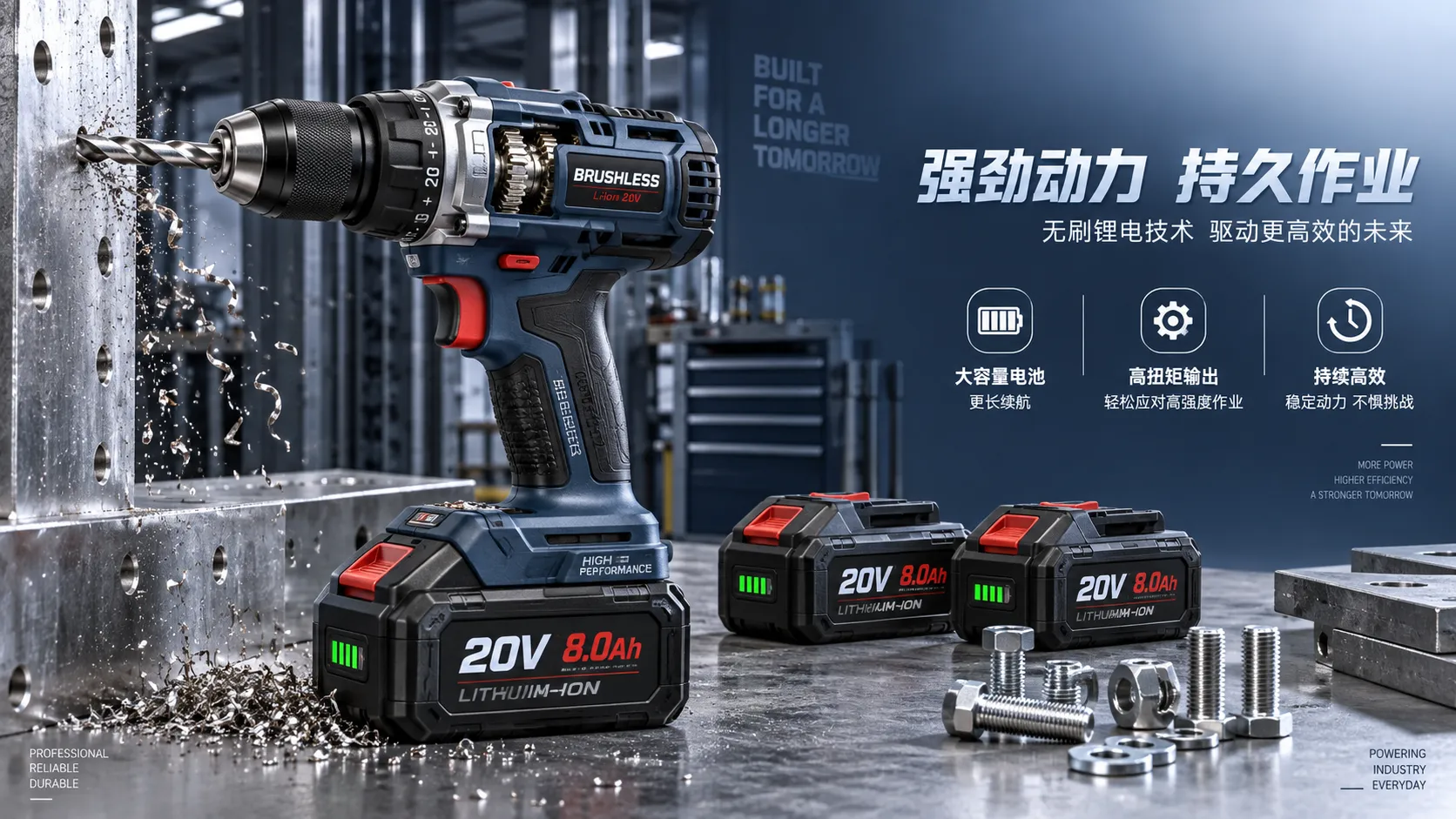
How Battery, Torque, and Duty Cycle Affect Cordless Power Tool Efficiency
Cordless power tool efficiency depends on battery output, torque, and duty cycle. Learn how to match tools to demanding jobs for stronger runtime and productivity.

Product Comparison Resources for Component Compatibility and Lifecycle Risk
Product comparison resources for components: evaluate compatibility, interfaces, service support, and lifecycle risk to reduce downtime, avoid redesigns, and make confident sourcing decisions.

How to Select Vernier Precision Calipers for Tight-Tolerance Machining Inspection
Vernier precision calipers for tight-tolerance machining: learn how to select the right range, jaw design, accuracy, and verification process for reliable inspection.
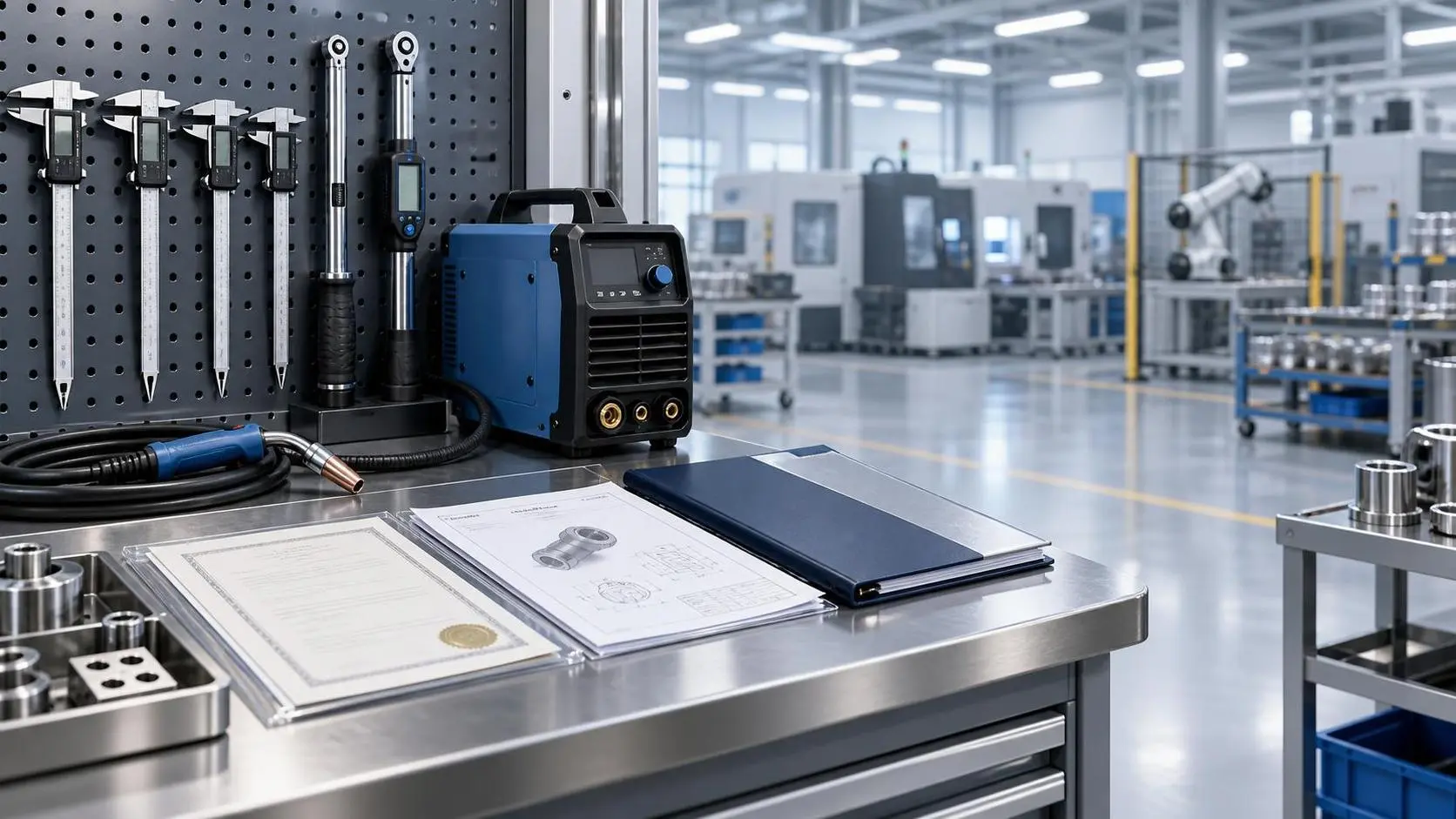
Product Comparison Resources in Europe: How Buyers Can Verify Specs and Suppliers
Product comparison resources Europe: learn how to verify industrial specs, compliance claims, supplier credibility, and delivery risk for smarter purchasing decisions.

How to Evaluate an Industrial Metrology Solution Manufacturer for Production Use
Industrial metrology solution manufacturer evaluation guide for production: compare accuracy, traceability, automation, software, service, and acceptance testing to reduce risk.

Which ISO Standards Matter Most for Precision Engineering Quality Control?
Precision engineering ISO standards explained: discover how ISO 9001, ISO/IEC 17025, ISO 10012, GPS, and ISO 3834 strengthen quality control, traceability, and compliance.
Related News
- 00
0000-00
Automotive Tools: How to Build a Reliable Toolkit for Routine Vehicle Service - 00
0000-00
How to Build an Automotive Hand Tool Set for Routine Vehicle Service - 00
0000-00
Construction Maintenance Tools for Site Repair: What to Pack for Concrete, Steel, and Pipe Fixes - 00
0000-00
Product Information Resources for Assembly Tools: What Specs Matter Before You Compare Models? - 00
0000-00
Industrial Applications of Torque Control Wrenches in Assembly Lines and Field Maintenance
Industrial Craft Curator
Weekly Insights
Stay ahead with our curated technology reports delivered every Monday.