
Product Information Resources for Assembly Tools: What Specs Matter Before You Compare Models?





Why do product information resources for assembly tools matter so much at the research stage?
Most comparison mistakes begin before any model shortlist exists. They start with weak data, incomplete spec sheets, or catalogs that describe features without explaining working limits.
That is why product information resources assembly tools researchers use should do more than list model names. Good resources clarify how a tool performs under real assembly conditions.
In practical terms, the right source helps answer several early questions. Is the torque output stable? Is the drive type suitable? Will the tool match the assembly cycle?
This matters across general industry, especially where fastening accuracy, tool fatigue, and downtime all affect output quality. A low-cost mismatch often becomes an expensive operational correction later.
A useful reference platform also connects specification reading with market context. GPTWM does this well by linking tool data with metrology, welding, motor efficiency, compliance trends, and field demand signals.
That broader view is important because assembly tools no longer sit in isolation. Torque control, ergonomic design, digital traceability, and export requirements increasingly shape model selection together.
Which specifications should you check before comparing assembly tool models?
A common mistake is comparing models by brand reputation first. A better approach is to compare by application-critical specifications, then look at brand, support, and cost.
The core specifications usually fall into five groups. Each group answers a different decision question and prevents a different type of mismatch.
- Torque range and accuracy: confirms whether fastening targets can be reached consistently, not just occasionally.
- Drive type and power source: shows whether electric, pneumatic, cordless, or hydraulic options fit the working environment.
- Speed and duty cycle: indicates if the tool can support continuous use, repetitive fastening, or short-burst work.
- Ergonomics and weight: helps estimate operator strain, handling precision, and comfort during longer shifts.
- Durability and serviceability: reveals bearing life, motor life, maintenance intervals, and spare parts access.
Some product information resources assembly tools pages stop there. The better ones also include vibration level, noise, reaction control, calibration interval, IP rating, and compatible accessories.
Those secondary details often decide real suitability. For example, a tool with acceptable torque but poor reaction management may still be a poor fit for precision fastening.
When reading specs, avoid treating maximum figures as normal working values. Peak performance numbers often look attractive but say little about repeatability during actual production cycles.
A quick judging table for first-round screening
Before going deeper, it helps to use a simple filter. The table below can turn broad product information resources assembly tools research into a more disciplined comparison process.
How do you tell whether a spec sheet is genuinely useful or just marketing-heavy?
A reliable spec source usually gives context, not just claims. It tells you under what conditions a number was measured and what the number means in operation.
For instance, “high torque” is not useful by itself. A better resource shows torque range, tolerance, measurement method, and recommended application bracket.
The same applies to brushless motor claims, battery runtime statements, and durability promises. Without testing conditions, cycle assumptions, or load references, comparison becomes shaky.
This is where intelligence-led resources become more valuable than static brochures. GPTWM’s Strategic Intelligence Center approach is relevant because it combines specification reading with sector news and evolutionary trends.
That helps researchers see whether a feature reflects a real industry shift or a temporary sales angle. Handheld laser safety, intelligent torque control, and brushless efficiency are good examples.
A strong product information resources assembly tools source often includes these signals:
- Standard references instead of vague performance language
- Application notes instead of generic benefit claims
- Lifecycle details instead of launch-stage excitement only
- Maintenance and calibration guidance instead of headline figures alone
- Cross-industry demand clues that explain where the tool is actually proving useful
In short, the best resource is not the longest catalog. It is the one that reduces uncertainty before the first side-by-side model comparison.
What changes when assembly tools are used in different applications?
The same headline specification can behave very differently across use cases. A model suited to light general fastening may struggle in maintenance, confined-space work, or quality-traceable assembly.
That is why application fit matters as much as performance level. Product information resources assembly tools researchers trust should connect tool specs with specific operating environments.
In construction-related assembly, impact tolerance and rugged housing may matter more than digital logging. In aerospace maintenance, traceability, calibration discipline, and torque repeatability become much more important.
Automotive service and industrial maintenance often sit somewhere in between. They require a balance of mobility, tool endurance, ergonomic control, and acceptable documentation support.
This is also why broad industrial intelligence has practical value. Commercial Insights that track demand for metrology instruments and hydraulic equipment can sharpen how tool specs are interpreted.
More simply, a “good tool” does not exist in the abstract. A good tool is one whose specification profile matches task frequency, joint type, environment, and control requirements.
A useful way to test application fit
- Check the fastening material and joint sensitivity
- Estimate daily cycle count, not occasional peak use
- Confirm access limitations, clearance, and operator posture
- Review whether calibration records or torque logs are required
- Match maintenance capability with the tool’s service demands
Where do comparison errors usually happen, and how can you avoid them?
Most errors come from comparing visible attributes while ignoring operating conditions. Buyers often compare price, power, and brand first, then discover hidden fit problems later.
One frequent mistake is treating torque range as the entire story. Torque stability, reaction control, tool balance, and calibration reliability may matter just as much.
Another is overlooking compliance and export restrictions. In international markets, evolving standards can affect acceptance, documentation needs, and replacement planning.
This is where ongoing intelligence becomes more useful than one-time product review pages. GPTWM’s mix of latest sector news and trend analysis helps keep comparison work grounded in current realities.
A third error is ignoring total use cost. Two models may look similar on paper, but battery replacement, downtime, calibration, and spare parts availability can shift long-term value.
To avoid these issues, build comparisons around decisions, not around brochures. Ask what the task demands, what evidence confirms suitability, and what uncertainty still remains.
So what should you do before making a final comparison shortlist?
Start by defining the job in measurable terms. Required torque, joint type, work frequency, access limits, and documentation needs should be clear before model screening begins.
Then review product information resources assembly tools databases, technical pages, and intelligence portals with a consistent checklist. This keeps strong marketing language from distorting early judgment.
It also helps to separate must-have factors from preference factors. Accuracy class, duty cycle, and compliance may be non-negotiable, while handle style or accessory bundles may be secondary.
When the market feels crowded, the next useful move is not to collect more random brochures. It is to narrow the field using better questions and better evidence.
A well-structured resource such as GPTWM can support that step because it connects technical data with manufacturing efficiency, metrology discipline, and broader industrial change.
The most practical path is simple. Build a comparison sheet, rank the critical specs, confirm application fit, and watch for lifecycle and compliance risks before model-to-model scoring.
That approach makes product information resources assembly tools research more than an information hunt. It becomes a decision process that reduces risk and improves the quality of every later comparison.
Related News
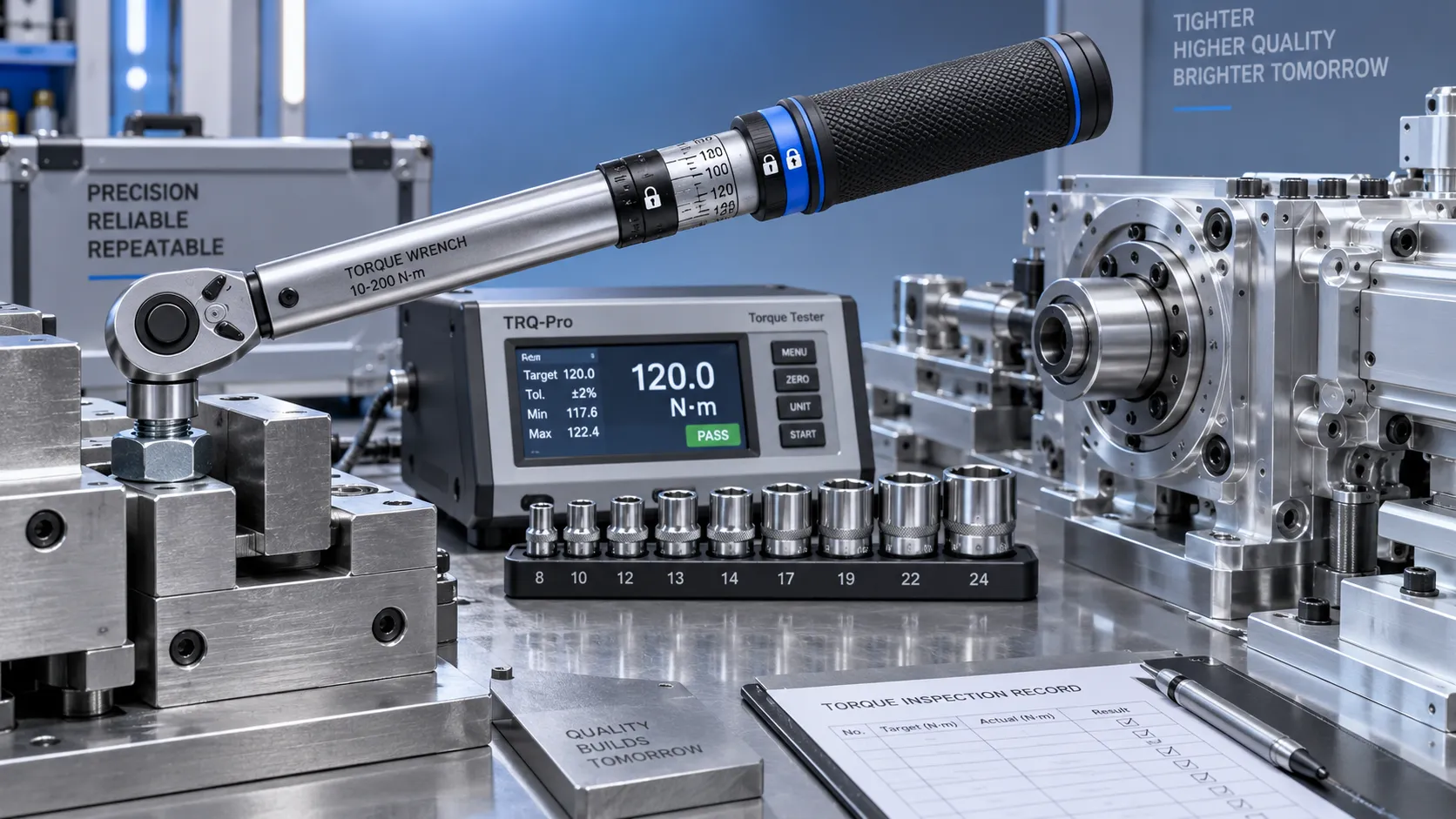
Selecting Adjustable Torque Tools for Repeatable Fastener Assembly
Adjustable torque tools: learn how to match range, accuracy, control methods, calibration, and ergonomics for repeatable, reliable fastener assembly.

How to Select Aerospace Inspection Tools for Aircraft Maintenance Tasks
Aerospace maintenance inspection tools: learn how to select reliable, traceable equipment for aircraft access, accuracy, calibration, and compliant maintenance decisions.

How to Select Wire Bonding Tools for Fine-Pitch Semiconductor Packaging
Explore semiconductor manufacturing tools for wire bonding and learn how to select precision solutions for fine-pitch packaging, reliable loops, accuracy, and yield.
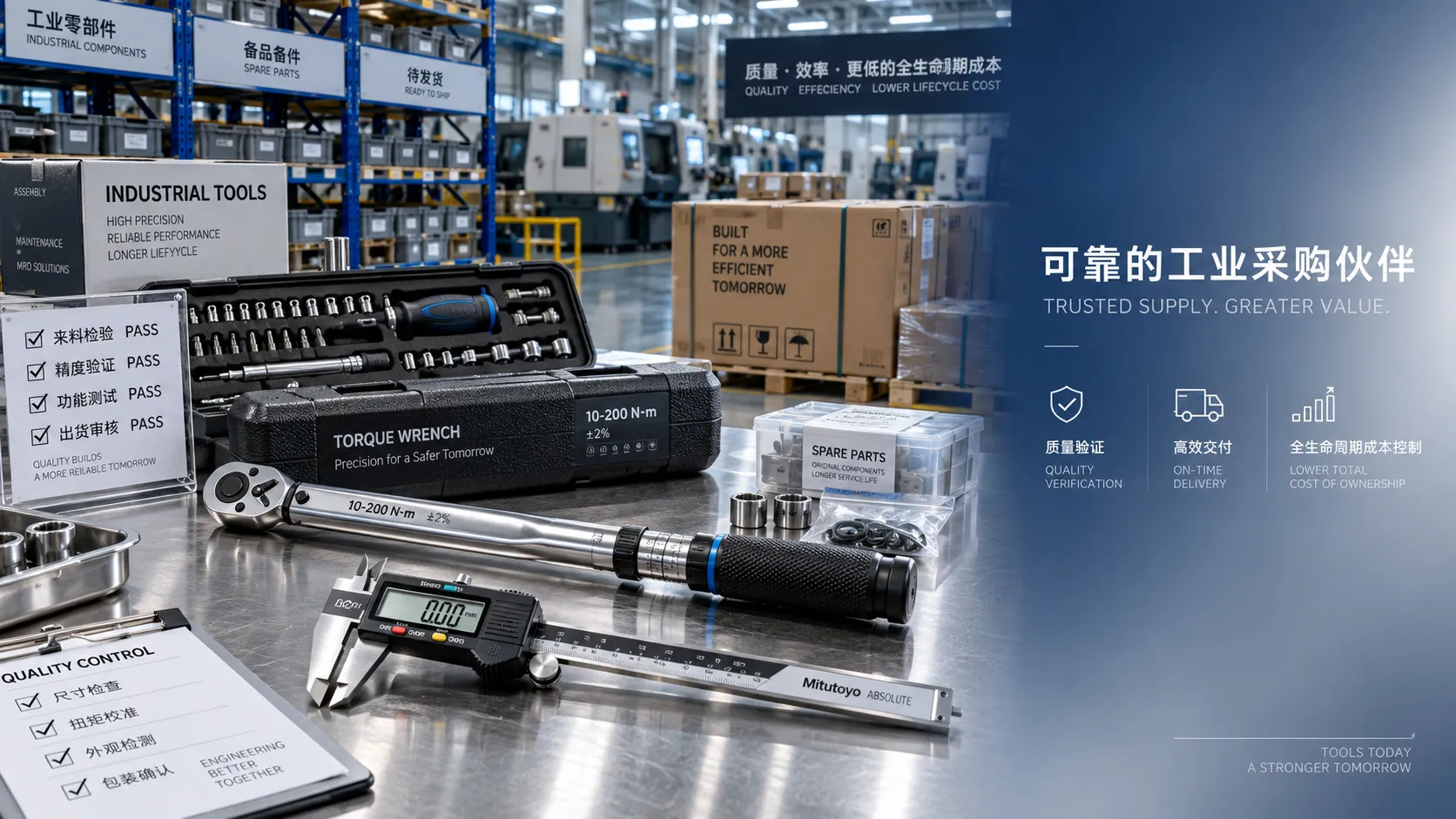
How to Compare Industrial Tool Suppliers for Quality, Lead Time, and Total Cost
Industrial tool selection supplier comparison made simple: evaluate quality, lead times, total cost, service, and supply resilience for confident sourcing decisions.
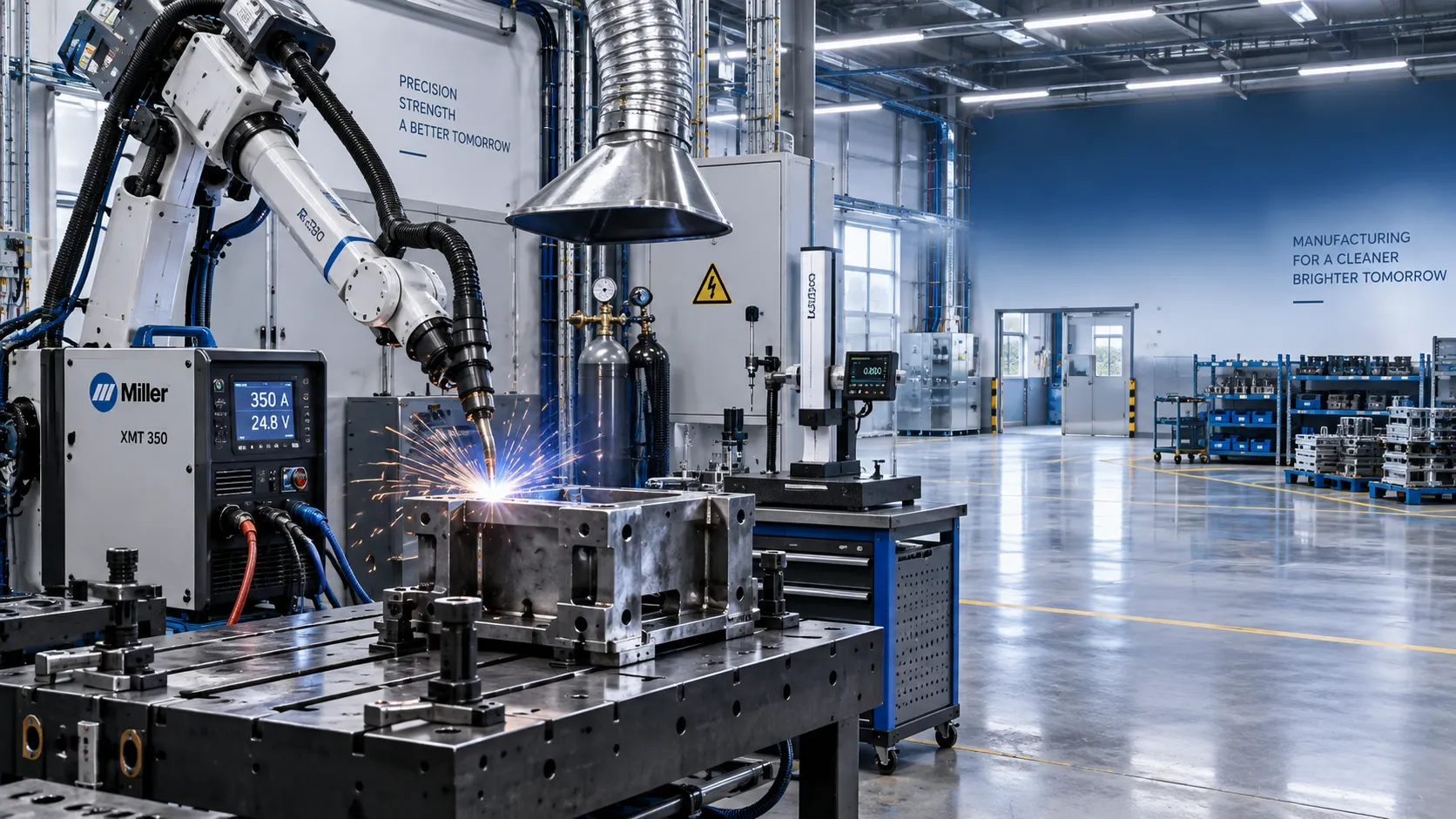
Industrial Equipment Application Guidance: Match Machines to Operating Conditions
Application guidance industrial equipment: match capacity, duty cycle, materials, site conditions, safety, and lifecycle cost to improve reliable output. Read the guide.
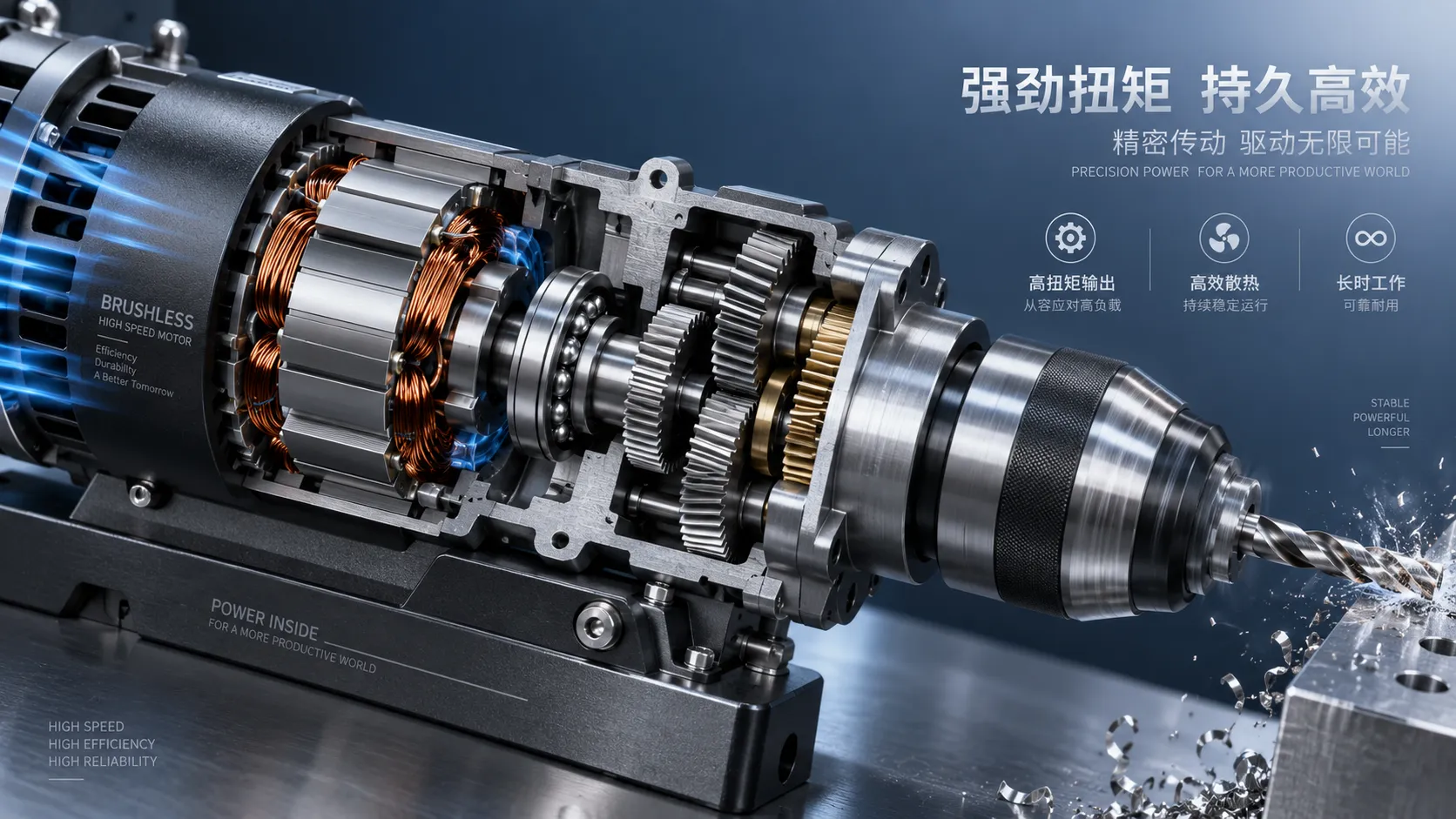
Selecting High-Speed Brushless Tool Motors for Torque, Heat, and Duty Cycle
High speed brushless tool motors: learn how to balance torque, heat, gearing, and duty cycle for reliable industrial tool performance and longer service life.
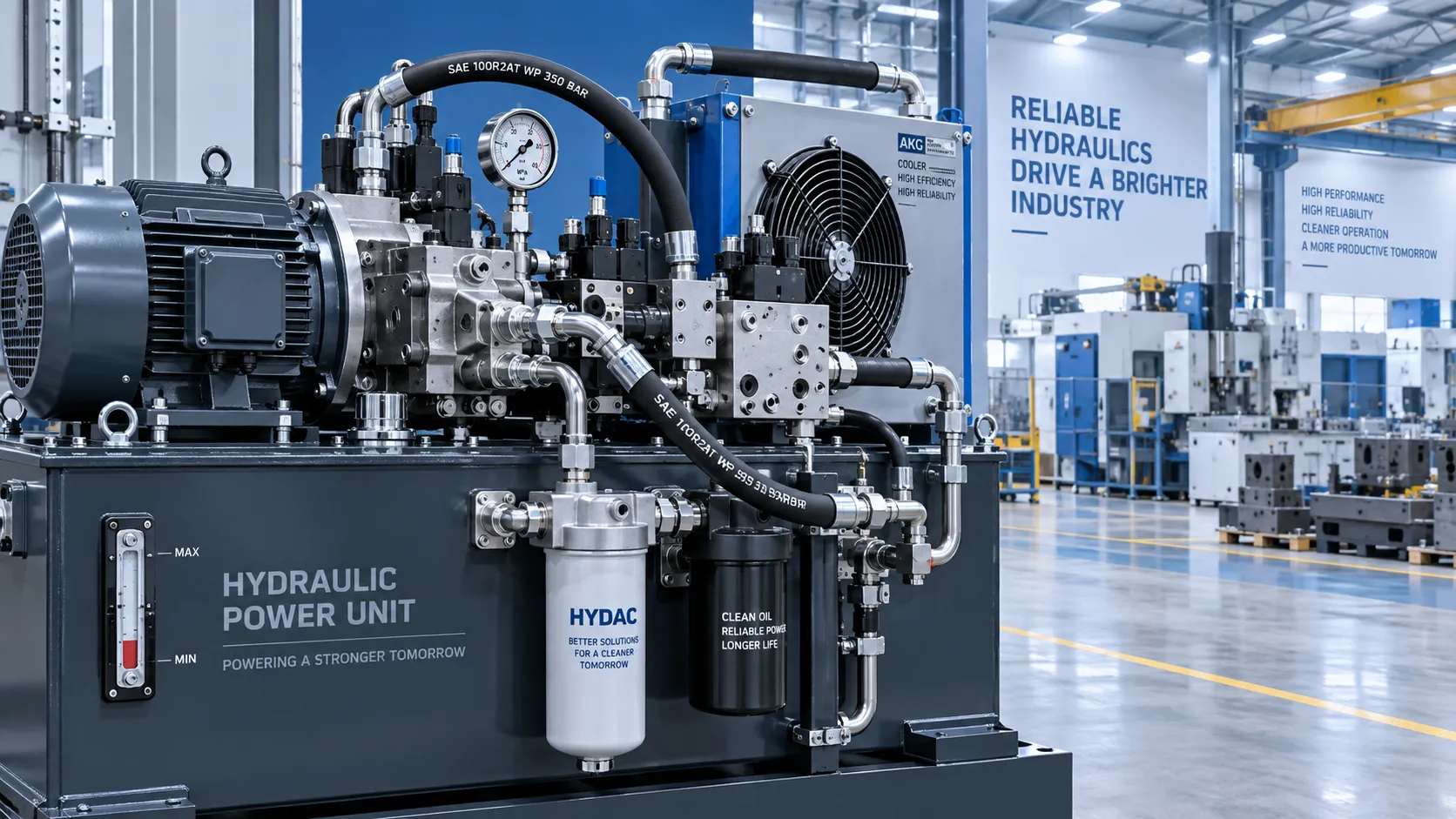
What Determines Industrial Hydraulic System Price for Heavy-Duty Equipment?
Industrial hydraulic system price depends on duty cycle, pressure, components, cooling, and integration. Compare quotes intelligently to secure reliable heavy-duty performance.
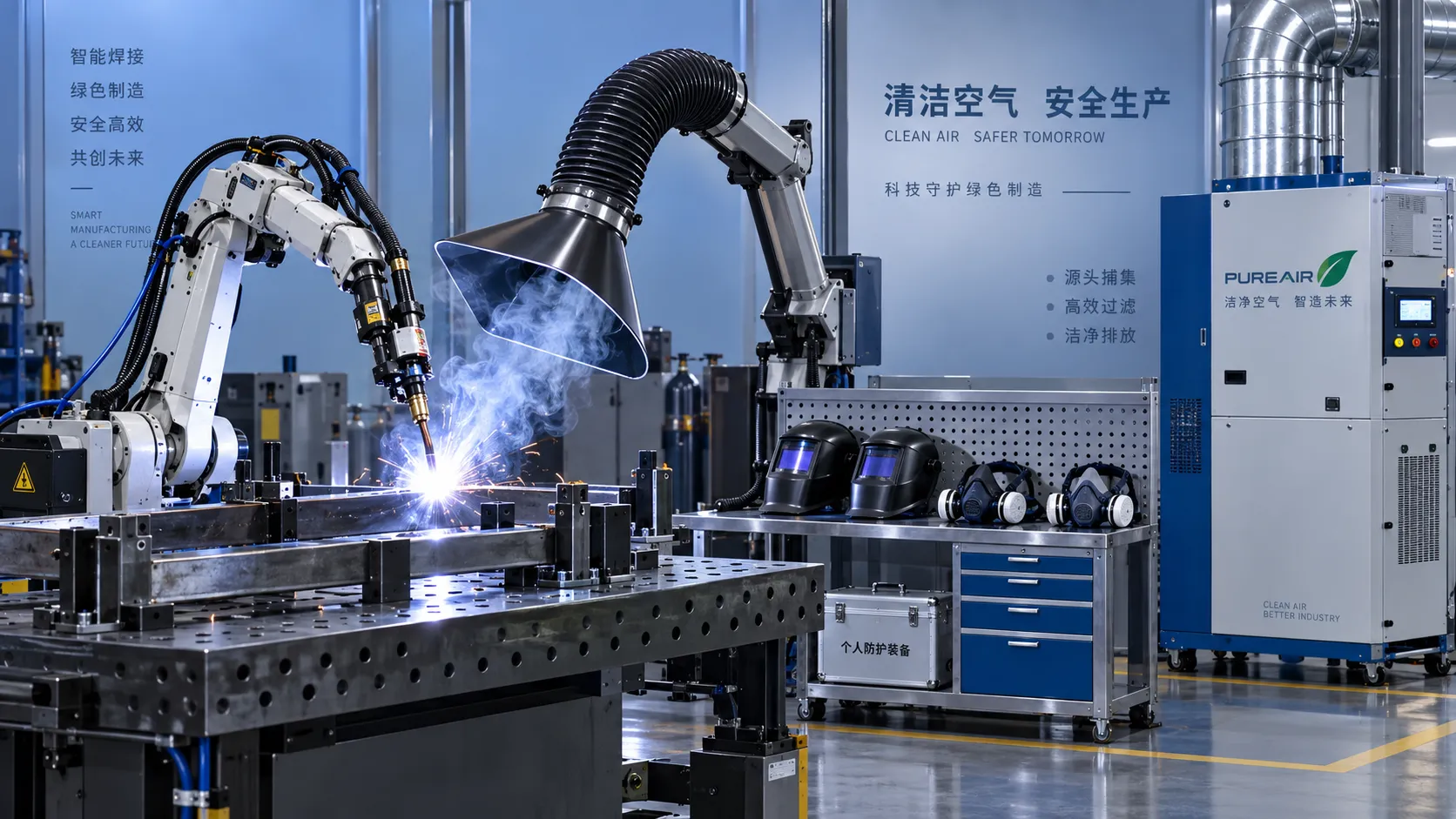
Welding Fume Extraction PPE: When Respirators Are Not Enough for Shop Safety
Welding fume extraction PPE: learn why respirators alone fall short and how source capture, ventilation, and layered controls improve shop safety.

How to Select Optical Metrology Solutions for Tight-Tolerance Manufacturing
Optical industrial metrology solutions for tight-tolerance manufacturing: evaluate accuracy, surface compatibility, workflow, and traceability to select with confidence.
Related News
- 00
0000-00
Automotive Tools: How to Build a Reliable Toolkit for Routine Vehicle Service - 00
0000-00
How to Build an Automotive Hand Tool Set for Routine Vehicle Service - 00
0000-00
Construction Maintenance Tools for Site Repair: What to Pack for Concrete, Steel, and Pipe Fixes - 00
0000-00
Product Information Resources for Assembly Tools: What Specs Matter Before You Compare Models? - 00
0000-00
Industrial Applications of Torque Control Wrenches in Assembly Lines and Field Maintenance
Industrial Craft Curator
Weekly Insights
Stay ahead with our curated technology reports delivered every Monday.