
Why Craftsmanship Still Matters in Manufacturing Quality Control and Product Consistency





In manufacturing, craftsmanship still shapes the difference between a compliant product and a dependable one. It influences how parts fit, how welds hold, how measurements stay repeatable, and how safety risks are detected before they spread through production.
That matters even more now, because factories rely on automation, connected tools, and tighter tolerances than ever. When variation becomes costly, craftsmanship is not nostalgia. It is a practical discipline for quality control, product consistency, and operational confidence.
Across assembly, metal joining, precision metrology, and maintenance, the strongest results usually come from combining human judgment with intelligent systems. This is also the logic behind GPTWM, which tracks the last mile of manufacturing where precision tools, process decisions, and real-world execution meet.
Craftsmanship is a control mindset, not only a manual skill
In quality terms, craftsmanship means disciplined attention to detail, respect for process limits, and accountability for every finished result. It appears in setup, inspection, tool handling, rework decisions, and final acceptance.
A machine can repeat a motion. Craftsmanship decides whether that motion should continue when a surface finish changes, a torque trace drifts, or a weld pool behaves differently from the standard profile.
This is why craftsmanship remains essential in product consistency. It connects specification with reality. It also prevents teams from treating pass rates as proof that every hidden variable is under control.
Why the topic is gaining attention again
Several industry changes are pushing craftsmanship back into the center of quality discussions. Tolerances are tighter, supply chains are less predictable, and product liability is harder to absorb after shipment.
At the same time, many facilities are adopting handheld laser welding, brushless power tools, digital torque systems, and IoT-enabled measurement workflows. These tools improve control, but they also introduce new failure modes.
A connected system can record hundreds of data points. It cannot automatically interpret every weak signal. Craftsmanship helps identify what deserves escalation, what reflects normal variation, and what signals a deeper process instability.
This is where GPTWM’s intelligence perspective becomes relevant. Market changes in raw materials, export standards, ergonomic expectations, and safety protocols all affect how consistency should be judged on the shop floor.
Where craftsmanship shows up in daily quality control
Craftsmanship is often most visible in routine moments that do not look dramatic. Those moments decide whether a minor deviation remains local or becomes a repeated defect.
Measurement discipline
Precision metrology depends on instrument condition, handling stability, environmental awareness, and proper interpretation. A caliper, gauge, or laser device only performs well when the user respects reference surfaces, calibration windows, and measurement context.
Tool setup and maintenance
Product consistency often fails before production starts. Worn jaws, drifted torque tools, damaged leads, contaminated nozzles, or unstable hydraulic pressure can make compliant settings behave unpredictably.
Welding and joining quality
In metal joining, craftsmanship affects joint preparation, heat input control, fit-up, shielding behavior, and post-process inspection. Small lapses can create porosity, distortion, weak penetration, or hidden fatigue risks.
Response to anomalies
A mature quality culture does not normalize unusual readings. Craftsmanship encourages pause, verification, and root-cause thinking instead of pushing questionable output forward to protect schedule metrics.
The link between craftsmanship, safety, and repeatability
Quality failures and safety failures often begin in the same place: unmanaged variation. When a process is poorly understood, defects rise and risk exposure follows.
Craftsmanship lowers that exposure by reinforcing disciplined behavior. It encourages clean work areas, correct PPE use, stable tool posture, safe parameter selection, and realistic judgment about process capability.
This is especially important with advanced equipment. Handheld laser systems, for example, can improve speed and surface quality, but only when beam safety, reflective material behavior, training depth, and inspection standards are fully respected.
In other words, craftsmanship supports safer operations because it resists shortcuts. It also supports repeatability because it treats every run as part of a controlled system rather than an isolated task.
How digital factories still depend on craftsmanship
Digital factories do not replace craftsmanship. They make it more visible. Once torque curves, inspection records, and maintenance histories are traceable, the value of disciplined execution becomes easier to measure.
Smart tools can confirm whether a preset was followed. They cannot guarantee that the correct joint was prepared, the surface was clean enough, or the measurement result was interpreted with enough caution.
The best operations usually combine three elements: reliable data capture, strong process design, and craftsmanship at the point of execution. Remove one, and consistency becomes fragile.
That balance also supports GPTWM’s broader mission. Precision tools and intelligent systems create value only when they are guided by practical knowledge, ergonomic standards, and a clear understanding of how industrial work actually happens.
Common signals that craftsmanship is weakening
Weak craftsmanship rarely appears as a single dramatic event. It usually shows up through recurring patterns that reduce confidence in output.
- Inspection data passes, but field complaints continue to increase.
- Rework becomes normal for certain batches or shifts.
- Tool calibration is current, yet measurement results vary by operator or station.
- Safety events cluster around rushed changeovers or unfamiliar equipment.
- Teams follow digital prompts without questioning unusual process behavior.
- Knowledge stays informal and disappears when experienced personnel leave.
These signs suggest that process control exists on paper, but craftsmanship is not being sustained in practice.
Practical ways to strengthen craftsmanship without slowing production
Improving craftsmanship does not require a return to old methods. It requires sharper links between standards, tools, and daily decision-making.
Usually, the fastest gains come from reviewing where human judgment is already critical but poorly documented. That includes setup validation, first-article approval, deviation handling, and tool-condition checks.
What to watch next across industries
The role of craftsmanship will continue to evolve with technology rather than disappear. Several developments deserve close attention.
- Greater use of intelligent torque control in assembly-critical applications.
- Rising demand for high-precision measuring instruments in construction, automotive, and aerospace maintenance.
- Stricter ergonomic and safety expectations around industrial tools.
- More pressure to align local production habits with global export standards.
- Expanded need for traceable quality decisions in distributed supply chains.
These shifts increase the value of craftsmanship because they raise the cost of misunderstanding process behavior. Better tools help, but better judgment remains the stabilizing factor.
A useful next step for stronger consistency
A practical starting point is to map where consistency currently depends on experience rather than formal control. Those points often reveal hidden quality risk, safety exposure, or training gaps.
Then compare those findings with the tools, standards, and intelligence already available. Platforms such as GPTWM are valuable here because they connect field realities with broader signals in metrology, welding safety, assembly technology, and industrial demand.
Craftsmanship still matters because manufacturing quality is never created by data alone. It is built when precise tools, accountable decisions, and disciplined execution work together, batch after batch, under real operating conditions.
Related News
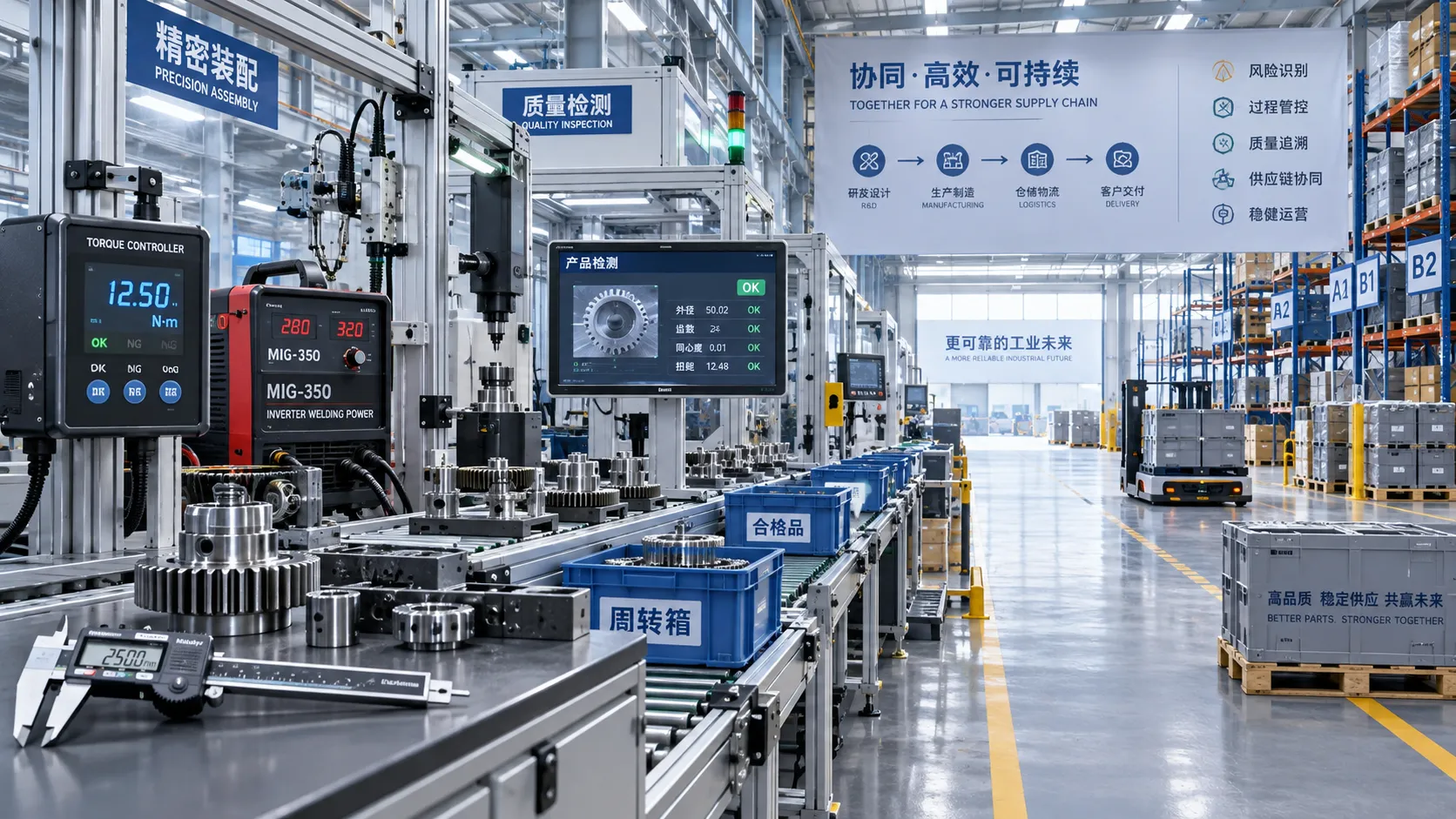
How Procurement Teams Can Map the Industrial Value Chain to Reduce Supply Risk
Industrial value chain procurement helps teams map hidden dependencies, qualify resilient sources, and reduce supply risk before disruptions stop production.
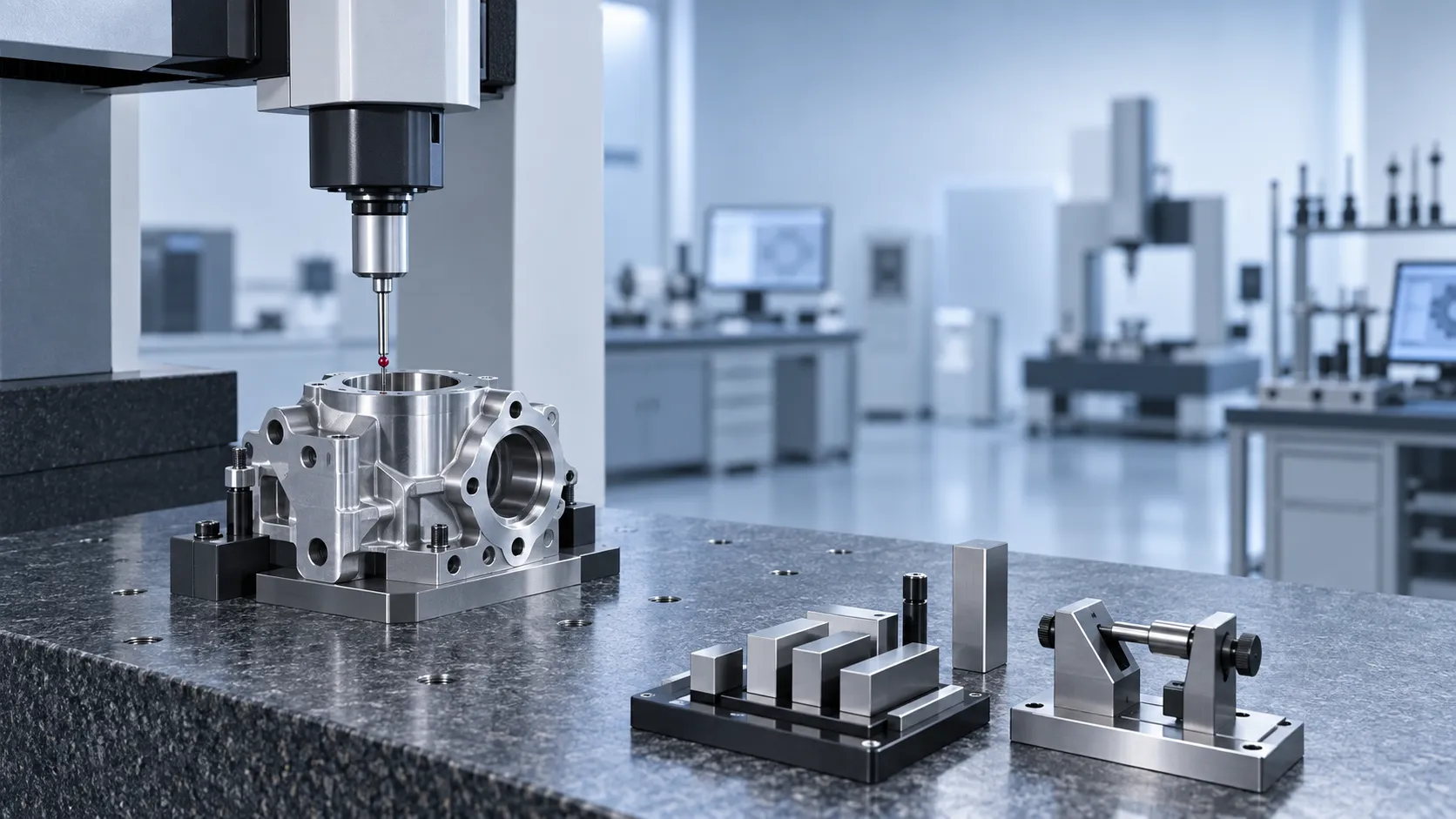
How Specification-Driven Articles Improve Precision Measurement System Selection
Specification-oriented articles precision measurement guidance helps teams compare accuracy, repeatability, environment, and data needs to select reliable systems with confidence.

How to Evaluate a Technology Integration Service Provider for Complex Projects
Technology integration service provider selection guide: evaluate interface ownership, delivery discipline, scalable architecture, and risk control for complex projects.
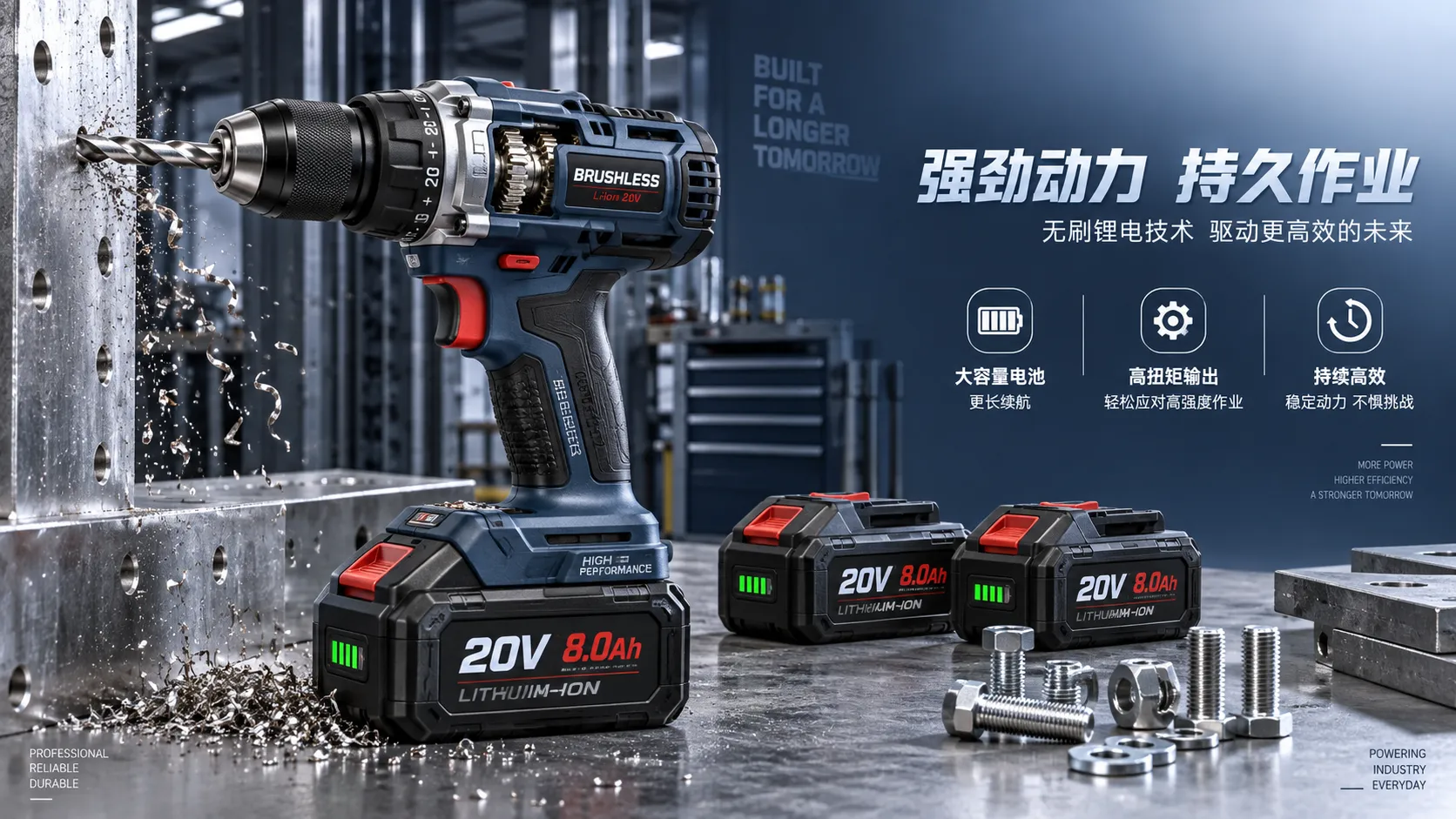
How Battery, Torque, and Duty Cycle Affect Cordless Power Tool Efficiency
Cordless power tool efficiency depends on battery output, torque, and duty cycle. Learn how to match tools to demanding jobs for stronger runtime and productivity.
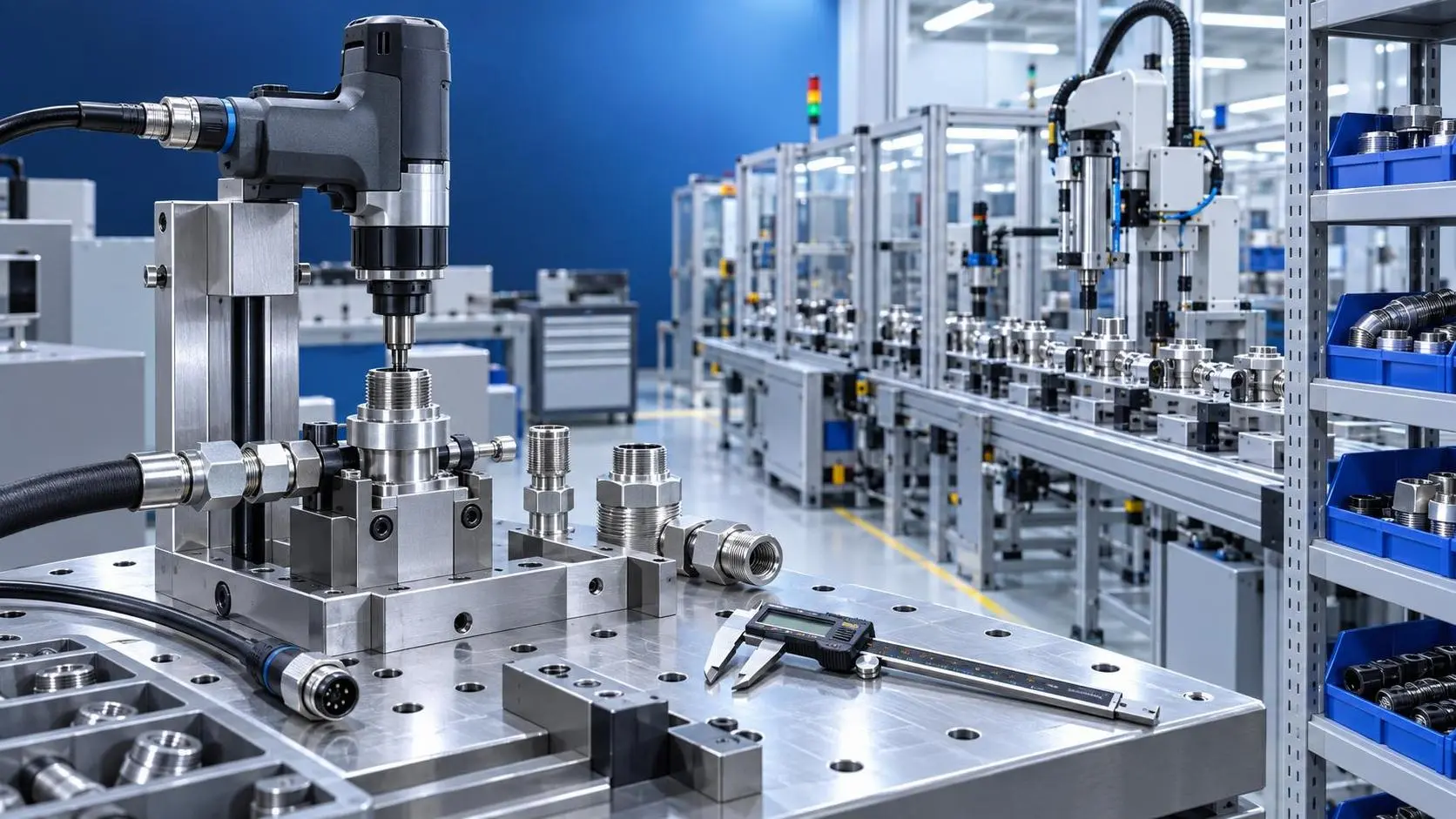
Product Comparison Resources for Component Compatibility and Lifecycle Risk
Product comparison resources for components: evaluate compatibility, interfaces, service support, and lifecycle risk to reduce downtime, avoid redesigns, and make confident sourcing decisions.
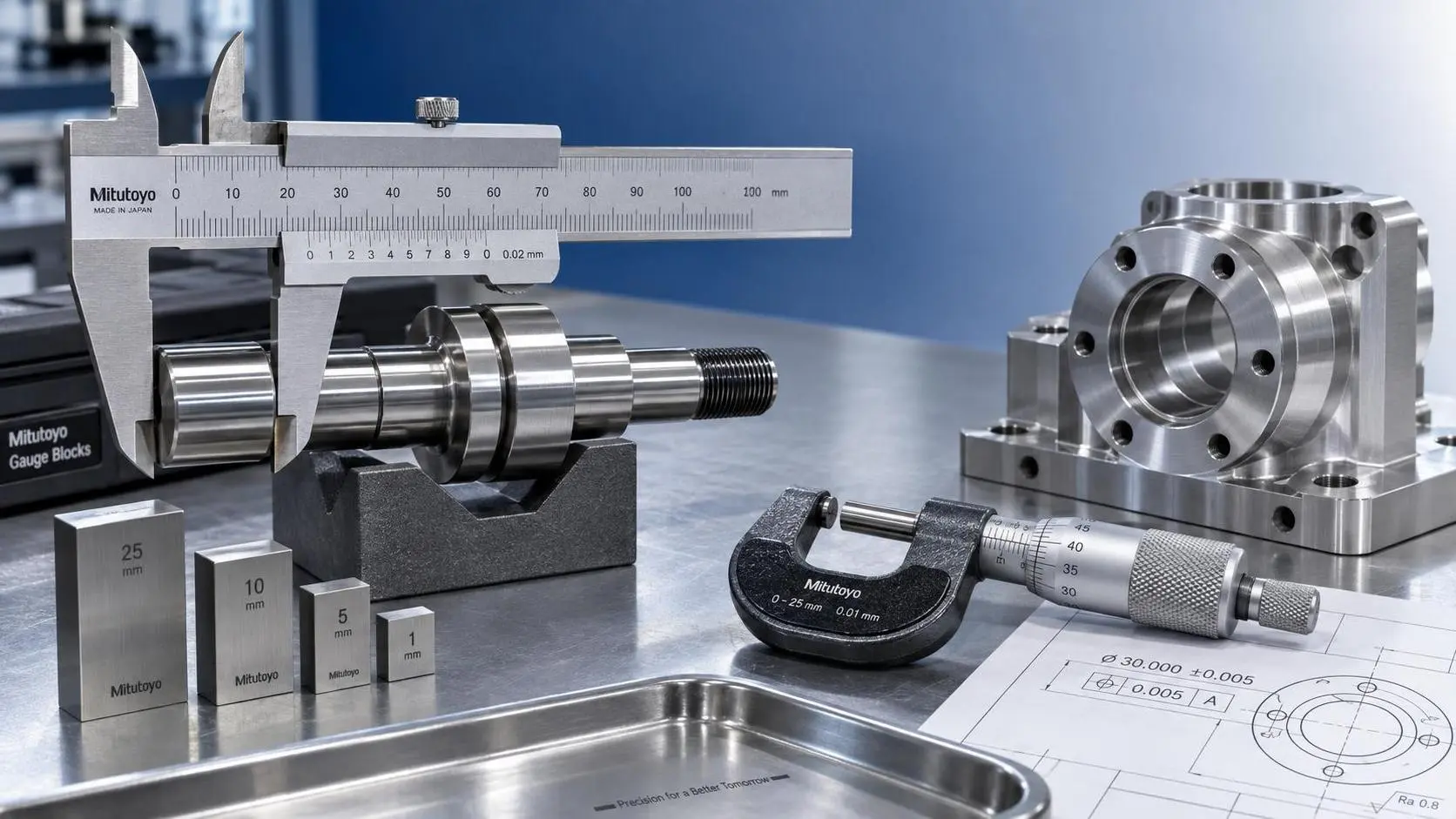
How to Select Vernier Precision Calipers for Tight-Tolerance Machining Inspection
Vernier precision calipers for tight-tolerance machining: learn how to select the right range, jaw design, accuracy, and verification process for reliable inspection.
Product Comparison Resources in Europe: How Buyers Can Verify Specs and Suppliers
Product comparison resources Europe: learn how to verify industrial specs, compliance claims, supplier credibility, and delivery risk for smarter purchasing decisions.
How to Evaluate an Industrial Metrology Solution Manufacturer for Production Use
Industrial metrology solution manufacturer evaluation guide for production: compare accuracy, traceability, automation, software, service, and acceptance testing to reduce risk.
Which ISO Standards Matter Most for Precision Engineering Quality Control?
Precision engineering ISO standards explained: discover how ISO 9001, ISO/IEC 17025, ISO 10012, GPS, and ISO 3834 strengthen quality control, traceability, and compliance.
Related News
- 00
0000-00
Automotive Tools: How to Build a Reliable Toolkit for Routine Vehicle Service - 00
0000-00
How to Build an Automotive Hand Tool Set for Routine Vehicle Service - 00
0000-00
Construction Maintenance Tools for Site Repair: What to Pack for Concrete, Steel, and Pipe Fixes - 00
0000-00
Product Information Resources for Assembly Tools: What Specs Matter Before You Compare Models? - 00
0000-00
Industrial Applications of Torque Control Wrenches in Assembly Lines and Field Maintenance
Industrial Craft Curator
Weekly Insights
Stay ahead with our curated technology reports delivered every Monday.