
Industrial Applications of Torque Control Wrenches in Assembly Lines and Field Maintenance





Where torque accuracy creates the most value
A torque control wrench matters most where fastening quality affects safety, repeatability, and downstream reliability. In industrial work, that usually means more than tightening bolts to a number.
What changes from one site to another is the consequence of error. On an assembly line, poor torque control often creates hidden variation. In field maintenance, the same mistake can delay restart, trigger leakage, or shorten service life.
That is why the torque control wrench remains central across automotive, heavy equipment, energy systems, metal fabrication, and aerospace support operations. It connects workmanship with measurable control at the last fastening step.
Within GPTWM’s coverage of intelligent tools and precision metrology, this tool sits at an important intersection. It reflects the broader shift from manual habit to verified process, especially where digital factories demand traceable fastening results.
Actual use cases differ long before the wrench is selected
A common mistake is to treat all bolted joints as similar because the fastener size looks familiar. In practice, torque requirements change with joint material, accessibility, production rhythm, audit pressure, and maintenance intervals.
A torque control wrench used beside a paced assembly station serves one purpose. The same tool used on remote construction equipment serves another. One prioritizes speed and repeatability. The other prioritizes adaptability, ruggedness, and confidence under uneven conditions.
The better starting point is not tool type alone. It is the fastening environment, the consequence of under-torque or over-torque, and the level of documentation required after the job is done.
On assembly lines, repeatability usually matters more than peak torque
In high-volume assembly, the torque control wrench is often used to reduce variation between operators, shifts, and stations. The target is not only correct fastening. The target is stable fastening across hundreds or thousands of cycles.
This is especially relevant in automotive modules, appliance frames, control cabinets, and fabricated metal assemblies. Fasteners may be small, but the cost of inconsistency grows quickly when rework interrupts takt time.
In these settings, the key judgment points are calibration frequency, torque repeatability, ergonomic fatigue, and compatibility with sockets or fixtures already used at the station. A tool that meets the torque range but slows handling can still be the wrong fit.
More advanced lines also look at data capture. An IoT-enabled torque control wrench can support traceability, process validation, and quality investigations when fastening defects appear later in testing or shipment.
Where production environments usually draw the line
- Short cycle stations need quick reset, low wrist strain, and clear torque confirmation.
- Mixed-model lines need a torque control wrench with simple setting changes and low adjustment error.
- Audited sectors need calibration records and, increasingly, digital fastening evidence.
- Thin-wall or soft-material assemblies need tighter control against over-tightening damage.
Field maintenance asks for a different kind of control
Field maintenance rarely offers the controlled conditions of a factory floor. Access can be limited, surfaces may be contaminated, and equipment history is often incomplete. In this context, the torque control wrench becomes a risk-management tool.
Typical examples include wind components, construction machinery, pipeline flanges, transport fleets, and industrial pumps. Fasteners may be exposed to vibration, thermal cycling, corrosion, or prior overtightening from earlier repairs.
The judgment focus changes accordingly. Range capacity, handle length, head access, sealing requirements, and rugged storage matter more here than line speed. The ability to maintain accuracy after transport also deserves attention.
A torque control wrench for maintenance work should be selected with service conditions in mind, not simply by matching nominal torque values from a manual. Old threads, lubrication differences, and replacement part tolerances often change actual behavior at the joint.
Why similar fasteners can demand different decisions
The table below shows why one torque control wrench strategy rarely fits every fastening task, even within the same industrial group.
This is where GPTWM’s intelligence model becomes useful. Broader market signals, export standards, and metrology trends help explain why torque verification expectations keep rising across sectors that once relied on operator feel.
The details that often separate a workable choice from a costly one
In actual projects, selection problems often come from ignoring conditions around the fastener. The torque control wrench may be technically correct, yet still unsuitable once adapters, extension bars, gloves, or overhead positions enter the process.
Another frequent issue is focusing only on purchase price. A lower-cost wrench can become expensive if it needs frequent recalibration, creates setting errors, or cannot support the documentation expected by regulated sectors.
There is also a timing issue. Assembly operations usually evaluate lifetime cycle burden. Maintenance operations should pay closer attention to storage, transport shock, and verification before use after long idle periods.
- Do not assume equal torque means equal clamp load when lubrication changes.
- Do not copy assembly settings into repair work without checking joint condition.
- Do not overlook operator access when selecting a torque control wrench for confined spaces.
- Do not separate calibration planning from production or maintenance scheduling.
A practical way to match the torque control wrench to the task
A useful approach is to define the joint first, then the environment, then the verification need. That sequence avoids overvaluing features that look impressive but add little to the real fastening task.
For assembly settings, start with cycle count, target variation, and documentation depth. For field service, start with torque range spread, joint accessibility, environmental exposure, and the cost of a failed restart.
Where digital transformation is underway, a connected torque control wrench can support broader process visibility. That is especially relevant when quality teams need to link fastening data with inspection records, maintenance logs, or export compliance requirements.
The strongest decisions usually combine metrology discipline with operational realism. That balance reflects the wider direction tracked by GPTWM: lighter tools, smarter verification, and better alignment between craftsmanship and industrial data systems.
What to confirm before moving forward
Before standardizing any torque control wrench across operations, map the real application mix instead of relying on one representative job. Similar fastening tasks can diverge quickly once environment, compliance pressure, and service intervals are compared.
The next practical step is to document torque ranges, access limits, calibration expectations, and evidence requirements for each major use case. That creates a clearer basis for tool selection, training, maintenance planning, and long-term process control.
When those conditions are visible, the torque control wrench stops being a generic hand tool. It becomes part of a measurable fastening strategy that supports quality, uptime, and reliable industrial execution.
Related News
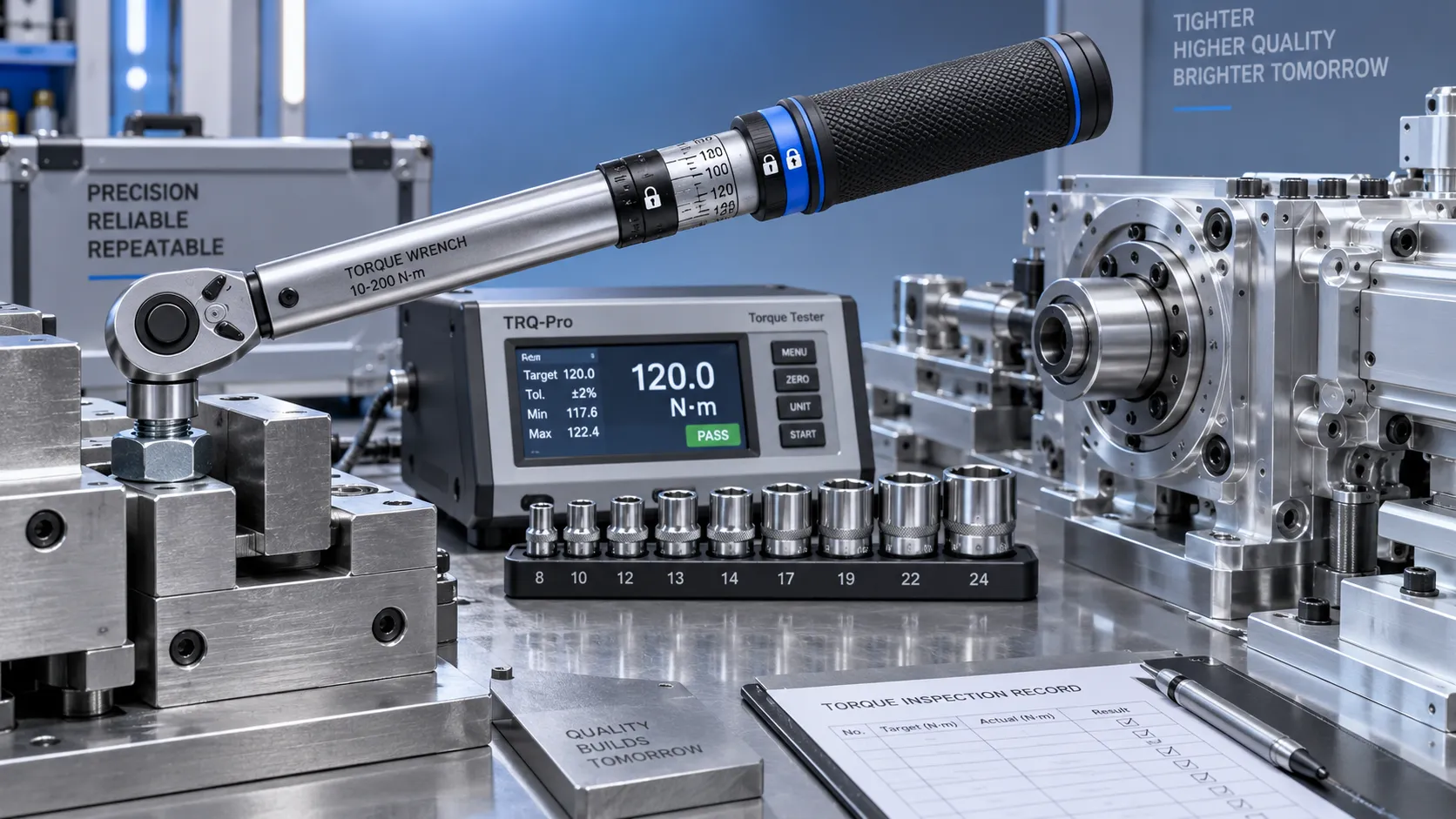
Selecting Adjustable Torque Tools for Repeatable Fastener Assembly
Adjustable torque tools: learn how to match range, accuracy, control methods, calibration, and ergonomics for repeatable, reliable fastener assembly.

How to Select Aerospace Inspection Tools for Aircraft Maintenance Tasks
Aerospace maintenance inspection tools: learn how to select reliable, traceable equipment for aircraft access, accuracy, calibration, and compliant maintenance decisions.

How to Select Wire Bonding Tools for Fine-Pitch Semiconductor Packaging
Explore semiconductor manufacturing tools for wire bonding and learn how to select precision solutions for fine-pitch packaging, reliable loops, accuracy, and yield.
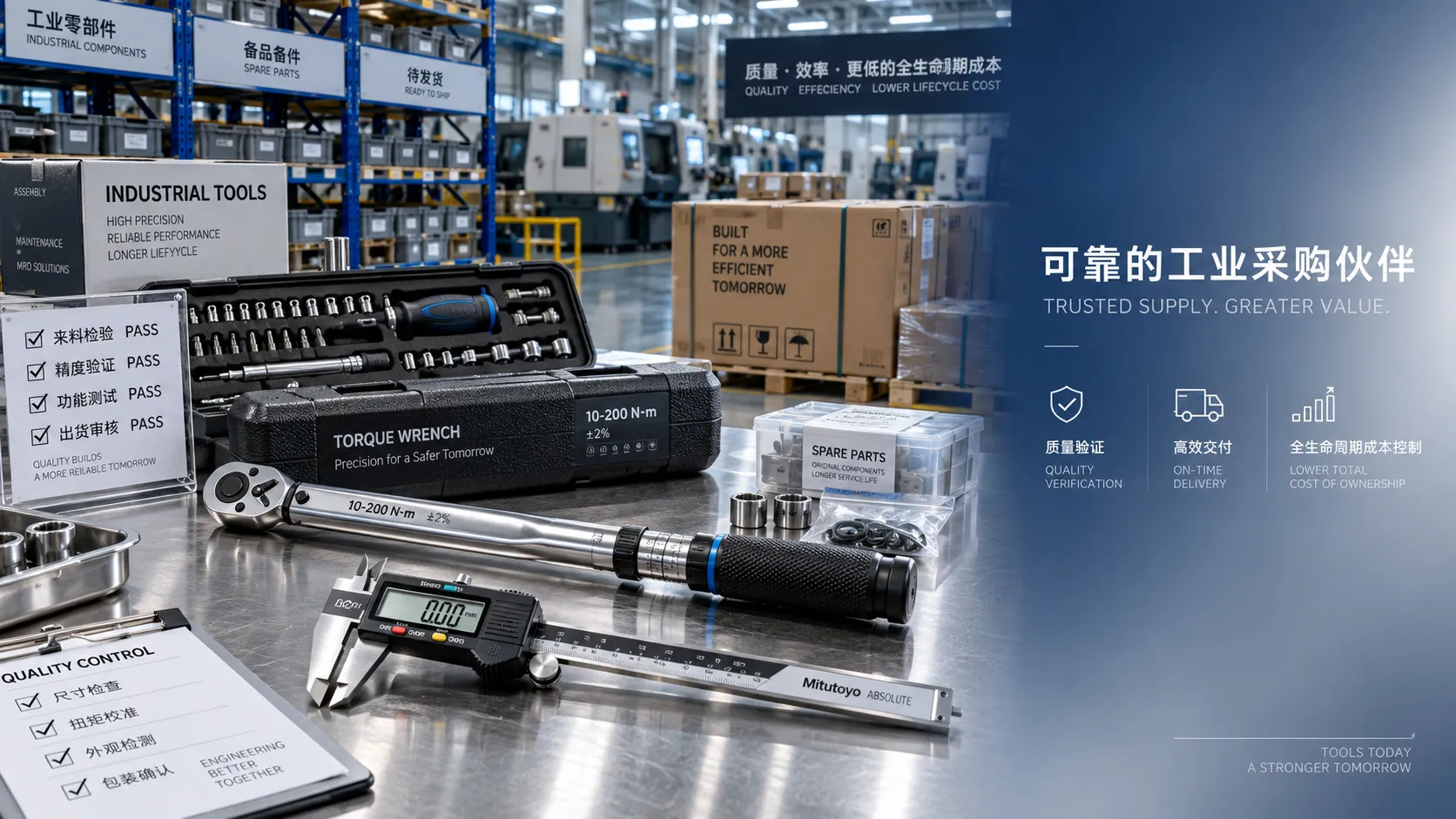
How to Compare Industrial Tool Suppliers for Quality, Lead Time, and Total Cost
Industrial tool selection supplier comparison made simple: evaluate quality, lead times, total cost, service, and supply resilience for confident sourcing decisions.
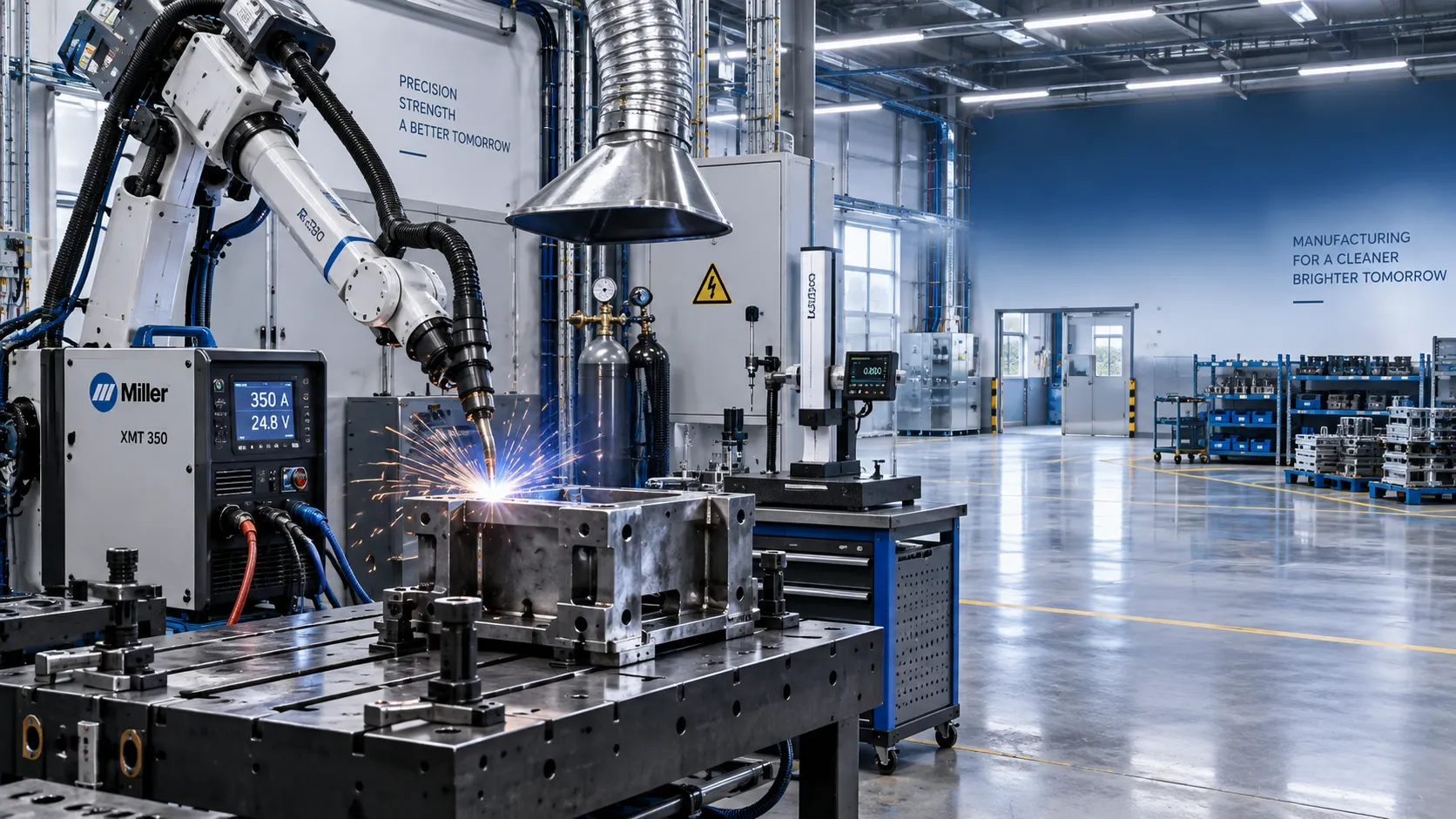
Industrial Equipment Application Guidance: Match Machines to Operating Conditions
Application guidance industrial equipment: match capacity, duty cycle, materials, site conditions, safety, and lifecycle cost to improve reliable output. Read the guide.
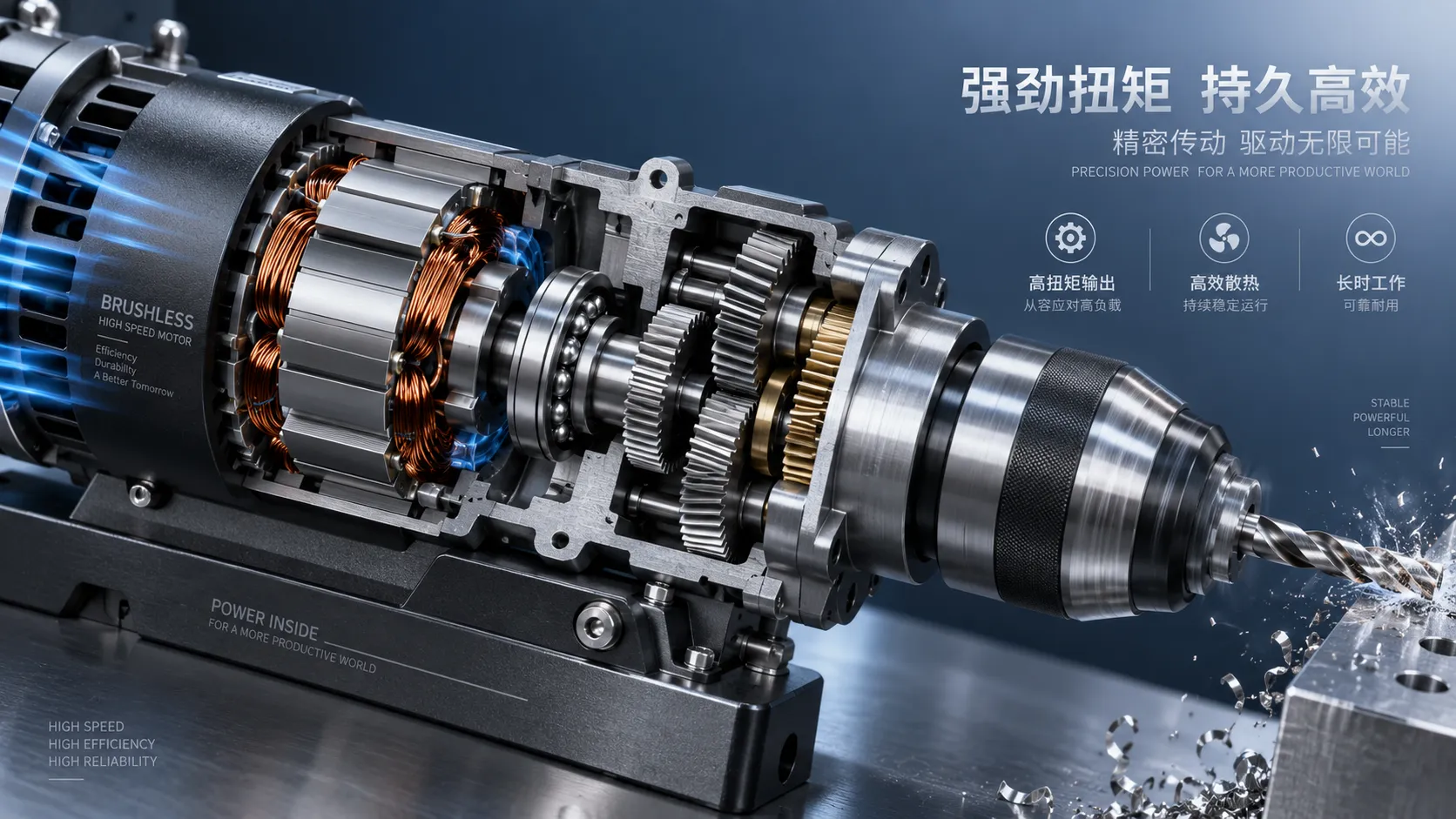
Selecting High-Speed Brushless Tool Motors for Torque, Heat, and Duty Cycle
High speed brushless tool motors: learn how to balance torque, heat, gearing, and duty cycle for reliable industrial tool performance and longer service life.
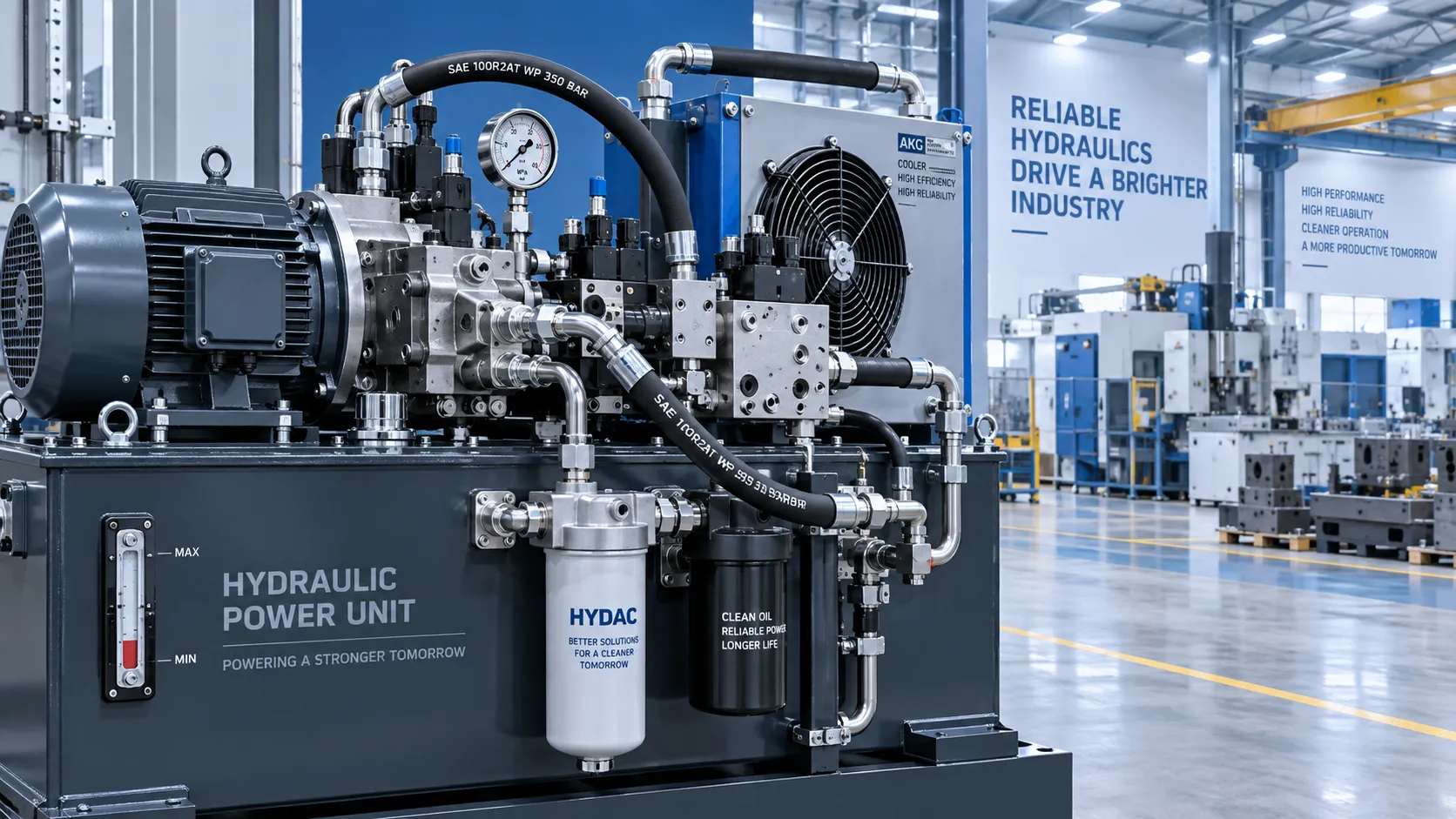
What Determines Industrial Hydraulic System Price for Heavy-Duty Equipment?
Industrial hydraulic system price depends on duty cycle, pressure, components, cooling, and integration. Compare quotes intelligently to secure reliable heavy-duty performance.
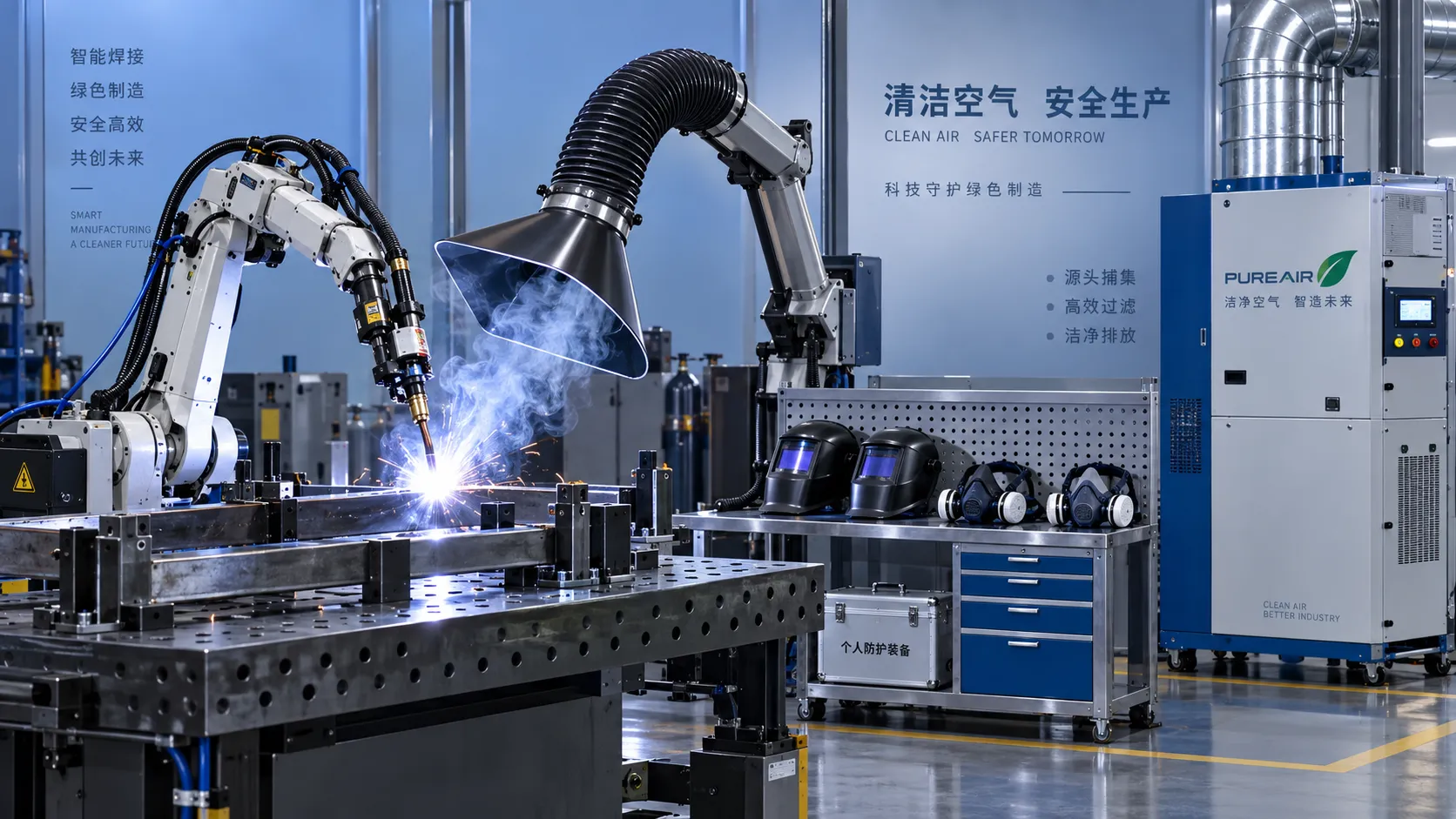
Welding Fume Extraction PPE: When Respirators Are Not Enough for Shop Safety
Welding fume extraction PPE: learn why respirators alone fall short and how source capture, ventilation, and layered controls improve shop safety.
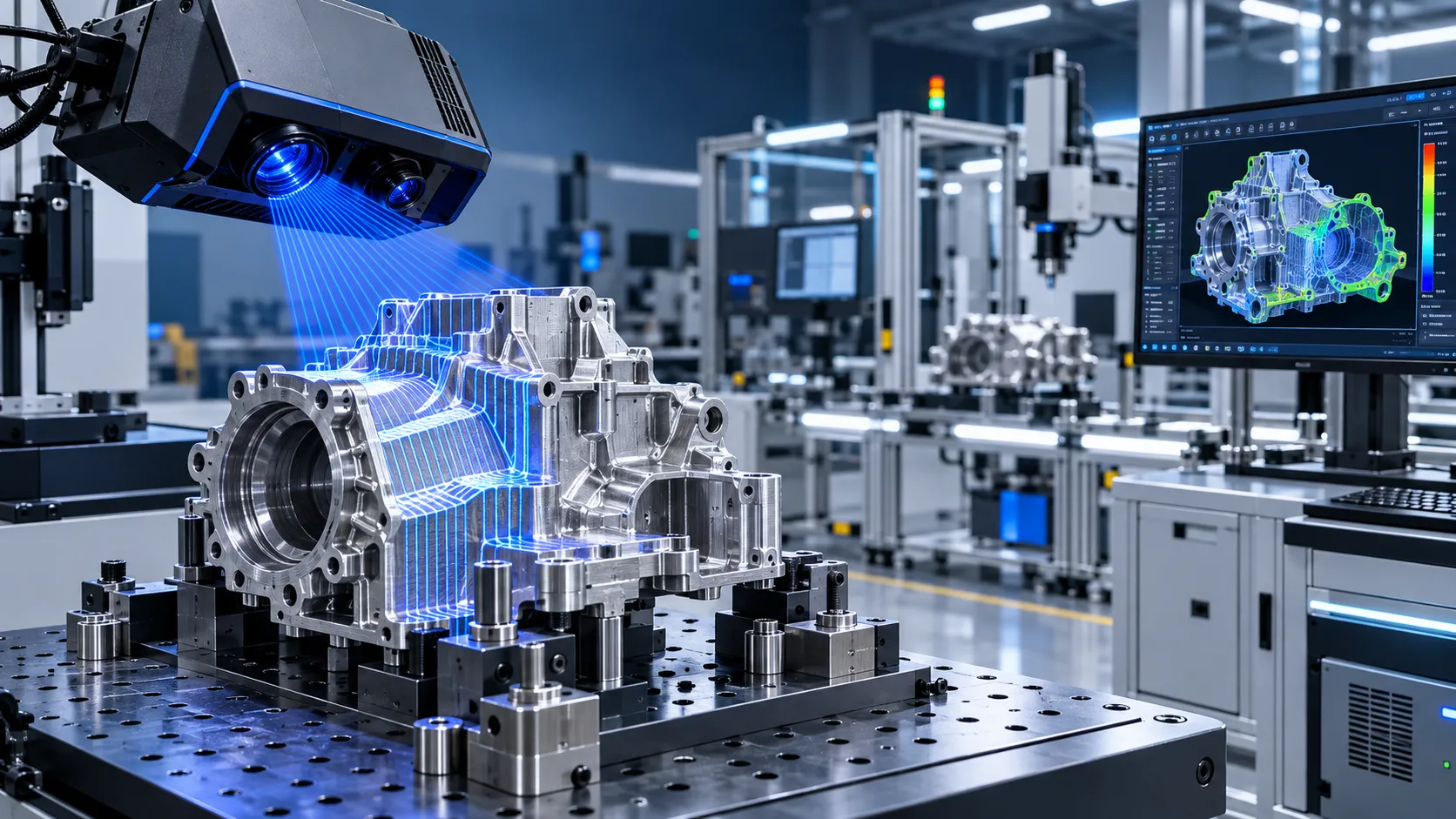
How to Select Optical Metrology Solutions for Tight-Tolerance Manufacturing
Optical industrial metrology solutions for tight-tolerance manufacturing: evaluate accuracy, surface compatibility, workflow, and traceability to select with confidence.
Related News
- 00
0000-00
Automotive Tools: How to Build a Reliable Toolkit for Routine Vehicle Service - 00
0000-00
How to Build an Automotive Hand Tool Set for Routine Vehicle Service - 00
0000-00
Construction Maintenance Tools for Site Repair: What to Pack for Concrete, Steel, and Pipe Fixes - 00
0000-00
Product Information Resources for Assembly Tools: What Specs Matter Before You Compare Models? - 00
0000-00
Industrial Applications of Torque Control Wrenches in Assembly Lines and Field Maintenance
Industrial Craft Curator
Weekly Insights
Stay ahead with our curated technology reports delivered every Monday.