
Does power tool efficiency lower maintenance downtime?





For after-sales maintenance teams, every extra service stop means lost time, higher costs, and customer frustration. But can power tool efficiency truly reduce maintenance downtime in real-world industrial use? From brushless motor performance to torque stability and thermal control, understanding how efficient tools affect reliability is essential for faster repairs, fewer interruptions, and better service outcomes across demanding maintenance environments.
What does power tool efficiency actually mean in maintenance work?
Power tool efficiency is not only about energy savings. It describes how effectively a tool converts input power into stable output during real repair tasks.
In maintenance environments, efficient tools deliver consistent torque, lower heat, faster cycle times, and fewer sudden slowdowns under load.
This matters because downtime often begins with small interruptions. A stalled driver, overheated grinder, or weak battery can stretch a short repair into a long service event.
When discussing power tool efficiency, four technical points usually matter most:
- Motor efficiency under continuous and peak loads
- Torque stability across repeated fastening cycles
- Thermal control during extended operation
- Battery and power management consistency
For industrial assembly, welding support, and field service tasks, these factors shape whether a tool stays productive or becomes a source of delay.
Can power tool efficiency directly lower maintenance downtime?
Yes, but the effect is usually indirect and cumulative. Power tool efficiency lowers downtime by reducing the number and duration of avoidable interruptions.
An efficient tool finishes each task faster. It also maintains output more predictably when removing seized fasteners, trimming metal, or tightening critical joints.
That predictability improves service flow. Technicians spend less time waiting for cooling, swapping batteries, correcting under-torqued joints, or repeating incomplete operations.
In many service cases, reduced downtime comes from three linked improvements:
- Shorter active repair time per intervention
- Lower chance of tool-related failure during service
- Better first-time fix quality
For example, stable torque output helps prevent loose reassembly. Better cooling reduces thermal shutdowns. Efficient brushless motors often maintain RPM better under resistance.
Across a full maintenance schedule, even small gains can become significant. Saving five minutes on multiple tasks often means fewer delayed work orders and better equipment availability.
Which tool features have the biggest impact on downtime reduction?
Not every feature improves maintenance performance equally. The strongest contributors to lower downtime are usually those linked to output control and thermal durability.
1. Brushless motor performance
Brushless designs reduce friction and wear points. They often run cooler and sustain power more efficiently than brushed alternatives during repetitive industrial tasks.
This can lower maintenance downtime by reducing internal motor wear and minimizing speed drop during load changes.
2. Torque stability and control
Power tool efficiency must include controlled torque delivery. In service environments, unstable torque creates rework, stripped threads, and inconsistent fastening quality.
Tools with calibrated settings or intelligent torque control support more accurate repairs and fewer return visits.
3. Heat management
Heat is a hidden downtime driver. When tools overheat, output falls, components age faster, and shutdown protection may interrupt urgent service operations.
Good thermal design supports continuous work, especially in confined spaces, high-ambient workshops, or repetitive cutting and grinding applications.
4. Battery and electronics integration
Cordless tools depend on smart energy management. Efficient battery use improves runtime consistency and reduces unplanned stoppages between charging cycles.
Protection electronics also matter. Balanced current draw, overload response, and communication between pack and tool improve reliability in field repairs.
In which industrial scenarios does power tool efficiency matter most?
Power tool efficiency matters in almost every sector, but its value becomes most visible where service speed and repeatability directly affect asset uptime.
Typical high-impact situations include:
- Automotive maintenance with repeated fastening and disassembly
- Construction equipment repair under variable outdoor conditions
- Aerospace support work requiring controlled torque and traceability
- Metal fabrication service involving grinding, cutting, and welding preparation
- Facility maintenance where multiple small repairs must be completed quickly
In these settings, inefficient tools do more than waste electricity. They create workflow friction, quality variation, and scheduling uncertainty.
This is why industrial intelligence platforms such as GPTWM track trends in brushless motor limits, ergonomic standards, and intelligent torque systems.
The connection is practical. Better technical understanding helps teams match tool capability with service intensity, duty cycle, and precision requirements.
How can you judge whether a tool’s efficiency will reduce downtime?
The label alone is not enough. To know whether power tool efficiency will lower maintenance downtime, review field performance indicators, not marketing claims only.
A practical test is to compare task completion time, battery swaps, thermal pauses, and rework frequency over a fixed service period.
If efficient tools consistently reduce those four indicators, the impact on downtime is real, measurable, and operationally meaningful.
What are the common mistakes when linking power tool efficiency to lower downtime?
The biggest mistake is assuming more power always means better efficiency. High peak output can still perform poorly if heat, control, or ergonomics are weak.
Another mistake is ignoring application fit. A highly efficient fastening tool may not improve results in heavy cutting or abrasive finishing.
Other frequent errors include:
- Measuring efficiency only by no-load speed
- Overlooking battery quality and charger performance
- Ignoring preventive maintenance of the tool itself
- Using one tool platform for mismatched duty cycles
- Treating operator fatigue as unrelated to downtime
Ergonomics matter because fatigue slows work and increases handling mistakes. Efficient tools should also support balance, grip comfort, and controlled vibration.
Without that full view, power tool efficiency may look strong on paper but fail to improve actual maintenance performance.
Is investing in higher power tool efficiency worth the cost?
In many cases, yes. The return usually appears through fewer delays, improved repair quality, and lower hidden labor costs rather than energy savings alone.
A more efficient tool may cost more upfront, but it can reduce total service cost if it prevents repeat visits, tool replacement, or extended equipment outage.
A simple evaluation should include:
- Average time saved per repair
- Reduction in tool-related stoppages
- Lower rework or fastening errors
- Expected service life and maintenance needs
- Compatibility with existing batteries and accessories
Where uptime is critical, even moderate gains in power tool efficiency can justify the investment quickly.
Quick FAQ summary: which answers matter most?
So, does power tool efficiency lower maintenance downtime? In most industrial settings, the answer is yes, when efficiency is defined by real working performance.
The strongest results come from matching efficient tools with the correct application, duty cycle, and service quality target.
Use field data, not assumptions. Review torque consistency, thermal behavior, runtime stability, and repair repeat rates over time.
For a broader view on power tool efficiency, intelligent torque systems, and industrial service trends, follow technical intelligence that connects tool design with manufacturing reality.
Related News
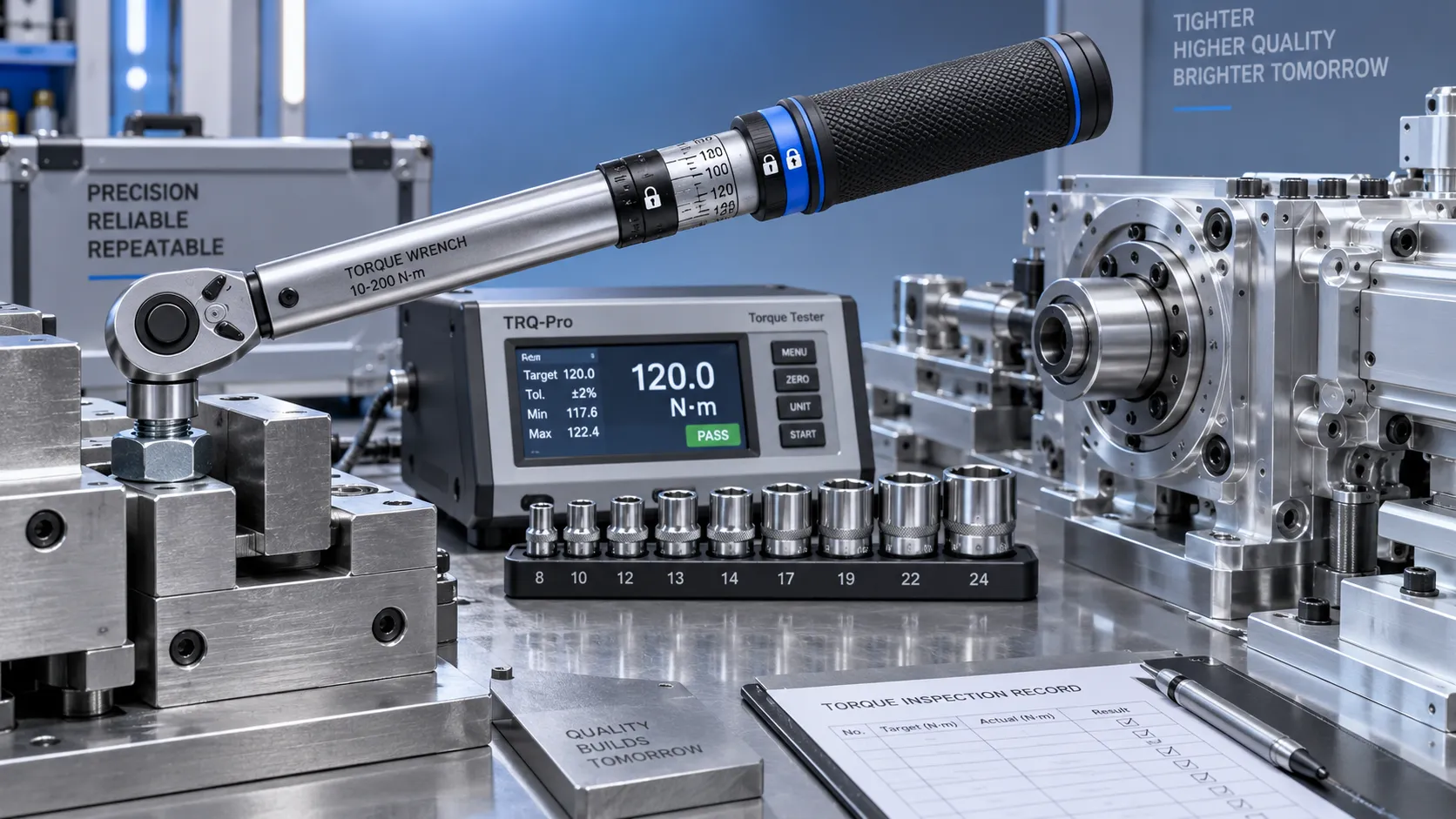
Selecting Adjustable Torque Tools for Repeatable Fastener Assembly
Adjustable torque tools: learn how to match range, accuracy, control methods, calibration, and ergonomics for repeatable, reliable fastener assembly.

How to Select Aerospace Inspection Tools for Aircraft Maintenance Tasks
Aerospace maintenance inspection tools: learn how to select reliable, traceable equipment for aircraft access, accuracy, calibration, and compliant maintenance decisions.

How to Select Wire Bonding Tools for Fine-Pitch Semiconductor Packaging
Explore semiconductor manufacturing tools for wire bonding and learn how to select precision solutions for fine-pitch packaging, reliable loops, accuracy, and yield.
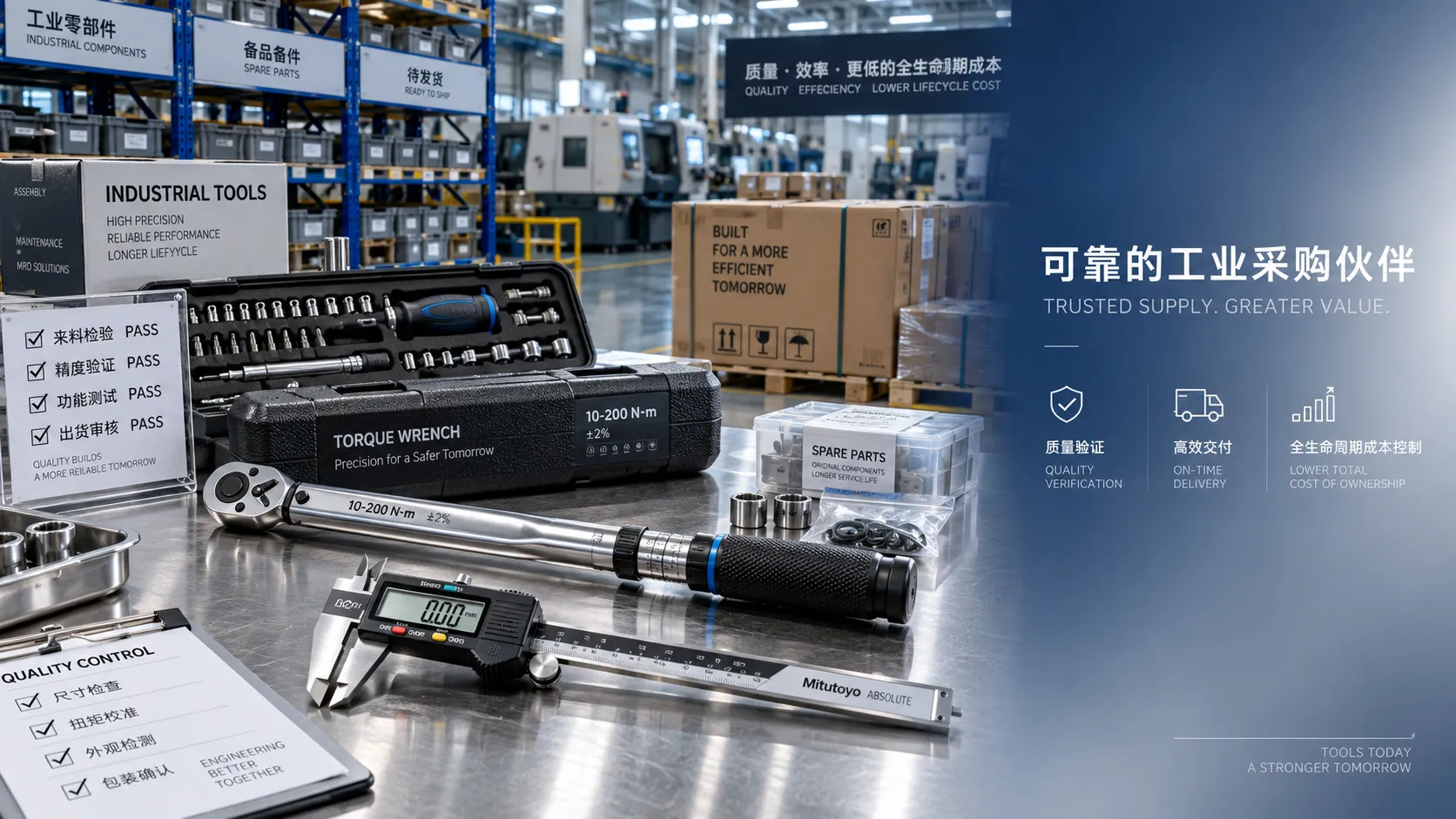
How to Compare Industrial Tool Suppliers for Quality, Lead Time, and Total Cost
Industrial tool selection supplier comparison made simple: evaluate quality, lead times, total cost, service, and supply resilience for confident sourcing decisions.
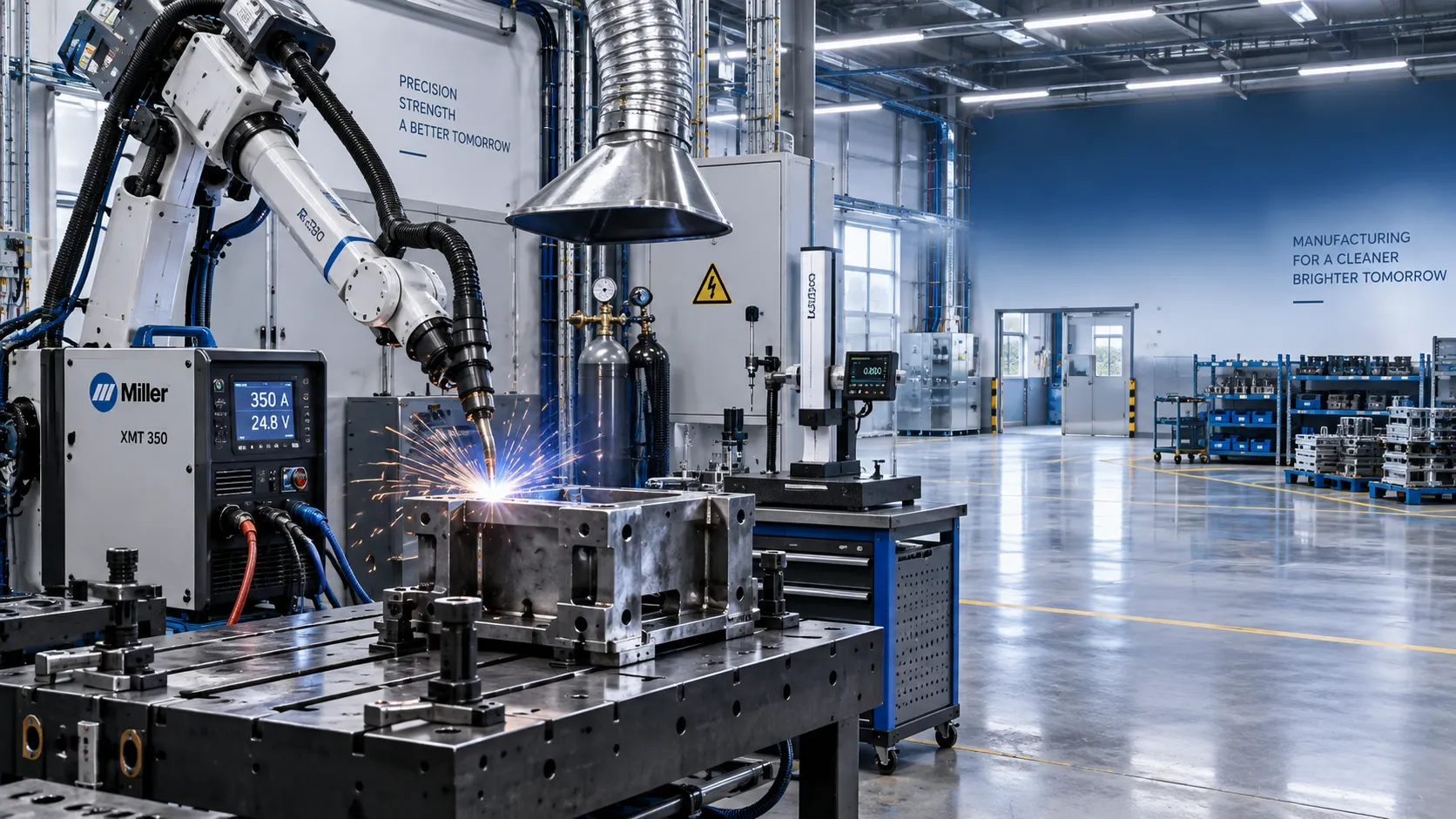
Industrial Equipment Application Guidance: Match Machines to Operating Conditions
Application guidance industrial equipment: match capacity, duty cycle, materials, site conditions, safety, and lifecycle cost to improve reliable output. Read the guide.
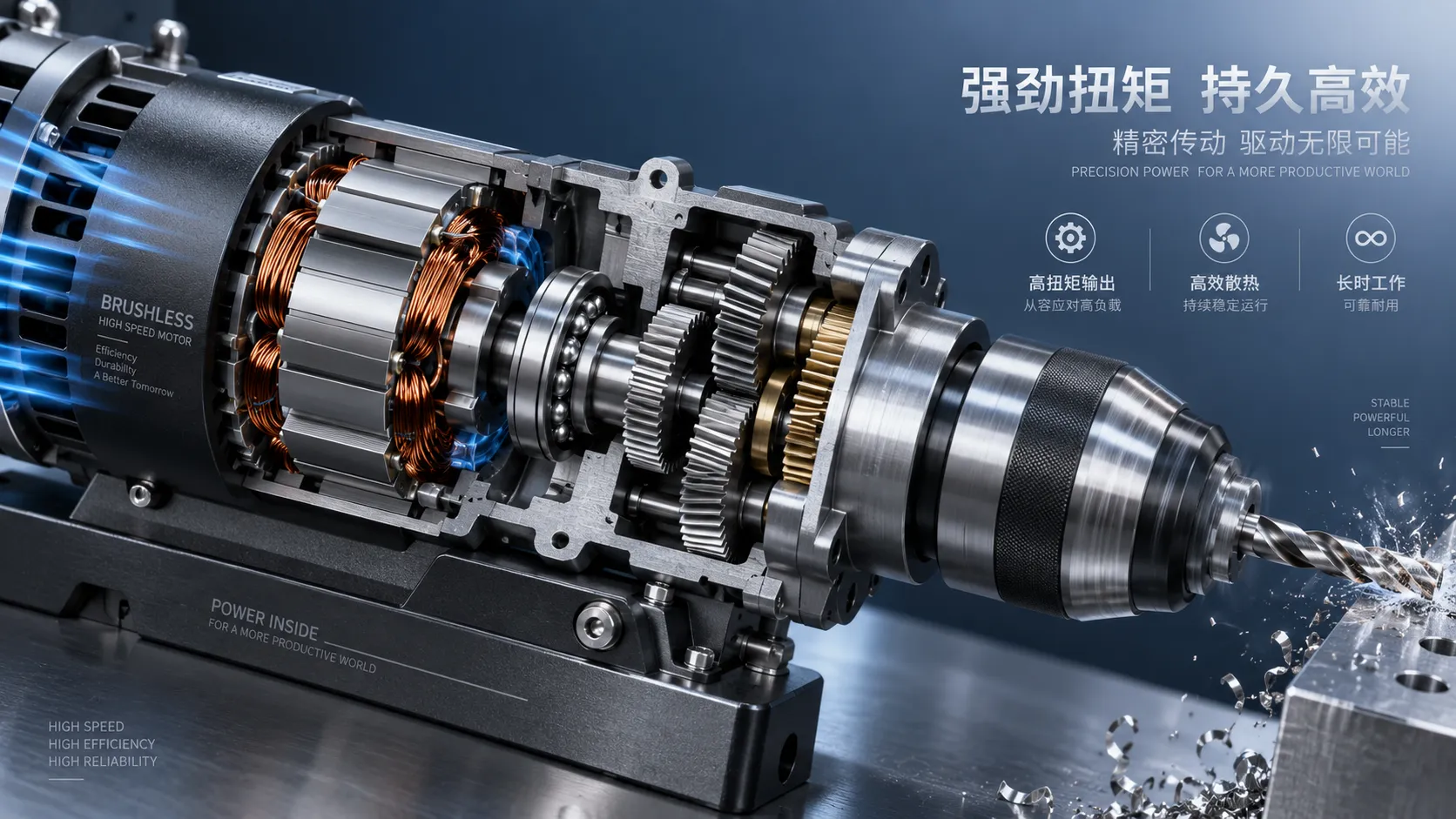
Selecting High-Speed Brushless Tool Motors for Torque, Heat, and Duty Cycle
High speed brushless tool motors: learn how to balance torque, heat, gearing, and duty cycle for reliable industrial tool performance and longer service life.
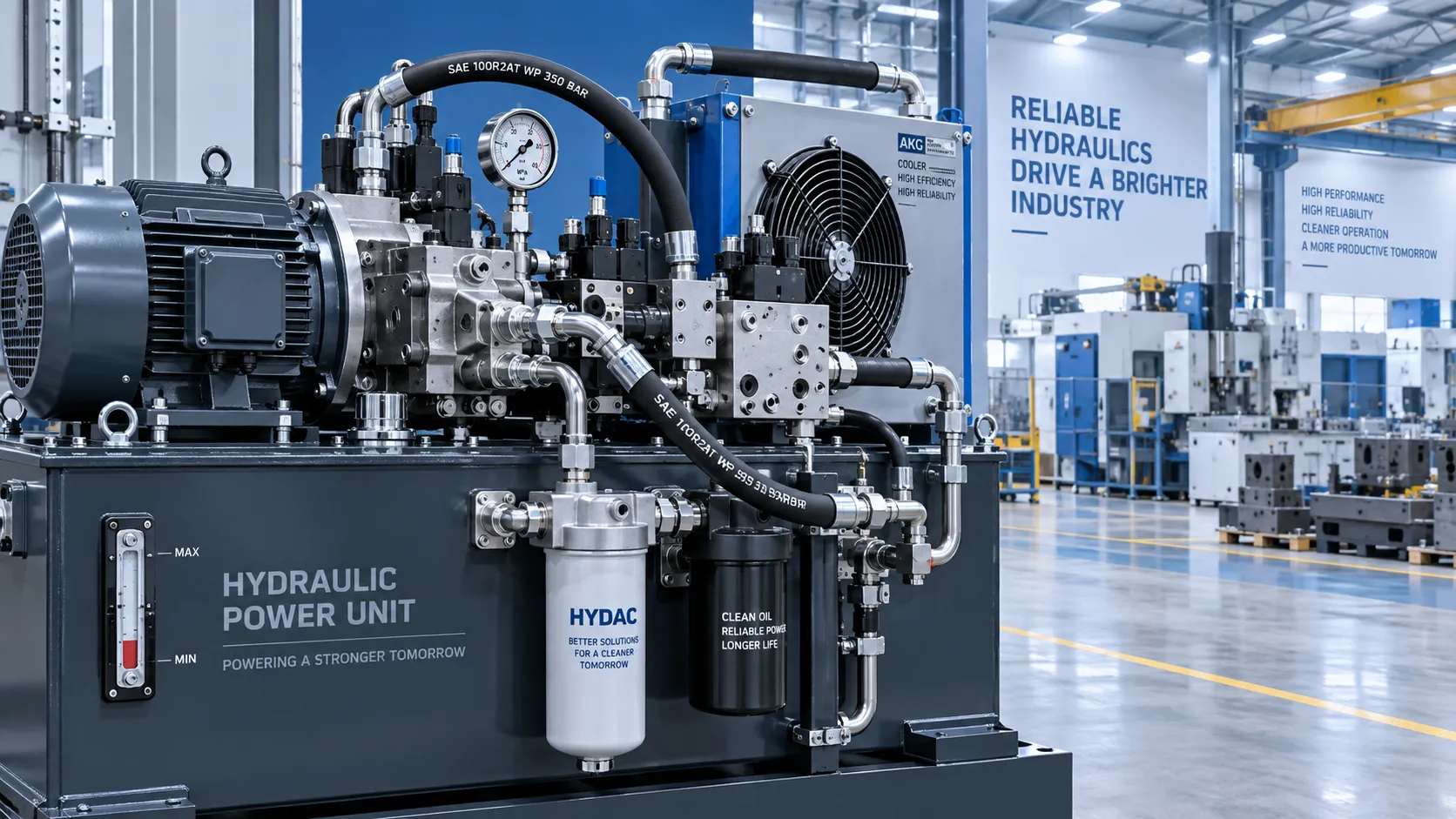
What Determines Industrial Hydraulic System Price for Heavy-Duty Equipment?
Industrial hydraulic system price depends on duty cycle, pressure, components, cooling, and integration. Compare quotes intelligently to secure reliable heavy-duty performance.
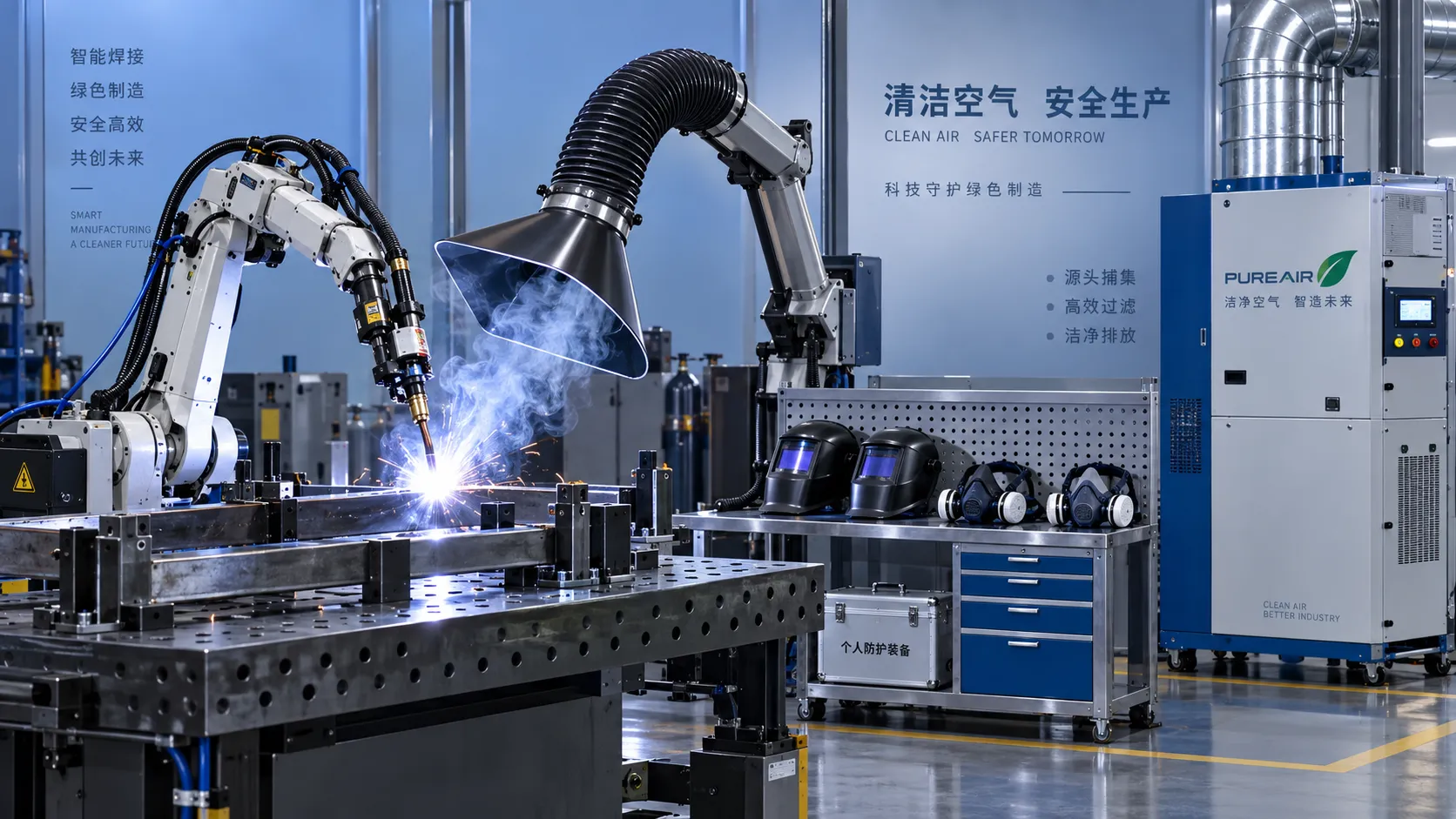
Welding Fume Extraction PPE: When Respirators Are Not Enough for Shop Safety
Welding fume extraction PPE: learn why respirators alone fall short and how source capture, ventilation, and layered controls improve shop safety.
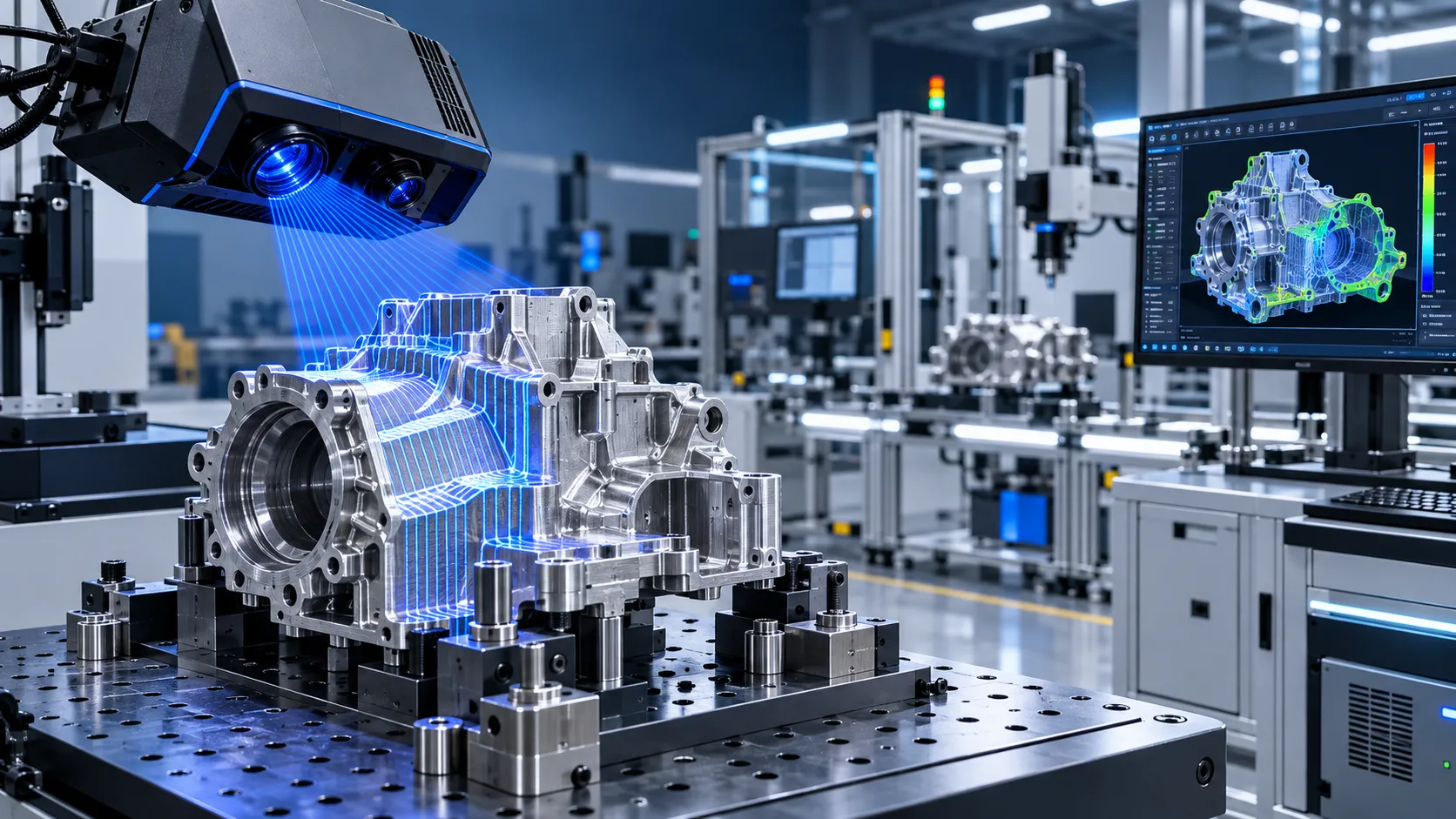
How to Select Optical Metrology Solutions for Tight-Tolerance Manufacturing
Optical industrial metrology solutions for tight-tolerance manufacturing: evaluate accuracy, surface compatibility, workflow, and traceability to select with confidence.
Related News
- 00
0000-00
How to Select Battery Assembly Tools for Torque Control and High-Volume Production - 00
0000-00
How Battery, Torque, and Duty Cycle Affect Cordless Power Tool Efficiency - 00
0000-00
How to Size High-Torque Tool Motors for Continuous-Duty Assembly Lines - 00
0000-00
How to Choose 24V Brushless Tool Motors for Torque, Runtime, and Duty Cycle? - 00
0000-00
Automotive Repair Tools List: What Every Workshop Needs for Daily Service Jobs
Electro-Mech Tool Designer
Weekly Insights
Stay ahead with our curated technology reports delivered every Monday.