
When power tool efficiency saves more than labor costs





When margins tighten and production targets rise, power tool efficiency becomes more than a shop-floor metric—it shapes uptime, energy use, maintenance cycles, and long-term competitiveness.
For industrial operations, efficient tools influence total performance across assembly, repair, fabrication, inspection support, and field service.
The real return often exceeds direct labor savings.
Better power tool efficiency can reduce scrap, stabilize torque output, improve operator endurance, and extend asset life.
In a broader industry context, this efficiency supports digital factories, lean maintenance, and more reliable production planning.
Why power tool efficiency is becoming a strategic performance signal
Across the comprehensive industrial landscape, the definition of efficiency is changing.
It no longer means only faster drilling, grinding, fastening, or cutting.
It now includes energy conversion, thermal control, runtime consistency, and data-supported repeatability.
This shift reflects pressure from several directions.
Material costs remain volatile. Quality requirements are stricter. Equipment fleets are expected to work longer with fewer interruptions.
As a result, power tool efficiency is increasingly used as a proxy for operational discipline.
GPTWM’s industry intelligence perspective shows that the last mile of manufacturing often determines final profitability.
In that last mile, handheld and portable tools directly affect execution quality.
A tool that wastes power, overheats, or loses torque under load creates hidden costs throughout the workflow.
The trend signals behind rising attention to power tool efficiency
Several visible trend signals explain why power tool efficiency is moving into strategic discussions.
- Brushless motor adoption is expanding because it offers higher efficiency, lower friction loss, and longer service life.
- Battery platforms are judged by usable runtime, charging stability, and output consistency rather than nominal voltage alone.
- Smart torque control is gaining value where repeatability and traceability matter.
- ESG and energy reporting increase attention on electricity consumption and equipment utilization.
- Skilled labor gaps make ergonomic efficiency more important because fatigue now affects throughput and defect rates.
These signals appear in construction support, automotive service, metal fabrication, aerospace maintenance, utilities, and industrial assembly.
The pattern is clear.
As operations become more data-driven, tool-level efficiency becomes easier to measure and harder to ignore.
What is driving the shift from simple speed to total efficiency
The drivers behind this trend are operational, technical, and financial.
This is why power tool efficiency now sits between engineering performance and business resilience.
Efficiency is also about heat, vibration, and control
A tool may appear fast but still operate inefficiently.
Excess heat wastes energy and shortens component life.
High vibration affects accuracy, operator comfort, and finishing quality.
Poor control under load can damage fasteners, materials, or joints.
True power tool efficiency balances output, stability, and durability.
Where savings beyond labor costs actually appear
The financial case becomes stronger when indirect savings are counted systematically.
- Lower energy use across high-frequency tasks.
- Reduced unplanned downtime from overheating or premature motor wear.
- Longer battery life and fewer charging interruptions.
- Lower consumable waste through more stable speed and torque.
- Better first-pass quality in fastening, grinding, cutting, and finishing.
- Less ergonomic strain, which supports steadier output during long shifts.
These gains matter because they accumulate quietly.
A few seconds saved per cycle may help.
But avoiding defects, stoppages, and tool replacements often creates a larger annual impact.
Asset utilization improves when efficient tools stay productive longer
Power tool efficiency supports better asset utilization because tools spend less time cooling, charging, or awaiting repair.
This is especially valuable in distributed service teams and multi-station industrial lines.
Reliable portable equipment also improves scheduling confidence.
That confidence affects planning, inventory timing, and service-level performance.
How different business functions feel the impact of power tool efficiency
The effects are not limited to the tool user.
Power tool efficiency influences several business functions at once.
This cross-functional effect explains why power tool efficiency should not be assessed only through purchase price.
What deserves close attention as efficiency expectations rise
Not all efficiency claims are equally useful.
The most valuable evaluation points are measurable under real workloads.
- Loaded performance, not free-spin speed alone.
- Thermal behavior during sustained use.
- Torque consistency across repeated cycles.
- Battery-to-tool communication and charge health.
- Vibration, noise, and ergonomic design quality.
- Serviceability, parts access, and firmware support.
- Compatibility with metrology, traceability, or IoT systems.
For sectors where precision matters, output stability should be weighted heavily.
For field-intensive work, battery efficiency and ruggedness may matter more.
A practical way to respond before inefficiency becomes a hidden tax
A useful response starts with baseline measurement.
- Map high-frequency tool tasks by runtime, failure rate, and quality sensitivity.
- Compare tools using loaded tests, not brochure specifications alone.
- Track heat, battery cycles, repair intervals, and consumable usage.
- Connect efficiency findings with downtime records and defect trends.
- Prioritize upgrades where poor tool efficiency creates process bottlenecks.
This approach converts power tool efficiency from a technical preference into a business metric.
It also aligns with GPTWM’s focus on precision foundations and intelligent decision support.
The next competitive edge will come from measurable efficiency, not assumptions
In modern industry, the small tool decision can create a large operational consequence.
Power tool efficiency now influences uptime, energy intensity, quality stability, and asset productivity at the same time.
That is why it saves more than labor costs.
It protects workflow continuity and strengthens long-term competitiveness.
The most effective next step is to audit current tool fleets, identify hidden performance losses, and rank improvement opportunities by lifecycle impact.
Where evidence shows recurring waste, upgrading for better power tool efficiency can deliver one of the fastest practical returns in industrial execution.
Related News
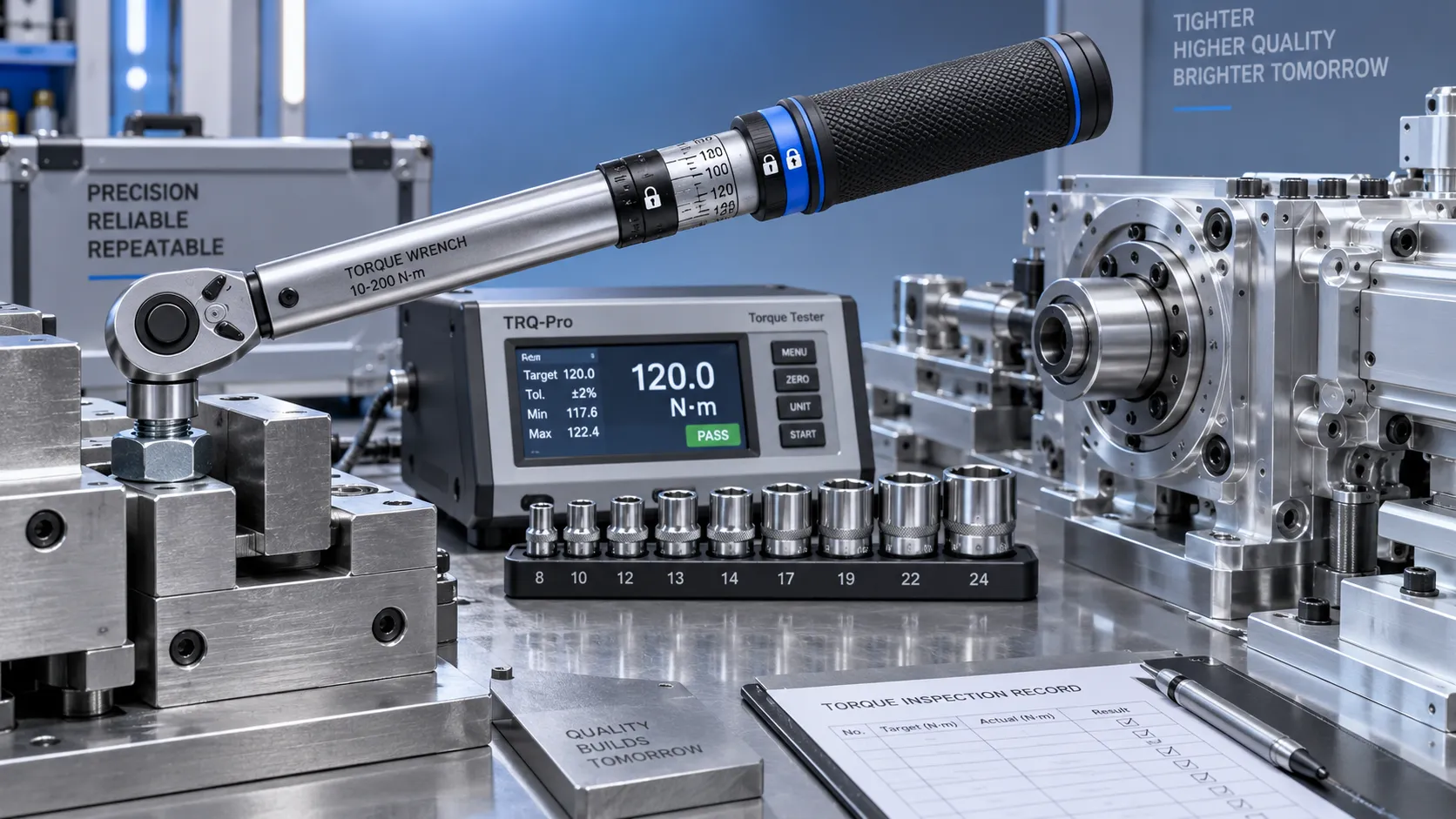
Selecting Adjustable Torque Tools for Repeatable Fastener Assembly
Adjustable torque tools: learn how to match range, accuracy, control methods, calibration, and ergonomics for repeatable, reliable fastener assembly.

How to Select Aerospace Inspection Tools for Aircraft Maintenance Tasks
Aerospace maintenance inspection tools: learn how to select reliable, traceable equipment for aircraft access, accuracy, calibration, and compliant maintenance decisions.

How to Select Wire Bonding Tools for Fine-Pitch Semiconductor Packaging
Explore semiconductor manufacturing tools for wire bonding and learn how to select precision solutions for fine-pitch packaging, reliable loops, accuracy, and yield.
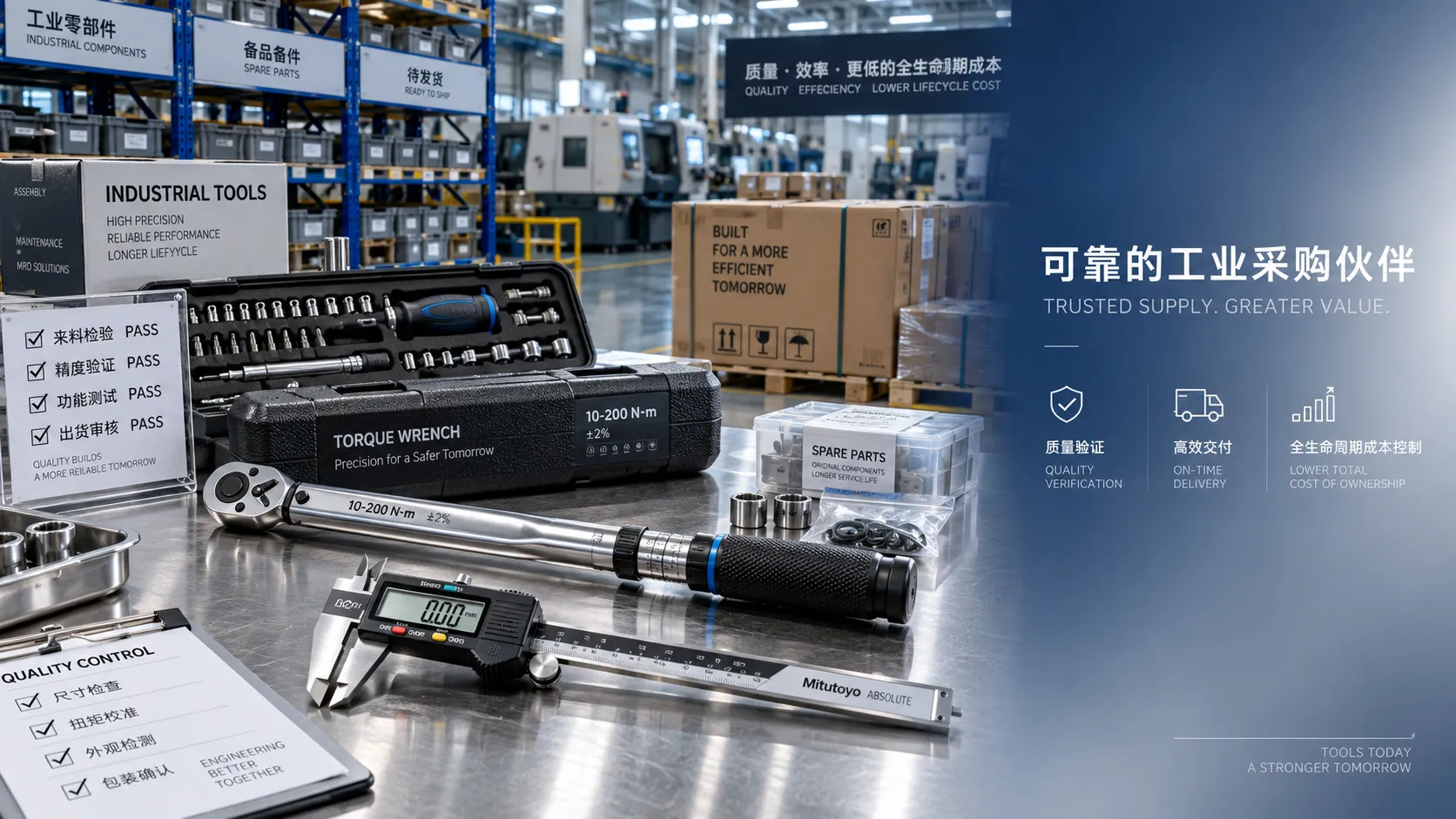
How to Compare Industrial Tool Suppliers for Quality, Lead Time, and Total Cost
Industrial tool selection supplier comparison made simple: evaluate quality, lead times, total cost, service, and supply resilience for confident sourcing decisions.
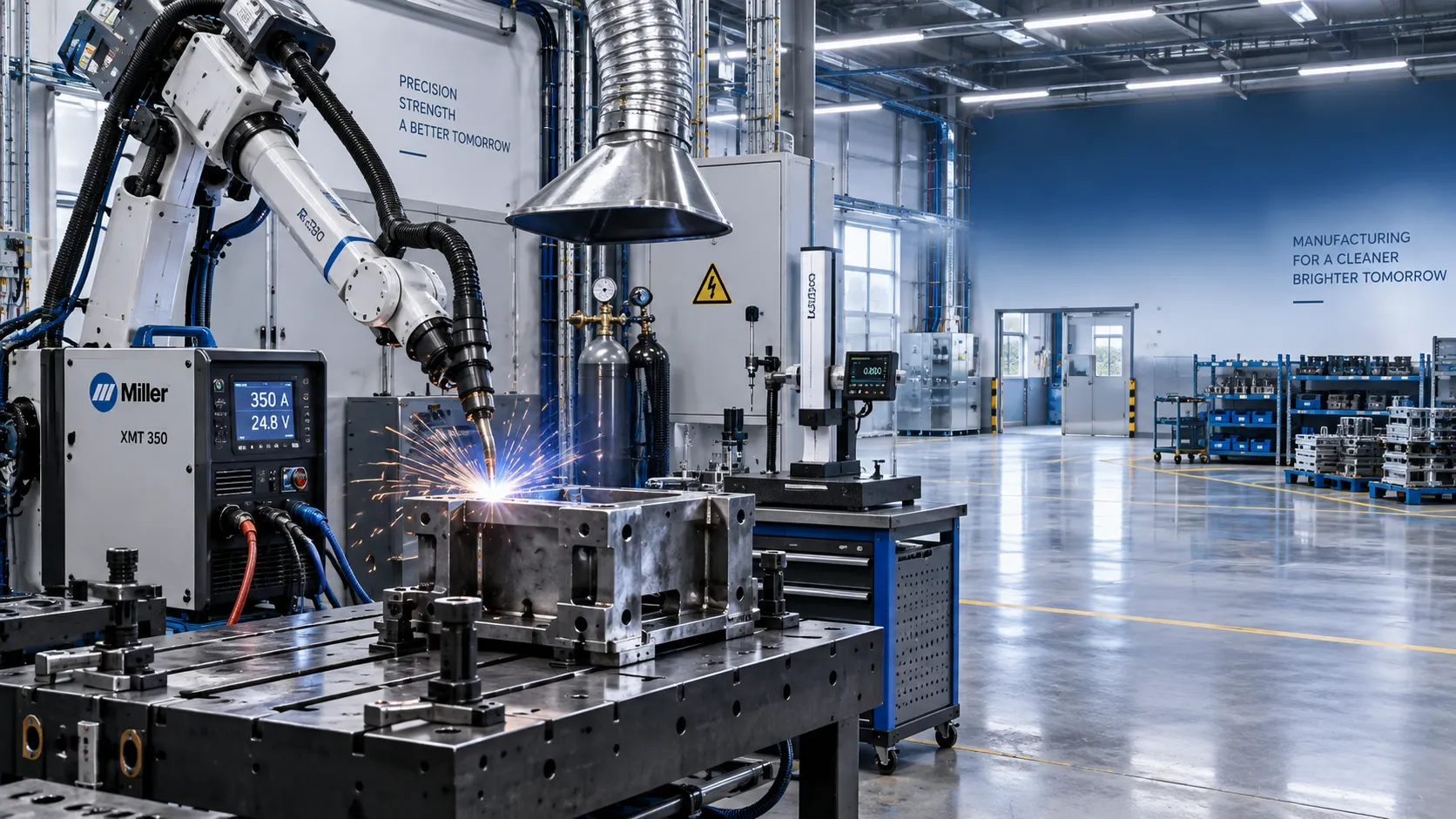
Industrial Equipment Application Guidance: Match Machines to Operating Conditions
Application guidance industrial equipment: match capacity, duty cycle, materials, site conditions, safety, and lifecycle cost to improve reliable output. Read the guide.
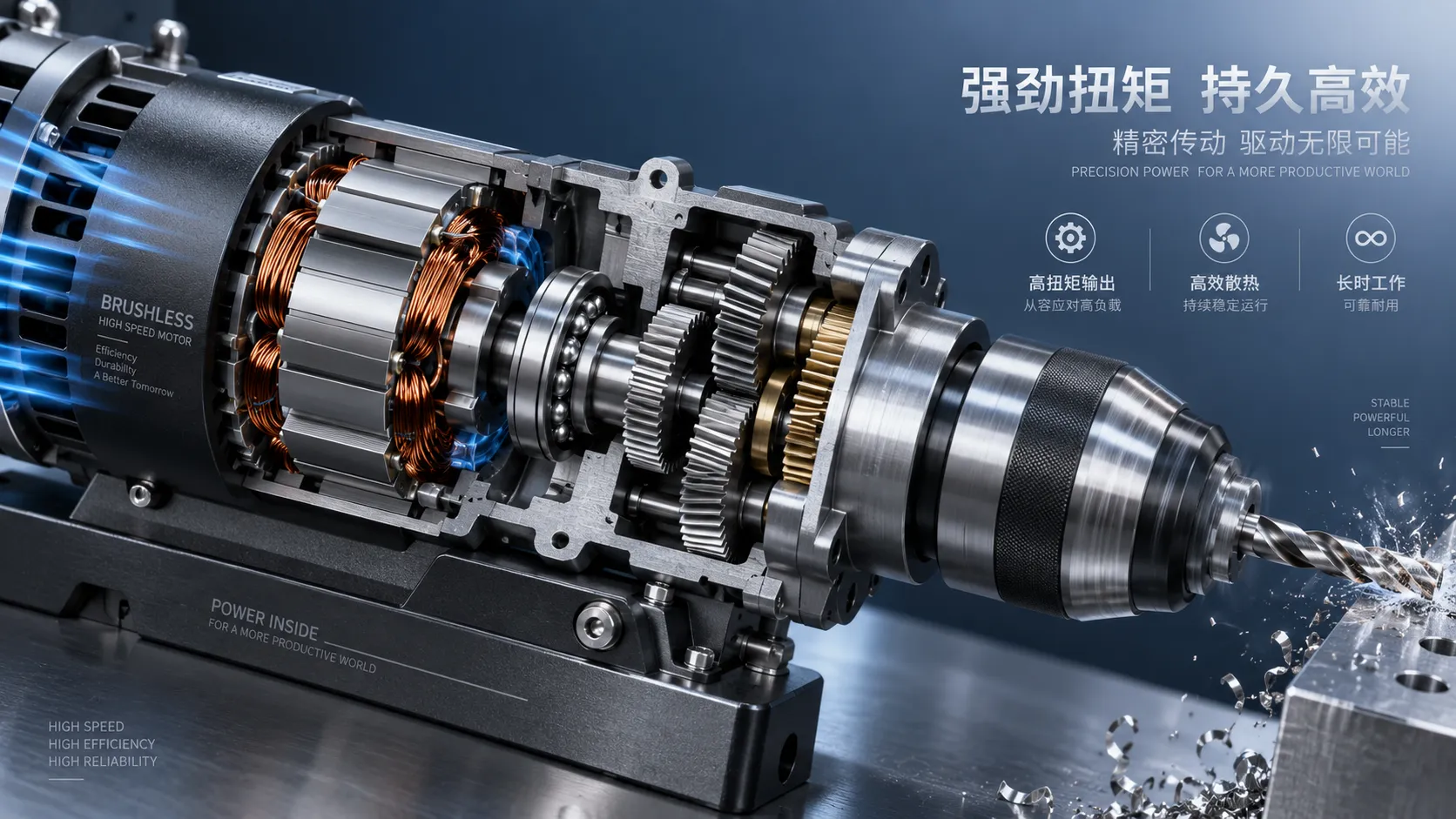
Selecting High-Speed Brushless Tool Motors for Torque, Heat, and Duty Cycle
High speed brushless tool motors: learn how to balance torque, heat, gearing, and duty cycle for reliable industrial tool performance and longer service life.
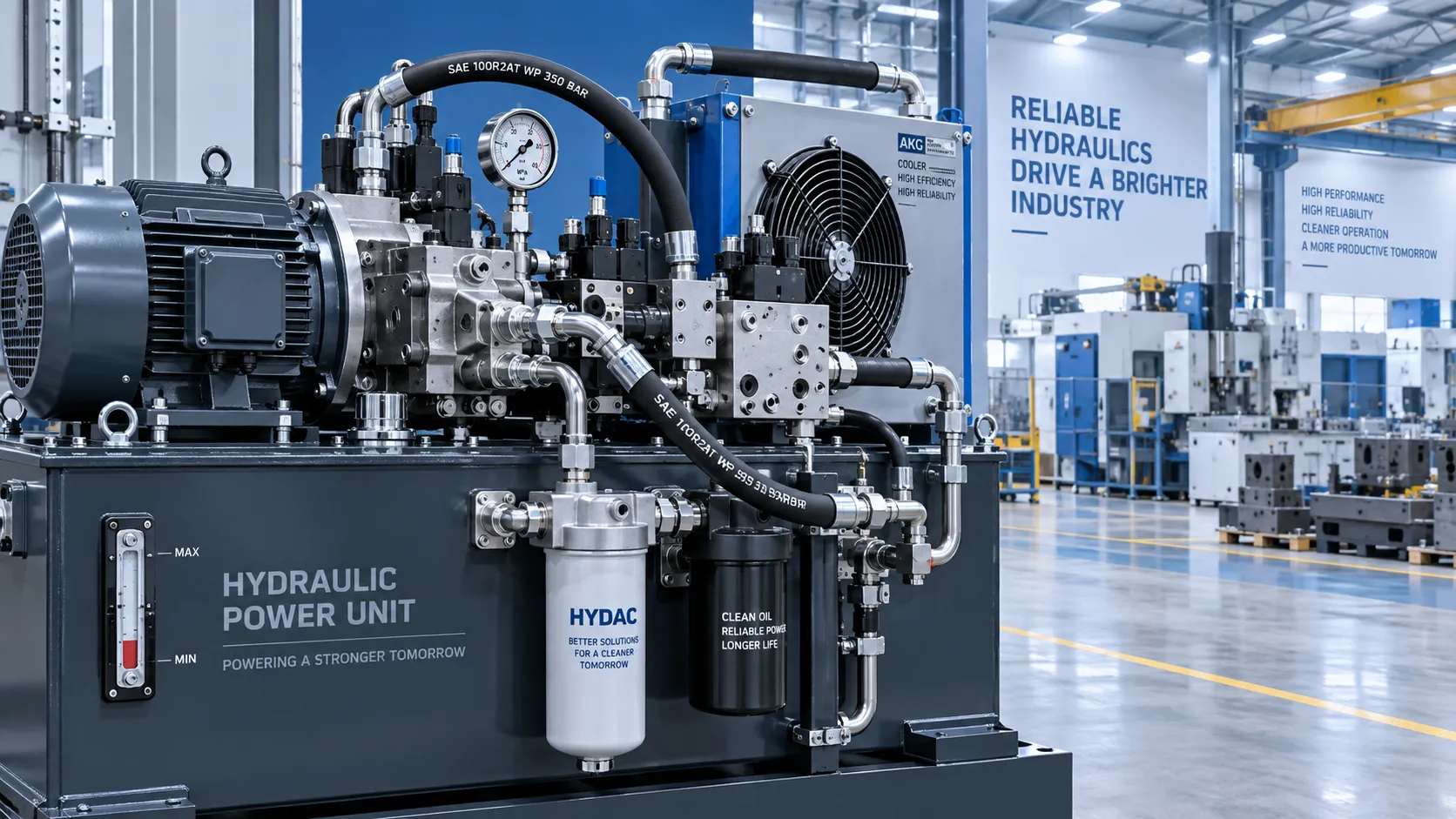
What Determines Industrial Hydraulic System Price for Heavy-Duty Equipment?
Industrial hydraulic system price depends on duty cycle, pressure, components, cooling, and integration. Compare quotes intelligently to secure reliable heavy-duty performance.

Welding Fume Extraction PPE: When Respirators Are Not Enough for Shop Safety
Welding fume extraction PPE: learn why respirators alone fall short and how source capture, ventilation, and layered controls improve shop safety.

How to Select Optical Metrology Solutions for Tight-Tolerance Manufacturing
Optical industrial metrology solutions for tight-tolerance manufacturing: evaluate accuracy, surface compatibility, workflow, and traceability to select with confidence.
Related News
- 00
0000-00
How to Select Battery Assembly Tools for Torque Control and High-Volume Production - 00
0000-00
How Battery, Torque, and Duty Cycle Affect Cordless Power Tool Efficiency - 00
0000-00
How to Size High-Torque Tool Motors for Continuous-Duty Assembly Lines - 00
0000-00
How to Choose 24V Brushless Tool Motors for Torque, Runtime, and Duty Cycle? - 00
0000-00
Automotive Repair Tools List: What Every Workshop Needs for Daily Service Jobs
Electro-Mech Tool Designer
Weekly Insights
Stay ahead with our curated technology reports delivered every Monday.