
How automotive tools choices impact repair turnaround





In aftermarket service, the right automotive tools can decide whether a repair stalls or moves quickly to delivery. Tool choices shape diagnosis speed, fastening accuracy, welding support quality, and technician flow.
When automotive tools match the repair scene, downtime drops, rework declines, and customer confidence rises. For service operations, faster turnaround is not only technical performance. It is a business advantage.
Within broader industrial service, GPTWM tracks how precision tools, metrology systems, and intelligent assembly solutions influence efficiency at the last mile. That same logic strongly applies to vehicle repair environments.
Why repair scenes demand different automotive tools decisions
Not every repair delay comes from labor shortages or parts waiting. Many delays begin with a mismatch between the job type and the available automotive tools on the workshop floor.
A brake service needs repeatable torque control. An electrical fault needs fast data capture. A body repair may need accurate measurement and controlled heat input.
Using general-purpose tools for specialized work often creates extra steps. Technicians pause, double-check, change setups, or repeat tasks. Each pause stretches repair turnaround and weakens service consistency.
The best automotive tools strategy starts with scene judgment. What kind of repair enters most often? Which jobs create bottlenecks? Which steps generate rework?
Scene 1: Fast diagnostics bays where seconds add up
High-throughput diagnostics bays depend on scan speed, data accuracy, and tool compatibility. In this scene, automotive tools must shorten the path from symptom to fault confirmation.
Slow scanners, unstable battery support units, or poor multimeter precision can force repeated testing. That turns a quick check into a queue-forming event.
Core judgment points for diagnostics-focused automotive tools
- Vehicle protocol coverage and software update frequency
- Battery stability during programming or deep scans
- Measurement repeatability for sensors, voltage, and current checks
- Data transfer speed between devices and service records
When automotive tools perform reliably in diagnostics, technicians spend less time proving the same fault. Faster confirmation means quicker authorization, better parts planning, and shorter vehicle stays.
Scene 2: Mechanical repair stations where torque and access control time
Mechanical bays often appear straightforward, yet they hide major time losses. Poor socket fit, weak cordless power, and inconsistent torque tools can slow routine jobs dramatically.
In suspension, braking, or engine accessory work, the best automotive tools reduce motion waste. They also prevent stripped fasteners, missed torque specs, and assembly errors.
What matters most in this repair scene
Access geometry matters as much as power. Compact impact tools, slim ratchets, and flexible extensions can save more time than simply choosing higher torque output.
Brushless cordless systems improve uptime by lowering maintenance and maintaining consistent output. Intelligent torque wrenches support traceability, which is increasingly valuable in quality-sensitive repairs.
In this scene, automotive tools affect turnaround through three levers: speed of removal, confidence during reassembly, and reduced risk of comeback work.
Scene 3: Collision and body repair where measurement prevents hidden delays
Body repair turnaround is strongly influenced by measurement discipline. Misalignment discovered late can restart multiple steps, including panel fit, welding correction, and finishing.
Here, automotive tools extend beyond hand tools. They include measuring systems, surface prep equipment, clamping devices, and welding support tools.
Key decision points in collision repair
- Dimensional verification before cutting or pulling
- Stable fixturing to avoid movement during repair
- Heat control for metal integrity and finish quality
- Calibration of measuring devices for repeatable fit outcomes
Precision-oriented automotive tools help teams detect distortion earlier. That shortens downstream correction work and improves the predictability of repair scheduling.
Scene 4: Hybrid and EV service where safety-rated automotive tools matter most
Hybrid and EV repair adds a different urgency. Safety procedures, insulation standards, and electronic system sensitivity can extend repair time if tools are incomplete or uncertified.
This scene requires automotive tools designed for isolation checks, insulated access, connector handling, and controlled torque on sensitive assemblies.
Without the right tool set, technicians may stop repeatedly for verification. That protects safety, but it also exposes a planning gap that slows throughput.
Why the right selection changes turnaround
Safety-rated automotive tools reduce hesitation and procedural disruption. They support compliant work sequences, cleaner documentation, and fewer handoffs between inspection and repair stages.
How automotive tools needs differ by repair scene
Practical recommendations for selecting automotive tools by scene
- Map the top five repair categories by labor hours and comeback frequency.
- Identify where technicians lose time changing tools, verifying results, or waiting for shared equipment.
- Prioritize automotive tools that remove repeat tasks before buying higher-spec general tools.
- Standardize torque, measurement, and diagnostic procedures across similar bays.
- Choose platforms with calibration support, software updates, and spare battery continuity.
- Review ergonomic fit, because fatigue slows repair speed over the full shift.
In many workshops, a smaller but better-matched automotive tools set outperforms a larger mixed inventory. Relevance, reliability, and repeatability usually drive faster turnaround than volume alone.
Common misjudgments that slow turnaround despite tool investment
One common mistake is buying for peak power instead of workflow fit. Oversized tools can be harder to position, especially in compact engine bays or underbody service points.
Another mistake is ignoring metrology. Shops may invest in removal speed but neglect measurement accuracy, which often causes the most expensive rework.
A third issue is fragmented platforms. Different chargers, battery systems, software interfaces, and calibration schedules create hidden operational friction.
Finally, some automotive tools are purchased without clear scene ownership. If no repair stage is tied to the tool, adoption stays low and turnaround does not improve.
Turning automotive tools choices into measurable repair gains
Automotive tools influence more than manual work speed. They shape diagnosis confidence, assembly quality, safety compliance, and scheduling accuracy across the service process.
The strongest results come from matching tool capability to repair scene requirements. Diagnostics need data reliability. Mechanical work needs controlled fastening and access. Body repair needs measurement precision. EV service needs safety-rated certainty.
For operations seeking better turnaround, begin with one step: review the slowest recurring repair sequence and identify which automotive tools create delay, doubt, or rework.
Then compare that sequence against current precision, fastening, measurement, and welding support capabilities. This practical audit often reveals the fastest path to shorter cycle times and stronger service margins.
GPTWM continues to observe how intelligent tools, metrology discipline, and industrial efficiency thinking reshape service performance. In vehicle repair, better automotive tools choices remain one of the clearest levers for faster, more dependable turnaround.
Related News
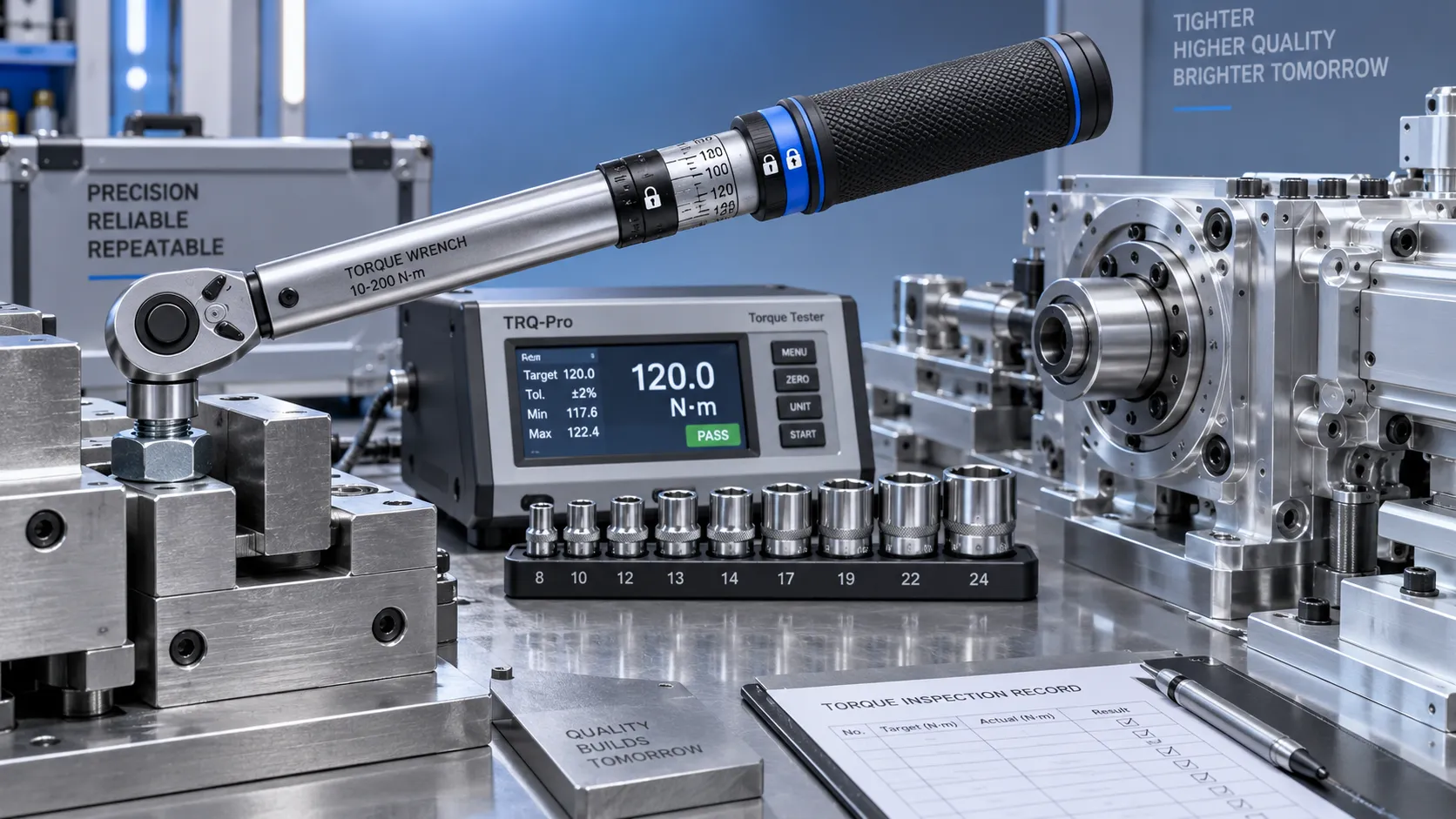
Selecting Adjustable Torque Tools for Repeatable Fastener Assembly
Adjustable torque tools: learn how to match range, accuracy, control methods, calibration, and ergonomics for repeatable, reliable fastener assembly.

How to Select Aerospace Inspection Tools for Aircraft Maintenance Tasks
Aerospace maintenance inspection tools: learn how to select reliable, traceable equipment for aircraft access, accuracy, calibration, and compliant maintenance decisions.

How to Select Wire Bonding Tools for Fine-Pitch Semiconductor Packaging
Explore semiconductor manufacturing tools for wire bonding and learn how to select precision solutions for fine-pitch packaging, reliable loops, accuracy, and yield.
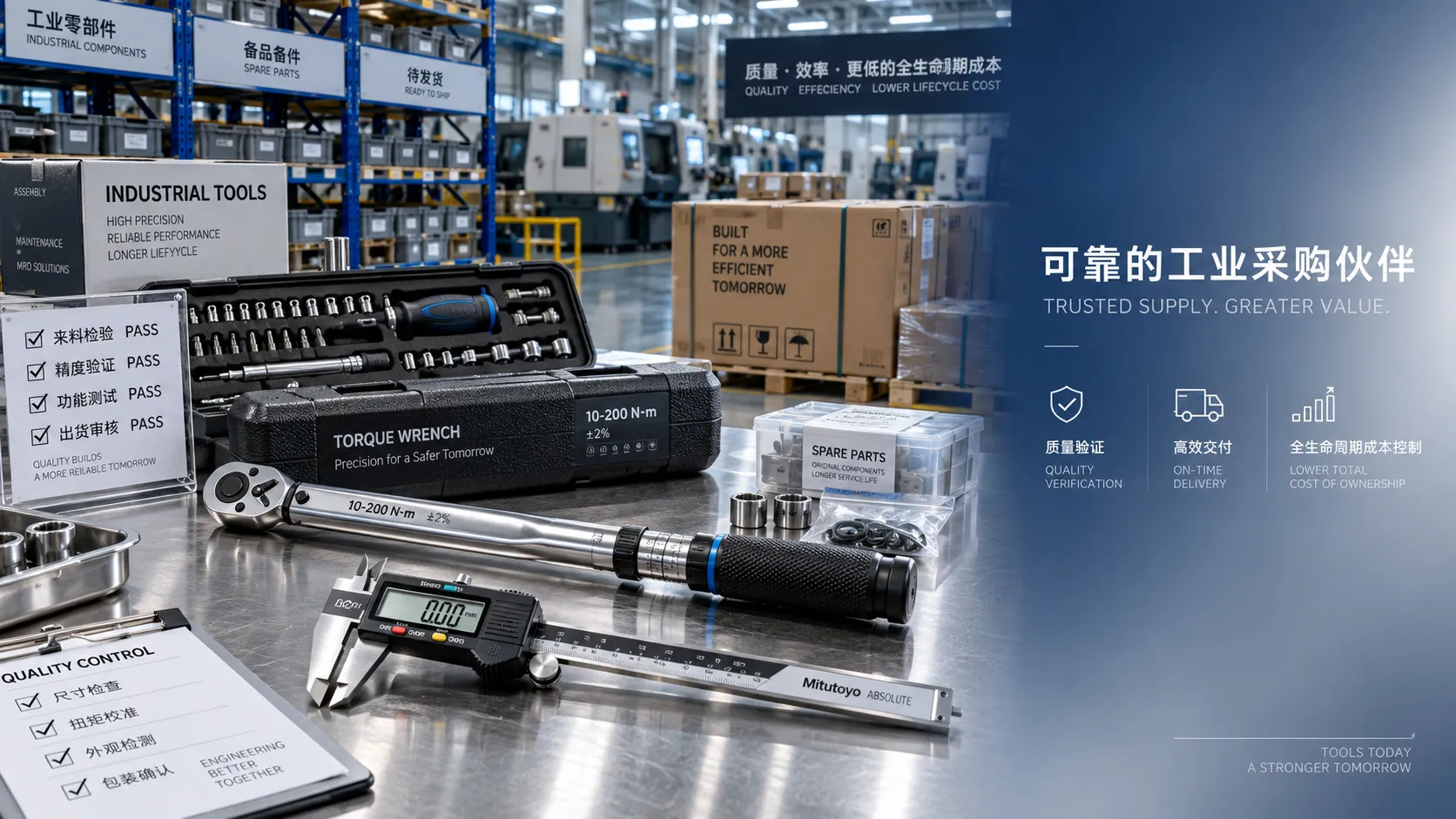
How to Compare Industrial Tool Suppliers for Quality, Lead Time, and Total Cost
Industrial tool selection supplier comparison made simple: evaluate quality, lead times, total cost, service, and supply resilience for confident sourcing decisions.
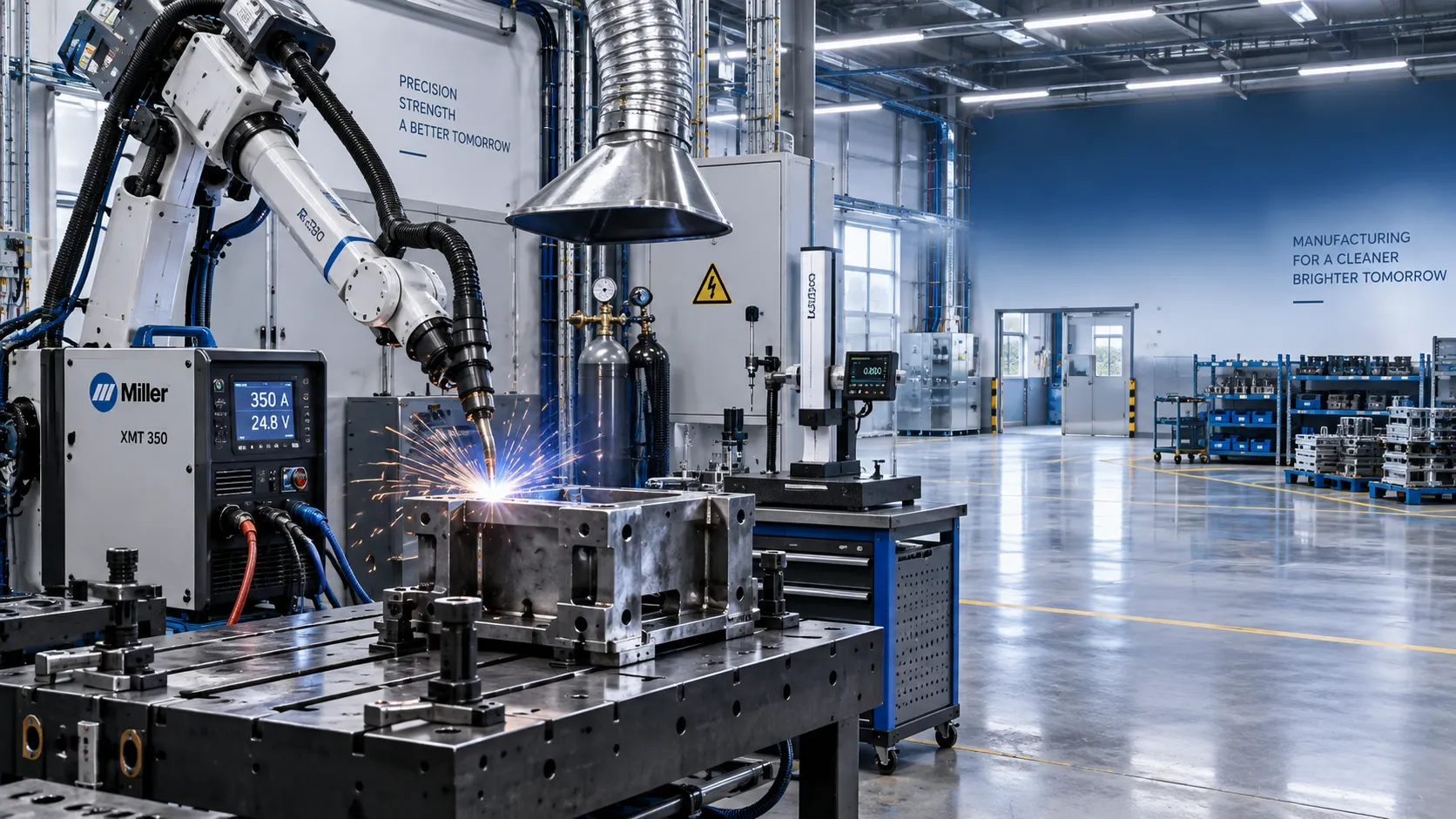
Industrial Equipment Application Guidance: Match Machines to Operating Conditions
Application guidance industrial equipment: match capacity, duty cycle, materials, site conditions, safety, and lifecycle cost to improve reliable output. Read the guide.
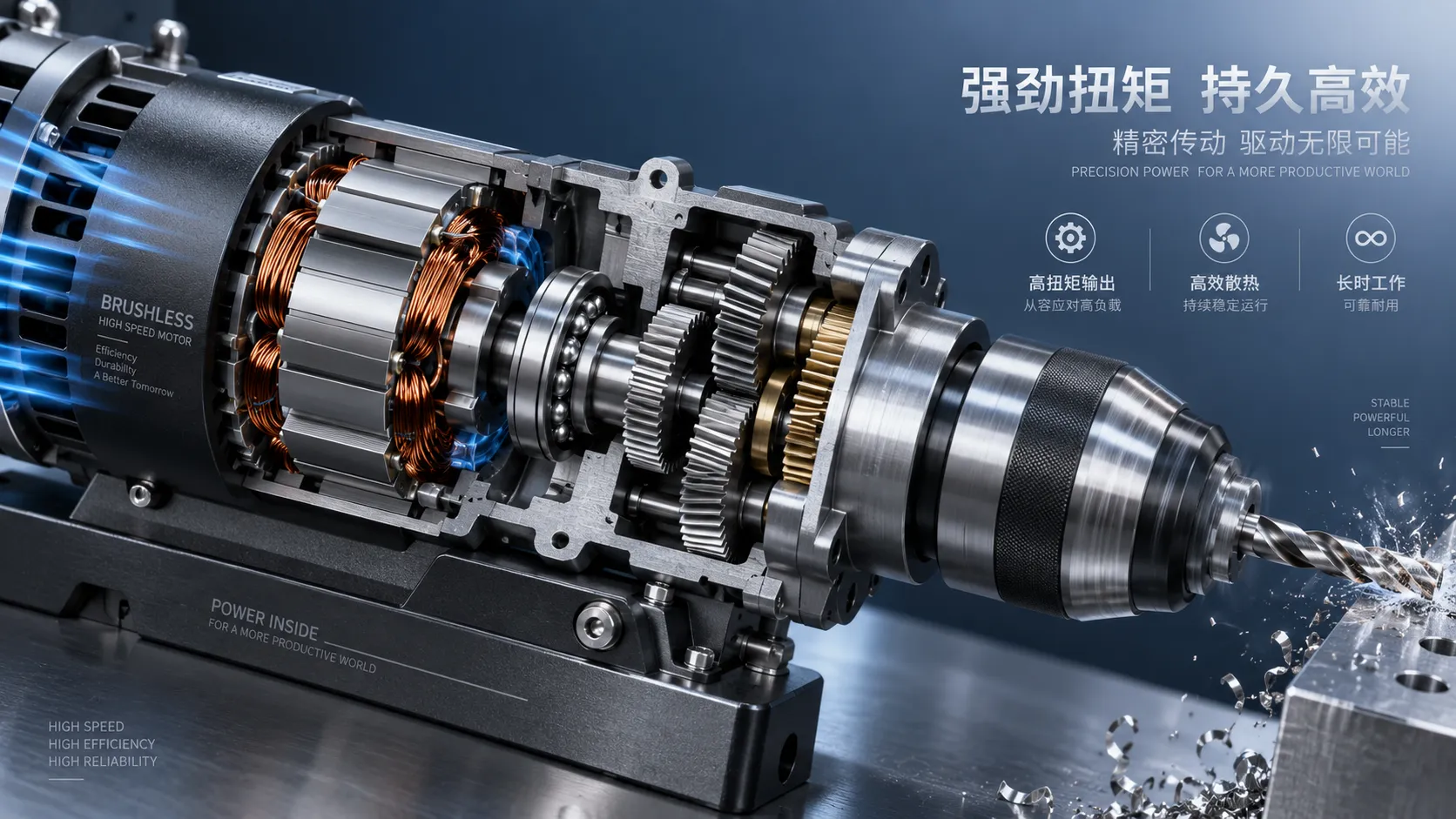
Selecting High-Speed Brushless Tool Motors for Torque, Heat, and Duty Cycle
High speed brushless tool motors: learn how to balance torque, heat, gearing, and duty cycle for reliable industrial tool performance and longer service life.
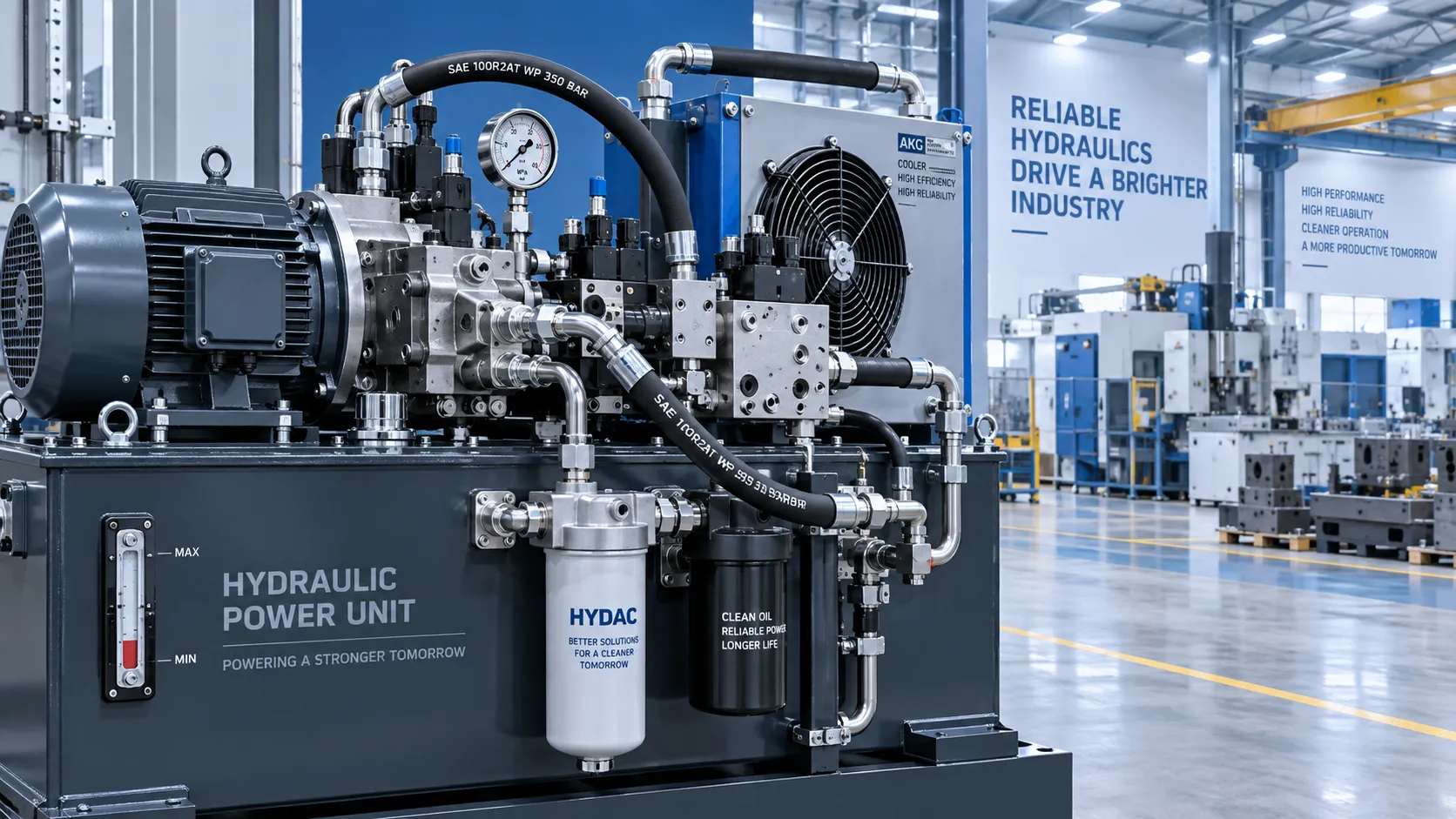
What Determines Industrial Hydraulic System Price for Heavy-Duty Equipment?
Industrial hydraulic system price depends on duty cycle, pressure, components, cooling, and integration. Compare quotes intelligently to secure reliable heavy-duty performance.
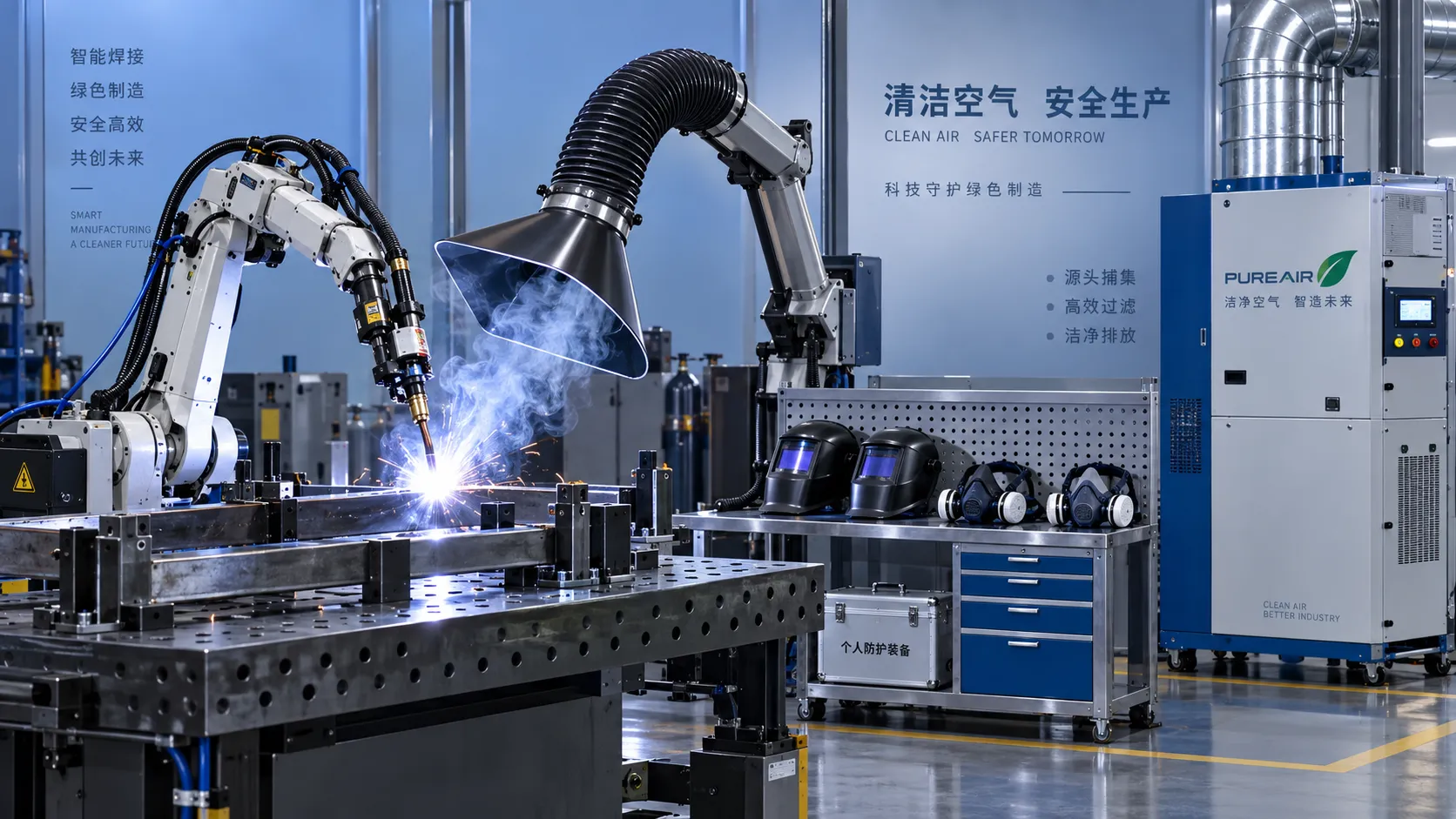
Welding Fume Extraction PPE: When Respirators Are Not Enough for Shop Safety
Welding fume extraction PPE: learn why respirators alone fall short and how source capture, ventilation, and layered controls improve shop safety.

How to Select Optical Metrology Solutions for Tight-Tolerance Manufacturing
Optical industrial metrology solutions for tight-tolerance manufacturing: evaluate accuracy, surface compatibility, workflow, and traceability to select with confidence.
Related News
- 00
0000-00
How to Select Battery Assembly Tools for Torque Control and High-Volume Production - 00
0000-00
How Battery, Torque, and Duty Cycle Affect Cordless Power Tool Efficiency - 00
0000-00
How to Size High-Torque Tool Motors for Continuous-Duty Assembly Lines - 00
0000-00
How to Choose 24V Brushless Tool Motors for Torque, Runtime, and Duty Cycle? - 00
0000-00
Automotive Repair Tools List: What Every Workshop Needs for Daily Service Jobs
Electro-Mech Tool Designer
Weekly Insights
Stay ahead with our curated technology reports delivered every Monday.