
How Battery, Torque, and Duty Cycle Affect Cordless Power Tool Efficiency





Cordless power tool efficiency is not determined by battery capacity alone. A tool with a larger amp-hour rating can deliver less useful work than a smaller pack if voltage sag, current limits, gearing, motor control, or heat accumulation prevent the system from operating near its efficient range. Conversely, a high-torque tool may complete a fastening or drilling operation faster, yet consume more energy per cycle if its torque reserve is poorly matched to the joint, bit, or material.
The useful evaluation question is not “Which battery runs longer?” It is: how much consistent, acceptable work can the complete tool system perform within its thermal, electrical, and mechanical limits? Battery chemistry, pack design, motor torque, gearbox ratio, trigger control, and duty cycle all contribute to that answer. Their interaction matters most in repetitive industrial tasks, high-load drilling, large-diameter fastening, cutting, grinding, and any operation where recovery time between cycles is limited.
Efficiency is a system outcome, not a battery label
A cordless tool converts stored chemical energy into mechanical work at the bit, blade, wheel, or fastener. Losses occur at every stage: inside battery cells, conductive connections, the battery management system, inverter electronics, motor windings, gearbox, bearings, and the working interface itself.
A simplified efficiency relationship is:
Useful mechanical work = battery energy × electrical efficiency × motor efficiency × transmission efficiency × process efficiency
Each factor changes with load and temperature. This is why headline specifications such as “20 V,” “18 V,” “5 Ah,” or a maximum torque figure are not enough to establish cordless power tool efficiency under a defined job condition.
For example, an 18 V nominal 5 Ah battery contains approximately 90 Wh of nominal stored energy:
18 V × 5 Ah = 90 Wh
That calculation is useful for comparing packs within the same nominal voltage class, but it does not mean 90 Wh is fully available at the spindle. Actual delivered energy falls when the pack operates at high current, low temperature, elevated cell temperature, or near the battery management system’s discharge cutoff. The tool may also reduce output or stop before all nominal energy is extracted in order to protect cells and electronics.
Amp-hour ratings should therefore never be compared across different voltage platforms without conversion to watt-hours. A 5 Ah pack at one voltage does not contain the same energy as a 5 Ah pack at another voltage. Even watt-hour comparison remains incomplete unless the pack’s current-delivery capability and the tool’s actual operating profile are known.
Battery chemistry affects both energy storage and power delivery
Most professional cordless platforms use lithium-ion cells, but lithium-ion is not a single performance category. Cell chemistry, electrode formulation, cell format, internal resistance, thermal design, and battery management calibration influence how a pack behaves under load.
The practical distinction is between energy capability and power capability. Energy capability determines how long a pack can sustain work. Power capability determines whether it can supply current without excessive voltage drop, heat generation, or protective shutdown.
High-demand tools can expose this difference quickly. When current rises, resistive loss rises approximately with the square of current:
Power loss = I²R
where I is current and R is resistance in the cells, interconnects, terminals, and electronic components. Doubling current does not merely double resistive heating; it increases that portion of the loss fourfold. This explains why a battery may appear adequate in intermittent light fastening but struggle during large-hole drilling, heavy grinding, or repetitive driving into dense materials.
Voltage sag is the related operational effect. Under high load, pack voltage falls because of internal resistance and electrochemical behavior. The motor controller then has less voltage available to maintain speed and torque. Depending on the design, the tool may draw more current to compensate, reduce speed, pulse output, or shut down when the battery management system reaches its undervoltage, overcurrent, or temperature threshold.
A battery platform built around high-energy cells may provide attractive runtime in lower-current applications. A platform using cells optimized for higher discharge rates may sustain demanding loads more effectively, even if the nominal amp-hour figure appears less impressive. Neither approach is universally superior. The correct choice depends on whether the work profile is dominated by long, moderate loads or short, high-current events.
Temperature changes this comparison. Cold cells have higher internal resistance and lower available power. At elevated temperatures, a battery may initially deliver output but accumulate heat faster, increasing aging stress and causing electronic protection to intervene sooner. Battery runtime measured at room temperature after a long rest interval is therefore not a reliable proxy for output stability in a hot production area or outdoor winter work.
Torque is useful only when considered with speed, gearing, and control
Torque ratings are often treated as a direct measure of tool strength. They are not. Torque is rotational force, but mechanical power depends on both torque and rotational speed:
Mechanical power = torque × angular speed
A tool can produce high torque at very low speed and still perform limited work per unit time. It can also maintain high speed under a moderate load and remove material or drive fasteners more efficiently. The operating requirement determines which condition matters.
In a drill/driver, the gearbox trades speed for torque. Low gear increases torque at the chuck while reducing rotational speed. High gear does the reverse. Selecting low gear for an application that does not require it can increase completion time and raise heat in the motor, gearbox, and battery. Selecting high gear for a load that repeatedly stalls the motor is worse: stall or near-stall current is high, airflow through the tool may be limited, and little useful work is being completed.
The most damaging efficiency zone is often prolonged near-stall operation. At or near zero speed, the motor produces torque but delivers almost no mechanical output because angular speed is minimal. Electrical input, however, can remain substantial. Heat then accumulates rapidly in the windings, switching electronics, battery, and connections. Repeated stall events also place stress on chucks, clutches, gears, and fastener interfaces.
Brushless motors generally improve the opportunity for efficient operation because electronic commutation can adjust current delivery and timing more precisely than a brushed system. They also eliminate brush friction and brush wear. But “brushless” is not a complete efficiency result. Controller quality, motor geometry, cooling path, gearing, firmware limits, and battery-pack compatibility still determine how well the tool performs across its load range.
Torque-control modes deserve separate scrutiny. A fastening tool may advertise a high peak torque, but the relevant production variable can be torque repeatability at the joint, seating behavior, shutoff response, or angle control after snug torque. Peak mechanical torque does not establish fastening quality. For critical joints, a controlled tool and a validated torque strategy are more important than maximum available torque.
Duty cycle determines whether rated output is sustainable
Duty cycle describes the relationship between active running time and the total cycle period, including rest, repositioning, loading, and other non-powered intervals. It is one of the most important variables in real-world cordless tool evaluation because it governs thermal accumulation.
A tool used for a few seconds followed by a long pause may operate comfortably even at high peak current. The same tool used in repeated 15-second drilling cycles with only brief pauses can reach thermal limits despite an identical battery and identical individual hole. The difference is not simply runtime; it is the system’s ability to shed heat between load events.
Heat enters the system from several sources:
- cell internal resistance and high-current discharge;
- contact resistance at battery terminals and internal connections;
- motor copper loss and magnetic loss;
- switching losses in the controller;
- gear friction and bearing losses;
- friction at the cutting, grinding, or fastening interface.
Cooling is constrained by housing design, airflow, ambient temperature, dust loading, tool orientation, and the time available between cycles. A compact tool may be highly effective for short access-limited tasks but have less thermal mass and cooling area than a larger tool designed for continuous heavy work. This is not a defect; it is a design trade-off that should be evaluated against the intended duty profile.
Duty cycle also affects perceived battery performance. If one operator performs intermittent fastening and another performs sustained self-feed drilling, their battery runtime observations may differ sharply even with the same tool and pack. Treating these observations as direct product comparisons without recording work duration, material, bit condition, pack temperature, and rest intervals produces misleading conclusions.
Load matching has a greater effect than nominal voltage alone
Higher nominal voltage can reduce current for a given power demand, which can lower I²R losses in the electrical path. That is a genuine system advantage when the tool is designed around it. However, voltage alone does not guarantee better efficiency. A higher-voltage platform may also support a more powerful motor and more aggressive output profile, increasing total energy consumption when used for the same task.
The useful comparison is task-specific. For a defined fastening, drilling, or cutting operation, measure:
- time to complete acceptable work;
- number of completed cycles per charge;
- speed or torque consistency through battery discharge;
- tool and battery temperature at defined intervals;
- incidence of electronic protection, slowdown, or stall;
- quality of the completed joint, hole, cut, or surface.
These measurements reveal whether additional voltage, torque, or capacity produces useful work or merely increases unused performance reserve. For instance, a high-output impact wrench may be inefficient for repetitive light fasteners if its mass, trigger response, and peak impulse behavior make overdriving likely. A compact driver may be inefficient for structural fasteners if it spends much of the cycle near its current limit. The efficient tool is the one that completes the specified task with adequate margin, without chronic overcapacity or overload.
Battery capacity changes runtime, but pack construction changes usable runtime
A larger battery pack commonly improves runtime because it contains more cells and more stored energy. It may also improve high-load performance because parallel cell groups can share current, reducing current per cell and internal heating. Yet a larger pack adds mass, changes tool balance, and can increase operator fatigue or reduce access in confined work.
For some applications, two medium packs used in rotation are more effective than one large pack. This arrangement can maintain continuity while allowing packs to cool before recharge. It also avoids treating charging speed as the only productivity variable. Rapid charging is useful, but charging a pack while it remains hot can affect the charging system’s behavior and may delay charge acceptance until the pack temperature is within its permitted range.
Battery age matters as well. As internal resistance rises over service life, a pack may retain enough apparent capacity for light tasks while delivering poorer performance under high-current demand. A simple run-time check can miss this degradation. Load-based testing is more revealing because it exposes voltage sag, reduced speed retention, and early protection cutoff.
Test methods must define the work, not just the tool setting
Claims about cordless power tool efficiency are only comparable when the test protocol is controlled. “Holes per charge” or “fasteners per charge” can be meaningful, but only when the material, hole diameter, hole depth, bit type, bit condition, feed force, target depth, battery condition, ambient temperature, and acceptance criteria are stated.
Drilling illustrates the problem clearly. A sharp bit and appropriate feed rate reduce cutting energy and completion time. A worn bit raises torque demand, increases heat at the cutting edge, and can cause an evaluator to attribute poor productivity to the battery or motor. Grinding and cutting have similar dependencies on accessory type, abrasive condition, applied pressure, and material section.
Battery state of charge and initial temperature must also be controlled. Comparing one pack at room temperature with another immediately after charging or after sustained discharge does not isolate the tool’s electrical performance. If the objective is platform comparison, use packs with comparable service condition and follow the manufacturer’s specified charging and operating requirements.
Safety standards such as the IEC 62841 series address requirements for motor-operated electric hand-held tools, transportable tools, and lawn and garden machinery, including relevant tool safety principles. They should not be interpreted as a universal runtime or productivity test protocol. A technical evaluation should distinguish safety conformity from performance equivalence; both matter, but they answer different questions.
What to look for in a defensible technical comparison
A credible evaluation combines energy, output, and thermal behavior rather than ranking tools by a single catalog value. Start with the actual work cycle and identify the limiting condition: peak torque, sustained power, access, joint quality, temperature, or required throughput. Then test the tool in the gear, mode, and accessory configuration that the task genuinely requires.
Record battery watt-hours, not amp-hours alone. Record work completed per pack, but also energy consumed per acceptable completed operation where measurement is available. Observe whether performance changes at low state of charge, after repeated cycles, or when packs become warm. A tool that completes the first few cycles quickly but derates after thermal buildup may be suitable for intermittent maintenance and unsuitable for sustained assembly.
The same discipline applies to torque. Evaluate torque at the application, not as an isolated peak figure. Fastener seating, clutch behavior, bit slip, reaction force, and repeatability can matter more than maximum torque. For drilling and cutting, assess speed retention and completion quality under realistic load rather than unloaded speed.
Battery, torque, and duty cycle should be treated as a coupled operating envelope. Battery design determines how much current can be delivered efficiently; motor and gearbox design determine how that electrical input becomes torque and speed; duty cycle determines whether the resulting heat can be managed. When those three elements are aligned with the work, cordless power tool efficiency becomes measurable in consistent output, stable thermal behavior, and usable lifecycle performance—not simply in the largest number printed on a battery pack.
Related News
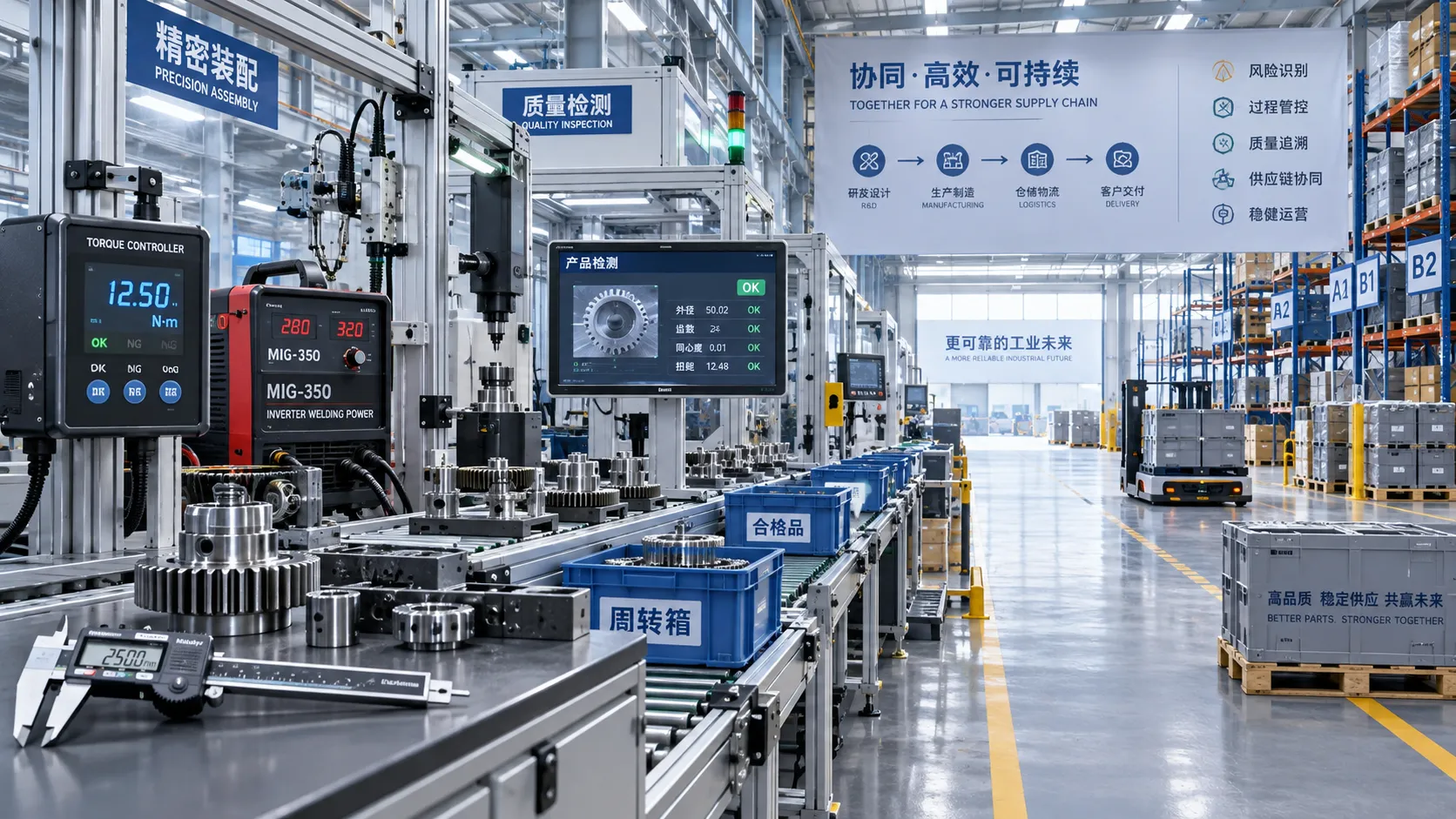
How Procurement Teams Can Map the Industrial Value Chain to Reduce Supply Risk
Industrial value chain procurement helps teams map hidden dependencies, qualify resilient sources, and reduce supply risk before disruptions stop production.

How Specification-Driven Articles Improve Precision Measurement System Selection
Specification-oriented articles precision measurement guidance helps teams compare accuracy, repeatability, environment, and data needs to select reliable systems with confidence.

How to Evaluate a Technology Integration Service Provider for Complex Projects
Technology integration service provider selection guide: evaluate interface ownership, delivery discipline, scalable architecture, and risk control for complex projects.

Product Comparison Resources for Component Compatibility and Lifecycle Risk
Product comparison resources for components: evaluate compatibility, interfaces, service support, and lifecycle risk to reduce downtime, avoid redesigns, and make confident sourcing decisions.
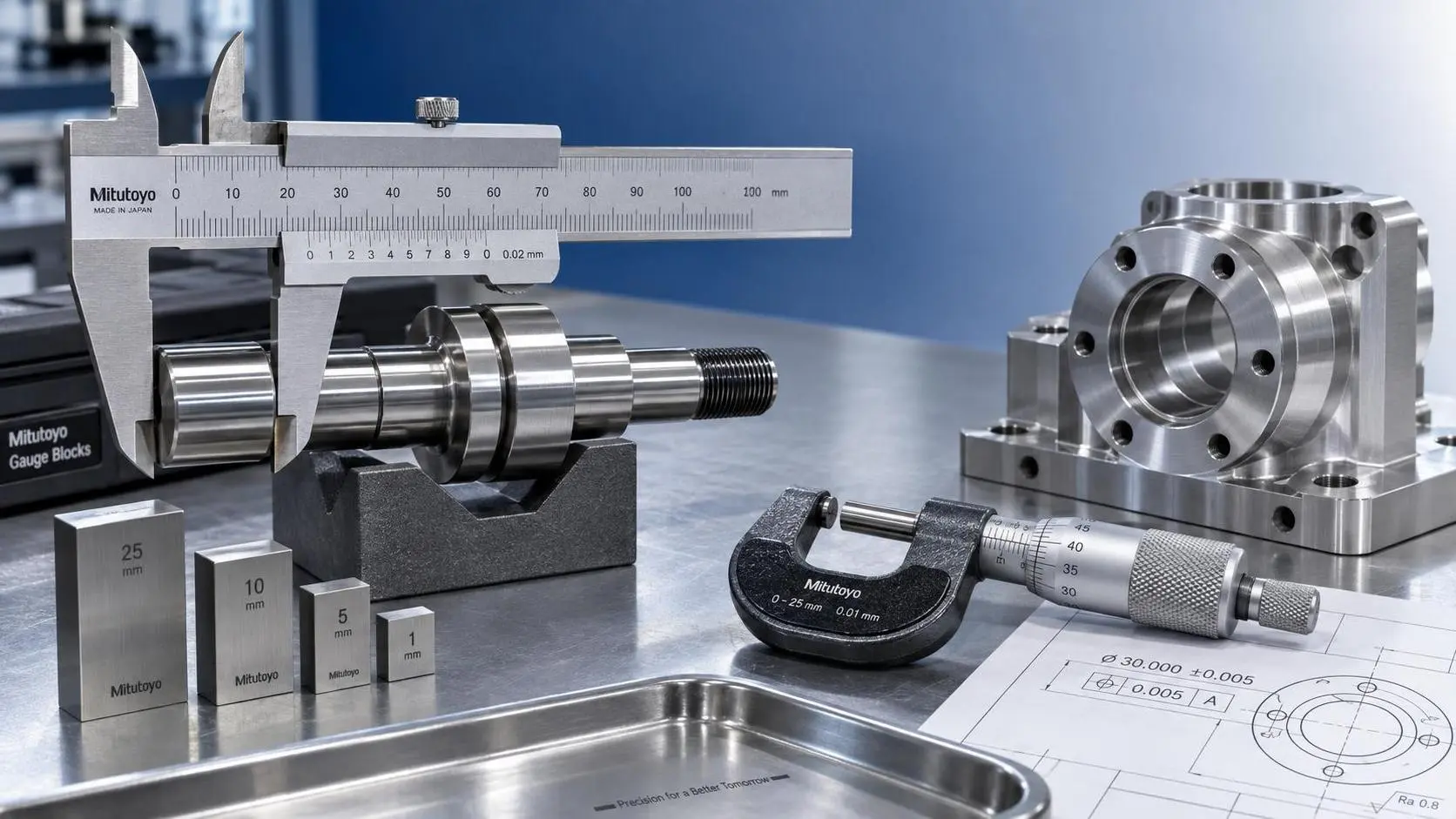
How to Select Vernier Precision Calipers for Tight-Tolerance Machining Inspection
Vernier precision calipers for tight-tolerance machining: learn how to select the right range, jaw design, accuracy, and verification process for reliable inspection.
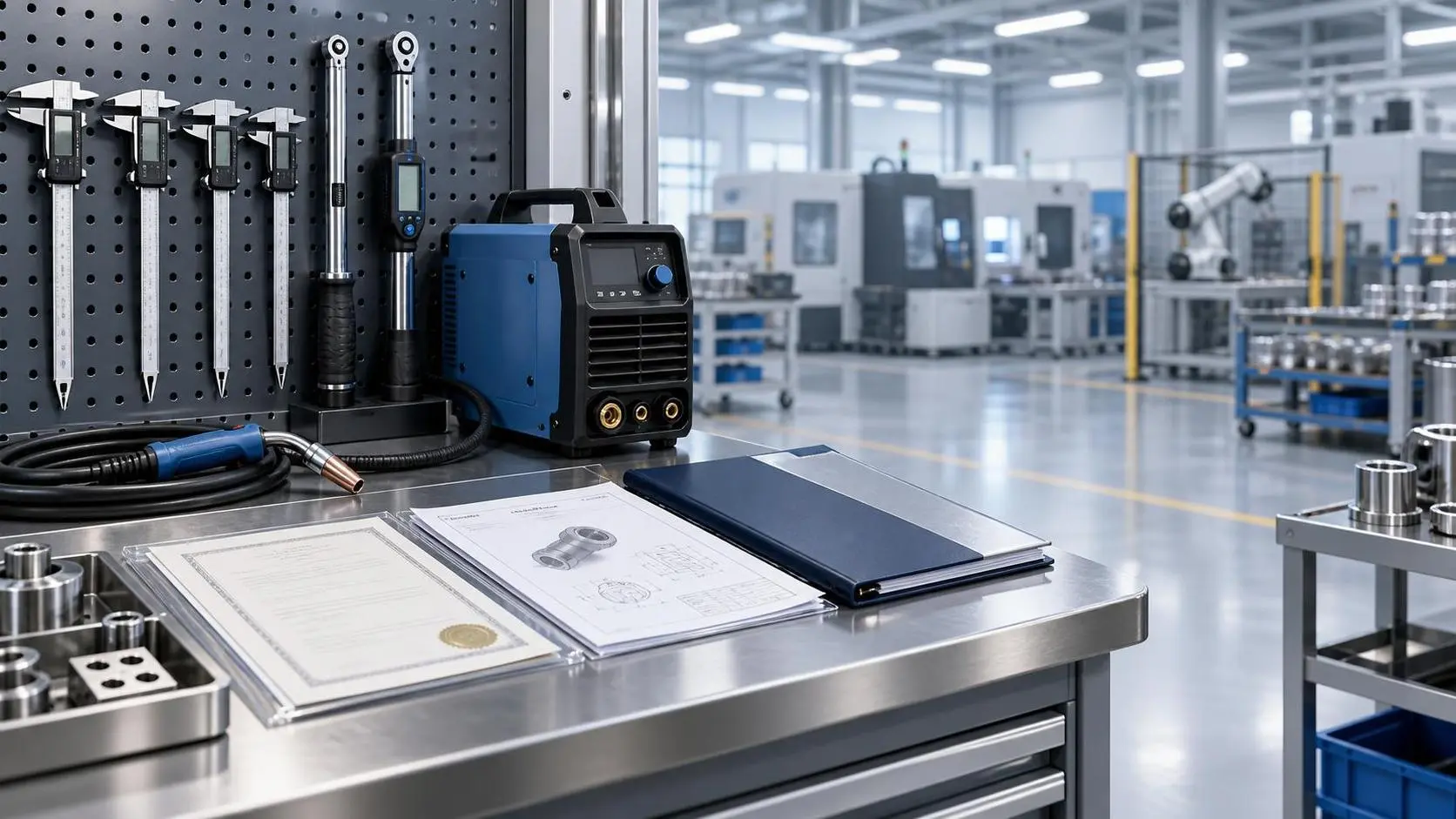
Product Comparison Resources in Europe: How Buyers Can Verify Specs and Suppliers
Product comparison resources Europe: learn how to verify industrial specs, compliance claims, supplier credibility, and delivery risk for smarter purchasing decisions.

How to Evaluate an Industrial Metrology Solution Manufacturer for Production Use
Industrial metrology solution manufacturer evaluation guide for production: compare accuracy, traceability, automation, software, service, and acceptance testing to reduce risk.

Which ISO Standards Matter Most for Precision Engineering Quality Control?
Precision engineering ISO standards explained: discover how ISO 9001, ISO/IEC 17025, ISO 10012, GPS, and ISO 3834 strengthen quality control, traceability, and compliance.
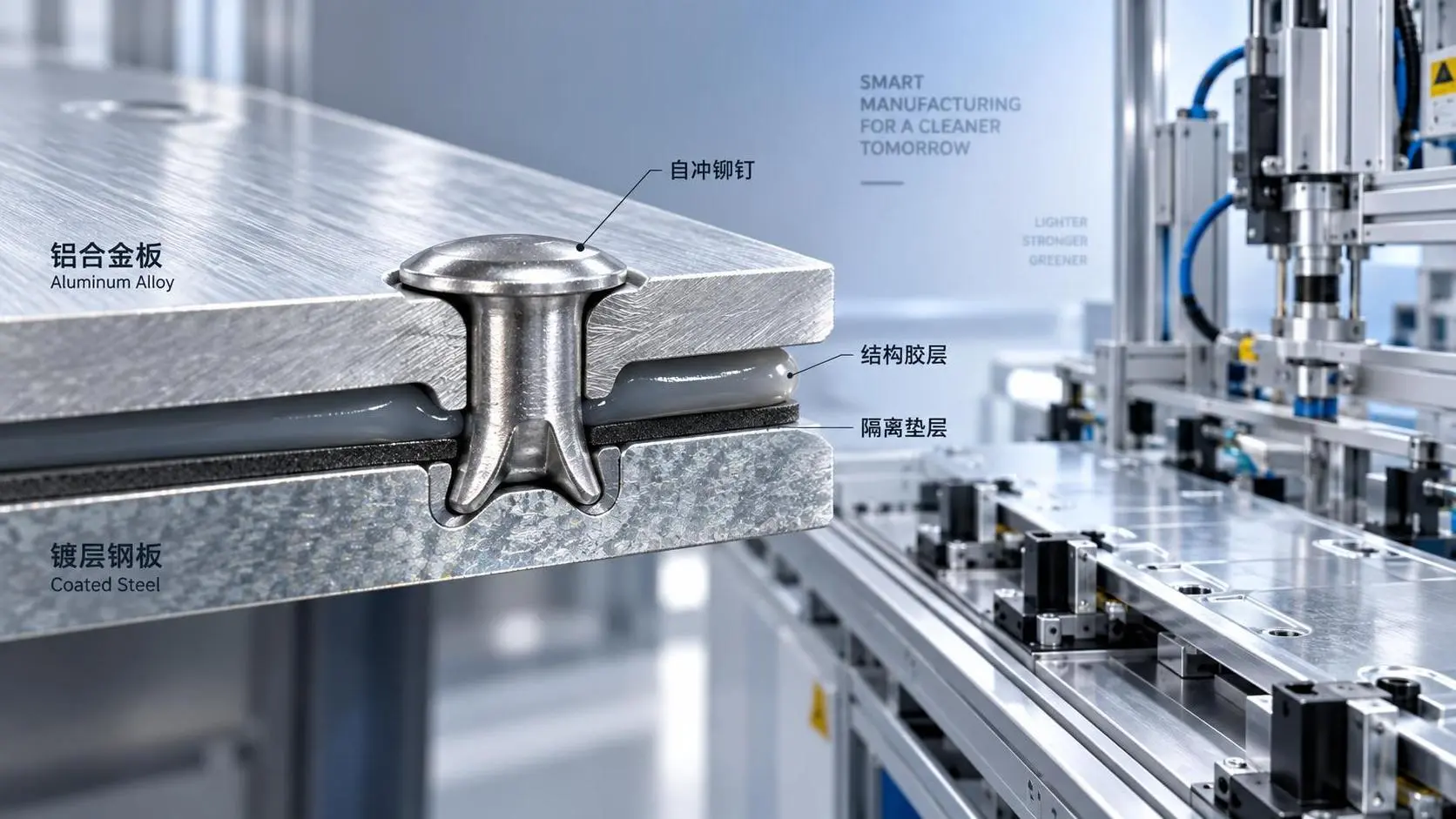
Selecting Metal Joining Methods for Aluminum-to-Steel Assemblies
Metal joining solutions for dissimilar metals: compare aluminum-to-steel fastening, bonding, hybrid, and thermal methods for corrosion-resistant, reliable assemblies.
Related News
- 00
0000-00
How Battery, Torque, and Duty Cycle Affect Cordless Power Tool Efficiency - 00
0000-00
How to Size High-Torque Tool Motors for Continuous-Duty Assembly Lines - 00
0000-00
How to Choose 24V Brushless Tool Motors for Torque, Runtime, and Duty Cycle? - 00
0000-00
Automotive Repair Tools List: What Every Workshop Needs for Daily Service Jobs - 00
0000-00
36V Brushless Tool Motors Selection Guide: Torque, Efficiency, Thermal Limits, and Duty Cycle
Electro-Mech Tool Designer
Weekly Insights
Stay ahead with our curated technology reports delivered every Monday.