
Construction Maintenance Tools: Which Types Fit Inspection, Repair, and Facility Upkeep?





Why tool choice matters in construction maintenance
Construction maintenance tools sit at the center of inspection quality, repair speed, and long-term facility reliability.
In daily service work, a wrong tool does more than slow a task. It can distort measurements, damage fasteners, extend downtime, or create safety exposure.
That is why tool selection has become a practical management issue, not only a purchasing decision.
Across construction sites, plants, transport hubs, and commercial buildings, maintenance work now spans older mechanical systems and newer connected equipment.
This mixed environment raises the value of construction maintenance tools that are accurate, durable, portable, and easy to standardize across teams.
For organizations following industrial intelligence sources such as GPTWM, the message is clear.
Tool performance is increasingly linked to metrology, welding safety, brushless power efficiency, and better torque control in the last mile of field execution.
What construction maintenance tools really include
The term covers more than hand tools carried for general repairs.
In practice, construction maintenance tools include devices used to inspect, diagnose, fasten, cut, join, lift, seal, and verify operating conditions.
A useful way to read the category is by task function rather than by product shelf.
Inspection tools confirm condition.
Repair tools restore performance.
Facility upkeep tools support repetitive preventive work across structures, utilities, and installed equipment.
That distinction matters because a tool that works well for emergency repair may not be ideal for recurring upkeep routes.
Core families commonly used
Inspection work depends on measurement discipline
Inspection is often the first moment where construction maintenance tools either prevent failure or allow it to grow unnoticed.
Basic visual checks still matter, but current maintenance routines increasingly require measurable evidence.
Calipers, micrometers, laser distance meters, levels, borescopes, thermal imagers, and torque testers each support a different layer of judgment.
For structural connections, dimensional accuracy and fastening integrity usually deserve the most attention.
For utilities and rotating equipment, temperature shifts, vibration patterns, and electrical imbalance may reveal earlier warning signs.
GPTWM frequently emphasizes precision metrology because small deviations in field readings can cascade into poor repair decisions.
A maintenance toolkit that lacks reliable measuring instruments is incomplete, even when it contains strong power tools.
Where inspection tools create value
- Verifying anchor alignment before re-tightening or replacement
- Checking surface temperature around motors, drives, and panels
- Confirming weld condition in hard-to-see joints and enclosed frames
- Tracking wear on moving interfaces before failure becomes visible
Repair tasks need different tool logic
Repair work puts more pressure on power, access, and repeatability.
A team may move from diagnosis to disassembly, replacement, rejoining, and final verification within one service window.
That sequence explains why repair-focused construction maintenance tools should be selected as a coordinated set.
Cordless fastening systems are useful where mobility matters and outlets are unreliable.
Hydraulic pullers and cutters make sense where seized components or high-force tasks exceed manual capability.
Portable welding equipment remains important for brackets, frames, guards, and metal repairs that cannot wait for workshop transfer.
Recent industry attention to handheld laser welding safety also shows how repair choices now involve operator protection and process discipline, not only speed.
Choosing by repair condition
When access is tight, compact heads, low kickback, and controlled torque matter more than peak output.
When materials vary, joining tools must match base metal, thickness, and thermal sensitivity.
When repair history is frequent, investing in data-capable tools starts to pay back through traceability.
Facility upkeep is about consistency, not drama
Routine upkeep rarely looks urgent, yet it drives a large share of reliability outcomes.
This is where construction maintenance tools should be light enough for repeated use and consistent enough for standard operating procedures.
Lubrication support tools, sealant applicators, compact inspection meters, torque-controlled drivers, and leak detection devices all fit this layer.
The goal is not maximum capability on paper.
The goal is dependable execution across many small tasks, often performed in dispersed facilities and changing site conditions.
Brushless motor tools deserve attention here because lower maintenance, better battery efficiency, and reduced heat build-up help during repetitive daily cycles.
Useful upkeep categories
- Fastening verification on doors, panels, rails, and mounted equipment
- Leak, pressure, and flow checks in utility systems
- Minor metal joining or patch repairs before defects spread
- Condition logging for trend-based maintenance planning
What the market is watching now
Several signals are reshaping how construction maintenance tools are evaluated.
First, precision is becoming harder to separate from productivity.
A faster tool that produces inconsistent torque or questionable readings may increase rework rather than reduce downtime.
Second, data capture is moving into field tools.
IoT-based torque control, digital measurement records, and connected diagnostic devices improve accountability across distributed service operations.
Third, raw material volatility and export restrictions affect availability, pricing, and replacement cycles.
That is one reason intelligence platforms such as GPTWM matter beyond market news.
They help connect procurement timing, tool technology shifts, and maintenance execution standards.
How to judge tool fit before expanding a toolkit
Not every maintenance environment needs the same mix of construction maintenance tools.
Selection improves when it starts from failure modes, access limits, and documentation needs.
A broad catalog is less useful than a smaller toolkit matched to actual service patterns.
Key evaluation points
- Accuracy requirements for inspection and final verification
- Duty cycle under real repair and upkeep conditions
- Compatibility with existing fasteners, materials, and site power sources
- Safety controls for heat, force, vibration, and confined access
- Data logging or traceability where compliance matters
- Calibration, spare parts, and lifecycle support availability
Usually, the most cost-effective upgrade is not the most advanced device.
It is the tool that removes repeat errors, shortens routine tasks, and holds accuracy under field stress.
A practical way forward
Construction maintenance tools deliver the best value when inspection, repair, and facility upkeep are treated as one connected workflow.
That means pairing measurement discipline with controlled fastening, suitable joining methods, and dependable hydraulic or diagnostic support.
It also means reviewing tool choices against actual service records rather than habit.
A sensible next step is to map recurring maintenance tasks, identify where errors or delays happen, and compare those points with current tool capability.
From there, calibration needs, connected features, safety requirements, and upgrade priorities become easier to judge.
In a market shaped by precision, mobility, and smarter field intelligence, better tool fit is often the fastest route to steadier maintenance performance.
Related News
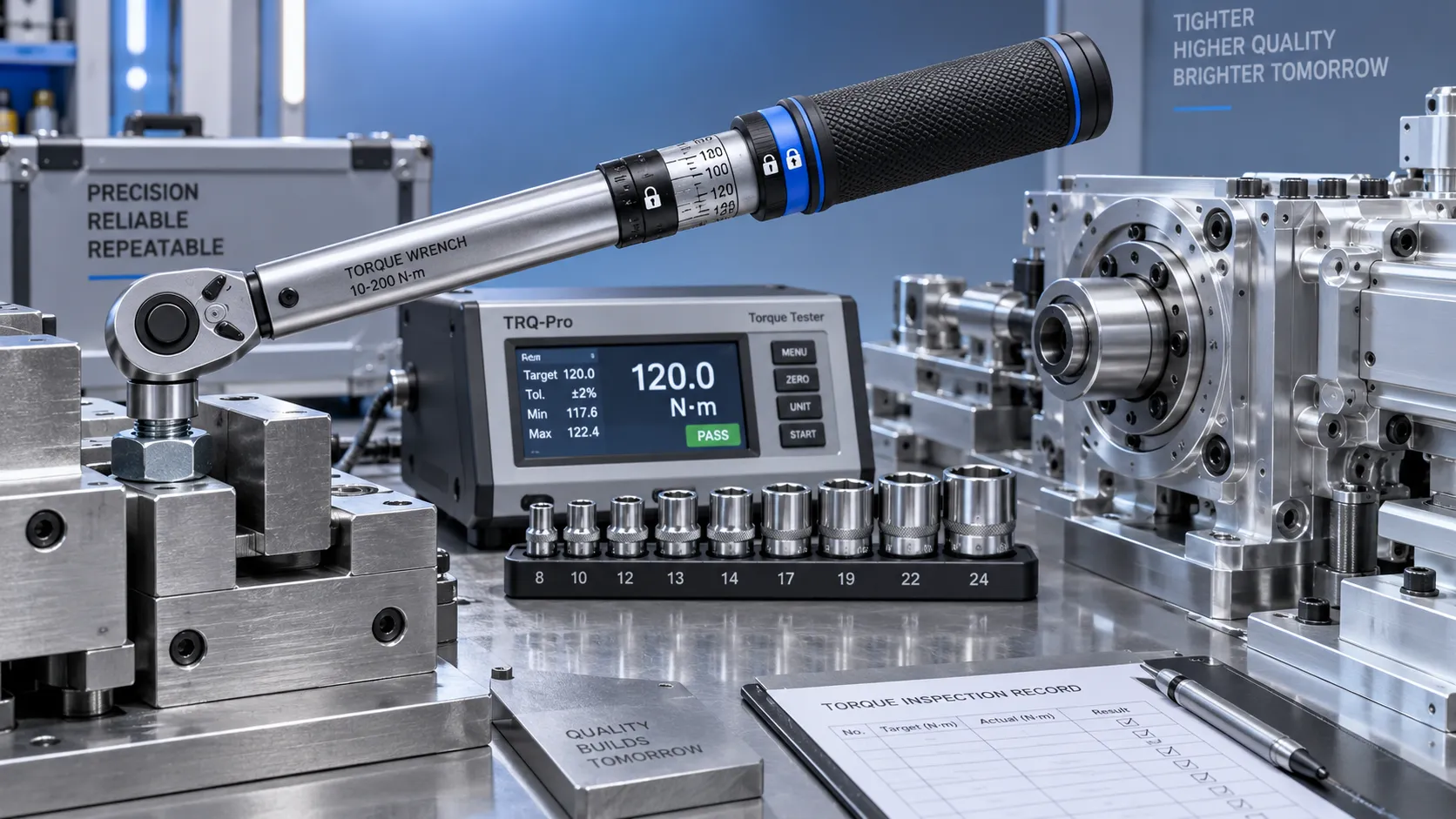
Selecting Adjustable Torque Tools for Repeatable Fastener Assembly
Adjustable torque tools: learn how to match range, accuracy, control methods, calibration, and ergonomics for repeatable, reliable fastener assembly.

How to Select Aerospace Inspection Tools for Aircraft Maintenance Tasks
Aerospace maintenance inspection tools: learn how to select reliable, traceable equipment for aircraft access, accuracy, calibration, and compliant maintenance decisions.

How to Select Wire Bonding Tools for Fine-Pitch Semiconductor Packaging
Explore semiconductor manufacturing tools for wire bonding and learn how to select precision solutions for fine-pitch packaging, reliable loops, accuracy, and yield.
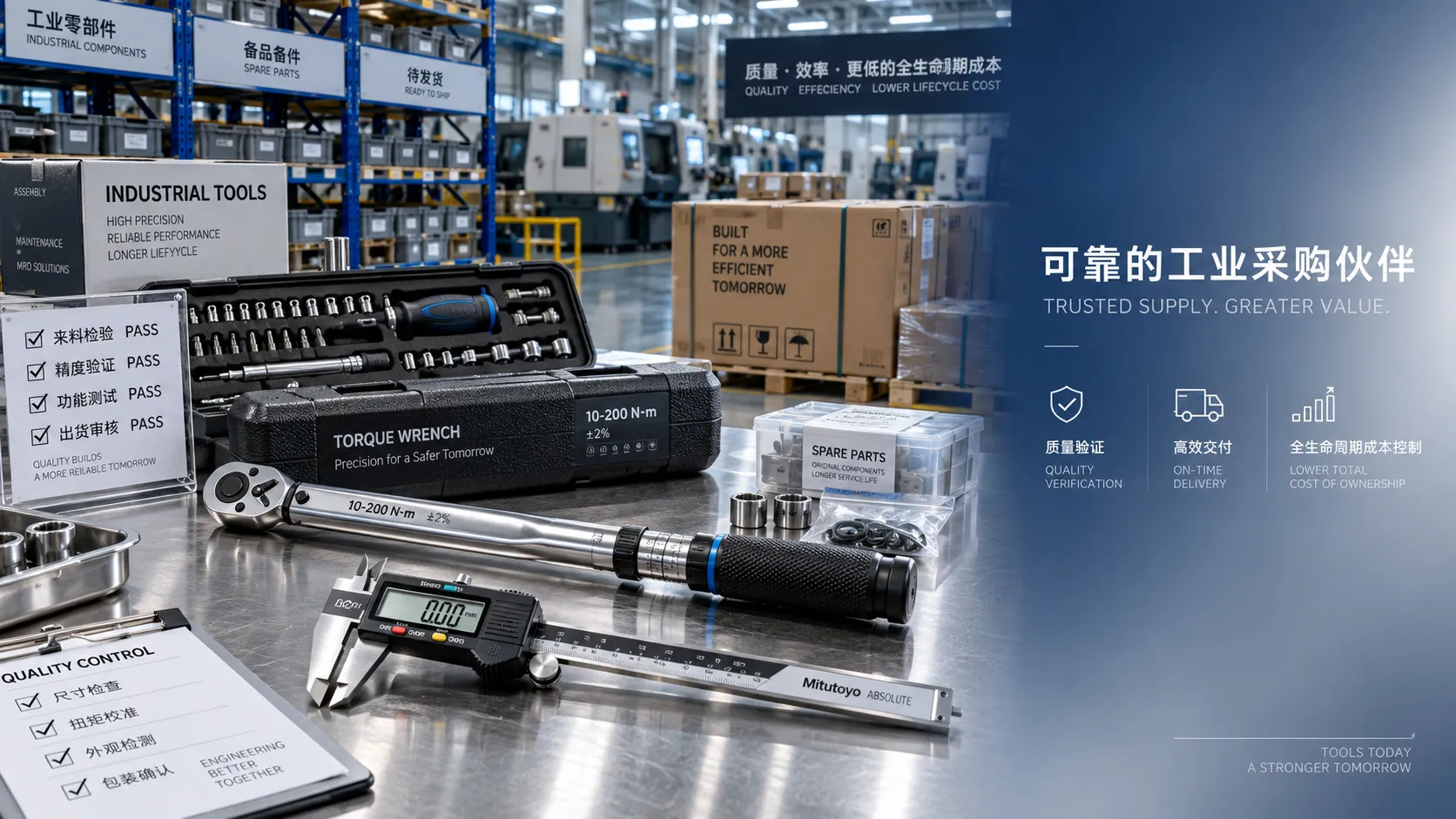
How to Compare Industrial Tool Suppliers for Quality, Lead Time, and Total Cost
Industrial tool selection supplier comparison made simple: evaluate quality, lead times, total cost, service, and supply resilience for confident sourcing decisions.
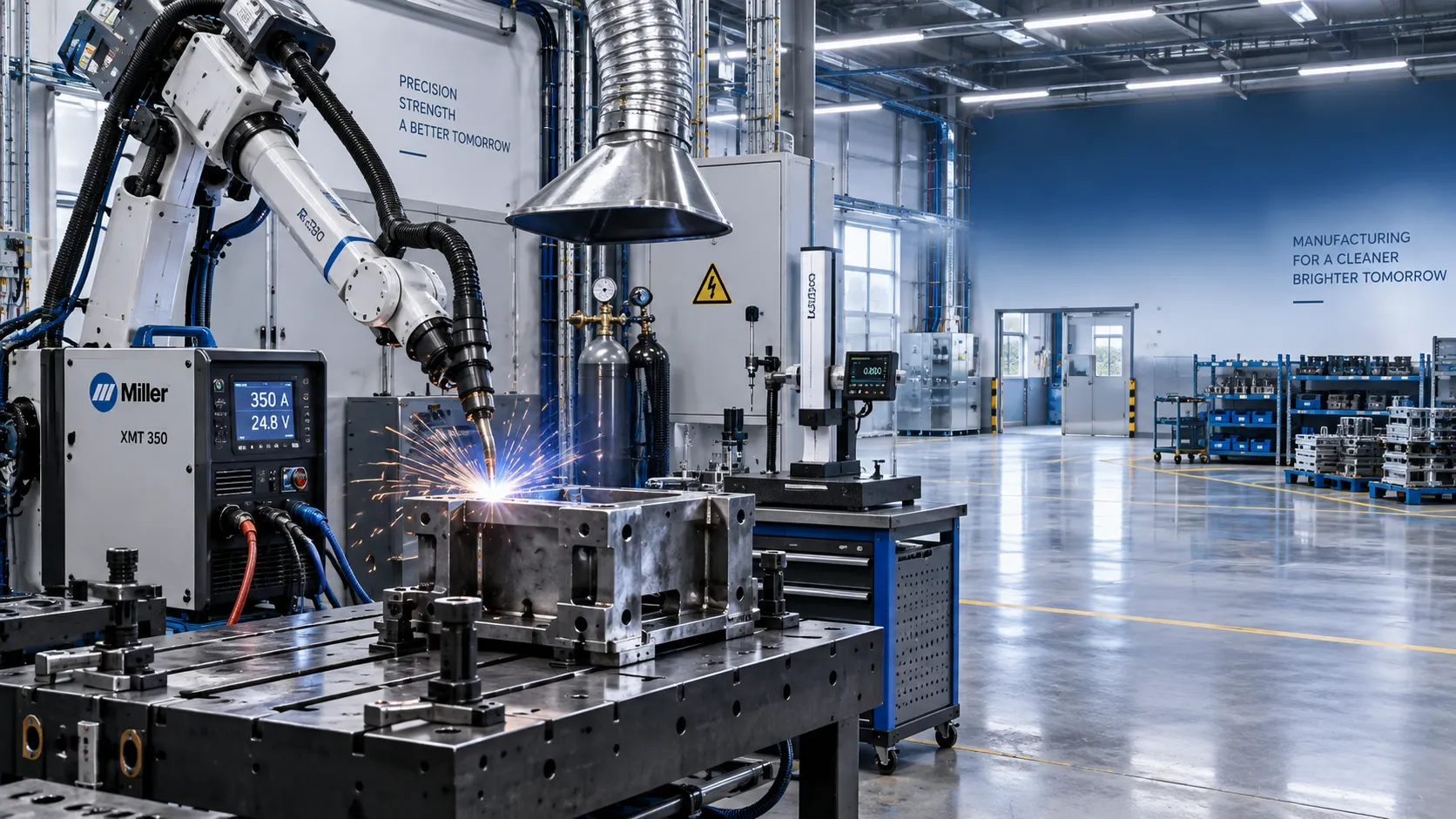
Industrial Equipment Application Guidance: Match Machines to Operating Conditions
Application guidance industrial equipment: match capacity, duty cycle, materials, site conditions, safety, and lifecycle cost to improve reliable output. Read the guide.
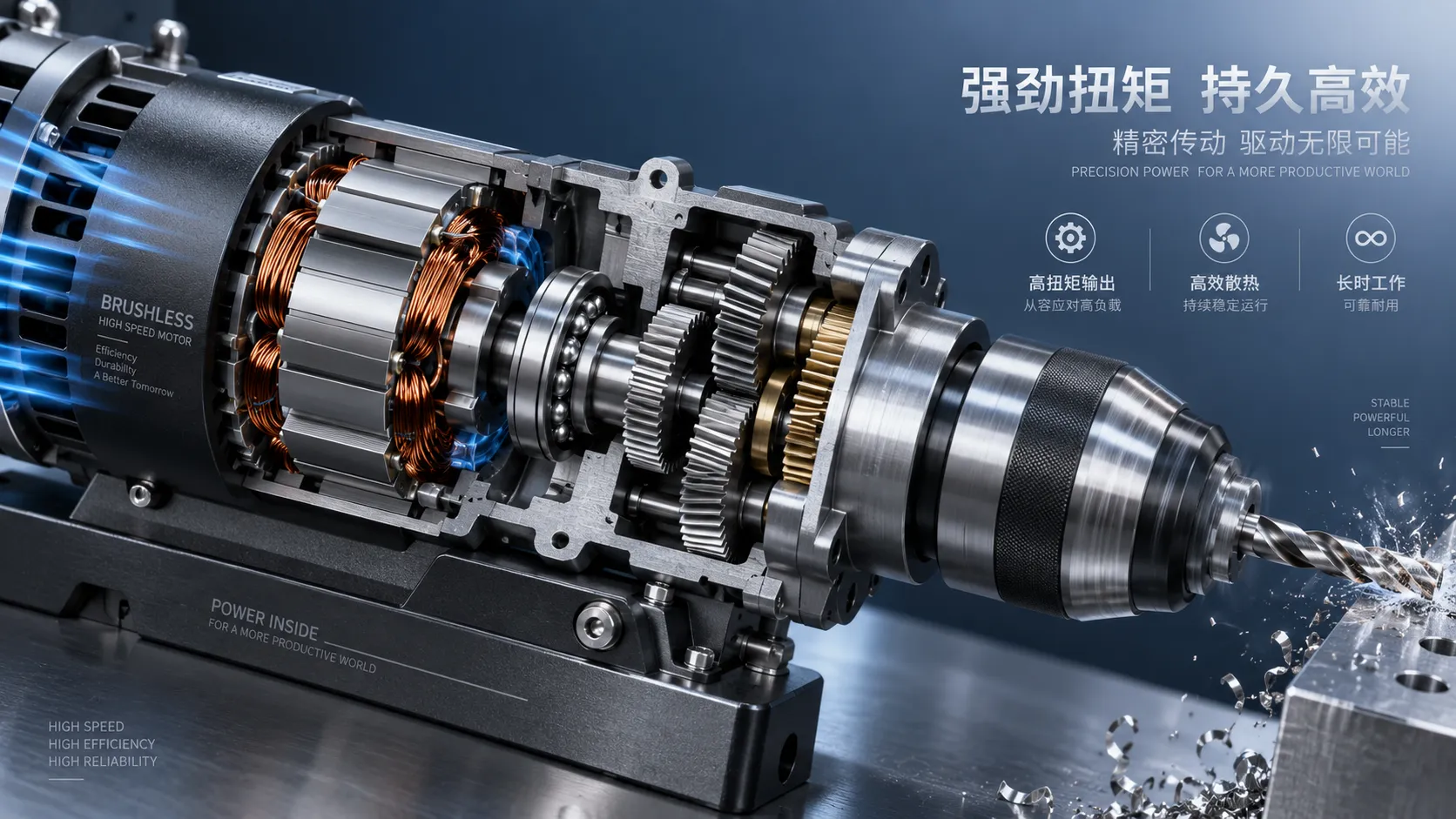
Selecting High-Speed Brushless Tool Motors for Torque, Heat, and Duty Cycle
High speed brushless tool motors: learn how to balance torque, heat, gearing, and duty cycle for reliable industrial tool performance and longer service life.
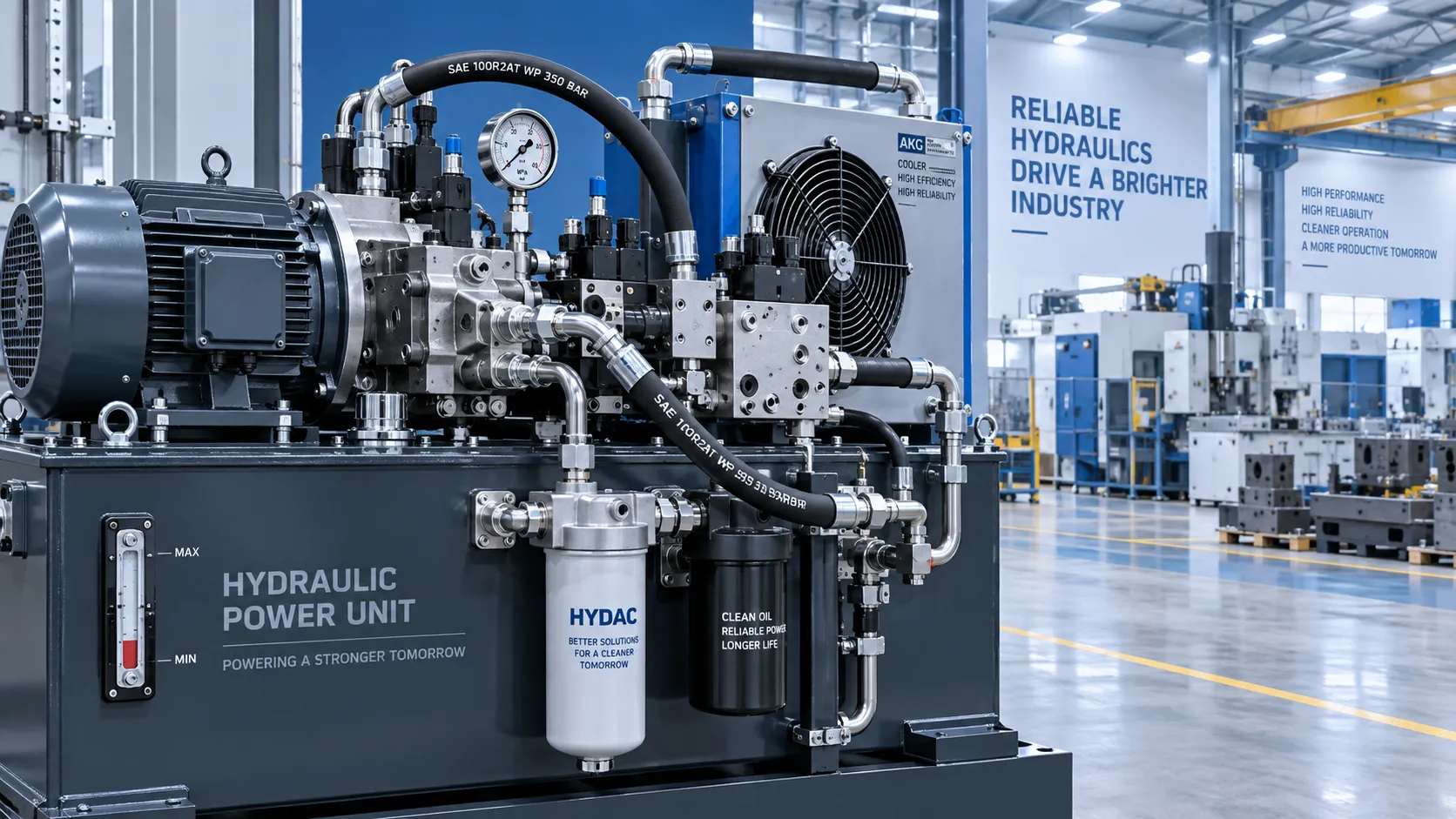
What Determines Industrial Hydraulic System Price for Heavy-Duty Equipment?
Industrial hydraulic system price depends on duty cycle, pressure, components, cooling, and integration. Compare quotes intelligently to secure reliable heavy-duty performance.
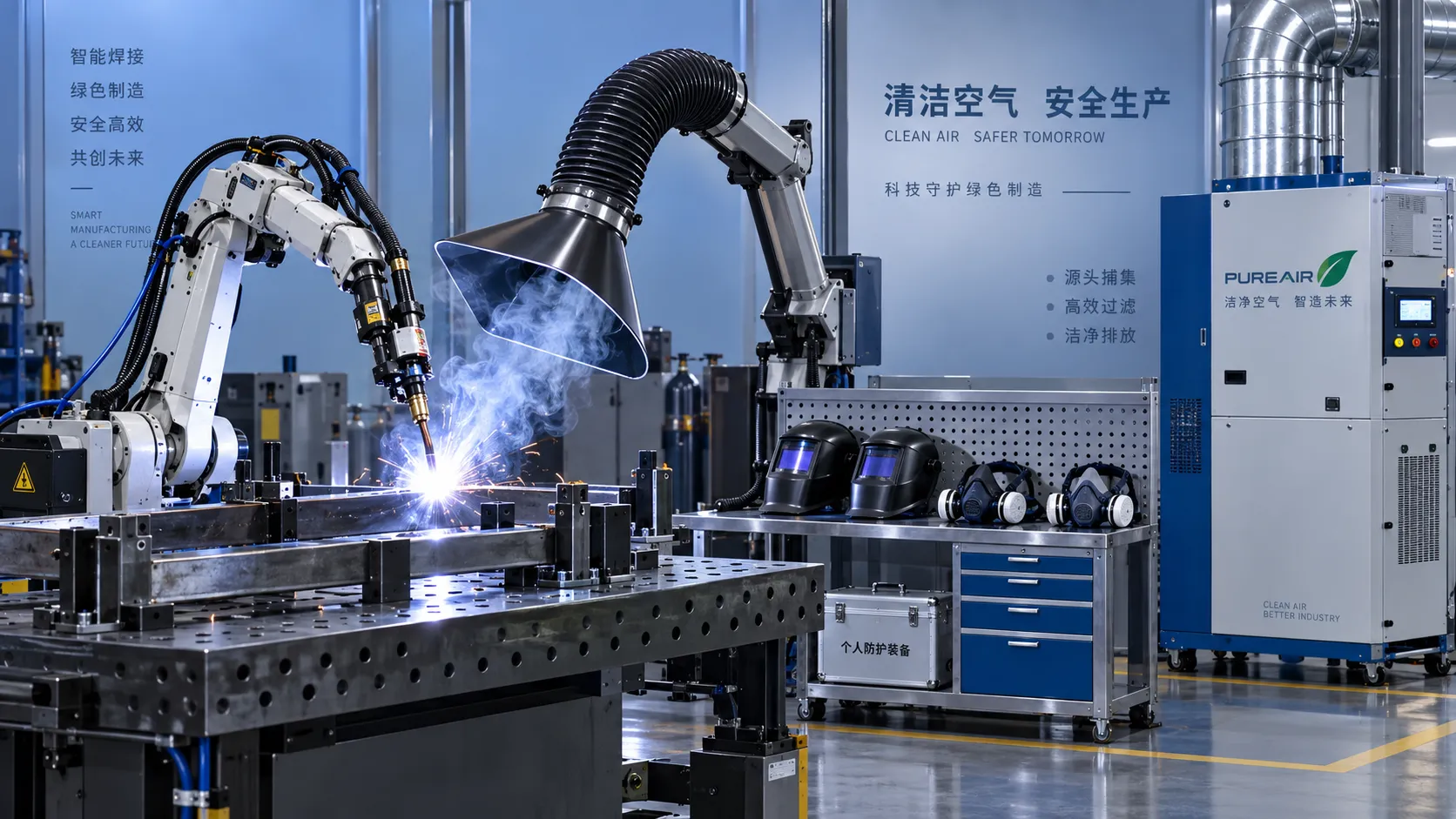
Welding Fume Extraction PPE: When Respirators Are Not Enough for Shop Safety
Welding fume extraction PPE: learn why respirators alone fall short and how source capture, ventilation, and layered controls improve shop safety.

How to Select Optical Metrology Solutions for Tight-Tolerance Manufacturing
Optical industrial metrology solutions for tight-tolerance manufacturing: evaluate accuracy, surface compatibility, workflow, and traceability to select with confidence.
Related News
- 00
0000-00
How to Select Battery Assembly Tools for Torque Control and High-Volume Production - 00
0000-00
How Battery, Torque, and Duty Cycle Affect Cordless Power Tool Efficiency - 00
0000-00
How to Size High-Torque Tool Motors for Continuous-Duty Assembly Lines - 00
0000-00
How to Choose 24V Brushless Tool Motors for Torque, Runtime, and Duty Cycle? - 00
0000-00
Automotive Repair Tools List: What Every Workshop Needs for Daily Service Jobs
Electro-Mech Tool Designer
Weekly Insights
Stay ahead with our curated technology reports delivered every Monday.