
How metrology technology reduces costly tolerance errors





In modern manufacturing, even minor tolerance deviations can trigger rework, scrap, and costly delays. Metrology technology helps technical evaluators identify dimensional risks earlier, verify process capability, and support more reliable production decisions. By turning measurement data into actionable insight, it strengthens quality control across assembly, welding, and precision operations—making it a critical tool for reducing errors before they impact performance, compliance, or profitability.
Across the broader industrial landscape, tolerance control is no longer a narrow inspection issue. It now influences throughput, warranty exposure, energy efficiency, and cross-border compliance. As production systems become more connected, metrology technology is shifting from a final checkpoint into a strategic capability.
Tolerance risk is moving upstream in industrial decision-making
A clear trend is emerging across assembly, metal joining, machining, and maintenance workflows. Dimensional variation is being addressed earlier, often before full-scale production begins. This shift gives metrology technology a larger operational role.
Historically, many operations relied on end-of-line inspection. That model detects defects, but it often finds them too late. When variation accumulates across fixtures, tools, materials, and thermal distortion, the financial impact rises quickly.
Today, metrology technology supports in-process checks, digital comparison, and faster feedback loops. This matters in sectors where fit, alignment, flatness, concentricity, and weld-related distortion directly affect product performance and regulatory acceptance.
Why this shift is accelerating now
How metrology technology reduces costly tolerance errors in practice
The value of metrology technology comes from preventing hidden variation from becoming visible cost. It helps identify where the process drifts, which dimensions are unstable, and which measurements predict downstream failure.
Earlier deviation detection
By measuring critical features during setup and production, teams can detect movement before a batch goes out of tolerance. This reduces scrap volume and prevents repeated defects across multiple stations.
Better process capability verification
Metrology technology supports capability studies by showing whether the process repeatedly meets dimensional targets. That insight is essential when launching new parts, validating tooling, or adjusting welding parameters.
Faster root-cause analysis
Tolerance errors rarely come from one source. They may result from fixture wear, thermal expansion, part deformation, operator variation, or machine misalignment. Measurement data narrows the search quickly.
Stronger control of assembly interfaces
Poor fit between mating parts often causes force, vibration, leakage, or premature wear. Metrology technology verifies the dimensions that define those interfaces, reducing the chance of hidden field failures.
- Checks alignment before irreversible joining steps
- Confirms part geometry after thermal processes
- Supports corrective action before expensive finishing work
- Provides trend data for preventive maintenance planning
Dimensional control is becoming more important across connected operations
The impact of metrology technology is not limited to inspection rooms. It affects design transfer, supplier consistency, machine setup, welding stability, and final product reliability. As operations connect digitally, measurement informs more decisions.
In welding environments, for example, heat input can alter geometry in subtle ways. In assembly, cumulative stack-up can create fit issues even when single parts seem acceptable. Metrology technology reveals those patterns.
Where the business impact appears first
Several forces are reshaping expectations for measurement accuracy
The growing role of metrology technology is tied to wider industrial change. Lightweight structures, automated cells, digital quality systems, and stricter customer audits all raise the value of reliable dimensional intelligence.
- Automation increases speed, but it also magnifies small setup errors.
- Advanced materials respond differently to heat, force, and clamping conditions.
- Distributed supply chains require consistent measurement language across locations.
- Higher product complexity makes visual judgment less dependable.
- Digital manufacturing depends on trustworthy data, not assumptions.
For an intelligence platform such as GPTWM, these signals matter because they connect tool performance, process discipline, and strategic competitiveness. Precision data increasingly underpins how industrial value is created and protected.
The next priority is not more measurement, but smarter measurement strategy
Many operations already collect large amounts of dimensional data. The challenge is deciding which features deserve close control, when to measure them, and how to connect results with corrective action.
Focus areas worth immediate attention
- Identify critical-to-function dimensions rather than measuring everything equally.
- Link metrology technology outputs with process capability and scrap trends.
- Verify fixture condition and thermal influence on repeated tolerance drift.
- Standardize measurement methods across internal and external production nodes.
- Use digital records to support compliance, customer review, and engineering change control.
This strategic approach lowers the risk of collecting data without improving decisions. It also helps transform metrology technology from a cost center into a performance lever.
A practical response framework can reduce tolerance losses faster
A useful response does not require complete system replacement. It starts with identifying where tolerance errors are most expensive and where measurement can change outcomes quickly.
When applied consistently, this framework improves yield, shortens troubleshooting time, and strengthens confidence in process changes. Those gains matter across general industry, not only in highly specialized sectors.
The strongest long-term advantage comes from measurement-informed decisions
The core lesson is clear: metrology technology reduces costly tolerance errors when it is integrated with production judgment, not isolated from it. Measurement becomes more valuable when it guides setup, validation, maintenance, and design feedback.
For industrial organizations tracking efficiency, compliance, and process resilience, metrology technology now represents a practical source of competitive control. It helps protect margins by stopping dimensional problems before they multiply.
A useful next step is to review the top three recurring dimensional failures, then assess where metrology technology could provide earlier warning, clearer trend visibility, or faster process correction. That is often where the fastest return begins.
Related News
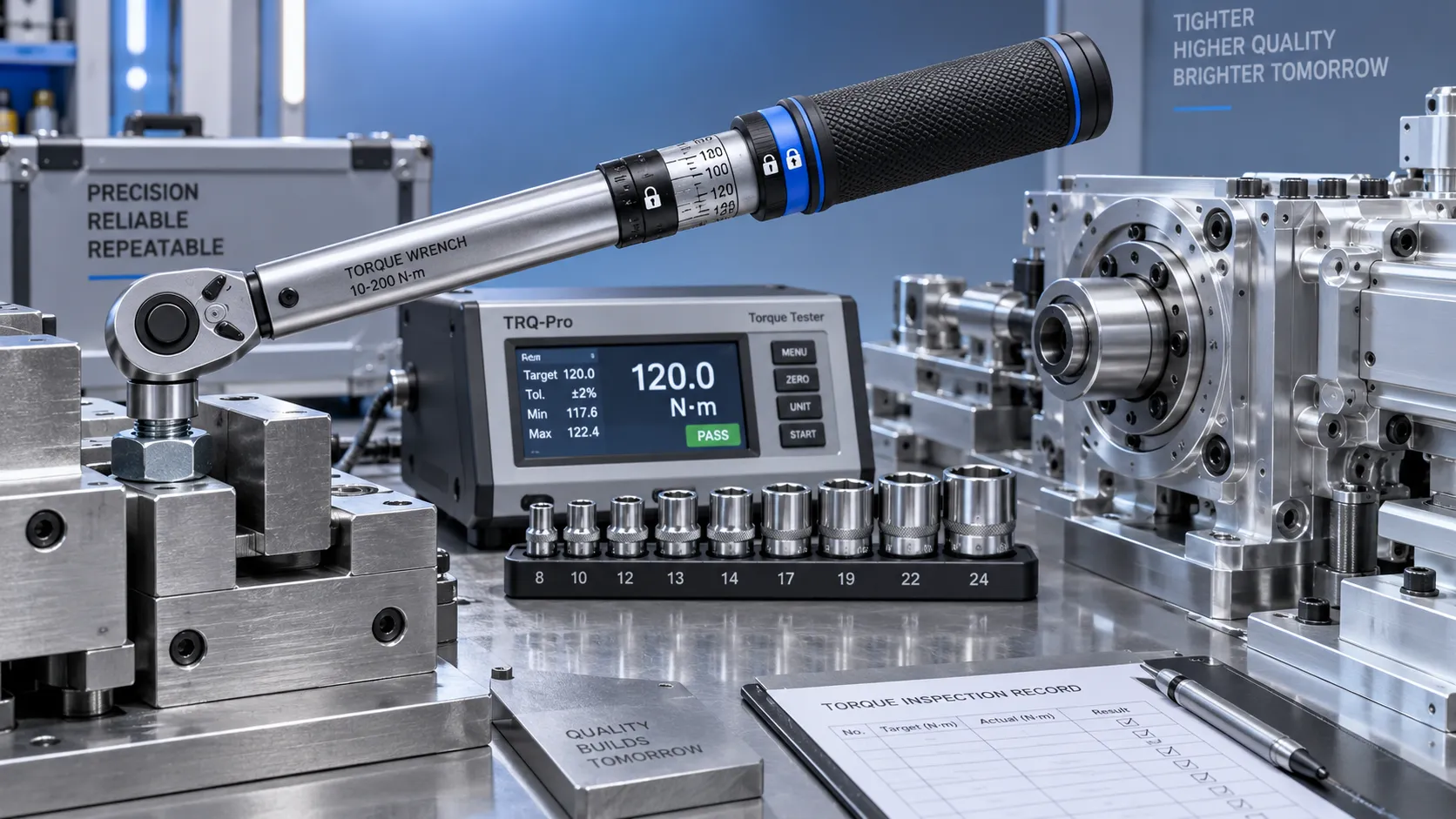
Selecting Adjustable Torque Tools for Repeatable Fastener Assembly
Adjustable torque tools: learn how to match range, accuracy, control methods, calibration, and ergonomics for repeatable, reliable fastener assembly.
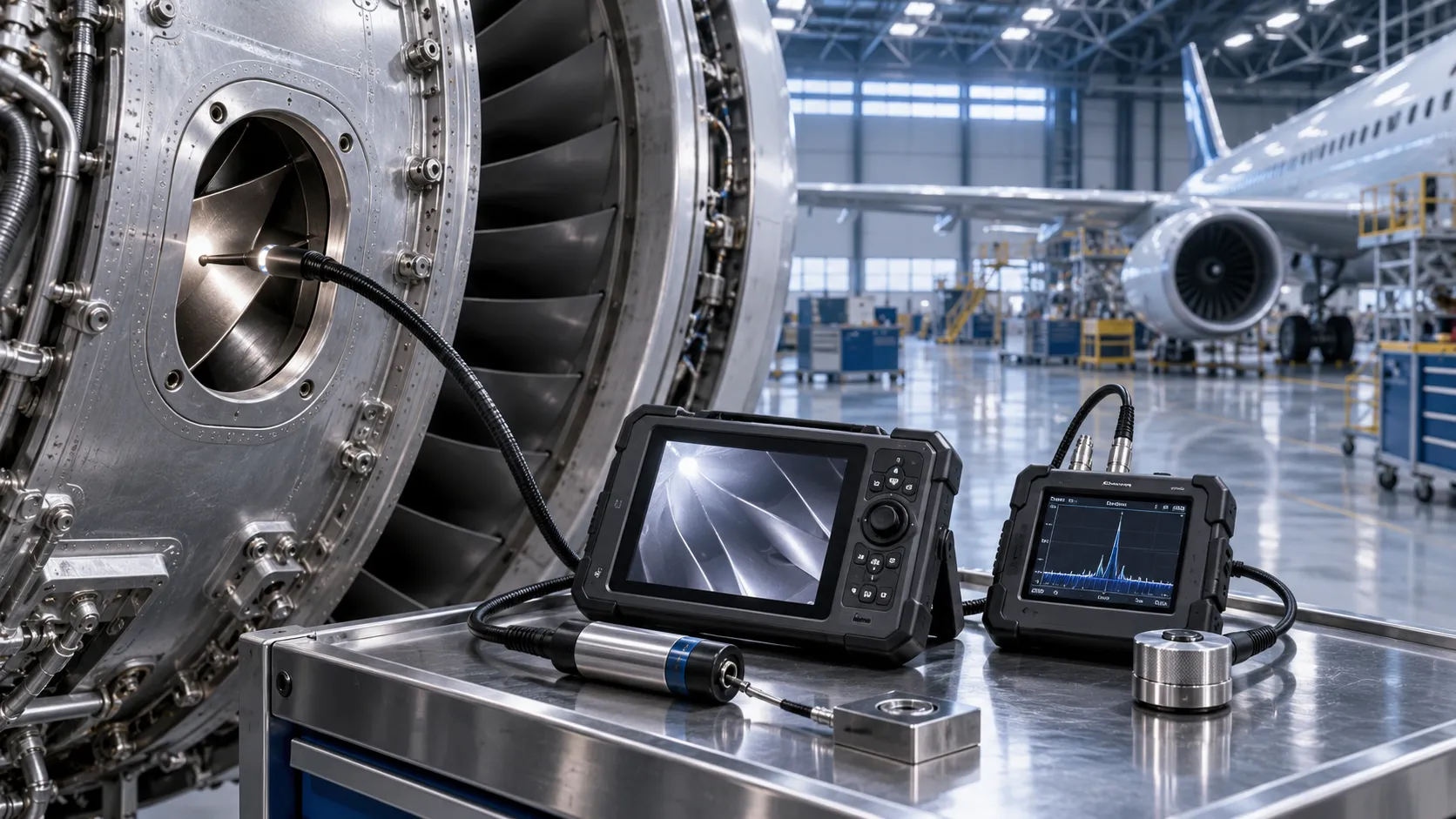
How to Select Aerospace Inspection Tools for Aircraft Maintenance Tasks
Aerospace maintenance inspection tools: learn how to select reliable, traceable equipment for aircraft access, accuracy, calibration, and compliant maintenance decisions.
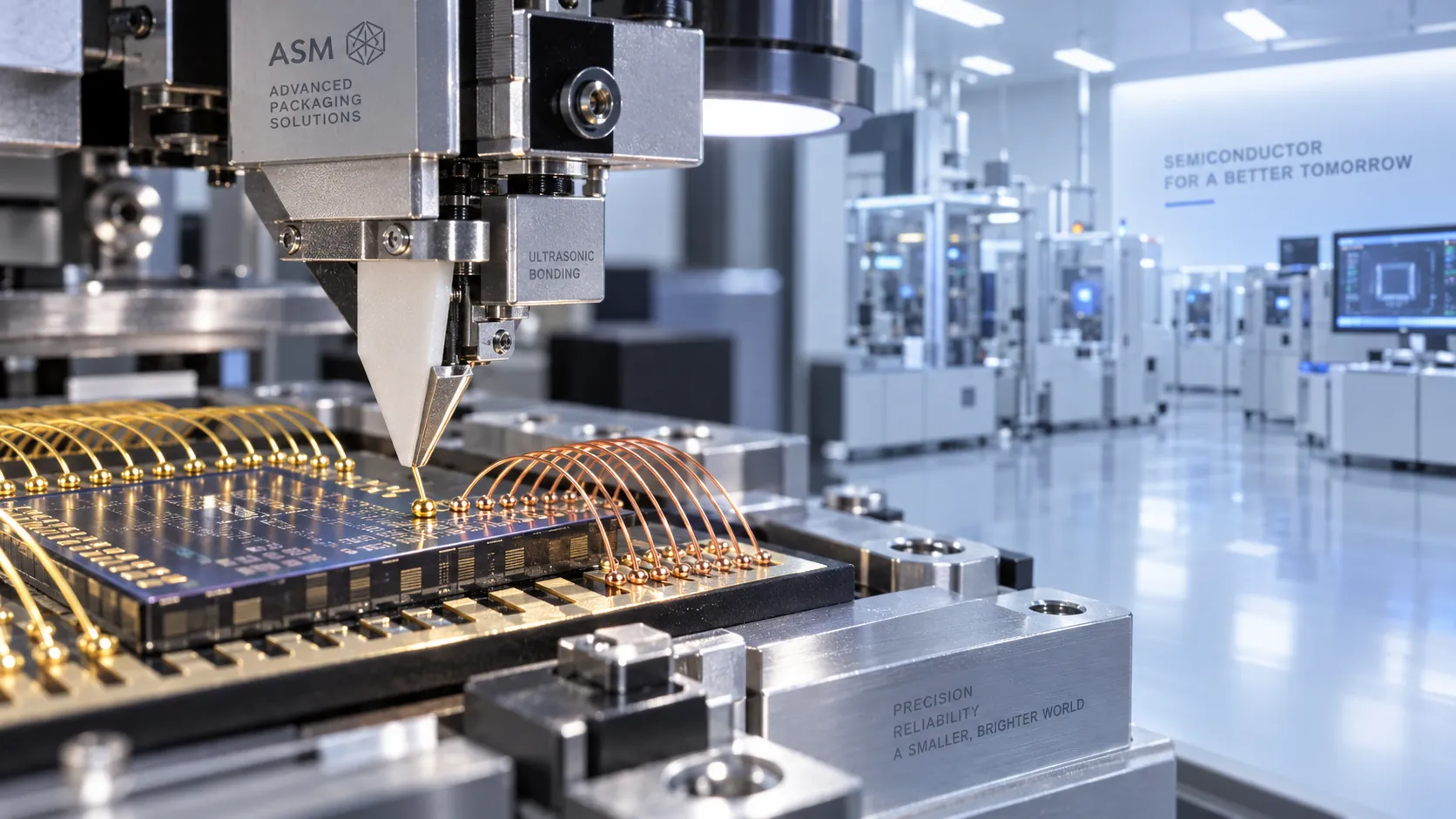
How to Select Wire Bonding Tools for Fine-Pitch Semiconductor Packaging
Explore semiconductor manufacturing tools for wire bonding and learn how to select precision solutions for fine-pitch packaging, reliable loops, accuracy, and yield.
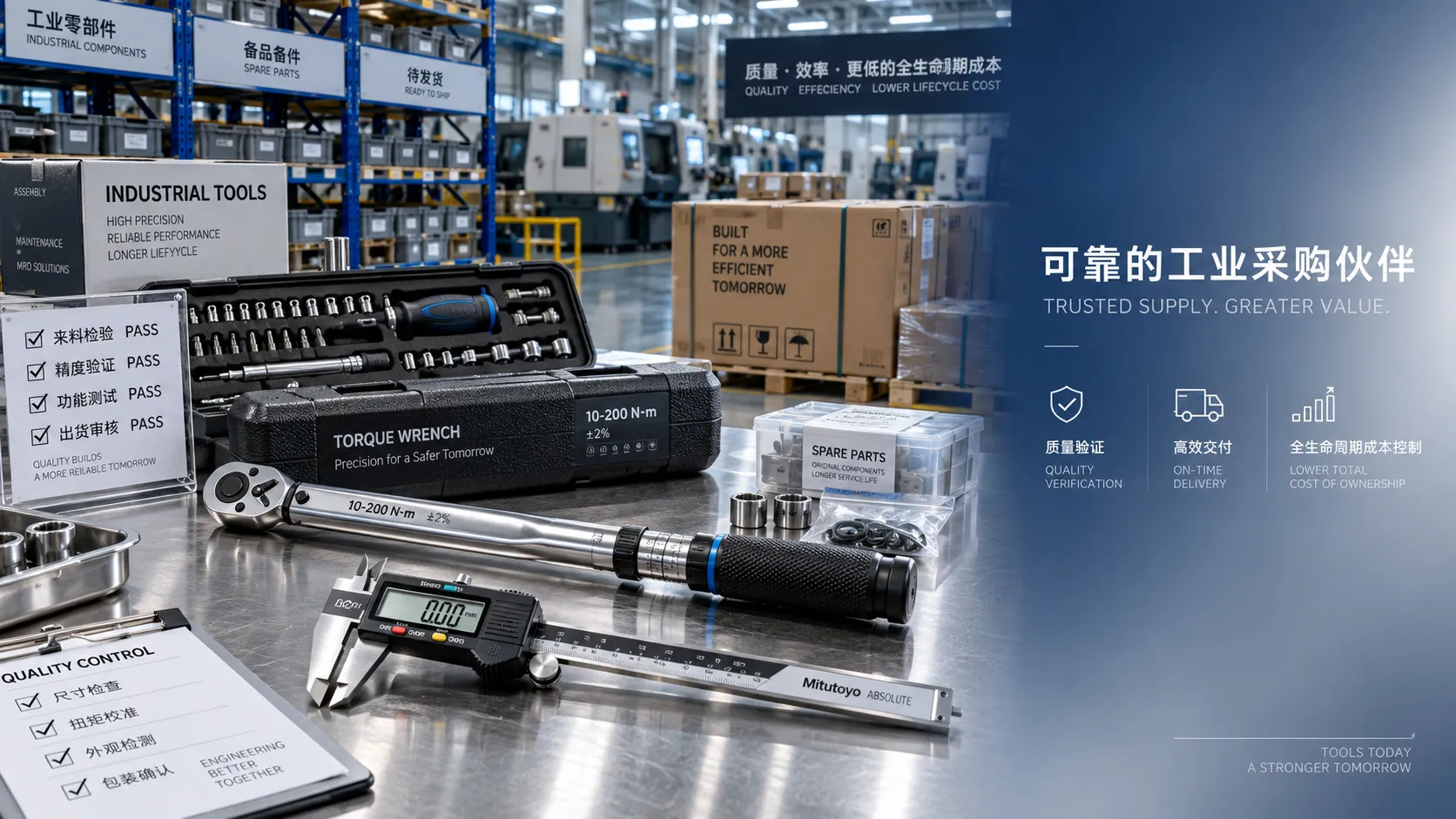
How to Compare Industrial Tool Suppliers for Quality, Lead Time, and Total Cost
Industrial tool selection supplier comparison made simple: evaluate quality, lead times, total cost, service, and supply resilience for confident sourcing decisions.
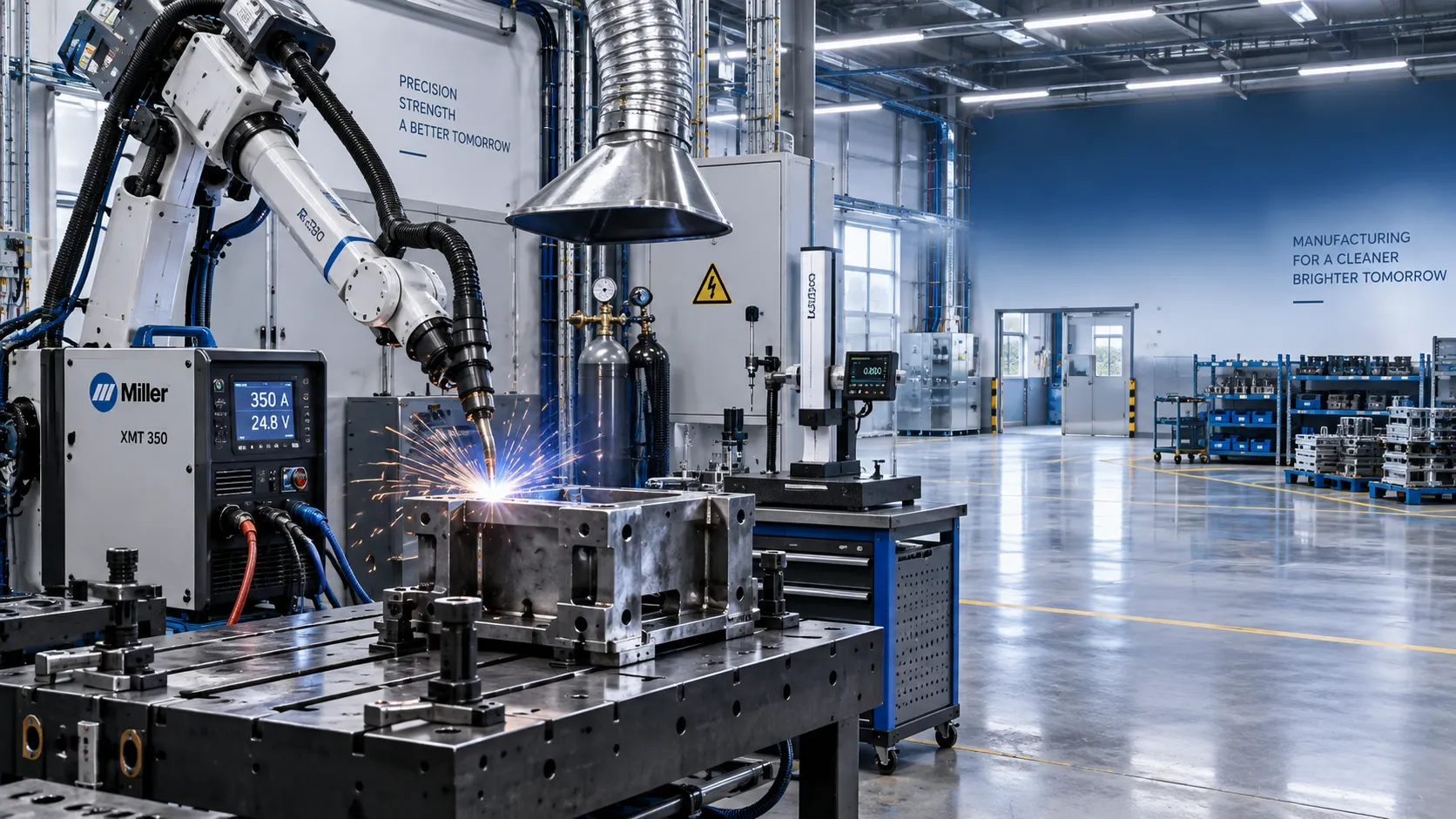
Industrial Equipment Application Guidance: Match Machines to Operating Conditions
Application guidance industrial equipment: match capacity, duty cycle, materials, site conditions, safety, and lifecycle cost to improve reliable output. Read the guide.
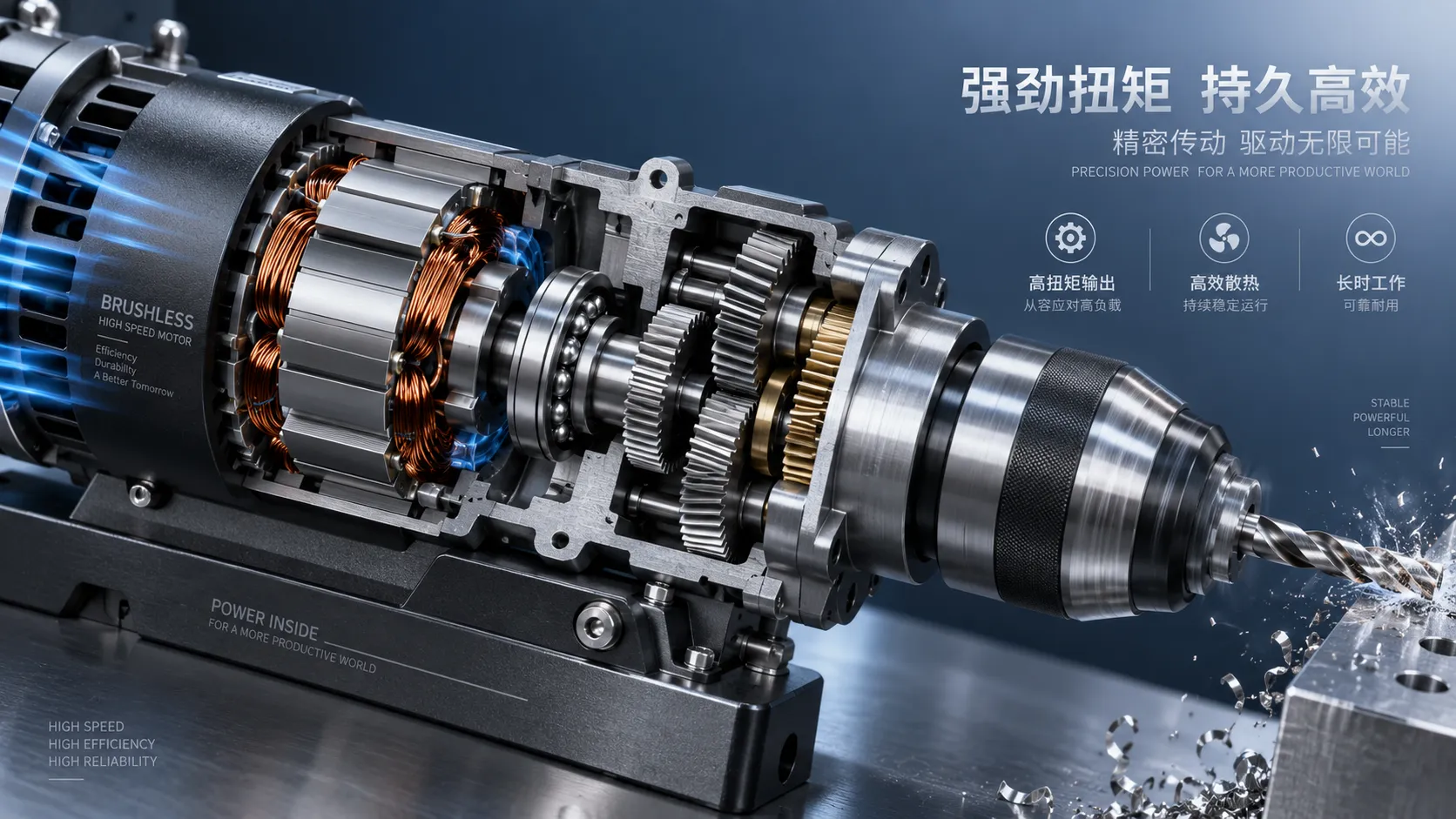
Selecting High-Speed Brushless Tool Motors for Torque, Heat, and Duty Cycle
High speed brushless tool motors: learn how to balance torque, heat, gearing, and duty cycle for reliable industrial tool performance and longer service life.
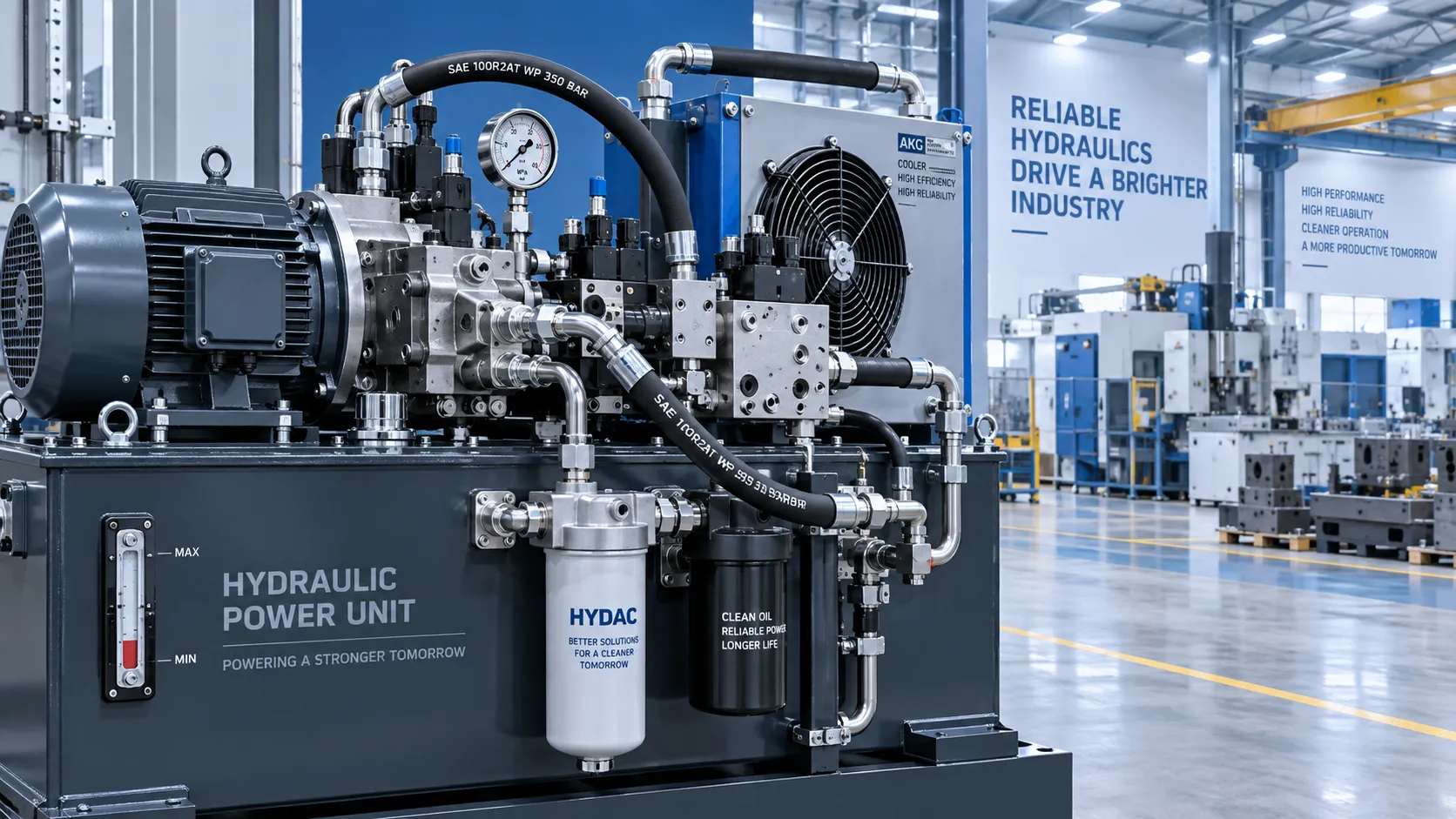
What Determines Industrial Hydraulic System Price for Heavy-Duty Equipment?
Industrial hydraulic system price depends on duty cycle, pressure, components, cooling, and integration. Compare quotes intelligently to secure reliable heavy-duty performance.
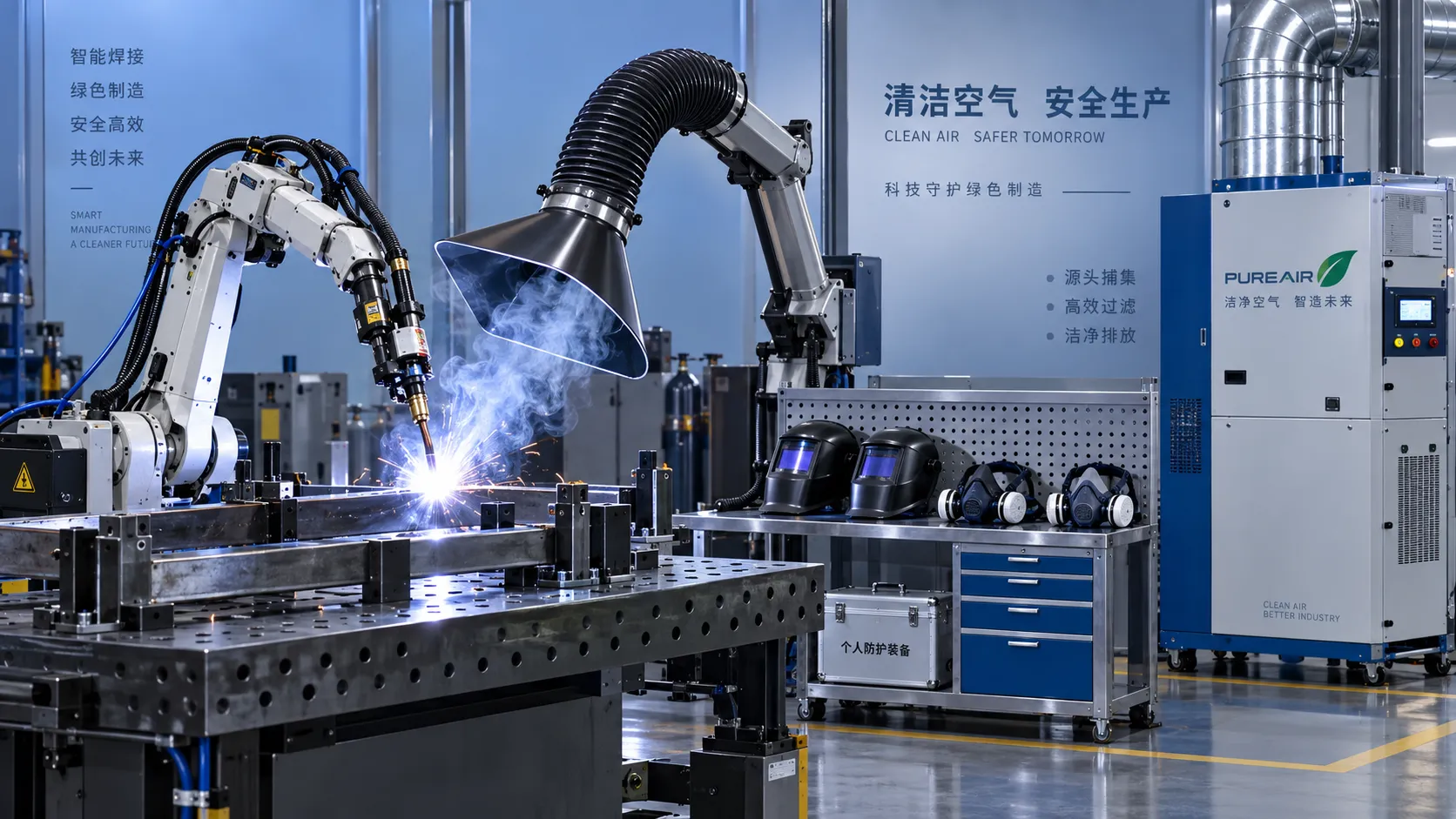
Welding Fume Extraction PPE: When Respirators Are Not Enough for Shop Safety
Welding fume extraction PPE: learn why respirators alone fall short and how source capture, ventilation, and layered controls improve shop safety.
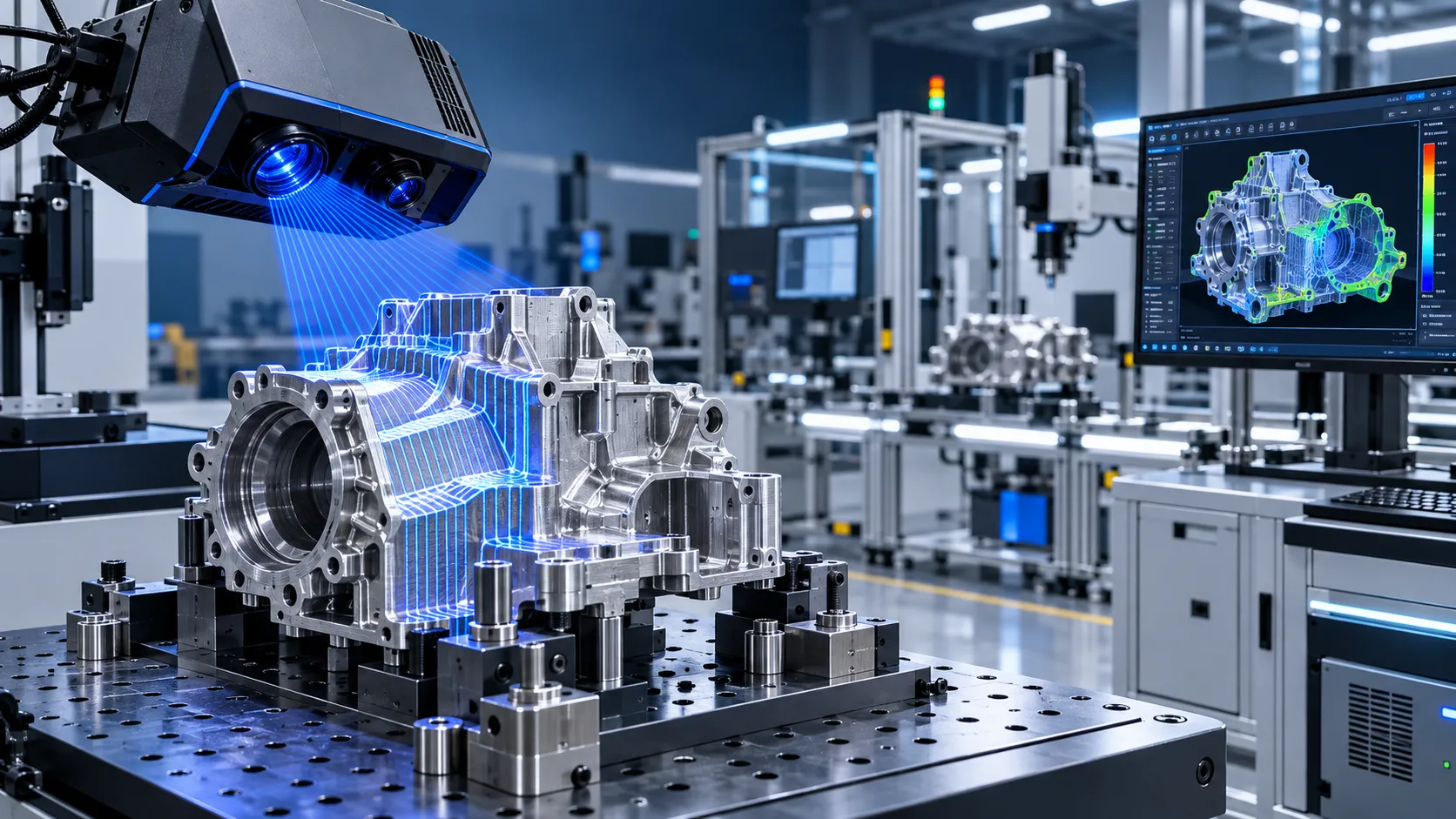
How to Select Optical Metrology Solutions for Tight-Tolerance Manufacturing
Optical industrial metrology solutions for tight-tolerance manufacturing: evaluate accuracy, surface compatibility, workflow, and traceability to select with confidence.
Related News
- 00
0000-00
Planning Access, Material Flow, and Clearance Around a 3200mm Sliding Saw - 00
0000-00
How to Select Vernier Precision Calipers for Tight-Tolerance Machining Inspection - 00
0000-00
How to Choose Metalworking Tools for Sheet Metal by Thickness and Forming Tasks - 00
0000-00
Metrology Technology Europe: Which Systems Improve Inspection Accuracy on the Line? - 00
0000-00
How to Choose Precision Measuring Instruments in North America for Tighter Tolerance Work
Metrology Fellow
Weekly Insights
Stay ahead with our curated technology reports delivered every Monday.