
Which metalworking tools last longer in daily shop use





In a busy shop, the best metalworking tools are not just the ones that cut fast or look strong—they are the ones that keep performing day after day. For operators who depend on durability, comfort, and consistent precision, knowing which tools truly last longer can reduce downtime, lower replacement costs, and improve overall workflow. This guide explores what makes certain metalworking tools stand up to daily use.
Across industrial assembly, repair, fabrication, and metrology, the discussion has shifted. Shops now compare total service life, maintenance intervals, and accuracy retention, not only purchase price.
That change matters in a broader market. Global production cycles are tighter, labor is more specialized, and tool failure creates higher costs than before.
Why tool longevity has become a stronger shop priority
Daily shop use exposes metalworking tools to heat, vibration, impact, abrasive dust, coolant, and repetitive loads. Under these conditions, weak designs fail quickly, even if they look impressive on day one.
At the same time, modern work demands more stable output. A grinder that overheats, a caliper that drifts, or a clamp that loosens can interrupt entire process chains.
This is why durable metalworking tools now support both cost control and production confidence. Longevity is no longer a bonus feature. It is an operating requirement.
The current durability shift in metalworking tools is easy to spot
Several signals show how the market is changing. Shops are replacing low-cost, short-life tools with fewer, better-performing assets that survive daily cycles.
- Brushless motors are preferred in portable metalworking tools because they reduce heat and brush wear.
- Carbide and coated cutting edges are replacing basic high-speed steel in many repeated cutting applications.
- Forged bodies and hardened jaws are gaining attention in clamps, vises, and hand tools.
- Sealed bearings and dust protection are becoming standard in grinders, polishers, and saws.
- Precision measuring metalworking tools are judged more by calibration stability than display features.
These signals point to a practical conclusion. Longer-lasting metalworking tools are usually engineered to resist predictable shop damage, not simply advertised as heavy-duty.
Which metalworking tools usually last longer in real daily use
Not every category wears the same way. Some metalworking tools survive for years because their materials, load paths, and service needs are better matched to shop conditions.
1. Brushless angle grinders and die grinders
Brushless grinders often outlast brushed versions in frequent use. They run cooler, create less internal friction, and maintain power more consistently under variable loads.
Longevity improves further when housings include airflow management, overload protection, and sealed bearings. These details matter more than peak speed claims.
2. Forged hammers, chisels, and striking tools
Forged tools with controlled heat treatment resist mushrooming, cracking, and edge collapse. In harsh fabrication environments, that makes them more dependable than cast alternatives.
3. Carbide cutting tools with proper coatings
End mills, inserts, and holemaking tools with quality carbide substrates usually last longer than entry-level versions. The gain becomes larger in high-heat or abrasive materials.
Coatings such as TiAlN or AlCrN help when heat resistance is critical. Tool life improves only when speed, feed, and clamping are also correct.
4. Hardened measuring tools
Calipers, micrometers, and indicators last longer when guide surfaces are hardened, slides move smoothly, and sealing protects against coolant and metal dust.
Among metalworking tools, metrology products often fail through accuracy drift, not visible breakage. Stable repeatability is the real sign of long service life.
5. Heavy-duty vises, clamps, and fixturing tools
These metalworking tools last longer when screw threads are precise, jaw faces are replaceable, and frames resist distortion under repeated force.
A durable vise does more than survive. It preserves alignment, reduces rework, and protects expensive parts from movement during machining or welding.
What drives longer life in metalworking tools
The biggest differences usually come from design decisions that are not obvious on a shelf. The table below shows the main factors behind longer-lasting metalworking tools.
How durability trends affect shop operations and business performance
Longer-lasting metalworking tools influence more than maintenance budgets. They affect output stability, quality control, operator rhythm, and even scheduling reliability.
When tools hold tolerance longer, measurement confidence improves. When motors run cooler, unplanned stoppages drop. When clamps stay rigid, part consistency rises.
- Less interruption during fabrication, cutting, deburring, and finishing
- Lower replacement frequency across high-use stations
- Improved process repeatability in welding and assembly support tasks
- Better lifecycle value from premium metalworking tools
This broader impact explains why industrial intelligence platforms increasingly track service life, application fit, and maintenance behavior as strategic indicators.
What to examine before deciding which metalworking tools last longer
Durability claims should be tested against actual use conditions. A tool that lasts in light bench work may fail quickly in grinding-heavy, heat-intensive production.
- Check duty cycle, not just power rating or hardness number.
- Review how the tool handles dust, chips, coolant, and sparks.
- Look for replaceable parts, calibration support, or rebuild options.
- Compare failure modes reported in real workshop use.
- Match the tool to material type, cycle frequency, and operator technique.
These checkpoints reveal whether metalworking tools are truly built for endurance or simply positioned for short-term value perception.
Practical signs that a tool will survive daily use longer
Certain physical details often predict longevity better than branding language. They show whether metalworking tools were engineered for repeated industrial stress.
- Tight fit and finish without play in moving components
- Balanced weight that reduces vibration and operator fatigue
- Consistent edge geometry or jaw alignment after repeated work
- Stable temperature behavior during continuous operation
- Clear maintenance guidance and parts availability
In many cases, the longest-lasting metalworking tools are not the most complex. They are the ones with fewer weak points and better material discipline.
How to respond to the durability trend with smarter tool decisions
A useful response starts with observation. Track which metalworking tools fail first, where they fail, and whether failure comes from design limits or application mismatch.
This approach supports better decisions across the wider industrial chain. It aligns craftsmanship, data, and operating discipline in a measurable way.
The next step for evaluating metalworking tools with confidence
The question is not only which metalworking tools last longer. The better question is why they last longer in one environment and not another.
Use service-life evidence, application context, and technical construction as the main filters. That will reveal durable value more clearly than price or marketing language.
For sharper decisions, follow intelligence that connects field performance, design evolution, and industrial demand shifts. In a modern shop, durable metalworking tools are a strategic advantage, not a routine expense.
Related News
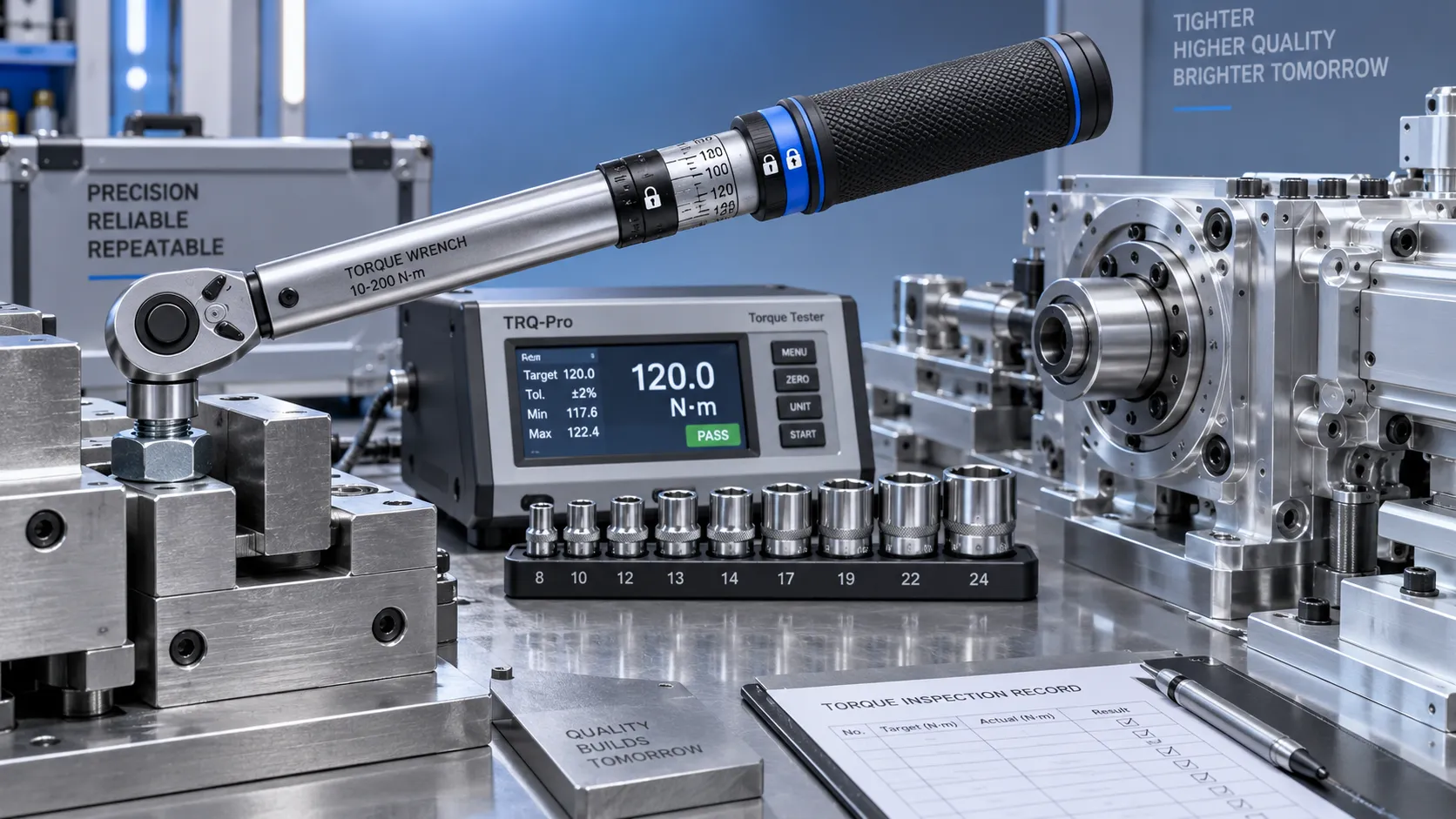
Selecting Adjustable Torque Tools for Repeatable Fastener Assembly
Adjustable torque tools: learn how to match range, accuracy, control methods, calibration, and ergonomics for repeatable, reliable fastener assembly.
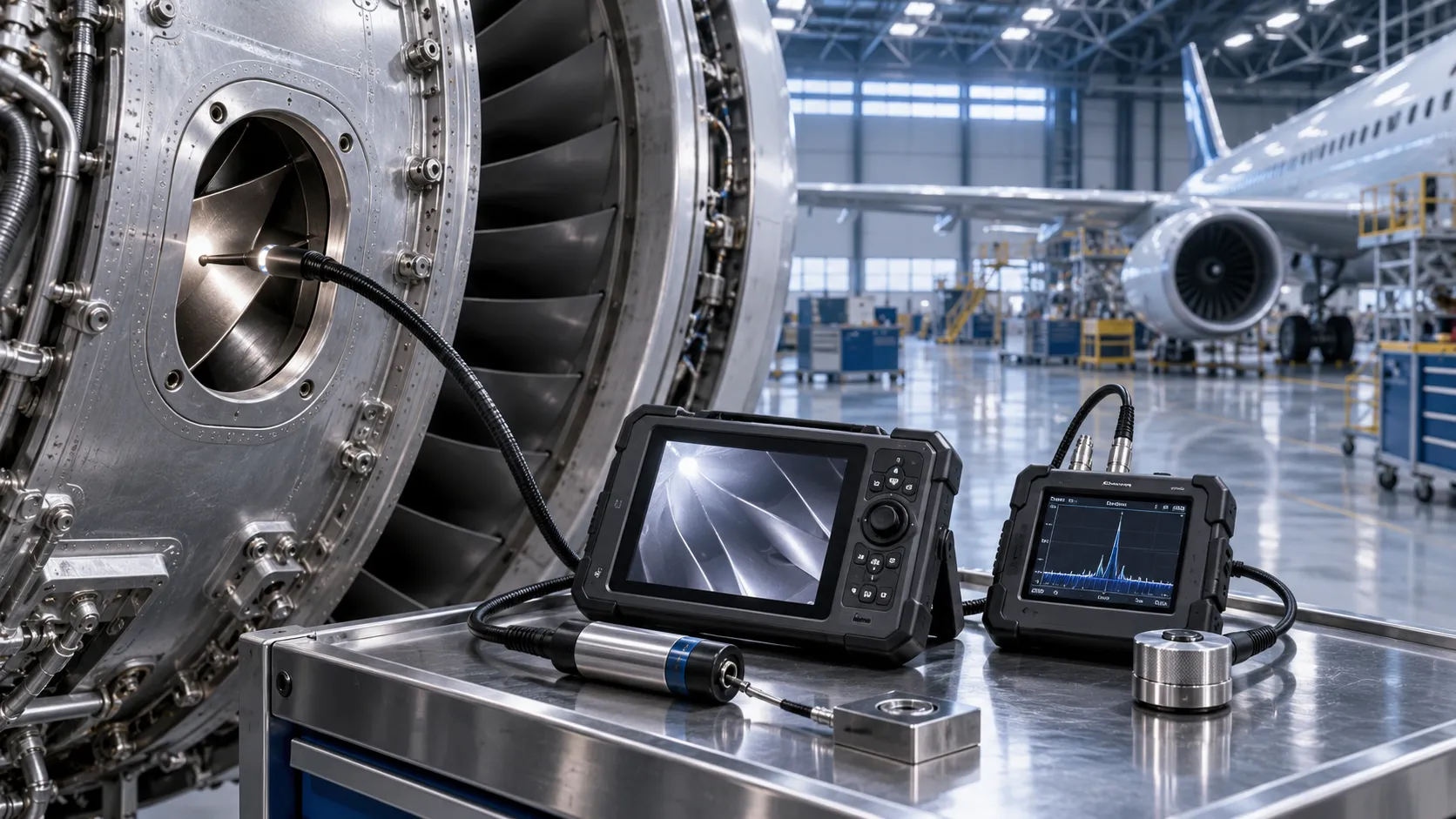
How to Select Aerospace Inspection Tools for Aircraft Maintenance Tasks
Aerospace maintenance inspection tools: learn how to select reliable, traceable equipment for aircraft access, accuracy, calibration, and compliant maintenance decisions.
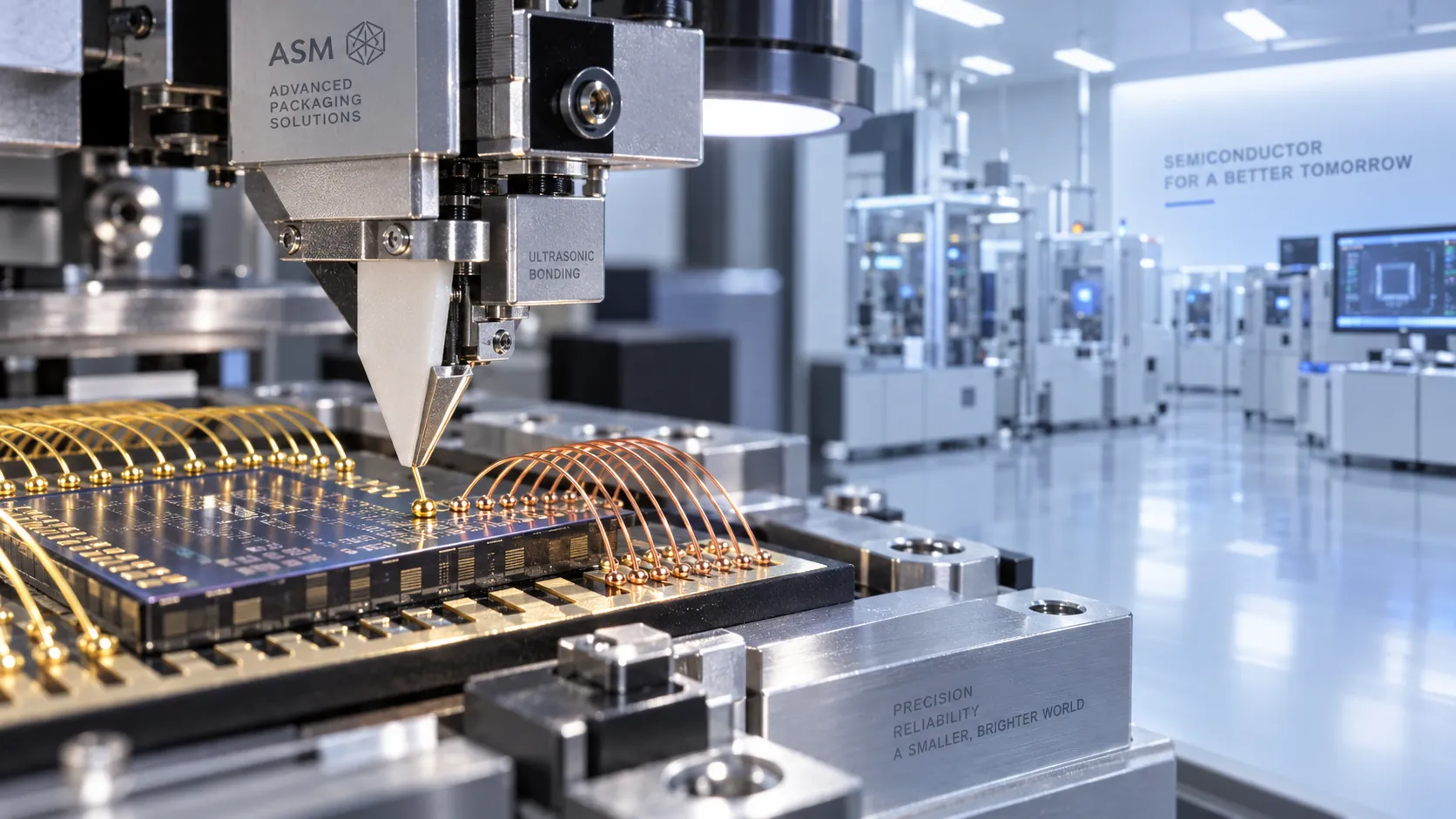
How to Select Wire Bonding Tools for Fine-Pitch Semiconductor Packaging
Explore semiconductor manufacturing tools for wire bonding and learn how to select precision solutions for fine-pitch packaging, reliable loops, accuracy, and yield.
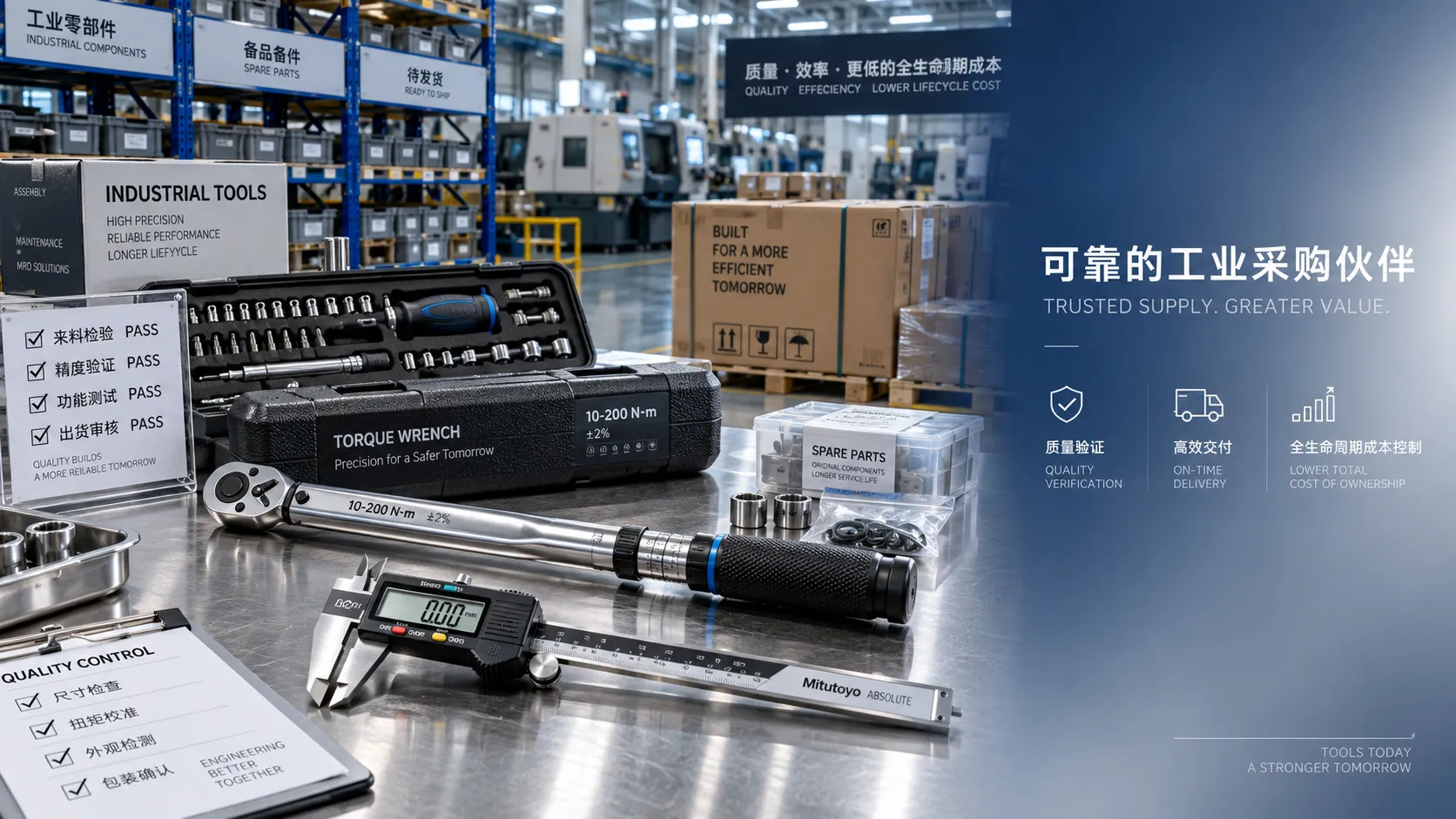
How to Compare Industrial Tool Suppliers for Quality, Lead Time, and Total Cost
Industrial tool selection supplier comparison made simple: evaluate quality, lead times, total cost, service, and supply resilience for confident sourcing decisions.
Industrial Equipment Application Guidance: Match Machines to Operating Conditions
Application guidance industrial equipment: match capacity, duty cycle, materials, site conditions, safety, and lifecycle cost to improve reliable output. Read the guide.
Selecting High-Speed Brushless Tool Motors for Torque, Heat, and Duty Cycle
High speed brushless tool motors: learn how to balance torque, heat, gearing, and duty cycle for reliable industrial tool performance and longer service life.
What Determines Industrial Hydraulic System Price for Heavy-Duty Equipment?
Industrial hydraulic system price depends on duty cycle, pressure, components, cooling, and integration. Compare quotes intelligently to secure reliable heavy-duty performance.
Welding Fume Extraction PPE: When Respirators Are Not Enough for Shop Safety
Welding fume extraction PPE: learn why respirators alone fall short and how source capture, ventilation, and layered controls improve shop safety.
How to Select Optical Metrology Solutions for Tight-Tolerance Manufacturing
Optical industrial metrology solutions for tight-tolerance manufacturing: evaluate accuracy, surface compatibility, workflow, and traceability to select with confidence.
Related News
- 00
0000-00
Planning Access, Material Flow, and Clearance Around a 3200mm Sliding Saw - 00
0000-00
How to Select Vernier Precision Calipers for Tight-Tolerance Machining Inspection - 00
0000-00
How to Choose Metalworking Tools for Sheet Metal by Thickness and Forming Tasks - 00
0000-00
Metrology Technology Europe: Which Systems Improve Inspection Accuracy on the Line? - 00
0000-00
How to Choose Precision Measuring Instruments in North America for Tighter Tolerance Work
Metrology Fellow
Weekly Insights
Stay ahead with our curated technology reports delivered every Monday.