
How metrology technology helps catch quality drift earlier





Quality drift rarely starts with a visible failure—it begins with small, easy-to-miss deviations that can grow into safety risks, rework, and costly downtime. For quality control and safety managers, metrology technology offers a faster, data-driven way to detect these changes at the source, strengthen process stability, and support more confident decisions across inspection, compliance, and continuous improvement.
In industrial assembly, welding, machining, and maintenance operations, the earliest signs of drift may appear as a 0.02 mm dimensional shift, a torque result outside a 3% tolerance band, or a heat-affected zone that expands beyond expected limits. These small changes often arrive long before scrap spikes or safety incidents become obvious.
For teams responsible for quality assurance and workplace safety, metrology technology is no longer limited to final inspection. It now supports in-process control, trend detection, digital traceability, and faster root-cause analysis. That shift matters across sectors where GPTWM tracks the last mile of manufacturing performance: metal joining, precision tools, industrial assembly, and field maintenance.
Why quality drift is hard to catch with traditional inspection alone
Traditional inspection methods are still useful, but many are event-based rather than trend-based. If operators only check parts every 2 hours or inspect 1 sample per batch, a process can drift for dozens or even hundreds of units before anyone notices. In a welding or assembly environment, that delay can multiply rework and increase downstream risk.
The challenge is not only measurement accuracy. It is measurement timing, data continuity, and the ability to connect results to machine condition, operator behavior, material variation, and environmental change. A process can remain “in spec” while still moving toward the edge of failure.
Common sources of early-stage drift
- Tool wear that changes dimensions gradually over 500 to 2,000 cycles
- Fixture movement or looseness causing repeatability errors of 0.05 mm to 0.20 mm
- Temperature shifts of 5°C to 10°C affecting sensitive measurements
- Consumable variation in welding, including wire feed instability and gas flow inconsistency
- Torque tool calibration drift that alters clamp load without visible part damage
- Operator technique differences between shifts, especially in manual or semi-automatic tasks
Why safety managers should care
Quality drift is not only a quality cost issue. It can affect product integrity, leak resistance, structural strength, electrical contact reliability, and ergonomic safety. In high-risk environments, a missed dimensional or weld-related change may lead to field failures, emergency maintenance, or unsafe manual rework. Catching drift 1 shift earlier can be far more valuable than sorting nonconforming parts after production ends.
The table below compares how delayed detection changes quality and safety outcomes in typical industrial settings.
The pattern is clear: the earlier metrology technology identifies process movement, the lower the cost of correction and the lower the chance that a quality issue becomes a safety issue. This is why many plants are moving from periodic inspection toward continuous or high-frequency measurement strategies.
How metrology technology detects drift earlier
Modern metrology technology helps teams move from pass/fail checking to pattern recognition. Instead of asking whether one part is acceptable, the system asks whether the process is stable over the last 20, 50, or 200 readings. That difference changes how quickly teams respond.
1. Higher measurement frequency at the point of production
Portable gauges, digital calipers, laser scanners, torque verification devices, and optical systems make it possible to measure more often without creating heavy inspection bottlenecks. In many operations, shifting from one check every 2 hours to one check every 15 or 30 minutes can shorten detection time by 75% or more.
2. Better repeatability for subtle change detection
When measurement system variation is too high, small drift hides inside the noise. A metrology setup with repeatability within 10% of process tolerance is more useful than one that consumes half the tolerance band. For example, if a dimension tolerance is ±0.10 mm, a measuring method that varies by ±0.05 mm may miss early movement completely.
3. Trend visualization instead of isolated readings
A single acceptable reading does not guarantee process health. Metrology technology connected to software dashboards can show drift direction, rate of change, and recurring patterns by shift, line, tool, or material lot. That allows intervention before the process crosses the specification limit.
4. Easier correlation with process variables
The strongest systems do not store measurements alone. They link dimension, profile, torque, flatness, weld geometry, or alignment data with tool ID, operator, machine, ambient temperature, maintenance event, and production timestamp. This makes root-cause analysis significantly faster during a deviation review.
Typical metrology tools used for drift detection
Different production risks require different metrology technology. The right choice depends on tolerance range, inspection speed, surface type, portability needs, and whether the process is manual, semi-automatic, or fully automated.
For quality and safety teams, the practical lesson is to match the tool to the failure mode. A simple digital gauge may be enough for a stable machined feature, while a portable optical system may be the better choice for weld distortion, gap consistency, or fit-up verification across larger structures.
Where earlier drift detection delivers the most value
Metrology technology creates the biggest return where process variation spreads quickly or where defects become expensive after the next production step. In many factories, three areas deserve immediate focus: precision assembly, metal joining, and maintenance-critical equipment checks.
Precision assembly and fastening control
In assembly operations, quality drift often appears first in hole position, part alignment, gap uniformity, or fastening torque. A torque deviation of only 2% to 4% may not be visible, but it can change joint reliability, vibration resistance, or operator ergonomics during rework. Inline verification reduces that risk.
Welding and metal joining
In welding, drift may come from heat input changes, fixture movement, consumable wear, or shielding gas inconsistency. Portable metrology technology can track distortion, bead geometry, joint alignment, and post-weld dimensional compliance. This is especially valuable when rework introduces both cost and additional thermal stress.
Maintenance, overhaul, and safety-sensitive repair
For service teams in construction, automotive, aerospace support, or heavy equipment maintenance, early detection helps prevent repeated failures. Measuring wear, runout, alignment, and clamp force during inspection intervals of 30, 60, or 90 days can reveal drift before it becomes a shutdown event.
Priority indicators to monitor
- Critical dimensions with tolerances tighter than ±0.10 mm
- Torque values tied to safety or sealing performance
- Weld profile and distortion on load-bearing or fit-critical parts
- Alignment and flatness affecting vibration, wear, or assembly ease
- Measurement trends that worsen after tool change, shift change, or maintenance
These indicators are particularly useful because they connect process health with real operational consequences. Instead of measuring everything, teams can focus first on the 5 to 10 characteristics most likely to trigger scrap, downtime, or safety escalation.
How to implement metrology technology without slowing production
One common concern is that more measurement will reduce throughput. In practice, good implementation does the opposite. The goal is not to inspect every feature at every station. The goal is to place the right measurement at the right control point, with the right frequency and response plan.
A practical 4-step rollout model
- Identify 3 to 5 high-risk process characteristics linked to defects, safety, or customer complaints.
- Define the control method, including tool type, sampling interval, tolerance, and escalation threshold.
- Connect results to traceable records, whether through digital capture, software integration, or structured logs.
- Review trend data weekly for the first 4 to 8 weeks, then adjust frequency based on process capability.
Implementation checkpoints for quality and safety managers
The table below can help cross-functional teams evaluate whether a metrology technology rollout is mature enough to catch drift early without adding unnecessary burden.
If one of these three checkpoints is missing, metrology technology may still generate measurements, but it will not consistently prevent drift-related losses. Detection only creates value when it triggers fast, disciplined action.
Common implementation mistakes
- Using highly accurate equipment without a defined sampling plan
- Capturing data manually but not reviewing trends by shift or machine
- Monitoring too many features instead of prioritizing critical-to-quality points
- Ignoring measurement system capability and calibration intervals
- Separating quality data from maintenance and safety records
A useful rule is to start narrow. One stable process with 3 well-chosen indicators often produces more operational learning than a plant-wide rollout with weak ownership and unclear reaction criteria.
What to look for when selecting metrology technology
Selection should be based on process risk, not just instrument specifications. Quality teams often focus on accuracy alone, while safety managers may care more about portability, traceability, and reliability in real shop-floor conditions. Both views matter.
Five evaluation criteria for buyers and decision-makers
- Measurement capability versus tolerance range and feature type
- Speed of use in production, including operator training time and inspection cycle impact
- Data output options, such as digital logging, trend reporting, and system compatibility
- Calibration, service support, and environmental robustness for shop-floor use
- Suitability for portable inspection, line-side verification, or audit-based quality control
Questions worth asking suppliers
Before purchase, ask how the metrology technology performs under vibration, dust, heat, or repeated handling. Clarify recalibration intervals, replacement lead times, training needs, and whether results can be exported into existing quality systems within 1 to 2 weeks rather than requiring a long custom project.
For organizations balancing quality, compliance, and production efficiency, the best solution is often the one that shortens decision time. A slightly less complex system that operators use consistently every shift can deliver more drift prevention than a powerful system that stays in the lab.
Turning measurement into earlier decisions
The real value of metrology technology is not the number of readings collected. It is the ability to act before variation becomes failure. When quality control and safety teams can see drift forming in real time, they can contain risk sooner, reduce rework, support compliance, and keep production moving with fewer surprises.
Across industrial assembly, welding, and precision maintenance, earlier detection usually comes from 3 changes: more frequent measurement, more reliable measurement, and stronger linkage between measurement data and process decisions. That is where modern metrology technology has the strongest operational impact.
GPTWM continues to track the tools, process trends, and commercial intelligence shaping this shift, helping decision-makers evaluate what works on the shop floor—not just in theory. If you are reviewing inspection upgrades, torque control verification, weld quality monitoring, or portable measurement options, now is the right time to build a more proactive drift-control strategy.
To explore fit-for-purpose solutions for your production environment, contact us today, request a tailored recommendation, or learn more about practical metrology technology options for quality and safety performance improvement.
Related News
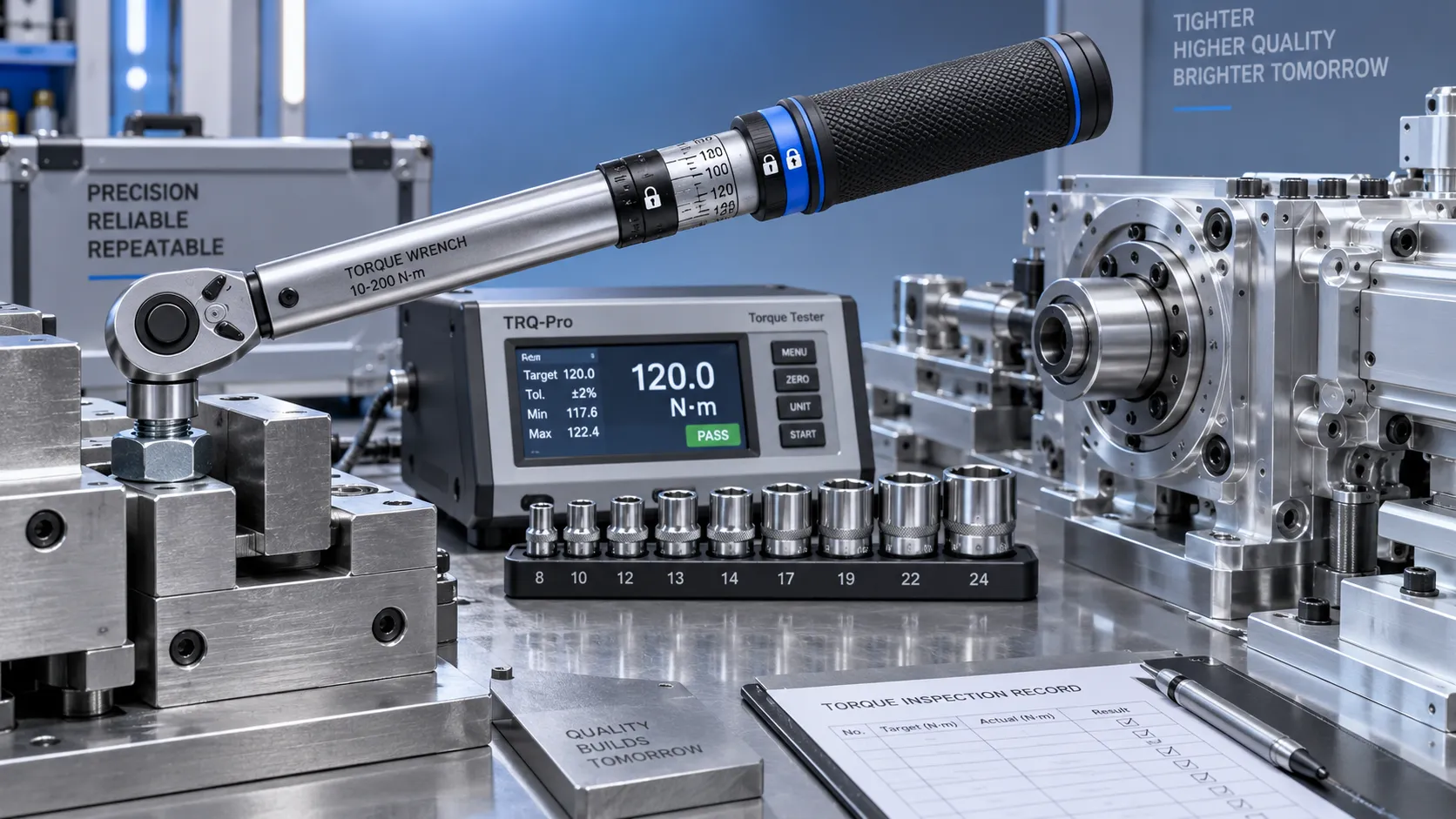
Selecting Adjustable Torque Tools for Repeatable Fastener Assembly
Adjustable torque tools: learn how to match range, accuracy, control methods, calibration, and ergonomics for repeatable, reliable fastener assembly.
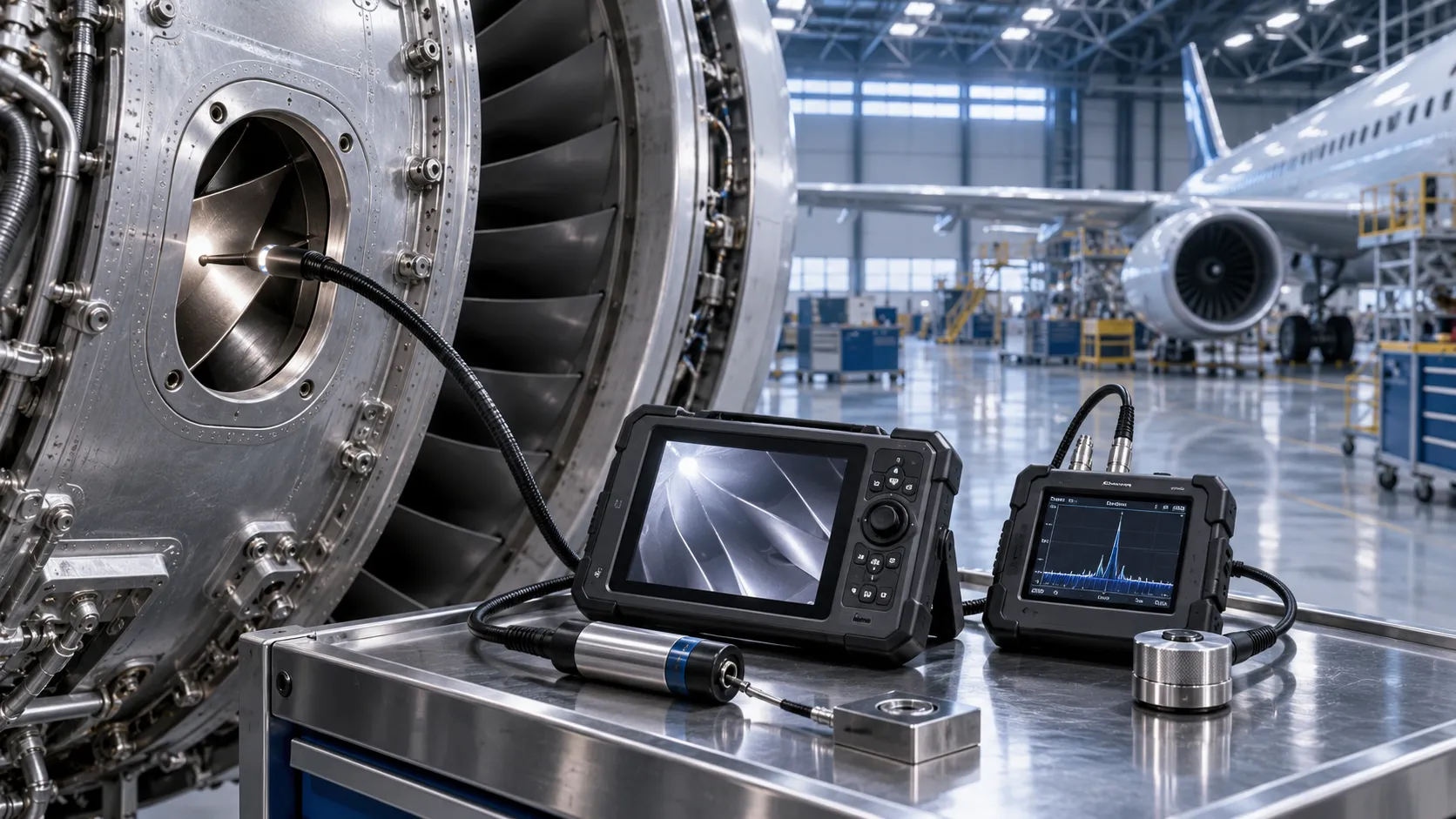
How to Select Aerospace Inspection Tools for Aircraft Maintenance Tasks
Aerospace maintenance inspection tools: learn how to select reliable, traceable equipment for aircraft access, accuracy, calibration, and compliant maintenance decisions.
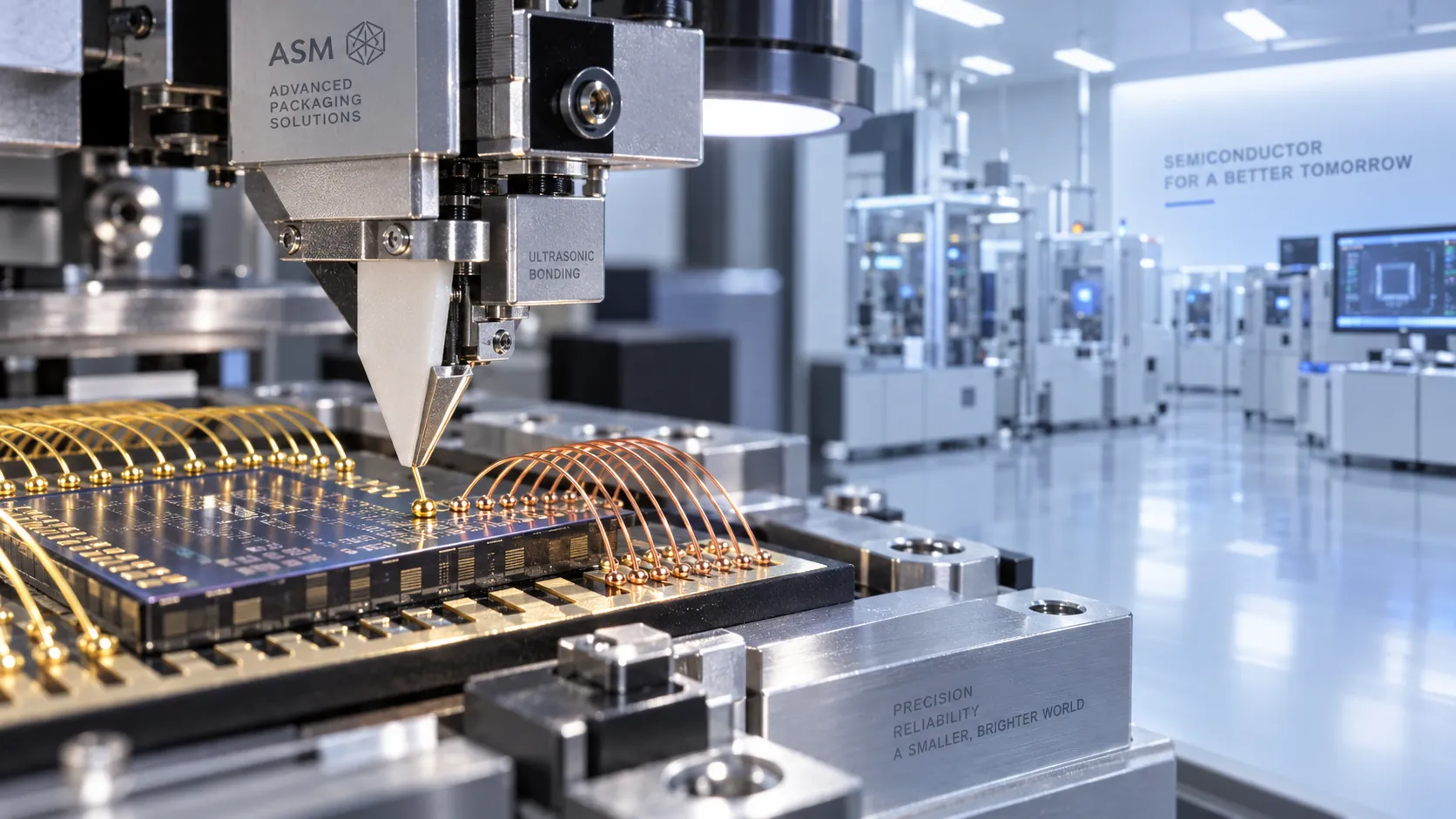
How to Select Wire Bonding Tools for Fine-Pitch Semiconductor Packaging
Explore semiconductor manufacturing tools for wire bonding and learn how to select precision solutions for fine-pitch packaging, reliable loops, accuracy, and yield.
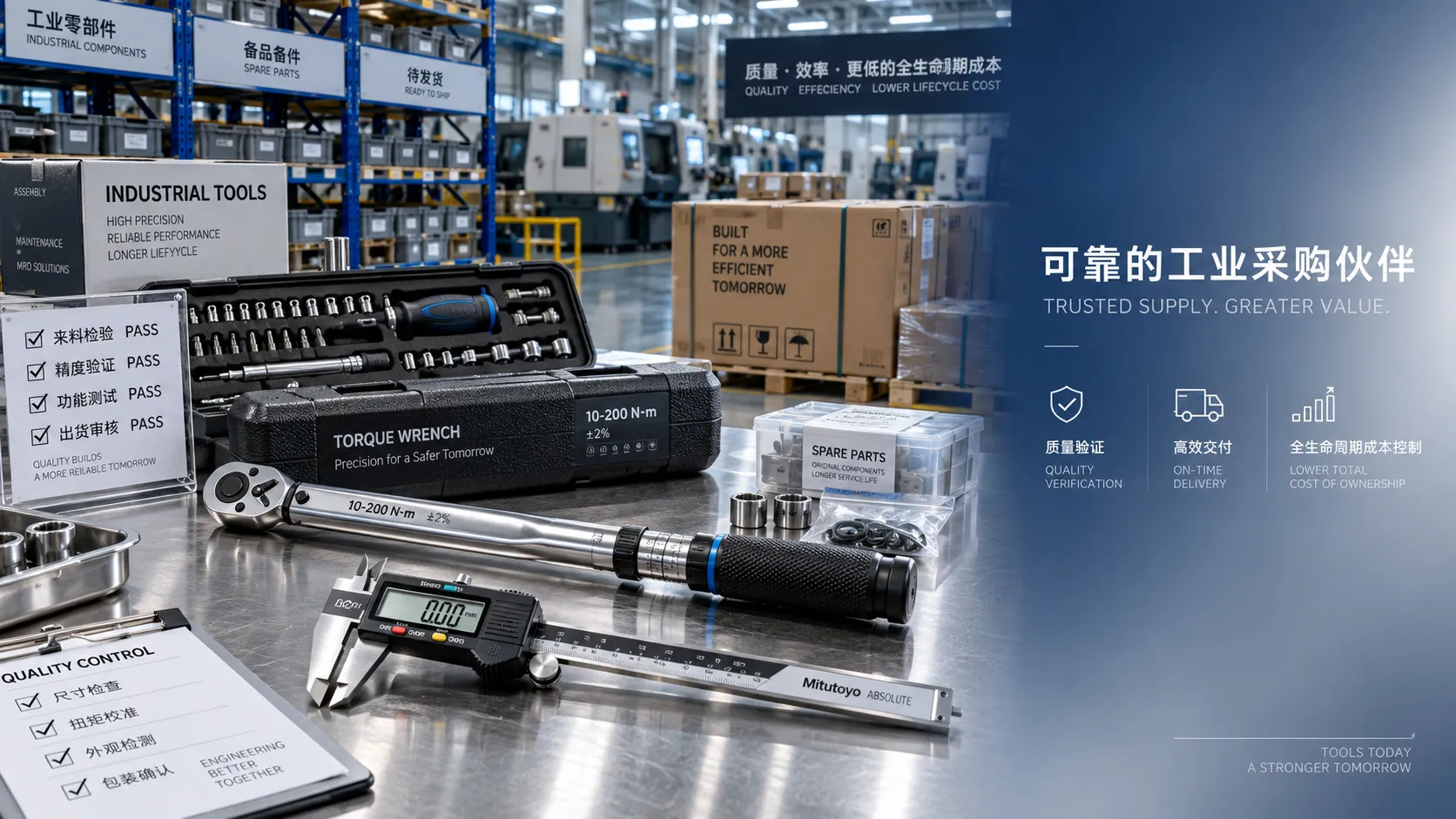
How to Compare Industrial Tool Suppliers for Quality, Lead Time, and Total Cost
Industrial tool selection supplier comparison made simple: evaluate quality, lead times, total cost, service, and supply resilience for confident sourcing decisions.
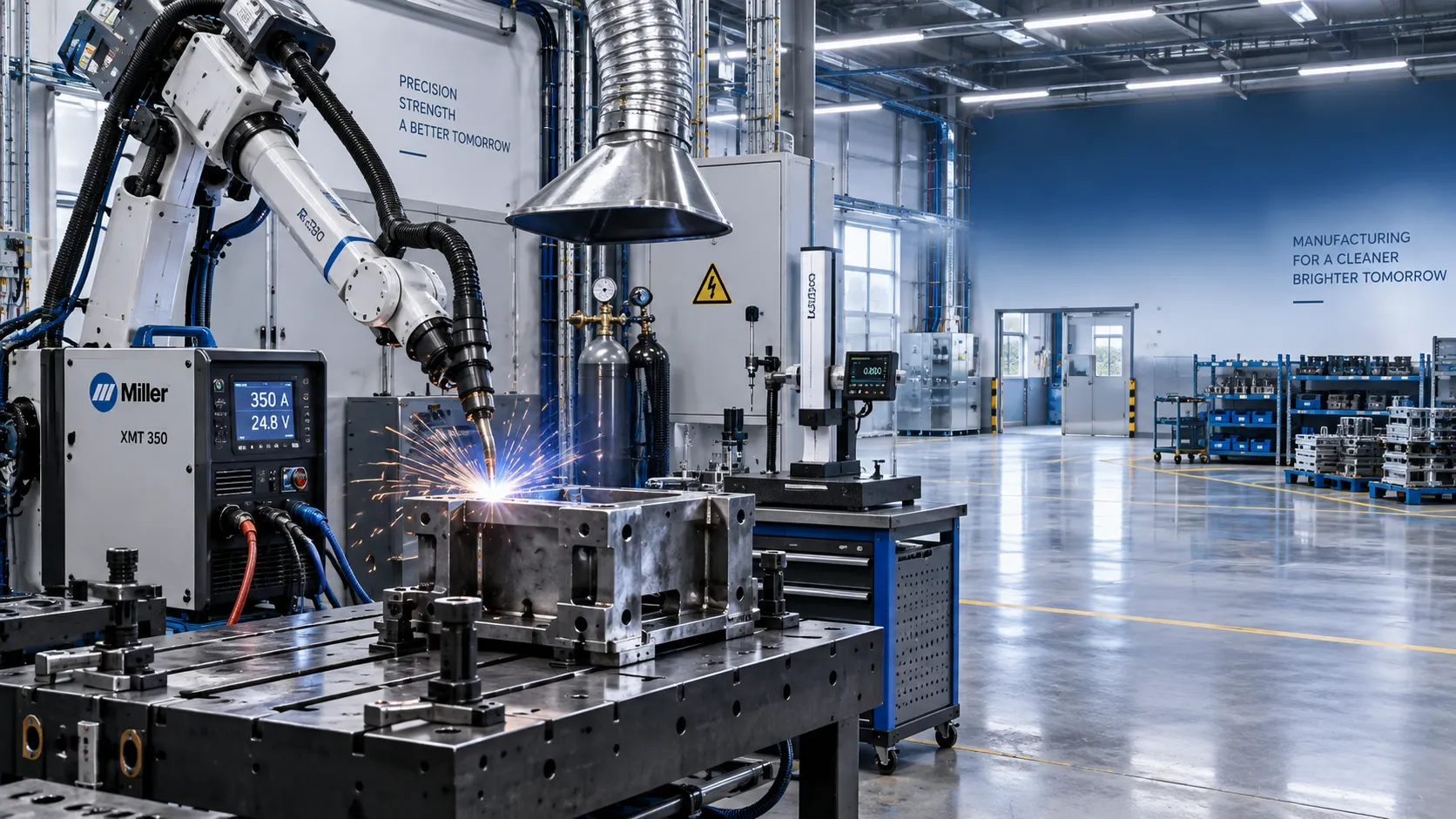
Industrial Equipment Application Guidance: Match Machines to Operating Conditions
Application guidance industrial equipment: match capacity, duty cycle, materials, site conditions, safety, and lifecycle cost to improve reliable output. Read the guide.
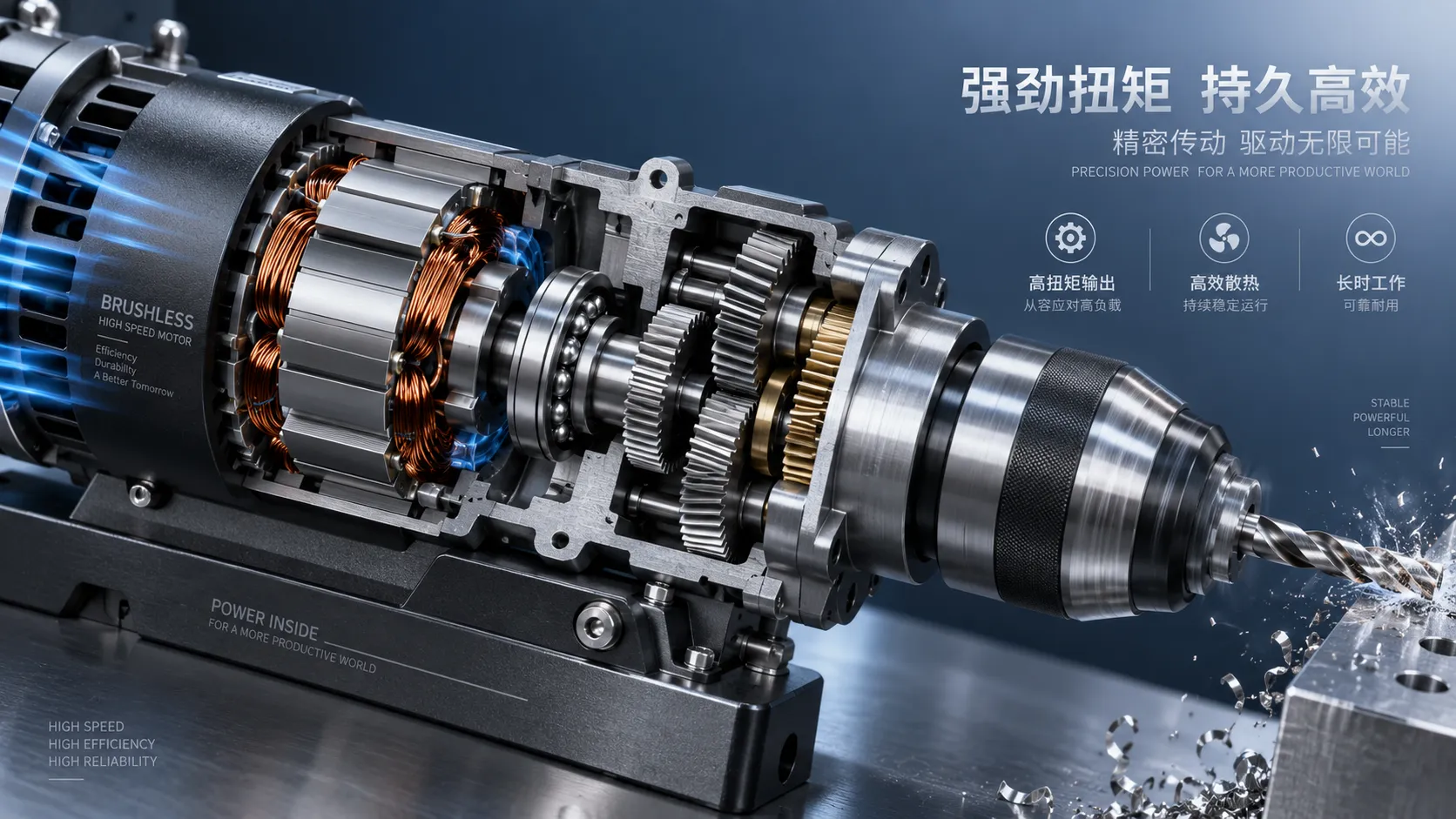
Selecting High-Speed Brushless Tool Motors for Torque, Heat, and Duty Cycle
High speed brushless tool motors: learn how to balance torque, heat, gearing, and duty cycle for reliable industrial tool performance and longer service life.
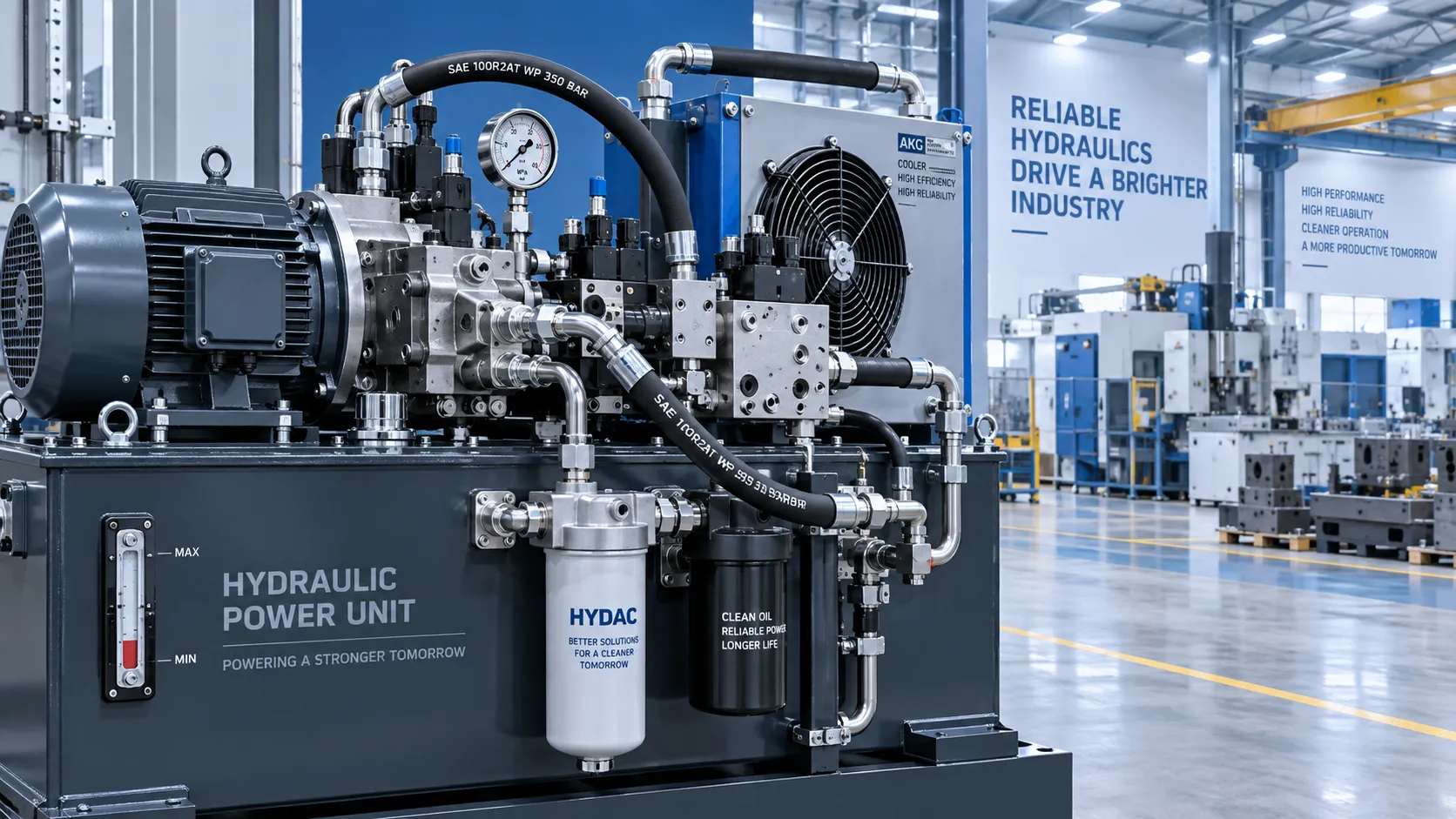
What Determines Industrial Hydraulic System Price for Heavy-Duty Equipment?
Industrial hydraulic system price depends on duty cycle, pressure, components, cooling, and integration. Compare quotes intelligently to secure reliable heavy-duty performance.
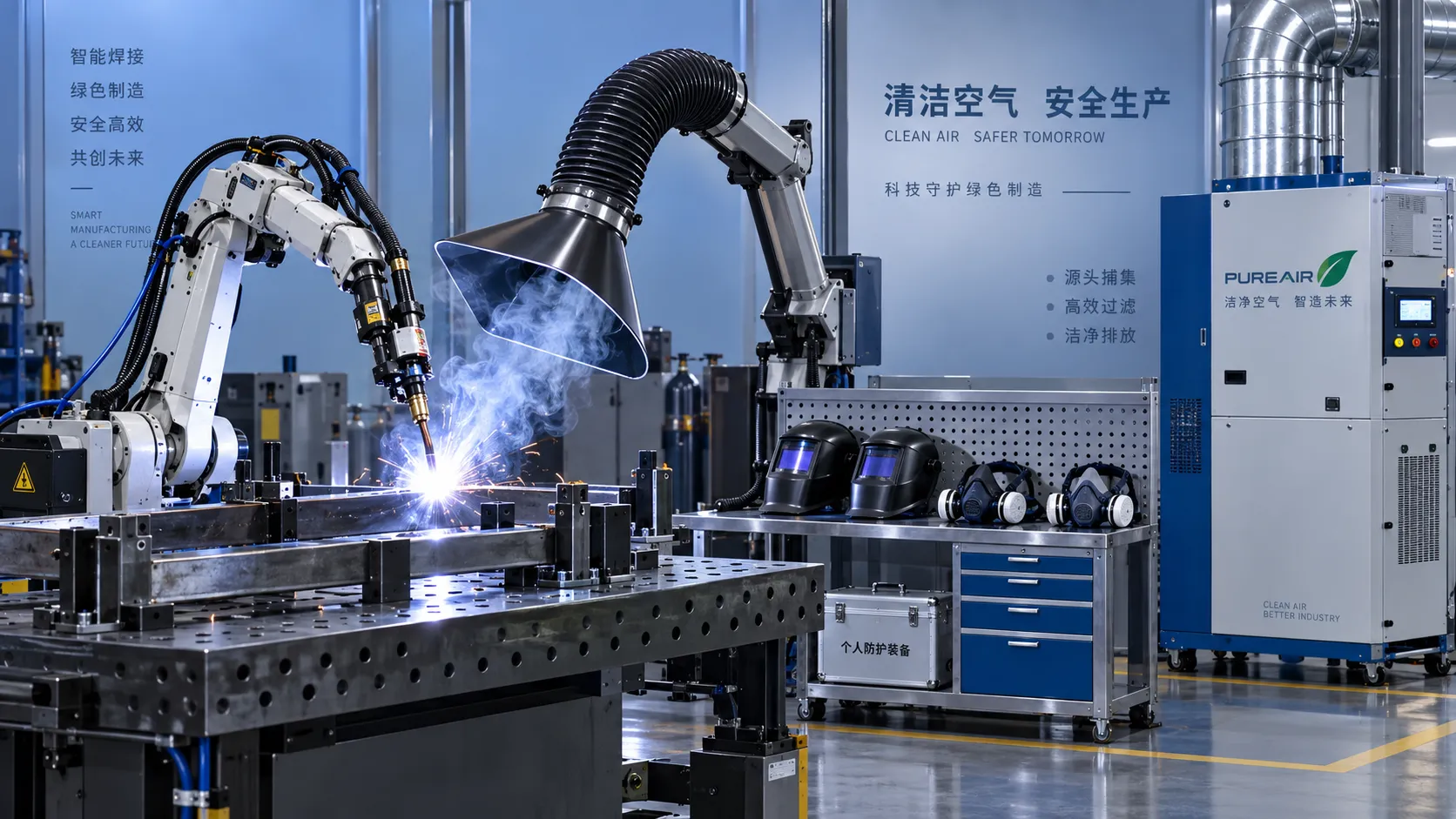
Welding Fume Extraction PPE: When Respirators Are Not Enough for Shop Safety
Welding fume extraction PPE: learn why respirators alone fall short and how source capture, ventilation, and layered controls improve shop safety.
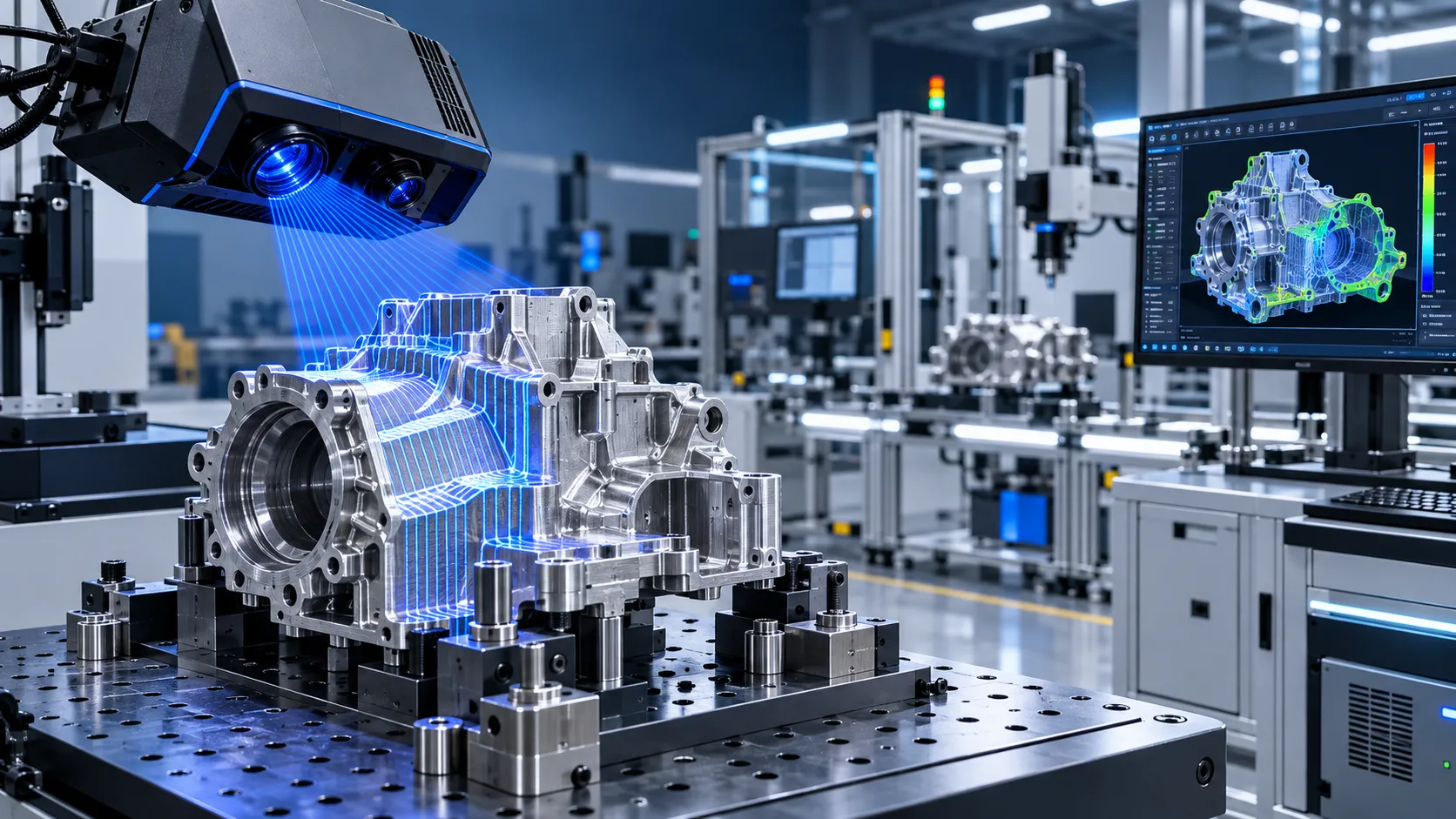
How to Select Optical Metrology Solutions for Tight-Tolerance Manufacturing
Optical industrial metrology solutions for tight-tolerance manufacturing: evaluate accuracy, surface compatibility, workflow, and traceability to select with confidence.
Related News
- 00
0000-00
Planning Access, Material Flow, and Clearance Around a 3200mm Sliding Saw - 00
0000-00
How to Select Vernier Precision Calipers for Tight-Tolerance Machining Inspection - 00
0000-00
How to Choose Metalworking Tools for Sheet Metal by Thickness and Forming Tasks - 00
0000-00
Metrology Technology Europe: Which Systems Improve Inspection Accuracy on the Line? - 00
0000-00
How to Choose Precision Measuring Instruments in North America for Tighter Tolerance Work
Metrology Fellow
Weekly Insights
Stay ahead with our curated technology reports delivered every Monday.