
How metalworking tools affect speed, waste, and finish





In metal fabrication, the right metalworking tools can dramatically change output speed, material waste, and surface finish. For operators, every tool choice affects daily efficiency, consistency, and rework rates. This article explores how tool selection, condition, and application methods shape production results, helping users improve performance while maintaining precision and reducing unnecessary costs.
In real shop conditions, these effects are visible within the first 1–2 shifts. A cutter that removes stock faster but overheats can increase scrap. A grinder with poor balance may leave marks that add 20–30 minutes of finishing work per batch. Even simple measuring tools influence how often a part must be reworked before release.
For users and operators, the issue is not only tool quality in isolation. It is the fit between tool type, material grade, machine setup, feed rate, spindle speed, cooling method, and maintenance frequency. In high-mix production, small tool decisions can alter cycle time, consumable use, and dimensional stability across dozens or hundreds of parts.
This is why industrial intelligence platforms such as GPTWM pay close attention to the last mile of manufacturing performance. The practical value lies in translating technical knowledge into better daily choices on the floor: choosing the right abrasive, replacing worn inserts before chatter begins, and matching measurement practices to tolerance demands such as ±0.02 mm or ±0.10 mm.
Why metalworking tools directly influence speed, waste, and finish
Metalworking tools do more than remove material. They determine how stable the process remains from the first cut to the 50th or 500th part. In drilling, milling, grinding, deburring, welding preparation, and inspection, the wrong setup often creates a chain reaction: slower throughput, higher burr formation, more dimensional drift, and poorer cosmetic quality.
Speed: cycle time starts with tool geometry and condition
Operators usually notice speed loss first. A sharp and properly matched tool can improve stock removal efficiency by 10%–25% in common fabrication tasks. By contrast, a worn edge increases cutting resistance, raises spindle load, and often forces the user to reduce feed rate to avoid chatter, burning, or edge breakage.
For example, when working with mild steel, stainless steel, and aluminum, the same drill bit geometry rarely performs equally well across all three. Stainless often needs better heat control and more consistent lubrication. Aluminum may require flute designs that evacuate chips quickly. If chip evacuation fails for even 30–60 seconds during continuous drilling, cycle time and hole quality can both deteriorate.
Waste: poor tool matching turns usable material into scrap
Material waste comes from three common sources: overcutting, thermal distortion, and rework-related trimming. In fabrication shops processing plate, tube, and machined components, a mismatch between tool and material can raise scrap rates from a manageable 2%–3% to 5%–8% over a production run. That difference becomes costly when metal prices fluctuate.
Waste is not always visible as a rejected part. It can also appear as shortened consumable life, excess grinding wheel wear, extra weld prep passes, or oversized stock allowances added to compensate for unstable cutting. In practice, every unnecessary pass removes time and value from the job.
Finish: surface quality depends on stability, not only sharpness
A good surface finish comes from repeatable contact between tool and workpiece. Tool runout, vibration, wheel loading, incorrect abrasive grit, and inconsistent operator pressure can all leave swirl marks, taper, burrs, or heat tint. On visible or sealing surfaces, even a small deviation can trigger rejection.
In many workshops, acceptable roughness may range from Ra 3.2 to Ra 0.8 depending on the component. Reaching the lower end consistently requires more than a premium tool. It requires correct speed, clamping rigidity, balanced wear, and inspection at regular intervals rather than only at final quality control.
The table below shows how common tool-related variables influence three daily production outcomes for operators.
The main lesson is that speed, waste, and finish are linked. Faster removal is valuable only when the process stays stable. A tool that appears productive for 15 minutes but causes scrap by the end of the shift is not improving output.
How operators should choose metalworking tools for real production
Selecting metalworking tools should begin with the workpiece, not the catalog. Users need to identify the base material, thickness, tolerance band, required finish, batch size, and machine capability. A handheld grinder used on structural steel has different demands from a precision milling setup for stainless components in maintenance or aerospace support work.
Match the tool to material and task
There are at least 4 basic matching questions: What material is being processed? How much stock must be removed? What finish is required? Is the job roughing, semi-finishing, or finishing? A tool selected without these answers often causes short life and inconsistent results.
- For carbon steel, toughness and heat control often matter more than extreme sharpness.
- For stainless steel, anti-loading behavior and thermal stability are critical.
- For aluminum, chip clearance and reduced material adhesion improve productivity.
- For hardened alloys, edge integrity and vibration control become the priority.
Consider the operating window, not only the tool price
A lower-cost tool is not automatically more economical. If one insert lasts 40 parts and another lasts 70 parts while holding the same tolerance, the second option may reduce tool changes by nearly 43%. That directly affects labor time, machine downtime, and consistency between operators on different shifts.
Toolholders, balancing, coolant delivery, and spindle condition also define the operating window. In many shops, the practical limit is not the cutter itself but the surrounding system. A premium cutter mounted with excessive runout may perform worse than a mid-tier cutter installed correctly.
Five checkpoints before tool approval
- Confirm material family and hardness range.
- Check machine power, RPM range, and rigidity.
- Define required tolerance and finish level.
- Estimate batch size and acceptable tool-change frequency.
- Verify cooling, chip removal, and inspection method.
The following comparison helps operators and supervisors evaluate metalworking tools based on total process effect rather than purchase price alone.
This comparison shows why practical selection depends on total output value. The best metalworking tools for operators are the ones that remain predictable under real workloads, not just under ideal test conditions.
Application methods that improve performance without changing equipment
Even when the tool is correct, poor application can cancel its advantages. In many factories, 15%–30% of avoidable finish defects come from setup and handling issues rather than from the tool specification itself. Operators can often improve output quickly by standardizing use conditions.
Feed, speed, and pressure must stay within a stable range
Running too slowly is a common mistake. Low cutting speed may seem safer, but it can rub instead of cut, raise heat locally, and damage finish. Excessive pressure during grinding creates similar problems by loading the wheel and changing contact temperature. The right operating zone is usually a range, not a single number, and should be tested over 10–20 parts rather than one sample only.
Tool condition should be checked by interval, not by guesswork
Many users wait until quality drops before changing a tool. That approach often means the process was already unstable for several parts. A better method is to define inspection intervals, such as every 25 parts, every 45 minutes, or at each batch transition. These checkpoints help catch wear before finish and dimensional control begin to drift.
Practical control steps for operators
- Record baseline cycle time for each operation and compare once per shift.
- Inspect burr formation and edge quality at fixed intervals.
- Monitor color change, heat tint, or chip shape as early warning signs.
- Replace or dress tools before visible finish failure appears.
- Use measuring tools at the machine, not only in final inspection.
When these steps are followed, operators often find that output improves without buying new machines. Better use of existing metalworking tools can reduce rework loops, improve repeatability, and keep finishing operations shorter and more controlled.
Maintenance, measurement, and common mistakes on the shop floor
Maintenance is often treated as a support activity, but it is part of production quality. Tool storage, cleaning, dressing, calibration, and replacement timing all influence process stability. In fabrication environments with dust, vibration, and mixed materials, even a small maintenance gap can shorten useful tool life by 20% or more.
Why measurement tools matter as much as cutting tools
Calipers, micrometers, gauges, and basic runout checks protect the value created by cutting and grinding tools. If a part is measured too late, the shop may discover drift only after 10 or 15 pieces are complete. That multiplies waste. For operators, at-machine verification is one of the fastest ways to hold tolerance and surface quality together.
Common mistakes that raise waste and lower finish quality
Several errors repeat across industries: using one tool for too many materials, ignoring tool balance, pushing damaged abrasives to finish a batch, and skipping cleaning of holders or contact surfaces. Another frequent issue is inconsistent technique between day and night shifts, especially when setup instructions are verbal rather than documented.
A simple operating sheet with 6 key items—material, tool type, speed, feed, coolant status, and inspection interval—can reduce variation immediately. It does not replace training, but it gives users a repeatable reference that supports better surface finish and lower scrap.
Recommended maintenance rhythm
- Daily: wipe, inspect, and store tools properly after each shift.
- Weekly: verify holders, guards, alignment, and wheel condition.
- Monthly: review wear records, scrap causes, and replacement thresholds.
This rhythm is practical because it aligns maintenance effort with production impact. It also supports safer use, which is especially important for handheld equipment, rotating tools, and operations that produce sparks, burrs, or high localized heat.
Using production intelligence to make better tool decisions
Tool performance improves faster when operators, supervisors, and sourcing teams share the same decision criteria. That is where industrial intelligence becomes useful. Instead of choosing metalworking tools only by familiarity or unit cost, teams can compare wear behavior, finish consistency, ergonomic impact, and maintenance burden across applications.
For B2B users in construction equipment, automotive service, plant maintenance, metal fabrication, and aerospace support, the most valuable information often sits between product data and real operating behavior. Intelligence-led selection helps narrow the gap. It supports decisions about when to shift to a different abrasive family, when to standardize a measuring method, or when a brushless handheld tool can improve duty cycle and reduce operator fatigue over 2–4 hours of continuous work.
GPTWM focuses on this connection between precision tools and industrial decision-making. By following material trends, safety developments, performance limits, and commercial demand patterns, users can make more grounded choices about the tools they apply every day. That matters when every minute of downtime, every rejected edge, and every extra finishing pass affects profitability.
What operators and buyers should review together
- Expected tool life under actual material mix
- Surface finish target and rework tolerance
- Changeover time and training requirements
- Inspection frequency and measurement method
- Safety and ergonomic suitability for shift length
Metalworking tools affect far more than a single cutting or grinding step. They shape production speed, scrap exposure, finish quality, and the confidence operators have in each batch. When tool selection, maintenance, and application are aligned, shops gain faster throughput, cleaner surfaces, and fewer costly corrections.
If you want to improve tool decisions with clearer industrial insight, practical selection guidance, and application-focused intelligence, connect with GPTWM. Contact us to discuss product details, request a tailored solution, or explore more precision tool and metal joining strategies for your operation.
Related News
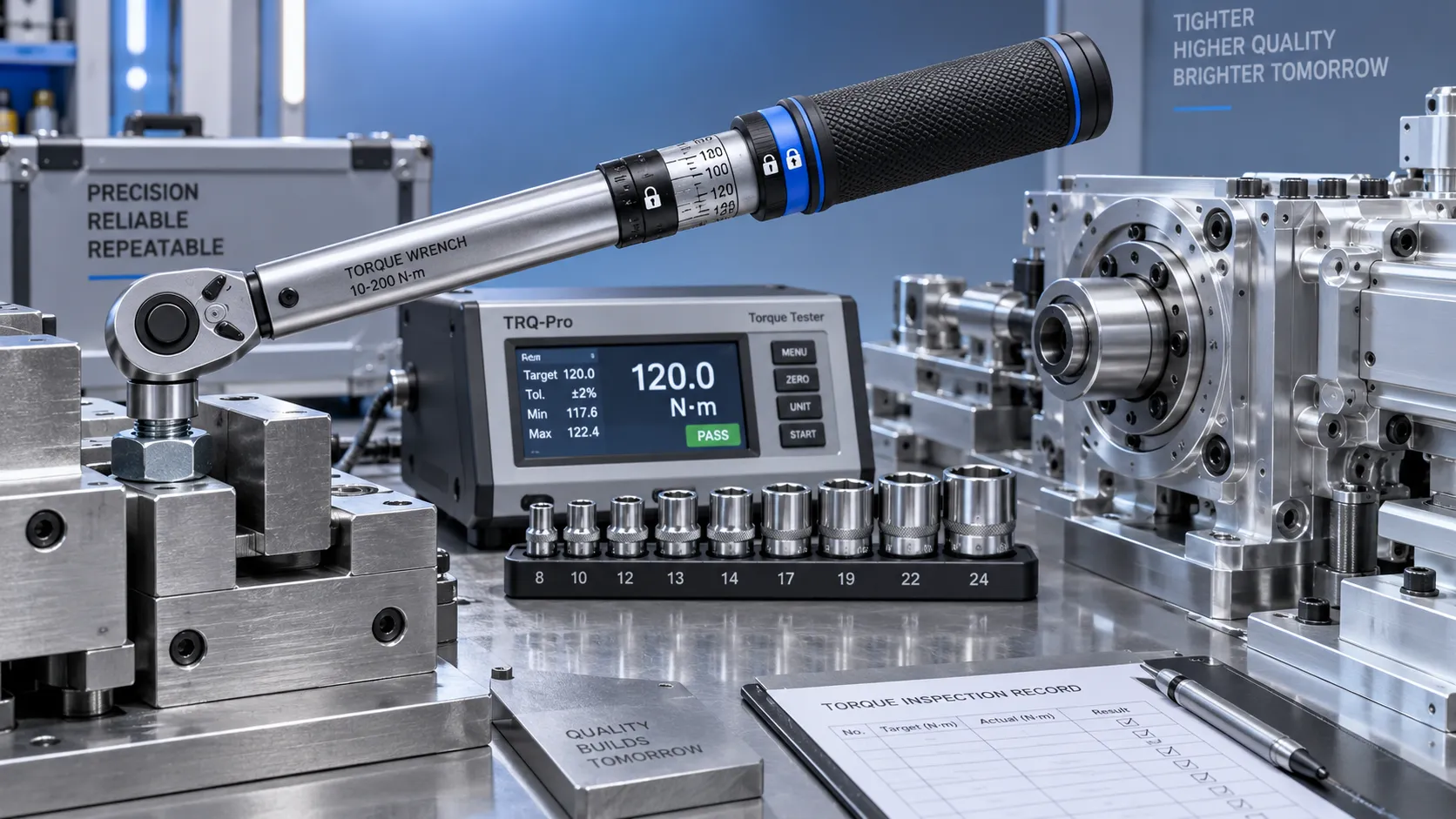
Selecting Adjustable Torque Tools for Repeatable Fastener Assembly
Adjustable torque tools: learn how to match range, accuracy, control methods, calibration, and ergonomics for repeatable, reliable fastener assembly.
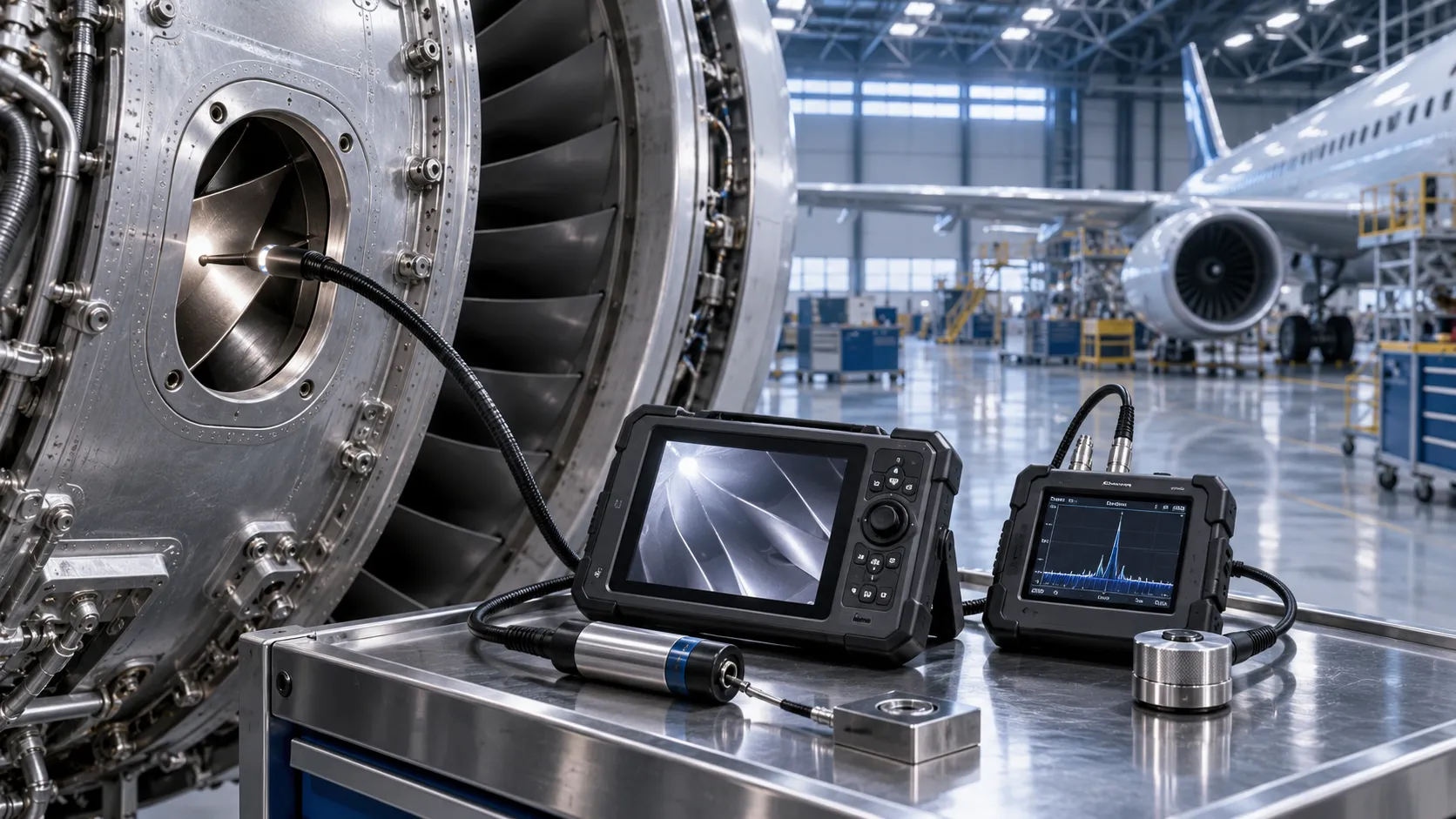
How to Select Aerospace Inspection Tools for Aircraft Maintenance Tasks
Aerospace maintenance inspection tools: learn how to select reliable, traceable equipment for aircraft access, accuracy, calibration, and compliant maintenance decisions.
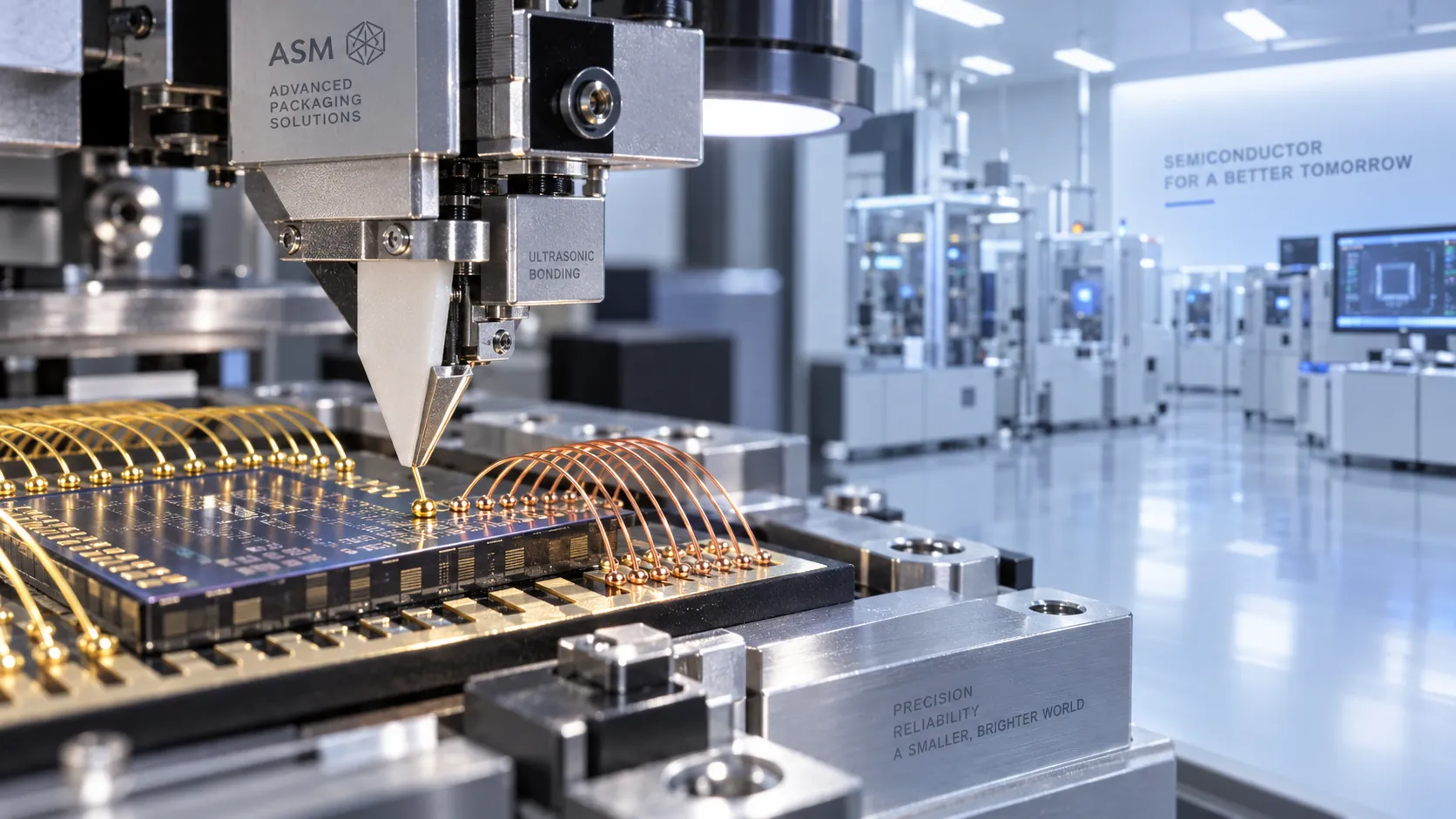
How to Select Wire Bonding Tools for Fine-Pitch Semiconductor Packaging
Explore semiconductor manufacturing tools for wire bonding and learn how to select precision solutions for fine-pitch packaging, reliable loops, accuracy, and yield.
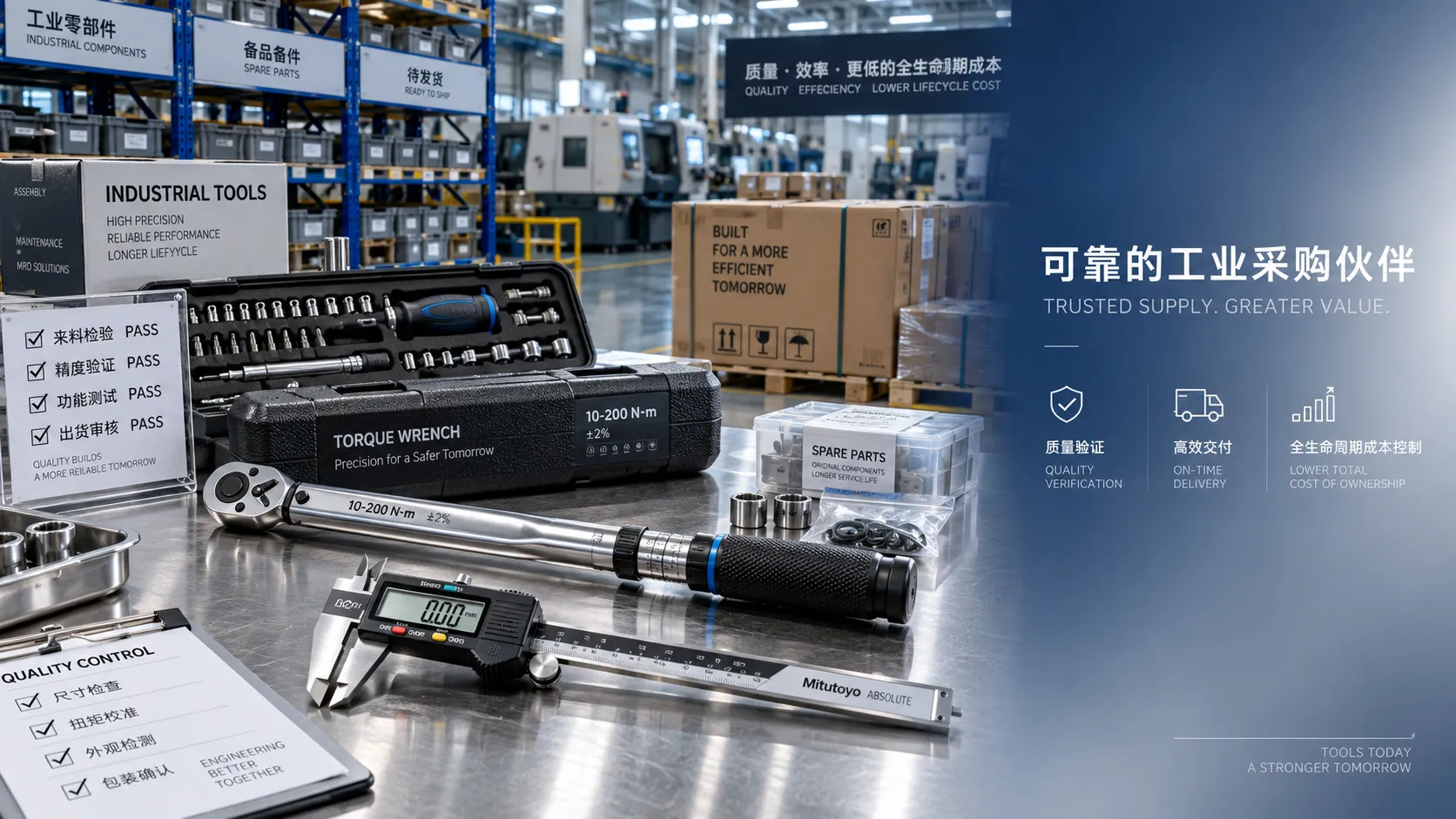
How to Compare Industrial Tool Suppliers for Quality, Lead Time, and Total Cost
Industrial tool selection supplier comparison made simple: evaluate quality, lead times, total cost, service, and supply resilience for confident sourcing decisions.
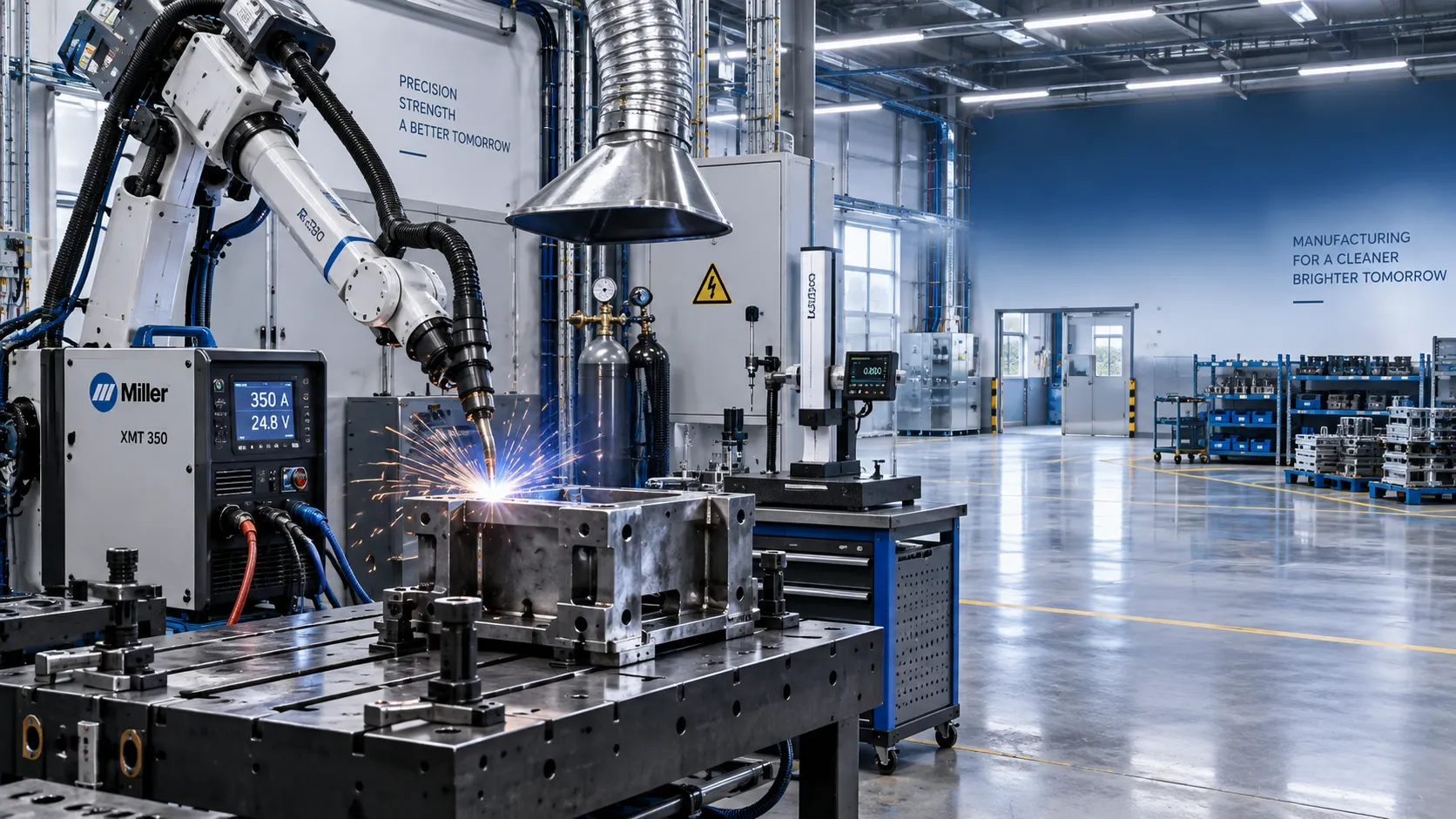
Industrial Equipment Application Guidance: Match Machines to Operating Conditions
Application guidance industrial equipment: match capacity, duty cycle, materials, site conditions, safety, and lifecycle cost to improve reliable output. Read the guide.
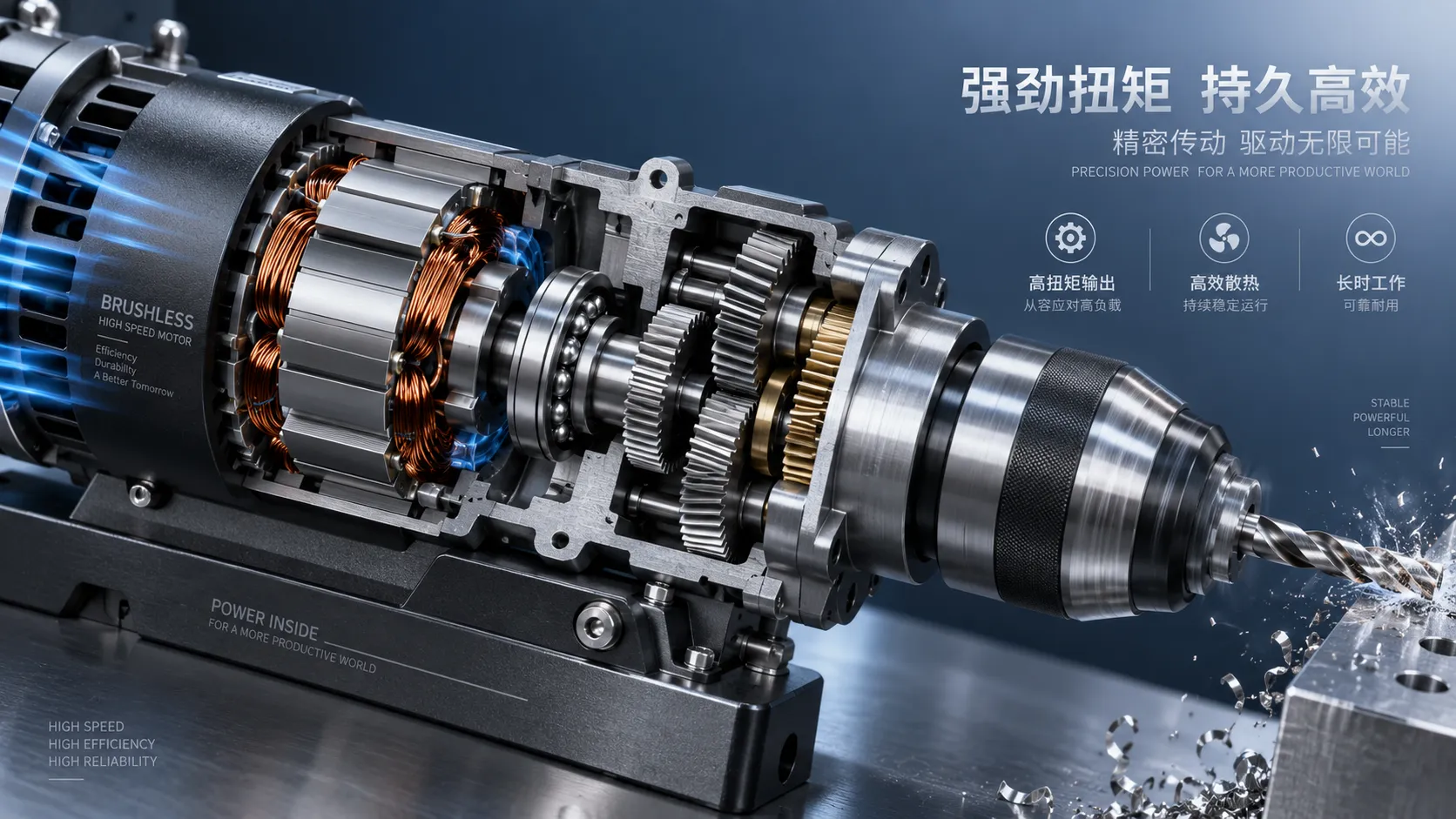
Selecting High-Speed Brushless Tool Motors for Torque, Heat, and Duty Cycle
High speed brushless tool motors: learn how to balance torque, heat, gearing, and duty cycle for reliable industrial tool performance and longer service life.
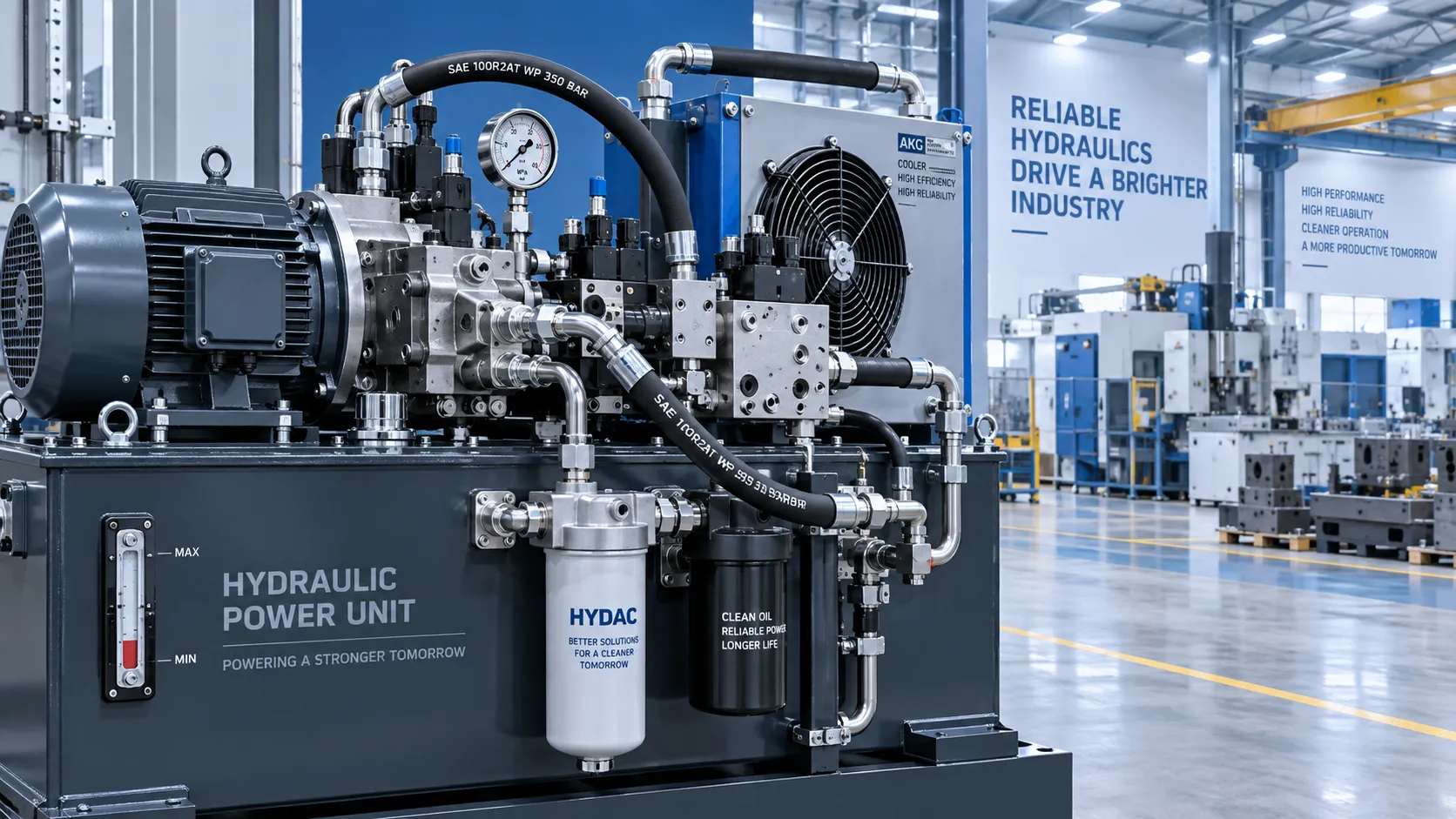
What Determines Industrial Hydraulic System Price for Heavy-Duty Equipment?
Industrial hydraulic system price depends on duty cycle, pressure, components, cooling, and integration. Compare quotes intelligently to secure reliable heavy-duty performance.
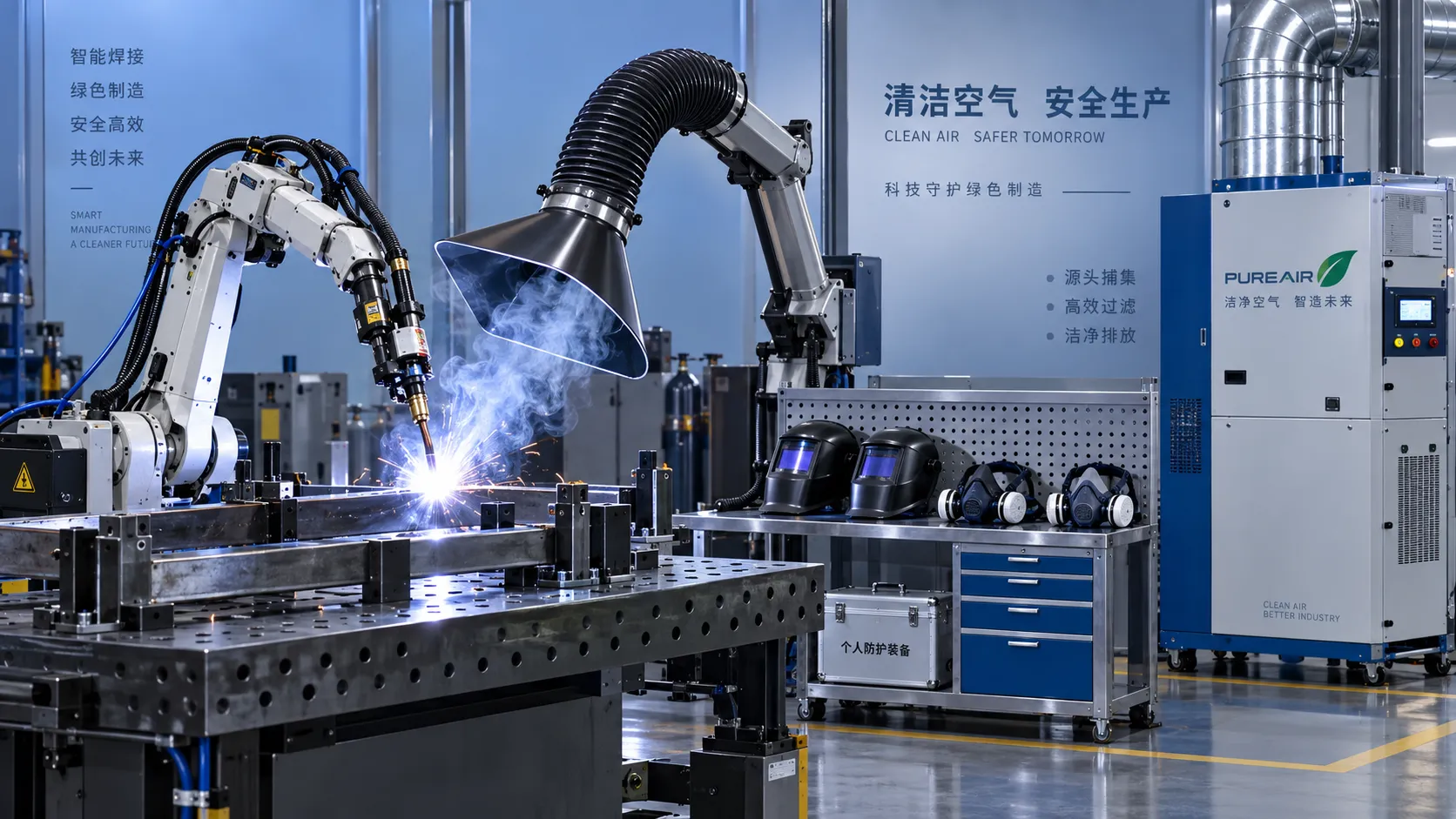
Welding Fume Extraction PPE: When Respirators Are Not Enough for Shop Safety
Welding fume extraction PPE: learn why respirators alone fall short and how source capture, ventilation, and layered controls improve shop safety.
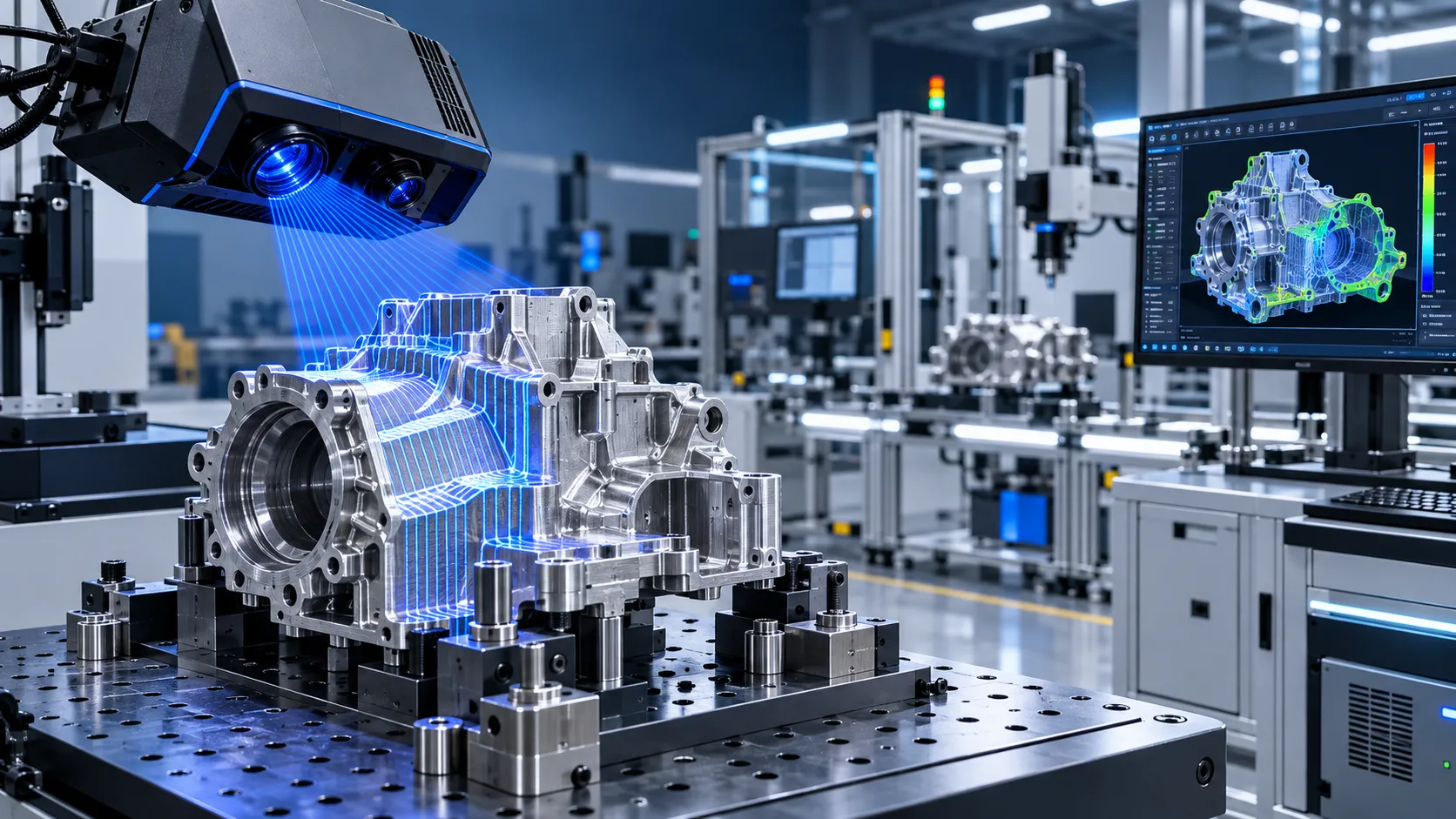
How to Select Optical Metrology Solutions for Tight-Tolerance Manufacturing
Optical industrial metrology solutions for tight-tolerance manufacturing: evaluate accuracy, surface compatibility, workflow, and traceability to select with confidence.
Related News
- 00
0000-00
Planning Access, Material Flow, and Clearance Around a 3200mm Sliding Saw - 00
0000-00
How to Select Vernier Precision Calipers for Tight-Tolerance Machining Inspection - 00
0000-00
How to Choose Metalworking Tools for Sheet Metal by Thickness and Forming Tasks - 00
0000-00
Metrology Technology Europe: Which Systems Improve Inspection Accuracy on the Line? - 00
0000-00
How to Choose Precision Measuring Instruments in North America for Tighter Tolerance Work
Metrology Fellow
Weekly Insights
Stay ahead with our curated technology reports delivered every Monday.