
Are welding innovations reducing defects in real projects





From rework costs to schedule pressure, defect control is a constant concern for project leaders. But are welding innovations truly reducing defects in real projects, or just improving lab results? By examining current field practices, intelligent tools, and quality-driven process upgrades, this article explores how welding innovations are helping teams improve consistency, lower failure rates, and make better project decisions.
Why project teams still struggle with weld defects
For project managers, weld defects are rarely just a workshop issue. They affect inspection hold points, installation sequencing, safety compliance, and commercial risk. A single recurring defect type can trigger rework, delay dependent trades, consume spare materials, and weaken client confidence.
In real projects across construction, equipment fabrication, maintenance, transport, and energy infrastructure, defects usually come from a combination of variables rather than one obvious mistake. Heat input may drift, joint preparation may vary, operator consistency may change across shifts, and environmental conditions may not stay stable.
- Incomplete fusion caused by poor parameter control, inconsistent torch angle, or contaminated surfaces.
- Porosity linked to shielding gas problems, moisture, drafts, or insufficient cleaning.
- Distortion and residual stress resulting from poor sequence planning or excessive heat input.
- Lack of repeatability between operators, subcontractors, or sites using different setups.
This is why the discussion around welding innovations matters. The value is not only in new equipment. The real question is whether innovations improve process stability under site pressure, workforce variation, compliance constraints, and delivery deadlines.
Are welding innovations reducing defects in real projects or only in controlled tests?
The short answer is yes, welding innovations are reducing defects in real projects, but only when they are deployed as part of a managed system. New welding technologies can narrow the process window, improve repeatability, and support traceability. They do not replace fit-up discipline, qualified procedures, or supervision.
Project leaders should therefore evaluate welding innovations in three layers: equipment capability, process control, and implementation discipline. If one layer is missing, defect reduction may remain marginal even with advanced tools.
What counts as practical innovation on site
Useful innovation is not limited to robotics. In many field projects, the biggest quality gains come from smarter power sources, digital parameter presets, better handheld laser welding safety controls, improved wire feeding stability, data logging, and more reliable measurement tools for inspection and setup.
At GPTWM, this broader view is critical. Our Strategic Intelligence Center tracks how industrial assembly, metal joining, and precision metrology evolve together. For defect prevention, that connection matters because welding quality depends as much on measurement and decision support as on the arc itself.
Which welding innovations are making the biggest difference?
Project teams often ask which innovations deserve budget priority. The table below compares common categories of welding innovations and the defect-control value they typically deliver in real operating conditions.
The table shows an important reality: the most effective welding innovations often act before, during, and after the weld. Projects that focus only on the torch but ignore fit-up measurement, data capture, and inspection discipline usually miss a large share of the possible defect reduction.
Why measurement matters as much as joining
Many defects begin as dimensional problems. Poor root gap, angular mismatch, misalignment, and inconsistent edge preparation create conditions where even skilled welders struggle to meet quality targets. That is why GPTWM places precision metrology alongside welding intelligence rather than treating it as a separate topic.
How defect reduction looks in real project scenarios
Project managers need scenario-based judgment. Welding innovations do not perform the same way in all environments. The following situations show where defect reduction is most visible and where expectations should remain cautious.
High-mix fabrication with frequent setup changes
In mixed production environments, preset parameter libraries and guided setup routines can reduce errors from manual setup. This is particularly useful where multiple operators handle varying thicknesses and joint types in one shift.
Field installation under schedule pressure
On live projects, real-time monitoring and structured weld traceability can help supervisors isolate problems quickly. Instead of broad re-inspection, teams can focus on affected batches, stations, or shifts, limiting delay escalation.
Thin material and appearance-critical assemblies
Where distortion, cosmetic finish, and post-processing matter, low-heat or tightly controlled processes can reduce burn-through and cleanup effort. However, operator training and safety discipline remain decisive, especially with newer methods.
- Projects gain most when innovations target the actual defect pattern, not just the newest technology trend.
- Sites with variable labor quality benefit strongly from guided settings and standardized measurement checkpoints.
- Projects with strict client documentation requirements benefit from digital records and parameter traceability.
How to evaluate welding innovations before procurement
For engineering and procurement leaders, the key challenge is choosing solutions that lower total project risk rather than simply adding capital cost. The next table provides a practical screening framework for selecting welding innovations.
This evaluation model helps decision-makers avoid a common mistake: buying for speed claims while ignoring deployment reality. In practice, the best welding innovations are those that your team can implement consistently within the project’s labor, compliance, and delivery constraints.
A practical procurement checklist
- Map the top three recurring defect categories from recent projects or NCR records.
- Verify whether the issue starts in fit-up, process control, consumables, or operator variation.
- Compare equipment capability with qualification, training, and metrology requirements.
- Request support on parameter confirmation, implementation guidance, and delivery timing.
What standards, safety, and compliance issues should managers watch?
Defect reduction is only valuable if the result remains compliant. Welding innovations should be evaluated against applicable procedure qualification requirements, inspection plans, safety rules, and export or client-specific documentation demands. Depending on region and sector, teams may reference common frameworks such as ISO, AWS, ASME, or EN-based requirements.
This is especially relevant when introducing processes such as handheld laser welding. Safety controls, operator training, work area protection, and process suitability must be checked carefully. Innovation can improve quality, but unmanaged adoption can introduce new hazards or invalid documentation paths.
- Confirm whether existing welding procedure specifications remain valid for the intended process and material range.
- Check calibration and verification requirements for measurement tools used in fit-up and final inspection.
- Review data traceability needs for clients who require auditable process records or maintenance histories.
GPTWM’s advantage in this area comes from combining sector news, technical evolution tracking, and commercial insight. Project teams often need not only a welding answer but also guidance on standard restrictions, export expectations, and the broader tool ecosystem that supports compliant execution.
Common misconceptions about welding innovations
“New technology automatically means fewer defects”
Not necessarily. If joint preparation remains inconsistent or supervision is weak, defect rates may stay high. Technology helps most when deployed into a stable quality system.
“Only large factories benefit from advanced welding tools”
Smaller contractors and project-based teams can also benefit, especially from digital presets, portable monitoring, and precision measurement tools. These solutions often improve repeatability without requiring full automation.
“Defect reduction should be judged only by weld appearance”
Appearance matters, but it is not enough. Project managers should track rework frequency, dimensional acceptance, inspection pass rates, downtime caused by corrections, and whether documentation quality improves.
FAQ: practical questions project leaders ask about welding innovations
How do I know whether welding innovations are worth the investment?
Start with the cost of poor quality. If rework, delay claims, repeated inspection failures, or scrap are recurring, the investment case may already exist. Compare those costs with the expected gains from better process control, less downtime, and improved first-pass acceptance.
Which projects benefit most from welding innovations?
Projects with strict deadlines, high documentation requirements, multiple operators, variable material thickness, or repeated fit-up issues usually benefit most. Multi-site programs also gain value from standardized settings and traceable process data.
Can welding innovations reduce defects without retraining the team?
Usually no. Even user-friendly systems need training. The good news is that some innovations reduce the training burden by making setup more guided and less dependent on individual memory. Still, supervisors should plan for qualification checks and adoption support.
What should I request from a supplier or technical intelligence partner?
Ask for parameter guidance, application suitability, expected delivery timing, compatible metrology tools, compliance considerations, and implementation risks. If you are comparing options, request a structured decision matrix rather than only product brochures.
Why project teams use GPTWM to make better defect-control decisions
Welding innovations create value when technical choice, field reality, and market intelligence are aligned. GPTWM supports that alignment by connecting industrial assembly knowledge, metal joining trends, and precision metrology insight in one decision-oriented view.
Instead of looking at welding as an isolated equipment purchase, we help project leaders interpret broader issues: raw material fluctuation, export standard restrictions, handheld laser welding safety adoption, brushless tool efficiency limits, and IoT-enabled control systems. That wider intelligence helps teams reduce defects while protecting delivery and compliance performance.
Why choose us
If you are assessing welding innovations for a live project or future procurement plan, GPTWM can support focused conversations around parameter confirmation, product and process selection, delivery cycle planning, metrology matching, certification considerations, sample evaluation paths, and quotation communication.
For project managers and engineering leaders, that means clearer decisions before capital is committed. You can approach defect reduction with a more practical framework: which innovation fits your defect profile, what implementation conditions matter, and how to balance quality gains against cost and schedule risk.
Related News
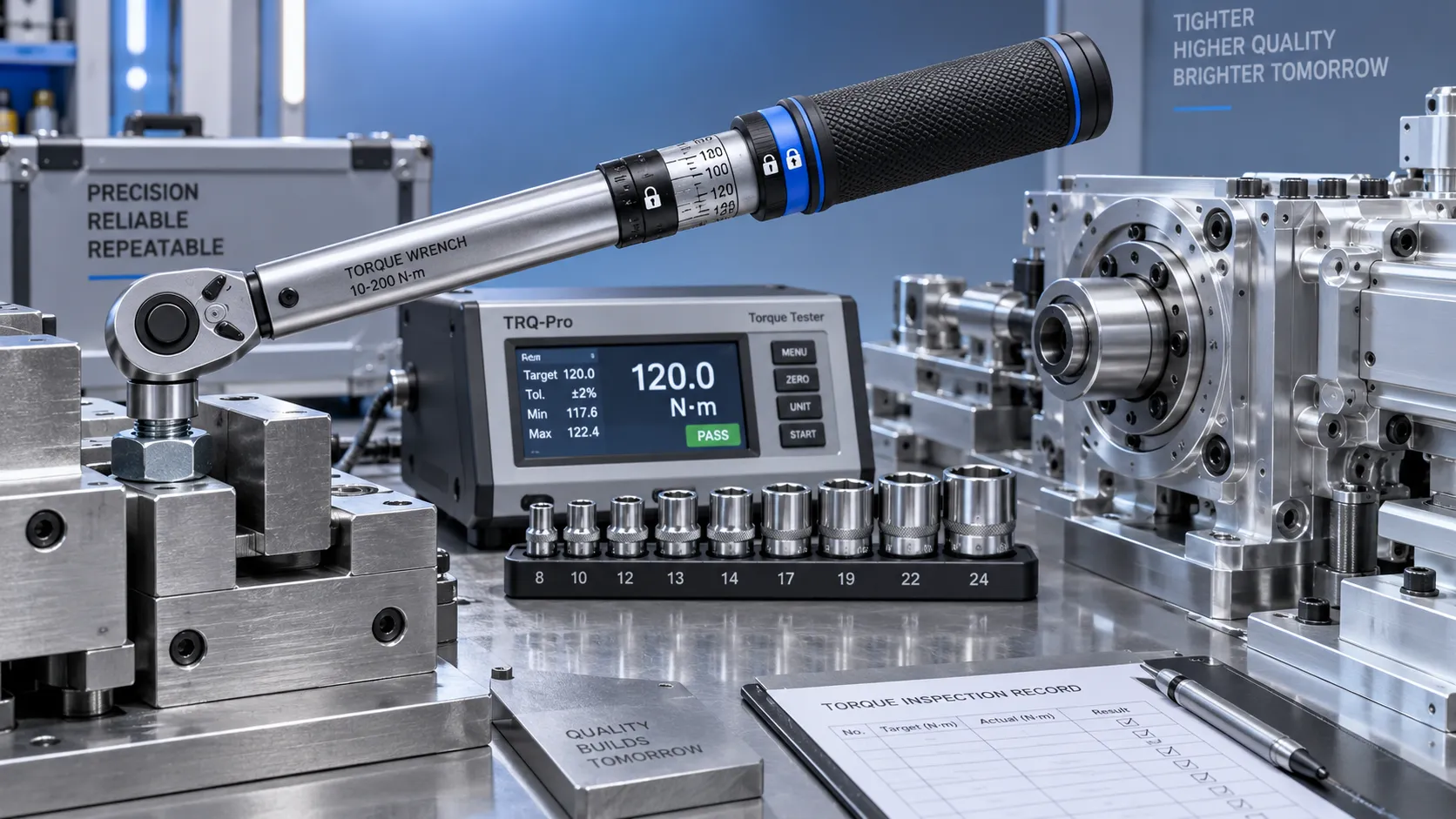
Selecting Adjustable Torque Tools for Repeatable Fastener Assembly
Adjustable torque tools: learn how to match range, accuracy, control methods, calibration, and ergonomics for repeatable, reliable fastener assembly.
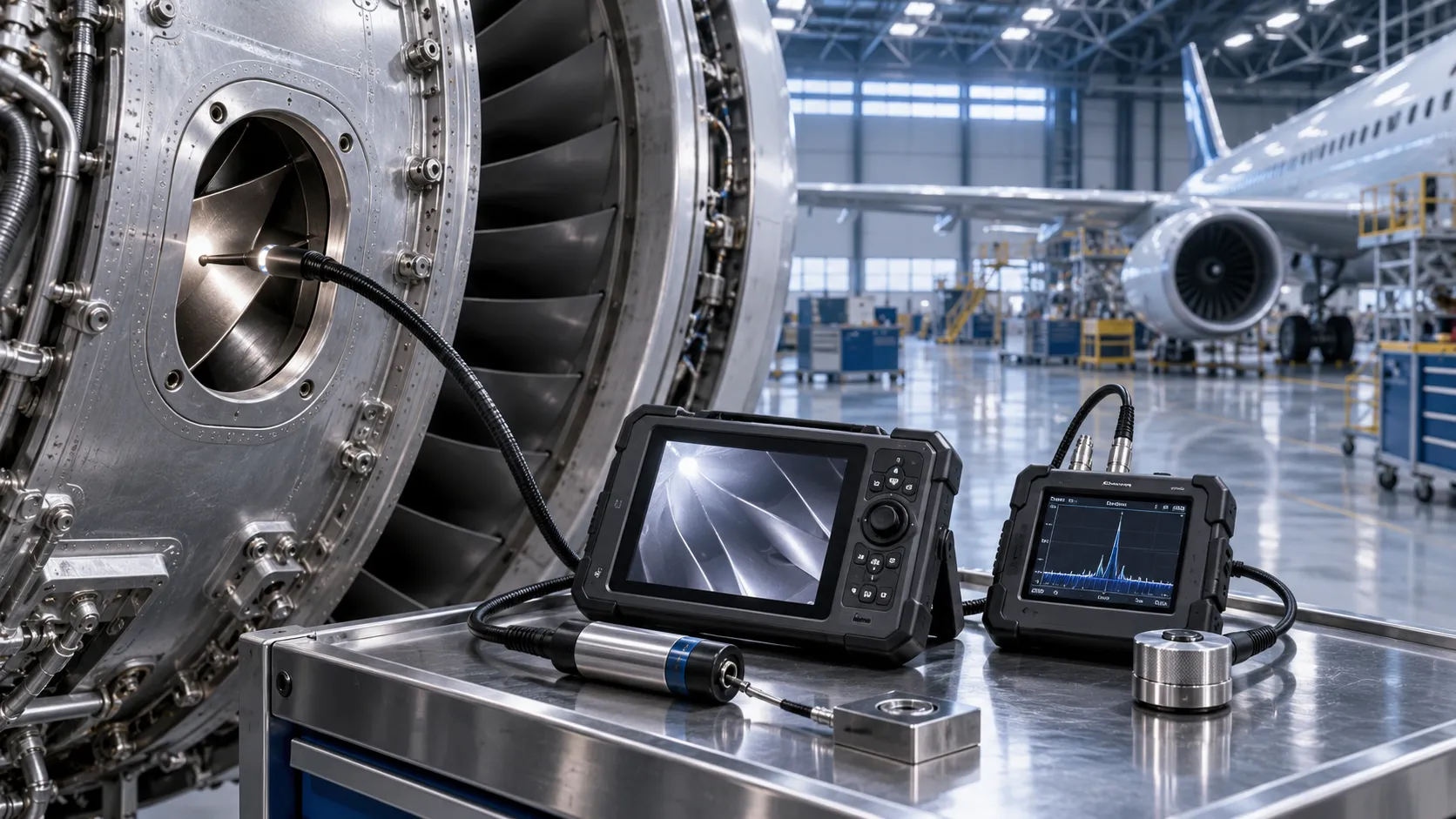
How to Select Aerospace Inspection Tools for Aircraft Maintenance Tasks
Aerospace maintenance inspection tools: learn how to select reliable, traceable equipment for aircraft access, accuracy, calibration, and compliant maintenance decisions.
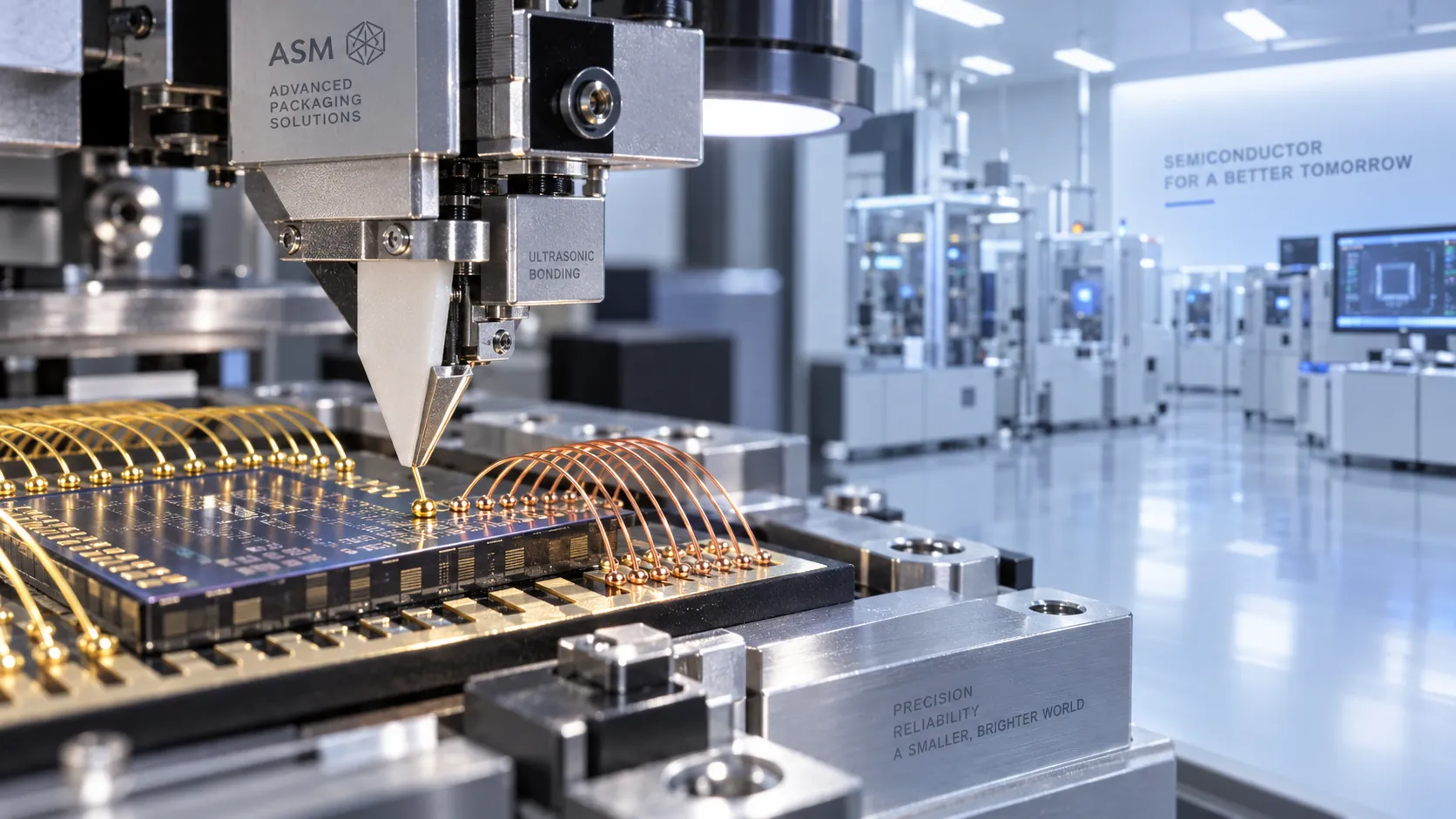
How to Select Wire Bonding Tools for Fine-Pitch Semiconductor Packaging
Explore semiconductor manufacturing tools for wire bonding and learn how to select precision solutions for fine-pitch packaging, reliable loops, accuracy, and yield.
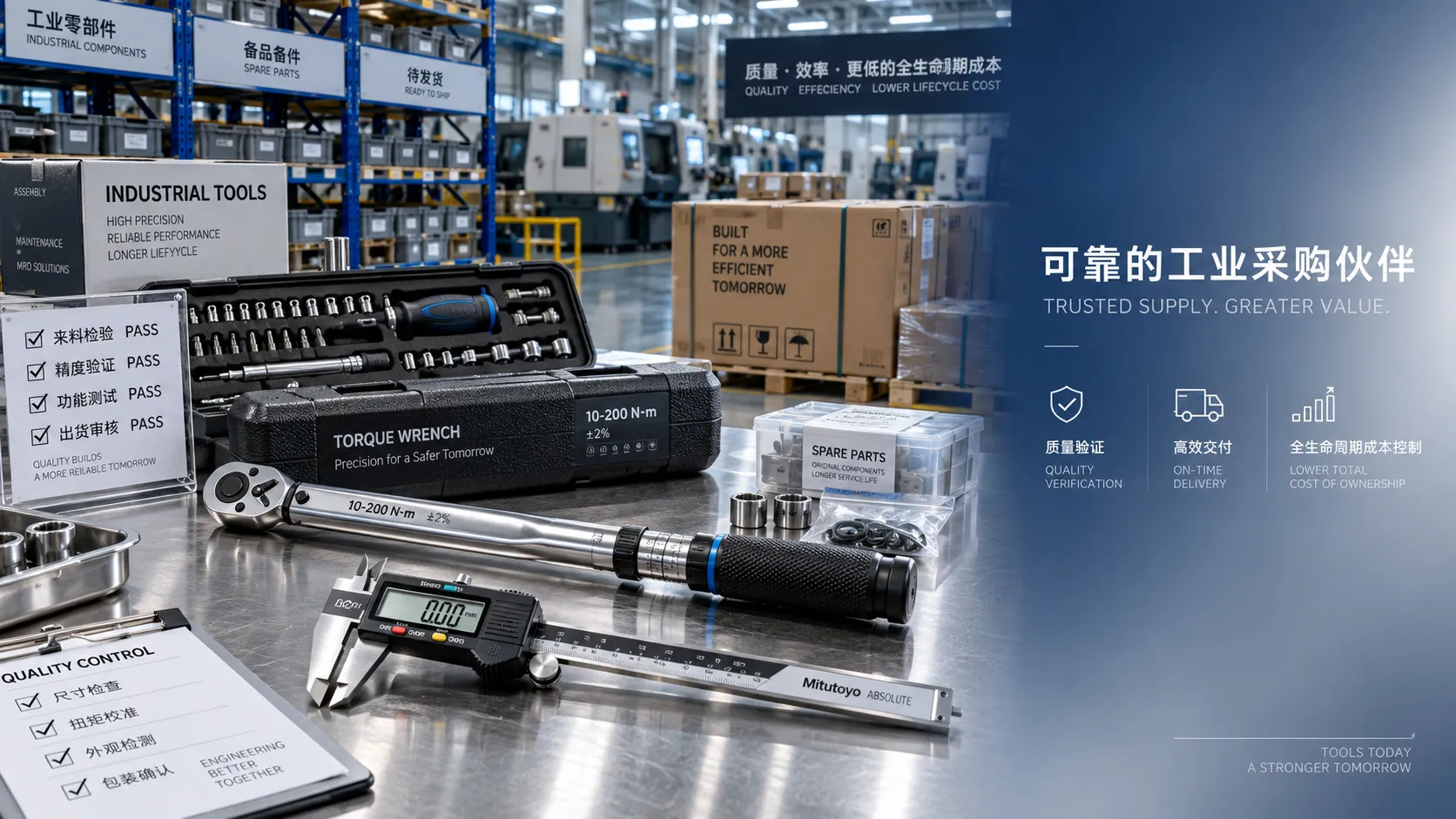
How to Compare Industrial Tool Suppliers for Quality, Lead Time, and Total Cost
Industrial tool selection supplier comparison made simple: evaluate quality, lead times, total cost, service, and supply resilience for confident sourcing decisions.
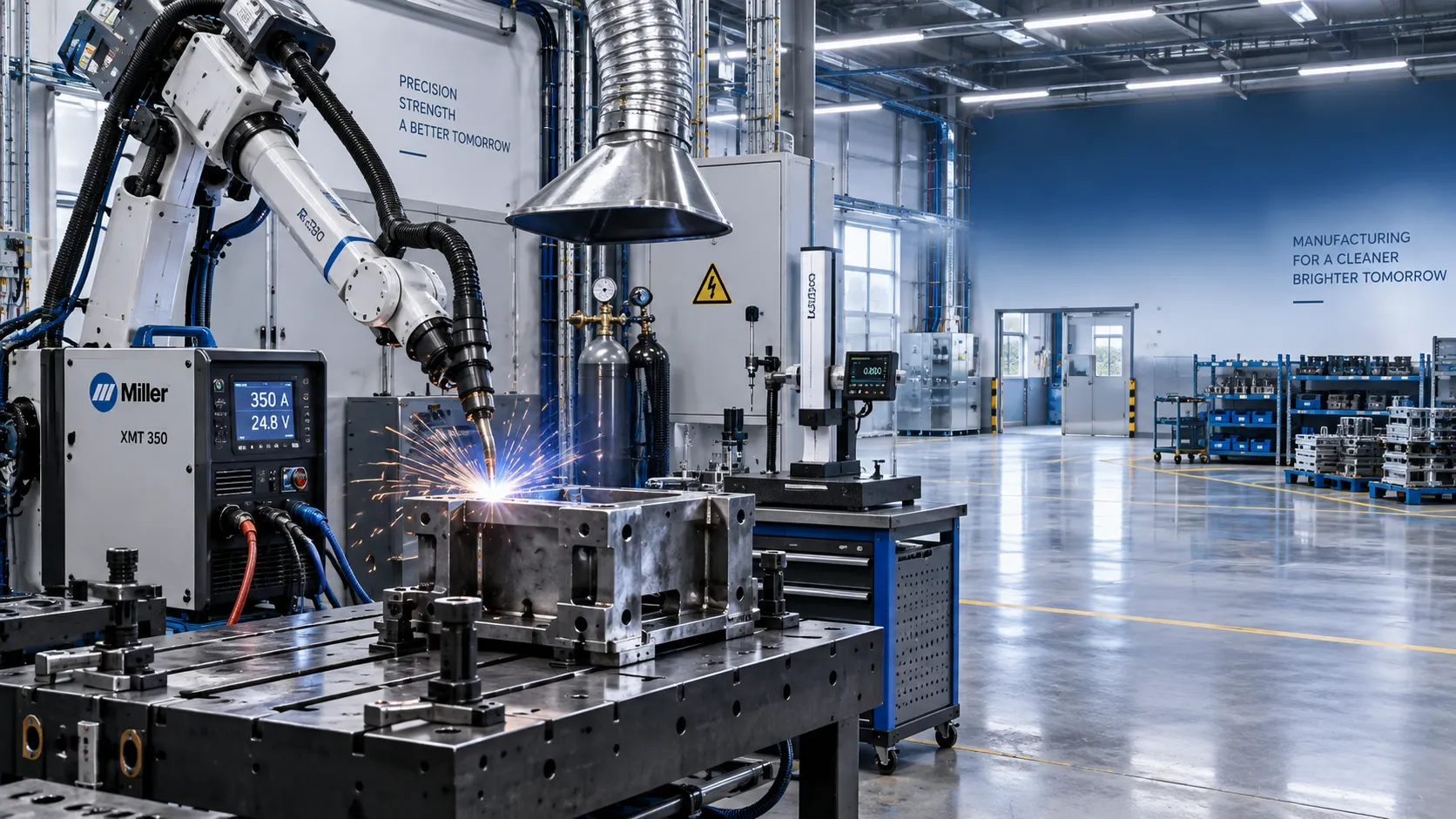
Industrial Equipment Application Guidance: Match Machines to Operating Conditions
Application guidance industrial equipment: match capacity, duty cycle, materials, site conditions, safety, and lifecycle cost to improve reliable output. Read the guide.
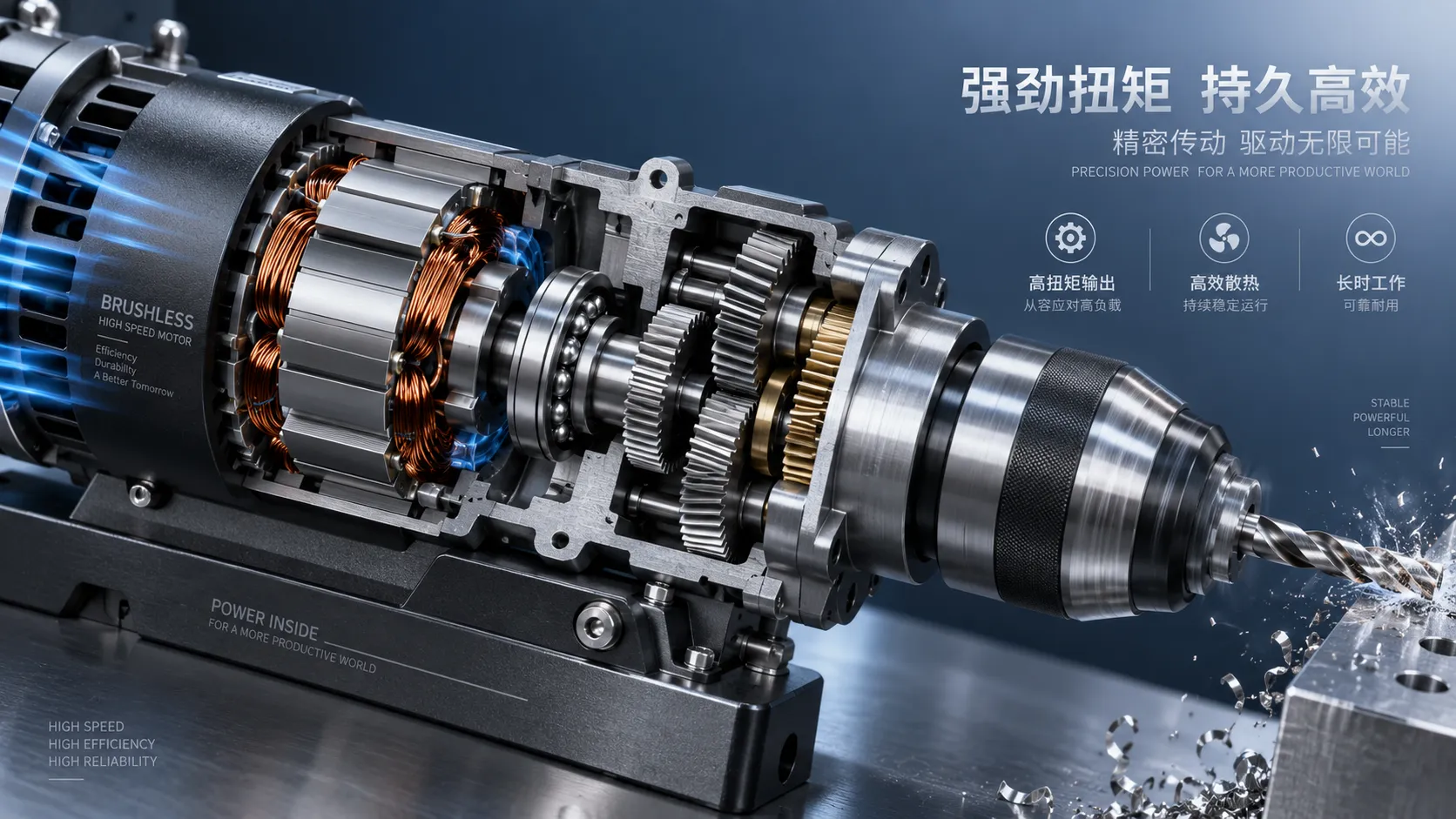
Selecting High-Speed Brushless Tool Motors for Torque, Heat, and Duty Cycle
High speed brushless tool motors: learn how to balance torque, heat, gearing, and duty cycle for reliable industrial tool performance and longer service life.
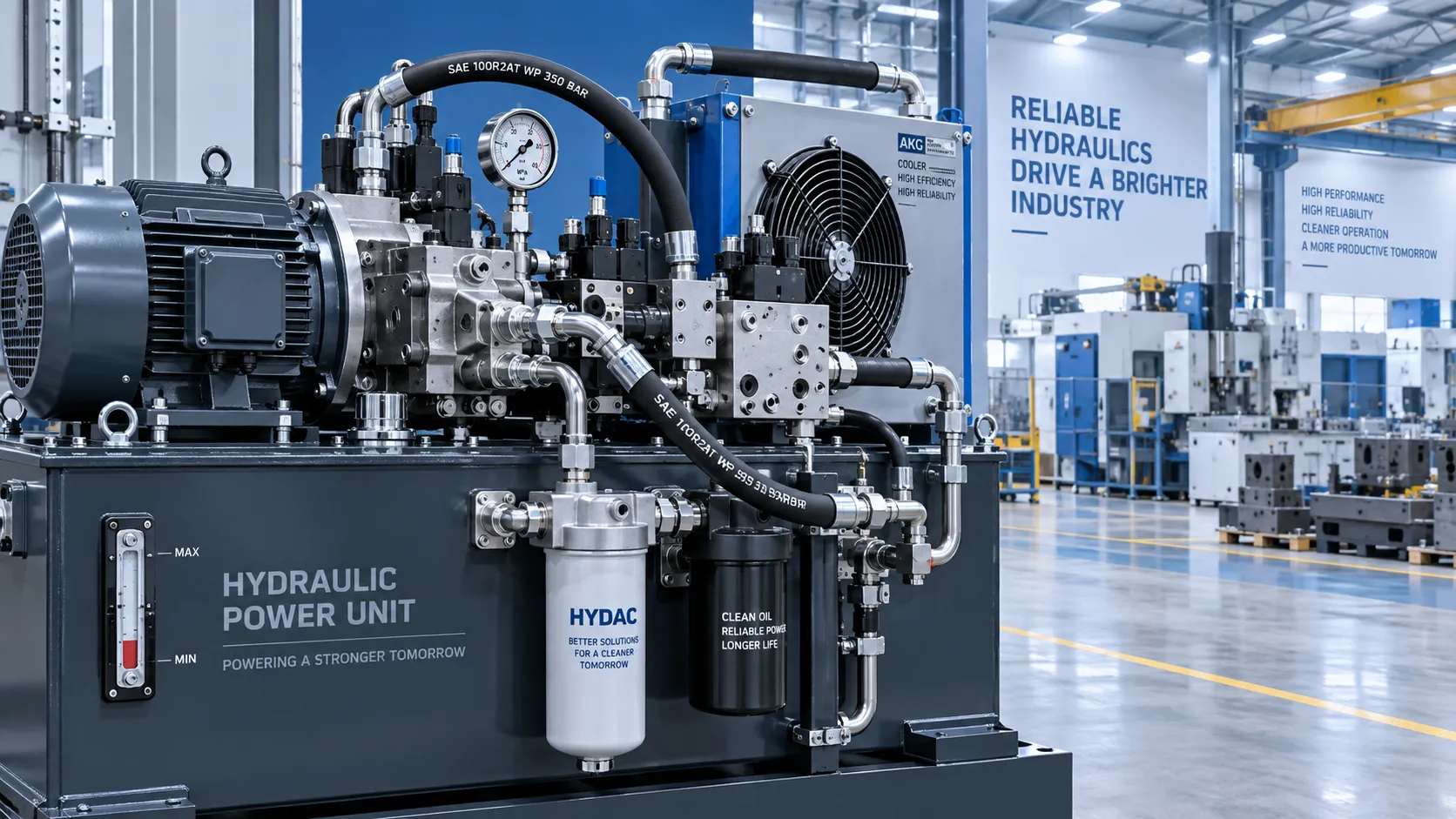
What Determines Industrial Hydraulic System Price for Heavy-Duty Equipment?
Industrial hydraulic system price depends on duty cycle, pressure, components, cooling, and integration. Compare quotes intelligently to secure reliable heavy-duty performance.
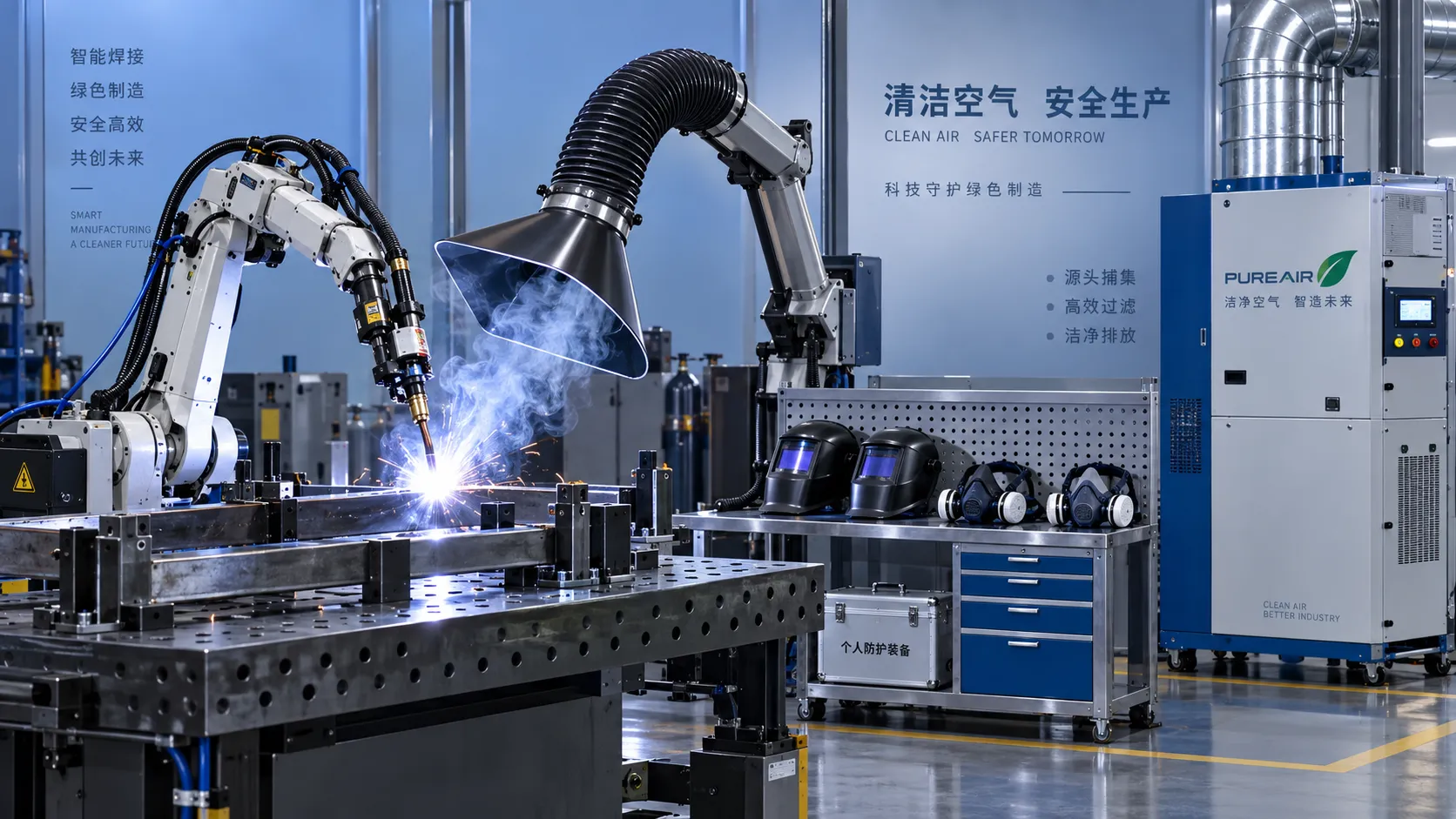
Welding Fume Extraction PPE: When Respirators Are Not Enough for Shop Safety
Welding fume extraction PPE: learn why respirators alone fall short and how source capture, ventilation, and layered controls improve shop safety.
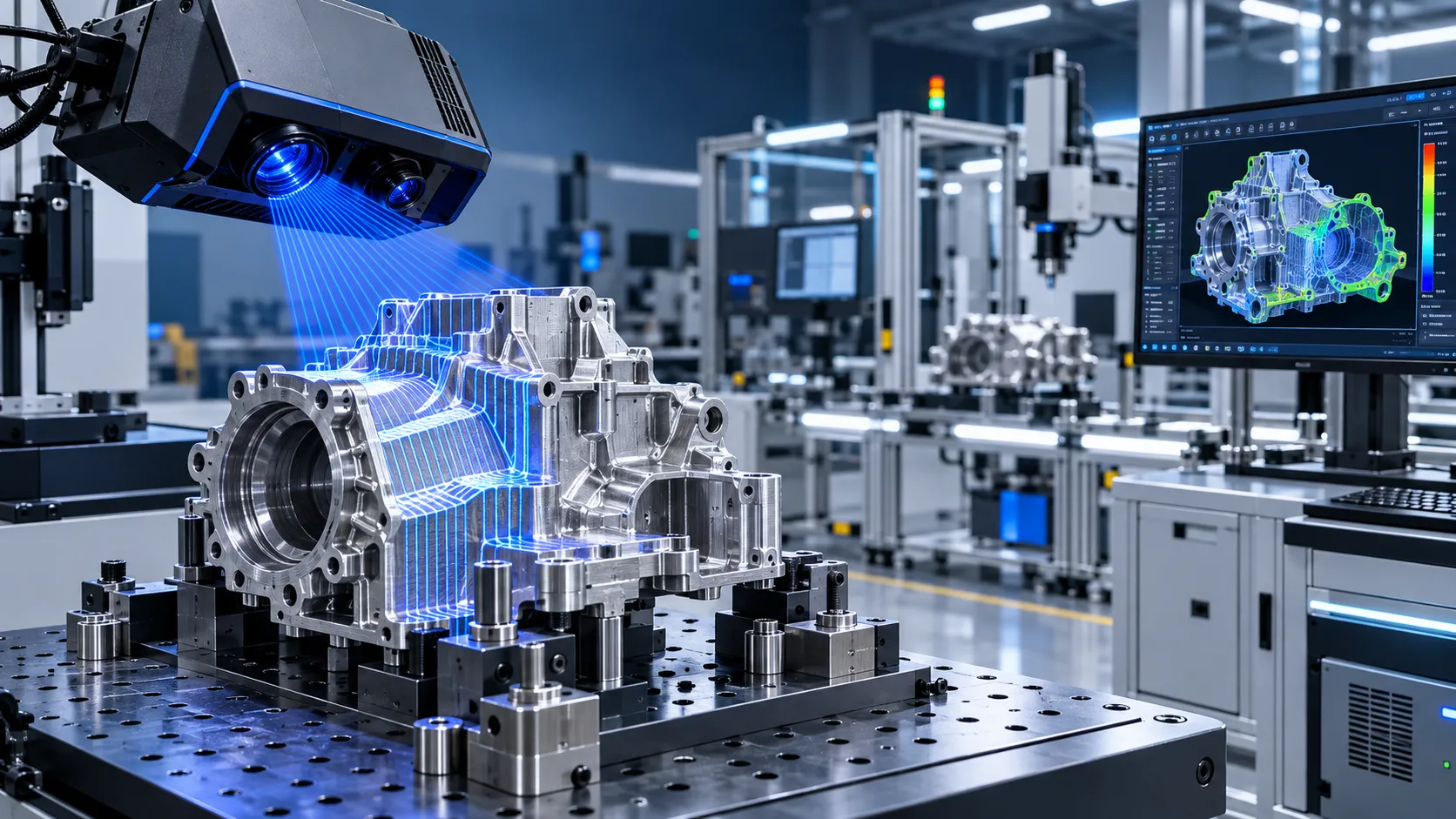
How to Select Optical Metrology Solutions for Tight-Tolerance Manufacturing
Optical industrial metrology solutions for tight-tolerance manufacturing: evaluate accuracy, surface compatibility, workflow, and traceability to select with confidence.
Related News
- 00
0000-00
Welding Fume Extraction PPE: When Respirators Are Not Enough for Shop Safety - 00
0000-00
Which ANSI Standards Apply to Welding Equipment in Industrial Fabrication? - 00
0000-00
How Energy-Efficient Welding Equipment Cuts Power Use in High-Volume Fabrication - 00
0000-00
Which ISO Standards Govern Welding Technology Quality Control and Qualification? - 00
0000-00
North American Welding Innovations Reshaping Automation, Quality, and Labor Productivity
Welding Metallurgy Expert
Weekly Insights
Stay ahead with our curated technology reports delivered every Monday.