
Why welding technology choices still affect rework rates





For quality control and safety teams, welding technology is more than a production choice—it directly shapes rework rates, defect patterns, and workplace risk. Even small differences in process stability, heat input, and operator control can trigger costly inconsistencies. Understanding how welding technology decisions influence final quality is essential for reducing waste, improving compliance, and building more reliable industrial assembly outcomes.
Across fabrication, maintenance, automotive subassembly, structural steelwork, and precision metal joining, the wrong welding technology can quietly increase scrap, delay inspection release, and expose teams to repeatable safety hazards. For B2B decision-makers, the issue is rarely just arc quality. It is the combined effect of process fit, joint design, operator variability, fume exposure, thermal distortion, and inspection burden over weeks or months of production.
This is why welding technology choices still matter in an era of smarter power sources and digital controls. Whether a plant uses MIG, TIG, resistance, laser, or flux-cored processes, quality outcomes depend on how well the chosen method matches material thickness, tolerance demands, duty cycle, and compliance requirements. For quality and safety leaders, reducing rework starts long before the first weld is made.
Why welding technology still drives rework in modern production
Many manufacturers assume rework mainly comes from operator skill. Skill matters, but technology selection often sets the baseline defect rate. A process with unstable penetration on 2 mm sheet, excessive spatter on coated steel, or poor access in confined assemblies can create recurring nonconformities even when operators follow work instructions correctly.
In practical terms, a 1% to 3% rise in weld-related defects can spread across several downstream checkpoints. Visual inspection may catch surface porosity, but dimensional distortion may only appear after fixture release, and heat-affected cracking may only show during pressure testing or service simulation. That delay makes rework more expensive because labor, consumables, and schedule time have already been invested.
The connection between process behavior and defect patterns
Different welding technology options produce different risk profiles. High heat input may increase distortion. Fast deposition may improve throughput but raise spatter cleanup and post-weld finishing time. Precision-focused methods may lower visible defects while increasing setup sensitivity. For quality teams, the question is not which process is universally best, but which one produces the fewest controllable deviations for the specific part family.
For example, repetitive thin-wall assemblies often require heat control within a narrow window. If the process variation is too wide, burn-through, warping, or edge collapse can appear in as little as 5 to 10 consecutive parts. On thicker sections, the bigger issue may be incomplete fusion, especially if joint prep or fit-up varies beyond a tolerance such as ±0.5 mm to ±1.0 mm.
Common rework triggers linked to technology choice
- Excessive heat input leading to distortion, misalignment, or coating damage
- Inconsistent penetration caused by poor process fit for material thickness
- High spatter levels increasing cleanup time and cosmetic rejection risk
- Limited access in complex geometries causing undercut or lack of fusion
- Process instability from power source mismatch, wire feed variation, or shielding issues
The table below compares how common welding technology choices tend to influence quality and rework concerns in general industrial use. The ranges are typical operational patterns rather than fixed performance claims, and they help QC and safety teams frame evaluation discussions before qualification trials.
The comparison shows why welding technology must be evaluated through a defect-prevention lens. A fast process is not automatically the lowest-cost option if it creates 15 to 20 extra minutes of correction work per batch, or if hidden discontinuities trigger secondary inspection and hold up shipment release.
Why safety teams should care about rework, not just hazards
Rework is also a safety issue. Every repeated weld cycle adds arc exposure, fume generation, hot work duration, and handling time. If a joint must be cut out, re-prepped, and rewelded 2 or 3 times, the cumulative risk rises sharply. This is especially important in maintenance shops, construction support operations, and mixed-product plants where ventilation quality and operator posture may already be under pressure.
Processes with higher spatter, slag removal, or grinding requirements also increase eye injury risk, noise exposure, and ergonomic strain. In other words, quality instability and safety burden often come from the same root cause: a welding technology that does not fit the application as well as the organization assumes.
How quality and safety teams should evaluate welding technology choices
A disciplined evaluation method can reduce both defect recurrence and decision bias. Instead of choosing a process on habit, capital cost, or supplier familiarity alone, teams should score it against measurable production needs. In most facilities, 4 to 6 criteria are enough to expose whether the selected welding technology truly supports stable output.
Four decision areas that matter most
- Material and thickness range: for example, 0.8 mm sheet requires a different heat-control profile than 8 mm structural members.
- Joint accessibility and fit-up tolerance: some processes tolerate minor gap variation, while others require near-perfect preparation.
- Inspection and compliance demands: cosmetic grade, leak-tightness, load-bearing duty, or traceability requirements change the process decision.
- Safety environment: ventilation, guarding, operator training level, and hot work controls influence long-term suitability.
Before committing to equipment or process conversion, many organizations benefit from a structured pilot covering at least 30 to 50 representative parts, 2 to 3 operators, and one full inspection loop. This reveals whether the process is robust under realistic shift conditions rather than ideal lab settings.
The table below offers a practical scorecard that QC managers and safety leaders can use during process review meetings, supplier discussions, or internal continuous improvement projects.
This kind of matrix keeps the welding technology decision grounded in measurable shop-floor behavior. It also creates a common language between production, quality, EHS, maintenance, and procurement teams, reducing the chance that one department optimizes for speed while another absorbs the hidden cost.
Typical selection mistakes that inflate rework rates
One common mistake is selecting a process because it performs well in one product family and assuming it will scale across all assemblies. A welding technology optimized for heavy brackets may underperform on light-gauge enclosures. Another mistake is judging success only by weld appearance. A clean surface bead does not guarantee internal fusion, dimensional stability, or fatigue resistance.
A third mistake is underestimating setup discipline. Some processes can tolerate modest variation in torch angle, gas coverage, or part gap. Others need tighter controls, sometimes within 1 to 2 mm of access path and with strict cleaning before each run. If the production environment cannot support that discipline every shift, rework usually follows.
Questions to ask before changing process
- Will this welding technology lower total correction time, not just arc-on time?
- Can current fixtures maintain the fit-up required by the new process?
- How many training hours per operator will be needed: 4, 8, or 16+?
- Will inspection criteria need to change for bead shape, penetration, or heat tint?
- Does the safety plan cover fumes, optical radiation, guarding, and rework operations?
Reducing rework through implementation, monitoring, and control
Even the right welding technology can fail if rollout is weak. Rework reduction depends on implementation discipline: qualification, setup control, operator guidance, and in-process verification. A useful rule is to treat process introduction as a 3-stage system rather than a one-time equipment purchase.
Stage 1: Qualification and baseline definition
Start by defining acceptable ranges for key variables such as current, travel speed, gas flow, electrode condition, or part gap. For many industrial applications, a baseline trial over 1 to 2 weeks is enough to collect defect modes, repair frequency, and operator feedback. The goal is to identify the process window where consistent quality is realistic, not just possible.
Stage 2: Controlled rollout on live production
During the first production cycle, quality and safety personnel should monitor a limited release lot rather than a full-scale shift conversion. A 20-part, 50-part, or first-day sample review can detect early drift in bead profile, distortion, or fit-up response. This stage should also confirm whether fume extraction, shielding, guarding, and post-weld handling remain adequate under actual throughput pressure.
Stage 3: Ongoing verification and corrective action
After stabilization, trend review becomes essential. A simple weekly dashboard can track 6 indicators: first-pass yield, repair count, defect type, consumable change frequency, downtime, and safety observations. If first-pass yield falls by even 2 percentage points for 2 consecutive weeks, the team should recheck settings, consumables, fixture wear, and operator consistency before rework becomes normalized.
Control points that often pay back quickly
- Pre-weld fit-up verification using gauges or quick metrology checks
- Daily confirmation of gas delivery, cable condition, and contact components
- Scheduled electrode or consumable replacement instead of failure-based replacement
- Clear repair limits defining when a part can be reworked once, twice, or scrapped
- Joint review between QC and EHS after any repeat defect trend lasting more than 5 working days
These controls align well with GPTWM’s broader view of the industrial “last mile,” where metal joining quality, metrology discipline, and tool intelligence must work together. In many plants, the biggest gain does not come from changing welding technology alone. It comes from pairing the process with better measurement routines, clearer acceptance criteria, and smarter maintenance timing.
What procurement and plant leaders should look for in suppliers and internal programs
From a commercial and operational standpoint, welding technology selection should support long-term consistency, not just initial purchase approval. Procurement teams, engineering managers, QC leads, and safety officers should evaluate whether the supplier or internal project team can support qualification, training, inspection adaptation, and consumable management over the first 30, 60, and 90 days.
Useful supplier and implementation checkpoints
Ask for guidance on process window stability, fit-up tolerance, maintenance intervals, and safety controls rather than generic performance claims. A credible solution discussion should explain where the welding technology performs well, where it becomes sensitive, and what conditions tend to drive rework upward. That level of clarity helps prevent under-scoped launches.
For organizations moving toward digital factories, another useful criterion is whether the process can connect with torque, measurement, or inspection data systems. When weld quality trends are reviewed alongside fixture accuracy and tool health, recurring defects become easier to isolate. That is especially valuable in mixed-volume manufacturing where quality issues rarely come from one source alone.
Final perspective for quality and safety teams
Welding technology choices still affect rework rates because they influence the full chain of industrial performance: heat behavior, repeatability, inspection effort, worker exposure, and downstream reliability. A process that looks productive on paper can become expensive if it drives hidden repairs, repeated hot work, or inconsistent conformance across shifts.
For quality control and safety professionals, the strongest approach is to evaluate welding technology as a risk-control decision, a compliance decision, and a production-efficiency decision at the same time. When process choice is matched to material, geometry, tolerance, and safety conditions, rework becomes easier to prevent rather than merely manage.
If your team is reviewing welding process performance, evaluating new joining methods, or building a more data-driven quality and safety program, GPTWM can help you frame the decision with industry-focused intelligence. Contact us to discuss your application, get a tailored evaluation approach, and explore more practical solutions for precision joining, metrology, and manufacturing efficiency.
Related News
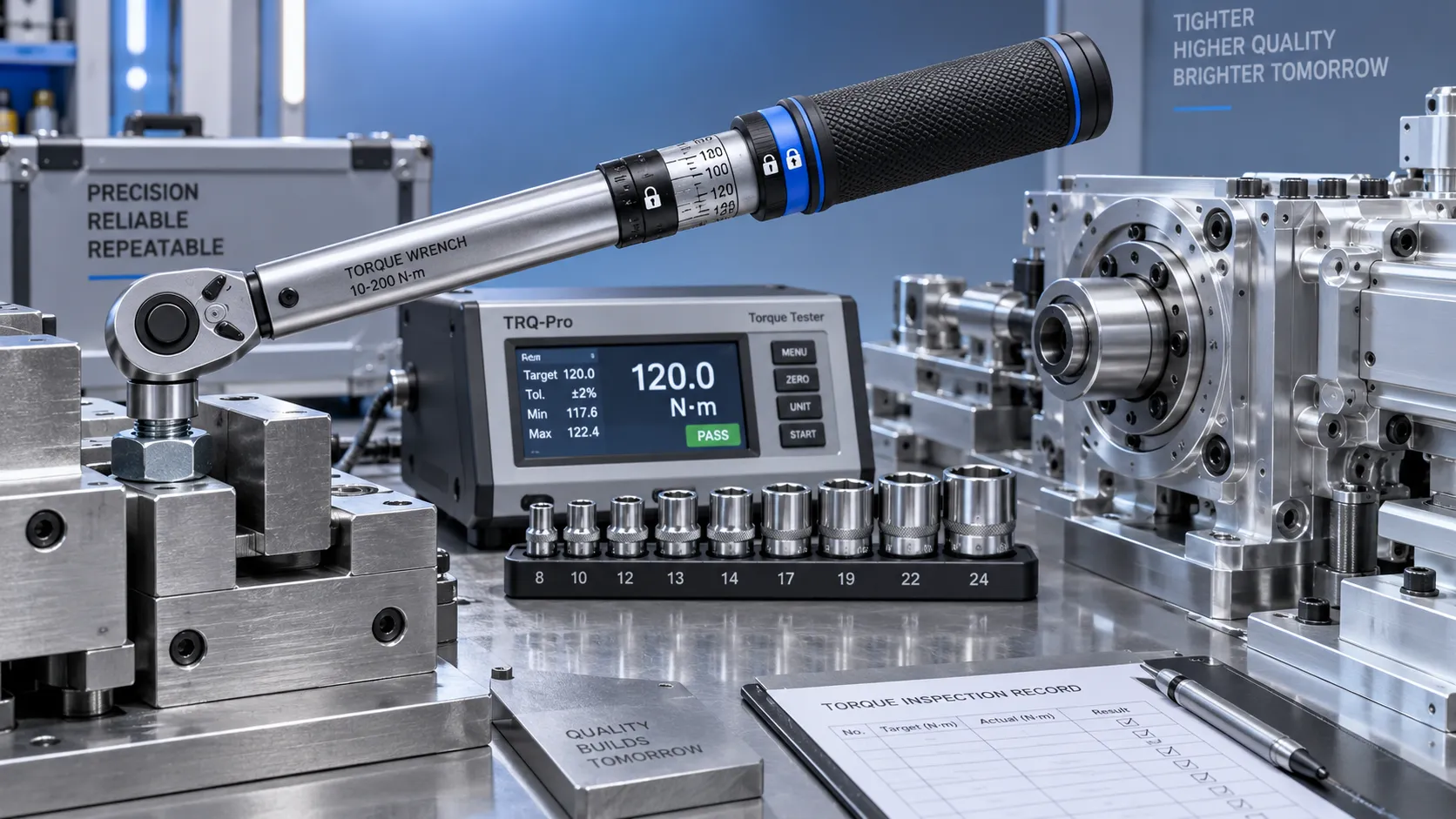
Selecting Adjustable Torque Tools for Repeatable Fastener Assembly
Adjustable torque tools: learn how to match range, accuracy, control methods, calibration, and ergonomics for repeatable, reliable fastener assembly.
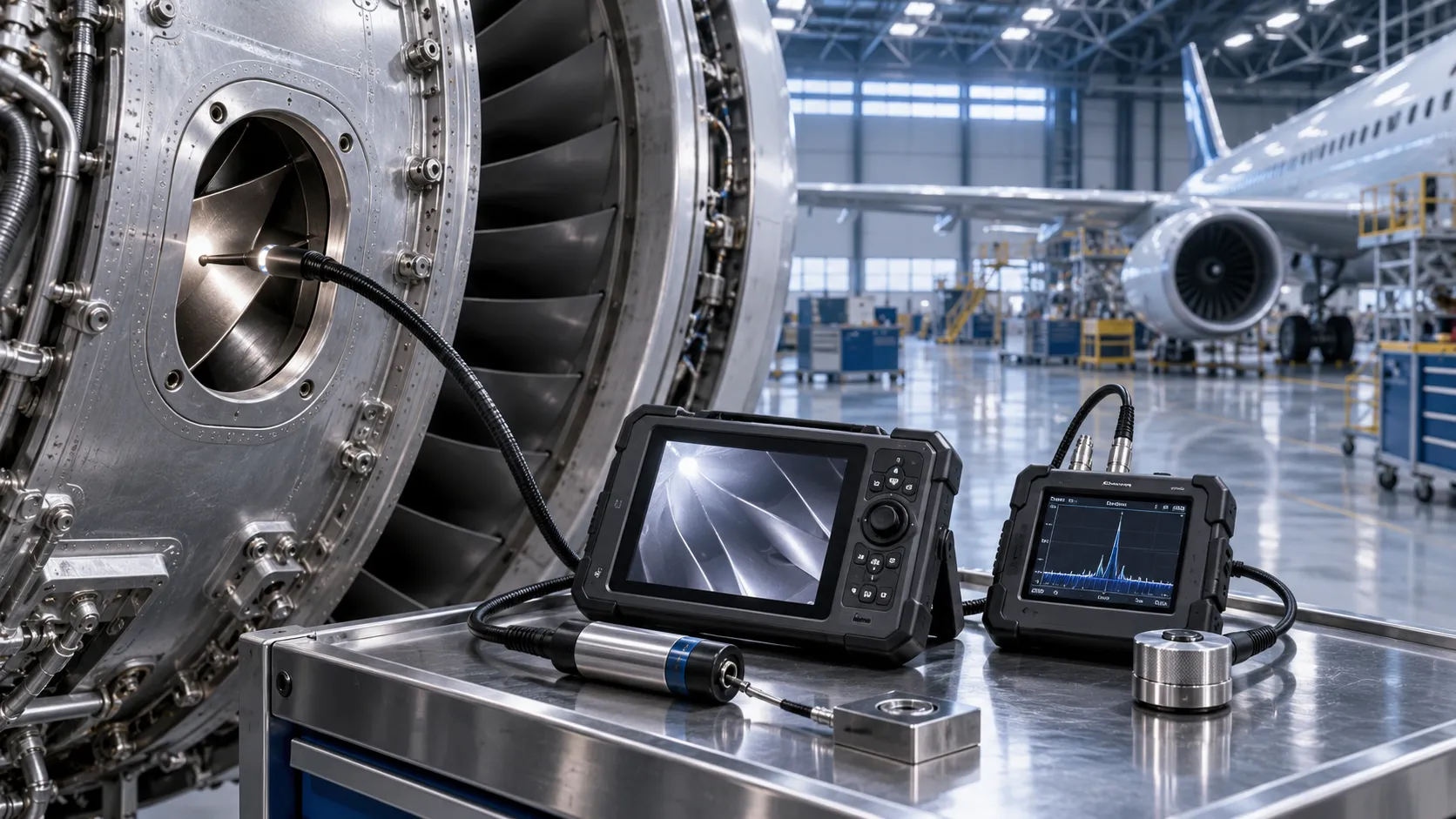
How to Select Aerospace Inspection Tools for Aircraft Maintenance Tasks
Aerospace maintenance inspection tools: learn how to select reliable, traceable equipment for aircraft access, accuracy, calibration, and compliant maintenance decisions.
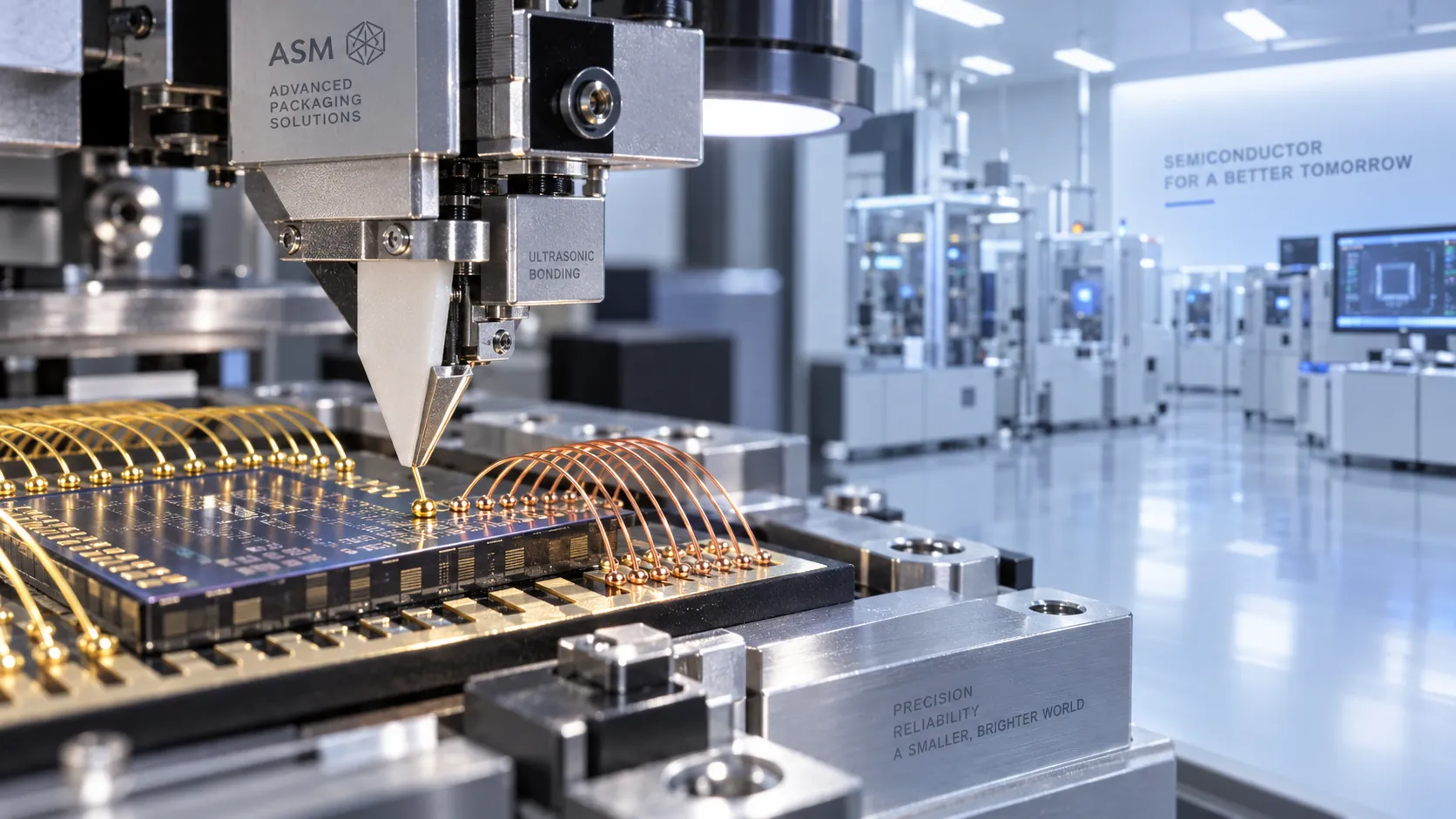
How to Select Wire Bonding Tools for Fine-Pitch Semiconductor Packaging
Explore semiconductor manufacturing tools for wire bonding and learn how to select precision solutions for fine-pitch packaging, reliable loops, accuracy, and yield.
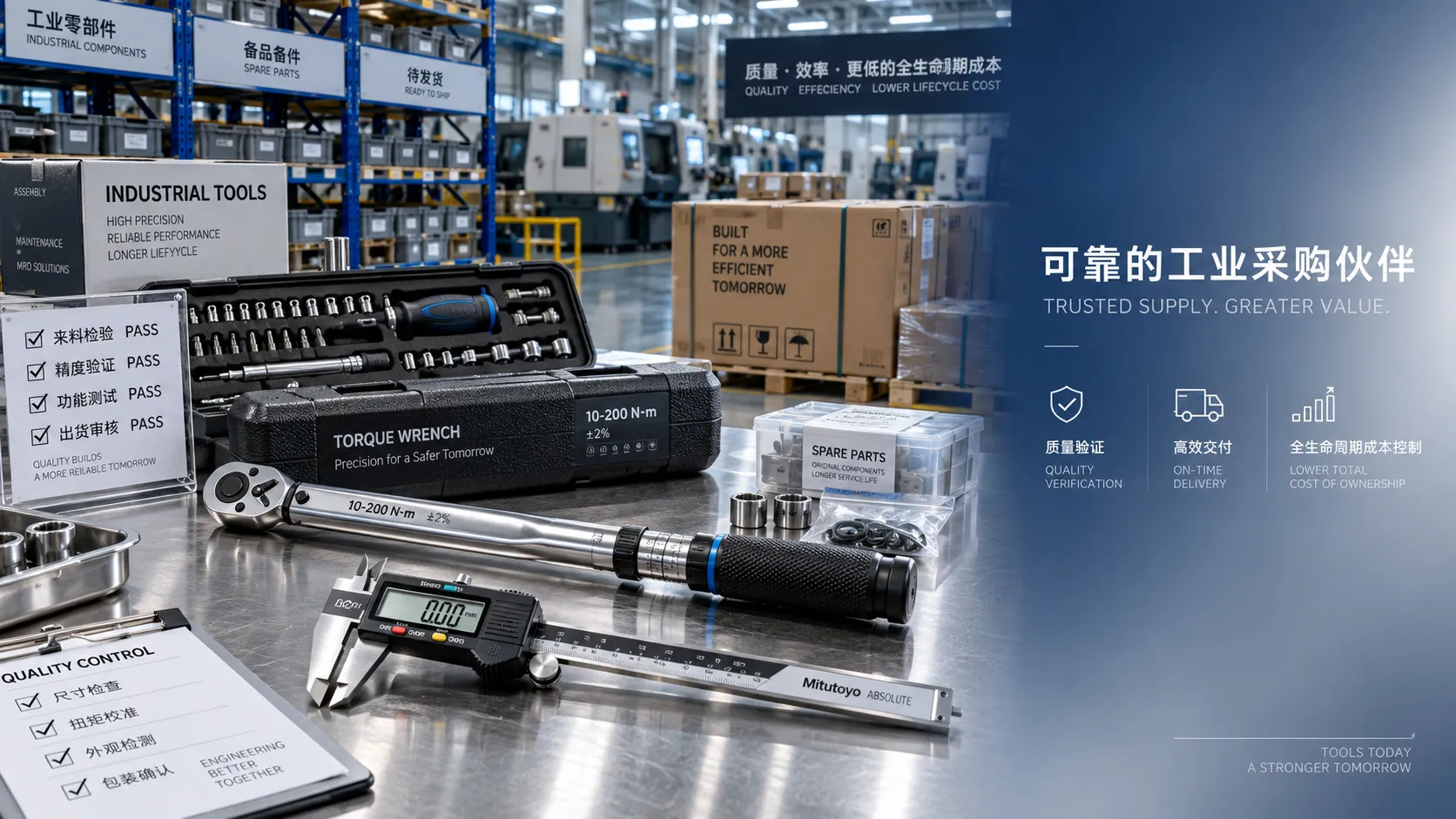
How to Compare Industrial Tool Suppliers for Quality, Lead Time, and Total Cost
Industrial tool selection supplier comparison made simple: evaluate quality, lead times, total cost, service, and supply resilience for confident sourcing decisions.
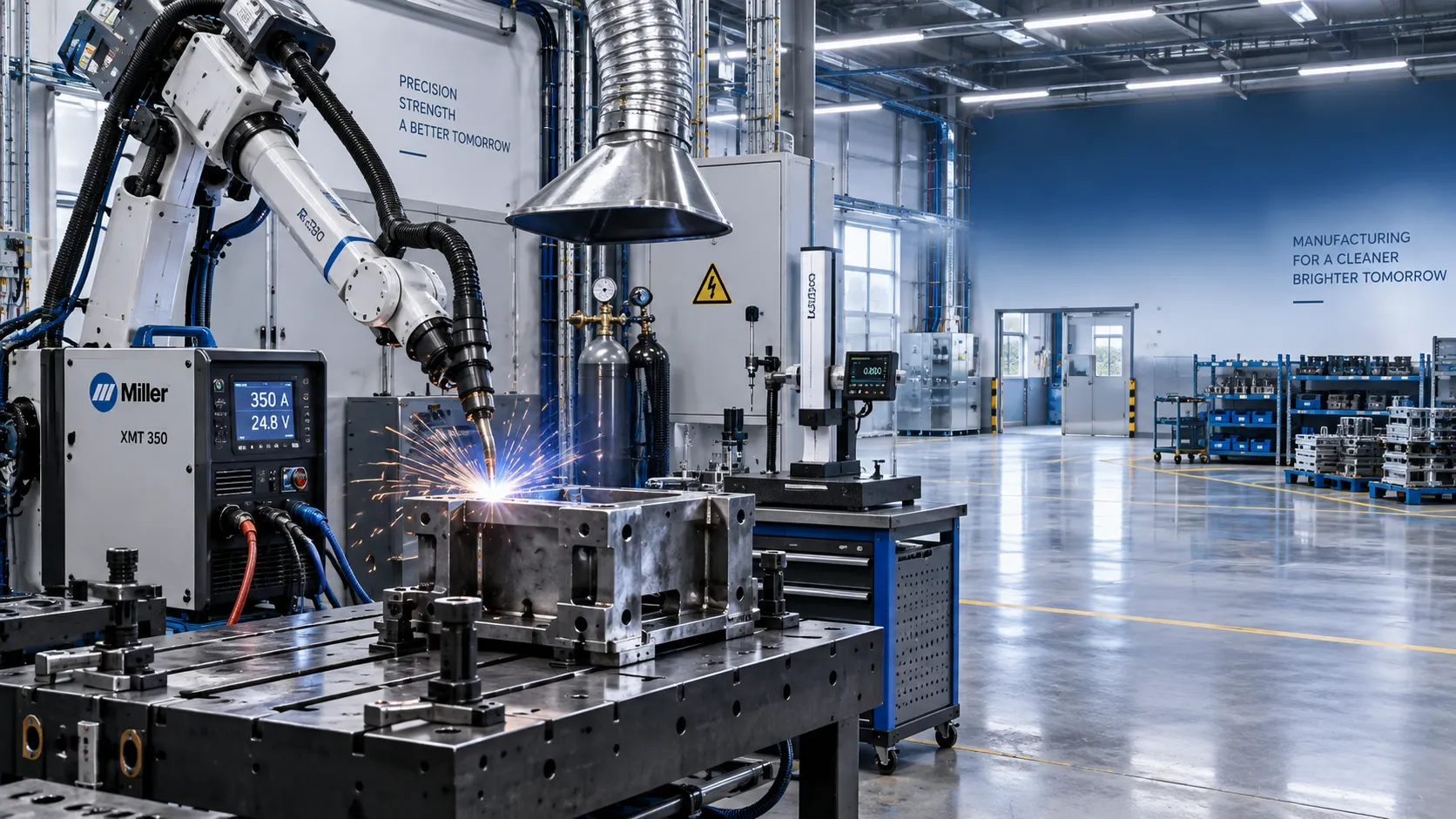
Industrial Equipment Application Guidance: Match Machines to Operating Conditions
Application guidance industrial equipment: match capacity, duty cycle, materials, site conditions, safety, and lifecycle cost to improve reliable output. Read the guide.
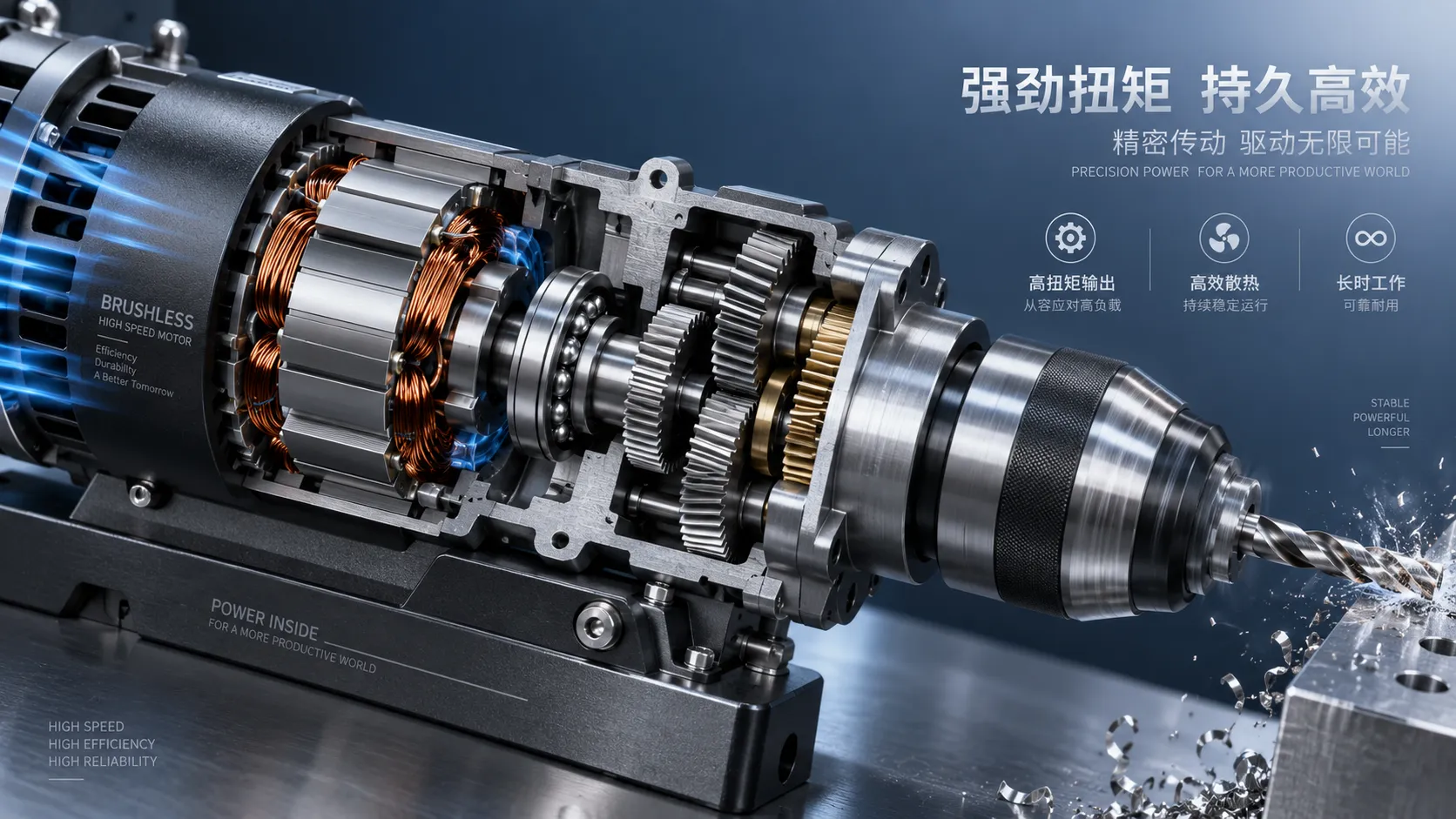
Selecting High-Speed Brushless Tool Motors for Torque, Heat, and Duty Cycle
High speed brushless tool motors: learn how to balance torque, heat, gearing, and duty cycle for reliable industrial tool performance and longer service life.
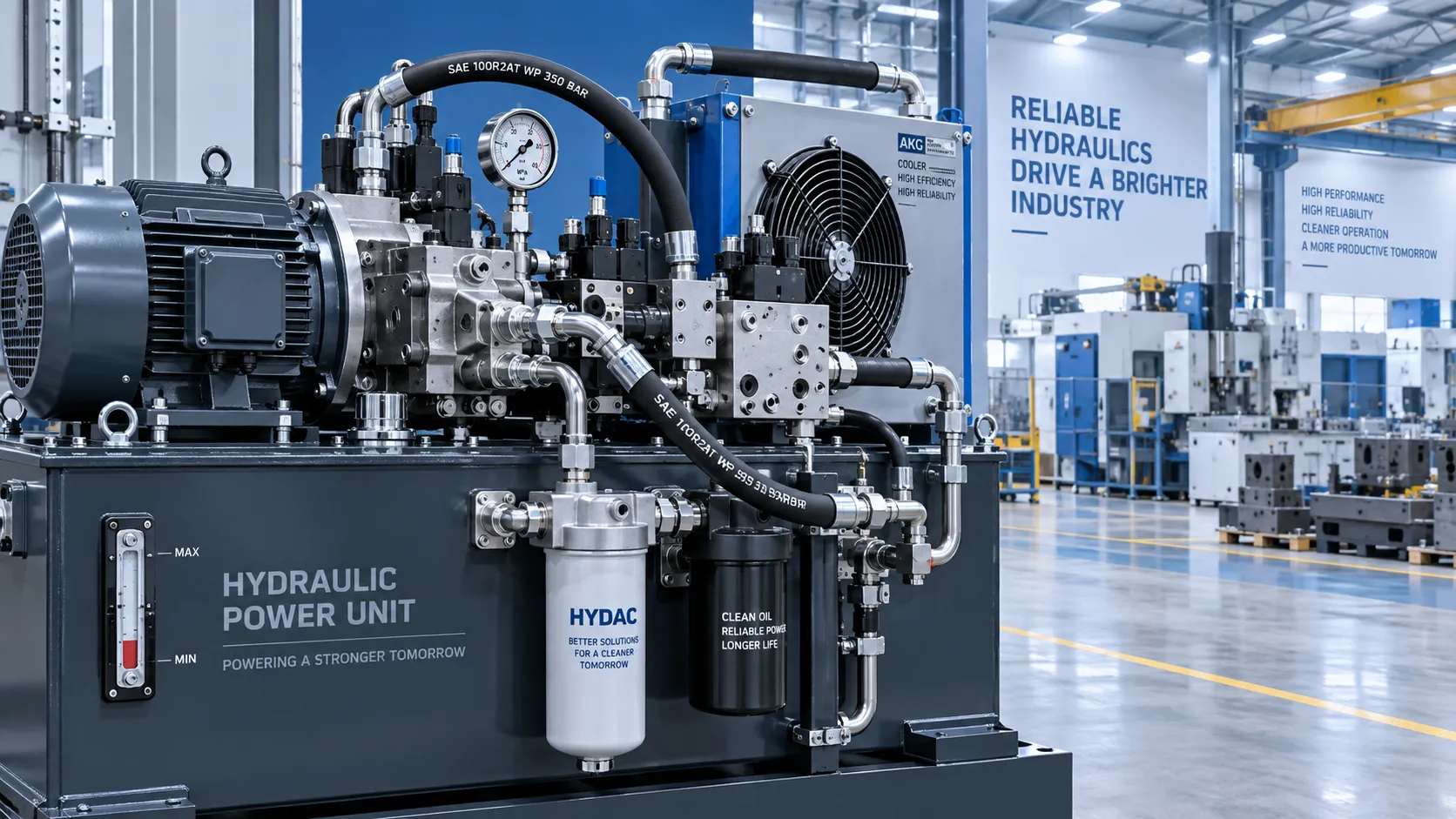
What Determines Industrial Hydraulic System Price for Heavy-Duty Equipment?
Industrial hydraulic system price depends on duty cycle, pressure, components, cooling, and integration. Compare quotes intelligently to secure reliable heavy-duty performance.
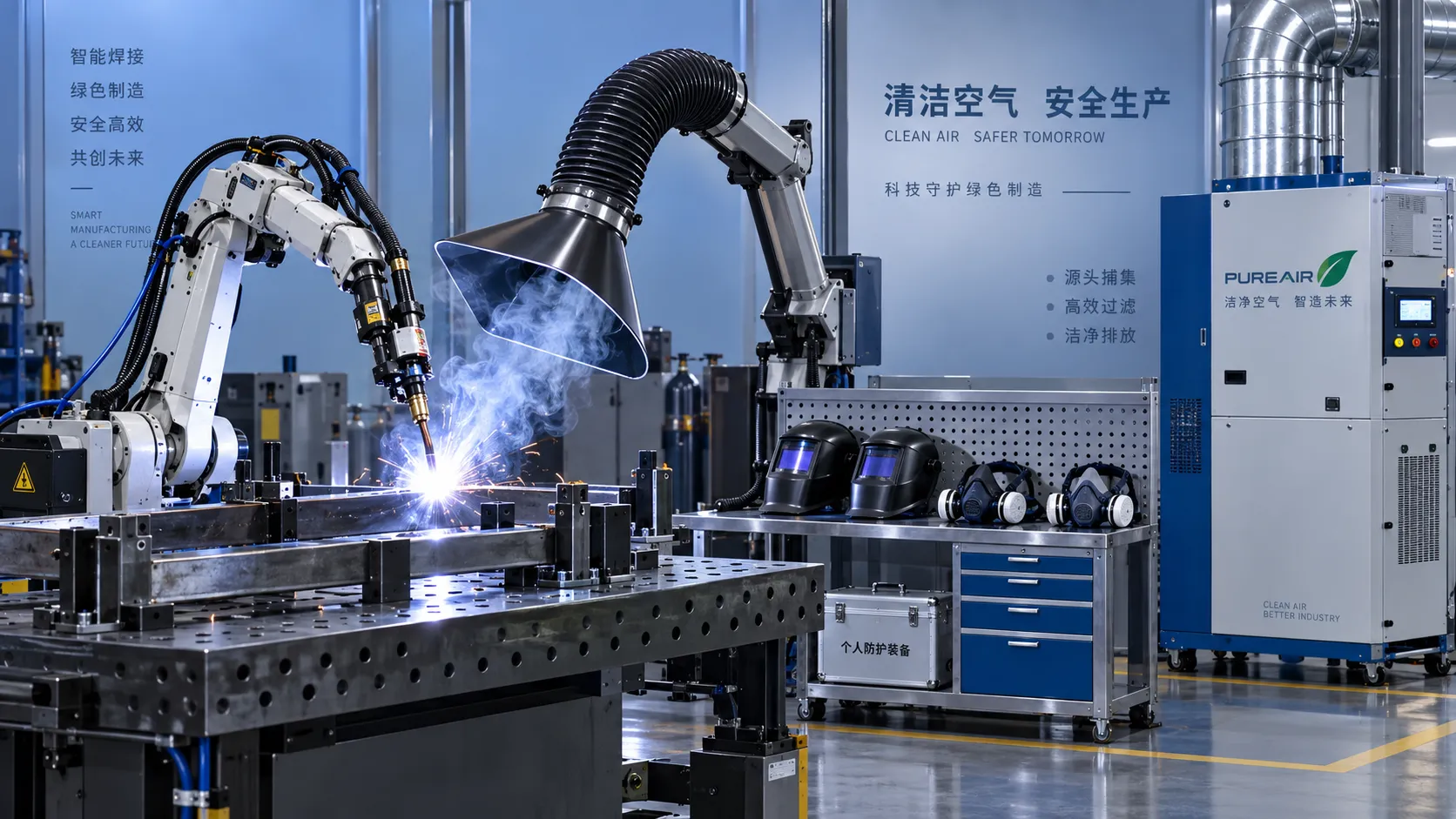
Welding Fume Extraction PPE: When Respirators Are Not Enough for Shop Safety
Welding fume extraction PPE: learn why respirators alone fall short and how source capture, ventilation, and layered controls improve shop safety.
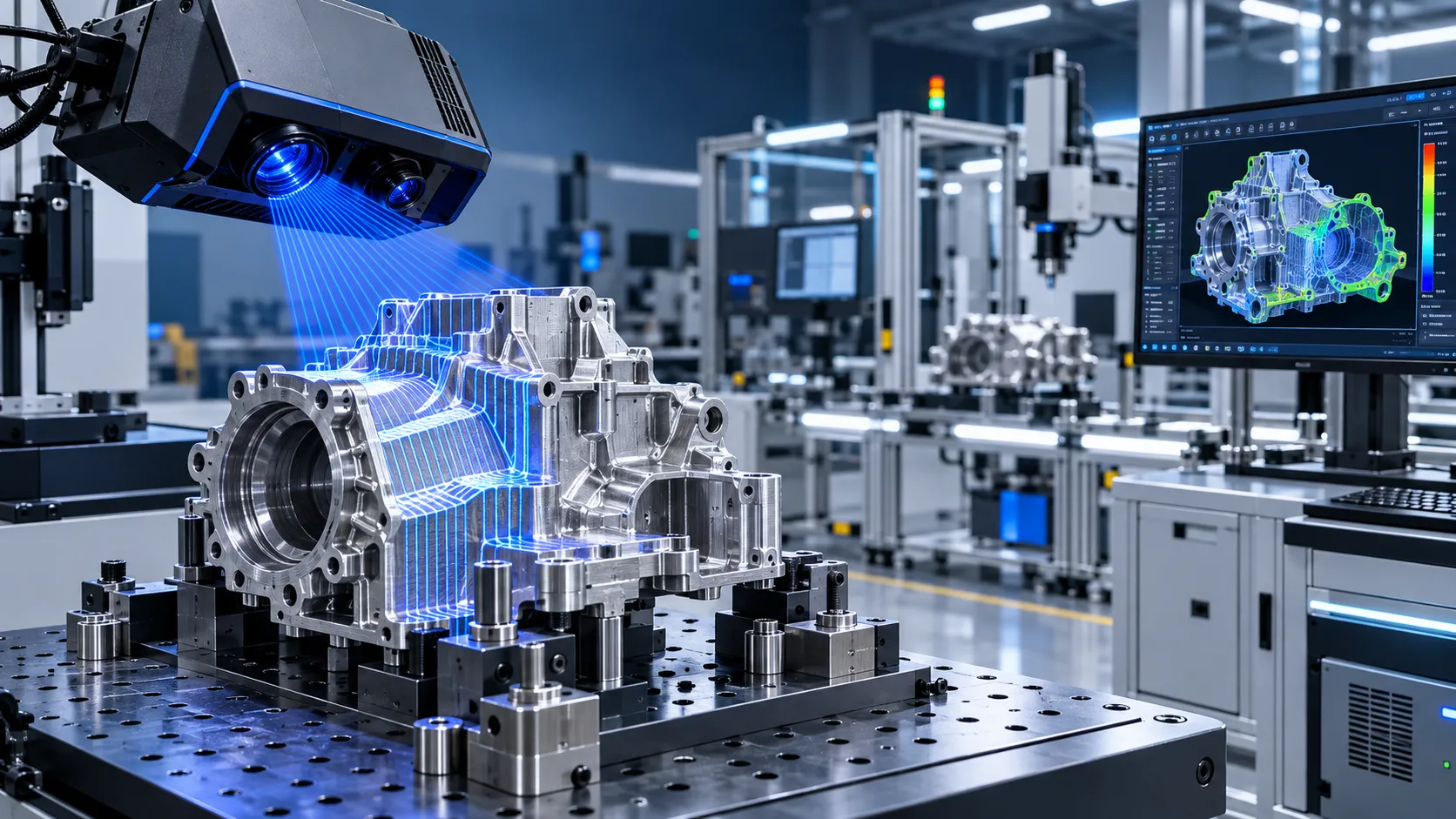
How to Select Optical Metrology Solutions for Tight-Tolerance Manufacturing
Optical industrial metrology solutions for tight-tolerance manufacturing: evaluate accuracy, surface compatibility, workflow, and traceability to select with confidence.
Related News
- 00
0000-00
Welding Fume Extraction PPE: When Respirators Are Not Enough for Shop Safety - 00
0000-00
Which ANSI Standards Apply to Welding Equipment in Industrial Fabrication? - 00
0000-00
How Energy-Efficient Welding Equipment Cuts Power Use in High-Volume Fabrication - 00
0000-00
Which ISO Standards Govern Welding Technology Quality Control and Qualification? - 00
0000-00
North American Welding Innovations Reshaping Automation, Quality, and Labor Productivity
Welding Metallurgy Expert
Weekly Insights
Stay ahead with our curated technology reports delivered every Monday.