
Are welding innovations reducing defects or adding risk





From AI-guided seams to handheld laser systems, welding innovations are changing how factories balance quality, speed, and safety. The gains are real, but so are the new risks.
Across industrial assembly, repair, construction, automotive service, and aerospace maintenance, welding innovations now shape defect prevention, operator exposure, and compliance expectations at the same time.
The central issue is no longer simple automation. It is whether advanced joining tools reduce rework without creating hidden failure modes, weak training gaps, or overlooked safety liabilities.
For platforms such as GPTWM, this question matters because the last mile of manufacturing depends on precision, repeatability, and informed decisions. Welding quality and welding risk are now linked more tightly than ever.
Welding innovations are moving from optional upgrades to operating standards
The pace of change has accelerated. Digital welding power sources, real-time sensing, cobots, laser welding, and connected torque and inspection tools are entering everyday workflows.
This shift is visible across mixed-industry settings, not only in high-volume automotive lines. Field repair, fabricated structures, metal furniture, energy equipment, and maintenance workshops are also adopting newer systems.
Why now? Quality expectations are rising while skilled labor remains uneven. At the same time, traceability rules, customer audits, and pressure to reduce scrap are pushing businesses toward smarter welding innovations.
The result is a new operating reality. Fewer defects are possible, but only when process control, data interpretation, guarding, and operator discipline improve alongside the technology.
The strongest trend signals point to both better quality and stricter oversight
Several trend signals explain why welding innovations are attracting investment even under cost pressure. They also show why risk management must evolve at the same pace.
These signals do not mean welding innovations are unsafe. They mean the risk profile is changing from visible manual variation toward technical, procedural, and supervisory complexity.
What is driving welding innovations across the broader industrial landscape
The push behind welding innovations comes from multiple forces rather than one single breakthrough. The following drivers are especially important in the comprehensive industrial market.
- Demand for lower defect rates in thinner, lighter, and mixed-material assemblies.
- Labor shortages that increase the value of guided interfaces and simplified setup.
- Pressure to reduce post-weld grinding, distortion correction, and warranty claims.
- Stricter customer documentation for weld history, settings, and inspection evidence.
- Safer, cleaner, and more energy-efficient joining compared with older practices.
- Growth in intelligent tools linked to metrology, torque control, and production analytics.
GPTWM’s industry perspective is useful here. Precision joining no longer stands alone. It is increasingly connected to measurement, tool ergonomics, maintenance intelligence, and export-oriented standards compliance.
Defect reduction is real when welding innovations are matched with process discipline
Used correctly, welding innovations can reduce common defects such as undercut, porosity, lack of fusion, excessive spatter, and dimensional inconsistency.
Adaptive power control helps maintain stable arcs. Vision guidance improves seam tracking. Laser welding can lower heat-affected distortion. Data logging makes repeated errors easier to diagnose.
However, technology does not eliminate metallurgy, joint preparation, shielding quality, or fit-up accuracy. In many cases, advanced equipment exposes weak upstream discipline rather than solving it.
Where quality gains appear fastest
- High-repeat production with stable material inputs.
- Thin-gauge assemblies sensitive to heat distortion.
- Tasks needing parameter repeatability across multiple shifts.
- Operations with strong inspection feedback and closed-loop correction.
In these environments, welding innovations often create measurable scrap reduction. They can also improve first-pass yield and reduce downstream rework costs.
New forms of risk are emerging as welding innovations spread
The biggest mistake is assuming better equipment automatically means lower total risk. In practice, welding innovations can add hazards that are less familiar and therefore easier to underestimate.
Operational risks
- Preset misuse on nonstandard materials or variable joint gaps.
- Sensor drift, poor calibration, or unverified software updates.
- Production pressure causing operators to bypass interlocks or warnings.
Safety risks
- Laser reflection hazards in open or poorly controlled work areas.
- Inadequate PPE selection for new wavelengths or plume conditions.
- Fume assumptions based on older arc processes instead of new materials.
Compliance risks
- Training records that do not match actual equipment capability.
- Procedure qualifications lagging behind process changes.
- Traceability systems collecting data but failing audit expectations.
This is why the debate around welding innovations should not be framed as quality versus safety. The true issue is integration quality.
The impact is spreading across quality, maintenance, training, and commercial performance
In a comprehensive industry setting, welding innovations affect more than the welding station. They influence inspection routines, maintenance planning, labor development, and customer confidence.
This is where GPTWM’s intelligence model becomes relevant. Precision tools, metrology insight, and joining technology deliver the best value when treated as one connected performance system.
The most important watchpoints for companies adopting welding innovations
Before expanding any new process, several checkpoints deserve close attention. These points help convert welding innovations into sustainable performance instead of unstable experimentation.
- Verify process capability with actual materials, joint conditions, and production speeds.
- Align safety controls with the specific process, especially for handheld laser welding.
- Confirm calibration intervals for sensors, optics, and supporting measurement tools.
- Review procedure qualifications whenever parameters, consumables, or software logic change.
- Build operator training around abnormal conditions, not only normal production runs.
- Audit digital records for accuracy, completeness, and practical retrieval.
- Track first-pass yield, near misses, rework causes, and alarm response behavior together.
A practical response plan can lower risk while preserving the value of welding innovations
A balanced response does not require slowing all adoption. It requires staged implementation and measurable controls.
- Start with a defect baseline using current scrap, repair, and downtime data.
- Run controlled trials on limited part families before wider deployment.
- Pair new welding innovations with metrology checks and visual inspection criteria.
- Update hazard assessments, lockout practices, and PPE guidance before launch.
- Document exception handling for sensor faults, gap variation, and surface contamination.
- Review outcomes after thirty, sixty, and ninety days using quality and safety indicators.
This staged approach turns innovation into evidence. It also helps prevent the common problem of fast installation followed by slow operational learning.
The next judgment is not whether welding innovations are good or bad
The better question is whether the surrounding system is mature enough to support them. Welding innovations clearly can reduce defects. They can also add risk when controls fail to evolve.
The strongest performers will be those that connect joining technology with metrology, safety governance, training discipline, and reliable industrial intelligence. That is where durable advantage is forming.
To move forward, evaluate current weld quality losses, identify the highest-risk process changes, and compare them against verified control readiness. Evidence-based adoption is the safest way to capture the value of welding innovations.
Related News
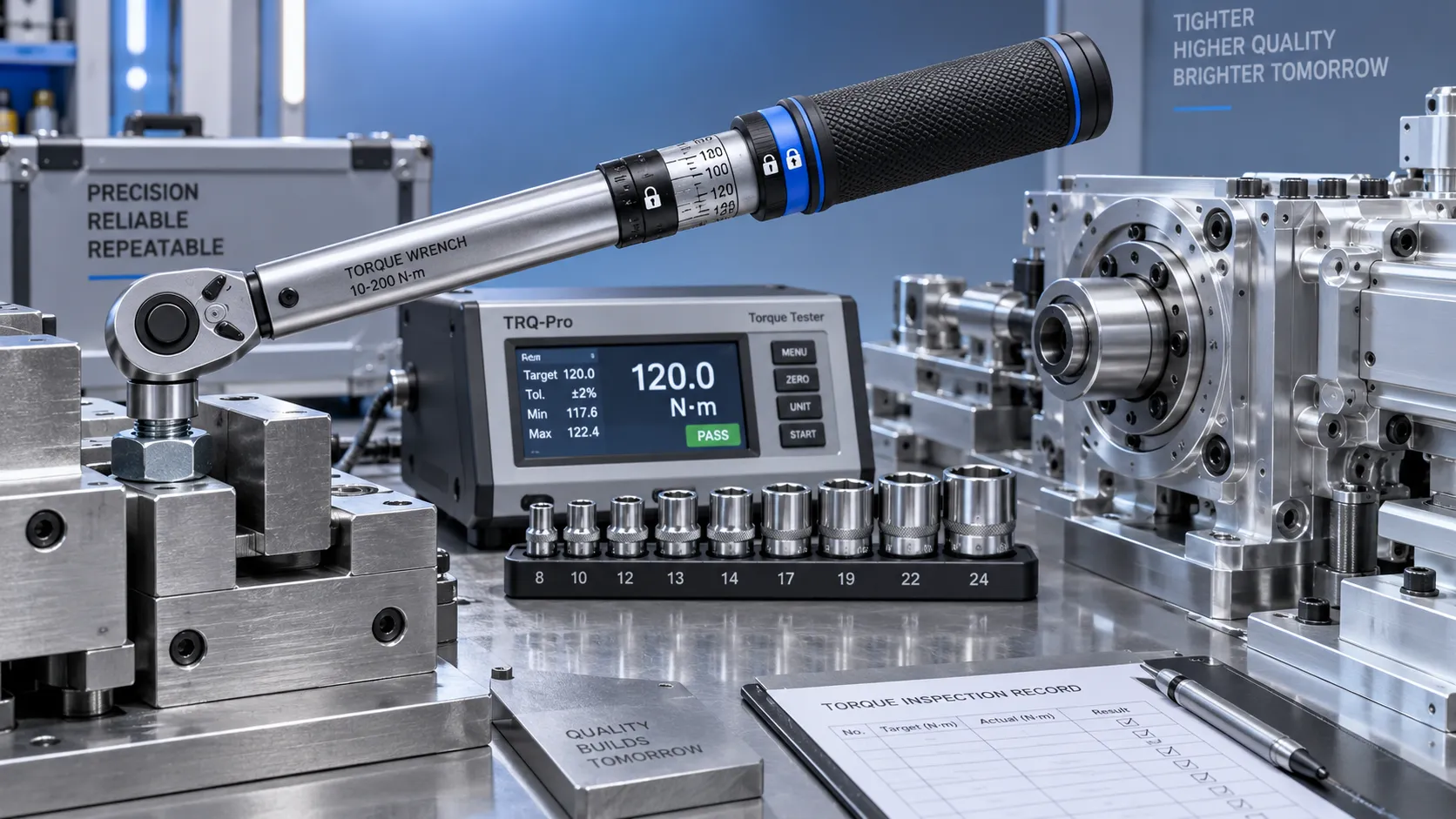
Selecting Adjustable Torque Tools for Repeatable Fastener Assembly
Adjustable torque tools: learn how to match range, accuracy, control methods, calibration, and ergonomics for repeatable, reliable fastener assembly.
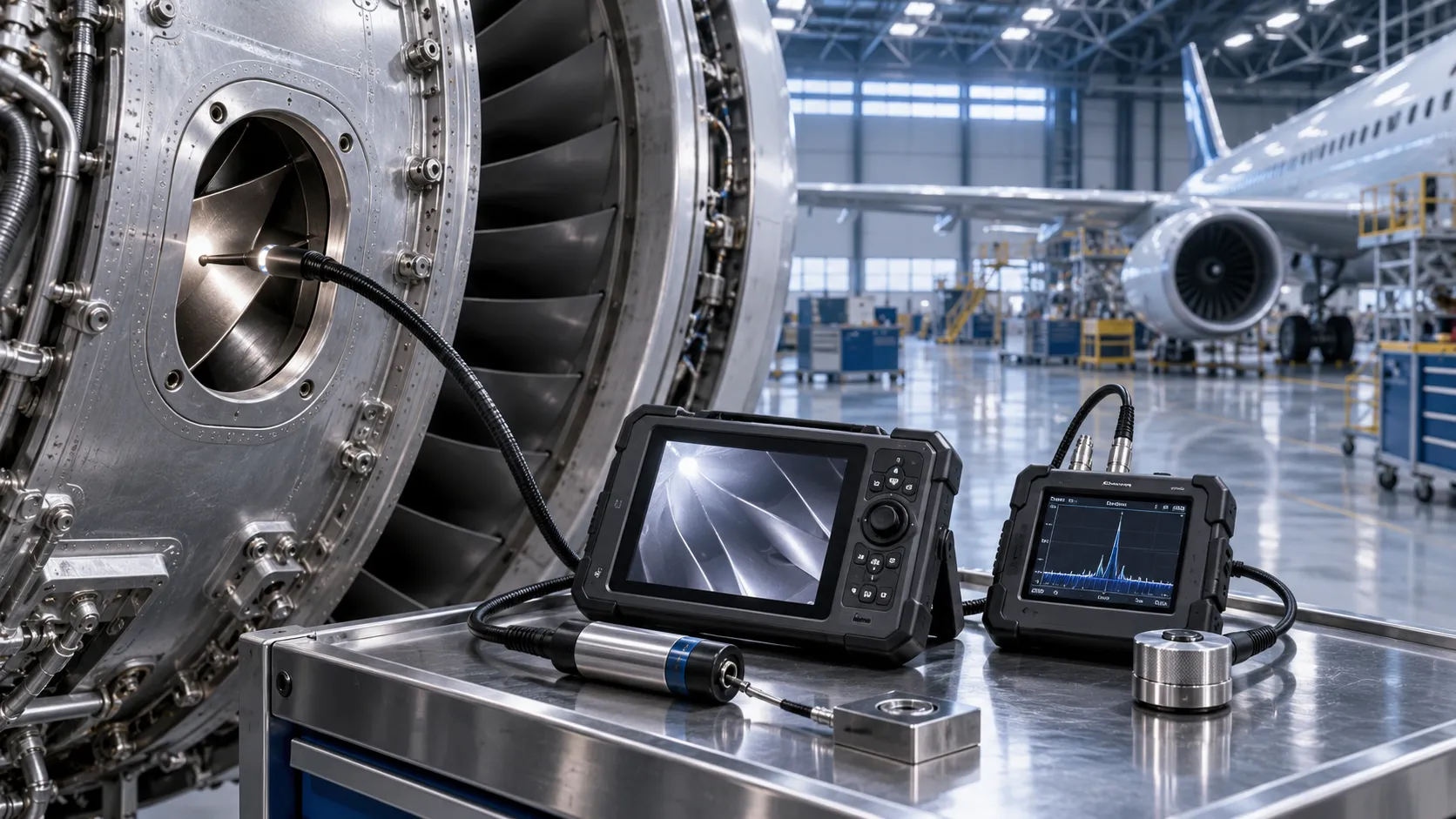
How to Select Aerospace Inspection Tools for Aircraft Maintenance Tasks
Aerospace maintenance inspection tools: learn how to select reliable, traceable equipment for aircraft access, accuracy, calibration, and compliant maintenance decisions.
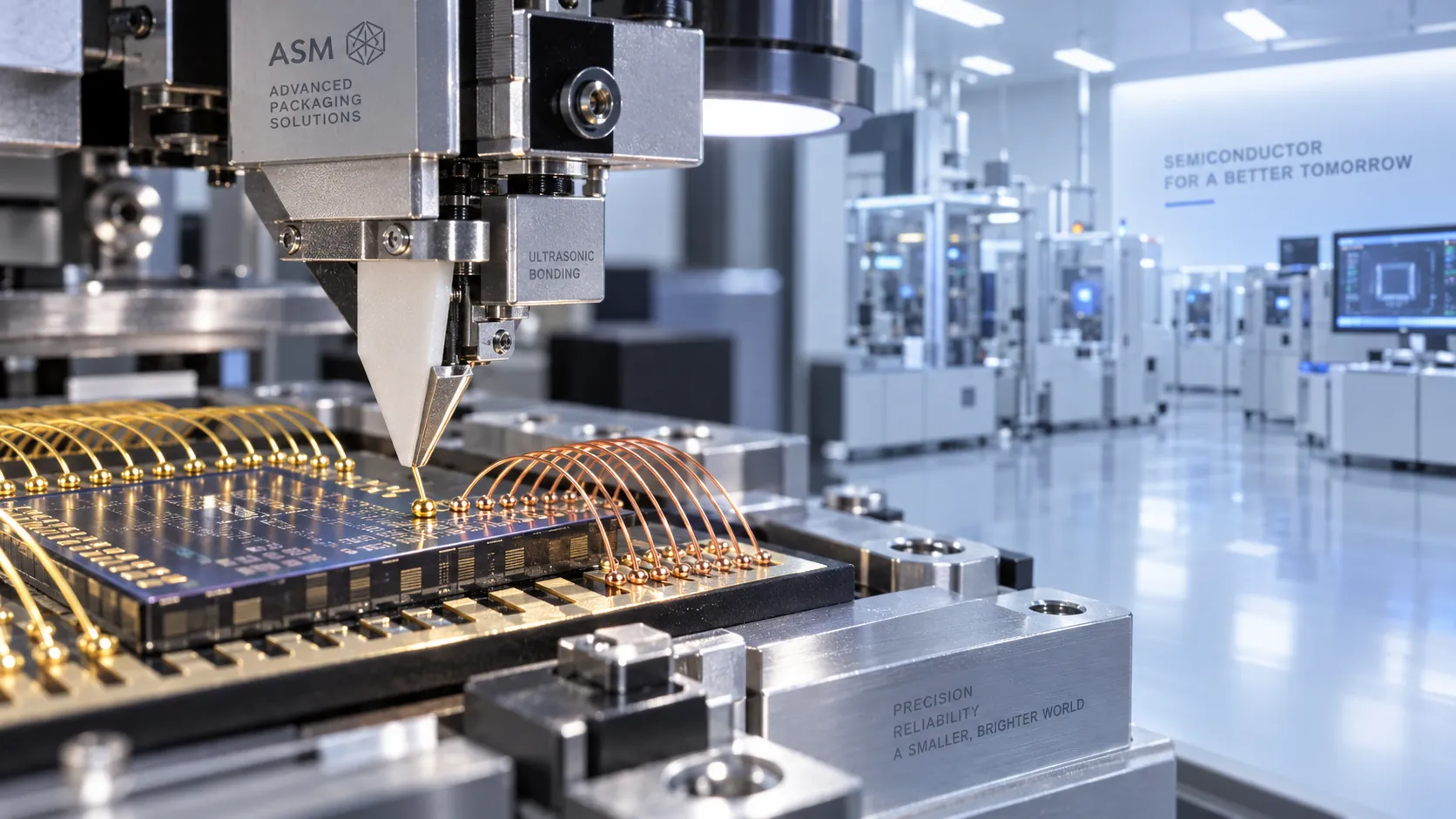
How to Select Wire Bonding Tools for Fine-Pitch Semiconductor Packaging
Explore semiconductor manufacturing tools for wire bonding and learn how to select precision solutions for fine-pitch packaging, reliable loops, accuracy, and yield.
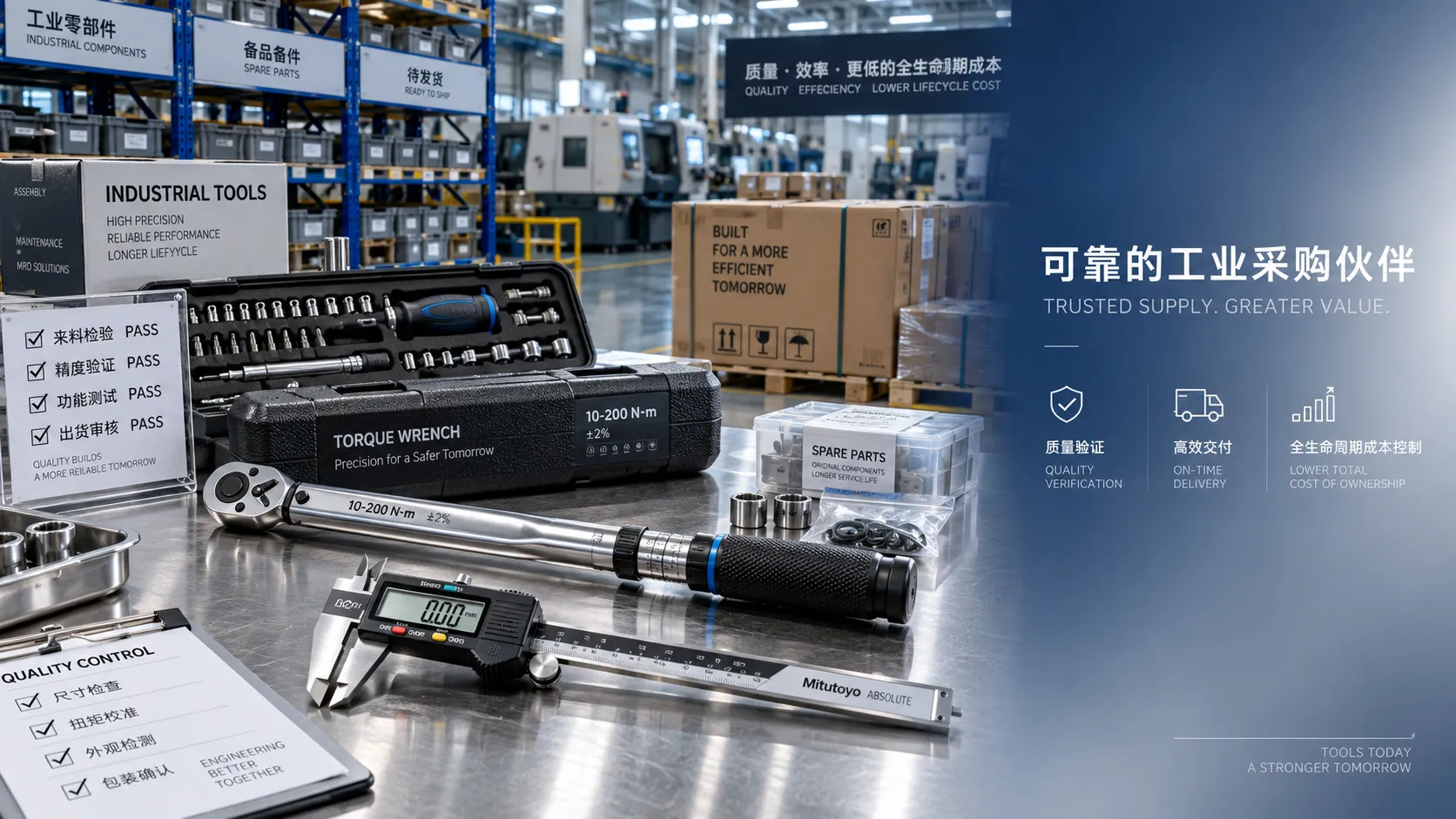
How to Compare Industrial Tool Suppliers for Quality, Lead Time, and Total Cost
Industrial tool selection supplier comparison made simple: evaluate quality, lead times, total cost, service, and supply resilience for confident sourcing decisions.
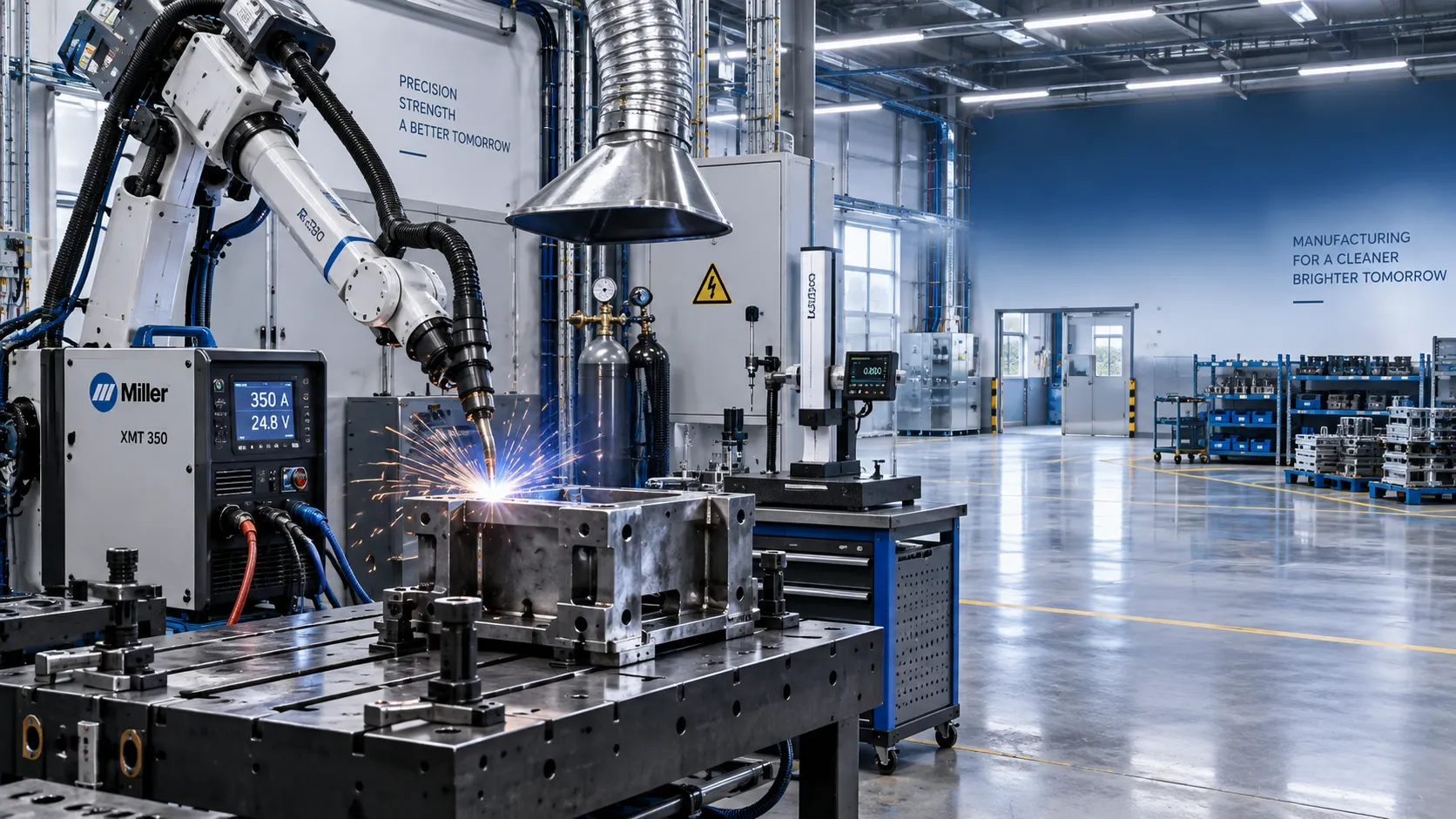
Industrial Equipment Application Guidance: Match Machines to Operating Conditions
Application guidance industrial equipment: match capacity, duty cycle, materials, site conditions, safety, and lifecycle cost to improve reliable output. Read the guide.
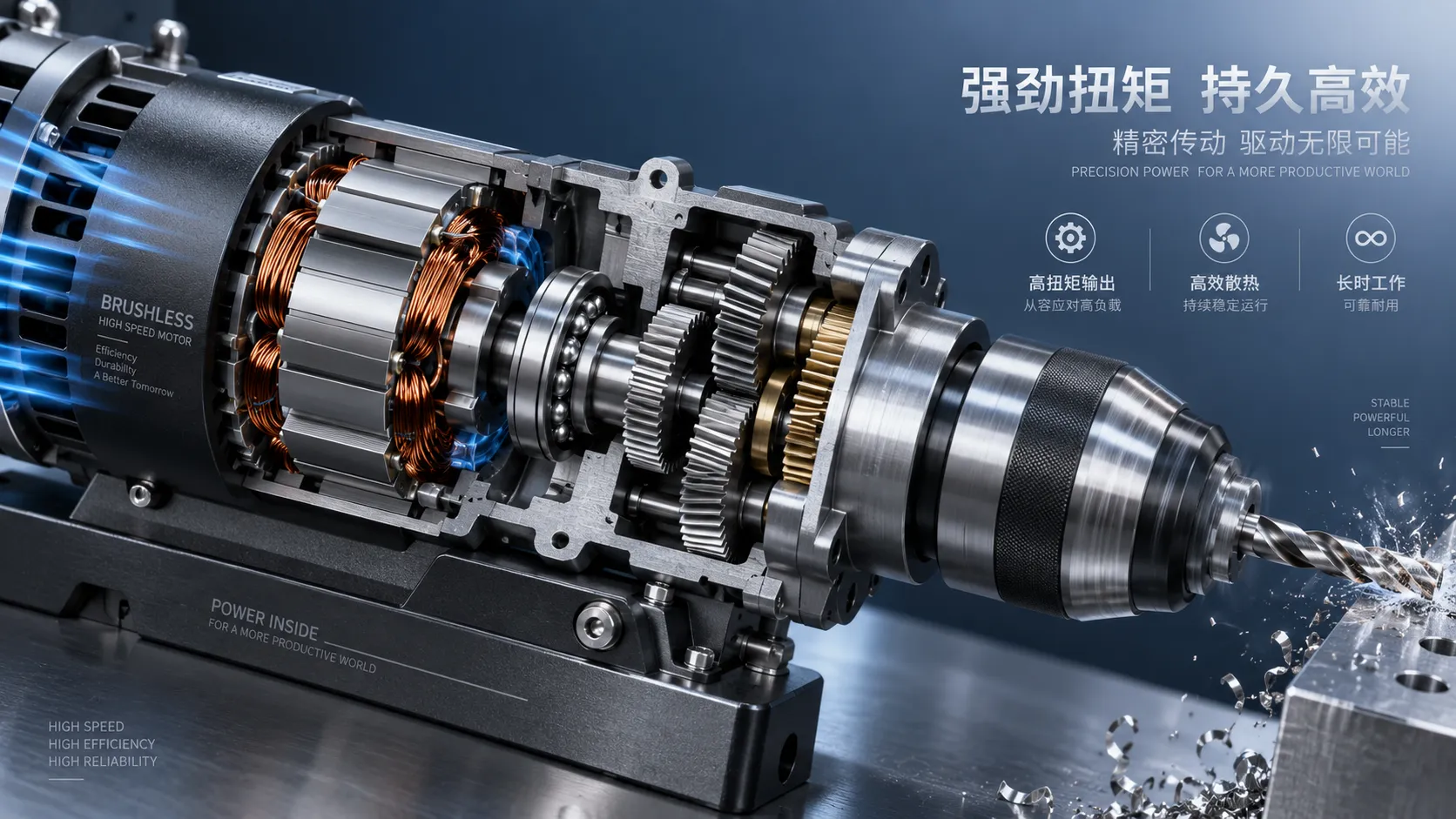
Selecting High-Speed Brushless Tool Motors for Torque, Heat, and Duty Cycle
High speed brushless tool motors: learn how to balance torque, heat, gearing, and duty cycle for reliable industrial tool performance and longer service life.
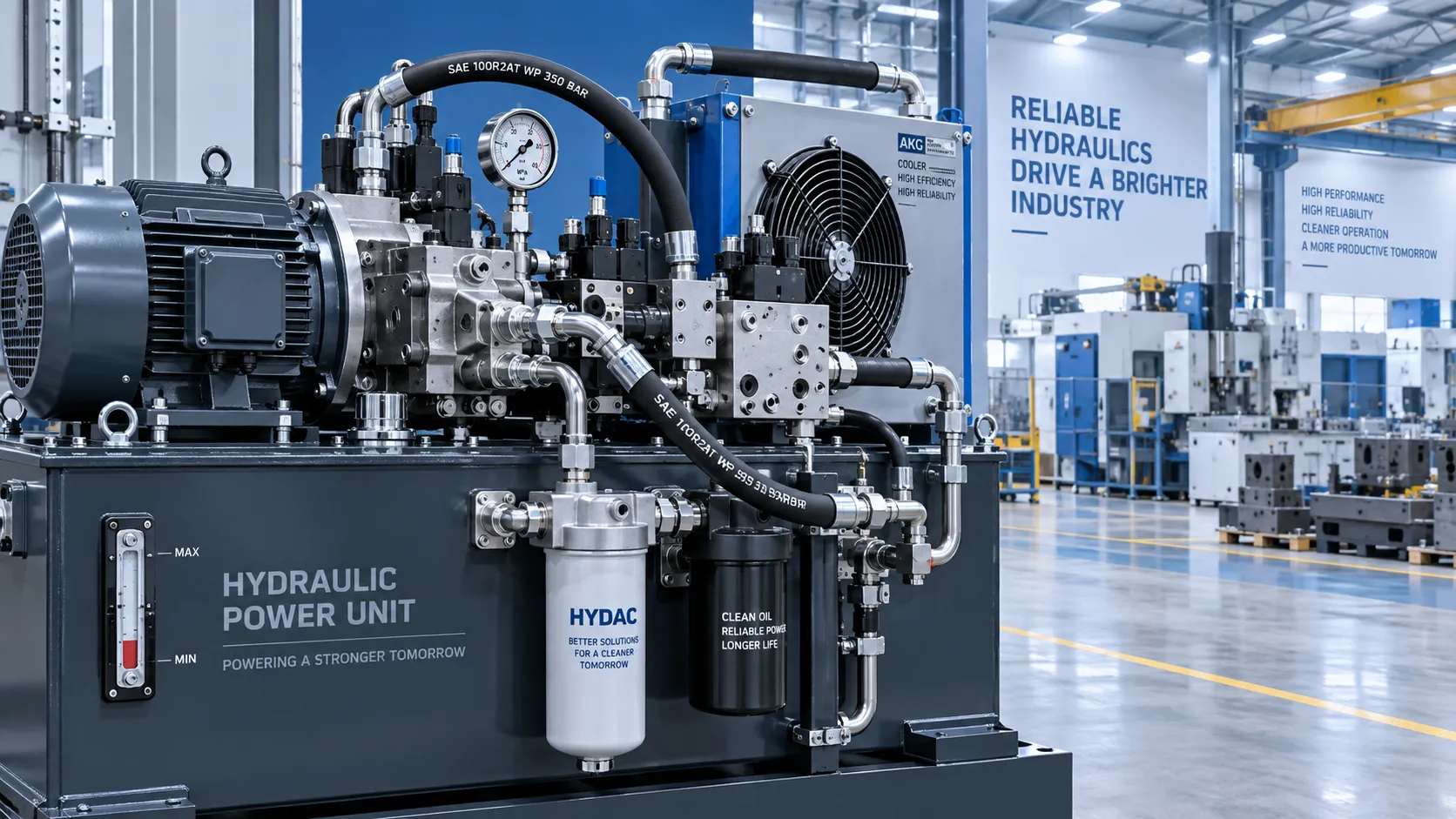
What Determines Industrial Hydraulic System Price for Heavy-Duty Equipment?
Industrial hydraulic system price depends on duty cycle, pressure, components, cooling, and integration. Compare quotes intelligently to secure reliable heavy-duty performance.
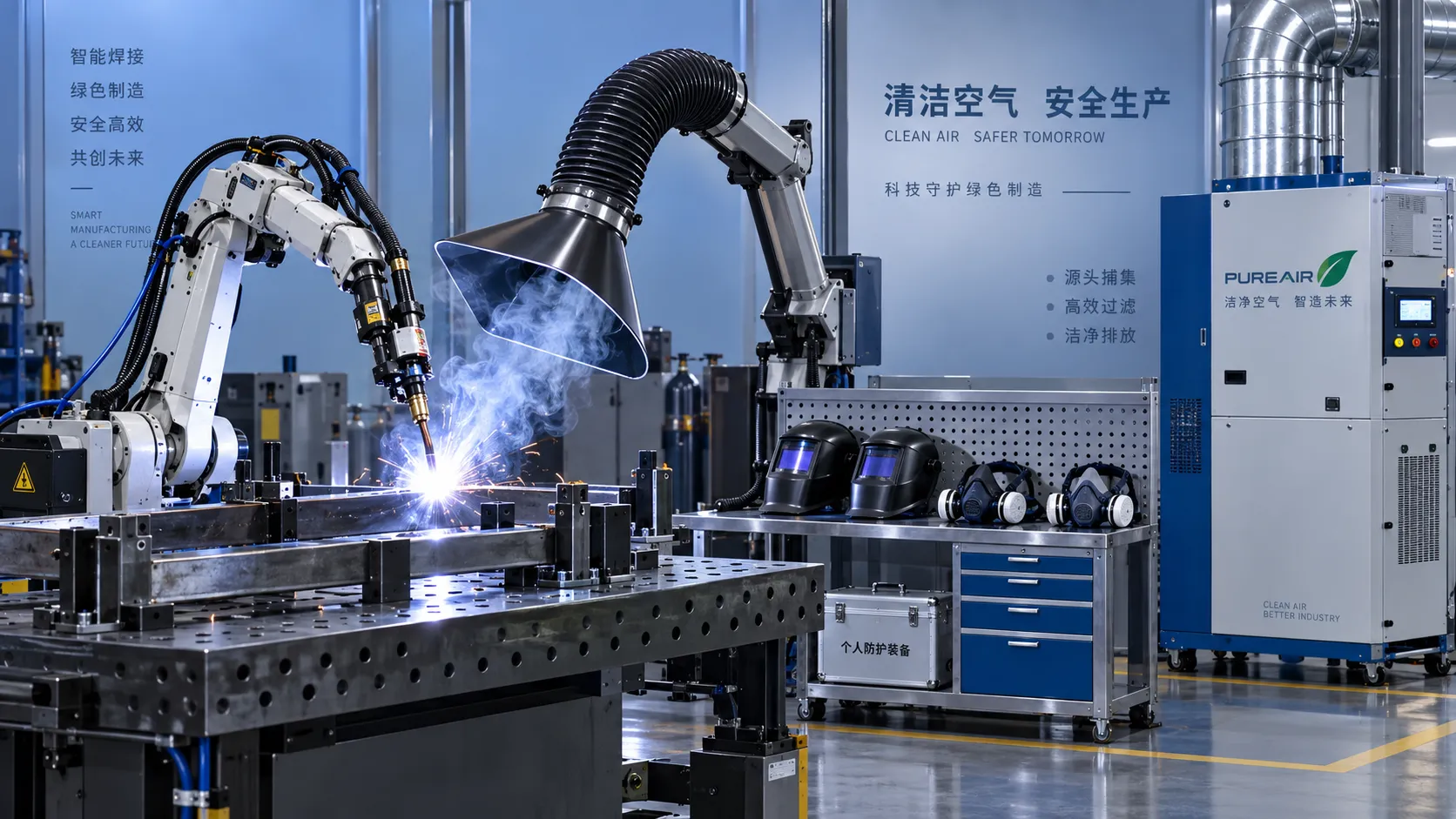
Welding Fume Extraction PPE: When Respirators Are Not Enough for Shop Safety
Welding fume extraction PPE: learn why respirators alone fall short and how source capture, ventilation, and layered controls improve shop safety.
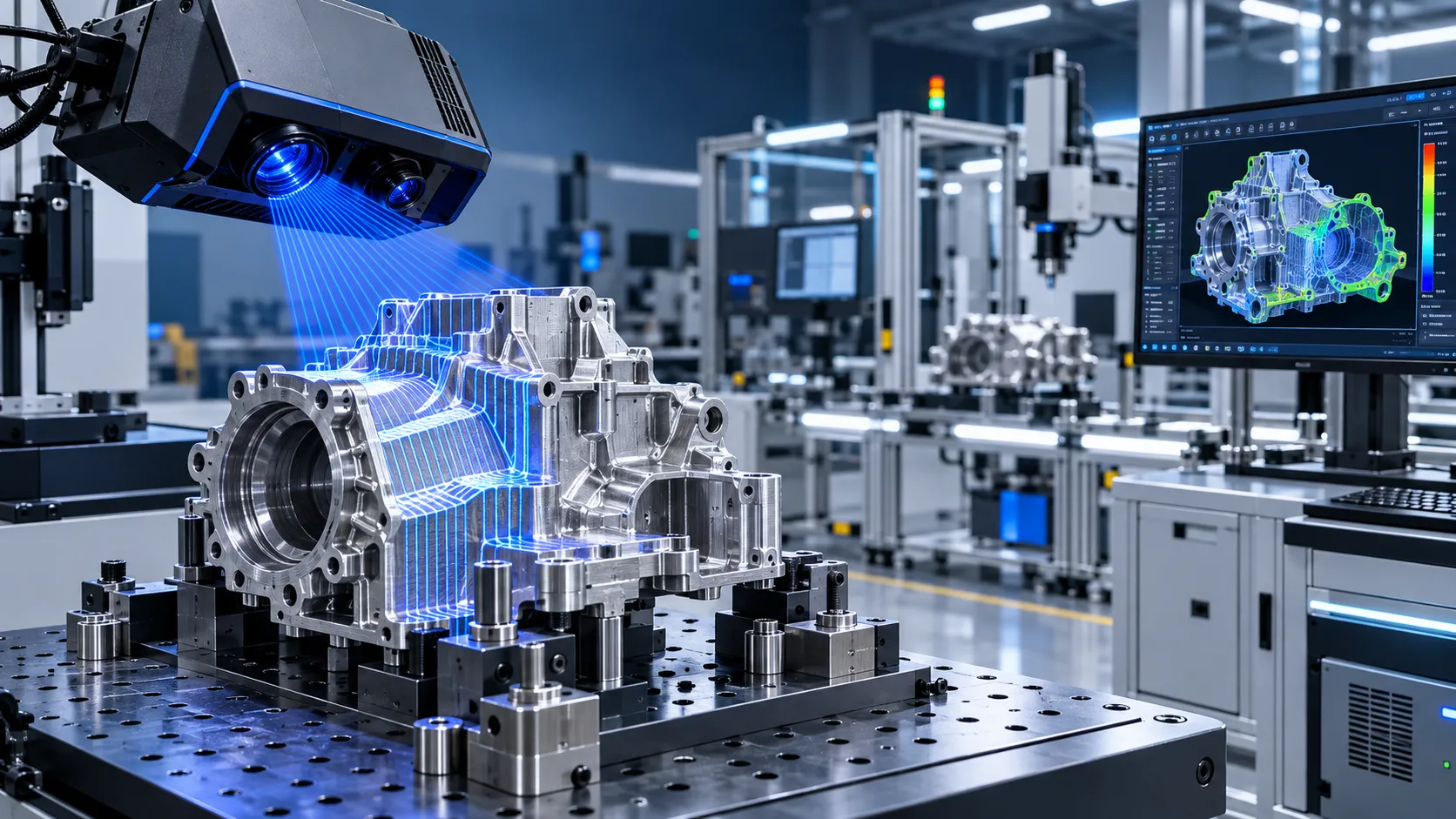
How to Select Optical Metrology Solutions for Tight-Tolerance Manufacturing
Optical industrial metrology solutions for tight-tolerance manufacturing: evaluate accuracy, surface compatibility, workflow, and traceability to select with confidence.
Related News
- 00
0000-00
Welding Fume Extraction PPE: When Respirators Are Not Enough for Shop Safety - 00
0000-00
Which ANSI Standards Apply to Welding Equipment in Industrial Fabrication? - 00
0000-00
How Energy-Efficient Welding Equipment Cuts Power Use in High-Volume Fabrication - 00
0000-00
Which ISO Standards Govern Welding Technology Quality Control and Qualification? - 00
0000-00
North American Welding Innovations Reshaping Automation, Quality, and Labor Productivity
Welding Metallurgy Expert
Weekly Insights
Stay ahead with our curated technology reports delivered every Monday.