
How welding technology is reducing rework on busy job sites





Welding technology is becoming a frontline answer to rework pressure
On busy job sites, even small welding errors can trigger costly delays, material waste, and schedule pressure.
Today, welding technology is helping project leaders reduce rework through greater arc stability, smarter parameter control, and safer, more consistent field performance.
For teams balancing speed and quality, welding technology now plays a direct role in keeping complex work packages on track.
This shift matters across construction, industrial maintenance, energy projects, fabrication yards, and mobile repair environments.
As observed by GPTWM, the biggest change is not only faster welding.
It is the rise of more predictable weld quality under variable site conditions.
The signal is clear: field welding is moving from operator dependence to process control
Rework used to be treated as a normal cost of field execution.
Now, tighter project margins are changing that assumption.
Across general industry, welding technology is shifting from manual adjustment toward guided, data-aware operation.
Inverter power sources, pulse control, digital interfaces, and intelligent wire feeding are reducing variation between shifts, materials, and positions.
This trend is especially visible where welding happens under weather exposure, uneven power supply, and compressed handover windows.
Instead of correcting weld defects after inspection, many sites are preventing them during execution.
That is the practical value of modern welding technology.
Why this transition is accelerating
Several pressures are pushing welding technology upgrades faster than before.
- Labor variability makes it harder to achieve consistent weld quality across crews.
- Higher material costs make scrap and repair work more expensive.
- Compressed schedules leave less room for inspection failures and repeated passes.
- Safety expectations are rising for hot work in crowded environments.
- Documentation demands are increasing for traceability and compliance.
These factors make welding technology a project control issue, not only a workshop choice.
The main drivers behind lower rework rates are technical and operational
Not every innovation reduces rework equally.
The strongest gains come from technologies that stabilize process inputs and simplify correct execution.
In simple terms, better welding technology reduces the number of variables that can drift out of control.
Where handheld and mobile systems are changing site execution
A major trend is mobility without sacrificing process quality.
Compact units with digital memory allow repeatable settings across different work fronts.
This matters when crews move between structural steel, pipe runs, support frames, and repair points during the same shift.
Handheld laser welding is also drawing attention in selected applications.
Its appeal is lower heat input, cleaner seams, and reduced post-weld finishing for thin materials.
However, adoption depends on safety discipline, joint suitability, and practical operator training.
The impact of welding technology reaches beyond the weld itself
Reduced rework creates a chain reaction across the whole project workflow.
Inspection cycles become smoother because fewer joints fail first-pass review.
Material planning improves because scrap rates become more predictable.
Downstream trades face fewer interruptions caused by repair zones and delayed release areas.
That is why welding technology increasingly affects schedule confidence and not just technical quality.
- Quality control benefits from more stable, documented weld parameters.
- Maintenance planning benefits from longer service life on repaired components.
- Cost control benefits from fewer corrective labor hours and less consumable waste.
- Safety performance benefits when hot work duration is reduced.
For general industry, this is especially important where multiple contractors share the same working envelope.
What deserves closer attention as adoption expands
Advanced welding technology does not remove risk automatically.
It changes where attention must be focused.
Key points worth monitoring
- Parameter libraries must match real materials, thicknesses, and joint designs.
- Training must cover process judgment, not only machine operation.
- Consumables and shielding gas quality remain critical to defect prevention.
- Power stability, grounding, and cable condition still influence field results.
- Safety controls must evolve with new processes, especially laser-based systems.
- Data capture should support learning, not become a disconnected reporting task.
The most successful sites combine welding technology with disciplined setup, verification, and feedback loops.
A practical response framework is emerging across industrial operations
The next step is not to chase every new welding technology trend.
It is to connect technology choices with recurring sources of rework.
This approach aligns with GPTWM’s broader view of precision tools and intelligent process control.
The objective is measurable execution stability, not technology for its own sake.
The near-term outlook points to smarter, lighter, and more connected welding technology
Several developments are likely to shape rework reduction in the coming years.
- More portable systems will deliver high performance in remote or elevated work zones.
- User interfaces will become easier, reducing setup mistakes under time pressure.
- Integrated sensing will improve live feedback during welding operations.
- Cross-platform data links will support stronger quality traceability.
- Safety standards will continue shaping laser and high-efficiency process adoption.
The wider implication is clear.
Welding technology is becoming part of industrial intelligence, not just metal joining equipment.
The next move should be grounded in measurable site realities
To reduce rework, start by identifying where weld failures, cleanup delays, and parameter variation occur most often.
Then compare those weak points against the available welding technology options.
Prioritize solutions that improve consistency, portability, documentation, and operator confidence under field conditions.
For organizations tracking broader industrial trends, GPTWM offers a useful lens on precision tools, metal joining, and intelligent manufacturing efficiency.
In a market where time loss compounds quickly, better welding technology can turn quality control into schedule protection.
Related News
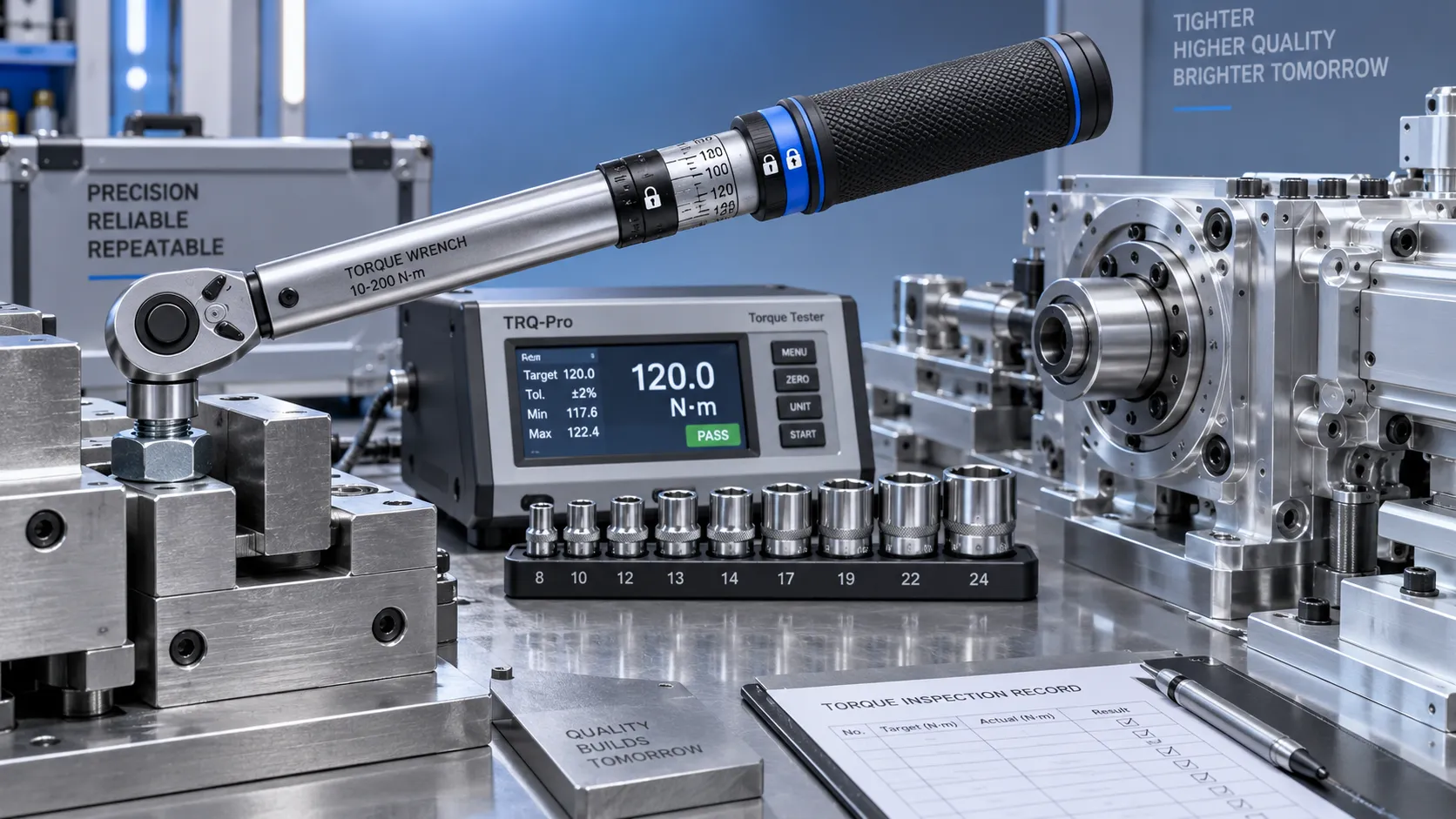
Selecting Adjustable Torque Tools for Repeatable Fastener Assembly
Adjustable torque tools: learn how to match range, accuracy, control methods, calibration, and ergonomics for repeatable, reliable fastener assembly.
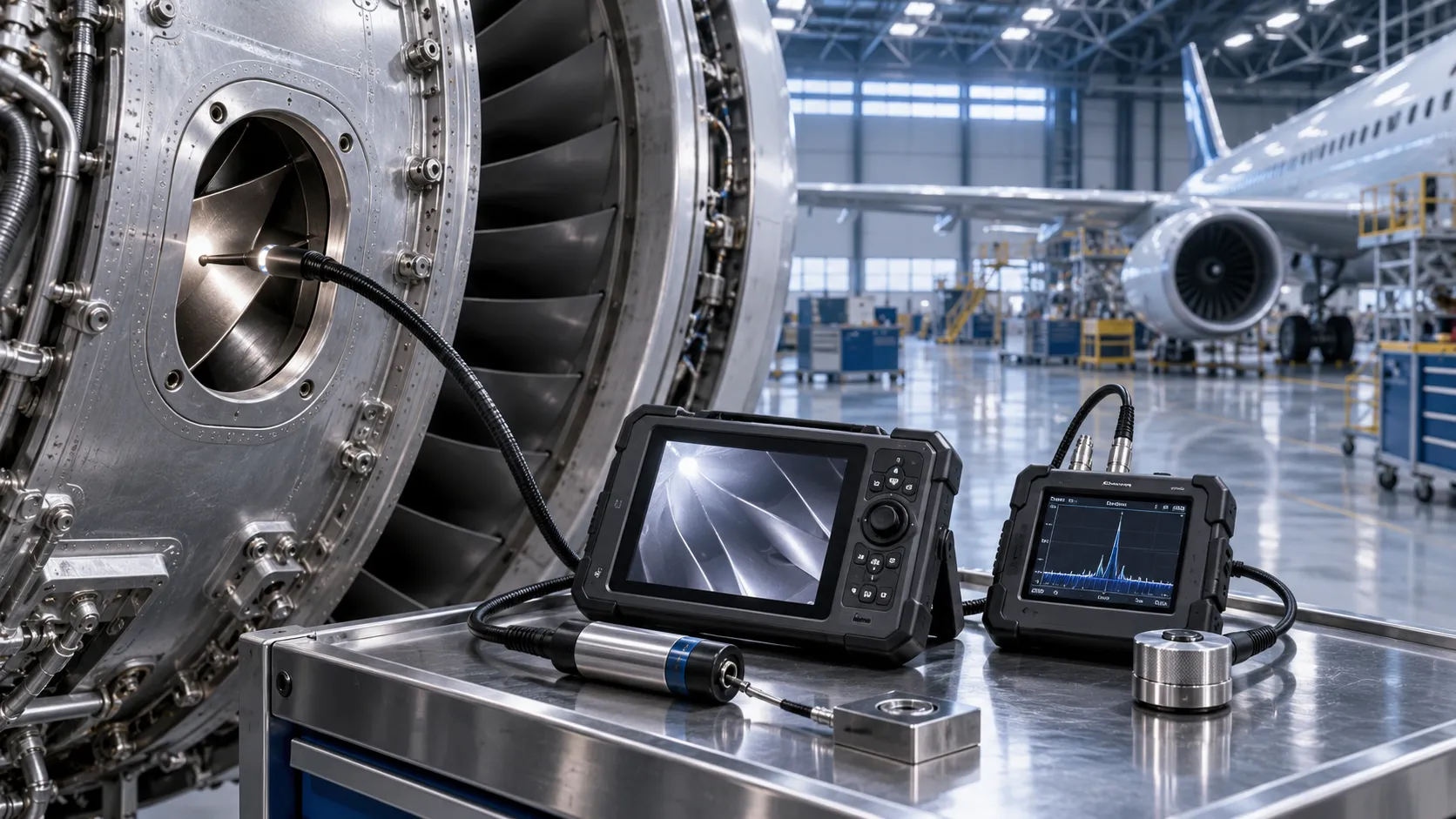
How to Select Aerospace Inspection Tools for Aircraft Maintenance Tasks
Aerospace maintenance inspection tools: learn how to select reliable, traceable equipment for aircraft access, accuracy, calibration, and compliant maintenance decisions.
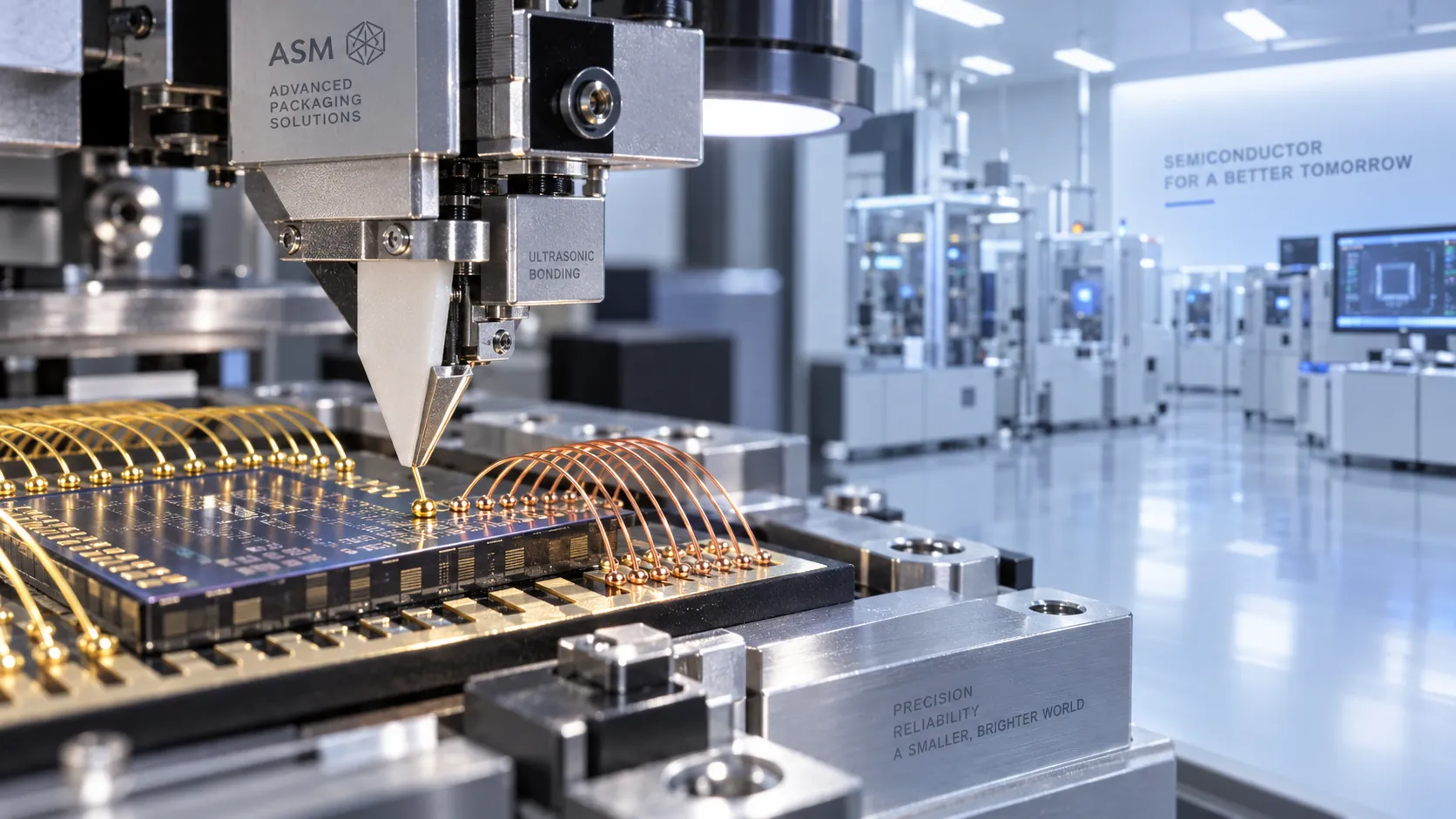
How to Select Wire Bonding Tools for Fine-Pitch Semiconductor Packaging
Explore semiconductor manufacturing tools for wire bonding and learn how to select precision solutions for fine-pitch packaging, reliable loops, accuracy, and yield.
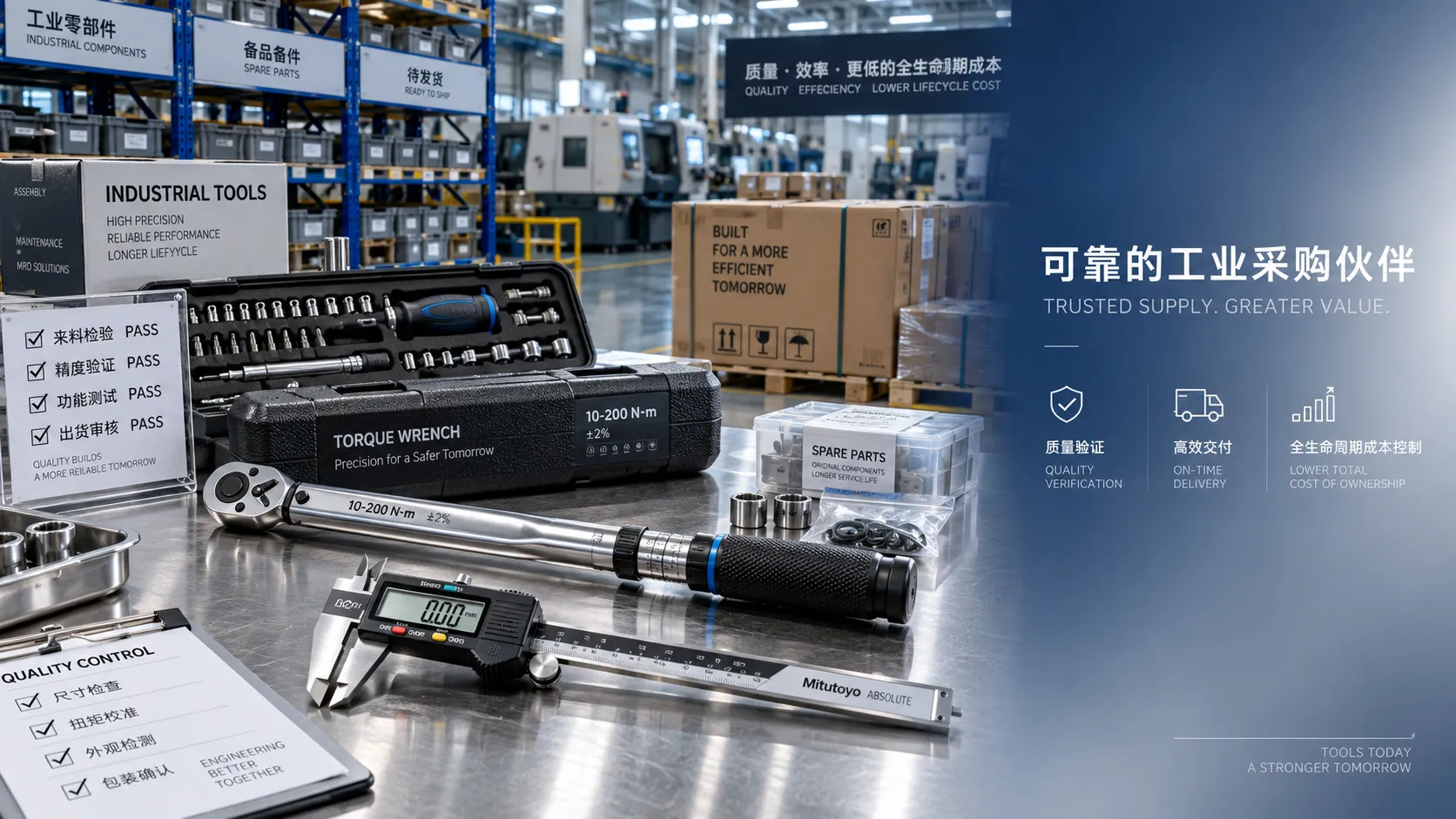
How to Compare Industrial Tool Suppliers for Quality, Lead Time, and Total Cost
Industrial tool selection supplier comparison made simple: evaluate quality, lead times, total cost, service, and supply resilience for confident sourcing decisions.
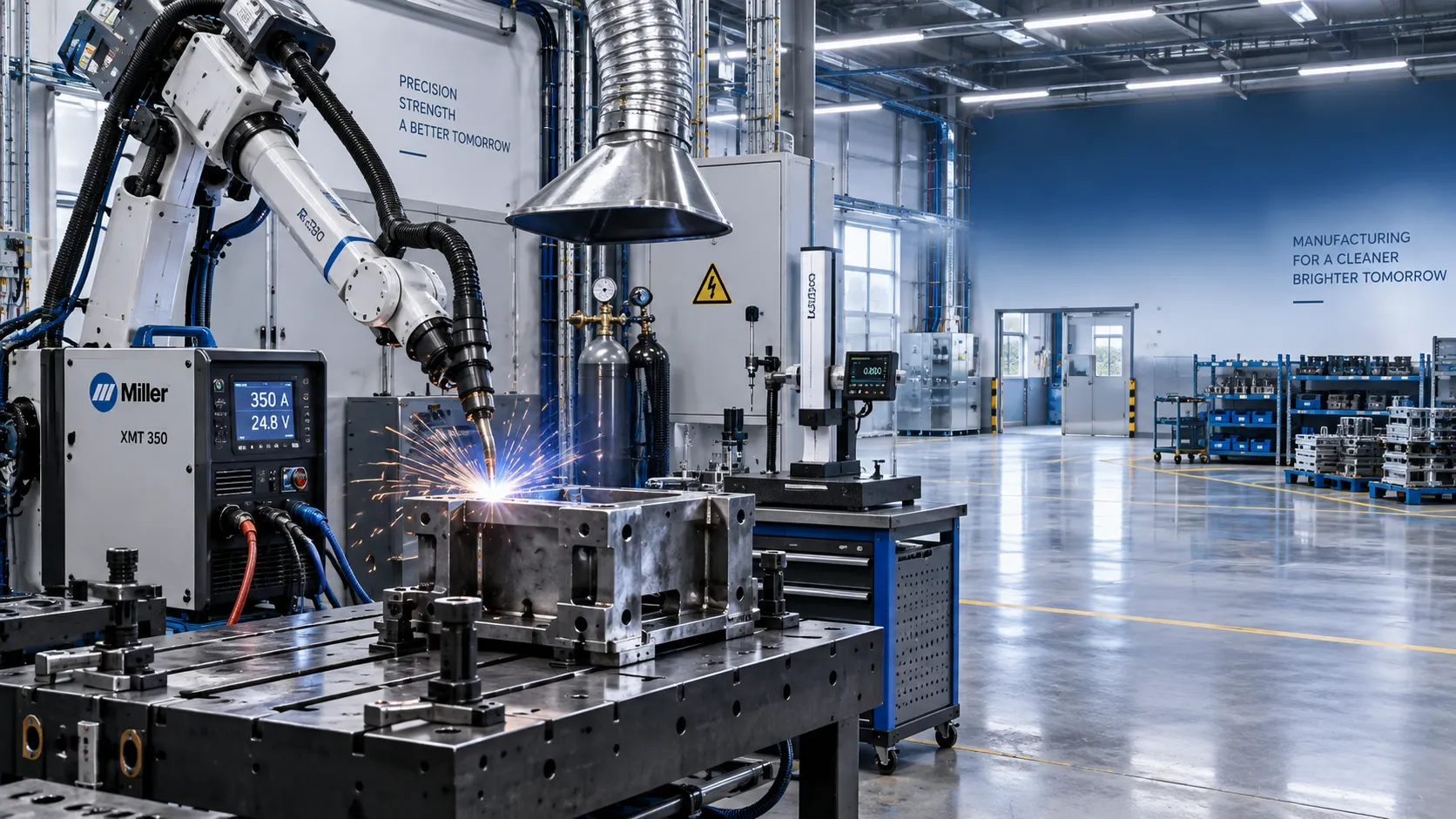
Industrial Equipment Application Guidance: Match Machines to Operating Conditions
Application guidance industrial equipment: match capacity, duty cycle, materials, site conditions, safety, and lifecycle cost to improve reliable output. Read the guide.
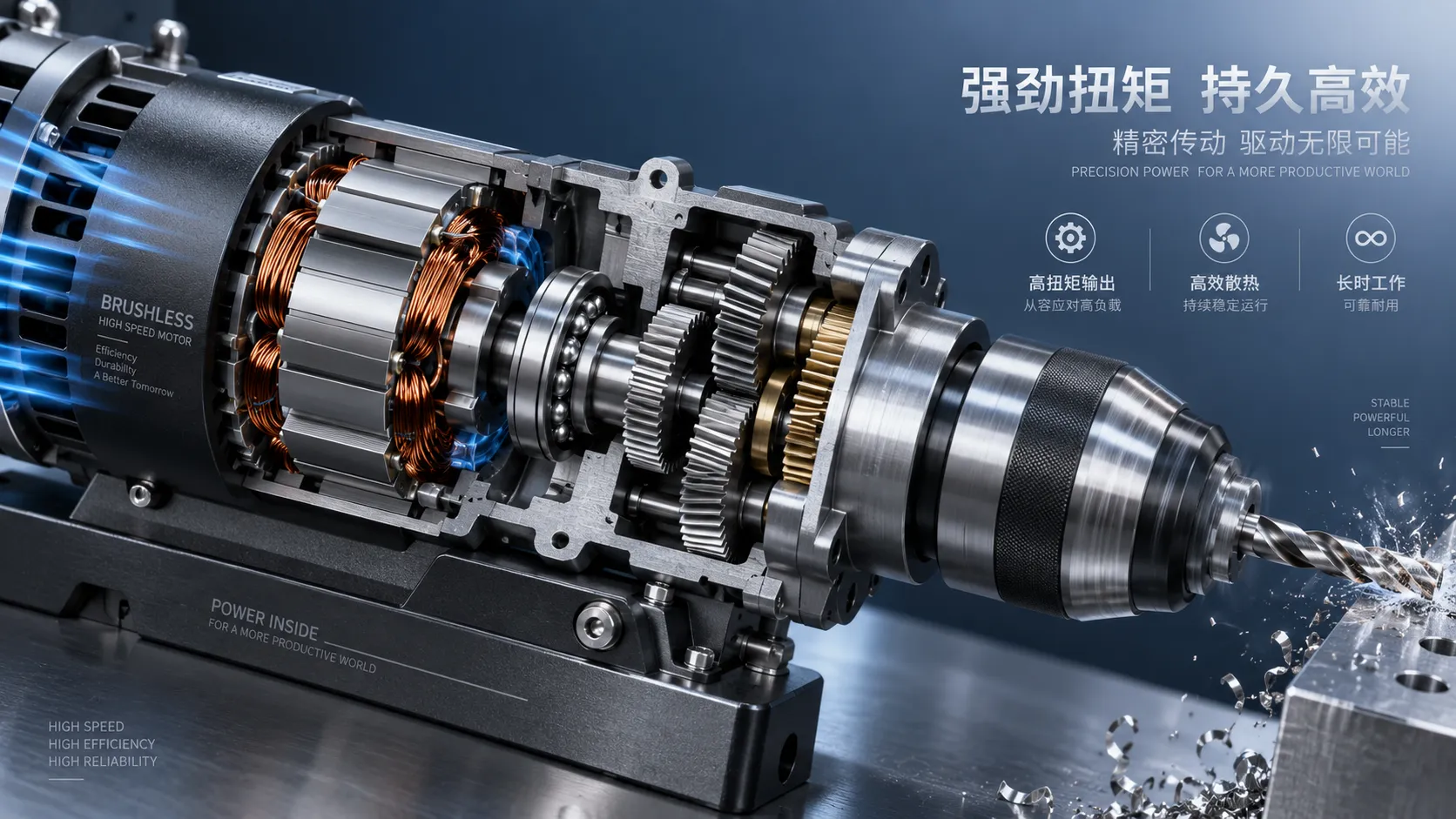
Selecting High-Speed Brushless Tool Motors for Torque, Heat, and Duty Cycle
High speed brushless tool motors: learn how to balance torque, heat, gearing, and duty cycle for reliable industrial tool performance and longer service life.
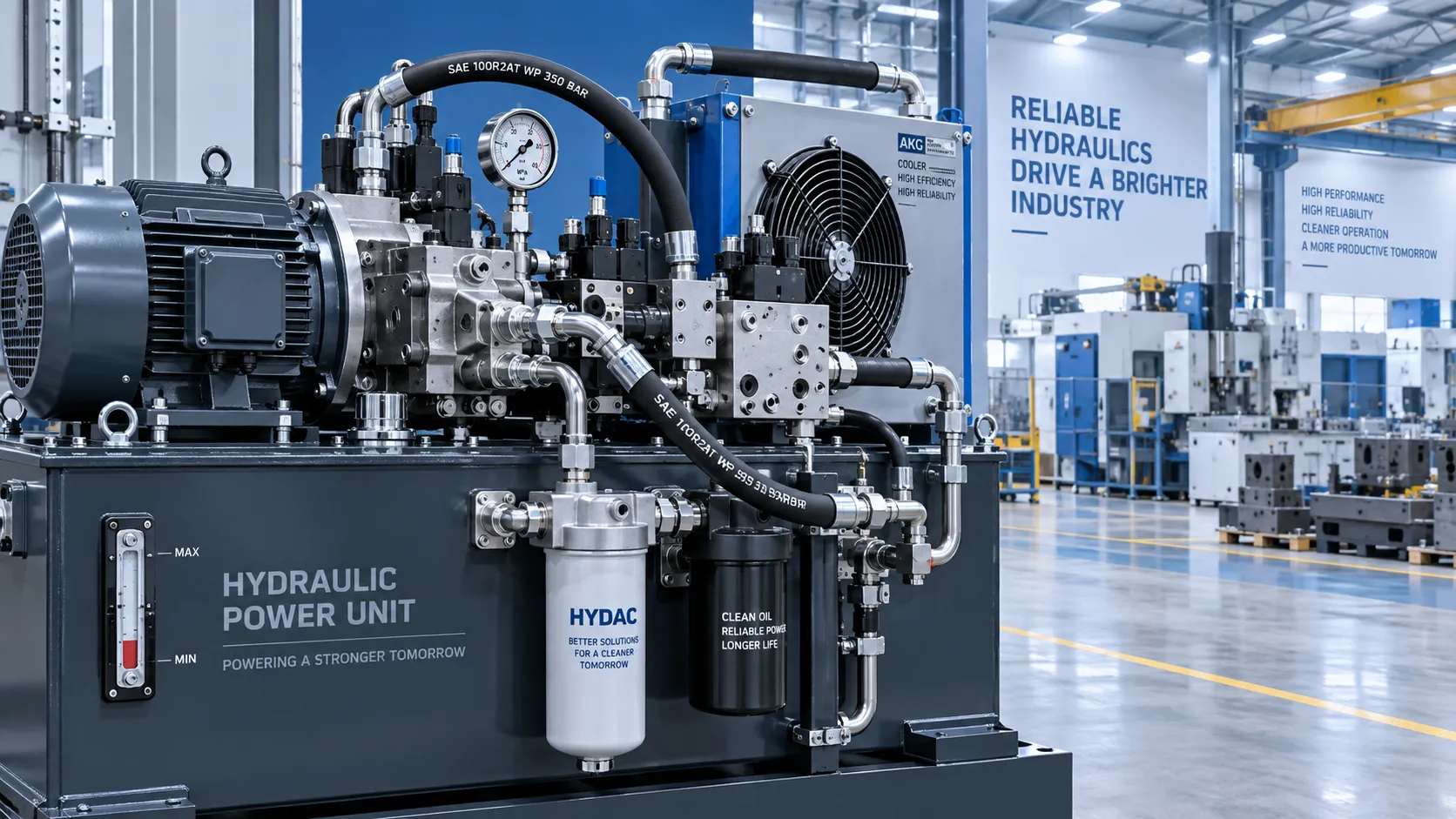
What Determines Industrial Hydraulic System Price for Heavy-Duty Equipment?
Industrial hydraulic system price depends on duty cycle, pressure, components, cooling, and integration. Compare quotes intelligently to secure reliable heavy-duty performance.
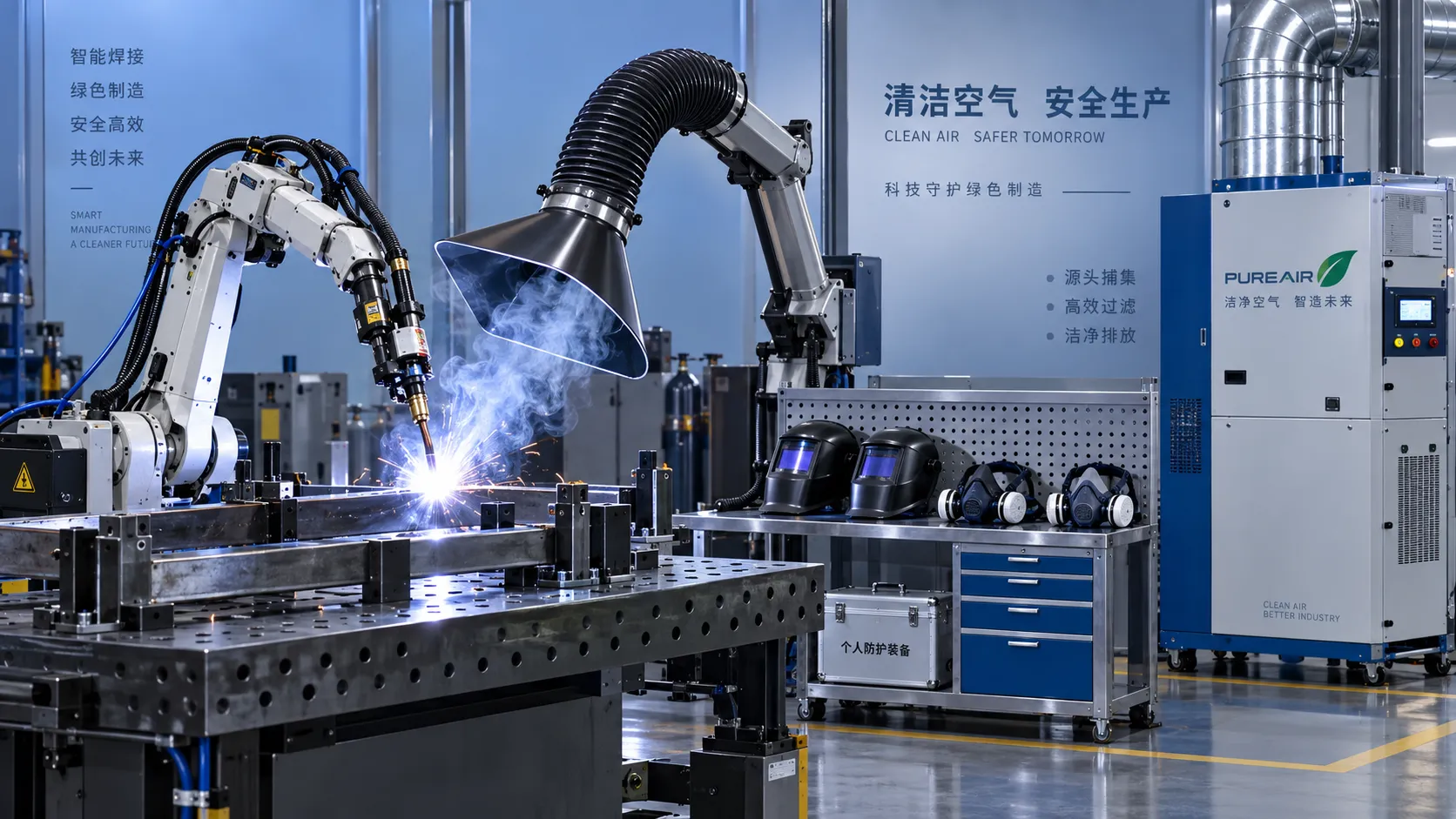
Welding Fume Extraction PPE: When Respirators Are Not Enough for Shop Safety
Welding fume extraction PPE: learn why respirators alone fall short and how source capture, ventilation, and layered controls improve shop safety.
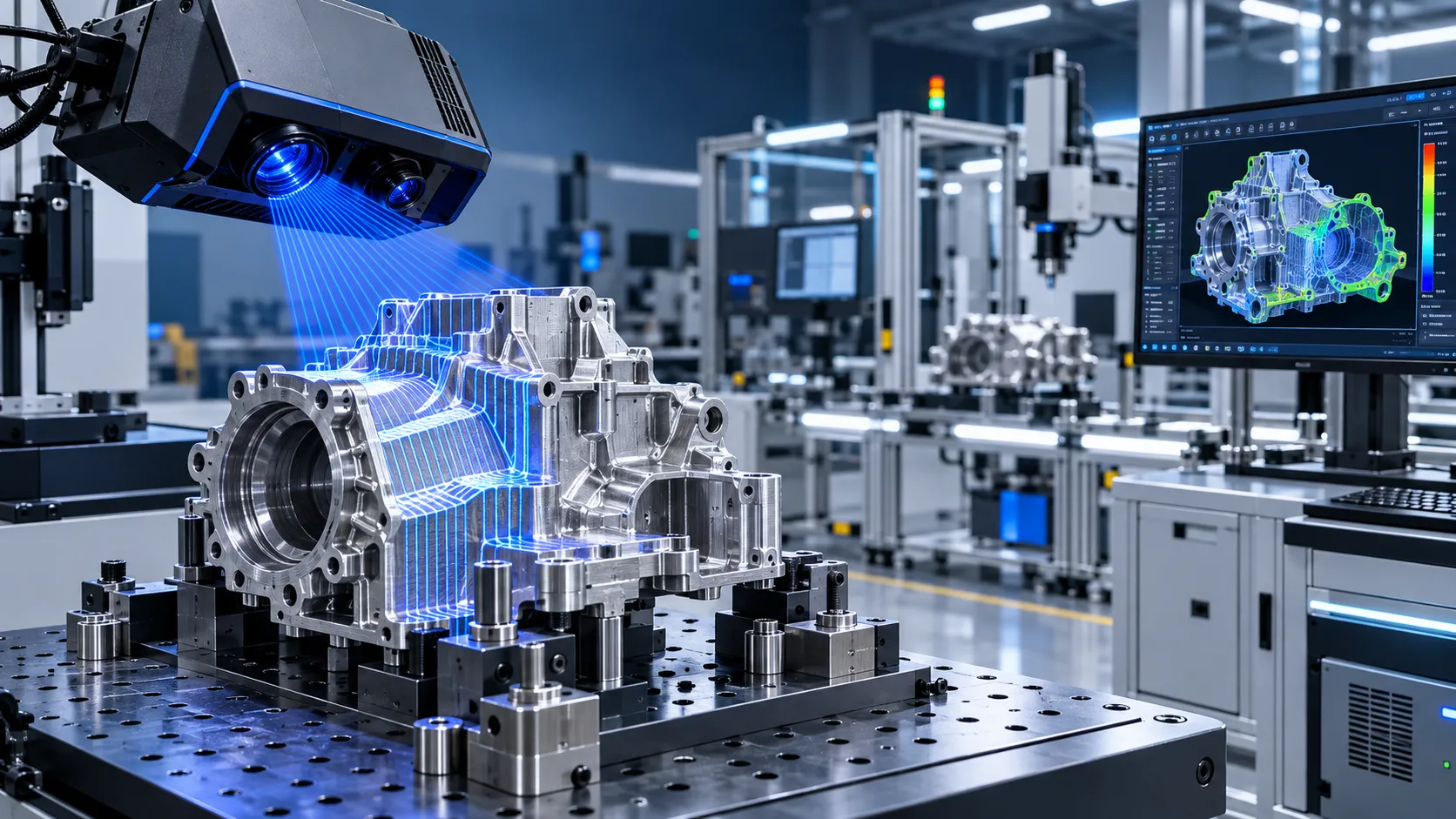
How to Select Optical Metrology Solutions for Tight-Tolerance Manufacturing
Optical industrial metrology solutions for tight-tolerance manufacturing: evaluate accuracy, surface compatibility, workflow, and traceability to select with confidence.
Related News
- 00
0000-00
Welding Fume Extraction PPE: When Respirators Are Not Enough for Shop Safety - 00
0000-00
Which ANSI Standards Apply to Welding Equipment in Industrial Fabrication? - 00
0000-00
How Energy-Efficient Welding Equipment Cuts Power Use in High-Volume Fabrication - 00
0000-00
Which ISO Standards Govern Welding Technology Quality Control and Qualification? - 00
0000-00
North American Welding Innovations Reshaping Automation, Quality, and Labor Productivity
Welding Metallurgy Expert
Weekly Insights
Stay ahead with our curated technology reports delivered every Monday.