
How welding innovations are reducing rework on site





In fast-moving construction and fabrication projects, rework can quietly erode schedules, budgets, and client confidence. Today, welding innovations are helping project teams reduce on-site errors through smarter process control, better weld consistency, and improved operator safety. From handheld laser systems to intelligent parameter monitoring, these advances are changing how teams deliver quality the first time, making every weld a stronger link in overall project performance.
Why a checklist matters when evaluating welding innovations
Rework rarely comes from one dramatic failure. It usually starts with small deviations in fit-up, heat input, operator technique, or inspection timing.
That is why a checklist approach works. It turns broad interest in welding innovations into practical decisions that improve first-pass yield on site.
For general industry projects, the goal is not adopting every new tool. The goal is selecting innovations that reduce variability, support traceability, and fit real field conditions.
Core checklist: how welding innovations reduce rework on site
Use the following checklist to judge whether new welding methods, equipment, or controls will deliver measurable value in daily site work.
- Verify parameter stability across power fluctuations, joint positions, and material thickness changes before trusting any new process in live site conditions.
- Measure first-pass acceptance rates, not just travel speed, because faster welding only matters when defects and repairs actually decline.
- Check whether the system guides operators with preset modes, visual prompts, or locked procedures that reduce setup inconsistency.
- Confirm compatibility with common base metals, filler materials, shielding gases, and joint designs already used across the project.
- Assess heat input control, especially for thin sections, coated metals, and distortion-sensitive assemblies where rework often begins.
- Review data capture features such as weld logs, parameter history, and operator traceability for stronger quality documentation.
- Test ergonomic performance in confined spaces, elevated work areas, and mobile environments where fatigue increases defect risk.
- Inspect built-in safety controls, including fume reduction, arc containment, and interlocks, because unsafe work usually becomes inconsistent work.
- Compare calibration and maintenance demands, since an advanced machine that drifts easily can create hidden rework costs.
- Run a pilot on actual site welds and compare repair hours, inspection findings, and schedule impact before expanding adoption.
Technologies making the biggest difference
Several welding innovations stand out because they attack the root causes of on-site rework instead of only improving speed on paper.
Handheld laser welding offers narrow heat-affected zones, cleaner seams, and less post-weld finishing in suitable applications. Intelligent MIG and TIG systems improve repeatability through digital presets and adaptive control.
Real-time monitoring also matters. Systems that track voltage, current, wire feed, or torch angle can flag drift before it becomes a rejected weld.
How welding innovations perform in different site scenarios
Structural steel and construction assemblies
In structural work, rework often comes from fit-up variation, awkward positions, and weather exposure. Here, welding innovations help most when they simplify setup and stabilize weld quality under changing conditions.
Digital synergic controls are especially useful. They allow faster adjustment between joint types without relying on repeated trial welds.
Thin-sheet fabrication and visible-finish work
For thin-gauge metals, cosmetic defects and burn-through create expensive touchups. Handheld laser solutions and refined pulse processes reduce spatter, discoloration, and distortion.
This matters in enclosures, panels, stainless details, and architectural assemblies where appearance and dimensional stability must be preserved from the start.
Maintenance, repair, and retrofit environments
Retrofit work introduces mixed materials, restricted access, and uncertain surface conditions. In these environments, welding innovations that combine portability, preset control, and better visibility offer the greatest practical gains.
Compact inverter platforms, guided parameter libraries, and mobile inspection tools reduce decision errors when every weld location presents different challenges.
Commonly missed issues that still trigger rework
Even strong technology can fail to cut repairs if a few overlooked factors remain unchanged. These issues deserve direct attention during implementation.
Ignoring joint preparation
No process compensates for contaminated surfaces, poor edge condition, or unstable gaps. Many teams overestimate what new welding innovations can overcome in bad preparation.
Overlooking operator transition time
A machine may be intuitive, but habits do not change instantly. Short transition periods often produce temporary inconsistency unless procedure training is tied to real job samples.
Failing to align inspection with the new process
Inspection teams must understand the expected weld profile, appearance, and acceptance indicators of new processes. Misalignment here can create unnecessary rejection or delayed approvals.
Focusing only on purchase cost
Lower initial price does not mean lower total cost. Consumables, downtime, repair frequency, finishing labor, and documentation effort often decide the real value of welding technology.
Practical execution steps for reducing on-site rework
- Map the top three recurring weld defects by location, material, and process used on site.
- Match each defect source to specific welding innovations, such as adaptive control, laser welding, or digital logging.
- Run a limited field trial using actual joints, realistic weather exposure, and normal crew rotation.
- Track repair hours, consumable use, visual defects, NDT findings, and time to approval.
- Standardize successful settings into work instructions, inspection references, and maintenance routines.
A disciplined rollout matters as much as the equipment itself. Consistency comes from connecting process settings, operator behavior, and inspection criteria into one controlled workflow.
This is where industry intelligence becomes useful. Platforms such as GPTWM help connect welding process trends, tool evolution, and efficiency insights so technical decisions are supported by wider market and application knowledge.
Conclusion and next action
The best welding innovations reduce rework by controlling variation before defects spread through the job. They improve repeatability, support safer execution, and make quality easier to document.
Start with one checklist-driven pilot. Compare first-pass quality, repair hours, and inspection outcomes. Then scale only the innovations that prove reliable under real site conditions.
When each weld is planned, monitored, and verified more intelligently, project performance improves from the seam outward. That is the practical promise of modern welding innovations.
Related News
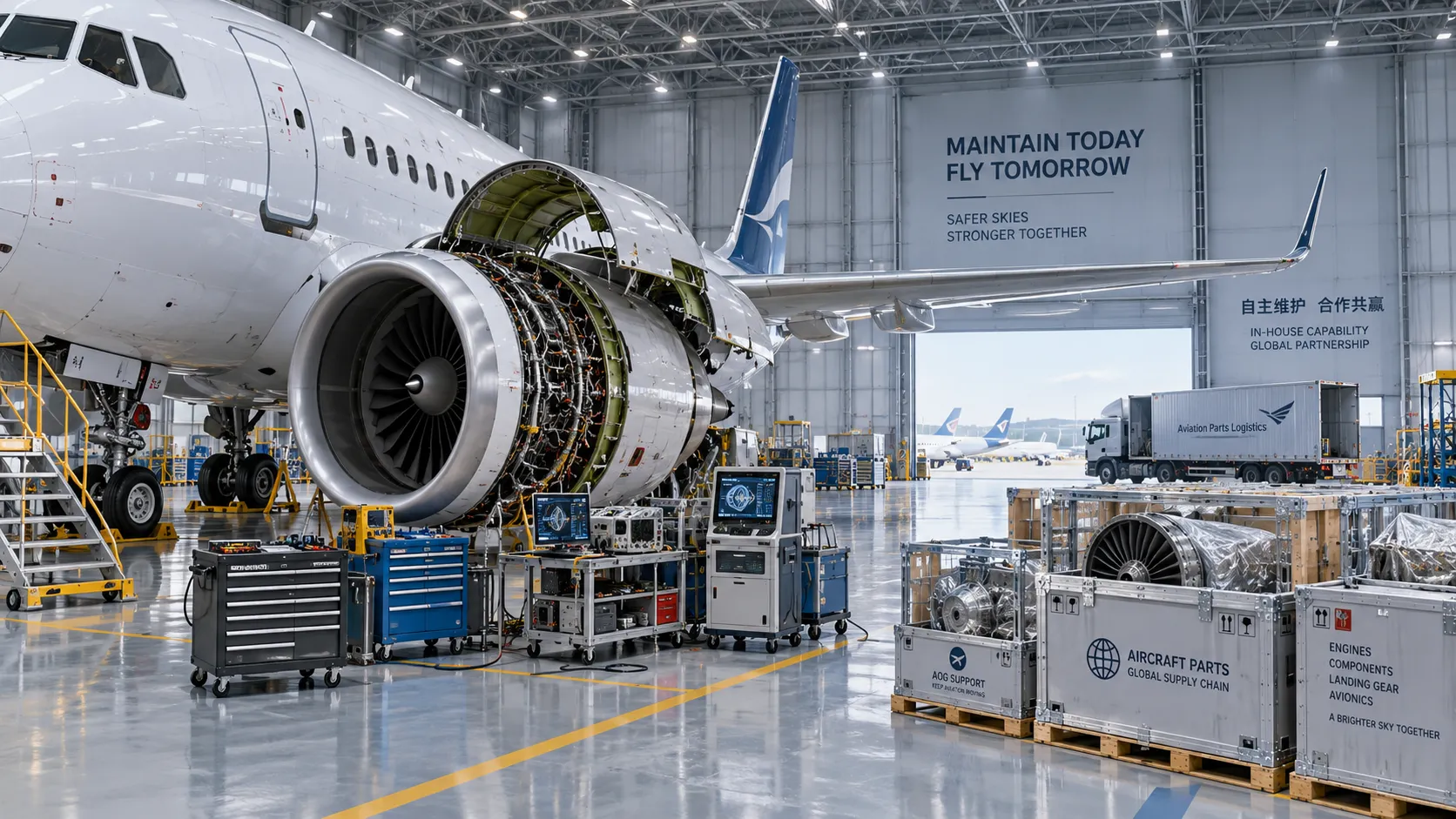
In-House vs. Outsourced Aircraft Maintenance: Comparing Total Costs
Compare aerospace maintenance cost for in-house vs. outsourced aircraft upkeep. Discover hidden expenses, downtime impacts, and break-even factors to find the best fit for your fleet.
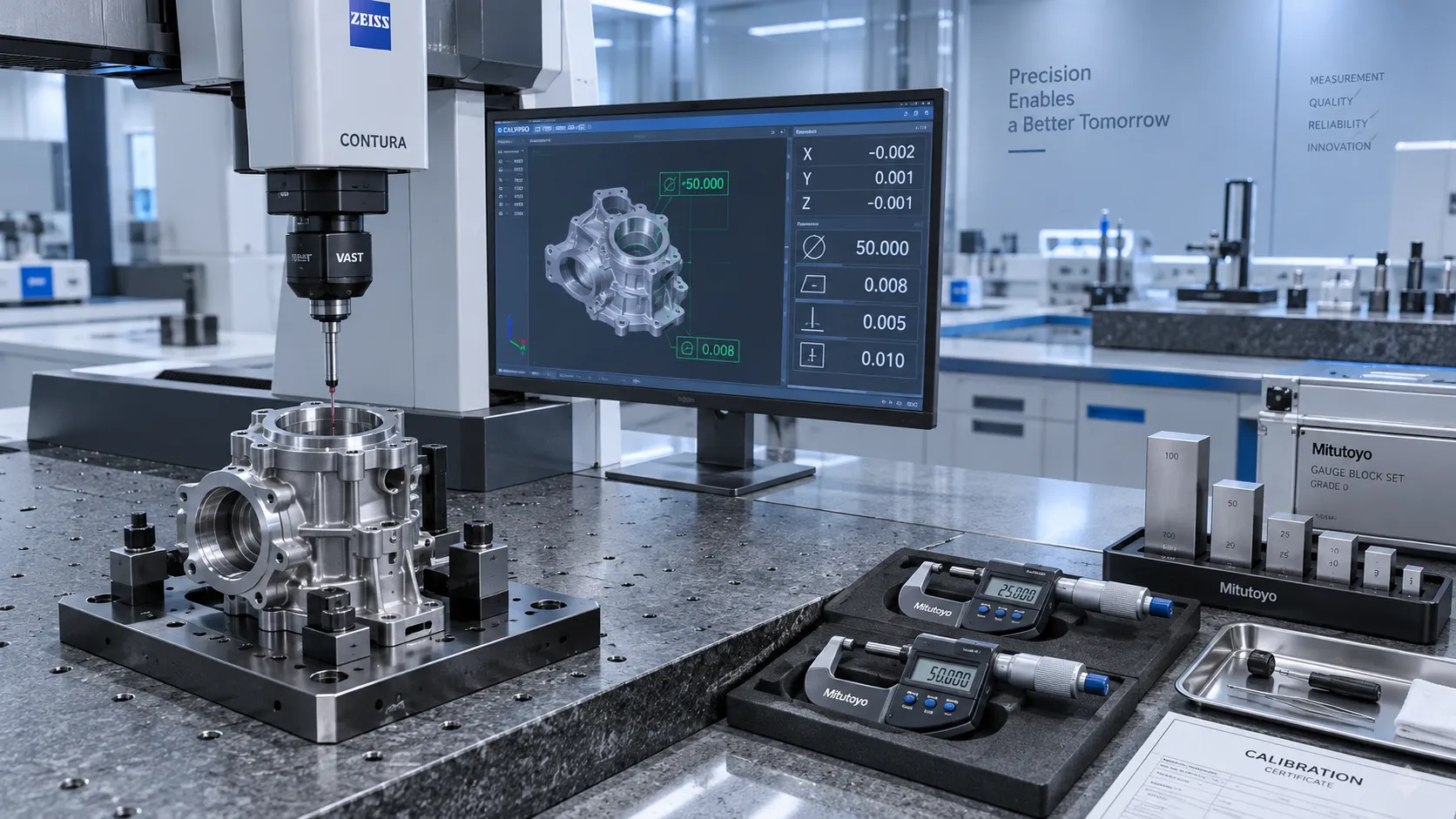
How to Select High-Precision Measuring Instruments for Tight-Tolerance Production?
High-precision measuring instruments are essential for tight-tolerance production. Learn how to evaluate accuracy, repeatability, environment, calibration, and data integration.
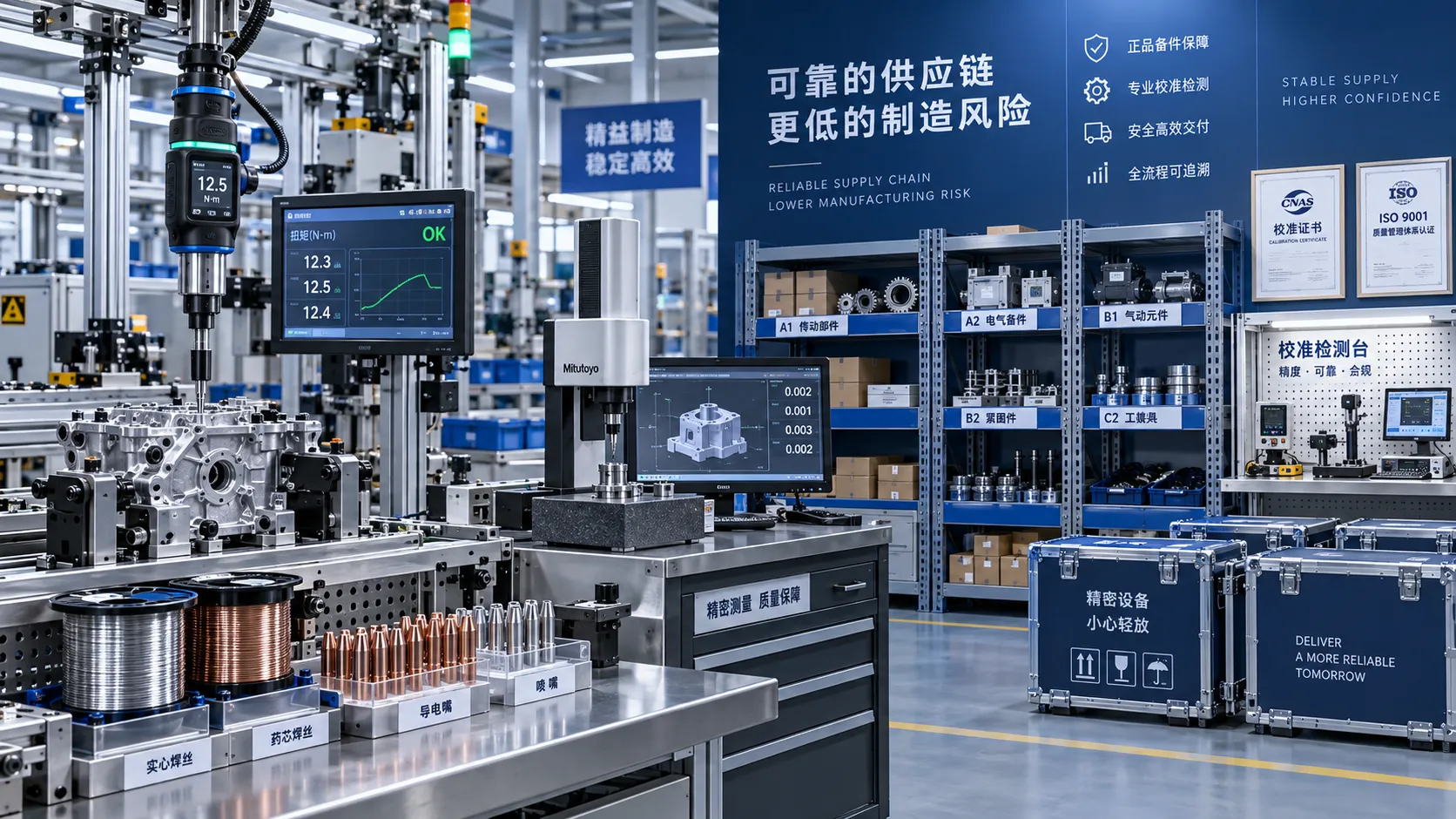
How Industrial Innovation Supplier Networks Reduce Sourcing Risk for Manufacturers
industrial innovation supplier network insights help manufacturers reduce sourcing risk, control lifecycle costs, and choose reliable tools, services, and suppliers with confidence.
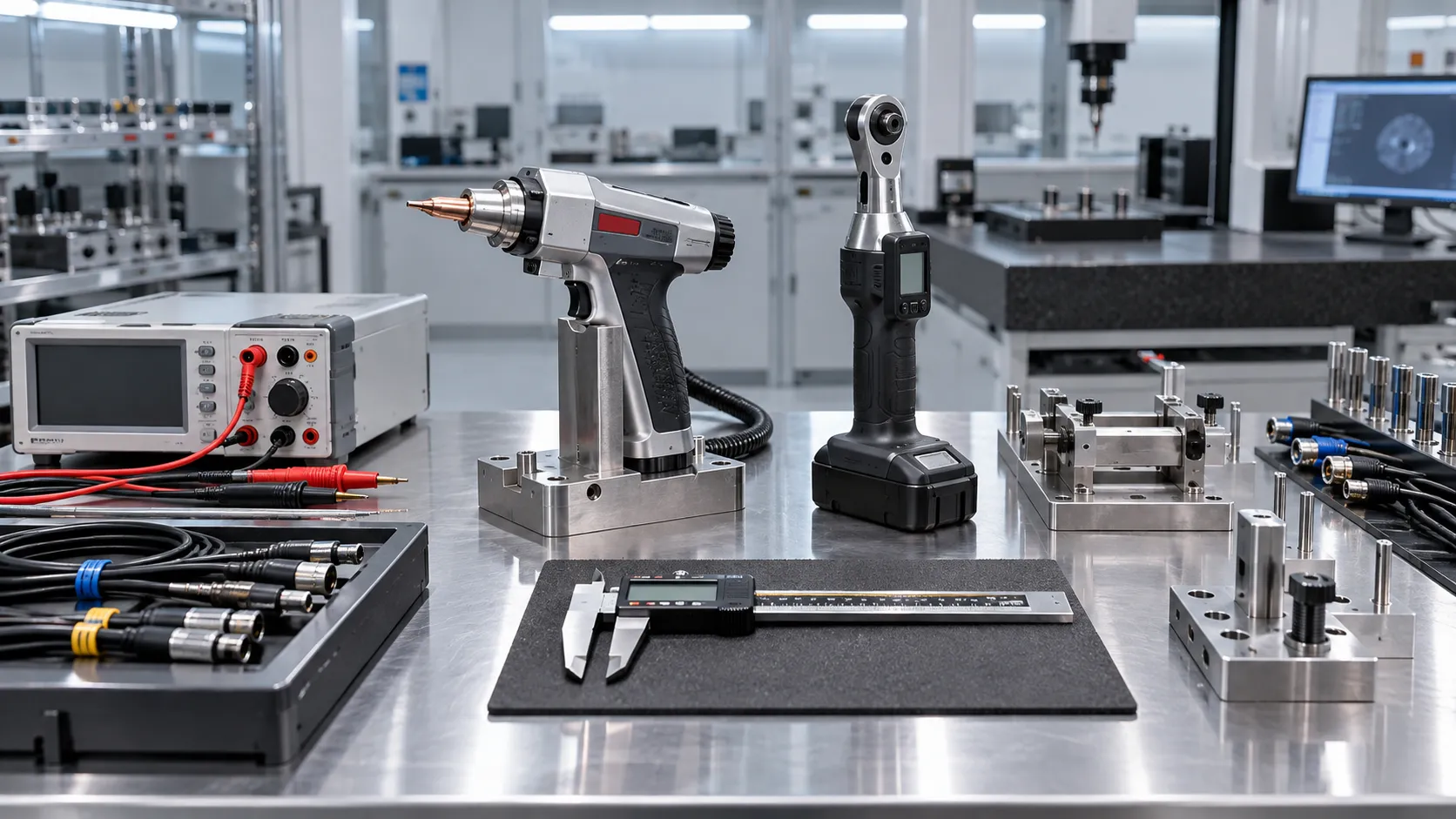
Which Industrial Standards Should Be Checked Before Export?
Which industrial standards should be checked before export? Discover essential compliance steps for industrial tools, welding equipment, laser systems, and metrology products.
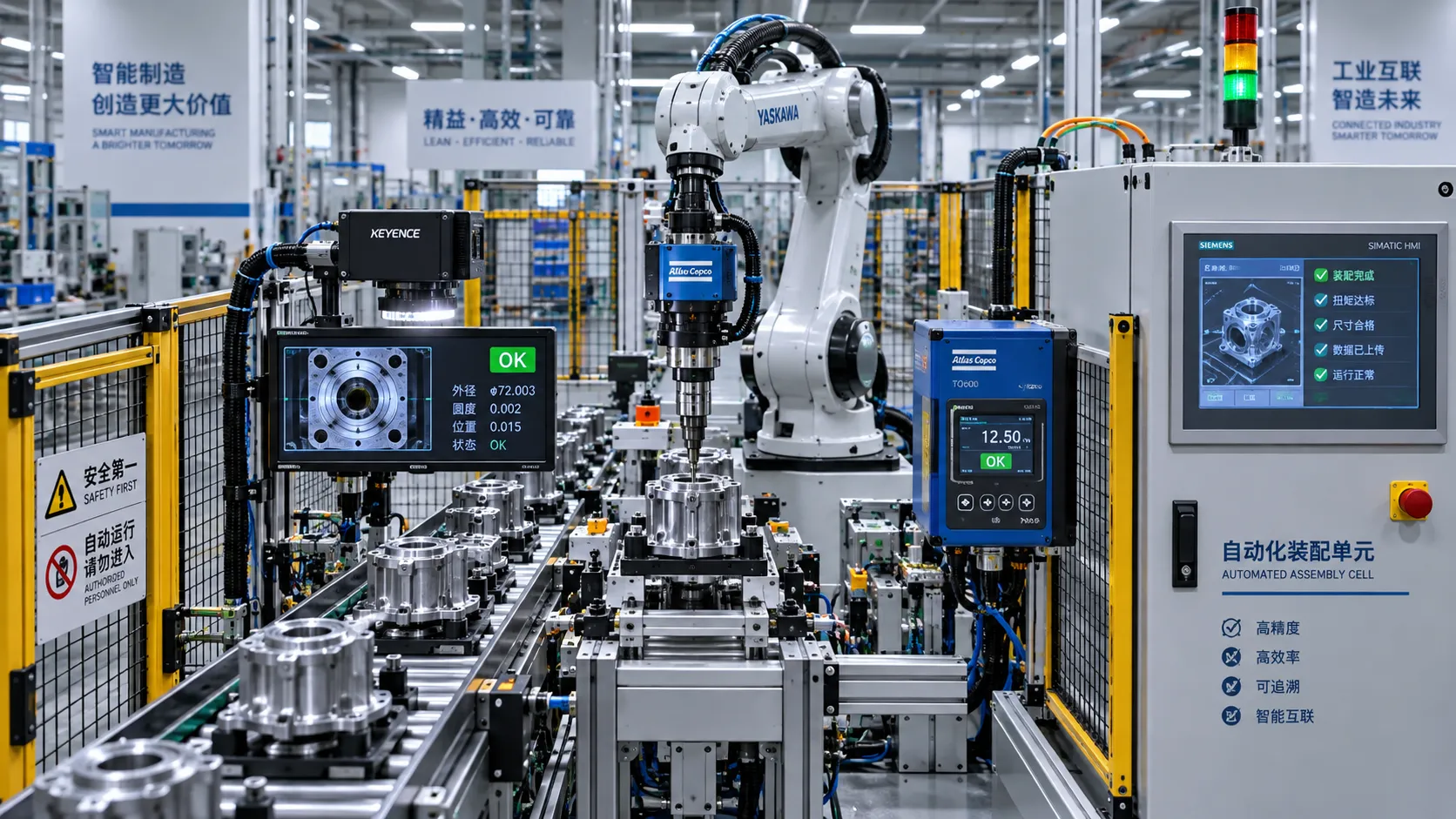
What Industrial Automation Exporters Need to Know Before Entering ASEAN Markets
Industrial automation exporter to ASEAN: learn how to navigate compliance, local service, digital readiness, pricing, and market entry for scalable growth.
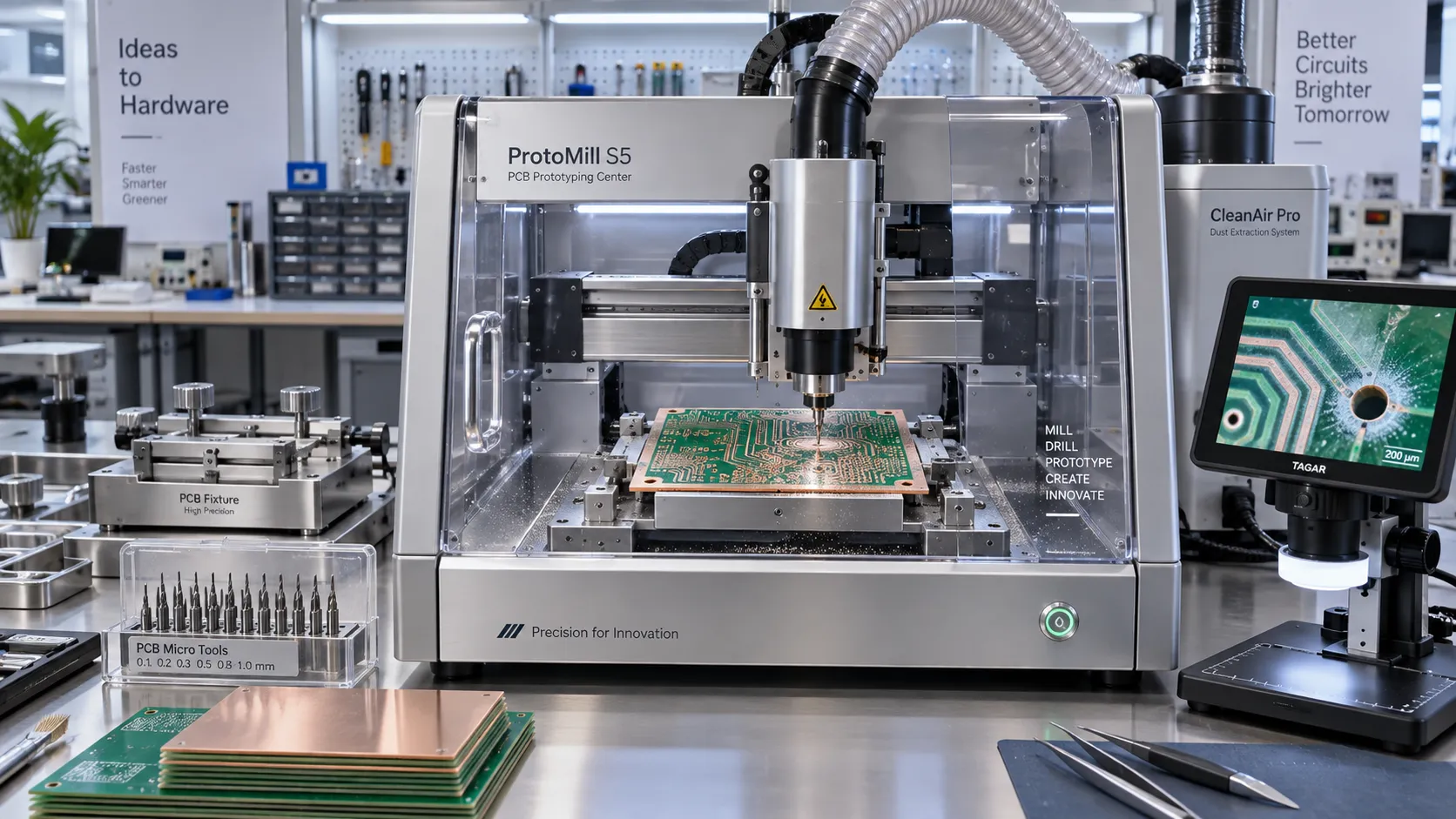
Prototype PCB Manufacturing Equipment: What Engineers Should Evaluate Before Purchase
Prototype PCB manufacturing equipment: discover the key factors engineers should evaluate—from accuracy and materials to software, safety, and ROI—before buying.
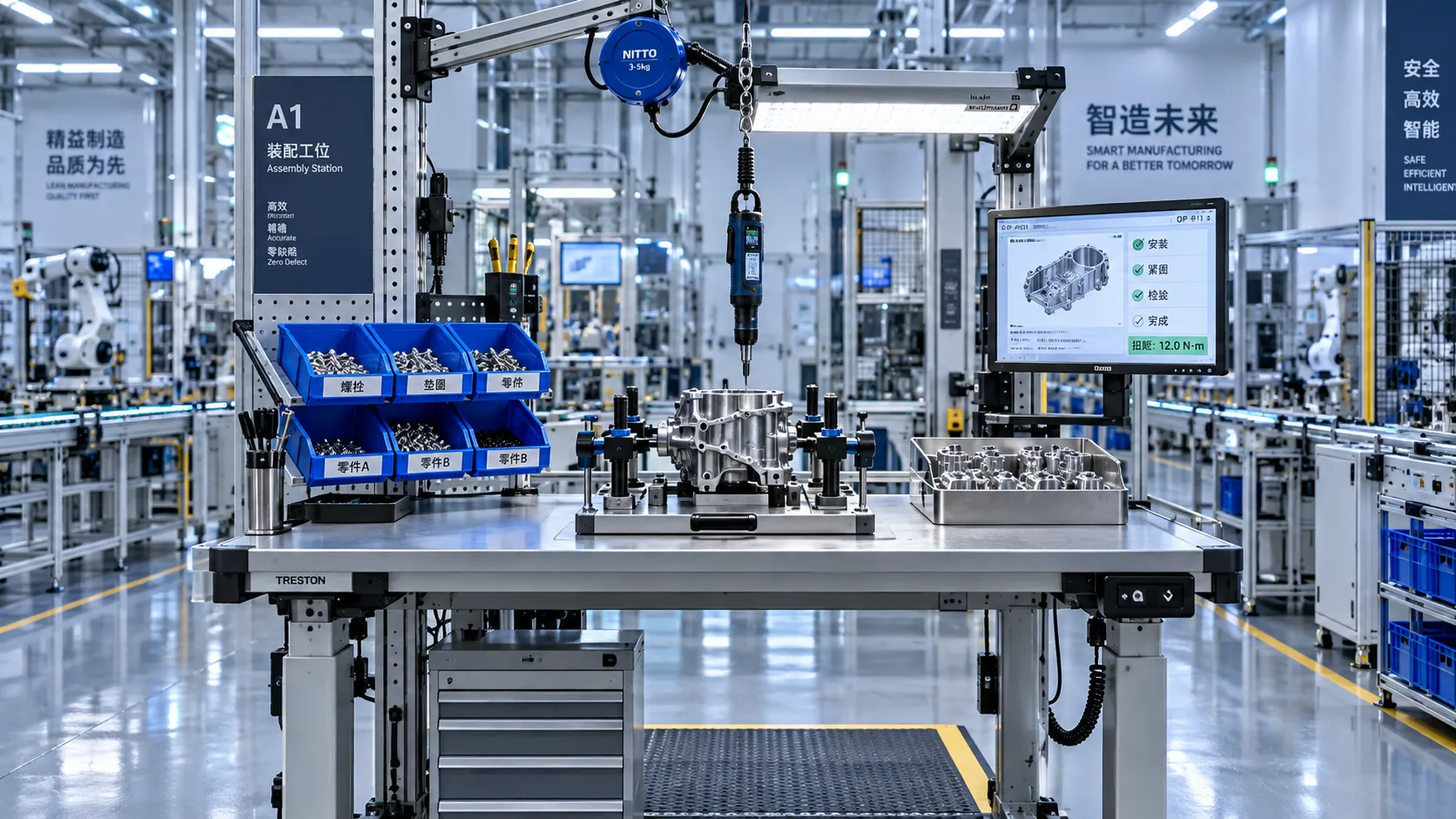
Workplace Ergonomics for Manufacturing: Reducing Repetitive-Strain Risks on Assembly Lines
Workplace ergonomics for manufacturing helps reduce repetitive-strain risks on assembly lines through smarter workstation design, tool selection, task analysis, and quality-focused improvements.
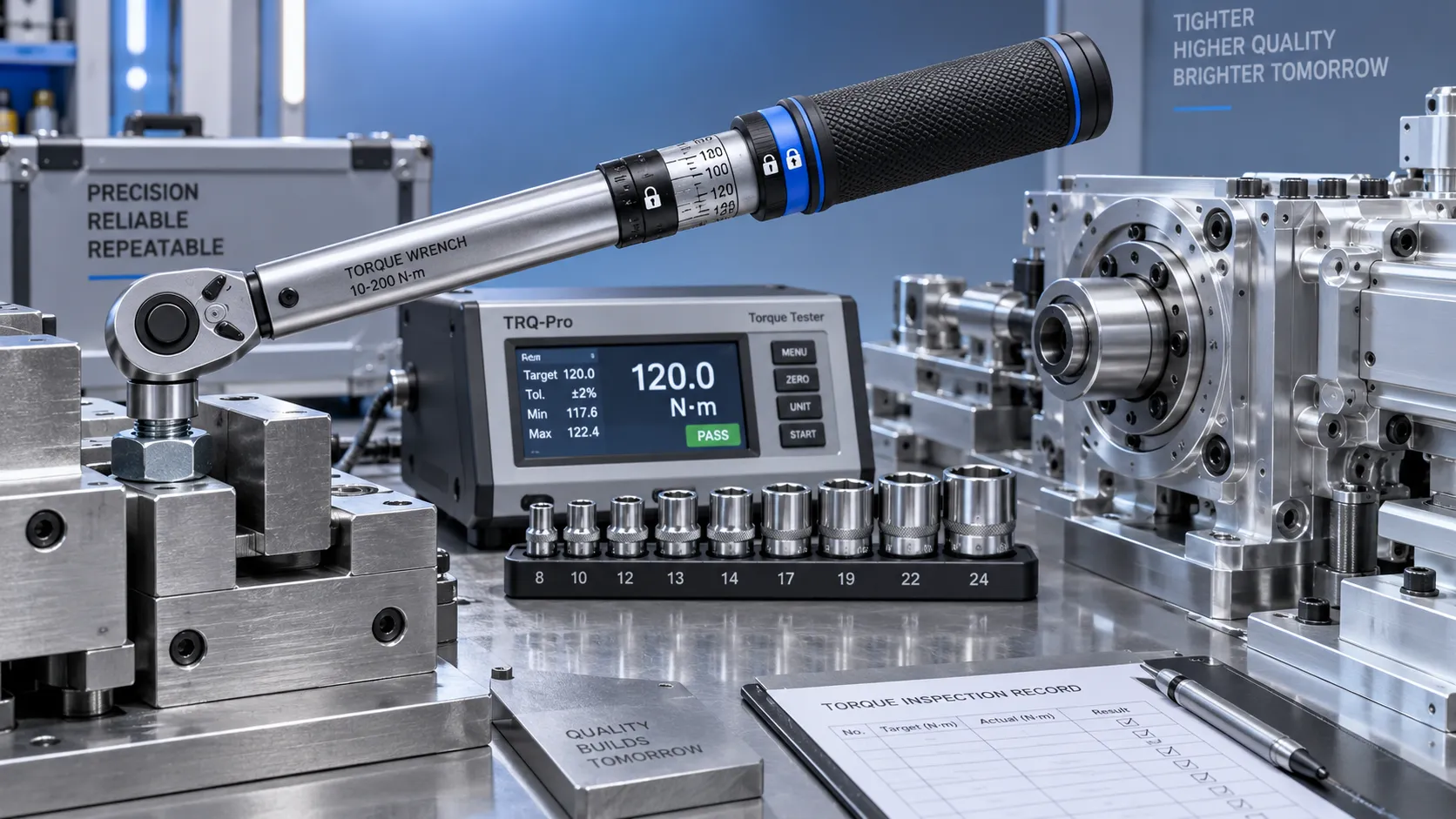
Selecting Adjustable Torque Tools for Repeatable Fastener Assembly
Adjustable torque tools: learn how to match range, accuracy, control methods, calibration, and ergonomics for repeatable, reliable fastener assembly.
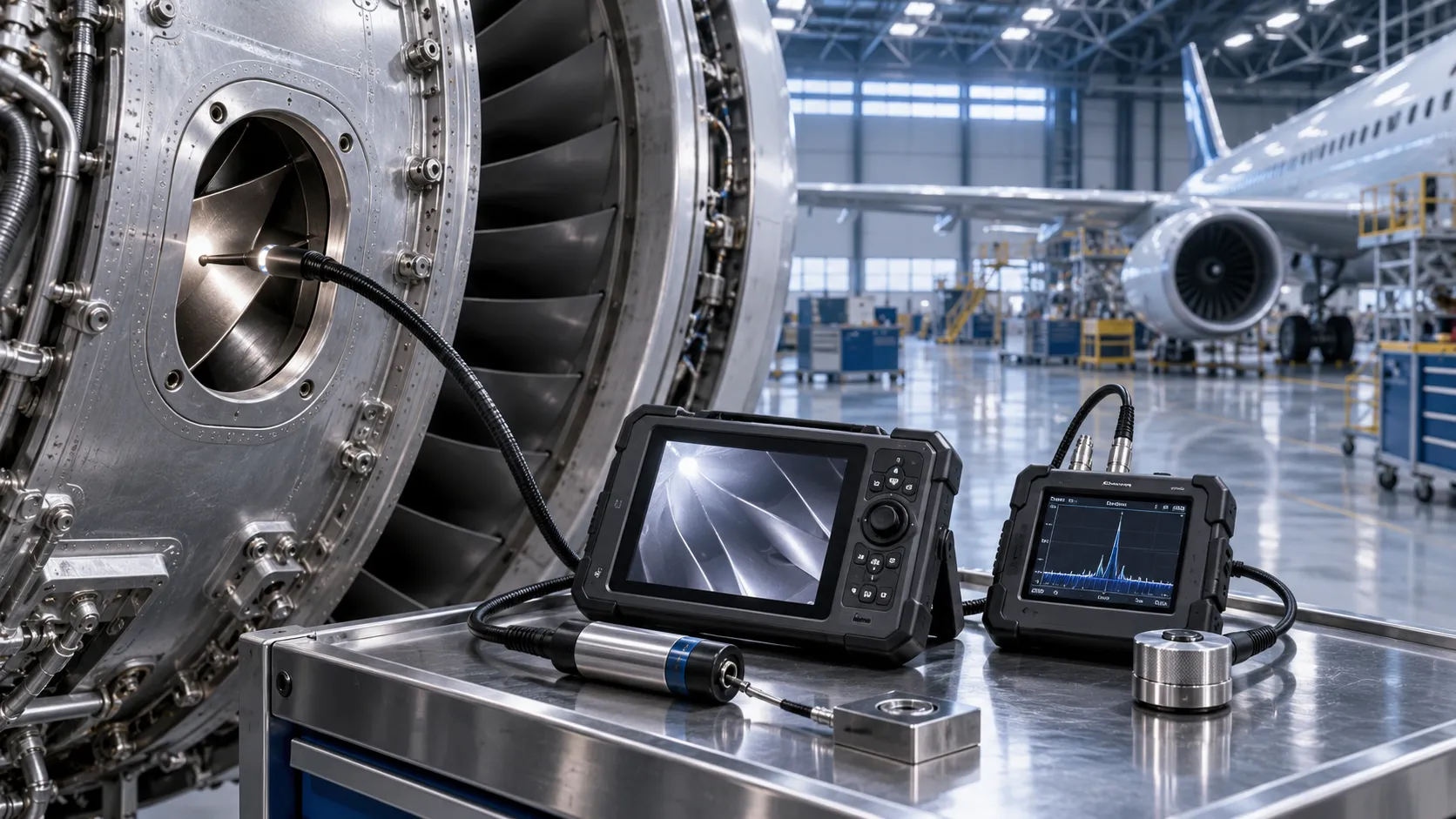
How to Select Aerospace Inspection Tools for Aircraft Maintenance Tasks
Aerospace maintenance inspection tools: learn how to select reliable, traceable equipment for aircraft access, accuracy, calibration, and compliant maintenance decisions.
Related News
- 00
0000-00
Welding Fume Extraction PPE: When Respirators Are Not Enough for Shop Safety - 00
0000-00
Which ANSI Standards Apply to Welding Equipment in Industrial Fabrication? - 00
0000-00
How Energy-Efficient Welding Equipment Cuts Power Use in High-Volume Fabrication - 00
0000-00
Which ISO Standards Govern Welding Technology Quality Control and Qualification? - 00
0000-00
North American Welding Innovations Reshaping Automation, Quality, and Labor Productivity
Welding Metallurgy Expert
Weekly Insights
Stay ahead with our curated technology reports delivered every Monday.