
What welding innovations actually improve shop safety?





For quality control and safety managers, the real question is not whether new tools look advanced. It is whether welding innovations measurably reduce exposure, errors, downtime, and compliance risk.
Across general industry, the most useful welding innovations are practical. They improve arc stability, fume control, visibility, traceability, and ergonomics while protecting cycle time and weld quality.
That matters because safety performance now connects directly to productivity, rework costs, operator retention, and audit readiness. Better safety is no longer separate from operational efficiency.
From the perspective of GPTWM, the strongest signal is clear. The best welding innovations are integrated systems, not isolated features added for marketing appeal.
Shop safety is shifting from basic protection to engineered prevention
Traditional welding safety relied heavily on PPE, ventilation, and operator skill. Those controls still matter, but modern risk reduction increasingly starts inside the equipment and process design.
This shift reflects broader industrial pressure. Plants face stricter exposure expectations, higher quality demands, and less tolerance for injuries, fires, unplanned repairs, and undocumented process variation.
As a result, welding innovations now focus on preventing unsafe conditions before they become incidents. The emphasis has moved from reaction to prediction and containment.
The clearest trend signals on the shop floor
- More enclosed or semi-enclosed welding cells with localized extraction.
- Greater use of low-spatter, digitally controlled power sources.
- Higher demand for real-time parameter logging and alarm functions.
- Growth in ergonomic torch design and lighter cable packages.
- Rising adoption of sensors for temperature, gas flow, and fume performance.
These changes show that welding innovations are being judged by risk reduction per shift, not by novelty alone. Safety value must be visible in data and daily use.
Which welding innovations actually improve shop safety most
Not every upgrade delivers equal benefit. Some welding innovations consistently produce stronger safety outcomes because they address the highest-frequency hazards in real operations.
1. Advanced fume extraction at the arc source
Source capture is one of the most valuable welding innovations. It removes contaminants near generation, reducing breathing-zone exposure more effectively than relying only on general room ventilation.
The best systems combine extraction torches, balanced airflow, filter monitoring, and maintenance alerts. Poorly designed extraction can disrupt shielding gas, so tuning matters.
2. Digital power sources with controlled arc behavior
Modern inverter platforms improve arc consistency, reduce spatter, and lower the chance of burn-through or unstable starts. That means fewer hot fragments, cleaner work zones, and less post-weld grinding.
Among welding innovations, precise waveform control often delivers hidden safety benefits. Reduced rework means less handling, fewer sparks, and shorter exposure time around energized equipment.
3. Auto-darkening helmets with better optics and wider sensors
Vision quality affects safety more than many teams expect. Better lens clarity, faster switching, and stable shade response reduce eye strain and help maintain posture and weld accuracy.
Stronger optical performance also supports hazard awareness around the work zone. Operators can identify misalignment, cable obstruction, and nearby movement with less head repositioning.
4. Sensor-based gas flow and thermal monitoring
Gas leaks, poor shielding, overheating, and cooling interruptions can become quality failures or ignition risks. Sensors make those conditions visible before they escalate.
This category of welding innovations is especially useful where mixed materials, long duty cycles, or repeat production increase exposure to cumulative process drift.
5. Ergonomic torch and cable design
Lighter torches, flexible necks, balanced handles, and low-drag cable packages reduce fatigue. Less fatigue means fewer awkward movements, steadier bead control, and lower strain risk.
In general industry, ergonomic welding innovations matter because many incidents come from repetition, constrained access, and manual repositioning rather than dramatic equipment failure.
6. Integrated parameter logging and traceability
Logging amperage, voltage, travel consistency, and alarm history improves root-cause analysis. When defects or near misses happen, teams can identify whether process deviation contributed.
These welding innovations strengthen compliance support as well. Documented settings and event records help verify that safe operating windows were defined and followed.
Why these welding innovations are gaining traction now
The rise of safer welding innovations is not random. Several industrial forces are pushing facilities toward technologies that reduce exposure while preserving throughput.
This explains why the strongest investments are going toward systems that combine safer operation with measurable process control. Safety now competes best when it also improves consistency.
How safer welding innovations affect quality, compliance, and workflow
The impact of welding innovations extends beyond incident reduction. The same upgrades often improve first-pass yield, equipment uptime, and confidence during inspections or customer audits.
For example, cleaner fume capture improves visibility and housekeeping. Better arc control reduces spatter and secondary finishing. Monitoring tools shorten troubleshooting when deviations appear.
Areas where impact appears fastest
- Reduced airborne exposure and improved comfort near weld stations.
- Lower rework time caused by porosity, unstable starts, or overheating.
- Fewer slip, trip, and contact hazards from cleaner surrounding areas.
- Better documentation for internal audits and customer requirements.
- More predictable training outcomes with simplified interfaces.
In mixed-production environments, these gains are especially important. Safety improvements must work across changing materials, joint types, and throughput demands without constant retuning.
What to prioritize when evaluating welding innovations
The biggest mistake is choosing welding innovations based on feature count alone. Decision quality improves when evaluation follows risk pathways, maintenance reality, and actual operator use.
Core evaluation points
- Does it reduce a documented hazard, not just add convenience?
- Can safety gains be measured through exposure, defects, or downtime?
- Will it maintain shielding integrity, arc quality, and travel efficiency?
- Is the interface simple enough for consistent daily use?
- Are filters, sensors, cables, and consumables easy to maintain?
- Can data from the system support audits and process review?
For GPTWM observers, this is where many projects succeed or fail. Welding innovations create value only when technical performance, human factors, and maintenance discipline align.
A practical path for judging the next wave of welding innovations
A phased approach works better than broad replacement. Start by identifying stations with the highest fume burden, most rework, weakest visibility, or greatest ergonomic strain.
- Map top hazards by station, process, and shift pattern.
- Pilot one or two welding innovations against baseline metrics.
- Track exposure indicators, defect rate, downtime, and user acceptance.
- Adjust training, consumables, and maintenance intervals.
- Scale only after measurable improvement is confirmed.
This method prevents overinvestment in features that look modern but do little for real shop safety. It also creates stronger evidence for future capital decisions.
The bottom line is simple. The best welding innovations improve safety by making the process cleaner, steadier, more visible, and more measurable. Those are the solutions worth advancing first.
Use that standard when reviewing new equipment, retrofits, or digital upgrades. In a competitive industrial environment, safer welding innovations are strongest when they also sharpen quality and uptime.
Related News
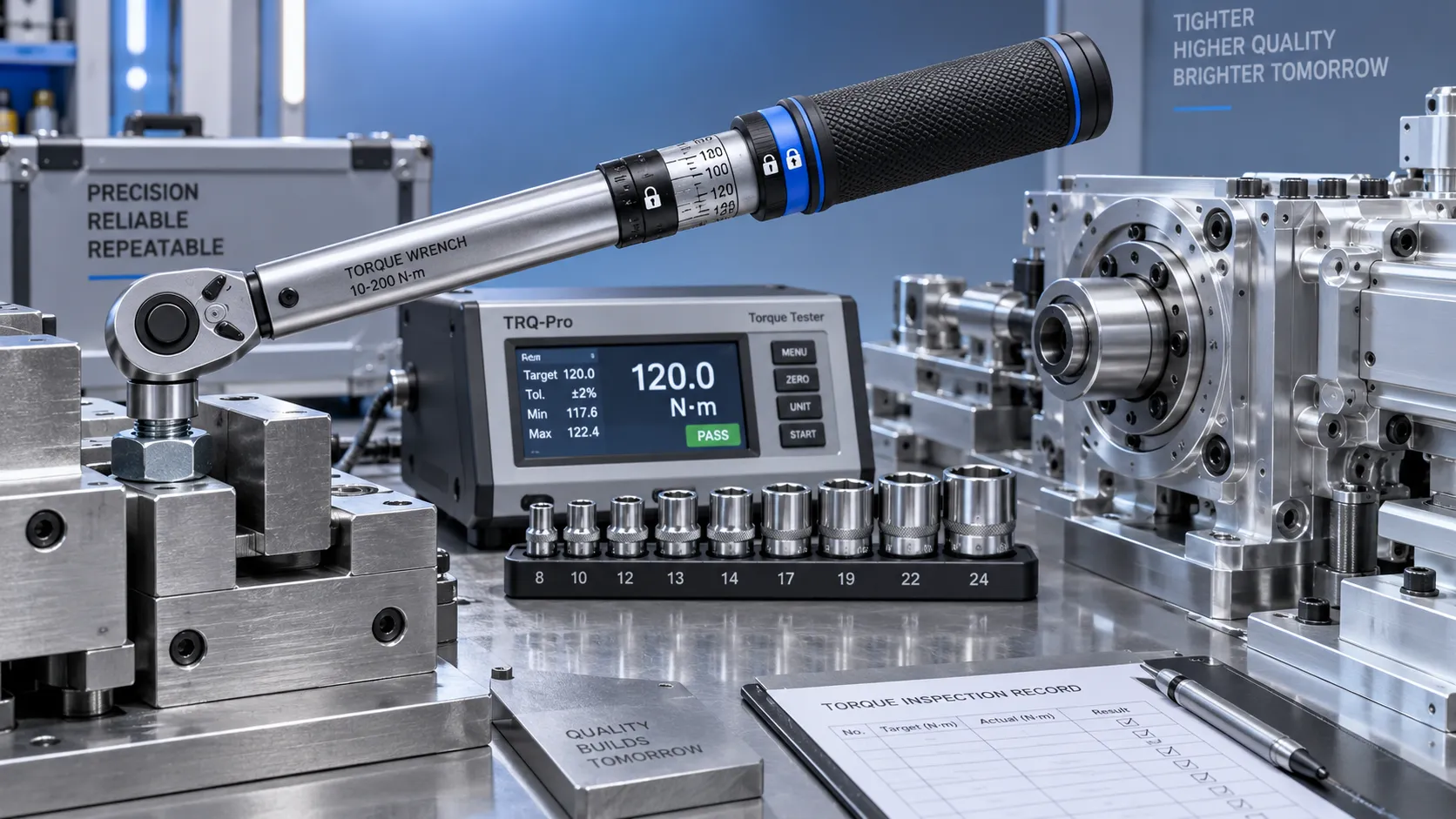
Selecting Adjustable Torque Tools for Repeatable Fastener Assembly
Adjustable torque tools: learn how to match range, accuracy, control methods, calibration, and ergonomics for repeatable, reliable fastener assembly.
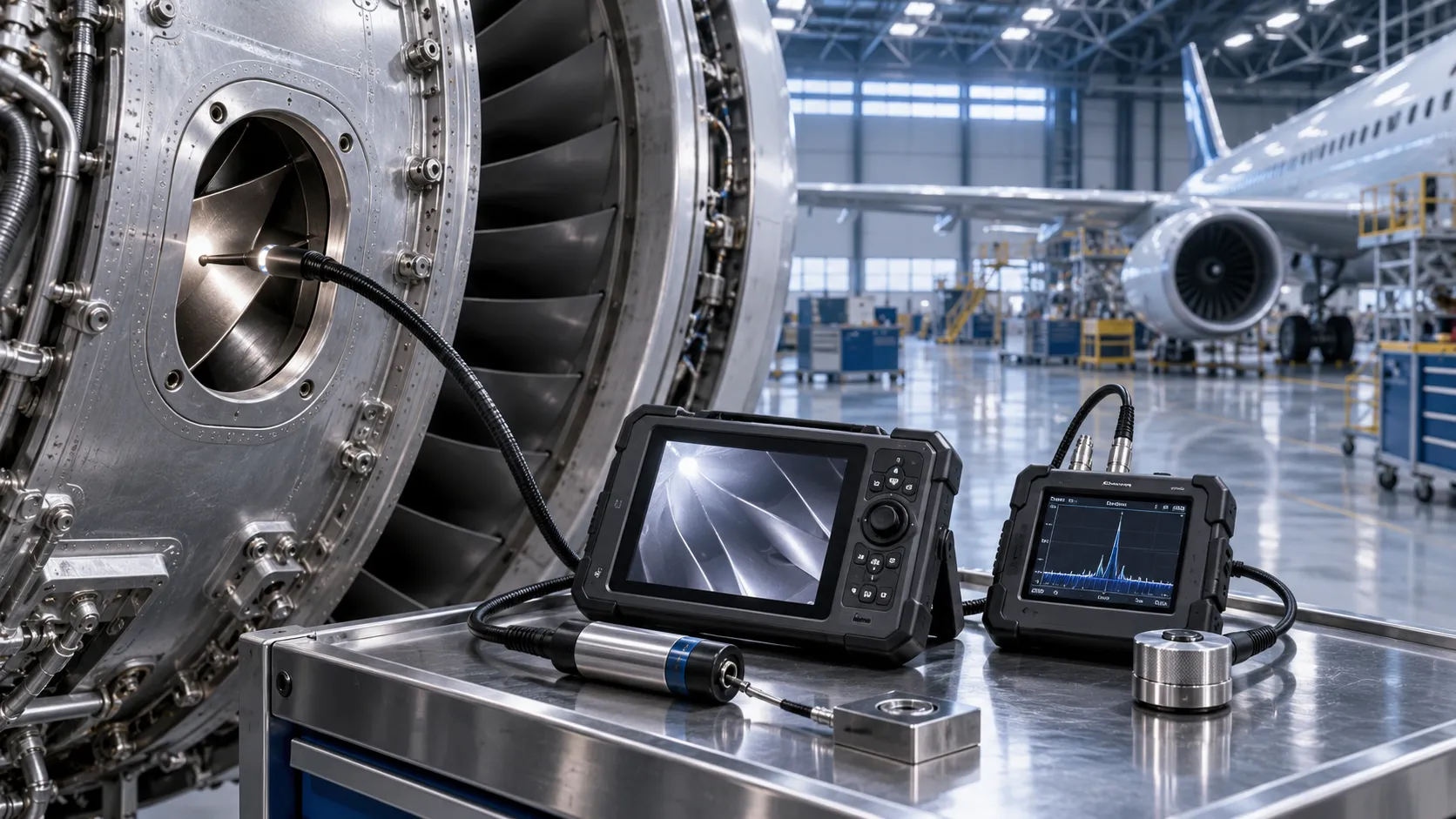
How to Select Aerospace Inspection Tools for Aircraft Maintenance Tasks
Aerospace maintenance inspection tools: learn how to select reliable, traceable equipment for aircraft access, accuracy, calibration, and compliant maintenance decisions.
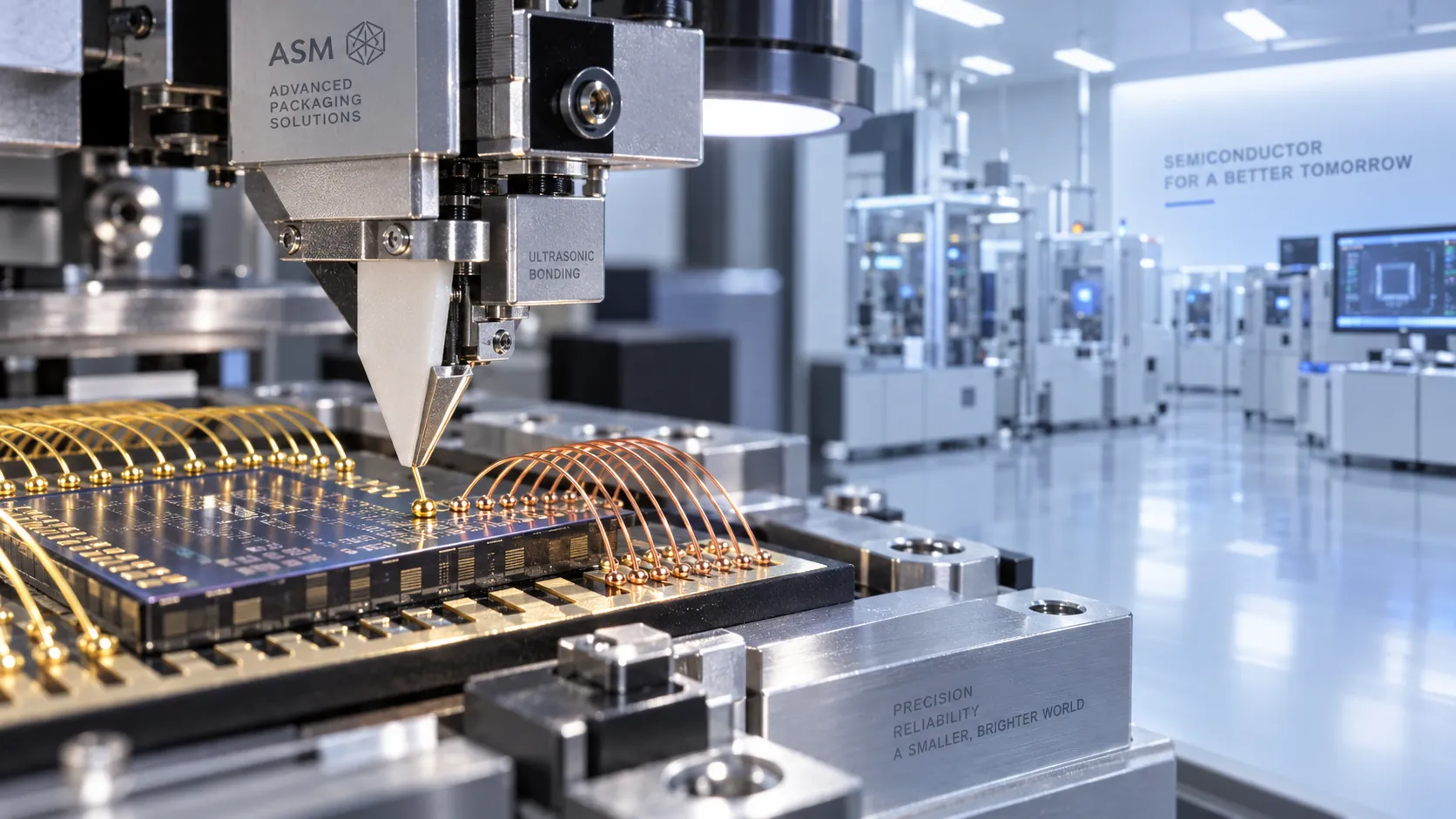
How to Select Wire Bonding Tools for Fine-Pitch Semiconductor Packaging
Explore semiconductor manufacturing tools for wire bonding and learn how to select precision solutions for fine-pitch packaging, reliable loops, accuracy, and yield.
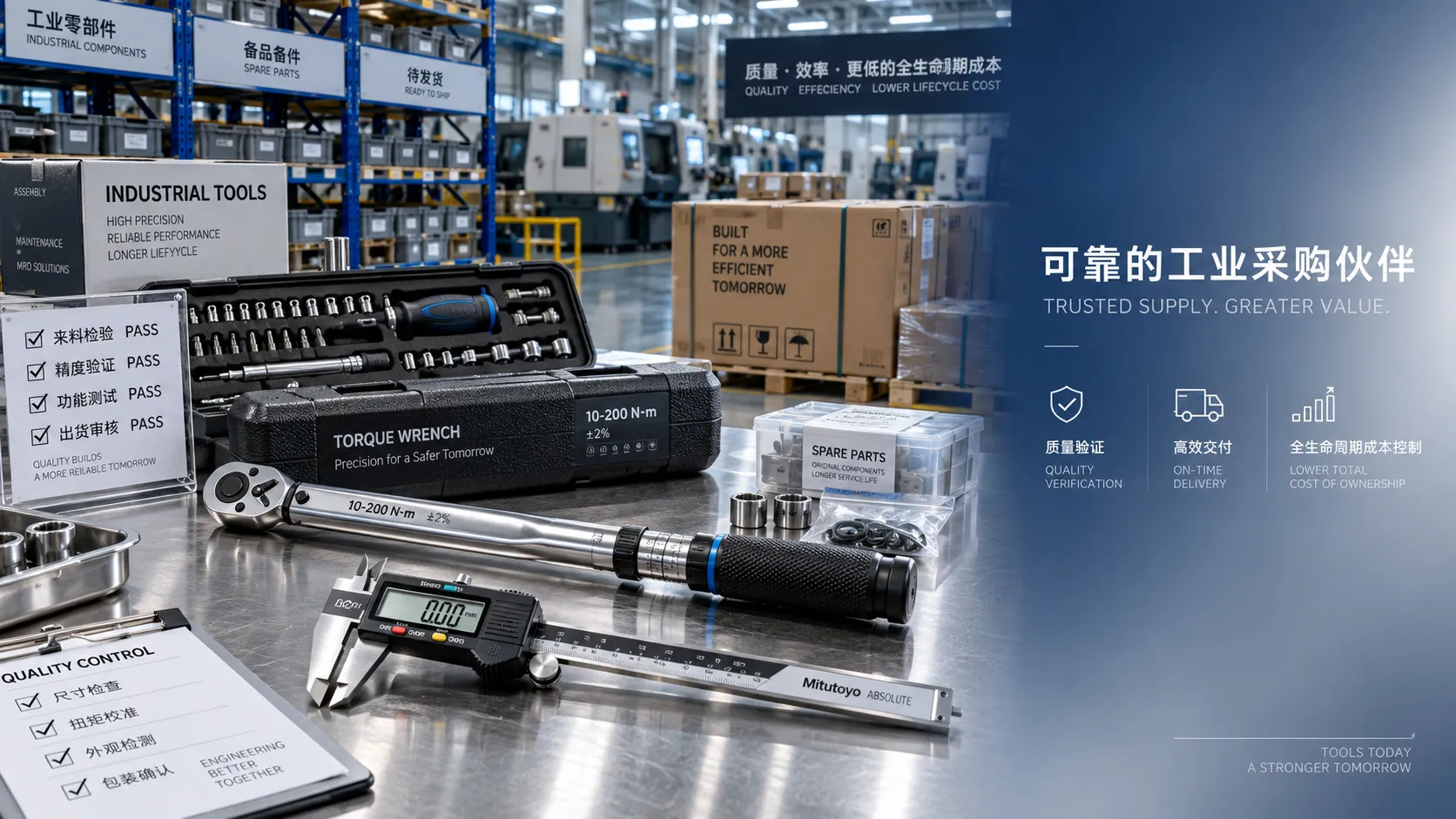
How to Compare Industrial Tool Suppliers for Quality, Lead Time, and Total Cost
Industrial tool selection supplier comparison made simple: evaluate quality, lead times, total cost, service, and supply resilience for confident sourcing decisions.
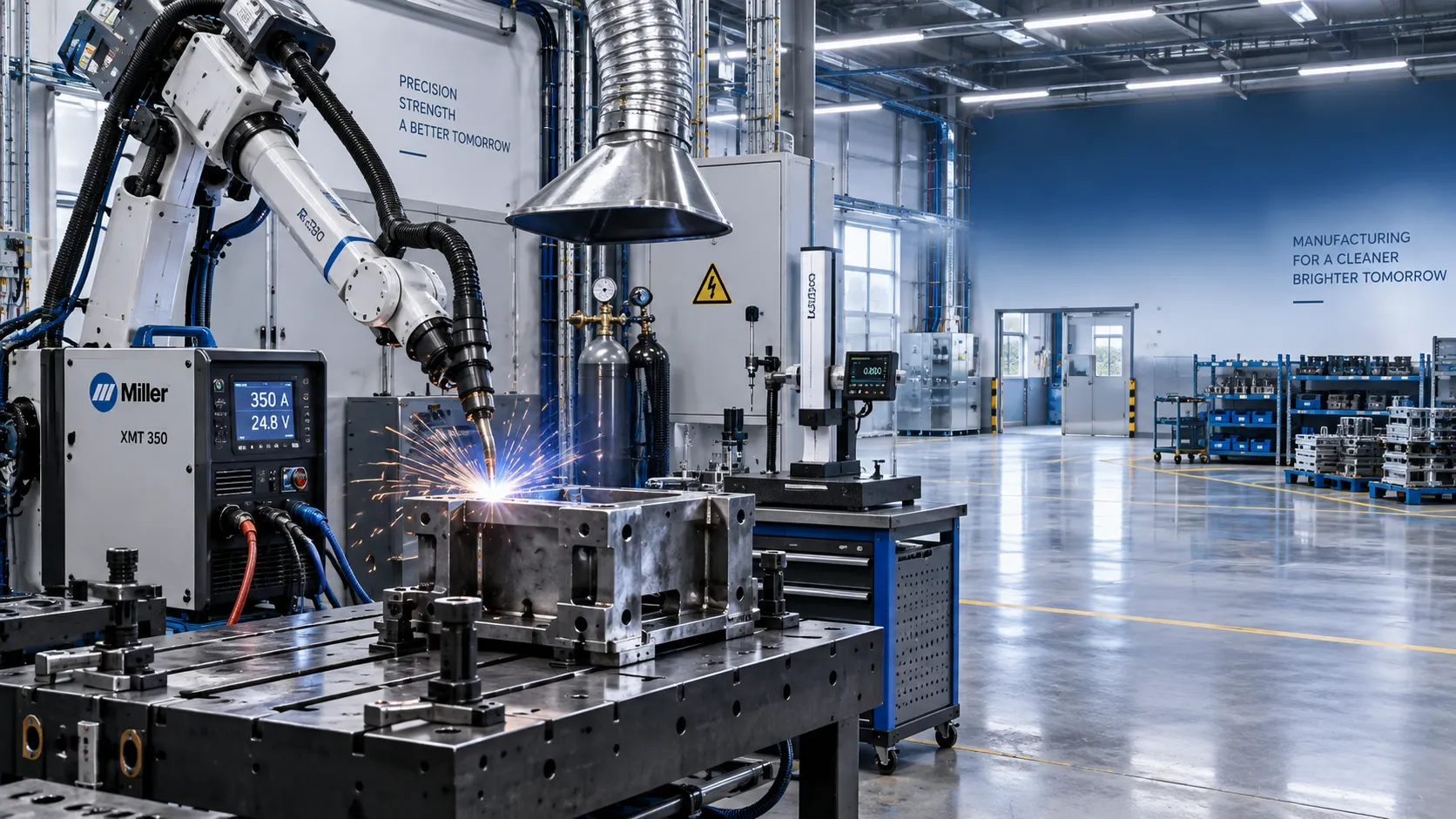
Industrial Equipment Application Guidance: Match Machines to Operating Conditions
Application guidance industrial equipment: match capacity, duty cycle, materials, site conditions, safety, and lifecycle cost to improve reliable output. Read the guide.
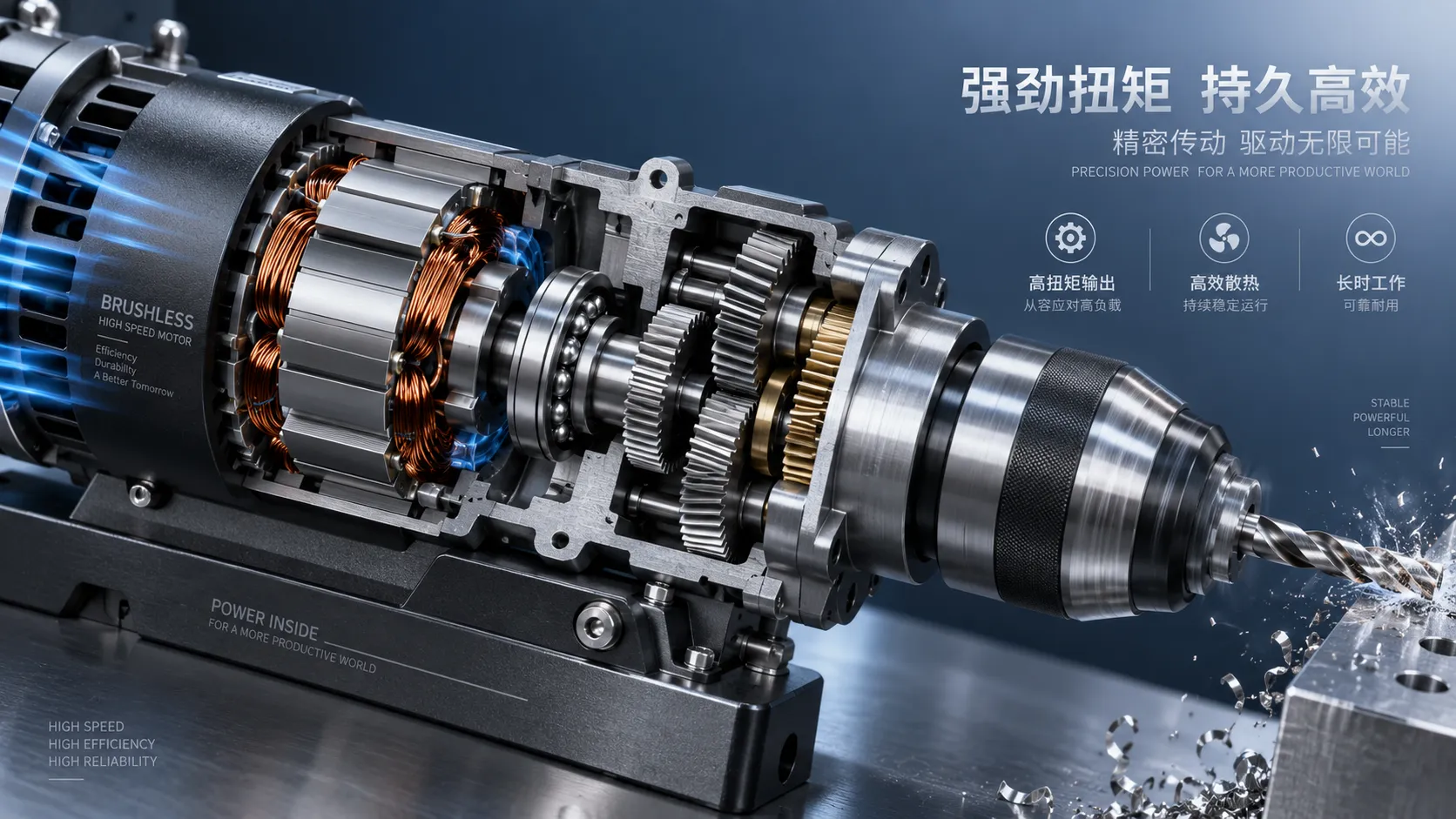
Selecting High-Speed Brushless Tool Motors for Torque, Heat, and Duty Cycle
High speed brushless tool motors: learn how to balance torque, heat, gearing, and duty cycle for reliable industrial tool performance and longer service life.
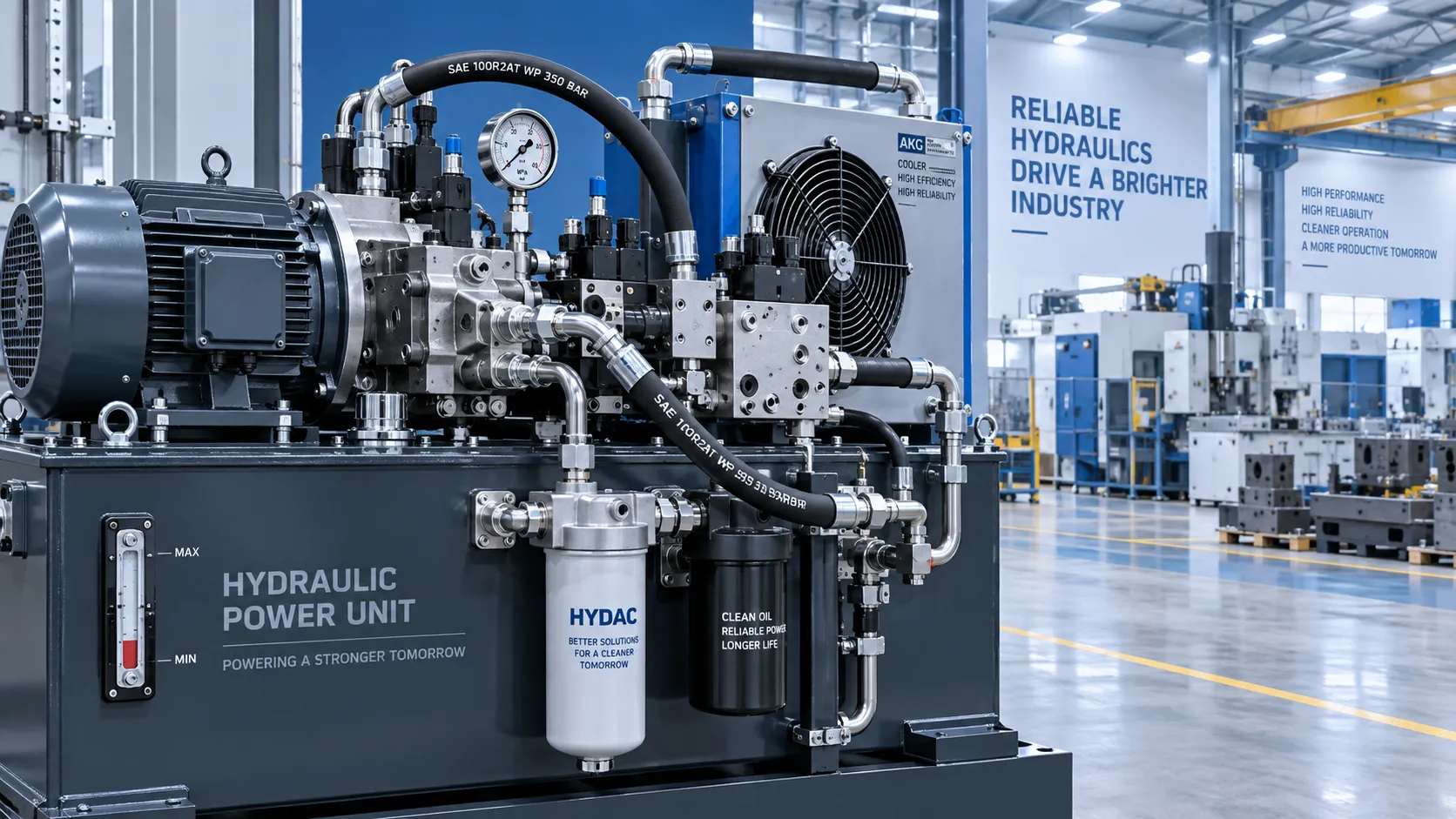
What Determines Industrial Hydraulic System Price for Heavy-Duty Equipment?
Industrial hydraulic system price depends on duty cycle, pressure, components, cooling, and integration. Compare quotes intelligently to secure reliable heavy-duty performance.
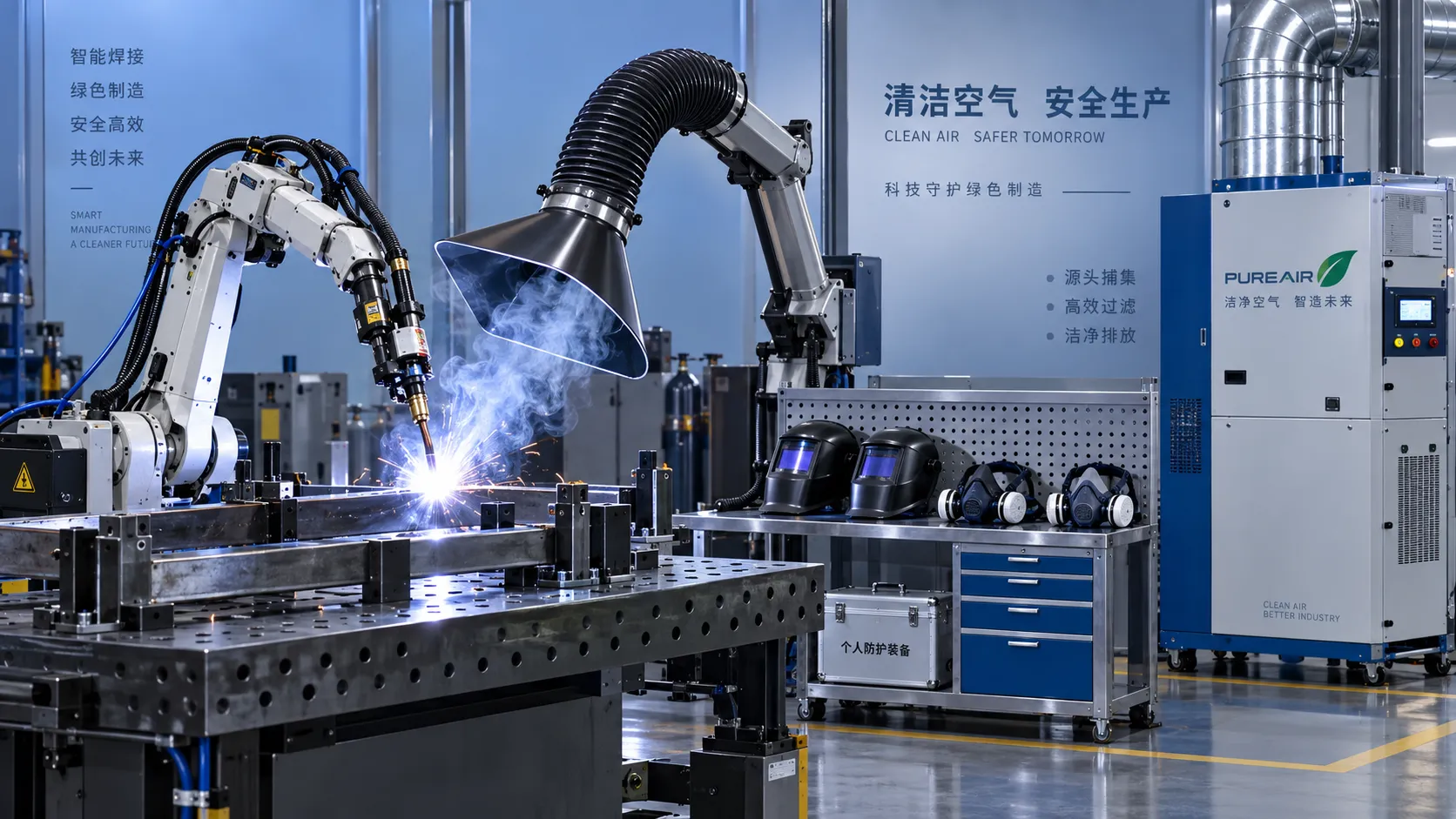
Welding Fume Extraction PPE: When Respirators Are Not Enough for Shop Safety
Welding fume extraction PPE: learn why respirators alone fall short and how source capture, ventilation, and layered controls improve shop safety.
How to Select Optical Metrology Solutions for Tight-Tolerance Manufacturing
Optical industrial metrology solutions for tight-tolerance manufacturing: evaluate accuracy, surface compatibility, workflow, and traceability to select with confidence.
Related News
- 00
0000-00
Welding Fume Extraction PPE: When Respirators Are Not Enough for Shop Safety - 00
0000-00
Which ANSI Standards Apply to Welding Equipment in Industrial Fabrication? - 00
0000-00
How Energy-Efficient Welding Equipment Cuts Power Use in High-Volume Fabrication - 00
0000-00
Which ISO Standards Govern Welding Technology Quality Control and Qualification? - 00
0000-00
North American Welding Innovations Reshaping Automation, Quality, and Labor Productivity
Welding Metallurgy Expert
Weekly Insights
Stay ahead with our curated technology reports delivered every Monday.