
Which welding technology reduces rework the most?





Which welding technology reduces rework the most?
Rework is one of the most expensive signals of instability in industrial joining, often revealing gaps in heat control, fit-up tolerance, operator consistency, or inspection feedback.
For technical evaluators comparing options, the key question is not simply which welding technology is fastest.
The better question is which welding technology delivers repeatable quality with the lowest defect escape rate.
Across general industry, the strongest answer is usually automated laser welding for precision assemblies.
However, the best welding technology depends on material, joint design, access, inspection strategy, and production volume.
1. What does “reducing rework” really mean in welding?
Rework reduction means fewer repairs, fewer rejected parts, and fewer hidden defects found after downstream processing.
A reliable welding technology controls heat input, penetration, bead geometry, distortion, and metallurgical consistency.
Rework is not only caused by visible weld defects.
It also comes from dimensional movement, incomplete fusion, porosity, excessive spatter, cracking, and poor surface finish.
The strongest welding technology reduces variation before inspection, not after correction.
This is why process monitoring, fixture repeatability, and parameter control matter as much as arc or beam selection.
Key rework indicators to track
- First-pass yield by part number and joint type.
- Repair hours per welded assembly.
- Defect type frequency, including porosity and lack of fusion.
- Dimensional correction after welding.
- Inspection escape rate after final assembly.
A welding technology should be judged through these numbers, not only by travel speed or equipment cost.
2. Which welding technology usually reduces rework the most?
For high-volume precision work, automated laser welding often reduces rework the most.
This welding technology provides concentrated energy, narrow heat-affected zones, low distortion, and excellent repeatability.
It performs especially well on stainless steel, carbon steel, aluminum alloys, battery components, medical parts, and precision housings.
The main advantage is thermal discipline.
Less heat spread means less warpage, less grinding, and fewer alignment problems during later assembly.
When combined with vision guidance, seam tracking, and real-time monitoring, this welding technology becomes highly predictable.
Still, laser welding is not a universal answer.
It requires good joint fit-up, stable fixturing, clean surfaces, and careful safety control.
If the gap is inconsistent, another welding technology may create fewer repairs in practical production.
Where automated laser welding excels
- Thin-gauge metals needing low distortion.
- Precision assemblies with tight dimensional tolerances.
- High-volume cells with repeatable part presentation.
- Applications needing minimal post-weld finishing.
- Production lines using digital quality records.
In GPTWM’s observation of industrial “last mile” assembly, this welding technology is strongly linked to lower correction labor.
3. How do other major processes compare?
No single welding technology wins every application.
MIG, TIG, resistance welding, friction stir welding, and electron beam welding can all reduce rework in specific conditions.
The practical comparison should include defect tendency, automation potential, operator dependence, and tolerance sensitivity.
Robotic MIG welding is often the most balanced welding technology for heavy fabricated structures.
It handles gaps better than laser welding and supports strong deposition rates.
TIG welding can produce excellent quality, but manual consistency remains a challenge.
Resistance welding can be exceptionally repeatable, if electrode condition and current delivery are continuously managed.
4. When does automation matter more than the welding process?
Automation can transform an average welding technology into a stable production system.
It removes many sources of operator variation, including travel speed, torch angle, arc length, and start-stop timing.
Robots, cobots, servo fixtures, and vision systems improve repeatability when joints are presented consistently.
A manual welding technology may perform well in prototype work.
Yet the same method may create rework under shift changes, fatigue, or inconsistent training.
For this reason, automation readiness should be treated as a rework variable.
Automation features that reduce rework
- Seam tracking for joint position variation.
- Closed-loop power control for stable heat input.
- Vision inspection before and after welding.
- Force-controlled fixtures for repeatable clamping.
- Digital parameter locking and traceability.
The most effective welding technology is often the one integrated into a controlled process ecosystem.
GPTWM views this as the bridge between craftsmanship and digital factory discipline.
5. What risks make a high-end welding technology create more rework?
Advanced equipment does not automatically guarantee fewer defects.
A high-end welding technology can increase rework if the upstream process is unstable.
Laser welding, for example, may struggle with poor edge preparation or variable gaps.
Robotic MIG welding may create repeatable defects if programming assumptions are wrong.
Resistance welding may pass visual checks while internal nugget quality declines.
Common implementation mistakes
- Selecting welding technology before mapping defect sources.
- Ignoring fixture wear, part tolerance, and edge quality.
- Testing only perfect samples during qualification.
- Separating inspection data from welding parameters.
- Underestimating operator training for automated cells.
Rework falls when process capability rises across the full chain.
The chosen welding technology must fit cutting, forming, cleaning, clamping, inspection, and repair strategy.
6. How should a team choose the right welding technology for fewer repairs?
A practical selection starts with defect economics.
Calculate which defects consume the most repair time, scrap value, inspection delay, and customer risk.
Then compare each welding technology against those specific failure modes.
If distortion dominates, laser welding or friction stir welding may be attractive.
If gap variation dominates, robotic MIG welding with adaptive controls may be safer.
If surface appearance drives rework, TIG welding or laser welding may offer stronger results.
Decision checklist for welding technology selection
- Define the top three recurring weld defects.
- Measure fit-up variation across real production parts.
- Run trials using worst-case tolerances, not ideal samples.
- Compare first-pass yield and repair hours.
- Include fixture maintenance and inspection cycle time.
- Confirm operator training and safety requirements.
This method prevents selection based only on brochure performance.
It also supports a more accurate return-on-investment case for any welding technology upgrade.
FAQ: welding technology and rework reduction
Conclusion: the lowest rework comes from controlled welding technology
The welding technology that reduces rework the most is usually automated laser welding in precision, repeatable production.
Its low heat input, narrow weld zone, and strong automation compatibility make it highly effective.
Yet the best answer changes when materials, gaps, thickness, access, and inspection requirements change.
Robotic MIG, TIG, resistance welding, and friction stir welding can all be superior in the right conditions.
The most dependable path is to connect defect data with process trials and metrology feedback.
Before investing, map rework causes, test real tolerances, and compare each welding technology by first-pass yield.
This approach turns welding selection from a tool purchase into a measurable quality strategy.
For deeper industrial intelligence, GPTWM continues tracking precision joining, smart tooling, and metrology-driven manufacturing efficiency.
Related News
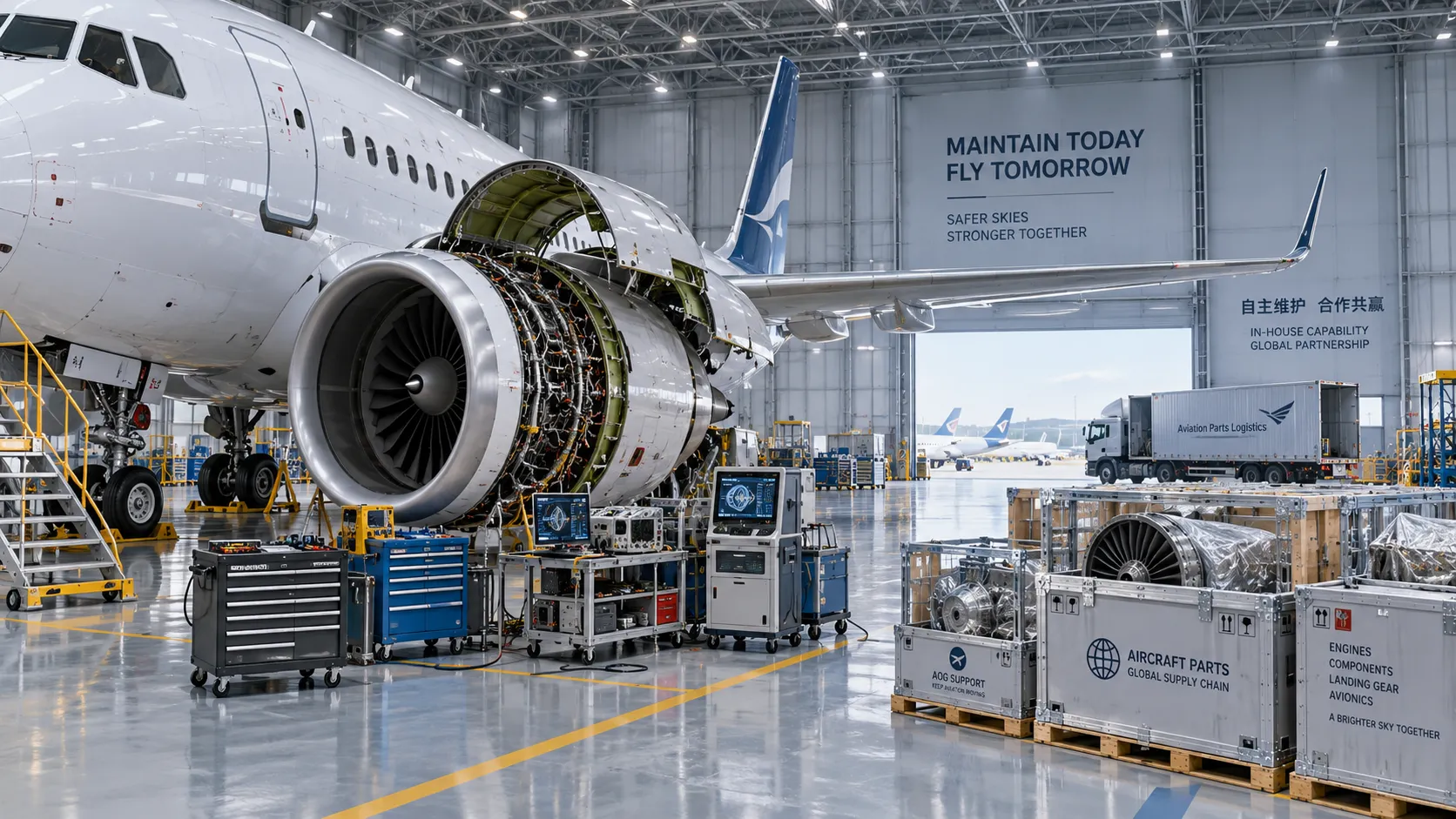
In-House vs. Outsourced Aircraft Maintenance: Comparing Total Costs
Compare aerospace maintenance cost for in-house vs. outsourced aircraft upkeep. Discover hidden expenses, downtime impacts, and break-even factors to find the best fit for your fleet.
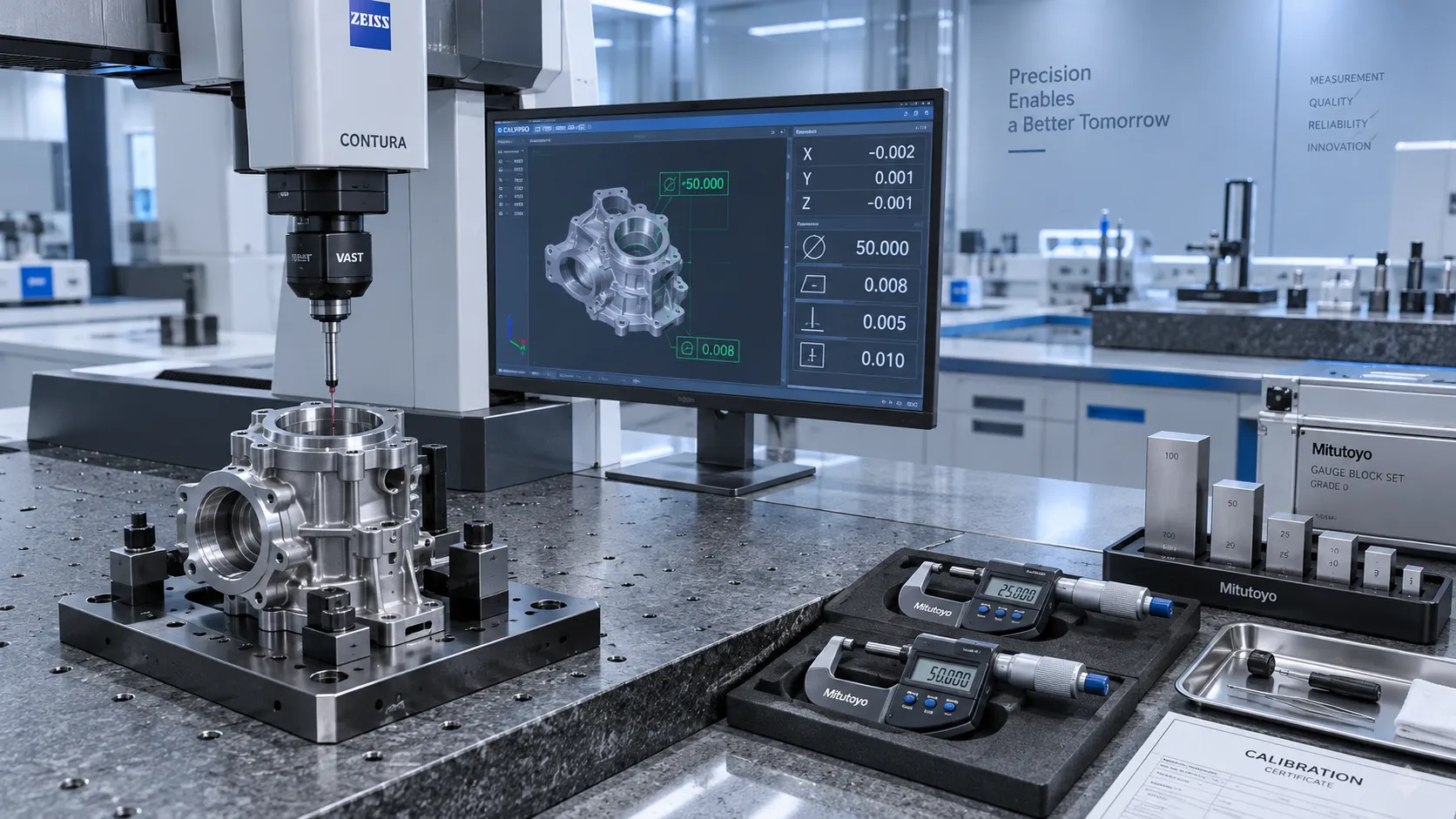
How to Select High-Precision Measuring Instruments for Tight-Tolerance Production?
High-precision measuring instruments are essential for tight-tolerance production. Learn how to evaluate accuracy, repeatability, environment, calibration, and data integration.
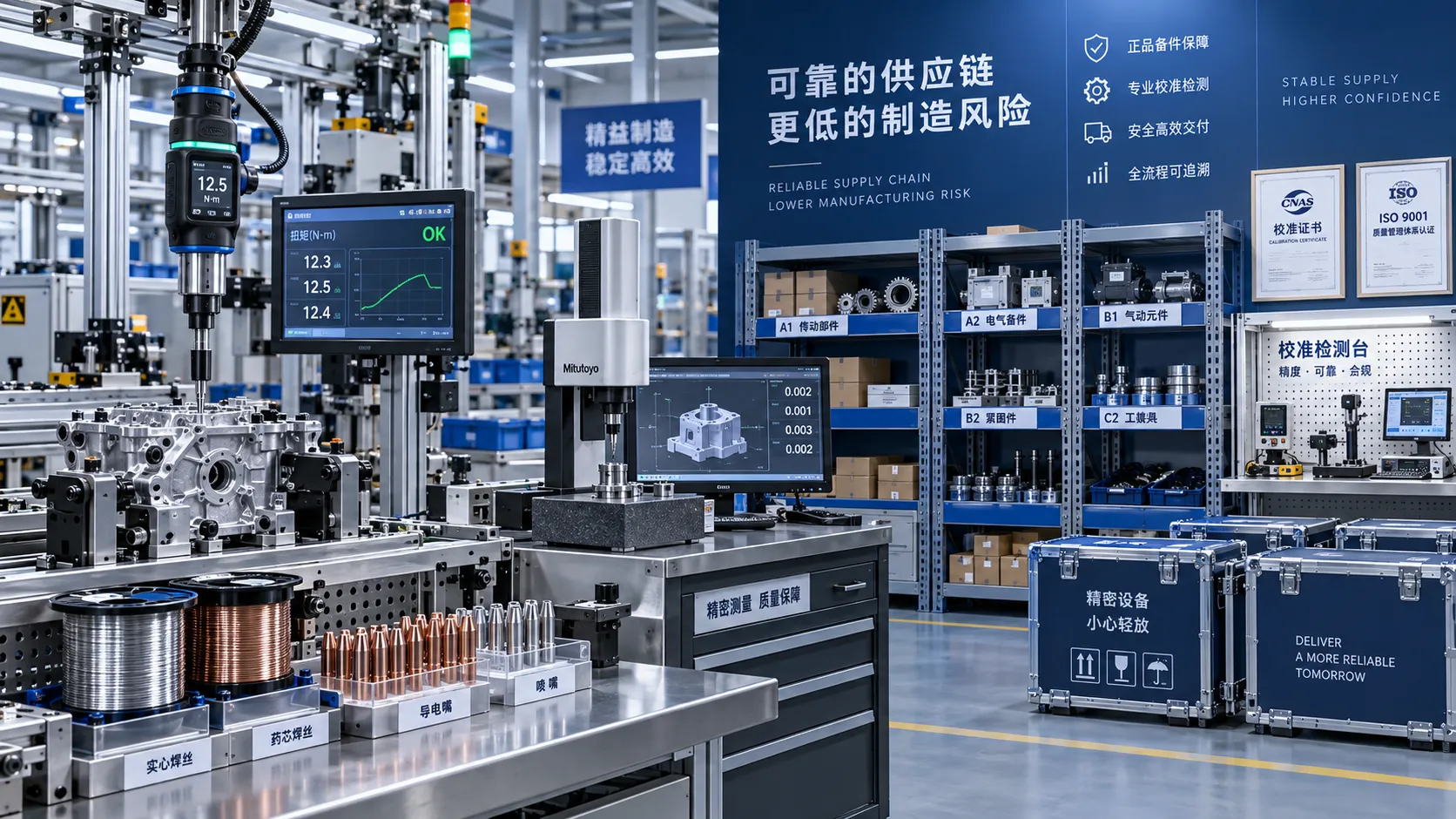
How Industrial Innovation Supplier Networks Reduce Sourcing Risk for Manufacturers
industrial innovation supplier network insights help manufacturers reduce sourcing risk, control lifecycle costs, and choose reliable tools, services, and suppliers with confidence.
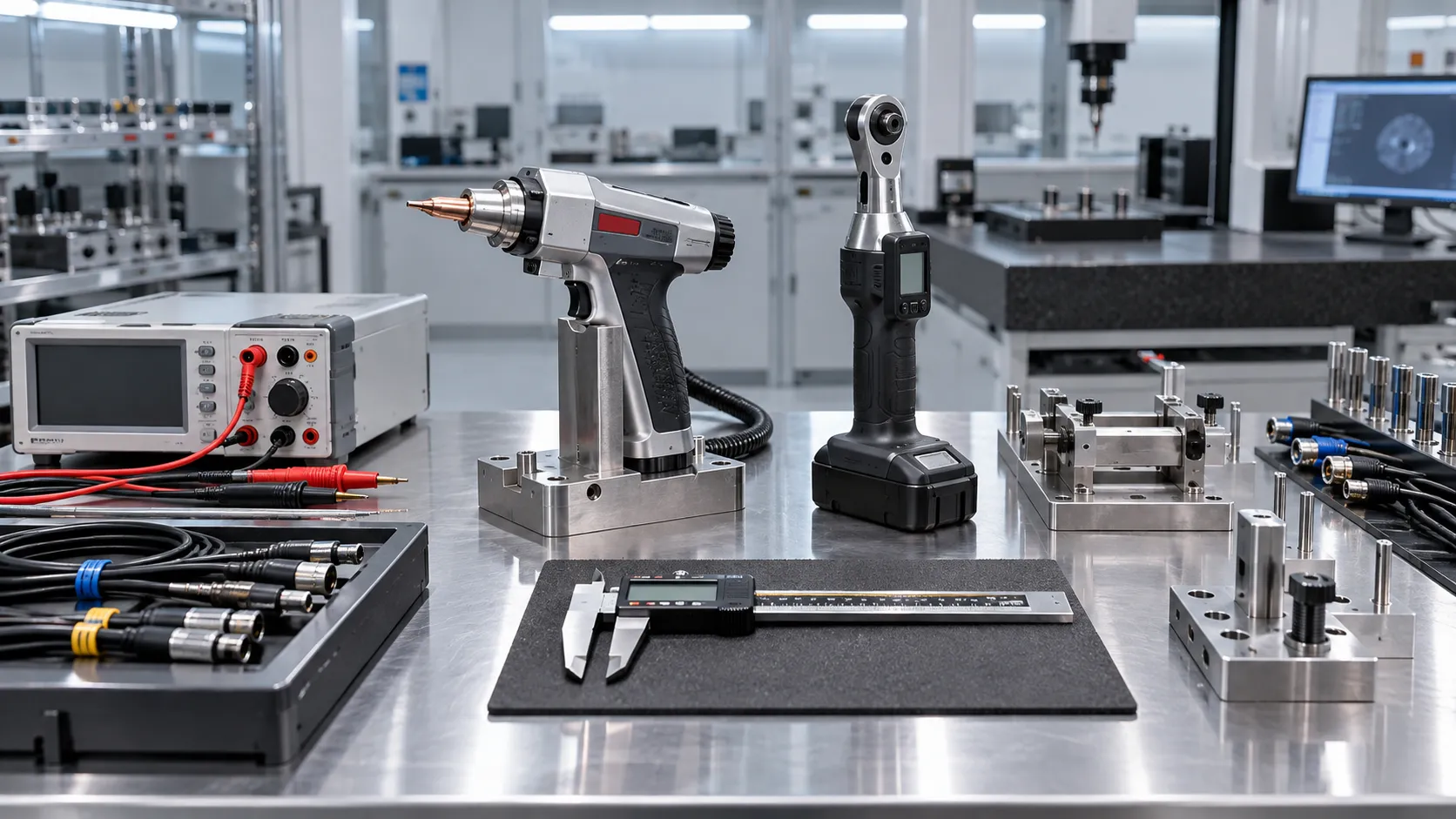
Which Industrial Standards Should Be Checked Before Export?
Which industrial standards should be checked before export? Discover essential compliance steps for industrial tools, welding equipment, laser systems, and metrology products.
What Industrial Automation Exporters Need to Know Before Entering ASEAN Markets
Industrial automation exporter to ASEAN: learn how to navigate compliance, local service, digital readiness, pricing, and market entry for scalable growth.
Prototype PCB Manufacturing Equipment: What Engineers Should Evaluate Before Purchase
Prototype PCB manufacturing equipment: discover the key factors engineers should evaluate—from accuracy and materials to software, safety, and ROI—before buying.
Workplace Ergonomics for Manufacturing: Reducing Repetitive-Strain Risks on Assembly Lines
Workplace ergonomics for manufacturing helps reduce repetitive-strain risks on assembly lines through smarter workstation design, tool selection, task analysis, and quality-focused improvements.
Selecting Adjustable Torque Tools for Repeatable Fastener Assembly
Adjustable torque tools: learn how to match range, accuracy, control methods, calibration, and ergonomics for repeatable, reliable fastener assembly.
How to Select Aerospace Inspection Tools for Aircraft Maintenance Tasks
Aerospace maintenance inspection tools: learn how to select reliable, traceable equipment for aircraft access, accuracy, calibration, and compliant maintenance decisions.
Related News
- 00
0000-00
Welding Fume Extraction PPE: When Respirators Are Not Enough for Shop Safety - 00
0000-00
Which ANSI Standards Apply to Welding Equipment in Industrial Fabrication? - 00
0000-00
How Energy-Efficient Welding Equipment Cuts Power Use in High-Volume Fabrication - 00
0000-00
Which ISO Standards Govern Welding Technology Quality Control and Qualification? - 00
0000-00
North American Welding Innovations Reshaping Automation, Quality, and Labor Productivity
Welding Metallurgy Expert
Weekly Insights
Stay ahead with our curated technology reports delivered every Monday.