
How to Evaluate Laser Welding Equipment for Thin Metal Fabrication





How to Evaluate Laser Welding Equipment for Thin Metal Fabrication
Selecting the right laser welding equipment for thin metal fabrication requires more than checking power ratings or price tags.
The real task is judging stability, heat control, process fit, and long-term production value.
For thin sheet work, small equipment differences can create major changes in weld appearance, distortion, and rework rates.
This guide explains how to compare laser welding equipment with a practical, decision-focused framework.
Start With the Real Thin Metal Application
Before comparing any laser welding equipment, define the actual welding job in detail.
Thin metal fabrication can mean stainless housings, aluminum covers, battery parts, medical frames, or cosmetic assemblies.
Each application places different demands on beam control, seam tracking, fixture precision, and post-weld finish.
Build the evaluation around these points:
- Material type, including stainless steel, carbon steel, aluminum, copper, or coated metals.
- Thickness range, especially the minimum and most common production thickness.
- Joint design, such as lap joints, butt joints, corners, tabs, or fillets.
- Surface finish requirements and visible cosmetic standards.
- Part tolerance, gap variation, and fixture repeatability.
- Target throughput, shift pattern, and expected automation level.
This step prevents a common mistake.
A machine that looks strong in a brochure may still be a poor fit for delicate thin-gauge production.
Focus on Heat Input, Not Just Power
When reviewing laser welding equipment, power rating is only the starting point.
Thin metal fabrication depends more on controllable heat input than on maximum wattage.
Too much energy can burn through the sheet, widen the heat affected zone, or warp the final part.
Check whether the system supports:
- Fine adjustment of pulse width, frequency, and peak power.
- Stable low-power output for thin materials.
- Beam shaping or wobble functions for gap bridging.
- Fast response when welding corners or small geometries.
- Consistent energy delivery during long production runs.
Recent market changes make this even more important.
More manufacturers now need one laser welding equipment platform to handle mixed part families with tighter distortion limits.
Check Material Compatibility and Process Window
Not every laser welding equipment setup behaves the same across reflective or heat-sensitive materials.
Thin stainless steel is usually forgiving.
Thin aluminum and copper often demand tighter parameter control, cleaner surfaces, and more disciplined fixturing.
Ask suppliers for validated samples on your actual materials.
Do not rely only on generic demo pieces.
Review these factors during testing:
- Penetration consistency across the target thickness range.
- Sensitivity to gap variation and edge fit-up.
- Spatter, porosity, cracking, and discoloration risk.
- Shielding gas requirements and gas consumption.
- Need for filler wire in specific thin metal joints.
A wider process window usually means easier startup, faster training, and fewer quality surprises after scale-up.
Evaluate Weld Quality With Production-Level Criteria
A serious laser welding equipment evaluation should use measurable acceptance standards.
Visual appearance matters, but it is not enough by itself.
Compare machines using a scorecard that includes:
- Bead uniformity and edge smoothness.
- Backside appearance on thin sheet.
- Distortion after welding and cooling.
- Mechanical strength where relevant.
- Need for grinding, polishing, or straightening.
- Repeatability between operators, shifts, and batches.
In real operations, post-weld correction can erase the speed advantage of laser welding equipment.
The better choice is often the system that reduces finishing hours, not the one with the fastest demo cycle.
Look Closely at Motion Control and Automation Readiness
For thin metal fabrication, welding performance depends on motion quality as much as laser source quality.
Even strong laser welding equipment can underperform if travel speed fluctuates or path accuracy drifts.
Review the full motion package:
- Axis repeatability and positional accuracy.
- Seam tracking or vision options.
- Robot or gantry integration capability.
- Programmability for multiple part recipes.
- Data logging, alarm history, and traceability.
- Compatibility with MES or factory control systems.
This is where long-term value becomes clearer.
If product mix is expanding, laser welding equipment should support flexible changeovers instead of fixed single-part workflows.
Assess Safety, Usability, and Maintenance Burden
The best laser welding equipment should be productive without creating hidden operating risk.
This matters even more as handheld and semi-automated systems become common in lighter fabrication environments.
Inspect safety and support details carefully:
- Laser enclosure design and interlock quality.
- Fume extraction and shielding gas monitoring.
- Operator interface clarity and recipe protection.
- Consumable life and replacement frequency.
- Preventive maintenance schedule and spare parts lead time.
- Local service response and remote diagnostics access.
Downtime is often underestimated during equipment selection.
A lower-priced laser welding equipment package can become expensive if service delays interrupt production commitments.
Compare Total Cost of Ownership, Not Purchase Price Alone
A sound decision needs a full cost model.
Laser welding equipment may cost more upfront, yet deliver lower unit cost across the life of the system.
In many cases, the strongest business case comes from consistency.
Reliable laser welding equipment can reduce scrap volatility and protect delivery performance in ways that spreadsheets initially miss.
Use a Structured Supplier Evaluation Process
The final choice should come from controlled comparison, not supplier presentation strength.
A practical selection process usually follows these steps:
- Define part families, quality targets, and thickness range.
- Shortlist laser welding equipment suppliers with relevant thin metal references.
- Run sample trials on real parts and actual production materials.
- Score weld quality, distortion, speed, usability, and maintenance requirements.
- Model total cost of ownership over expected production life.
- Confirm training, service terms, spare parts support, and expansion options.
This approach creates a clearer decision trail.
It also helps justify why one laser welding equipment solution fits the manufacturing strategy better than another.
Final Decision Criteria That Matter Most
The best laser welding equipment for thin metal fabrication is rarely the most powerful or the cheapest.
It is the system that matches the material, controls heat precisely, and stays stable through real production variation.
A strong evaluation should connect technical performance with automation potential, service reliability, and lifetime operating cost.
That is where better procurement decisions usually come from.
When laser welding equipment is assessed with clear production data and disciplined testing, the final choice becomes much easier to defend and scale.
Related News
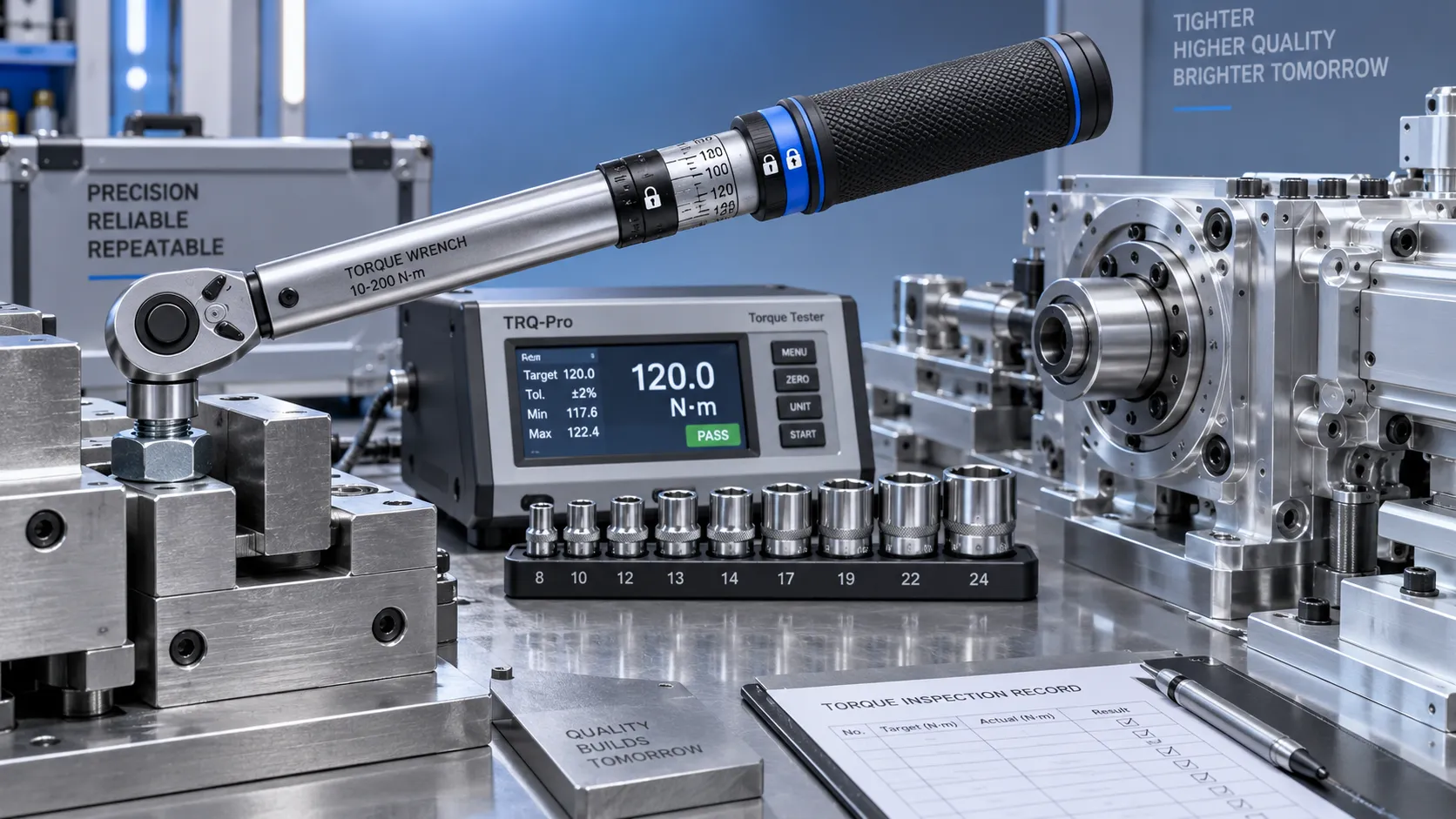
Selecting Adjustable Torque Tools for Repeatable Fastener Assembly
Adjustable torque tools: learn how to match range, accuracy, control methods, calibration, and ergonomics for repeatable, reliable fastener assembly.
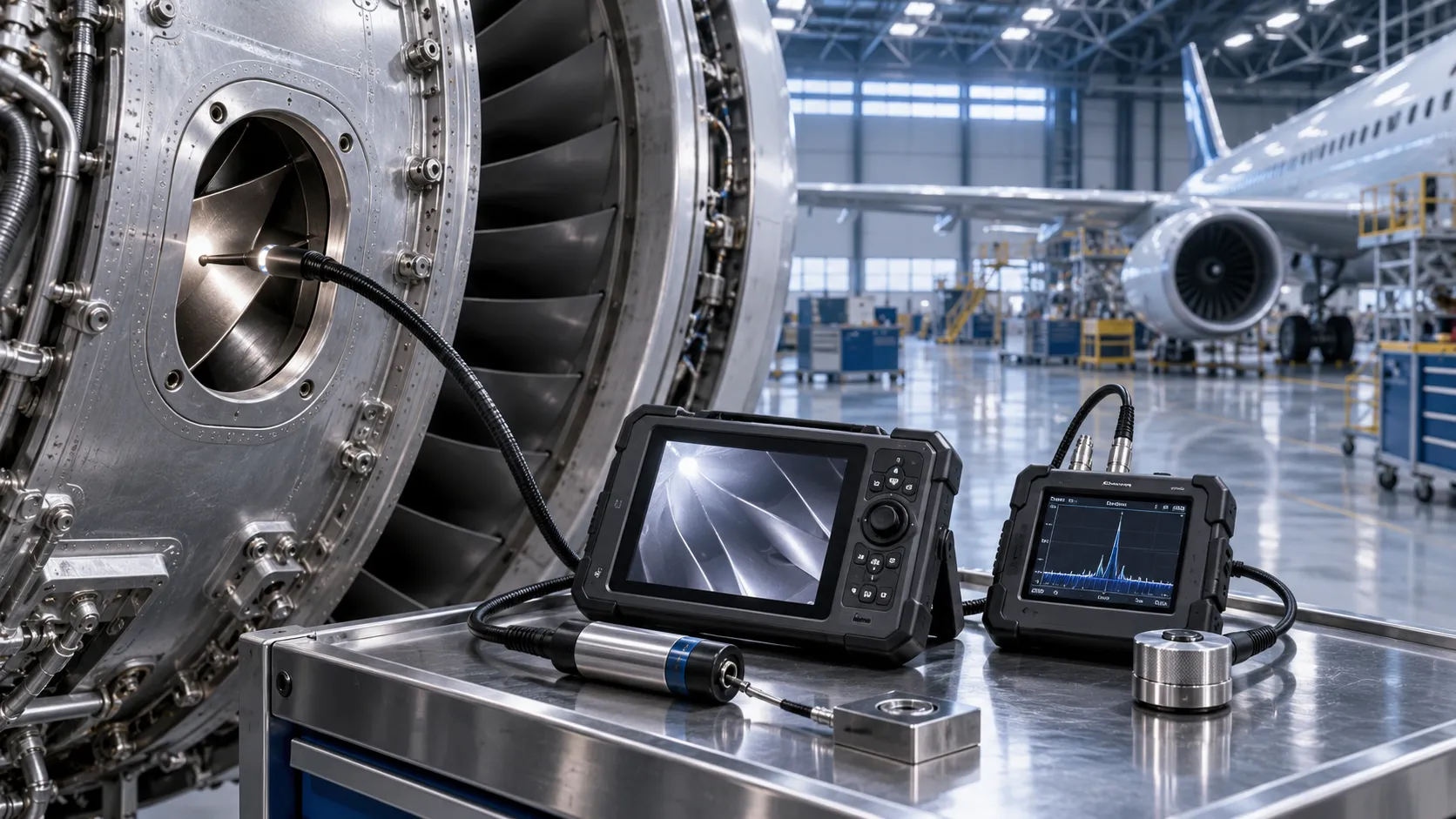
How to Select Aerospace Inspection Tools for Aircraft Maintenance Tasks
Aerospace maintenance inspection tools: learn how to select reliable, traceable equipment for aircraft access, accuracy, calibration, and compliant maintenance decisions.

How to Select Wire Bonding Tools for Fine-Pitch Semiconductor Packaging
Explore semiconductor manufacturing tools for wire bonding and learn how to select precision solutions for fine-pitch packaging, reliable loops, accuracy, and yield.
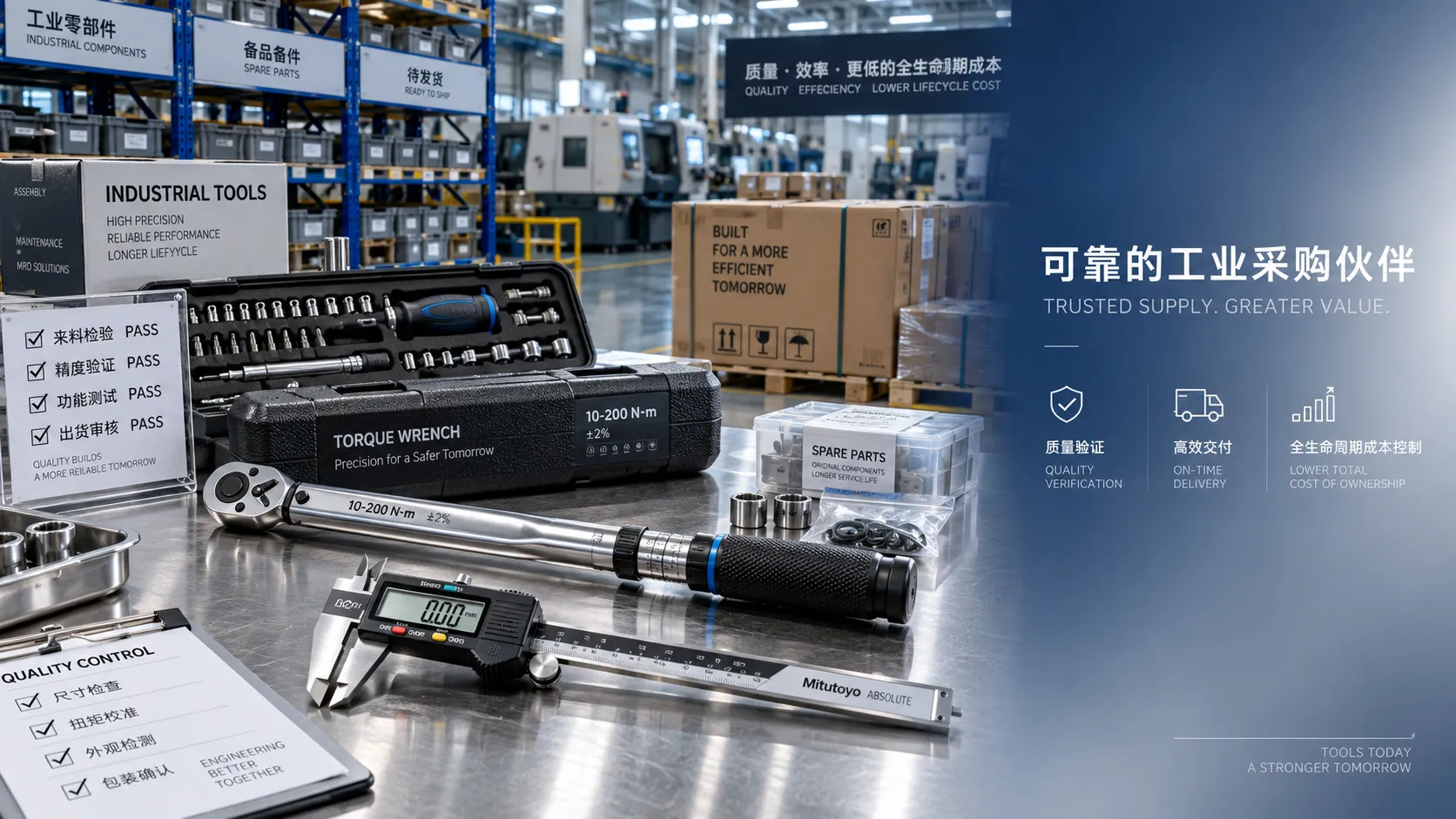
How to Compare Industrial Tool Suppliers for Quality, Lead Time, and Total Cost
Industrial tool selection supplier comparison made simple: evaluate quality, lead times, total cost, service, and supply resilience for confident sourcing decisions.
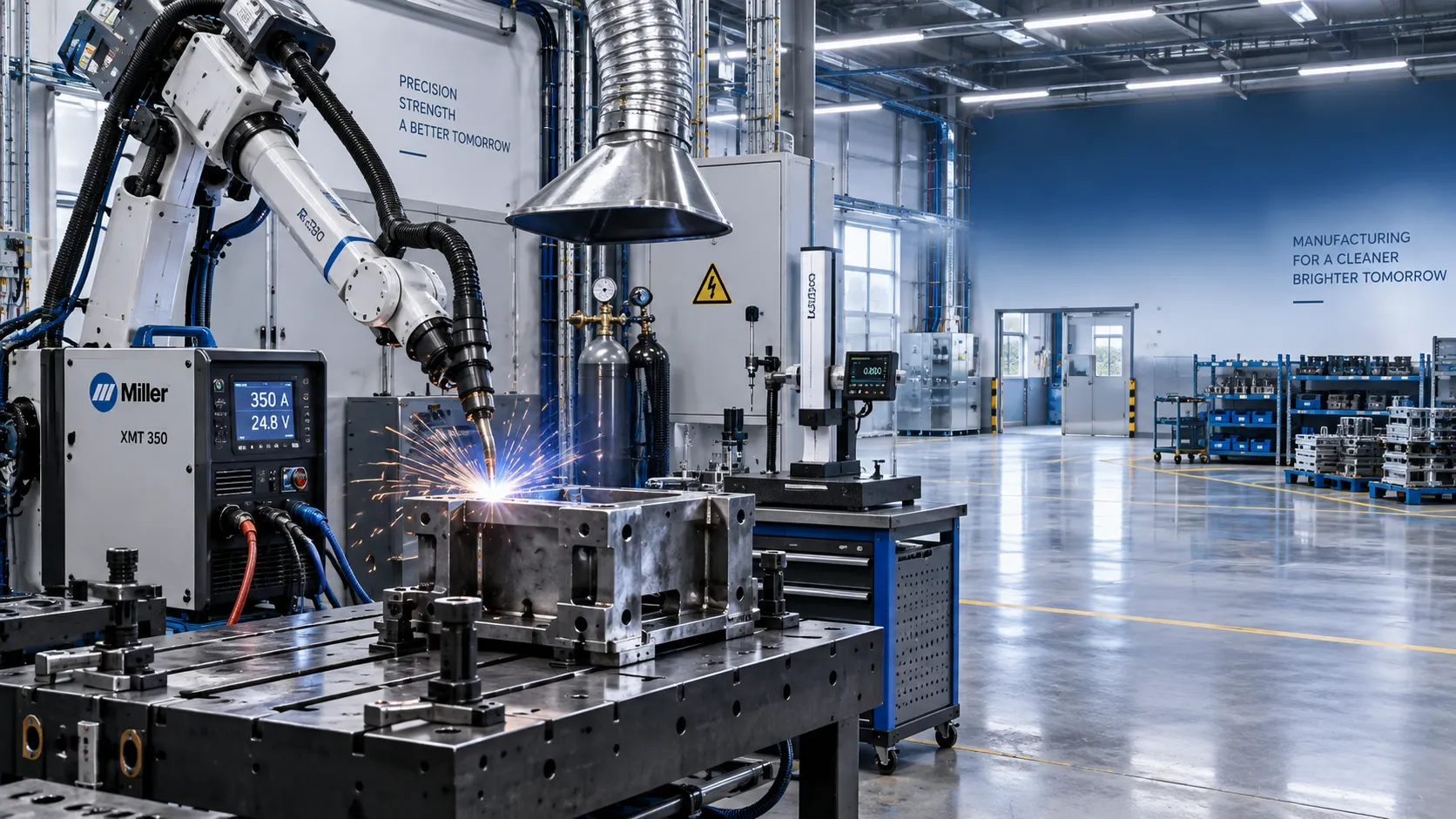
Industrial Equipment Application Guidance: Match Machines to Operating Conditions
Application guidance industrial equipment: match capacity, duty cycle, materials, site conditions, safety, and lifecycle cost to improve reliable output. Read the guide.
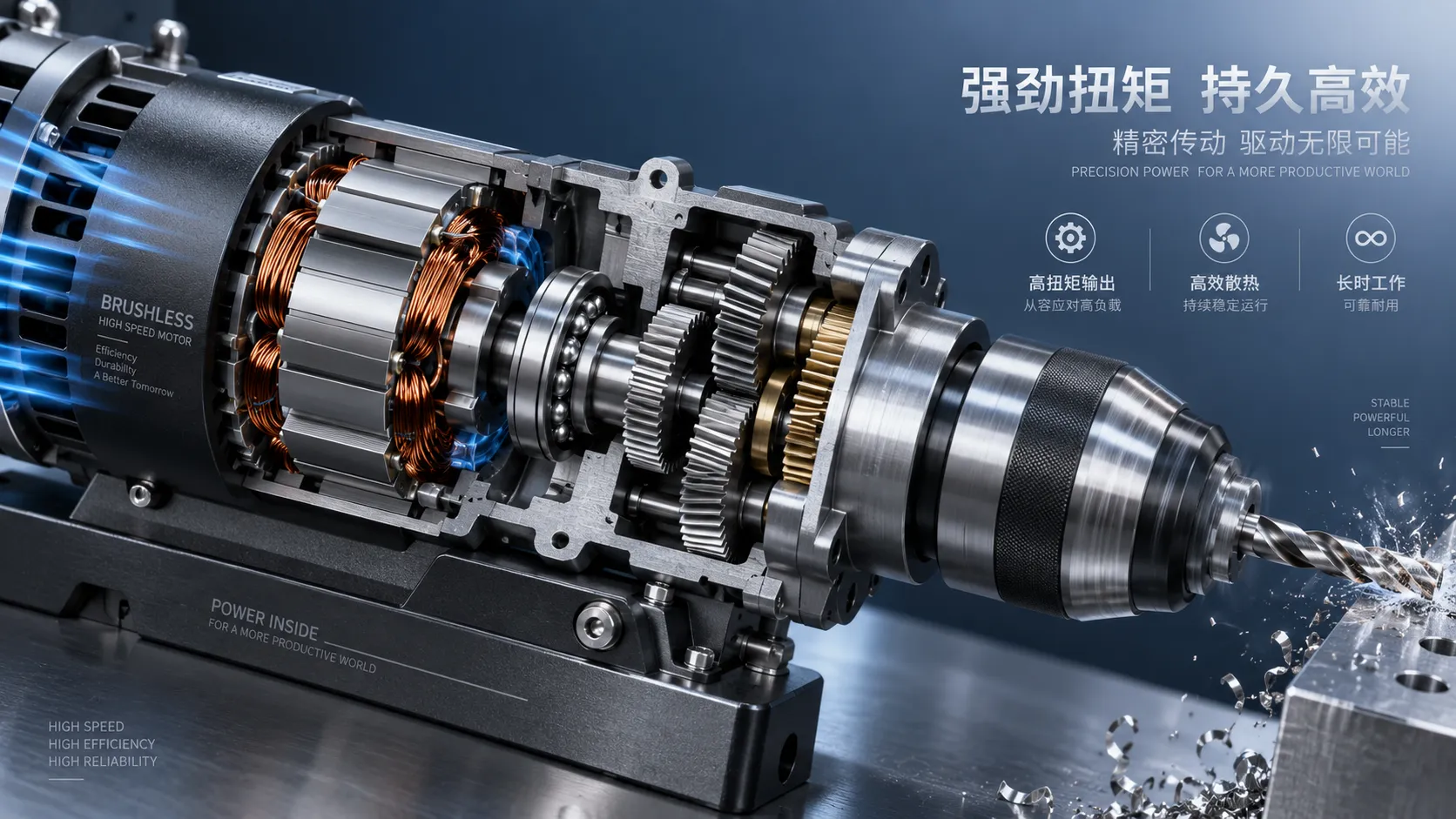
Selecting High-Speed Brushless Tool Motors for Torque, Heat, and Duty Cycle
High speed brushless tool motors: learn how to balance torque, heat, gearing, and duty cycle for reliable industrial tool performance and longer service life.
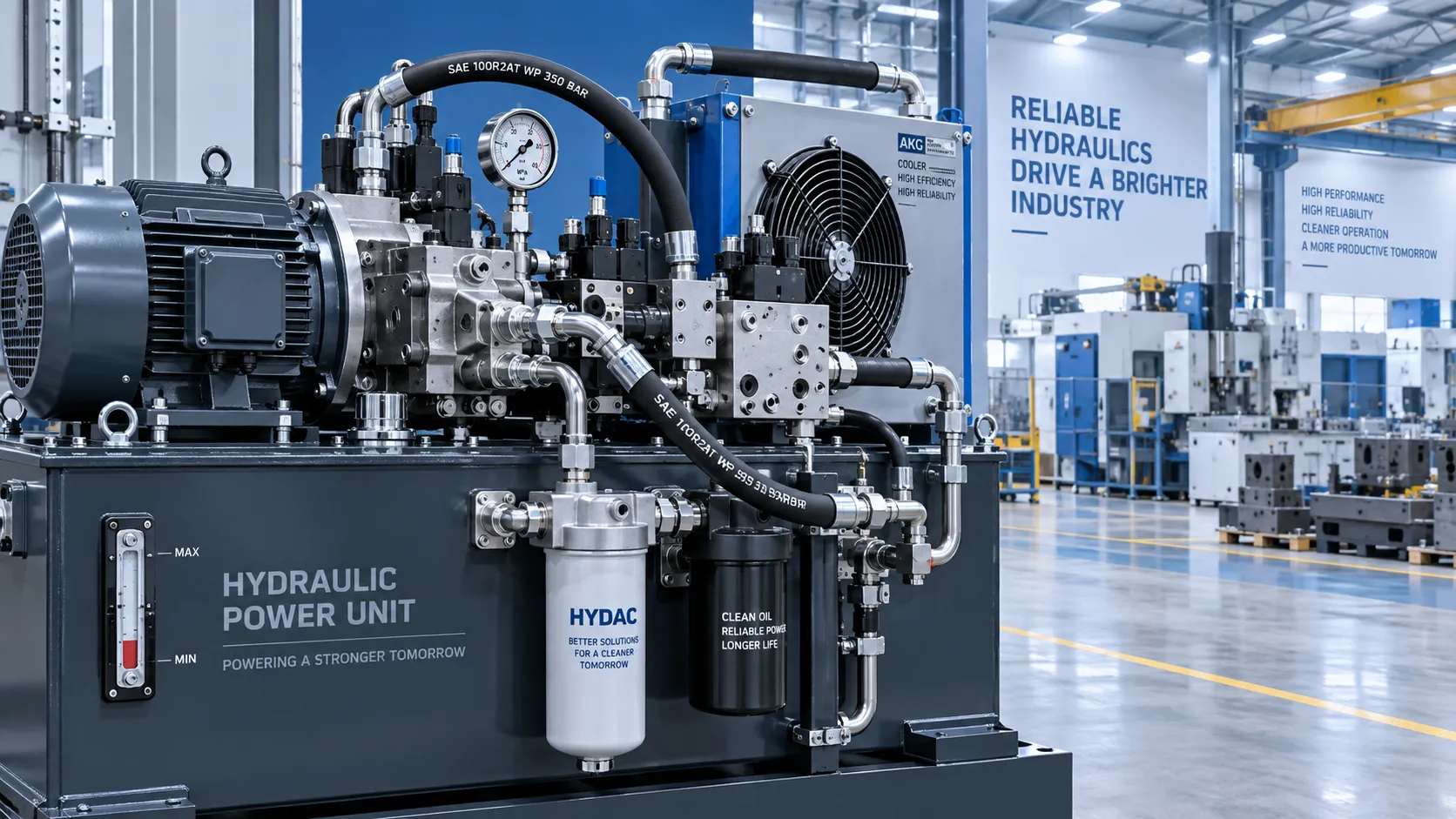
What Determines Industrial Hydraulic System Price for Heavy-Duty Equipment?
Industrial hydraulic system price depends on duty cycle, pressure, components, cooling, and integration. Compare quotes intelligently to secure reliable heavy-duty performance.
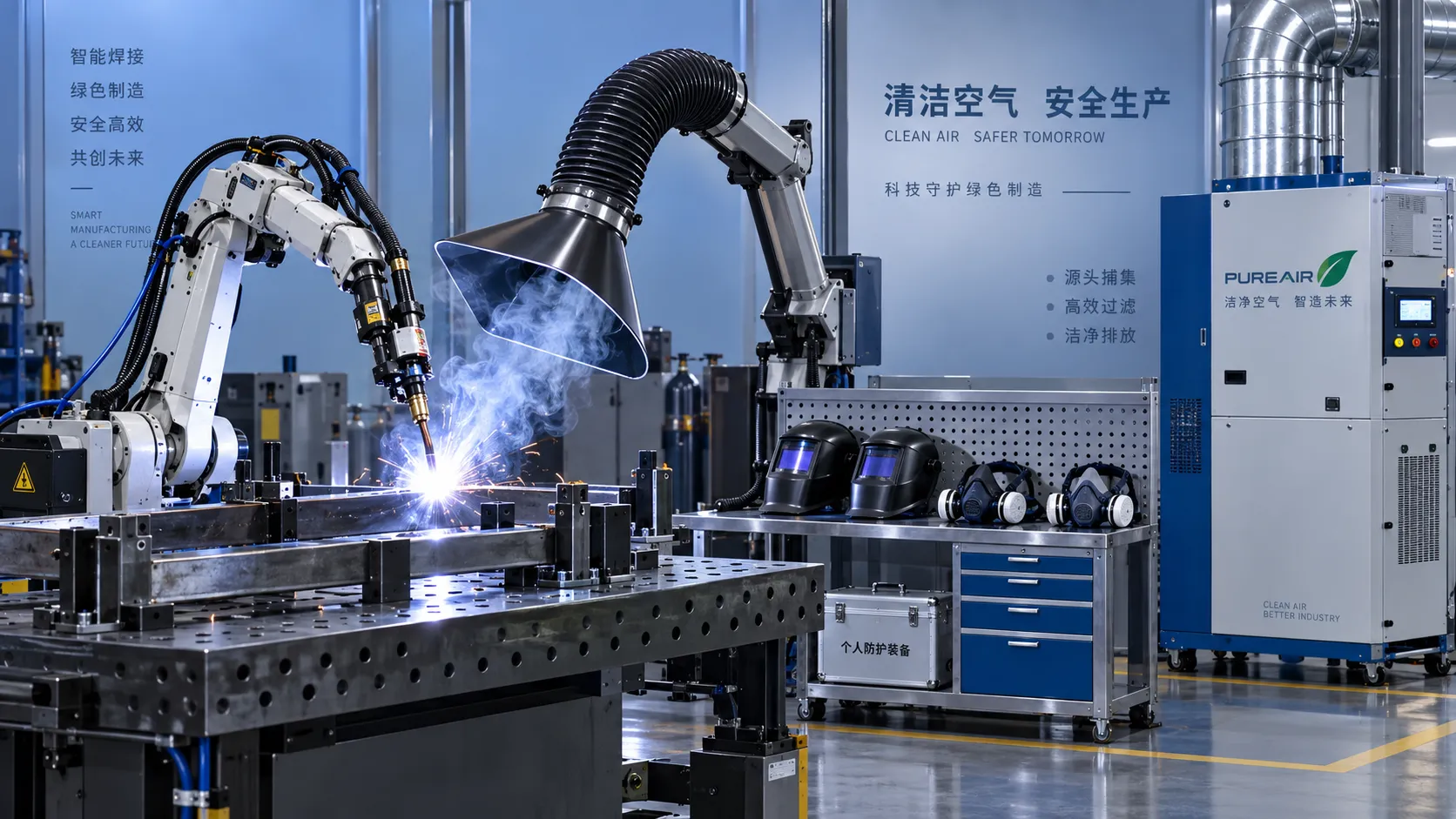
Welding Fume Extraction PPE: When Respirators Are Not Enough for Shop Safety
Welding fume extraction PPE: learn why respirators alone fall short and how source capture, ventilation, and layered controls improve shop safety.

How to Select Optical Metrology Solutions for Tight-Tolerance Manufacturing
Optical industrial metrology solutions for tight-tolerance manufacturing: evaluate accuracy, surface compatibility, workflow, and traceability to select with confidence.
Related News
- 00
0000-00
Welding Fume Extraction PPE: When Respirators Are Not Enough for Shop Safety - 00
0000-00
Which ANSI Standards Apply to Welding Equipment in Industrial Fabrication? - 00
0000-00
How Energy-Efficient Welding Equipment Cuts Power Use in High-Volume Fabrication - 00
0000-00
Which ISO Standards Govern Welding Technology Quality Control and Qualification? - 00
0000-00
North American Welding Innovations Reshaping Automation, Quality, and Labor Productivity
Welding Metallurgy Expert
Weekly Insights
Stay ahead with our curated technology reports delivered every Monday.