
Which ANSI Standards Apply to Welding Equipment in Industrial Fabrication?





For industrial fabrication teams, the first answer is straightforward: ANSI Z49.1 is the central ANSI safety standard for welding, cutting, and allied processes. It is the document most safety managers should begin with when evaluating arc-welding work areas, operator protection, ventilation, fire prevention, electrical practices, and equipment use.
It is not, however, the only standard that matters. Welding equipment ANSI compliance is rarely determined by a single label on a power source or torch. A fabrication operation may also need to address electrical listing standards, eye and face protection, respiratory protection, machine safeguarding, robotic-cell safety, and hot-work controls. The applicable set depends on how the equipment is installed and used.
That distinction matters during audits and incident investigations. A welding machine can be electrically suitable while the work cell still fails to control arc radiation, fumes, sparks, compressed-gas hazards, or access to moving automated equipment. Conversely, a well-written shop safety procedure cannot compensate for power sources, cable assemblies, enclosures, or interlocks that are unsuitable for the operating environment.
Start with ANSI Z49.1 for welding operations
ANSI Z49.1, Safety in Welding, Cutting, and Allied Processes, is the broad operational reference for most industrial welding environments. It addresses the risks created by the work itself rather than only the construction of a particular machine. This makes it relevant to manual arc welding, resistance welding, cutting, brazing, soldering, gouging, thermal spraying, and many related metal-joining activities.
For a quality-control or safety manager, Z49.1 is useful because it converts broad safety expectations into practical questions about the welding area:
- Are welding screens, curtains, barriers, and work-zone arrangements sufficient to protect nearby personnel from arc radiation and sparks?
- Does the selected personal protective equipment match the welding process, arc intensity, viewing needs, and surrounding work?
- Are welding leads, electrode holders, work clamps, connectors, and power-source connections inspected and maintained?
- Is ventilation adequate for the base metal, coating, filler metal, and process being used?
- Are combustibles controlled before welding or cutting begins, including material on the opposite side of walls, floors, or partitions?
- Are cylinders, regulators, hoses, and fuel-gas equipment protected from damage, heat, and improper handling?
A common mistake is to treat ANSI Z49.1 as a document for welders alone. Its controls also affect production planning, maintenance, facility design, contractor management, and inspection routines. For example, a decision to weld galvanized, painted, stainless, or coated material changes the fume-control assessment. A change from bench welding to field repair may alter cable routing, grounding exposure, fire-watch requirements, and access control.
Z49.1 should therefore be used as the operating framework for the welding area. It is especially important where procedures have evolved informally over time and equipment has been added without a full review of the surrounding safeguards.
Equipment safety and operational safety are different checks
When buyers ask whether a welder “meets ANSI,” they may be combining two separate questions. The first concerns the electrical and mechanical safety of the equipment. The second concerns whether the equipment can be deployed safely in a particular fabrication environment.
For electrical welding power sources and associated equipment, organizations commonly look for listing or certification by a recognized testing laboratory to the applicable product-safety standard. In the United States, relevant requirements may be associated with UL standards, including standards in the UL 60974 family for arc-welding equipment and ANSI/UL standards applicable to certain welding machines. The correct standard depends on the equipment category: an inverter power source, wire feeder, torch, water cooler, resistance-welding machine, plasma-cutting system, or automated system may not be evaluated in the same way.
The practical procurement question is not simply whether a supplier uses the phrase “ANSI compliant.” Ask for the exact safety standard, the certification or listing mark, the product model covered, rated input and output conditions, duty-cycle limits, and installation instructions. A declaration that applies to one regional model, voltage configuration, or accessory package may not cover the equipment being installed.
For shop-floor acceptance, confirm that the actual configuration matches the evaluated configuration. Field modifications can create gaps quickly. Examples include replacing a factory connector with an unsuitable plug, extending cables beyond recommended conditions, fitting a nonapproved torch, bypassing a thermal protection device, or installing a power source inside an enclosure that restricts cooling airflow.
Electrical safety also extends beyond the machine. OSHA requirements and the National Electrical Code, published by NFPA as NFPA 70, often shape how branch circuits, disconnects, grounding, overcurrent protection, and temporary power are handled. ANSI Z49.1 informs welding-specific work practices, but it does not replace electrical installation requirements or workplace regulatory obligations.
Eye, face, and respiratory standards fill critical gaps
Arc radiation and welding fumes remain two areas where a generic welding-equipment review is often too narrow. The power source may be selected correctly, while the operation still exposes personnel to preventable hazards.
ANSI/ISEA Z87.1 is the principal U.S. consensus standard for occupational eye and face protection. For welding operations, it helps guide the selection and marking of safety spectacles, goggles, faceshields, and welding helmets. The shade level of a filter lens must be appropriate for the process and operating conditions; it should not be selected solely because it is commonly used elsewhere in the facility.
Safety managers should distinguish between a welding helmet and the full eye-protection system. A helmet protects against arc radiation and sparks while in position, but workers may still need compliant safety eyewear underneath it for setup, grinding, chipping, handling parts, or situations where the helmet is raised. Nearby workers also need protection through barriers, screens, distance, and eyewear appropriate to their exposure.
Respiratory risk requires a similarly specific assessment. ANSI/ASSP Z88.2 provides a widely used framework for respiratory protection programs, including selection, medical evaluation, fit testing, training, maintenance, and program administration. It does not eliminate the need to control contaminants at the source. Local exhaust ventilation, process isolation, housekeeping, and material substitution should be considered before relying on respirators as the main control.
The relevant fume hazard can change with apparently minor production decisions. Base-metal chemistry, surface coatings, oils, cleaning residues, filler-metal composition, shielding gas, welding process, duty cycle, and workpiece geometry all influence exposure. Welding inside a tank, duct, enclosure, or partially enclosed fixture introduces another level of concern because contaminants can accumulate and access can become restricted.
A respirator program that consists only of issuing disposable masks is not aligned with the management approach contemplated by Z88.2. Equipment selection, fit, cartridge or filter suitability, training, storage, and replacement practices need to be managed as a system.
Automated welding cells need machine-safety standards too
For manual welding stations, the main hazards are often arc energy, hot metal, electrical contact, fumes, sparks, and compressed gases. Automated and robotic welding introduce additional hazards: motion, pinch points, unexpected restart, tooling movement, part handling, and interaction between multiple machines.
In those installations, ANSI B11 machine-safety standards may be relevant to the machinery and safeguarding approach. The ANSI/RIA R15.06 series is also important for industrial robot systems and integration. These standards address matters such as risk assessment, safeguarding, protective measures, safety-rated controls, emergency stops, perimeter protection, access methods, and validation of the integrated system.
The word “integrated” is important. A robot manufacturer may provide a compliant robot, and a welding power-source manufacturer may provide suitable welding equipment, but the final cell can still present hazards created by the integrator’s design. A rotating positioner, wire-feed unit, fume hood, pneumatic clamp, automatic door, laser seam tracker, or material-transfer conveyor changes the risk profile of the completed system.
Quality personnel should be involved before the cell is accepted for production, because safety functions can affect weld consistency. For instance, an interlocked gate should not permit an unsafe restart sequence; at the same time, the cell’s restart logic, fixture repeatability, grounding arrangement, wire-feed path, and fume extraction should not introduce conditions that destabilize the weld process. Safety validation and process validation should be coordinated rather than treated as unrelated sign-off exercises.
Fire prevention is often governed outside the welding machine standard
Hot-work controls are a frequent source of misunderstanding. Welding equipment may be properly selected and maintained, yet hot work can still ignite nearby combustible material or transmit heat into hidden spaces. In many facilities, NFPA 51B, Standard for Fire Prevention During Welding, Cutting, and Other Hot Work, is used alongside ANSI Z49.1 to structure permits, area inspection, combustibles control, fire watches, and post-work monitoring.
This is particularly relevant when welding occurs outside a dedicated fabrication bay: maintenance shops, production lines, warehouses, construction areas, equipment repair zones, vessels, and temporary work locations. Conditions that appear acceptable at the torch can be unsafe several meters away, above a ceiling, below a grating, behind a wall, or inside adjacent equipment.
For permanent welding areas, the objective is to design out repeated hot-work uncertainty through suitable layout, noncombustible surfaces, controlled storage, ventilation, shielding, and defined access. For temporary work, the permit process should force a fresh evaluation of the actual location rather than assume that the machine itself determines the risk level.
Do not confuse welding safety standards with weld-quality codes
Fabricators also need to separate safety standards from the code or specification that governs weld acceptance. ANSI Z49.1 can help protect people and facilities, but it does not establish acceptance criteria for a structural weld, pressure-retaining weld, aerospace component, or customer-specific assembly.
Weld quality may instead be governed by a contract, drawing, welding procedure specification, customer requirement, or an applicable code such as an AWS structural welding code, an ASME code, or another sector-specific standard. Those documents may define qualified procedures, welder qualifications, inspection methods, discontinuity limits, traceability, and documentation requirements.
The connection between the two categories is operational rather than interchangeable. Poor cable condition, unstable grounding, inadequate maintenance, contaminated consumables, excessive fume extraction at the arc, or poorly designed fixtures can affect both safety and weld quality. Still, passing a visual weld inspection does not demonstrate compliance with welding safety requirements, and a safely installed welding machine does not prove that the weld meets its governing code.
A practical review sequence for safety and quality teams
A usable standards review begins by classifying the work, not by collecting every document that includes the word “welding.” Start with the process and location: manual or automated; arc, resistance, oxy-fuel, plasma, or laser; dedicated bay or temporary work; open floor or confined space; mild steel or coated and alloy materials.
Then map the review across four layers:
This approach also improves purchasing decisions. A buyer can require suppliers to provide applicable certification information, installation limitations, duty-cycle data, environmental restrictions, manuals, maintenance requirements, and documentation for supplied safety devices. The internal review can then verify that those documents match the intended process rather than filing them after installation.
The most defensible answer to “Which ANSI standards apply?” is therefore conditional. ANSI Z49.1 should anchor the welding safety program. ANSI/ISEA Z87.1 and ANSI/ASSP Z88.2 become relevant where eye, face, and respiratory protection are needed. ANSI B11 and ANSI/RIA R15.06 become more significant when welding is automated or robotic. Electrical listing standards, NFPA requirements, OSHA rules, and weld-quality codes complete the picture according to the equipment and work environment.
A standards matrix built around the actual welding process, materials, equipment configuration, and work location gives quality and safety teams a better basis for approval than a generic claim that welding equipment is “ANSI compliant.”
Related News
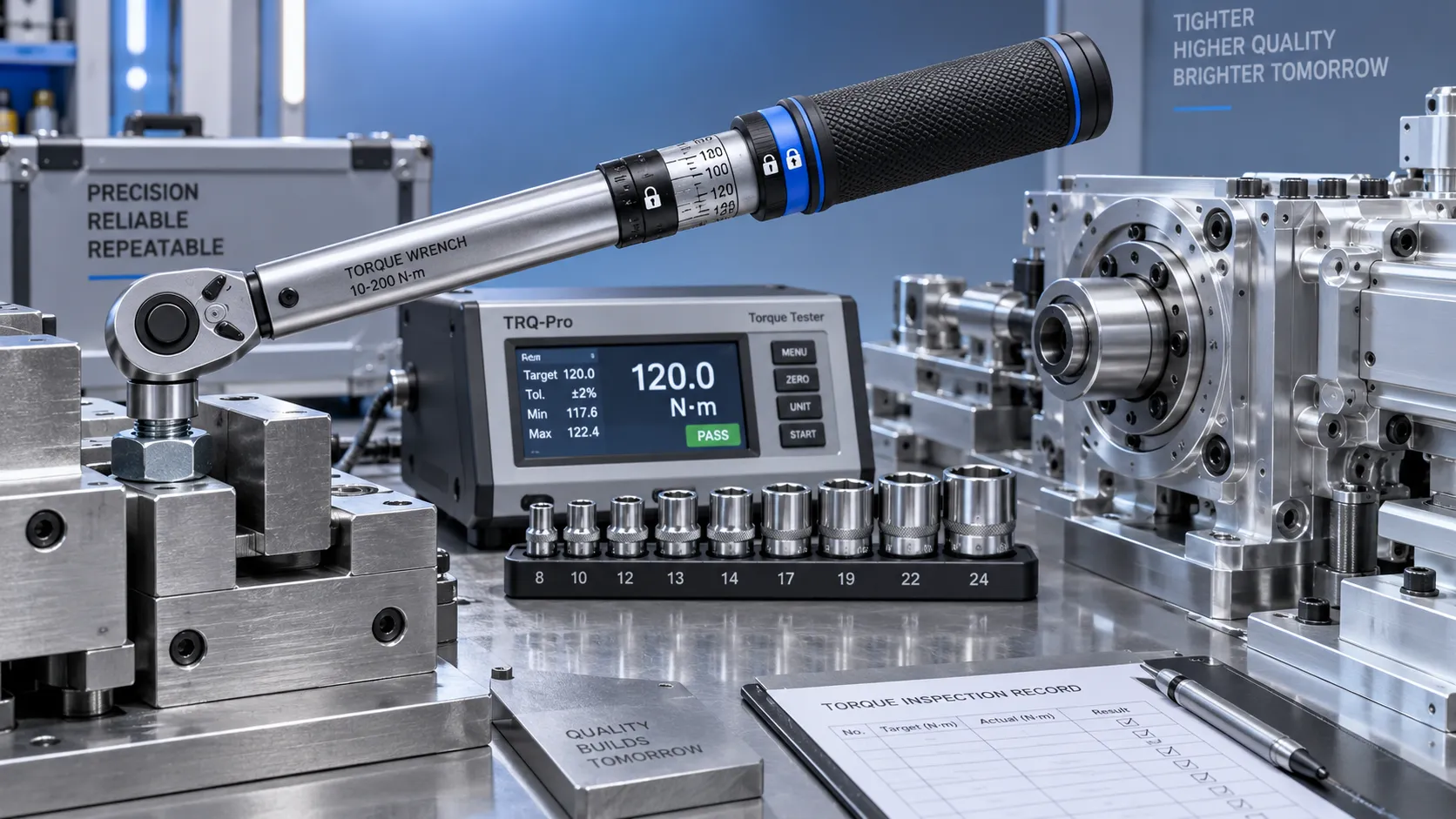
Selecting Adjustable Torque Tools for Repeatable Fastener Assembly
Adjustable torque tools: learn how to match range, accuracy, control methods, calibration, and ergonomics for repeatable, reliable fastener assembly.
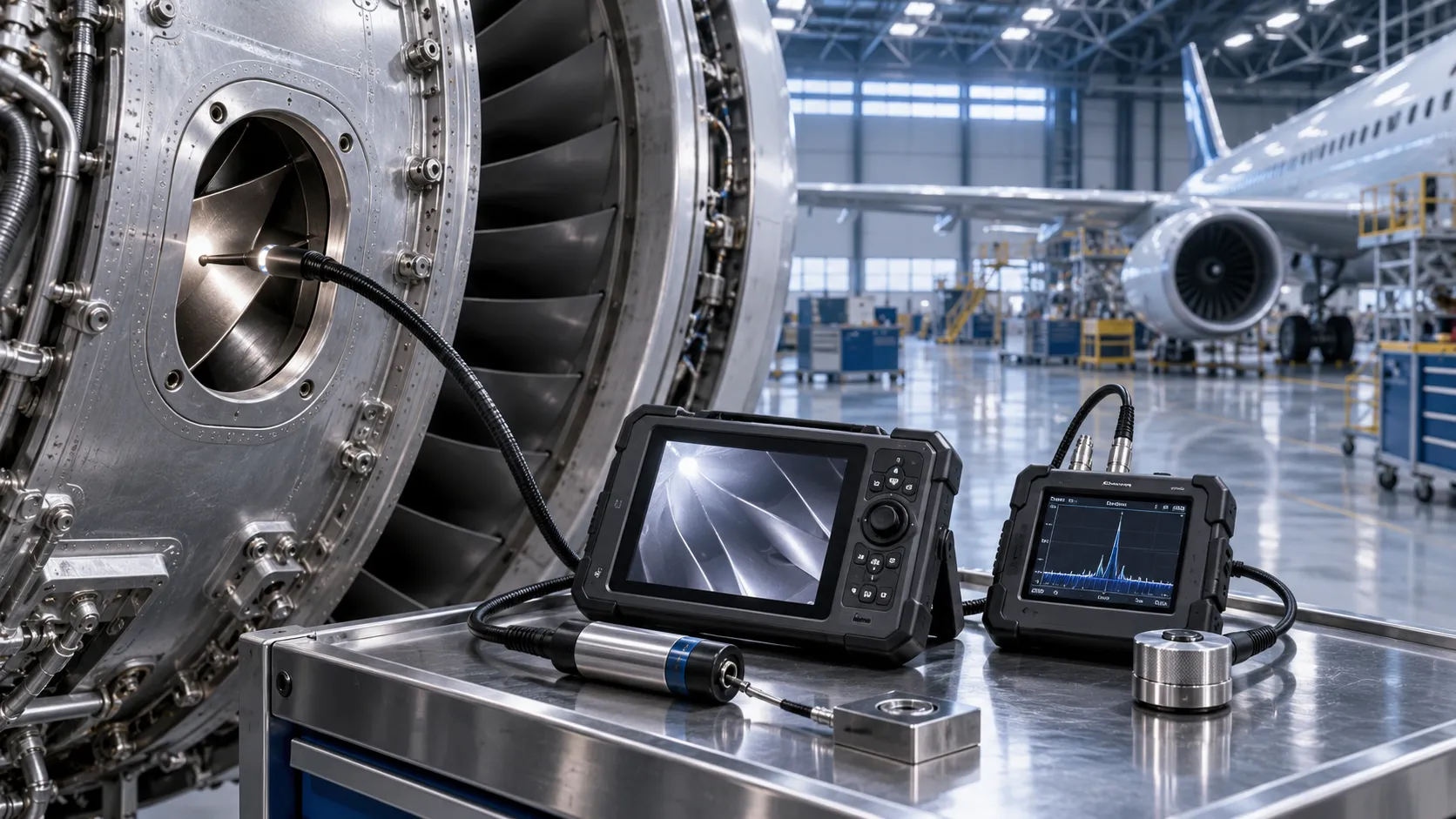
How to Select Aerospace Inspection Tools for Aircraft Maintenance Tasks
Aerospace maintenance inspection tools: learn how to select reliable, traceable equipment for aircraft access, accuracy, calibration, and compliant maintenance decisions.
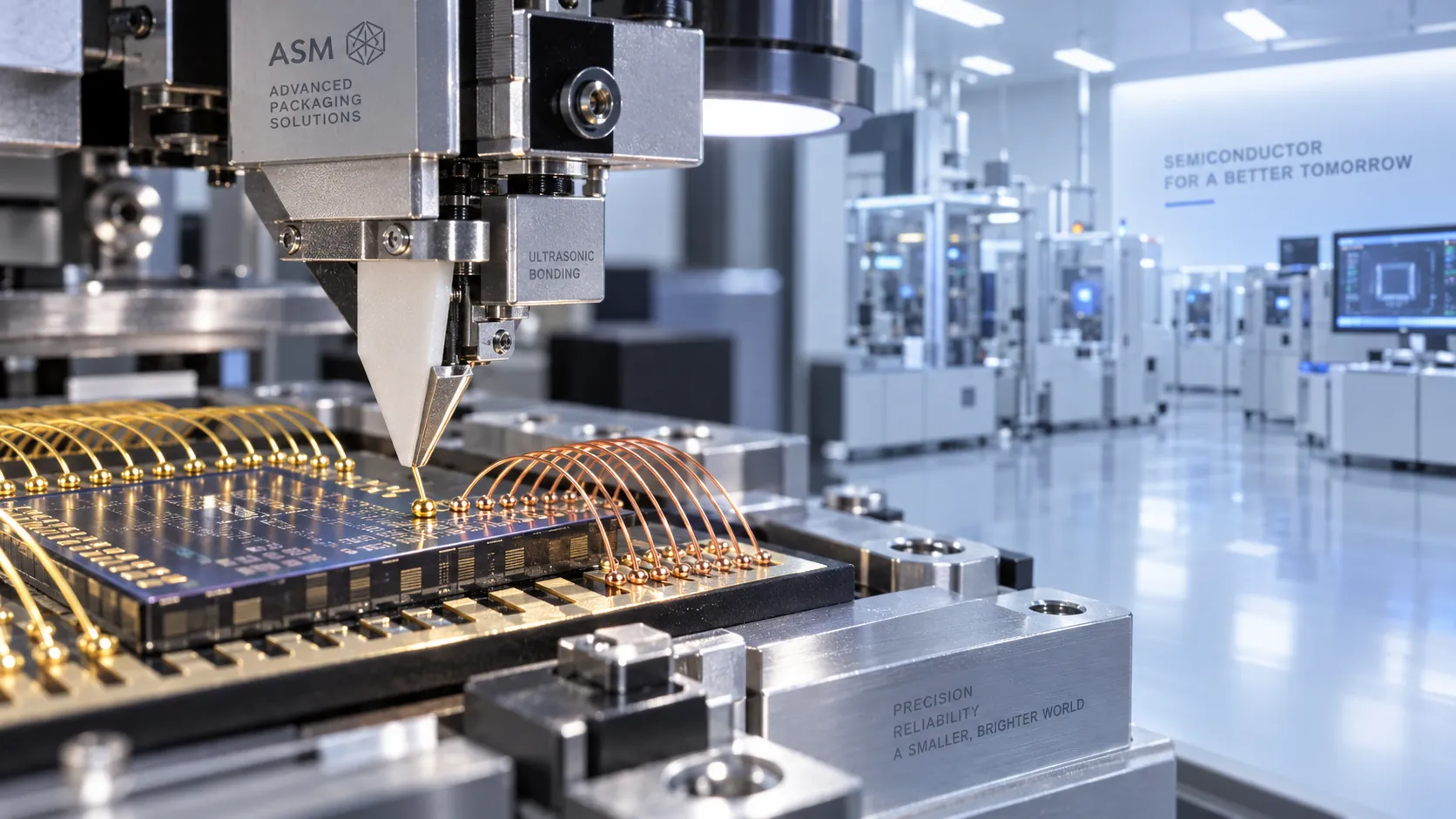
How to Select Wire Bonding Tools for Fine-Pitch Semiconductor Packaging
Explore semiconductor manufacturing tools for wire bonding and learn how to select precision solutions for fine-pitch packaging, reliable loops, accuracy, and yield.
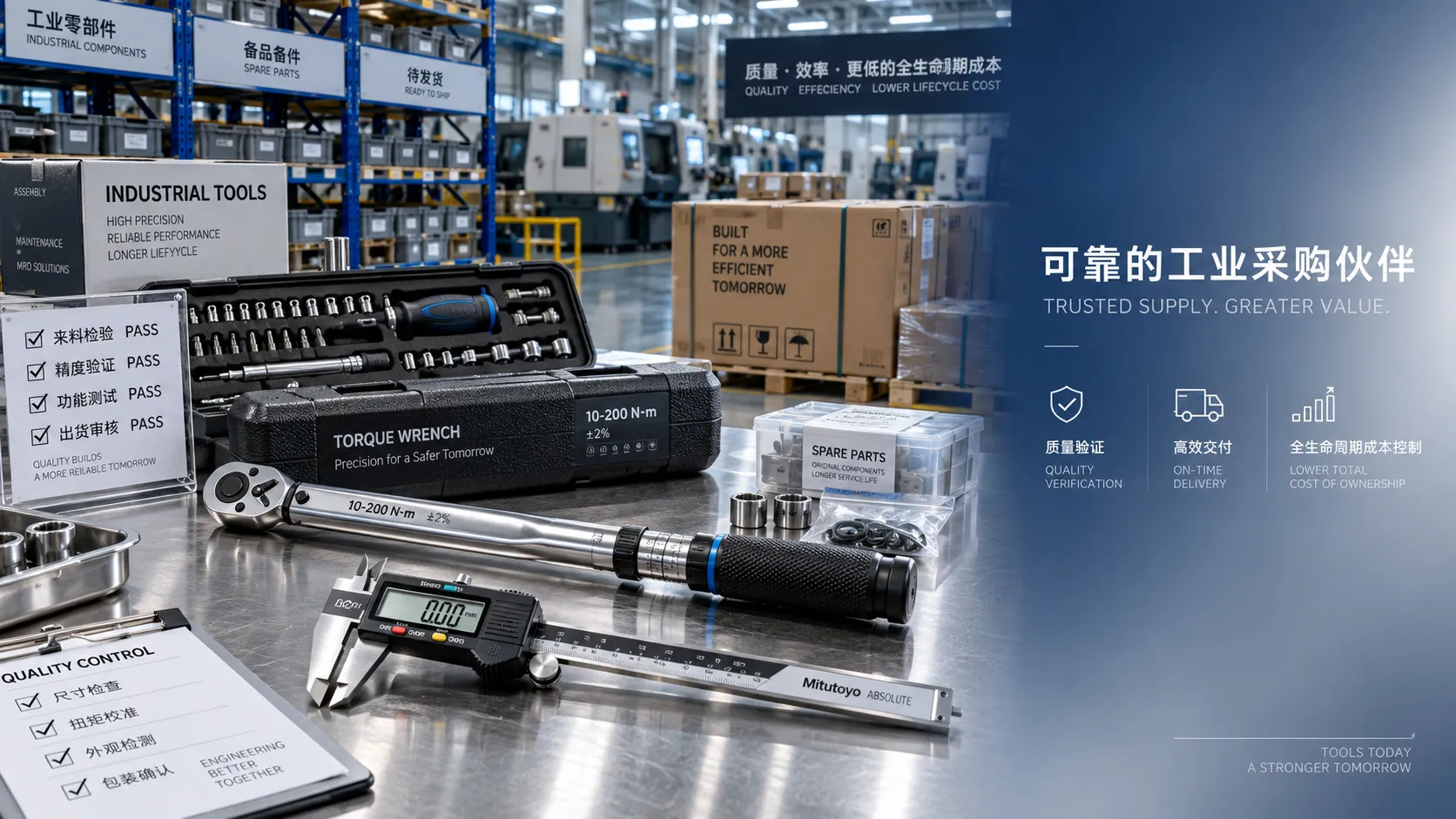
How to Compare Industrial Tool Suppliers for Quality, Lead Time, and Total Cost
Industrial tool selection supplier comparison made simple: evaluate quality, lead times, total cost, service, and supply resilience for confident sourcing decisions.
Industrial Equipment Application Guidance: Match Machines to Operating Conditions
Application guidance industrial equipment: match capacity, duty cycle, materials, site conditions, safety, and lifecycle cost to improve reliable output. Read the guide.
Selecting High-Speed Brushless Tool Motors for Torque, Heat, and Duty Cycle
High speed brushless tool motors: learn how to balance torque, heat, gearing, and duty cycle for reliable industrial tool performance and longer service life.
What Determines Industrial Hydraulic System Price for Heavy-Duty Equipment?
Industrial hydraulic system price depends on duty cycle, pressure, components, cooling, and integration. Compare quotes intelligently to secure reliable heavy-duty performance.
Welding Fume Extraction PPE: When Respirators Are Not Enough for Shop Safety
Welding fume extraction PPE: learn why respirators alone fall short and how source capture, ventilation, and layered controls improve shop safety.
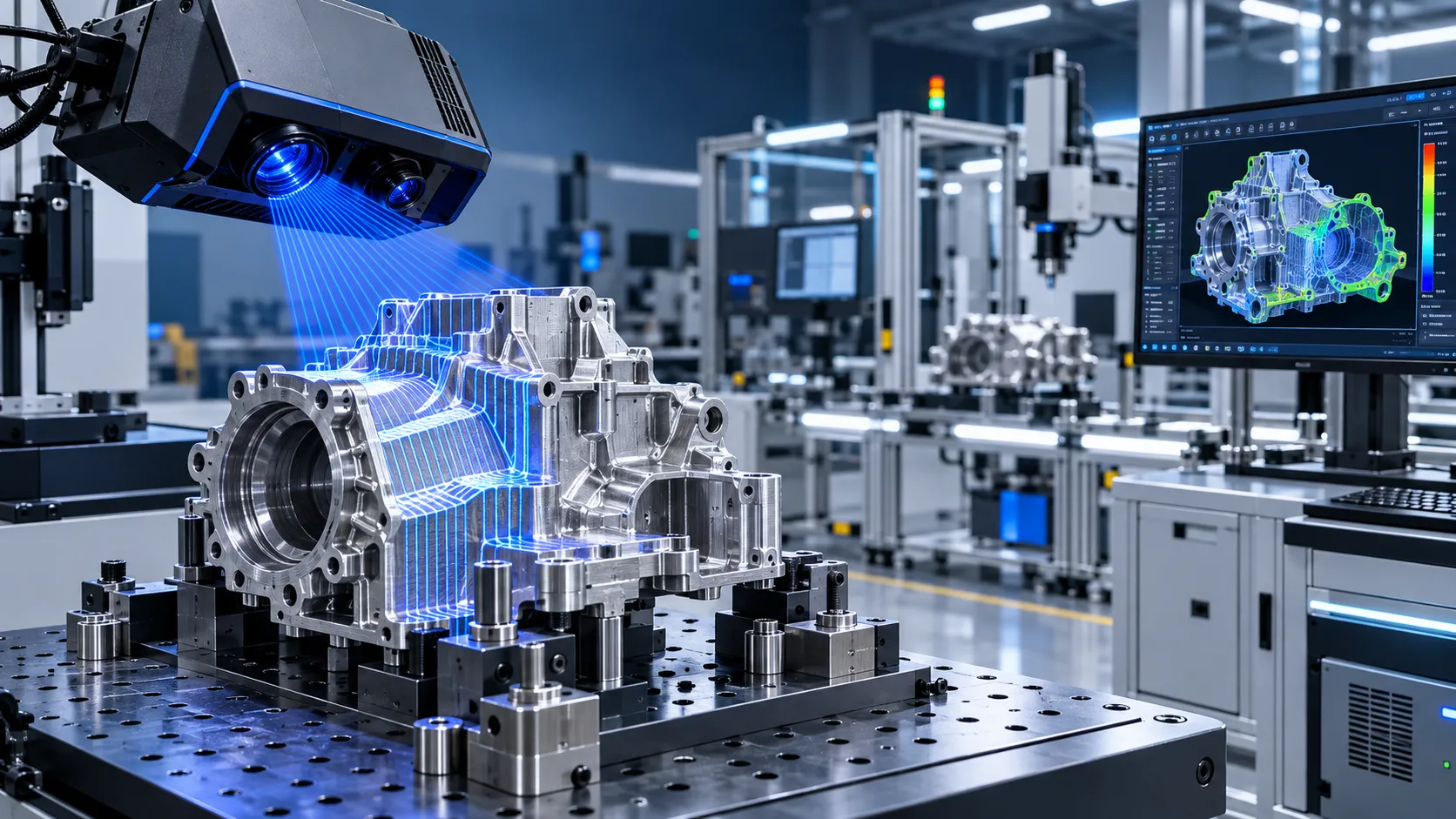
How to Select Optical Metrology Solutions for Tight-Tolerance Manufacturing
Optical industrial metrology solutions for tight-tolerance manufacturing: evaluate accuracy, surface compatibility, workflow, and traceability to select with confidence.
Related News
- 00
0000-00
Welding Fume Extraction PPE: When Respirators Are Not Enough for Shop Safety - 00
0000-00
Which ANSI Standards Apply to Welding Equipment in Industrial Fabrication? - 00
0000-00
How Energy-Efficient Welding Equipment Cuts Power Use in High-Volume Fabrication - 00
0000-00
Which ISO Standards Govern Welding Technology Quality Control and Qualification? - 00
0000-00
North American Welding Innovations Reshaping Automation, Quality, and Labor Productivity
Welding Metallurgy Expert
Weekly Insights
Stay ahead with our curated technology reports delivered every Monday.