
North American Welding Innovations Reshaping Automation, Quality, and Labor Productivity





North American Welding Innovations Reshaping Automation, Quality, and Labor Productivity
Welding innovations North America are redefining how manufacturers balance automation, quality assurance, and labor productivity. From intelligent laser systems and connected torque controls to advanced metrology and workforce-ready tooling, these developments are helping industrial leaders reduce variability, improve throughput, and strengthen competitiveness. For decision-makers, understanding the technologies and market forces behind this shift is essential to building more resilient, efficient production operations.
The most useful way to view this change is not as a race to replace welders with machines. North American fabrication, automotive, construction equipment, energy, aerospace maintenance, and general industrial operations remain highly varied. Many plants produce a mix of part geometries, materials, and batch sizes that do not fit a single automation model. The real shift is toward making welding work more repeatable, more observable, and less dependent on a small number of individuals carrying critical process knowledge in their heads.
That distinction matters. A robotic cell can be productive, but only if upstream fit-up, fixturing, material condition, program control, inspection, and maintenance are stable enough to support it. A handheld laser welder can speed suitable joining tasks, but it also changes safety planning, operator training, surface preparation, and process validation. The market is moving toward connected production systems because isolated equipment upgrades often expose bottlenecks elsewhere on the line.
Automation Is Becoming More Flexible, Not Simply More Robotic
Traditional automation still has a strong place in high-volume, stable-part production. Fixed robotic welding cells can deliver consistent motion, controlled travel paths, and reliable cycle times when parts arrive in predictable condition. Yet many North American manufacturers operate in high-mix environments where frequent changeovers make full hard automation difficult to justify. This is why collaborative systems, offline programming, vision-assisted guidance, modular fixtures, and simplified user interfaces are receiving so much attention.
The important development is not that every workshop needs a cobot. It is that automation is being designed around a narrower set of repetitive tasks: long fillet welds, recurring assemblies, material handling between stations, or operations that create difficult ergonomic exposure. A shop may retain skilled welders for complex fit-up, root passes, repairs, and nonstandard work while assigning repeatable weld paths to assisted automation. This hybrid model can be more practical than trying to force all welding into one robotic architecture.
For capital planning, the key question is therefore not “Can this weld be automated?” It is “What process conditions would make this weld automatable without moving variability downstream?” Part-to-part tolerance, tack consistency, joint accessibility, fixture repeatability, wire and gas management, and expected product mix deserve scrutiny before equipment selection. A cell that appears efficient in a demonstration can become a costly manual rework station if those fundamentals are not addressed.
The labor issue is capability, not headcount alone
Labor pressure has accelerated adoption, but the issue is broader than a shortage of welders. Manufacturers are also managing retirements, uneven onboarding capacity, physically demanding work, and the time required for a new operator to gain dependable process judgment. Automation can preserve experienced workers’ knowledge by embedding proven travel paths, parameters, fixture logic, and inspection checkpoints into a repeatable workflow. That does not eliminate the need for experienced people; it changes where their expertise has the greatest leverage.
In practical terms, leading operations are separating activities that require craftsmanship from activities that consume skilled time without requiring the same level of judgment. Loading, positioning, repetitive seam welding, parameter confirmation, traceability capture, and basic dimensional checks can increasingly be supported by connected equipment. Skilled personnel can then spend more time on setup, exception handling, weld procedure development, quality interpretation, and mentoring.
Quality Is Moving Closer to the Weld
For years, many production systems treated quality inspection as a downstream gate. The modern direction is to detect process drift earlier, ideally before an entire batch requires containment. Welding power sources, wire feeders, robotic controllers, sensors, and plant software can now generate useful process records, but data alone does not guarantee better quality. The value comes from linking information to a meaningful question: Was the right component assembled, under the right conditions, using a controlled process, and did the finished joint meet the applicable acceptance criteria?
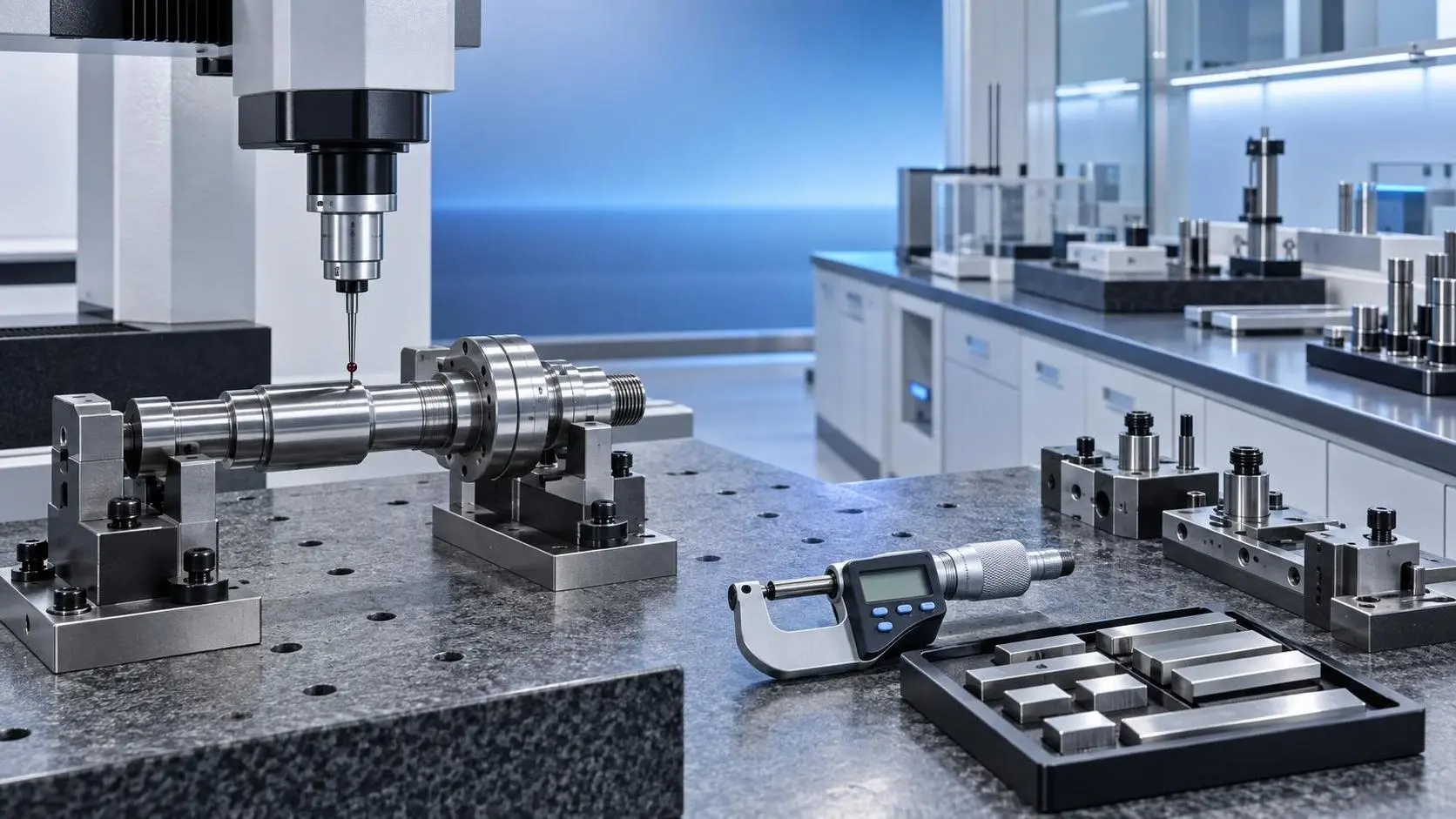
This is where metrology has become inseparable from welding productivity. Poor joint fit-up, distorted subcomponents, fixture wear, and inconsistent hole or feature locations can cause unstable arc behavior or force operators into compensating techniques. A better welding power source will not fully solve a dimensional problem. Manufacturers that measure critical interfaces before welding can often reduce avoidable variation and make automated programs more dependable.
The right level of measurement depends on the risk. A simple go/no-go approach may be sufficient for a recurring fabricated bracket. Complex assemblies may require more detailed measurement strategies, especially where geometry affects downstream assembly, sealing, fatigue performance, or safety-critical service. The point is not to inspect everything. It is to identify which dimensions and process conditions actually govern weld consistency.
Connected torque tools follow the same principle in industrial assembly. When bolted joints sit adjacent to welded structures, torque traceability and weld traceability should not live in separate operational worlds. Both are part of final product integrity. A plant that can relate a component identifier, assembly sequence, fastening record, inspection result, and repair history has a stronger basis for investigating failures than one relying on paper records and informal memory.
Laser Welding’s Growth Comes With Process Discipline
Handheld and automated laser welding are prominent topics in the North American market because they promise concentrated heat input, fast travel in suitable applications, and potentially lower distortion on certain materials and joint designs. They are also attractive to organizations looking for a more approachable interface than some conventional processes. But adoption should not be confused with universal suitability.
Laser joining is sensitive to joint design, gap condition, surface cleanliness, material reflectivity, shielding requirements, and the intended service duty of the weld. The apparent simplicity of a handheld unit can obscure the work required to establish safe, repeatable use. Laser classification, guarding, interlocks, eyewear selection, designated work areas, fume control, training, and local regulatory requirements all need project-specific review. A safe deployment is a system decision, not an accessory purchase.
Decision-makers should also ask how weld quality will be qualified and verified for the application at hand. Appearance is an unreliable substitute for process validation. The relevant material, thickness range, joint type, loading condition, code obligations, and customer specifications determine what evidence is needed. In some work, laser welding may be an excellent productivity tool. In others, conventional MIG, TIG, resistance welding, or mechanized arc processes may remain the more controllable choice.
Tooling Design Is Becoming a Production Strategy
The conversation about welding technology often overlooks the tools around the arc. Lightweight grinders, brushless power tools, extraction equipment, clamps, positioners, fixturing systems, and measuring instruments strongly influence whether a welding station is sustainable for operators and stable in output. In a labor-constrained environment, ergonomics is not a cosmetic improvement. Repetitive reaching, awkward positioning, vibration exposure, and excessive tool weight contribute to fatigue, slower work, and inconsistency.
Brushless motor platforms are part of this trend, but they should be evaluated beyond headline power claims. Duty cycle under real load, battery ecosystem support where applicable, repairability, thermal behavior, speed control, guarding, consumable compatibility, and total maintenance burden matter more than a single specification. The same discipline applies to hydraulic equipment and lifting aids used in fabrication and maintenance. A tool that removes a physical bottleneck may improve flow more than an expensive automation project placed at the wrong point in the process.
North American operations also face a practical service question: can replacement parts, calibration support, consumables, and technical assistance be obtained within the maintenance window the plant can tolerate? Procurement teams sometimes separate equipment price from lifecycle readiness. On the shop floor, they are inseparable.
A More Realistic Framework for Evaluating Investment
The strongest business case is rarely built on labor savings alone. It should account for throughput, rework exposure, operator safety, part consistency, floor-space use, changeover time, training demands, data availability, and maintenance capability. A lower-cost manual process may remain appropriate for infrequent or highly variable work. Conversely, a modest automation investment can be justified when it stabilizes a chronic constraint that affects several downstream operations.
- Map the actual workflow, including fit-up, material movement, inspection, rework, and waiting time rather than only arc-on time.
- Identify the dominant source of variation: incoming parts, fixtures, operator technique, consumables, programming, or measurement.
- Define the required quality evidence before selecting sensors, software, or connected equipment.
- Test product mix assumptions. A system designed for today’s volume may not suit the mix expected after a major customer or market shift.
- Include implementation ownership: process engineering, safety, IT, maintenance, quality, and production supervision all have a role.
This approach reduces a common mistake: treating automation as an equipment transaction rather than an operating-model change. It also makes pilot projects more informative. A well-designed pilot should reveal where the process is fragile, what training is needed, how inspection will respond, and whether the proposed productivity gain survives ordinary production variation.
Market Intelligence Must Connect the “Last Mile”
The Global Precision Tools & Welding Matrix (GPTWM) focuses on this last mile of industrial manufacturing: the point where tools, joining methods, measurement practice, and human execution become a finished product. Its perspective is useful because welding investment decisions are increasingly influenced by factors beyond the weld cell itself. Raw-material movement, export restrictions, changing customer requirements, tool availability, safety expectations, and distributor capability can all affect the practicality of a technology choice.
GPTWM’s Strategic Intelligence Center brings together the perspectives of metrology specialists, electro-mechanical tool designers, and industrial economists. That combination reflects the market’s direction. Handheld laser welding safety cannot be assessed only as a welding question. Brushless tool performance cannot be judged only by motor output. IoT-enabled torque control is not valuable simply because it is connected; it must fit a plant’s quality architecture and operational discipline.
For distributors and manufacturers alike, the opportunity is to build decisions around application knowledge rather than product categories. High-precision measuring tools, welding equipment, hydraulic systems, and assembly controls increasingly work as an ecosystem. The businesses that understand those connections are better positioned to specify equipment responsibly, support customers after deployment, and avoid selling a capability that the user cannot sustain.
What the Next Phase Will Demand
The next phase of welding innovation in North America will likely favor manufacturers that can combine skilled workmanship with disciplined digital control. The winning formula is unlikely to be fully lights-out production in every setting. It is more likely to be a practical blend of automation for repeatable work, measurement at critical control points, ergonomic tools for human tasks, and traceable data where risk justifies it.
Before committing capital, leadership teams should confirm the part family, production variability, quality obligations, workforce model, safety requirements, and maintenance support that will define the project in reality. The technology may be advanced, but the decision remains grounded in familiar manufacturing questions: Can the process be controlled? Can people run it safely? Can quality be verified? And can the operation keep it productive after the initial installation team leaves?
- industrial assembly
- welding technology
- handheld laser welding
- hydraulic equipment
- precision tools
- industrial manufacturing
- aerospace maintenance
- craftsmanship
- welding equipment
- torque tools
- laser welding
- hydraulic systems
- construction equipment
- welding innovations
- precision measuring tools
- welding innovations North America
Related News
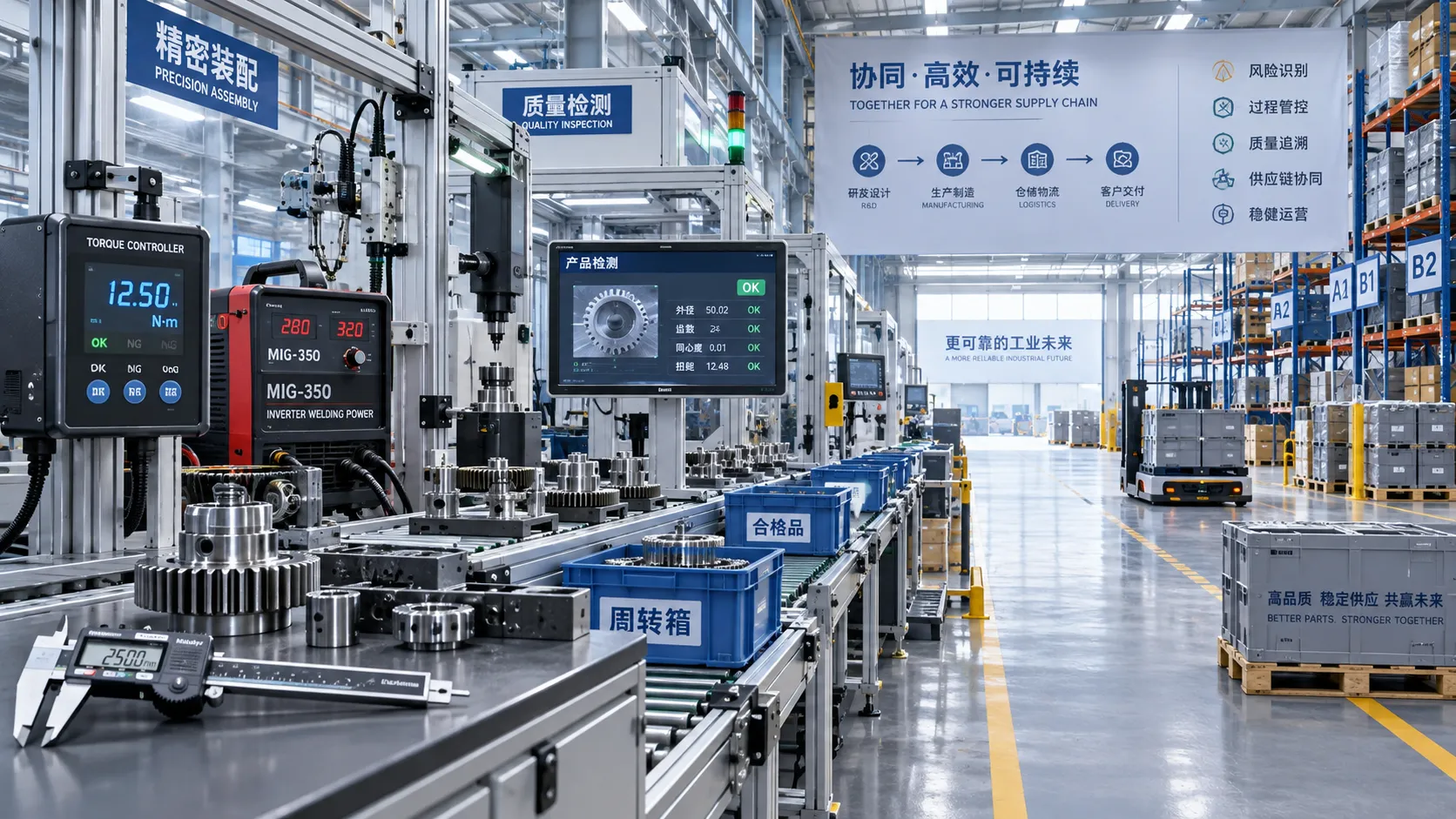
How Procurement Teams Can Map the Industrial Value Chain to Reduce Supply Risk
Industrial value chain procurement helps teams map hidden dependencies, qualify resilient sources, and reduce supply risk before disruptions stop production.
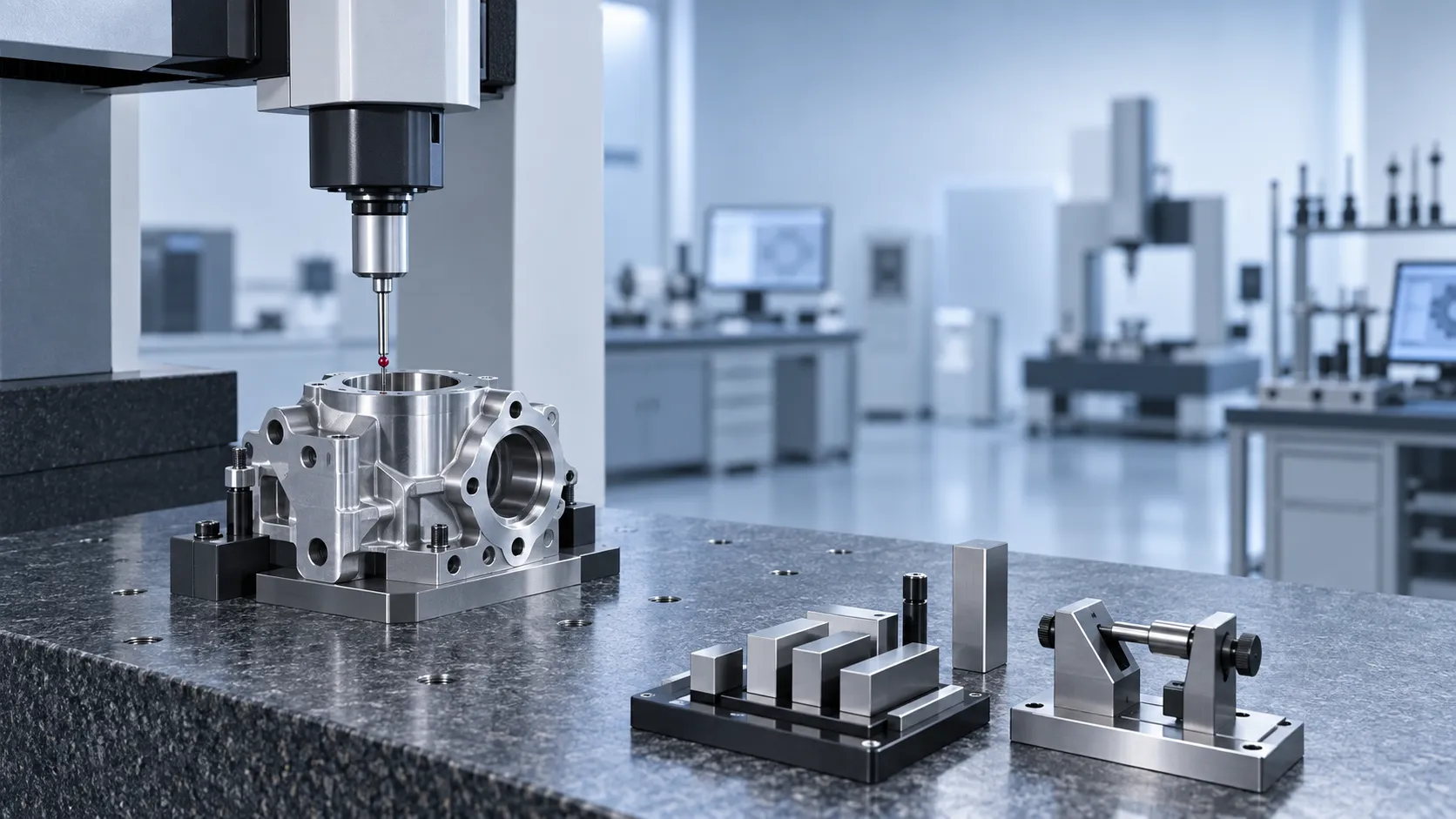
How Specification-Driven Articles Improve Precision Measurement System Selection
Specification-oriented articles precision measurement guidance helps teams compare accuracy, repeatability, environment, and data needs to select reliable systems with confidence.
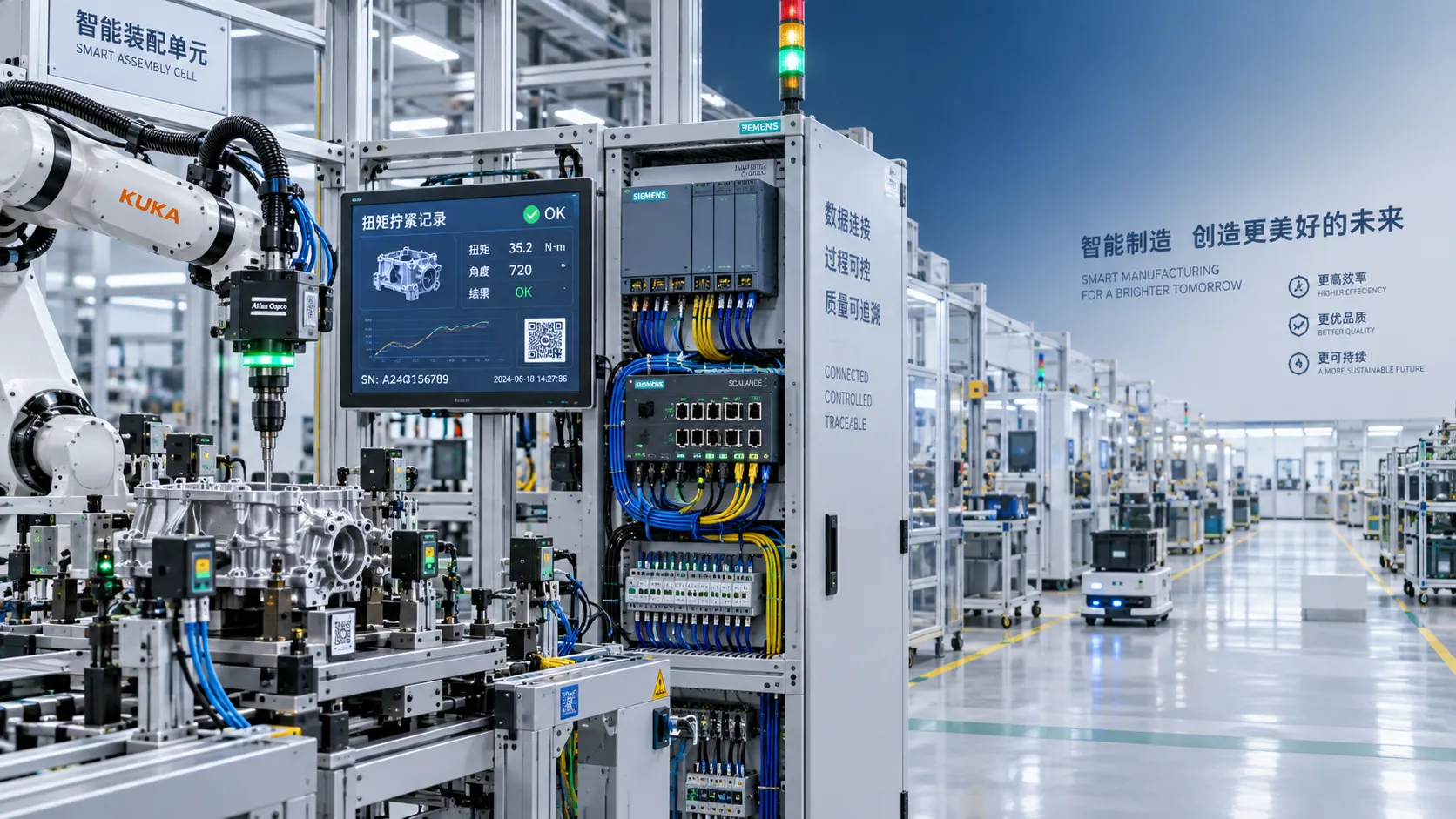
How to Evaluate a Technology Integration Service Provider for Complex Projects
Technology integration service provider selection guide: evaluate interface ownership, delivery discipline, scalable architecture, and risk control for complex projects.
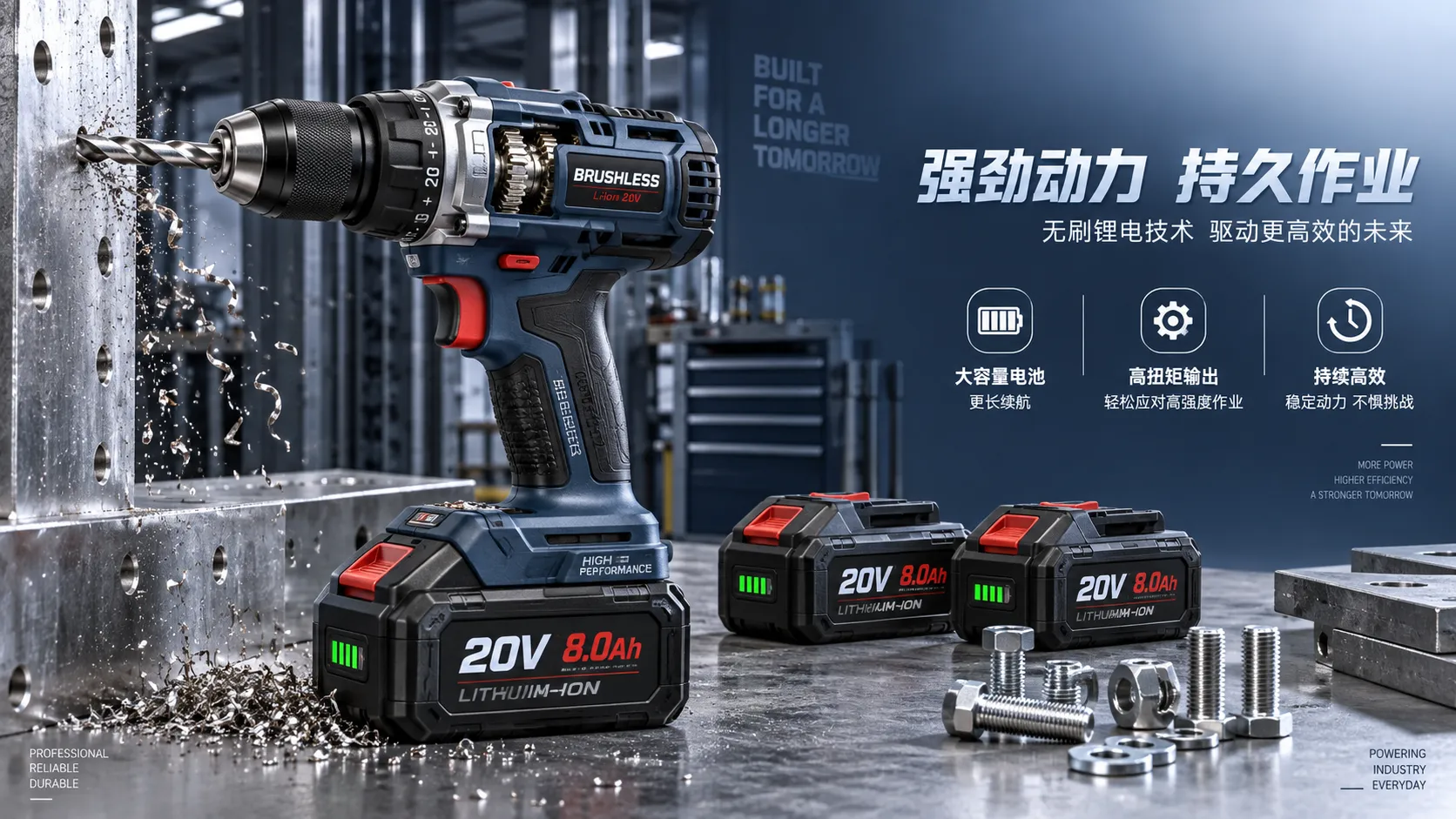
How Battery, Torque, and Duty Cycle Affect Cordless Power Tool Efficiency
Cordless power tool efficiency depends on battery output, torque, and duty cycle. Learn how to match tools to demanding jobs for stronger runtime and productivity.
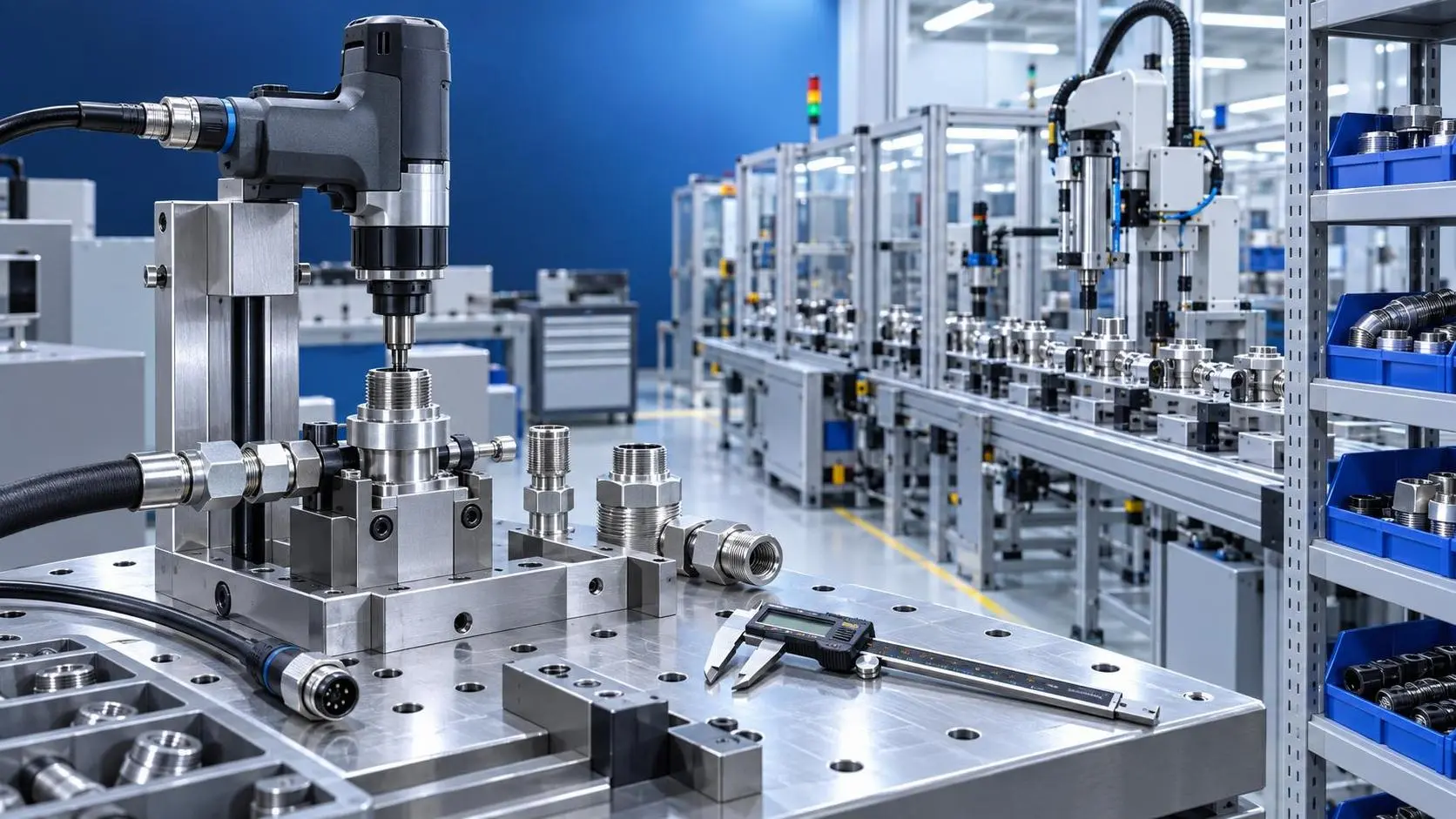
Product Comparison Resources for Component Compatibility and Lifecycle Risk
Product comparison resources for components: evaluate compatibility, interfaces, service support, and lifecycle risk to reduce downtime, avoid redesigns, and make confident sourcing decisions.
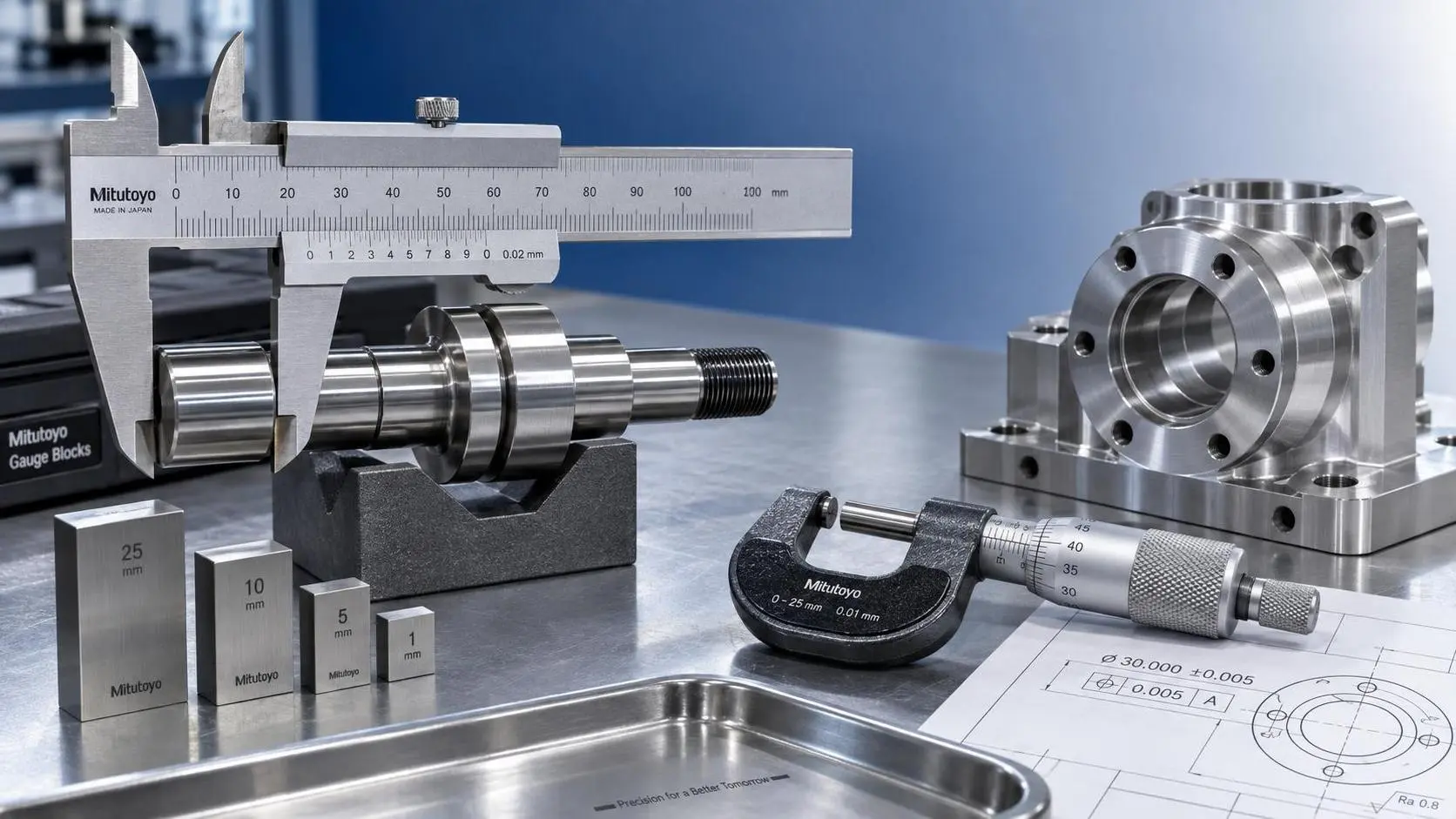
How to Select Vernier Precision Calipers for Tight-Tolerance Machining Inspection
Vernier precision calipers for tight-tolerance machining: learn how to select the right range, jaw design, accuracy, and verification process for reliable inspection.
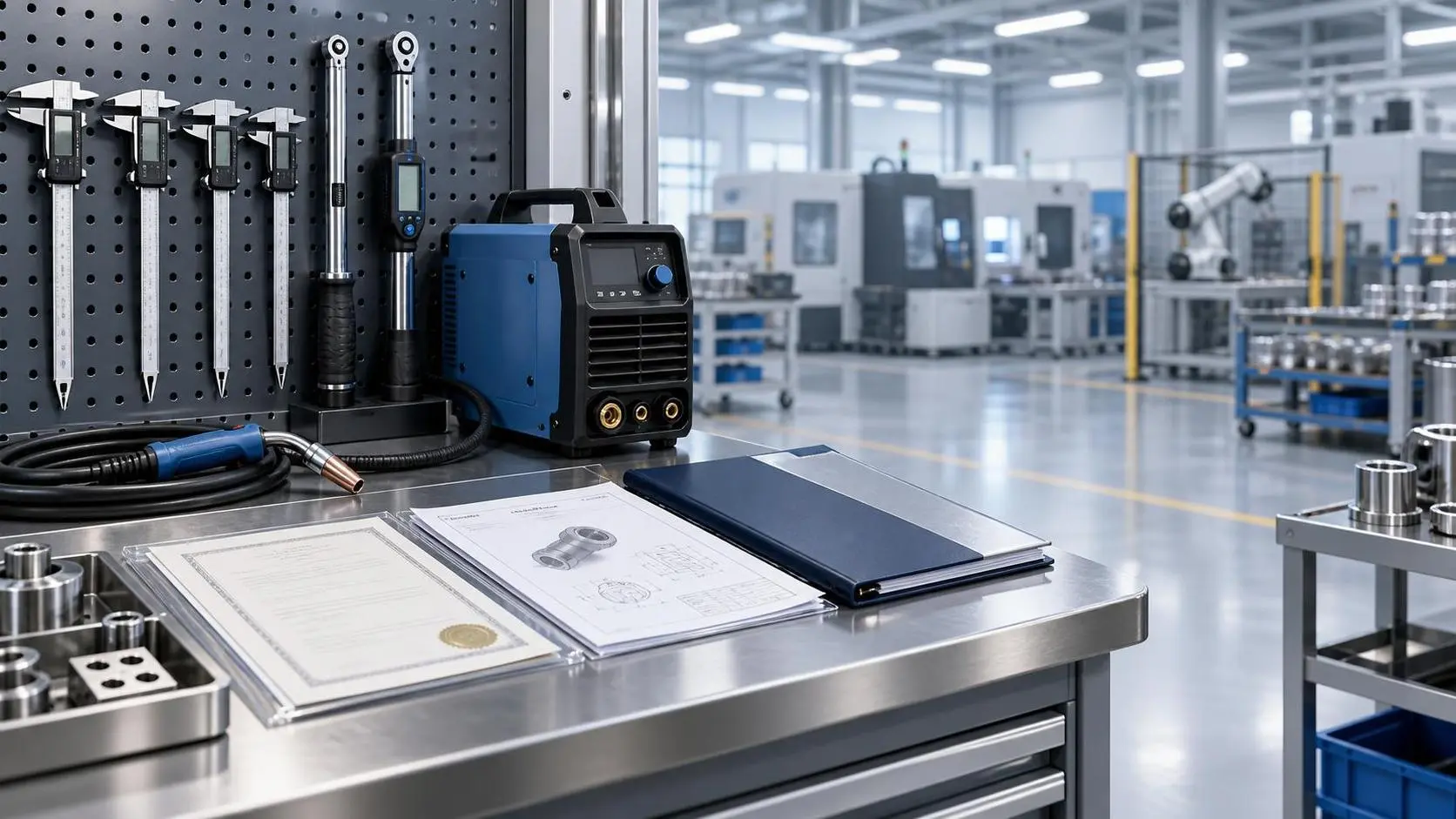
Product Comparison Resources in Europe: How Buyers Can Verify Specs and Suppliers
Product comparison resources Europe: learn how to verify industrial specs, compliance claims, supplier credibility, and delivery risk for smarter purchasing decisions.
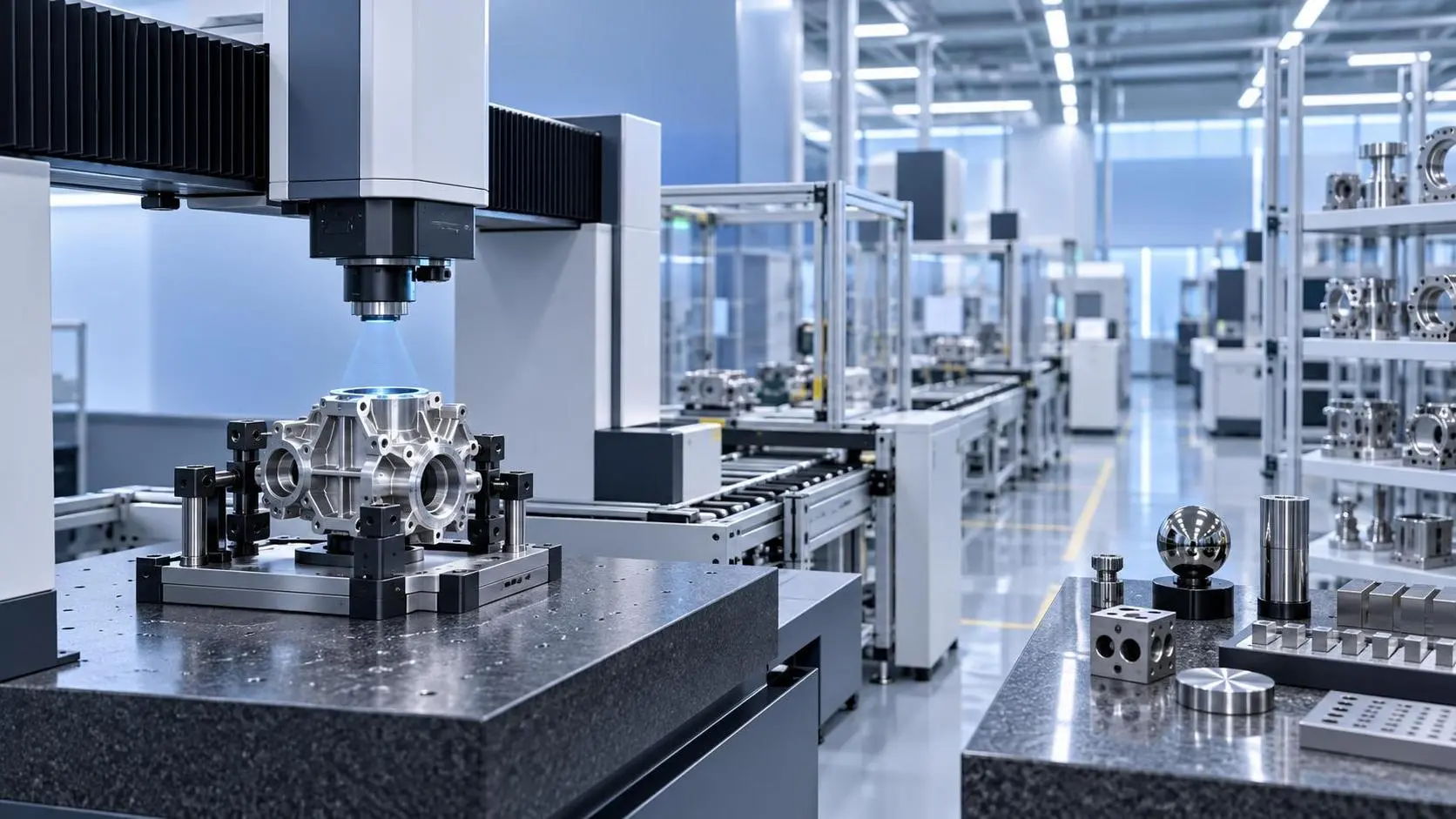
How to Evaluate an Industrial Metrology Solution Manufacturer for Production Use
Industrial metrology solution manufacturer evaluation guide for production: compare accuracy, traceability, automation, software, service, and acceptance testing to reduce risk.
Which ISO Standards Matter Most for Precision Engineering Quality Control?
Precision engineering ISO standards explained: discover how ISO 9001, ISO/IEC 17025, ISO 10012, GPS, and ISO 3834 strengthen quality control, traceability, and compliance.
Related News
- 00
0000-00
North American Welding Innovations Reshaping Automation, Quality, and Labor Productivity - 00
0000-00
How to Choose Handheld Laser Welding Equipment for Thin Metal Fabrication - 00
0000-00
Where Do Energy-Saving Welding Equipment Upgrades Deliver the Best ROI? - 00
0000-00
Low-Spatter Welding Equipment Applications: Best Uses by Material and Production Needs - 00
0000-00
How to Choose Auto Darkening Welding Helmets for Safety, Comfort, and Arc Performance
Welding Metallurgy Expert
Weekly Insights
Stay ahead with our curated technology reports delivered every Monday.