Welding Equipment Selection: Duty Cycle, Output Power, and Process Fit
Choosing the right welding equipment is no longer just a shop-floor decision—it directly affects purchasing cost, production uptime, operator efficiency, and long-term quality control.
For procurement teams, understanding duty cycle, output power, and process fit helps avoid underperforming machines, unnecessary capacity, and bottlenecks in industrial assembly.
This guide explains the selection factors that help buyers match welding systems to production demands, supplier claims, and lifecycle value.
Why Procurement Teams Need a Technical Selection Framework
Most purchasing mistakes occur when welding equipment is evaluated mainly by price, brand familiarity, or maximum amperage printed on the product sheet.
For buyers, the better question is whether the machine can sustain the real workload, with acceptable quality and manageable operating costs.
A low-cost welder may appear attractive until downtime, overheated components, rework, and operator complaints increase the total cost of ownership.
Conversely, overspecified equipment can lock capital into unused capacity, especially when production only requires moderate output or limited automation.
The strongest purchasing decision combines application requirements, process compatibility, duty cycle performance, power infrastructure, and after-sales support.
This framework gives procurement teams a practical way to compare supplier proposals beyond promotional specifications and headline pricing.
Start With the Real Welding Application, Not the Machine Catalog
Before comparing models, buyers should define what the welding equipment must accomplish in daily production, repair, or field service conditions.
Key details include base material, material thickness, joint design, weld position, production volume, required appearance, and inspection requirements.
A maintenance workshop repairing mixed components has very different needs from a fabrication line producing repetitive steel assemblies.
For example, stainless sheet welding may prioritize heat control and arc stability, while heavy structural work requires penetration and sustained output.
Procurement teams should request production data from engineering, quality, and operations before issuing a request for quotation.
This prevents suppliers from recommending machines based only on general categories such as “industrial grade” or “high power.”
Duty Cycle: The Specification That Directly Affects Uptime
Duty cycle describes how long welding equipment can operate within a ten-minute period before it must cool down.
A machine rated at 60% duty cycle at 300 amps can weld for six minutes, then cool for four minutes.
This number matters because production welding rarely follows the ideal conditions shown in simple sales demonstrations.
If operators frequently hit thermal limits, work slows, weld consistency drops, and supervisors may blame labor performance instead of equipment mismatch.
Procurement teams should always examine the amperage at which the duty cycle is rated, not only the percentage itself.
A 100% duty cycle at low amperage may be less useful than 60% duty cycle at the required production amperage.
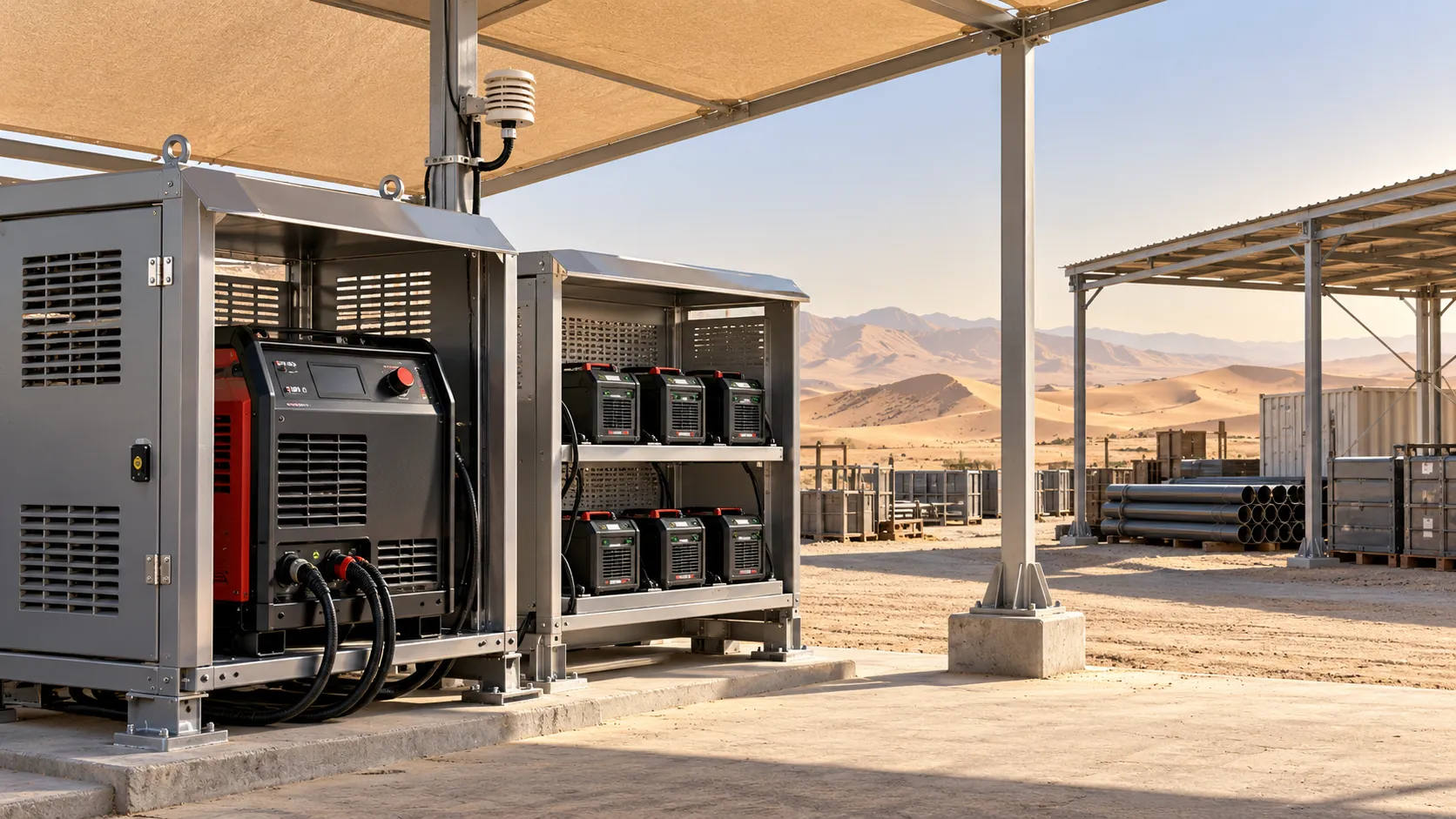
Environmental conditions also matter, because high ambient temperatures, dust, confined spaces, and poor ventilation can reduce effective machine performance.
For continuous production, buyers should favor machines with proven thermal management, oversized cooling systems, and conservative published ratings.
Output Power: Match Amperage, Voltage, and Control to the Job
Output power is often simplified into maximum amperage, but purchasing decisions require a more complete reading of machine capability.
Amperage influences heat input and penetration, while voltage affects arc length, bead profile, and process stability in many welding operations.
Thin materials need precise low-end control, because excessive heat creates distortion, burn-through, and unacceptable cosmetic results.
Thick sections require enough amperage and voltage to achieve fusion, especially when working with bevels, multi-pass welds, or structural joints.
Buyers should compare the full output range, not only the maximum value, because daily work may occur below peak capacity.
Advanced controls can also improve value when they reduce operator variation, stabilize arcs, or support repeatable parameter settings.
For procurement, the goal is not the highest power rating, but the most reliable usable output for the target work.
Process Fit: MIG, TIG, Stick, Flux-Cored, and Laser Options
The welding process determines productivity, skill requirements, consumable costs, surface quality, and suitability for indoor or outdoor conditions.
MIG welding is widely used for fabrication because it offers good productivity, easier learning, and strong compatibility with steel and aluminum.
TIG welding is preferred when precision, appearance, and heat control matter more than speed, especially for stainless steel and thin materials.
Stick welding remains valuable for field repair, outdoor work, dirty surfaces, and environments where shielding gas is impractical.
Flux-cored welding can deliver high deposition rates and better outdoor tolerance, making it useful for structural fabrication and heavy repair.
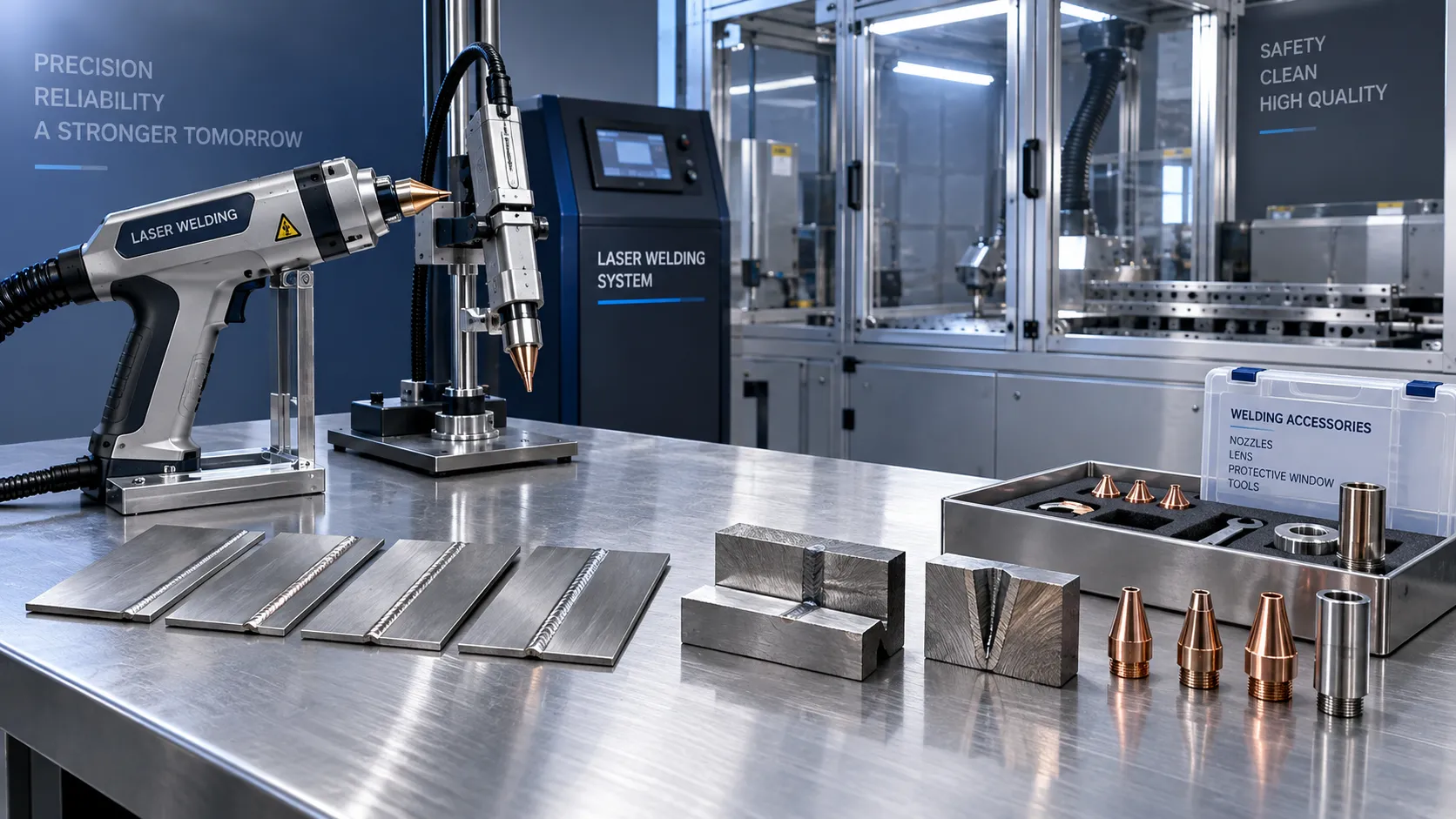
Handheld laser welding is gaining attention for speed and low distortion, but buyers must assess safety systems, training, and application suitability.
A multi-process machine can be attractive, but only if each process performs adequately under real production demands.
Power Supply and Facility Compatibility Should Be Checked Early
Even suitable welding equipment can become problematic if facility power cannot support its input requirements reliably.
Procurement teams should confirm input voltage, phase requirements, breaker size, plug configuration, and generator compatibility when applicable.
Three-phase equipment may deliver better industrial performance, but it may not fit smaller workshops or mobile service environments.
Voltage fluctuation can affect arc quality, electronics reliability, and machine lifespan, especially in facilities with unstable electrical infrastructure.
Buyers should involve maintenance or electrical teams before purchase, not after equipment arrives and installation problems appear.
For international sourcing, confirm local certifications, frequency compatibility, documentation language, and compliance with workplace safety standards.
Productivity Depends on More Than Welding Speed
Procurement decisions should consider the entire work cycle, including setup time, parameter adjustment, cleaning, rework, and consumable changes.
A machine that welds faster but requires frequent tuning may not improve throughput on a mixed-product production floor.
Digital presets, memory channels, synergic controls, and stable wire feeding can reduce setup variation between shifts and operators.
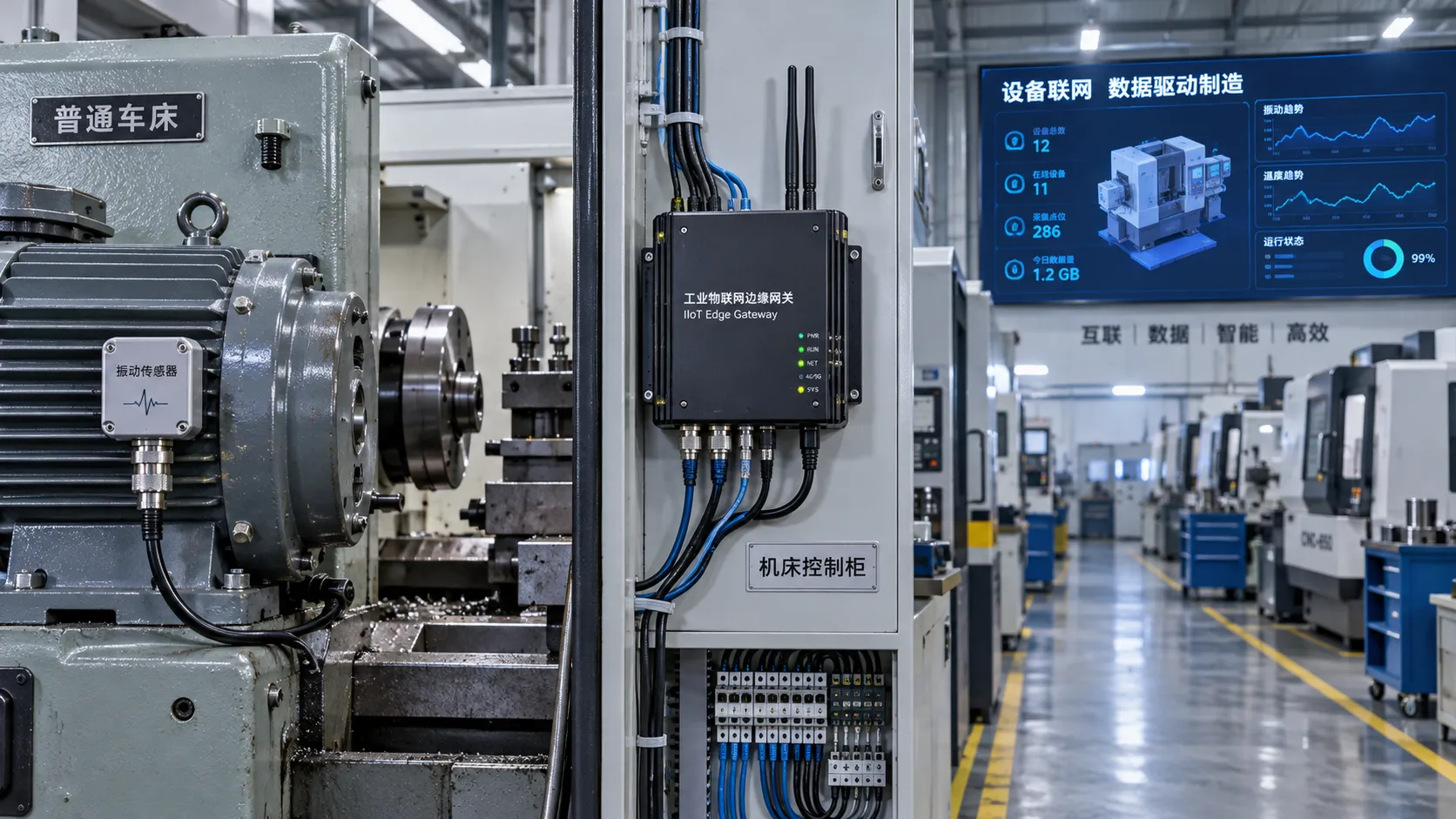
For repetitive production, compatibility with fixtures, automation interfaces, robotics, or data collection systems can create long-term productivity gains.
For maintenance teams, portability, rugged housing, cable management, and quick process switching may produce more value than automation features.
Buyers should calculate productivity based on finished acceptable welds, not only deposition rate or travel speed claims.
Quality Control and Repeatability Are Purchasing Issues
Welding defects create direct costs through rework, scrap, inspection delays, warranty exposure, and customer dissatisfaction.
Equipment quality influences arc stability, heat consistency, parameter repeatability, and operator confidence during long production runs.
In regulated sectors, buyers may need welding equipment that supports procedure qualification, parameter locking, traceability, or calibration documentation.
Industrial purchasers should ask suppliers how machines maintain consistent output under changing load, temperature, and input power conditions.
Low-cost machines sometimes use optimistic ratings, weaker components, or limited quality control, making repeatability harder to maintain.
When quality risk is high, procurement should prioritize proven performance, documented testing, and reliable support over the lowest acquisition price.
Total Cost of Ownership: Look Beyond the Purchase Price
The initial price of welding equipment is only one part of the real procurement cost.
Total cost includes consumables, spare parts, energy consumption, maintenance labor, downtime, training, warranty service, and expected service life.
A higher-quality machine can be less expensive over time if it reduces repair frequency and supports stable production output.
Energy efficiency matters in high-use environments, especially when inverter technology reduces power consumption compared with older transformer-based systems.
Consumable compatibility should also be reviewed, because proprietary components may raise long-term costs or create supply chain dependence.
Procurement teams should request lifecycle cost estimates from suppliers and compare them against internal downtime and maintenance records.
Supplier Evaluation: Claims Must Be Verified
Strong supplier evaluation is essential because welding equipment specifications are not always presented in equally transparent ways.
Buyers should request duty cycle data, testing standards, warranty terms, service response times, spare part availability, and reference applications.
A credible supplier can explain why a particular machine fits the application, instead of simply promoting the most expensive model.
Demo testing should use the buyer’s real materials, joint designs, welding positions, and target production rhythm whenever possible.
Procurement teams should involve operators and welding engineers during trials, because they can identify issues hidden from a specification sheet.
Supplier location, distributor strength, technical training, and documentation quality are especially important for multi-site or international operations.
Common Purchasing Mistakes to Avoid
One common mistake is buying based on maximum amperage without checking duty cycle at the required working range.
Another mistake is choosing a process before confirming material thickness, weld quality requirements, and operator skill availability.
Some buyers overvalue multi-process flexibility, even when production mainly needs one highly reliable process every day.
Others underestimate accessories, including torches, guns, regulators, feeders, cooling units, cables, helmets, and fume extraction systems.
Ignoring service support can also be costly, because downtime during a critical production period may exceed any purchase savings.
The best procurement decisions balance technical fit, operator usability, supplier reliability, and financial return across the equipment lifecycle.
A Practical Checklist for Welding Equipment Selection
Start by documenting materials, thickness ranges, joint types, welding positions, expected daily arc time, and target production volume.
Next, define the preferred welding process and confirm whether the equipment supports required quality standards and inspection expectations.
Check duty cycle at the actual working amperage, not only at the most favorable rating shown in marketing materials.
Verify output range, arc stability, low-end control, power input compatibility, cooling design, and environmental tolerance.
Evaluate total cost of ownership, including consumables, maintenance, spare parts, energy use, training, and downtime risk.
Finally, require application testing, supplier references, clear warranty coverage, and after-sales support commitments before placing the order.
Conclusion: The Right Welding Equipment Protects Both Quality and Capital
For procurement teams, welding equipment selection should be treated as a production performance decision, not a simple equipment purchase.
Duty cycle protects uptime, output power ensures usable capability, and process fit determines whether the machine supports real work conditions.
The best choice is rarely the cheapest model or the unit with the largest headline specification.
It is the machine that delivers stable weld quality, practical productivity, operator acceptance, and lifecycle value for the intended application.
By combining technical verification with supplier assessment, buyers can reduce risk and support stronger manufacturing efficiency.