
IoT Torque Control Cost Breakdown: What Drives ROI in Smart Assembly Lines?





IoT Torque Control Cost Breakdown: What Drives ROI in Smart Assembly Lines?
For finance teams reviewing smart factory proposals, IoT torque control cost is rarely just a tool price.
The real question is how each cost element changes output, quality, traceability, and long-term operating risk.
That is where return on investment becomes clear.
In practice, smart fastening projects succeed when buyers separate visible capital expense from hidden process value.
A low entry price can still produce weak payback.
A higher initial IoT torque control cost can deliver stronger margins if it cuts defects, downtime, and compliance exposure.
Why IoT Torque Control Cost Needs a Full Business View
Many purchase reviews begin with unit pricing.
That is understandable, but incomplete.
IoT torque control cost includes hardware, software, installation, training, integration, maintenance, and data management.
More importantly, it affects scrap, rework, warranty claims, and line stoppage.
From a capital approval perspective, this moves the decision from equipment buying to process economics.
That shift matters because smart torque systems influence both direct labor efficiency and quality-related cost leakage.
The baseline comparison most buyers miss
A manual or basic electric fastening setup often looks cheaper on paper.
But that comparison usually excludes the cost of inconsistent torque results.
It also ignores traceability gaps during audits, recalls, or customer complaints.
When those risks are priced in, IoT torque control cost often becomes easier to justify.
Core Cost Drivers in an IoT Torque Control Project
A reliable cost breakdown starts with understanding what actually drives spend.
The list below captures the main components behind IoT torque control cost.
- Smart torque tools, controllers, sockets, cables, and accessories.
- Industrial network hardware and edge connectivity.
- Software licenses for monitoring, analytics, and torque traceability.
- MES, ERP, PLC, or quality system integration.
- Calibration, validation, and process qualification.
- Operator training and supervisor onboarding.
- Support contracts, updates, and spare parts.
- Cybersecurity controls and user access management.
Recent market shifts make software and integration a larger share than many legacy buyers expect.
That also means the cheapest hardware package may create the highest lifetime IoT torque control cost.
Hardware cost is only the first layer
Smart nutrunners and torque wrenches vary by torque range, accuracy, duty cycle, and feedback features.
Applications in automotive, aerospace, electronics, and heavy equipment do not carry the same requirements.
Higher-spec tools usually raise the upfront IoT torque control cost.
Still, they may reduce mis-tightening events enough to shorten payback.
Integration is where budgets often move
Connecting torque data to serial numbers, build records, and operator IDs creates the real business value.
It also increases complexity.
Older production lines may require middleware, custom interfaces, or network upgrades.
For that reason, integration effort is one of the biggest variables in IoT torque control cost.
What Actually Drives ROI
ROI comes from measurable operational improvements, not from connectivity alone.
The strongest business cases usually combine quality gains with throughput protection.
1. Fewer defects and less rework
This is often the fastest source of return.
Smart systems confirm torque, angle, sequence, and pass-fail status in real time.
That reduces under-tightening, cross-threading, skipped fasteners, and undocumented corrections.
When rework rates are already visible, linking them to IoT torque control cost makes payback easier to model.
2. Reduced downtime and faster troubleshooting
Connected systems generate a live view of tool health and process deviations.
That allows maintenance teams to intervene before a failure stops production.
Even short interruptions carry a high labor and output penalty on balanced lines.
This is why downtime reduction can outweigh a higher initial IoT torque control cost.
3. Better compliance and audit readiness
In regulated or safety-critical production, traceability is not optional.
Digital fastening records support internal audits, customer inspections, and root-cause reviews.
The savings here may appear indirect.
Still, avoided claims and faster investigations add real value against total IoT torque control cost.
4. Labor consistency across shifts and sites
Standardized tightening programs reduce reliance on individual operator judgment.
That supports faster onboarding and more stable output quality.
For multi-site manufacturers, this often becomes a major hidden return on IoT torque control cost.
A Practical Cost-to-Value Framework
A strong approval model should compare cost categories against specific value levers.
This keeps the conversation tied to outcomes, not just supplier quotes.
This framework also helps compare vendors whose listed IoT torque control cost looks similar at first glance.
Common Budget Risks That Distort the Business Case
Several recurring mistakes can weaken ROI forecasts.
These usually come from treating connected torque tools as stand-alone hardware.
- Underestimating integration time with MES, ERP, or serial tracking systems.
- Ignoring calibration intervals and support coverage.
- Buying more software functions than the site can actually use.
- Failing to quantify the cost of defects already absorbed by operations.
- Leaving cybersecurity and user governance outside the project budget.
A clearer signal is this: hidden process losses are often larger than hidden project costs.
That is why a narrow view of IoT torque control cost can delay the right investment decision.
How to Evaluate IoT Torque Control Cost Before Approval
A disciplined review process improves both negotiation and deployment success.
In actual operations, the best approvals follow a short sequence.
- Map critical fastening stations by defect risk, throughput impact, and compliance exposure.
- Request a line-item quotation that separates tools, software, integration, and service.
- Model current costs for rework, downtime, scrap, and claims using site data.
- Run a pilot on a high-impact station before scaling plant-wide.
- Tie payment milestones to integration, validation, and performance targets.
This approach turns IoT torque control cost into a controllable investment rather than an abstract technology premium.
It also gives management a clearer path from pilot evidence to enterprise rollout.
Final Takeaway
IoT torque control cost should be judged as a production performance investment, not just an equipment purchase.
The strongest ROI usually comes from fewer defects, better traceability, less downtime, and more stable labor execution.
When the costing model includes those factors, the financial picture becomes much more realistic.
For procurement planning, the practical move is simple.
Break IoT torque control cost into visible and hidden components.
Then validate ROI at the station level, where smart assembly value is easiest to prove and hardest to ignore.
Related News
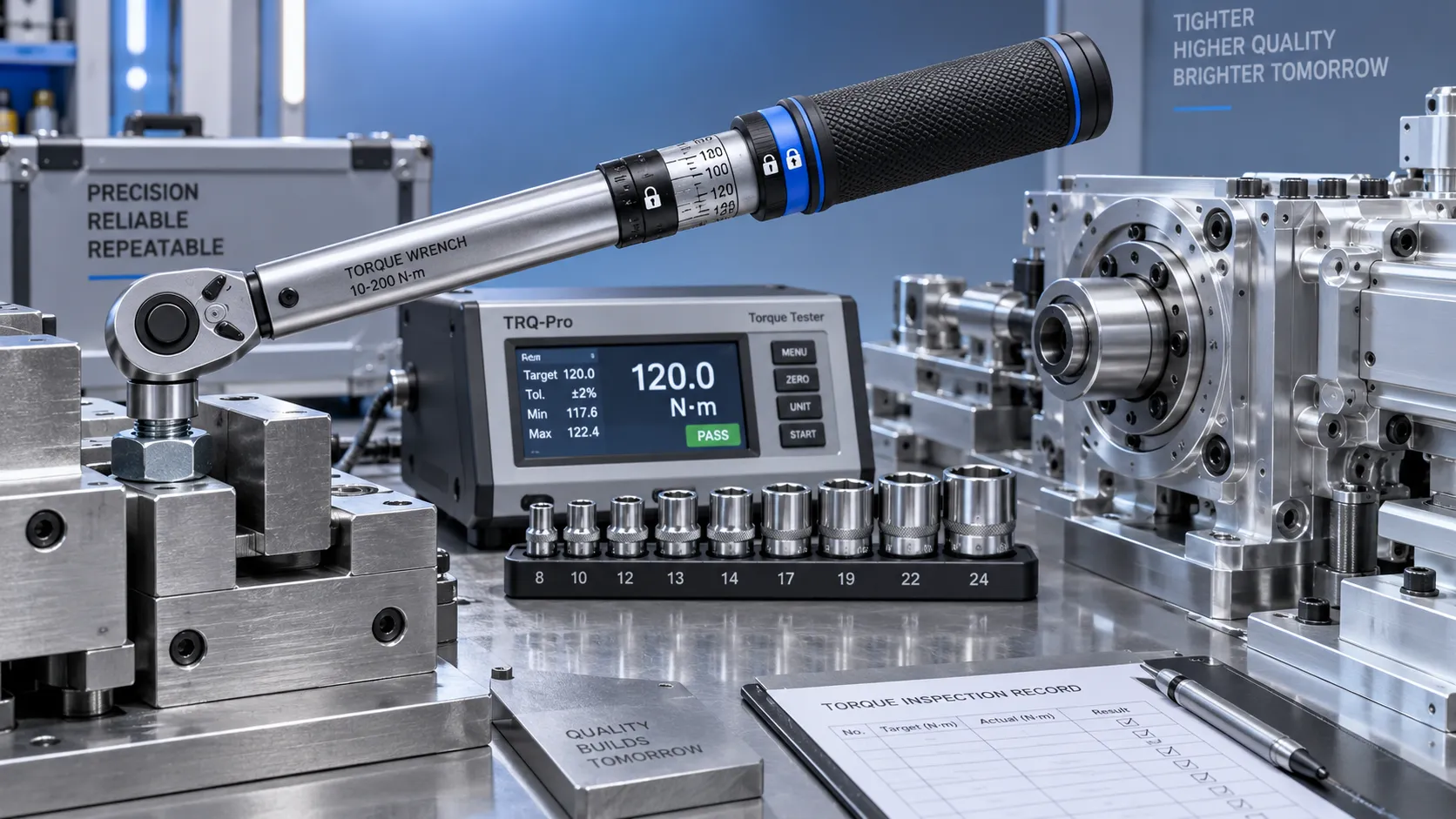
Selecting Adjustable Torque Tools for Repeatable Fastener Assembly
Adjustable torque tools: learn how to match range, accuracy, control methods, calibration, and ergonomics for repeatable, reliable fastener assembly.

How to Select Aerospace Inspection Tools for Aircraft Maintenance Tasks
Aerospace maintenance inspection tools: learn how to select reliable, traceable equipment for aircraft access, accuracy, calibration, and compliant maintenance decisions.
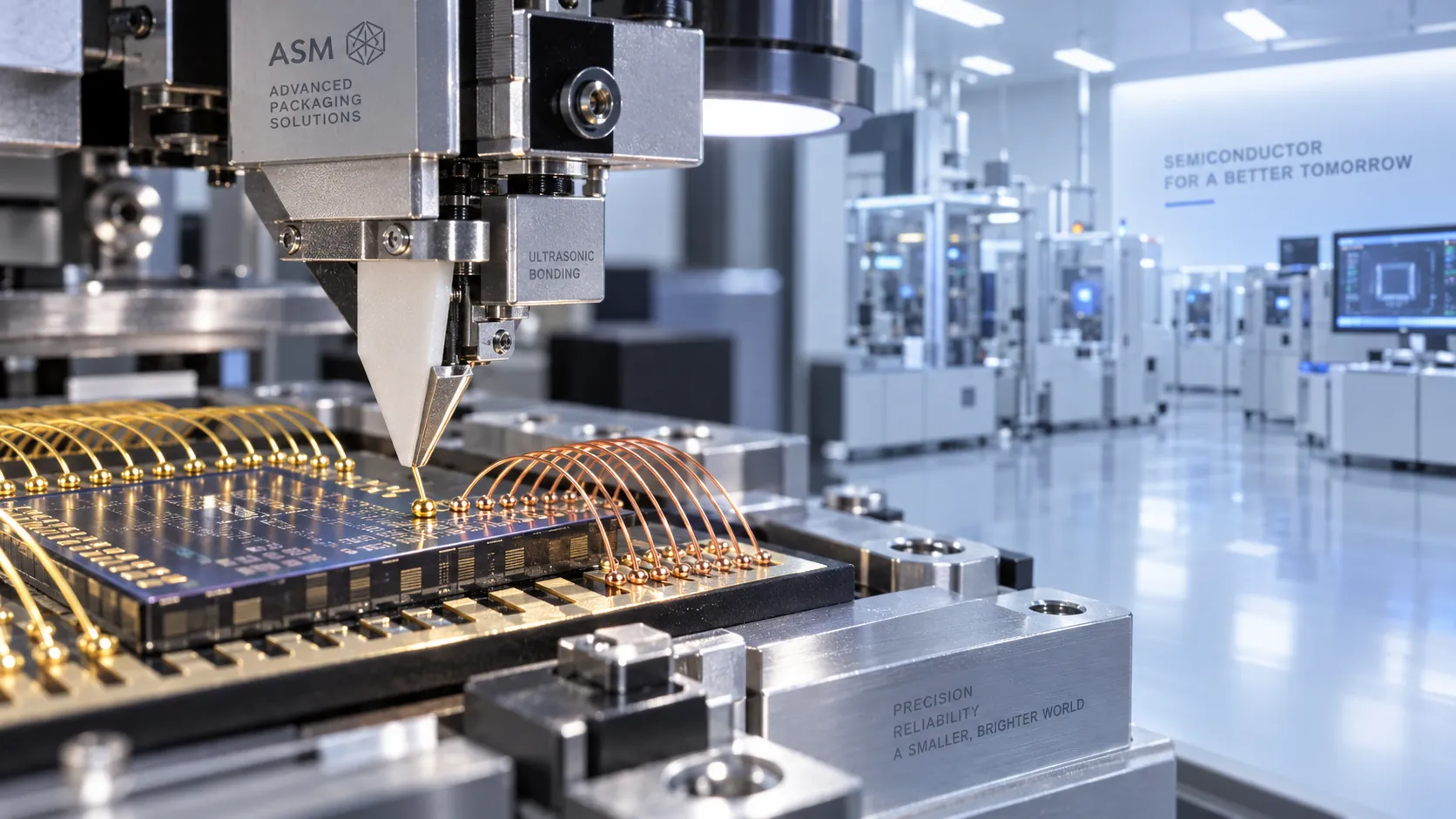
How to Select Wire Bonding Tools for Fine-Pitch Semiconductor Packaging
Explore semiconductor manufacturing tools for wire bonding and learn how to select precision solutions for fine-pitch packaging, reliable loops, accuracy, and yield.
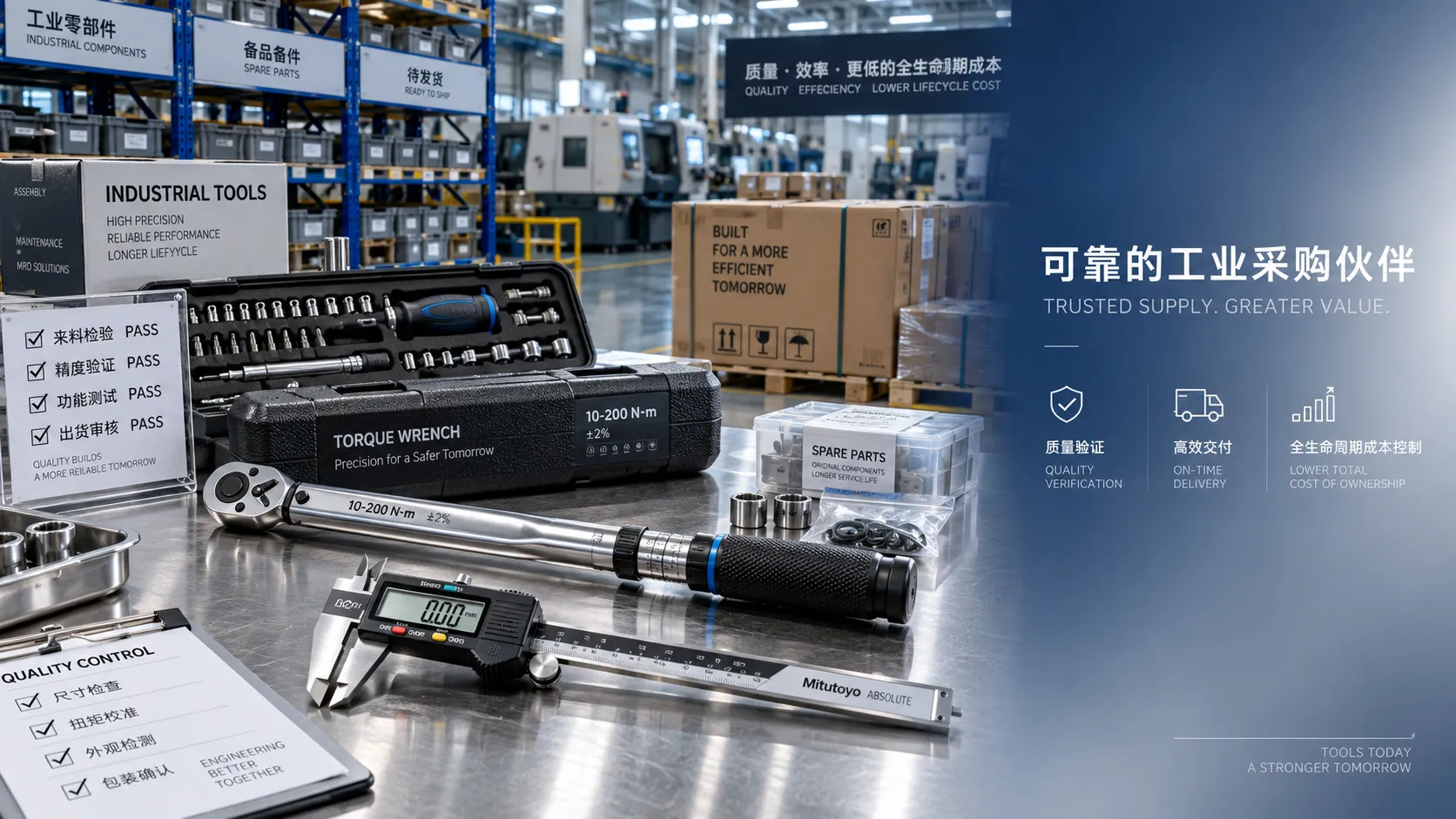
How to Compare Industrial Tool Suppliers for Quality, Lead Time, and Total Cost
Industrial tool selection supplier comparison made simple: evaluate quality, lead times, total cost, service, and supply resilience for confident sourcing decisions.
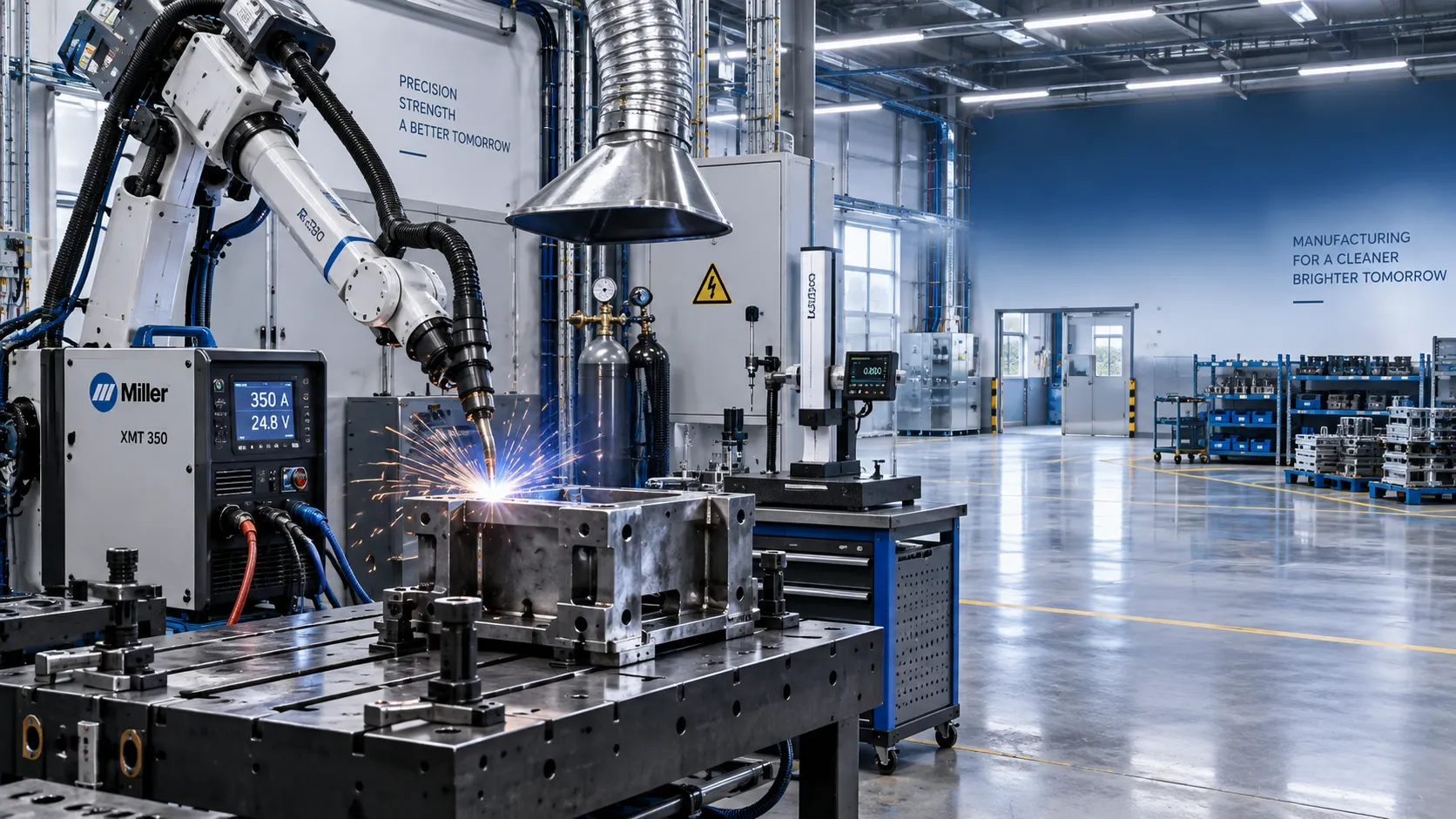
Industrial Equipment Application Guidance: Match Machines to Operating Conditions
Application guidance industrial equipment: match capacity, duty cycle, materials, site conditions, safety, and lifecycle cost to improve reliable output. Read the guide.
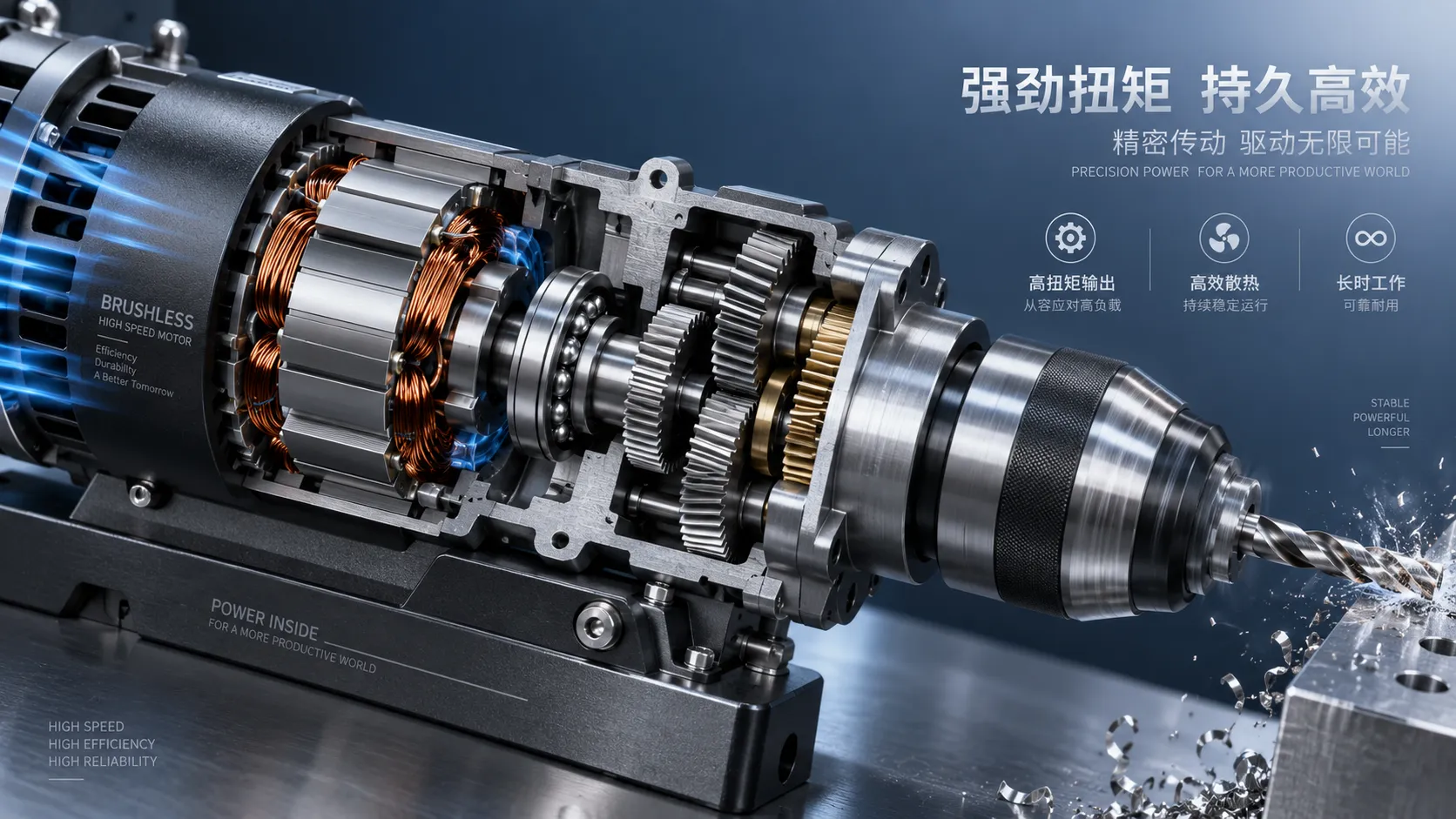
Selecting High-Speed Brushless Tool Motors for Torque, Heat, and Duty Cycle
High speed brushless tool motors: learn how to balance torque, heat, gearing, and duty cycle for reliable industrial tool performance and longer service life.
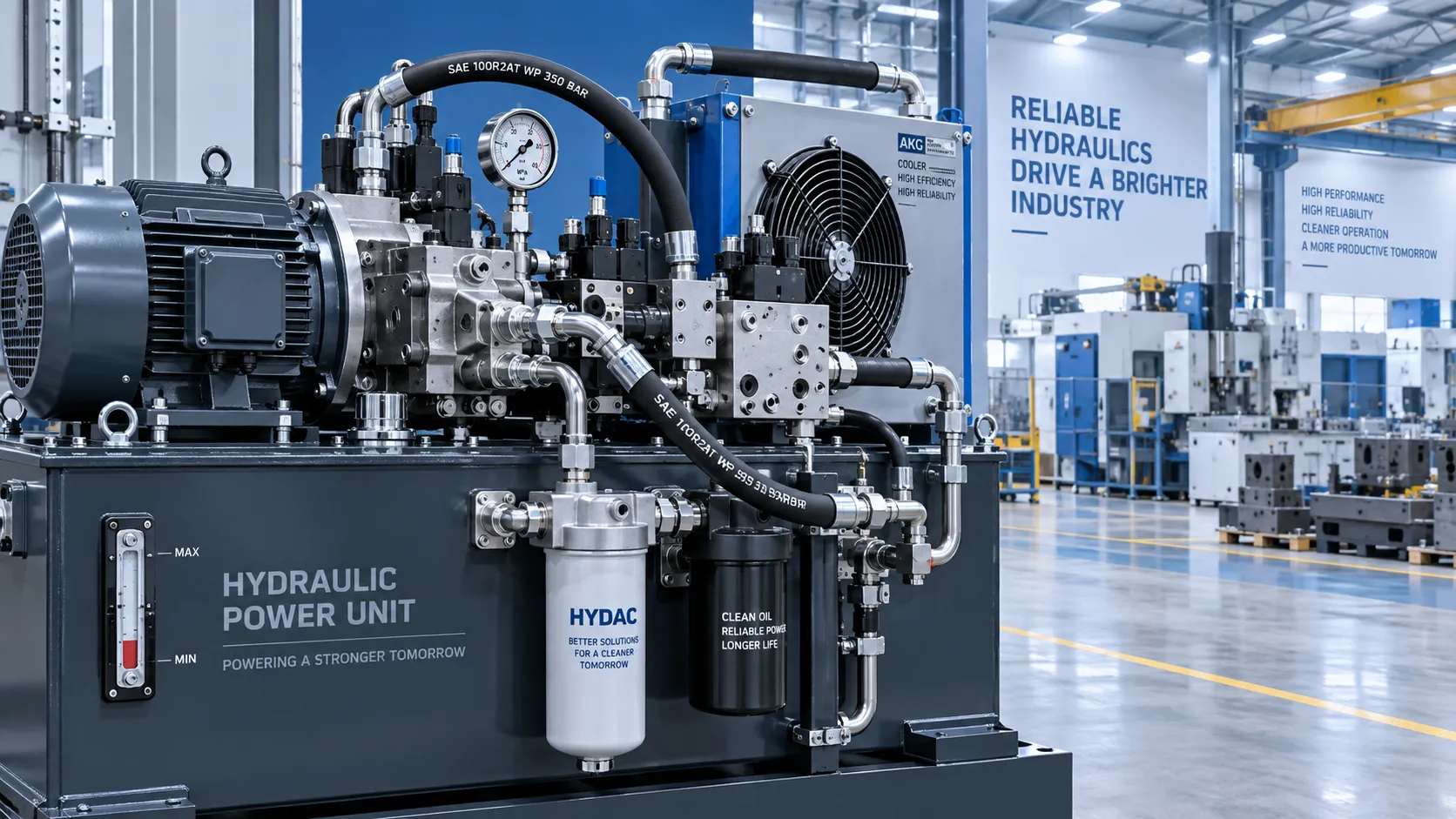
What Determines Industrial Hydraulic System Price for Heavy-Duty Equipment?
Industrial hydraulic system price depends on duty cycle, pressure, components, cooling, and integration. Compare quotes intelligently to secure reliable heavy-duty performance.
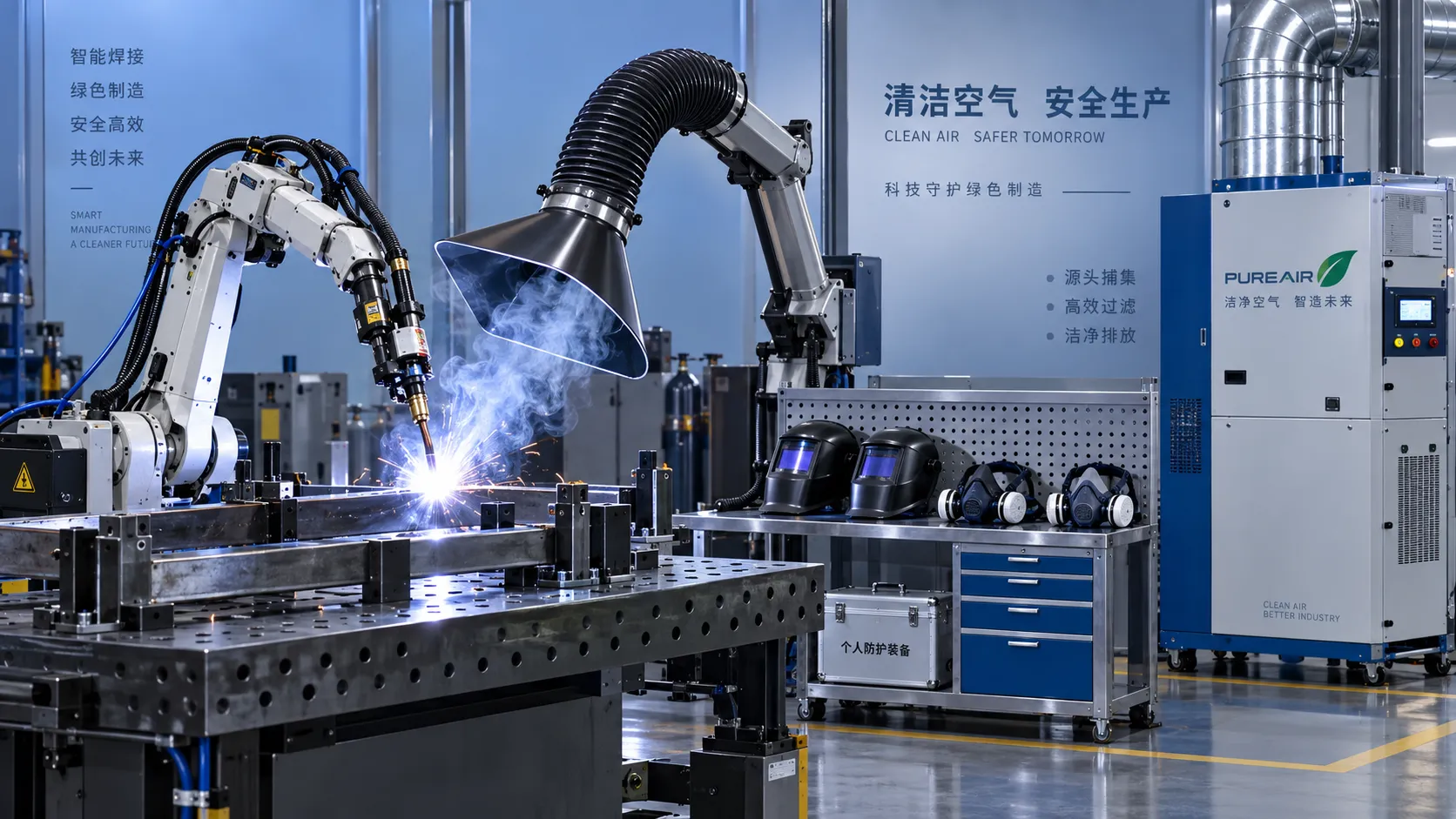
Welding Fume Extraction PPE: When Respirators Are Not Enough for Shop Safety
Welding fume extraction PPE: learn why respirators alone fall short and how source capture, ventilation, and layered controls improve shop safety.

How to Select Optical Metrology Solutions for Tight-Tolerance Manufacturing
Optical industrial metrology solutions for tight-tolerance manufacturing: evaluate accuracy, surface compatibility, workflow, and traceability to select with confidence.
Related News
- 00
0000-00
Why Data-Driven Intelligence Costs Are Reshaping Enterprise Automation Budgets - 00
0000-00
What Does Data-Driven Intelligence Cost? Budgeting for Data, Tools, and Talent - 00
0000-00
What Determines Metrology Technology Prices for Factory Inspection Systems? - 00
0000-00
Welding Tools Price Guide: What Affects Cost and How Buyers Can Compare Options - 00
0000-00
What Drives Industrial Tools Cost? A Buyer’s Guide to Materials, Volume, and Lifecycle Expenses
Ms. Elena Rodriguez
Weekly Insights
Stay ahead with our curated technology reports delivered every Monday.