
Construction Maintenance Tools Pricing Explained: Cost Drivers, Brand Gaps, and Budget Benchmarks





Construction Maintenance Tools Pricing Explained: Cost Drivers, Brand Gaps, and Budget Benchmarks
Understanding construction maintenance tools pricing is no longer a routine purchasing task. It now sits at the center of budget control, uptime planning, and supplier risk management.
Material swings, freight volatility, and uneven brand premiums have changed how buyers compare value. A lower quote may save cash today, yet raise repair and replacement costs later.
That is why construction maintenance tools pricing should be assessed beyond unit price. The better view includes lifespan, serviceability, safety compliance, and productivity under real jobsite conditions.
From recent market shifts, the clearer signal is simple. Buyers that build cost models around total operating value usually negotiate better and standardize faster across projects.
What Shapes Construction Maintenance Tools Pricing
Several factors drive construction maintenance tools pricing, and they rarely move alone. In practice, the final quote reflects a layered mix of product design, market conditions, and channel strategy.
1. Raw materials and component inputs
Steel, aluminum, copper, engineered plastics, and lithium cells heavily influence construction maintenance tools pricing. When metal costs rise, hand tools and powered equipment usually move up together.
Brushless motors, control boards, bearings, and battery management systems also matter. For cordless maintenance tools, electronics quality often creates bigger price gaps than the outer housing suggests.
2. Durability and engineering standards
Heat treatment, torque stability, sealing performance, and drop resistance all push construction maintenance tools pricing upward. Still, these upgrades usually reduce downtime and replacement frequency.
This matters most for tools used in wet, dusty, or high-vibration environments. Cheap tools often fail earlier in those settings, even when they look similar in catalogs.
3. Certification, testing, and compliance
Safety marks, insulation ratings, and export compliance add cost. They also reduce legal exposure and simplify acceptance across multinational job sites.
For procurement teams, this means construction maintenance tools pricing should always be checked against required standards, not just functional descriptions on a quote sheet.
Why Brand Gaps Can Be So Wide
Brand differences in construction maintenance tools pricing are often larger than technical differences. That does not always mean the premium is unjustified, but it should be unpacked carefully.
Premium brands
Top-tier brands usually price higher because they carry stronger warranty systems, broader spare parts availability, and more consistent batch quality. Their dealer networks also support faster replacement.
In time-sensitive maintenance work, those advantages have real value. A failed angle grinder or torque wrench can delay inspection, repair, and equipment restart.
Mid-market brands
Mid-range suppliers often offer the best balance in construction maintenance tools pricing. Many source from mature factories, control basic quality well, and keep pricing below global premium labels.
The key question is consistency. One strong sample means little if future lots vary in hardness, battery life, or calibration accuracy.
Low-cost brands
Entry-level brands compete mainly on price. They can fit short projects, backup inventories, or low-frequency usage, but cost advantages shrink when failure rates climb.
So, when reviewing construction maintenance tools pricing, the real comparison is not premium versus cheap. It is stable field performance versus hidden operating cost.
Budget Benchmarks by Tool Category
Budget benchmarks help make construction maintenance tools pricing more concrete. The ranges below reflect typical international sourcing patterns, not fixed market rules.
For most portfolios, cordless systems consume the biggest share of construction maintenance tools pricing. Battery ecosystems lock in future spend, so first purchase decisions carry long-term impact.
Measuring tools deserve closer attention too. Small price differences can hide large accuracy risks, especially in regulated maintenance, alignment, and inspection workflows.
How to Evaluate Supplier Quotes More Accurately
A useful quote review process turns construction maintenance tools pricing into a comparable business case. Without structure, low numbers can hide weak support or short service life.
- Separate purchase cost from lifecycle cost.
- Check consumables, batteries, chargers, and spare parts pricing.
- Verify warranty response time and local repair capability.
- Ask for test records, certifications, and sample validation.
- Measure lead time stability across repeat orders.
This is where many sourcing mistakes appear. Buyers compare headline construction maintenance tools pricing, but skip the ongoing costs tied to accessories, repairs, and technical support.
In real projects, service reliability often matters as much as the tool itself. Delays in spare parts can cost more than the original purchase difference.
Common Risks Behind Low Pricing
Low construction maintenance tools pricing is not always a problem. It becomes a problem when the reason for the discount is unclear or operationally dangerous.
- Unstable steel hardness in sockets, pliers, or cutting tools.
- Battery cells with poor cycle life or weak thermal control.
- Missing calibration traceability for measuring devices.
- Short warranty terms with unclear claim procedures.
- Freight savings that increase delivery risk or damage exposure.
A useful rule is to question every major gap in construction maintenance tools pricing. If one supplier is far below the market, the missing value usually appears somewhere else.
That could mean lower-grade materials, thinner documentation, weaker after-sales support, or a shorter product roadmap for replacement parts.
A Practical Budgeting Approach for Better Procurement Decisions
The strongest approach to construction maintenance tools pricing is category-based budgeting. Group tools by criticality, usage frequency, and failure impact before finalizing annual spend plans.
For high-risk tasks, pay more for durability, compliance, and support. For low-frequency or non-critical use, controlled mid-range sourcing may deliver better return.
This also means standardizing where possible. Fewer battery platforms, fewer calibration vendors, and fewer spare parts streams can lower total ownership cost materially.
For organizations tracking industrial intelligence, GPTWM highlights a consistent trend. Procurement performance improves when pricing analysis is connected to application risk, maintenance efficiency, and supplier maturity.
In the end, construction maintenance tools pricing should support uptime, worker safety, and budget discipline together. That balance is where stronger sourcing decisions usually come from.
Start with a clean benchmark, test supplier claims carefully, and negotiate around lifecycle value. That is the most reliable path to smarter purchasing in a volatile tools market.
Related News
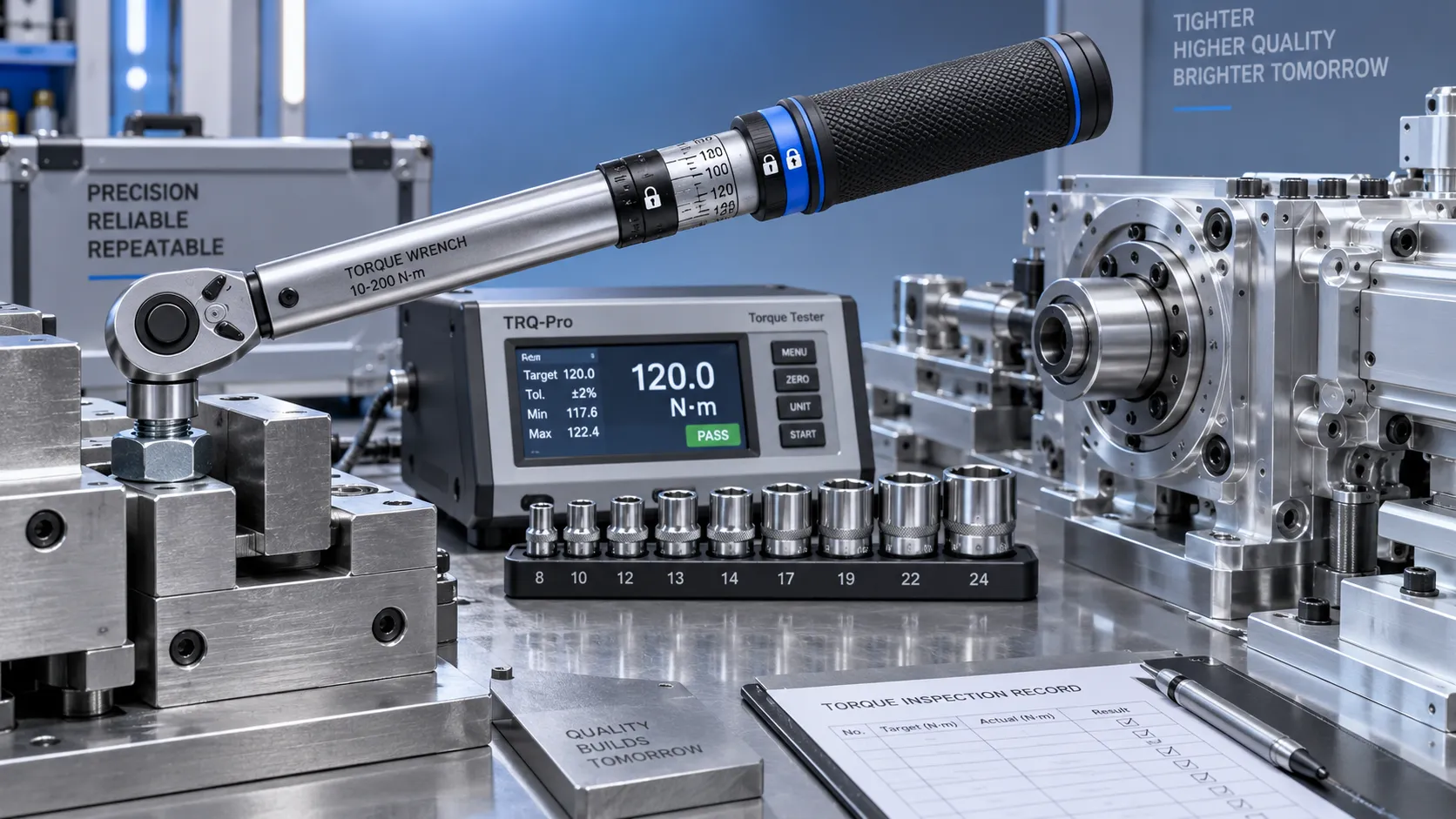
Selecting Adjustable Torque Tools for Repeatable Fastener Assembly
Adjustable torque tools: learn how to match range, accuracy, control methods, calibration, and ergonomics for repeatable, reliable fastener assembly.

How to Select Aerospace Inspection Tools for Aircraft Maintenance Tasks
Aerospace maintenance inspection tools: learn how to select reliable, traceable equipment for aircraft access, accuracy, calibration, and compliant maintenance decisions.

How to Select Wire Bonding Tools for Fine-Pitch Semiconductor Packaging
Explore semiconductor manufacturing tools for wire bonding and learn how to select precision solutions for fine-pitch packaging, reliable loops, accuracy, and yield.
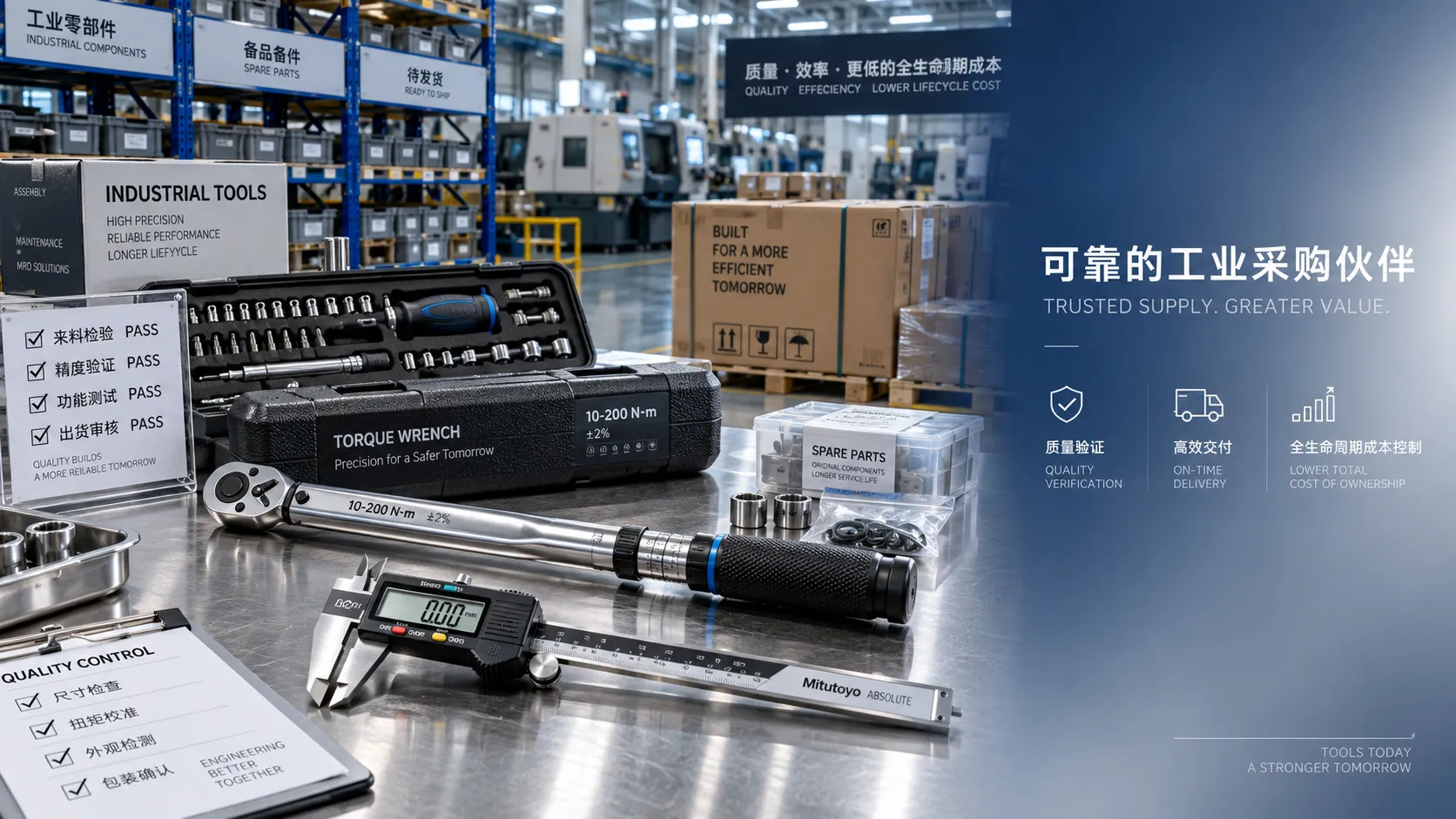
How to Compare Industrial Tool Suppliers for Quality, Lead Time, and Total Cost
Industrial tool selection supplier comparison made simple: evaluate quality, lead times, total cost, service, and supply resilience for confident sourcing decisions.
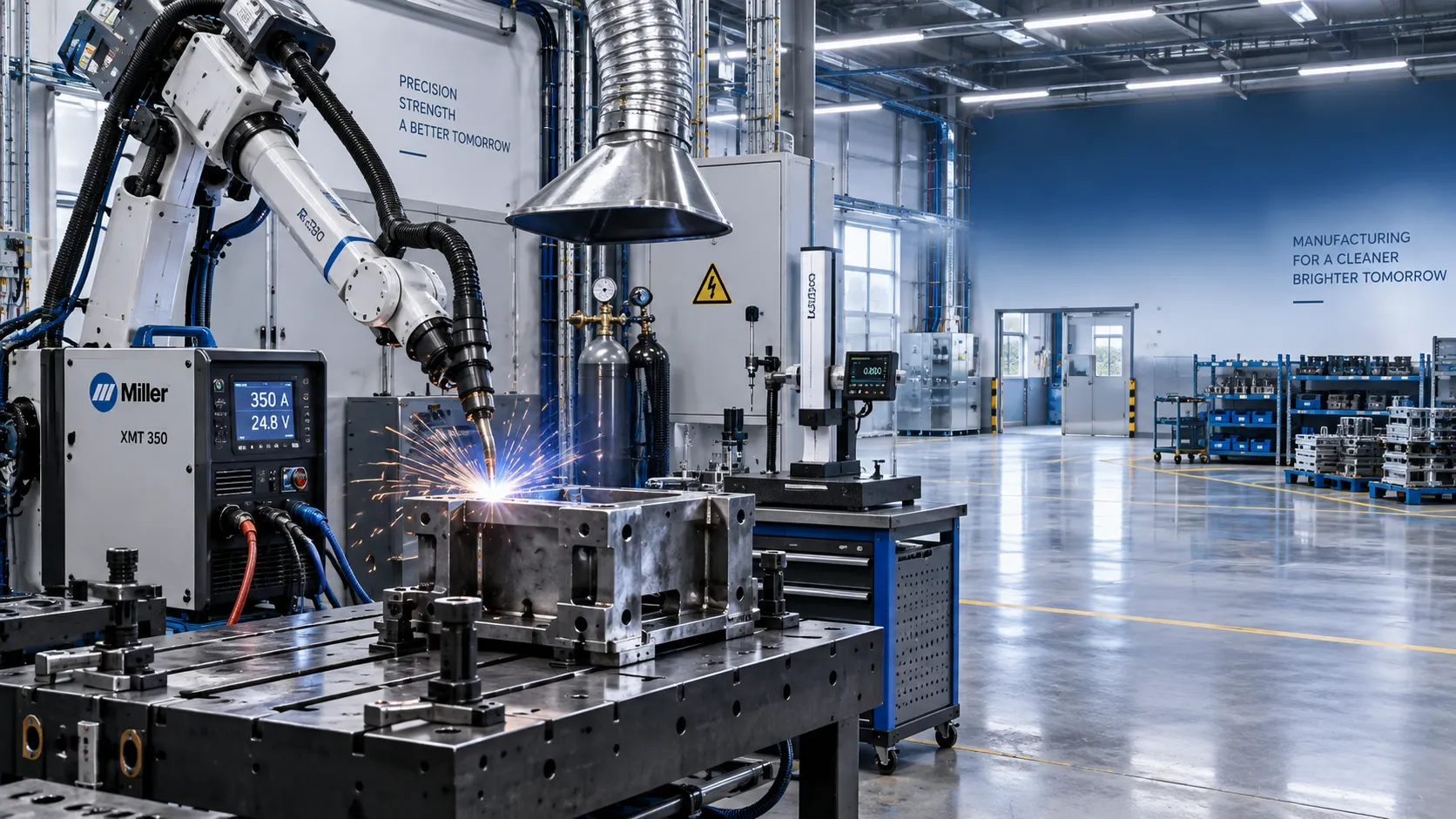
Industrial Equipment Application Guidance: Match Machines to Operating Conditions
Application guidance industrial equipment: match capacity, duty cycle, materials, site conditions, safety, and lifecycle cost to improve reliable output. Read the guide.
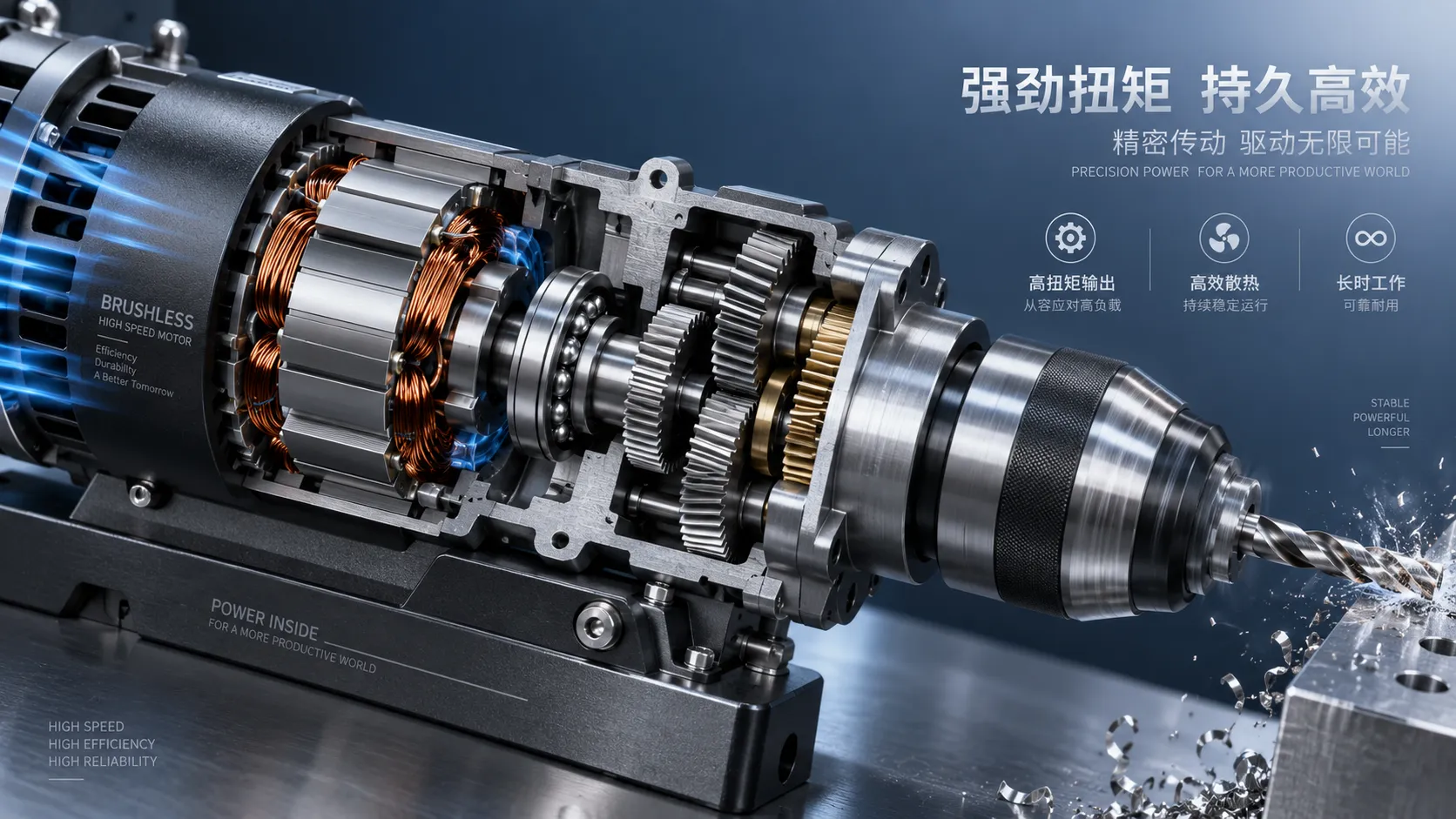
Selecting High-Speed Brushless Tool Motors for Torque, Heat, and Duty Cycle
High speed brushless tool motors: learn how to balance torque, heat, gearing, and duty cycle for reliable industrial tool performance and longer service life.
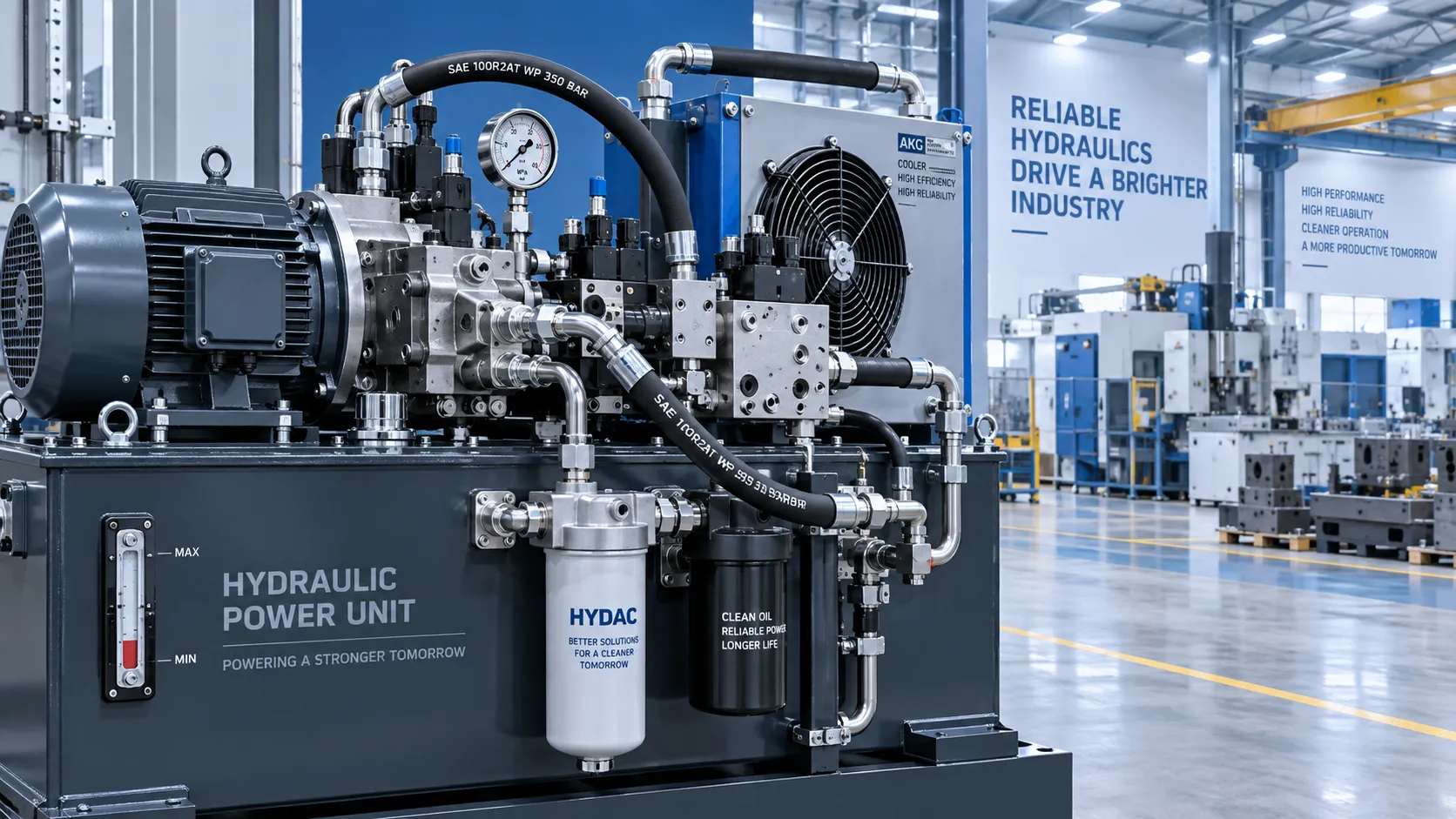
What Determines Industrial Hydraulic System Price for Heavy-Duty Equipment?
Industrial hydraulic system price depends on duty cycle, pressure, components, cooling, and integration. Compare quotes intelligently to secure reliable heavy-duty performance.

Welding Fume Extraction PPE: When Respirators Are Not Enough for Shop Safety
Welding fume extraction PPE: learn why respirators alone fall short and how source capture, ventilation, and layered controls improve shop safety.

How to Select Optical Metrology Solutions for Tight-Tolerance Manufacturing
Optical industrial metrology solutions for tight-tolerance manufacturing: evaluate accuracy, surface compatibility, workflow, and traceability to select with confidence.
Related News
- 00
0000-00
Why Data-Driven Intelligence Costs Are Reshaping Enterprise Automation Budgets - 00
0000-00
What Does Data-Driven Intelligence Cost? Budgeting for Data, Tools, and Talent - 00
0000-00
What Determines Metrology Technology Prices for Factory Inspection Systems? - 00
0000-00
Welding Tools Price Guide: What Affects Cost and How Buyers Can Compare Options - 00
0000-00
What Drives Industrial Tools Cost? A Buyer’s Guide to Materials, Volume, and Lifecycle Expenses
Ms. Elena Rodriguez
Weekly Insights
Stay ahead with our curated technology reports delivered every Monday.