
Power Tool Motors Price Guide: What Drives Cost Across Brushed and Brushless Models





Why does power tool motors price vary so much?
Power tool motors price rarely moves on one factor alone. The visible motor is only part of the cost equation.
In practical sourcing, price reflects copper content, magnet grade, lamination quality, winding precision, bearings, insulation class, and housing tolerances.
Brushless models add another layer. Electronic control boards, sensors, firmware tuning, and thermal protection often explain why quotes rise quickly.
That is why two motors with similar watt ratings can sit in very different price bands. The internal design standard matters more than headline power.
Across industrial assembly and metalworking applications, the better question is not only, “What is the unit price?” It is, “What performance is being purchased?”
This matters especially where uptime, torque stability, and service intervals affect total operating cost. A lower quote can become the expensive option later.
GPTWM often tracks this through broader signals. Raw material swings, export restrictions, and efficiency trends reshape power tool motors price faster than many buyers expect.
Brushed or brushless: which one actually changes the cost most?
The motor architecture is usually the first pricing divider. Brushed motors cost less upfront because their structure is simpler and easier to manufacture at scale.
They use brushes and a commutator, which keeps electronics minimal. For entry-level drills, grinders, and intermittent-use tools, that lower initial cost still makes sense.
Brushless motors raise the starting quote, but the extra cost is not just a premium label. It comes from magnets, controllers, tighter balancing, and software-controlled power delivery.
In continuous-duty environments, brushless designs often reduce maintenance and heat loss. That can offset a higher power tool motors price over the service life.
A simple comparison helps:
More often, the right choice depends on duty cycle. If a tool runs briefly and replacement is easy, brushed pricing can remain attractive.
If the tool supports fabrication, installation, repair, or aerospace maintenance work, brushless value becomes easier to justify.
Which components push power tool motors price upward?
When quotations differ sharply, component quality is usually where the gap hides. Sellers may present similar specifications while using very different material grades.
Copper is a major example. Higher-purity windings improve conductivity and heat management, but they also raise power tool motors price.
Permanent magnets affect brushless models heavily. Neodymium grade, temperature resistance, and sourcing origin all influence cost and supply risk.
Bearings also deserve attention. Lower-cost bearings may pass bench tests, yet fail early under vibration, dust, or side loading.
Control electronics can be even more decisive than the motor core. Current protection, overload response, soft start, and speed stability are not free features.
A useful shortlist for quote review includes:
- Copper fill rate and conductor quality
- Magnet type and thermal rating
- Bearing brand, seal design, and load rating
- Rotor balance and lamination consistency
- Controller protection features and firmware stability
- Ingress resistance for dust-heavy jobsite conditions
In other words, power tool motors price often reflects durability engineering that is not obvious in a catalog table.
How should cost be judged across different applications?
Application fit changes what “good pricing” means. A workshop polishing tool and a construction-site hammer drill should not be judged by one cost rule.
For light, intermittent tasks, lower power tool motors price can be a rational target. The tool may not run long enough to recover premium efficiency.
For repetitive fastening, grinding, cutting, or welding preparation work, operating temperature and torque consistency start to matter more.
Where maintenance shutdowns are costly, brushless systems often win through service life, even when purchase cost is higher.
This is where a broader intelligence view helps. GPTWM’s coverage of industrial assembly, metal joining, and metrology trends shows how tool selection increasingly links to process reliability.
That means the motor should be evaluated against the task chain around it. Downtime in calibration, welding prep, or precision rework can exceed the motor delta quickly.
What mistakes make a low quote more expensive later?
The most common mistake is comparing by wattage alone. Rated power does not reveal thermal margin, control quality, or endurance under load.
Another issue is ignoring supply continuity. A favorable power tool motors price means little if controller chips or magnets become unstable in cross-border delivery.
It is also risky to separate motor price from tool system cost. Brushes, spare boards, warranty handling, and labor time should be counted together.
Some buyers also overlook compliance. Export standards, safety expectations, and regional certification can change the true landed cost.
A few warning signs deserve extra scrutiny:
- Unusually low quotes without material disclosure
- No data on duty cycle or temperature rise
- No clarity on controller protection functions
- Replacement parts unavailable after initial shipment
- Performance claims based only on no-load testing
In real purchasing reviews, these gaps are often where total cost starts to drift beyond the original budget.
What is the most practical way to compare quotes before ordering?
A workable comparison method starts with application duty, not catalog branding. Define runtime, load type, ambient dust, expected maintenance window, and replacement cycle.
Then map power tool motors price against the factors that drive operating value. This produces a more useful shortlist than unit price ranking alone.
A practical review sequence looks like this:
- Confirm brushed or brushless suitability by duty cycle.
- Check material and component disclosures behind the quote.
- Ask for load performance, temperature, and protection data.
- Estimate maintenance parts, failure impact, and service interval.
- Review supply stability against raw material and trade signals.
This is also where sector intelligence becomes useful. Market monitoring from sources such as GPTWM can help validate whether current power tool motors price levels reflect temporary volatility or structural cost change.
The strongest decisions usually come from balancing three things together: initial quote, expected life, and interruption cost if the motor underperforms.
So how should the next sourcing decision be framed?
Power tool motors price is best treated as a performance signal, not just a number to compress. Lower cost can be right, but only for the right workload.
Brushed models still fit budget-sensitive, lighter-use tools well. Brushless models make more sense when efficiency, service life, and control precision affect production continuity.
Before placing the next order, align quotes with actual duty conditions, component transparency, spare-part access, and compliance needs.
That approach makes power tool motors price easier to judge in a disciplined way. It also reduces the chance of paying twice through repairs, downtime, or premature replacement.
The most useful next step is simple: build a comparison sheet around motor type, electronics, thermal performance, and life-cycle cost, then test each quote against the intended application.
Related News
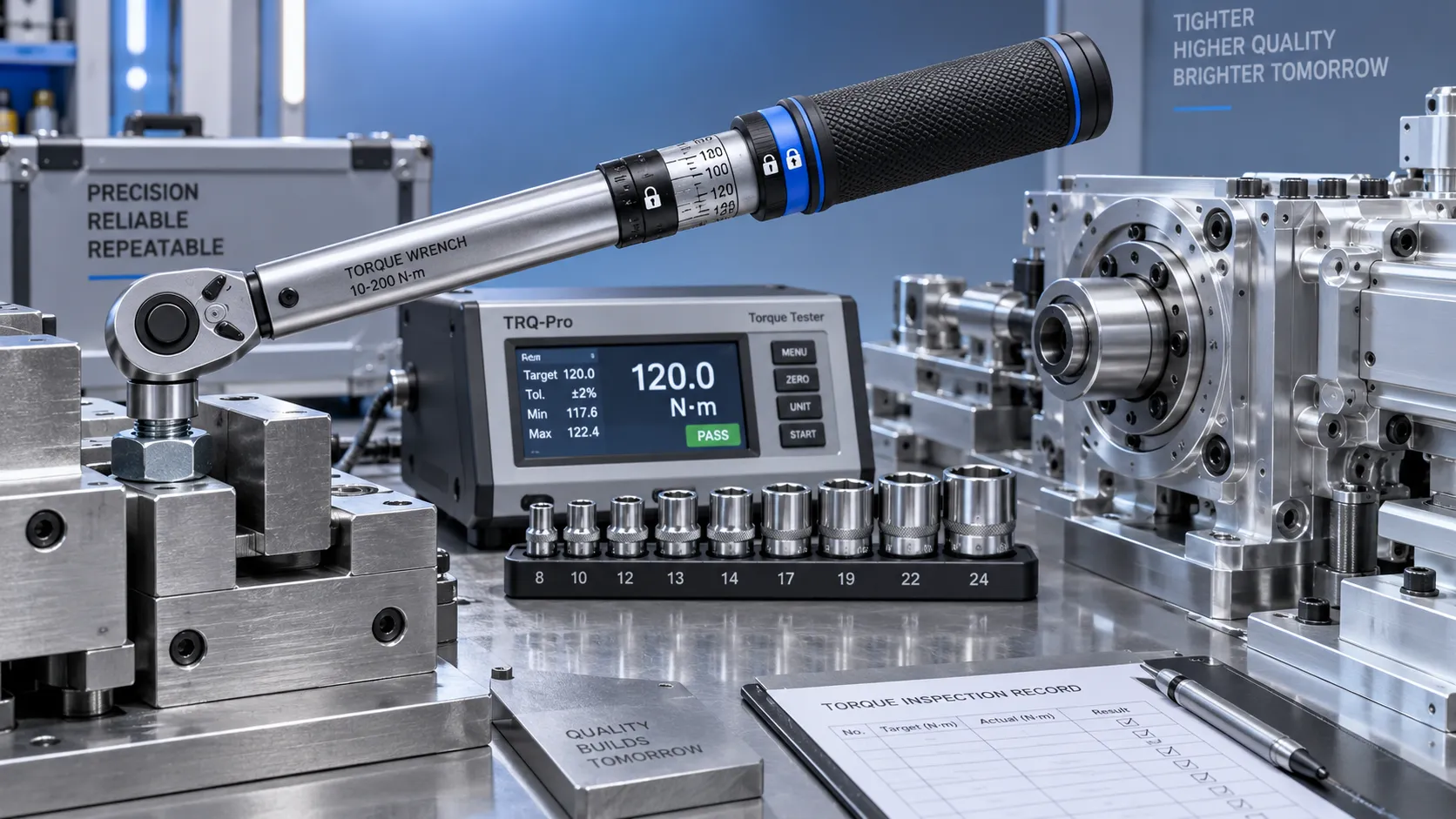
Selecting Adjustable Torque Tools for Repeatable Fastener Assembly
Adjustable torque tools: learn how to match range, accuracy, control methods, calibration, and ergonomics for repeatable, reliable fastener assembly.

How to Select Aerospace Inspection Tools for Aircraft Maintenance Tasks
Aerospace maintenance inspection tools: learn how to select reliable, traceable equipment for aircraft access, accuracy, calibration, and compliant maintenance decisions.

How to Select Wire Bonding Tools for Fine-Pitch Semiconductor Packaging
Explore semiconductor manufacturing tools for wire bonding and learn how to select precision solutions for fine-pitch packaging, reliable loops, accuracy, and yield.
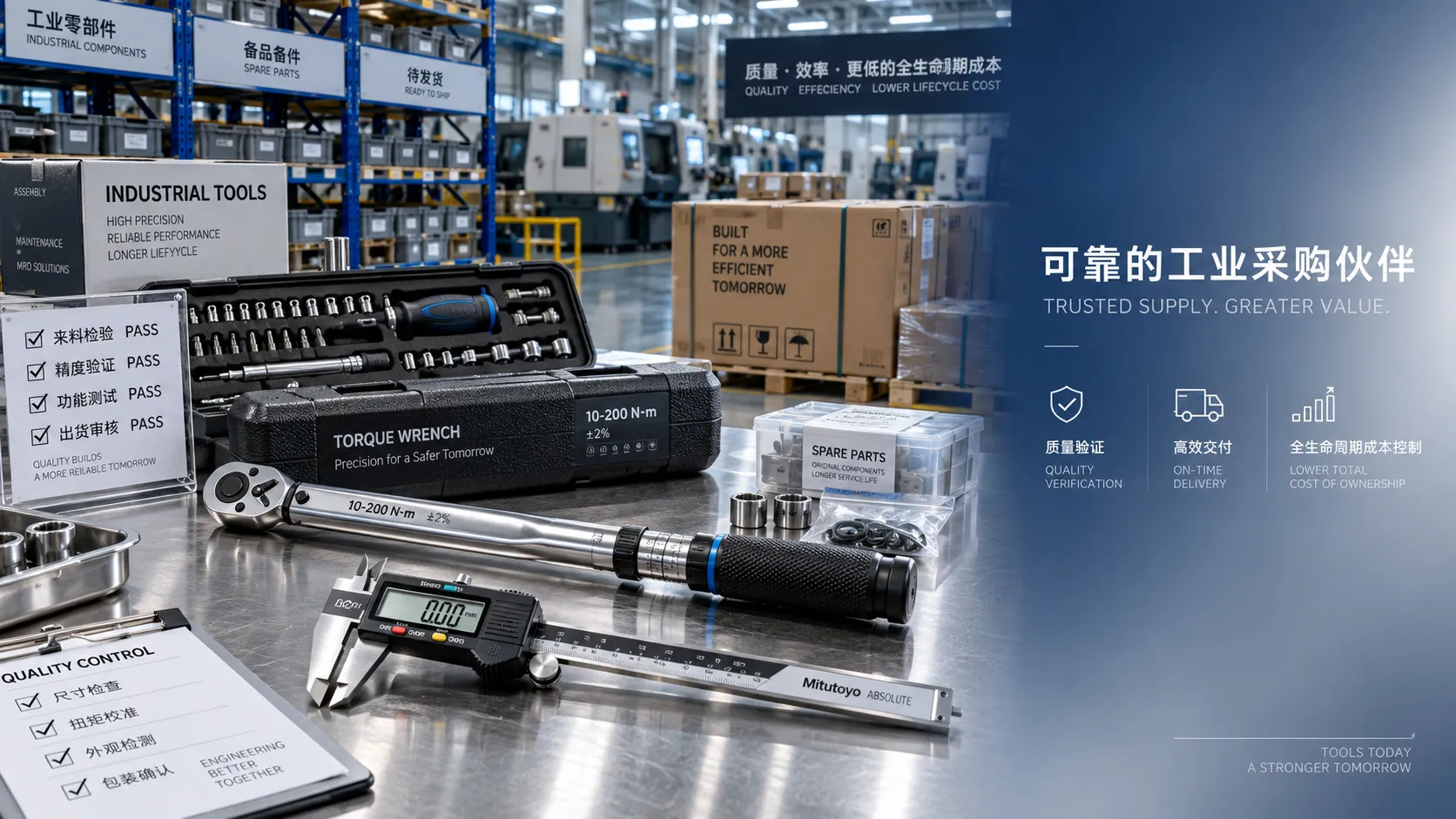
How to Compare Industrial Tool Suppliers for Quality, Lead Time, and Total Cost
Industrial tool selection supplier comparison made simple: evaluate quality, lead times, total cost, service, and supply resilience for confident sourcing decisions.
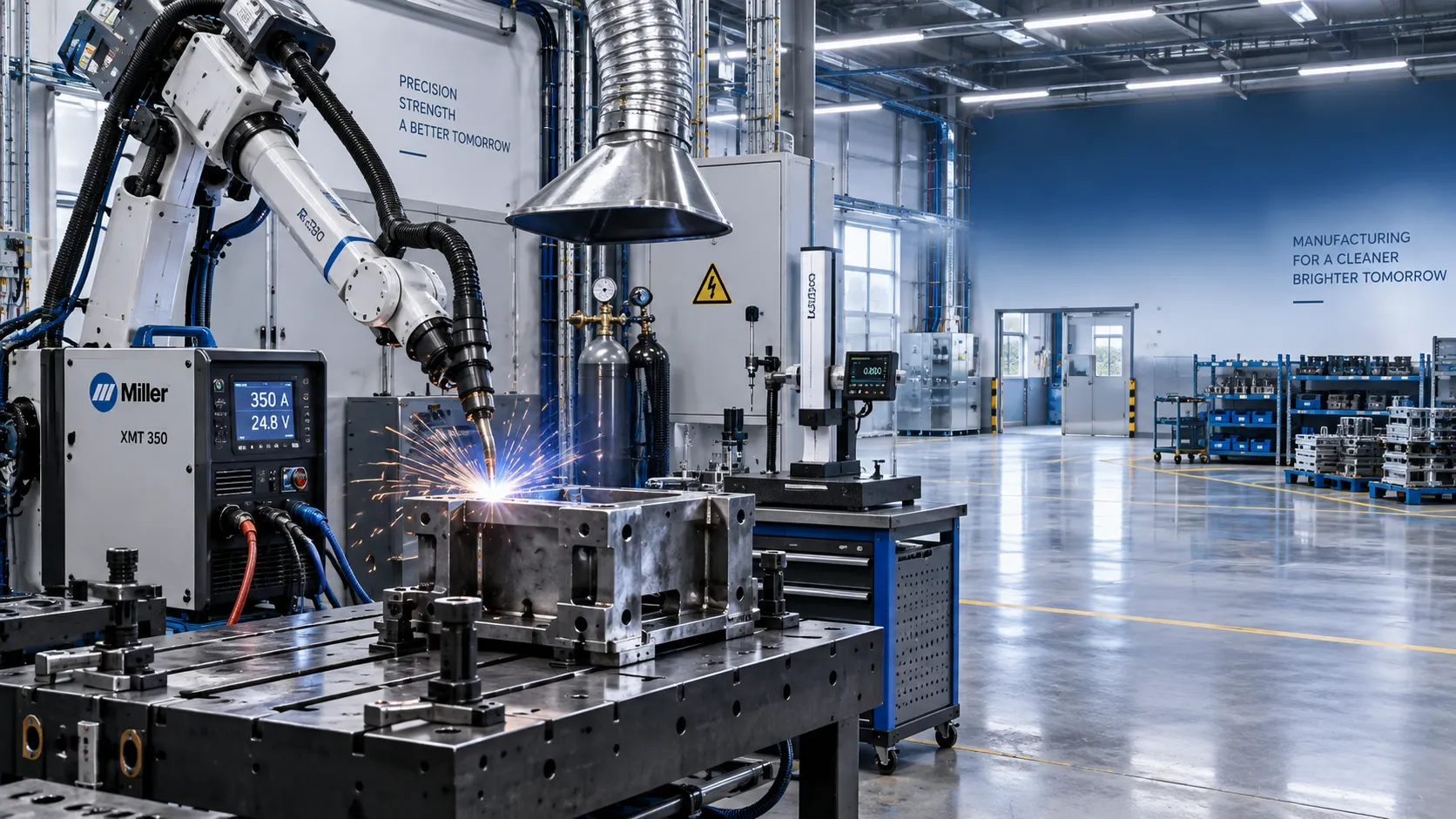
Industrial Equipment Application Guidance: Match Machines to Operating Conditions
Application guidance industrial equipment: match capacity, duty cycle, materials, site conditions, safety, and lifecycle cost to improve reliable output. Read the guide.
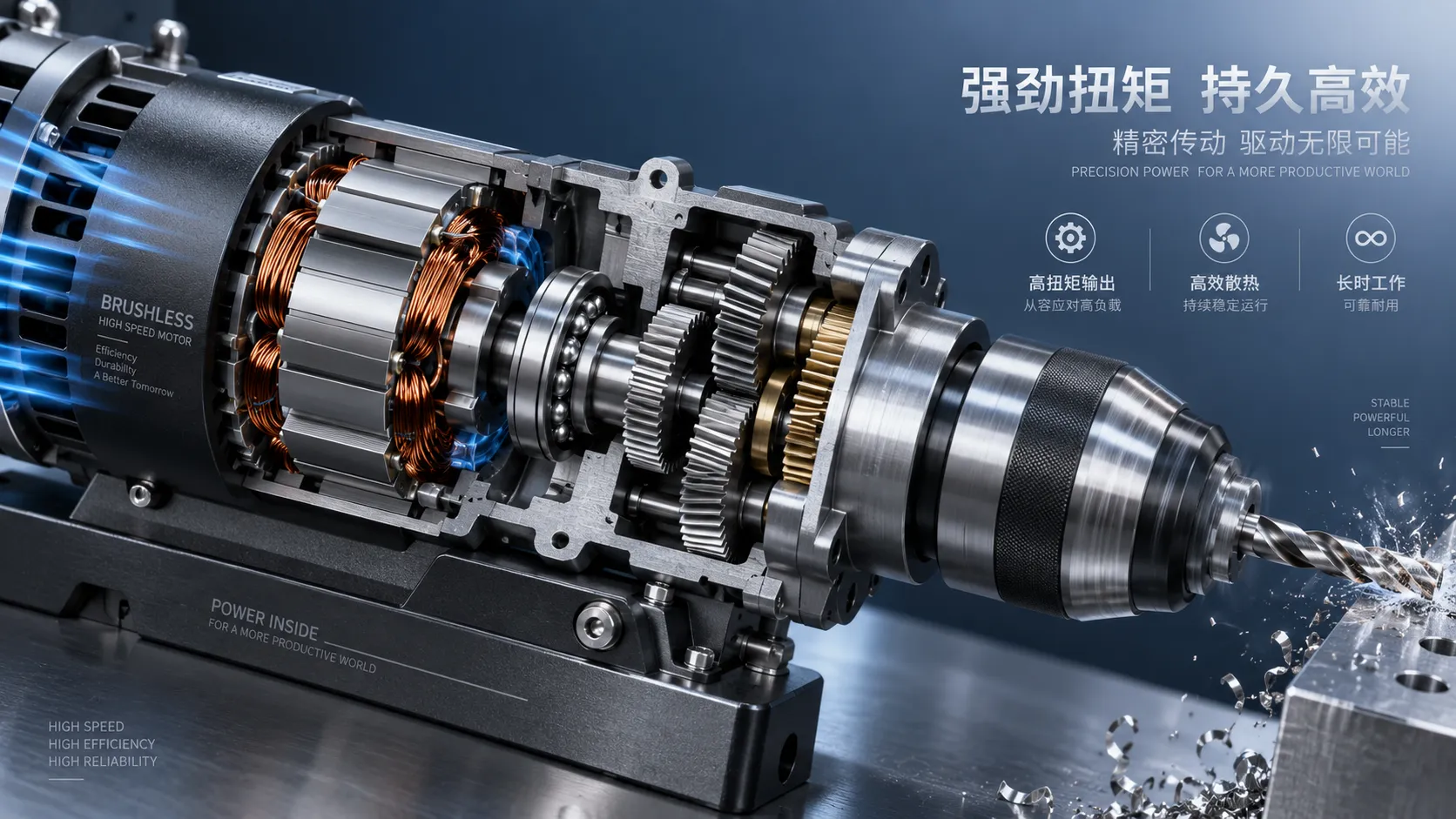
Selecting High-Speed Brushless Tool Motors for Torque, Heat, and Duty Cycle
High speed brushless tool motors: learn how to balance torque, heat, gearing, and duty cycle for reliable industrial tool performance and longer service life.
What Determines Industrial Hydraulic System Price for Heavy-Duty Equipment?
Industrial hydraulic system price depends on duty cycle, pressure, components, cooling, and integration. Compare quotes intelligently to secure reliable heavy-duty performance.

Welding Fume Extraction PPE: When Respirators Are Not Enough for Shop Safety
Welding fume extraction PPE: learn why respirators alone fall short and how source capture, ventilation, and layered controls improve shop safety.

How to Select Optical Metrology Solutions for Tight-Tolerance Manufacturing
Optical industrial metrology solutions for tight-tolerance manufacturing: evaluate accuracy, surface compatibility, workflow, and traceability to select with confidence.
Related News
- 00
0000-00
Why Data-Driven Intelligence Costs Are Reshaping Enterprise Automation Budgets - 00
0000-00
What Does Data-Driven Intelligence Cost? Budgeting for Data, Tools, and Talent - 00
0000-00
What Determines Metrology Technology Prices for Factory Inspection Systems? - 00
0000-00
Welding Tools Price Guide: What Affects Cost and How Buyers Can Compare Options - 00
0000-00
What Drives Industrial Tools Cost? A Buyer’s Guide to Materials, Volume, and Lifecycle Expenses
Ms. Elena Rodriguez
Weekly Insights
Stay ahead with our curated technology reports delivered every Monday.