
When do brand premiums actually protect your margins?





In industrial markets where procurement teams scrutinize every cost line, brand premiums only protect margins when they are backed by measurable performance, lower lifecycle risk, and stronger channel trust. For business evaluators, the real question is not whether a brand can charge more, but when that price advantage remains defensible amid raw material volatility, standard shifts, and intensifying global competition.
Why brand premiums need a checklist, not a slogan
In precision tools, welding systems, metrology devices, and related industrial categories, price leadership rarely survives on reputation alone.
Strong brand premiums hold only when the extra price maps to lower failure rates, better compliance support, predictable service, and reduced operational disruption.
That is why a checklist matters.
It converts brand discussion from vague market positioning into evidence-based margin defense across products, channels, and regions.
For sectors tracked by GPTWM, this approach is especially useful when export rules, safety requirements, and input costs shift faster than brand narratives.
Core checklist: when do brand premiums actually protect your margins?
Use the following checklist to test whether brand premiums are durable, fragile, or already eroding.
- Measure field performance against lower-priced alternatives using failure rates, recalibration intervals, weld consistency, torque accuracy, and downtime per operating hour.
- Verify whether the premium reduces total cost of ownership through longer service life, lower consumable waste, fewer returns, and easier preventive maintenance.
- Check compliance depth across CE, UL, ISO, RoHS, or sector-specific standards, especially where documentation quality influences export eligibility and project acceptance.
- Compare warranty execution, spare parts fill rates, and service turnaround times, because weak aftersales support quickly destroys defensible brand premiums.
- Assess training value, installation guidance, and application engineering support, since branded products often defend margins through productivity gains, not hardware alone.
- Track channel confidence by monitoring reorder consistency, stock rotation, and discount pressure across distributors, dealers, and industrial supply platforms.
- Test resilience during raw material inflation to see whether the market still accepts the premium when steel, copper, electronics, or logistics costs rise.
- Review switching barriers such as certified process documentation, operator familiarity, software integration, or validated measurement workflows that discourage replacement.
- Examine differentiation in safety, ergonomics, and intelligent controls, particularly for handheld welding, brushless power tools, and IoT-enabled torque systems.
- Confirm that the premium supports margin across the full portfolio, not just flagship items, because isolated hero products rarely sustain long-term profitability.
How to interpret the checklist signals
Not every positive indicator has equal weight.
In industrial categories, brand premiums become most defensible when technical proof and commercial proof reinforce each other.
- Technical proof includes repeatability, weld penetration consistency, battery endurance, vibration control, and measurement traceability under real operating conditions.
- Commercial proof includes stable reorder behavior, low price objection frequency, acceptable rebate levels, and fewer emergency substitutions in the channel.
- Strategic proof includes regulatory readiness, service network strength, and the ability to hold price through market downturns or supply disruption.
If only one layer is strong, brand premiums may look healthy but remain vulnerable.
If all three align, margins are far more likely to stay protected.
Scenario guidance across industrial applications
Precision metrology tools
In calipers, micrometers, gauges, and digital measurement systems, brand premiums survive when traceability and repeatability are visible in audit-sensitive environments.
A lower-priced substitute may appear competitive until recalibration drift, inconsistent readings, or poor software output creates inspection delays and rework exposure.
Welding and metal joining equipment
For handheld laser welding, MIG, TIG, and related systems, brand premiums are protected when safety controls, consumable compatibility, and process stability reduce operational risk.
Here, premium pricing often holds better in applications where training, shielding consistency, and parameter control directly affect operator safety and finished quality.
Power tools and assembly systems
In brushless tools, hydraulic equipment, and torque-controlled assembly, brand premiums remain defensible when uptime, ergonomics, and digital control improve throughput.
If the premium product reduces fatigue, prevents over-torque errors, or integrates cleanly with smart factory reporting, margin protection becomes easier to sustain.
Global distribution and cross-border trade
Across export markets, brand premiums depend heavily on paperwork quality, language-ready manuals, service accessibility, and conformity with local standards.
A known brand can lose pricing power quickly if customs delays, incomplete certifications, or slow parts replacement interrupt the final customer experience.
Common blind spots that weaken brand premiums
Even established brands lose margin protection when hidden weaknesses are ignored.
Confusing awareness with willingness to pay
High recognition does not guarantee durable brand premiums.
If users know the brand but cannot explain its operational advantage, discounting pressure will eventually appear.
Ignoring lifecycle economics
A premium that cannot be defended through lower total lifecycle cost becomes highly exposed during cost reviews and budget compression.
Overlooking channel friction
Brand premiums erode when distributors face unclear positioning, delayed claims handling, inconsistent supply, or weak technical support after the sale.
Failing to update the value story
Market conditions change.
A premium justified by durability five years ago may now require proof in connectivity, safety intelligence, data capture, or compliance readiness.
Relying on one flagship segment
If only a narrow product line holds strong brand premiums, margin defense becomes unstable as competitors target adjacent categories with aggressive price-performance offers.
Practical execution steps
- Build a premium-defense scorecard using performance, compliance, service, channel confidence, and switching-cost indicators for each major product family.
- Run side-by-side comparisons against regional challengers, not just global leaders, because local substitutes often create the sharpest pricing pressure.
- Translate technical superiority into quantified commercial outcomes such as fewer defects, lower rework, faster audits, and reduced training burden.
- Segment where brand premiums are strongest by application criticality, regulatory sensitivity, and service dependency rather than by list price alone.
- Refresh evidence quarterly when material volatility, export controls, or specification changes alter the basis for margin protection.
This discipline helps separate defendable pricing from legacy assumptions.
It also creates a clearer intelligence loop between product performance, market positioning, and channel execution.
Conclusion and next-step action
Brand premiums protect margins only when they are continuously earned.
In industrial markets, that means proving superior outcomes, reducing risk, and making the premium easy to defend at every commercial checkpoint.
The most reliable path is to audit each product line against measurable field value, service execution, compliance strength, and channel trust.
If those signals are strong, brand premiums can remain a real margin shield.
If they are weak, the premium is not an asset yet.
Start with one category, score the evidence, identify the weakest proof points, and rebuild the premium story around operational results that the market can verify.
Related News
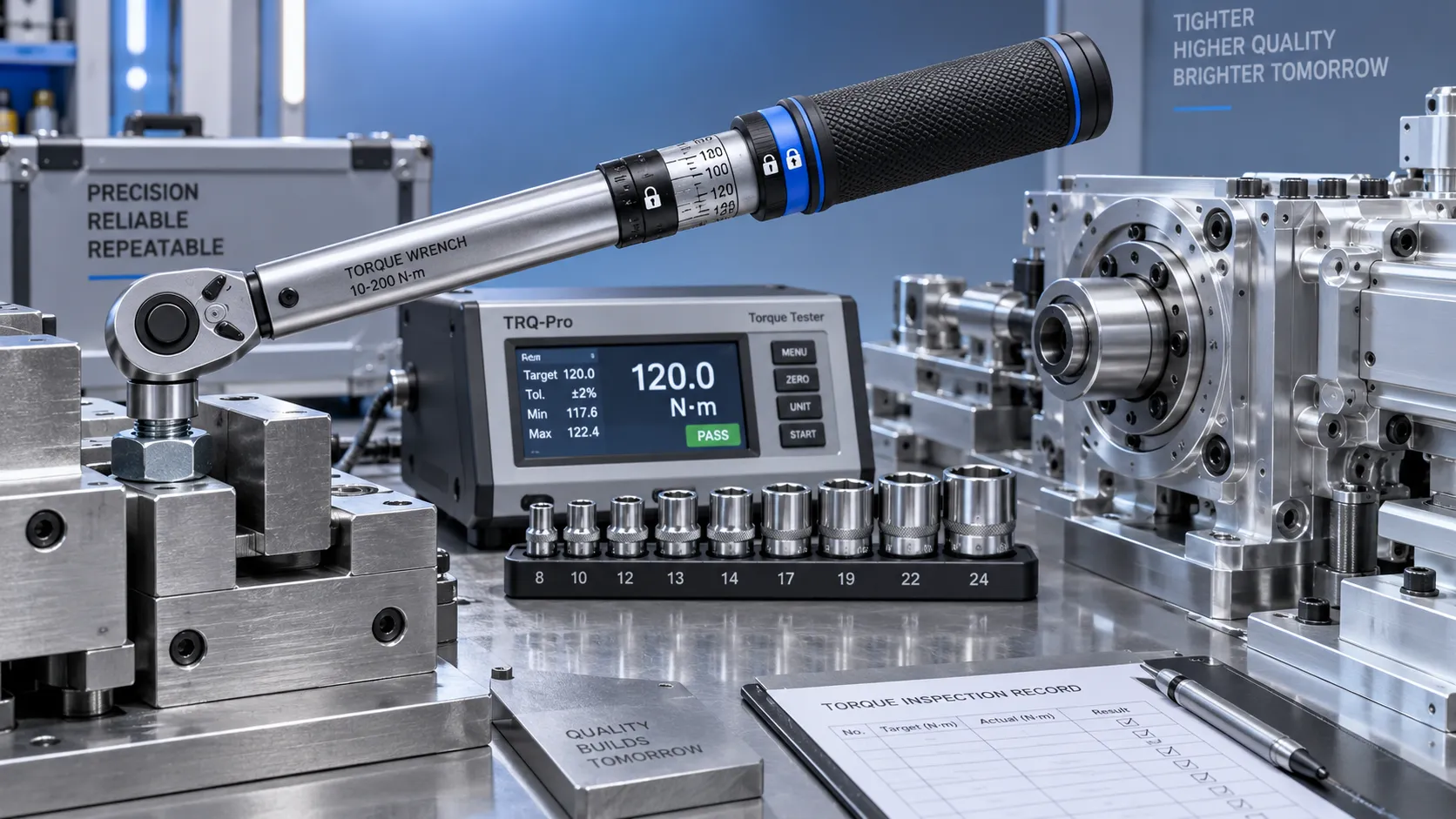
Selecting Adjustable Torque Tools for Repeatable Fastener Assembly
Adjustable torque tools: learn how to match range, accuracy, control methods, calibration, and ergonomics for repeatable, reliable fastener assembly.

How to Select Aerospace Inspection Tools for Aircraft Maintenance Tasks
Aerospace maintenance inspection tools: learn how to select reliable, traceable equipment for aircraft access, accuracy, calibration, and compliant maintenance decisions.

How to Select Wire Bonding Tools for Fine-Pitch Semiconductor Packaging
Explore semiconductor manufacturing tools for wire bonding and learn how to select precision solutions for fine-pitch packaging, reliable loops, accuracy, and yield.
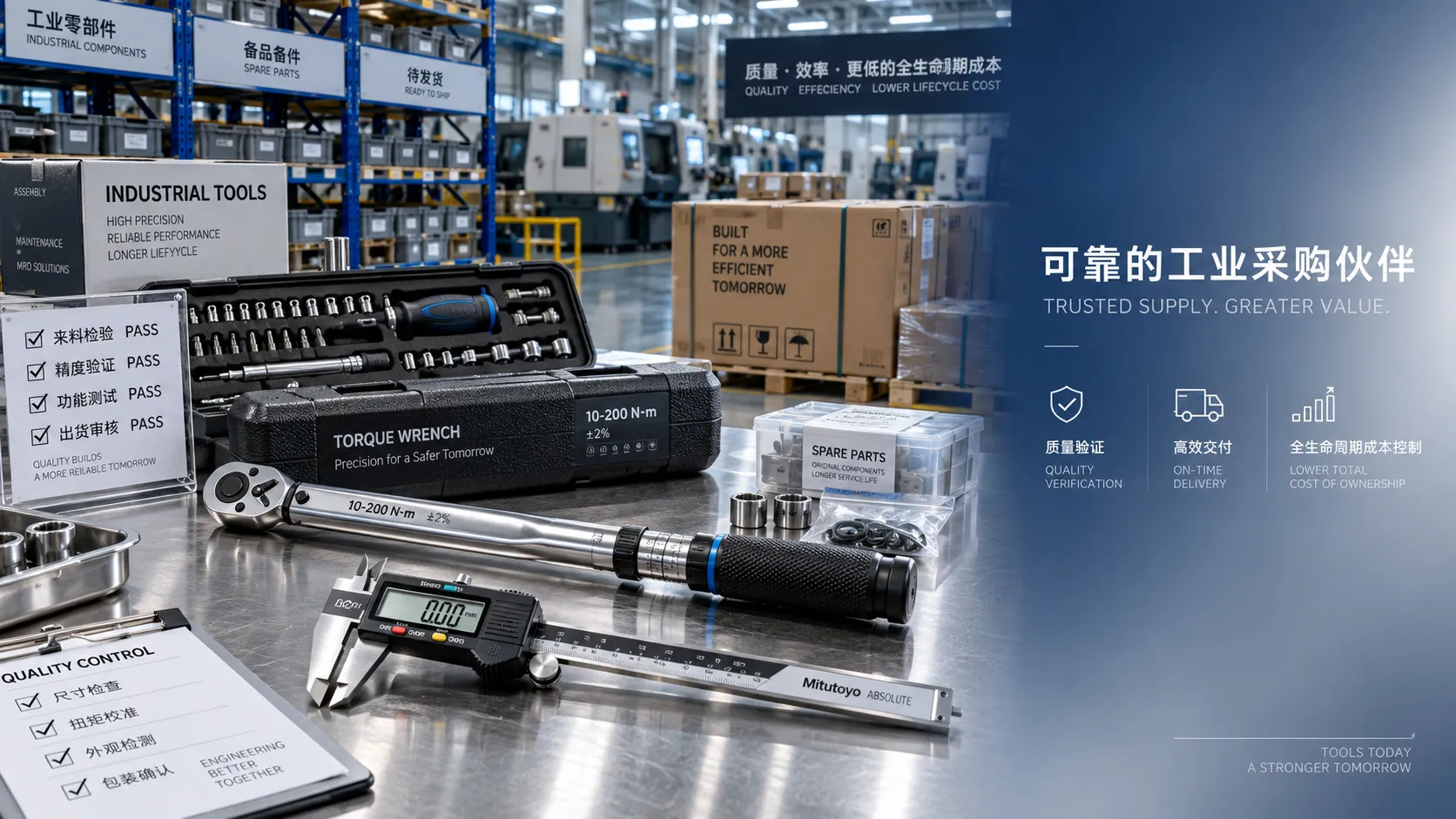
How to Compare Industrial Tool Suppliers for Quality, Lead Time, and Total Cost
Industrial tool selection supplier comparison made simple: evaluate quality, lead times, total cost, service, and supply resilience for confident sourcing decisions.

Industrial Equipment Application Guidance: Match Machines to Operating Conditions
Application guidance industrial equipment: match capacity, duty cycle, materials, site conditions, safety, and lifecycle cost to improve reliable output. Read the guide.
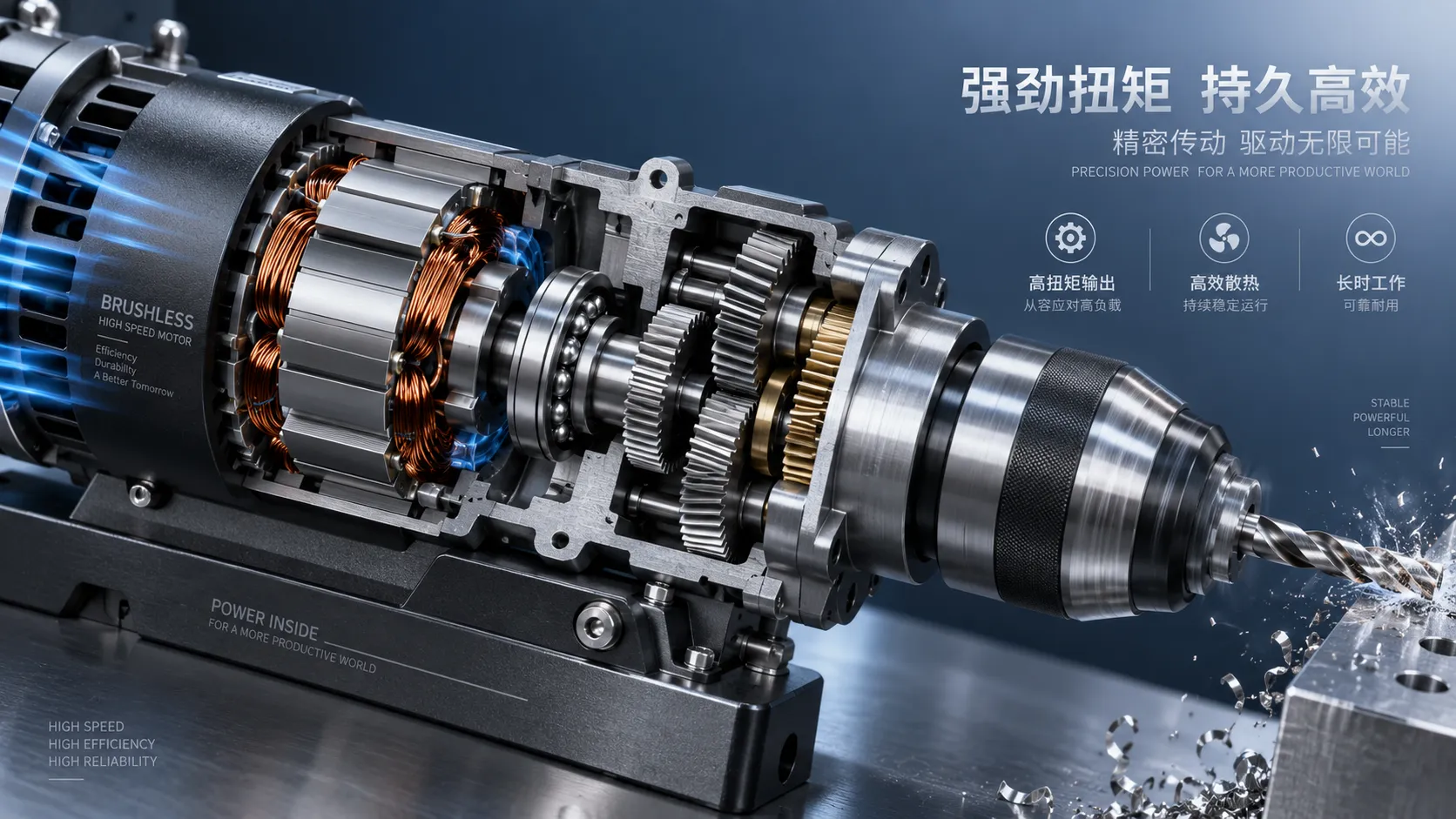
Selecting High-Speed Brushless Tool Motors for Torque, Heat, and Duty Cycle
High speed brushless tool motors: learn how to balance torque, heat, gearing, and duty cycle for reliable industrial tool performance and longer service life.
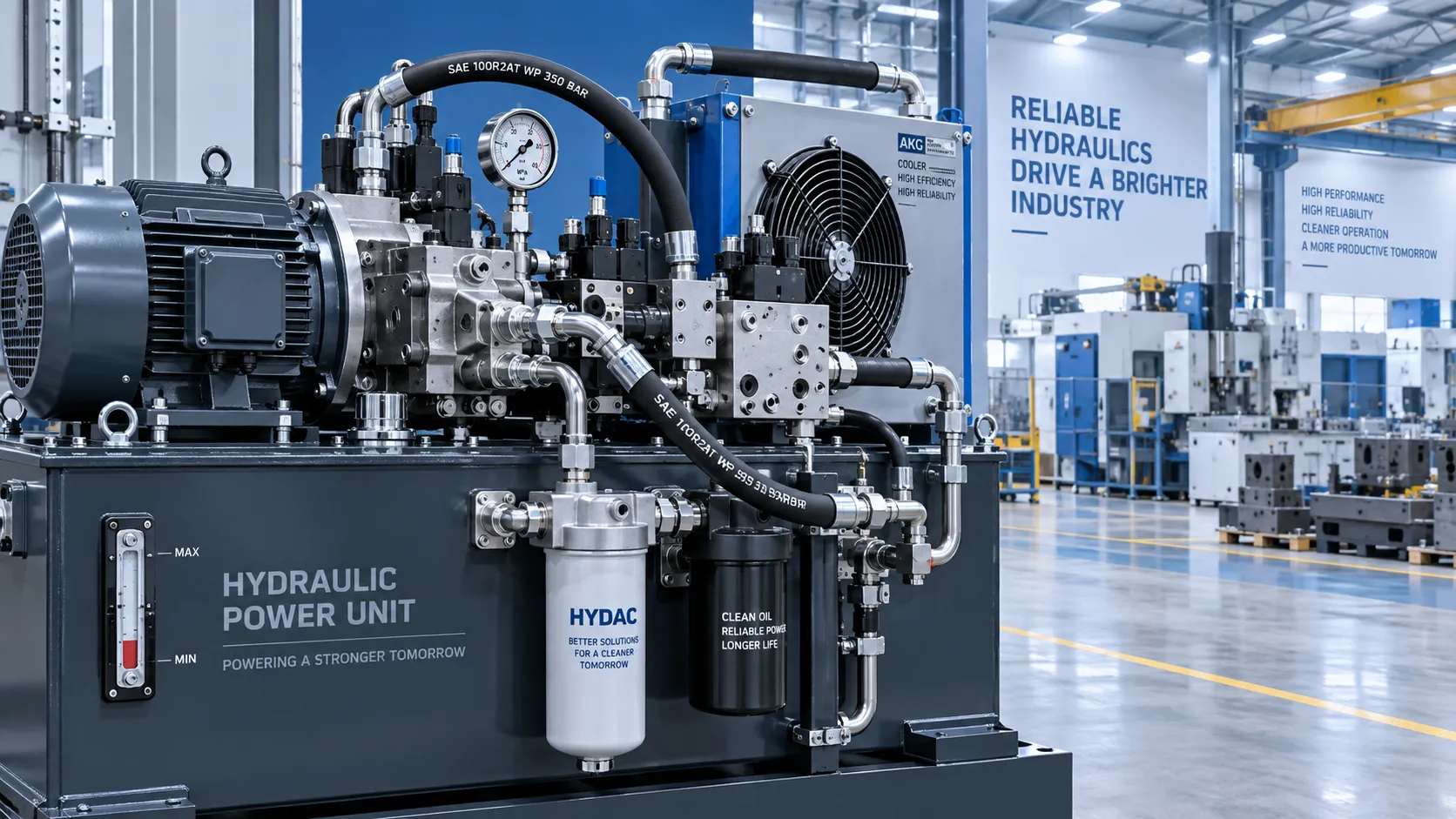
What Determines Industrial Hydraulic System Price for Heavy-Duty Equipment?
Industrial hydraulic system price depends on duty cycle, pressure, components, cooling, and integration. Compare quotes intelligently to secure reliable heavy-duty performance.

Welding Fume Extraction PPE: When Respirators Are Not Enough for Shop Safety
Welding fume extraction PPE: learn why respirators alone fall short and how source capture, ventilation, and layered controls improve shop safety.

How to Select Optical Metrology Solutions for Tight-Tolerance Manufacturing
Optical industrial metrology solutions for tight-tolerance manufacturing: evaluate accuracy, surface compatibility, workflow, and traceability to select with confidence.
Related News
- 00
0000-00
Why Data-Driven Intelligence Costs Are Reshaping Enterprise Automation Budgets - 00
0000-00
What Does Data-Driven Intelligence Cost? Budgeting for Data, Tools, and Talent - 00
0000-00
What Determines Metrology Technology Prices for Factory Inspection Systems? - 00
0000-00
Welding Tools Price Guide: What Affects Cost and How Buyers Can Compare Options - 00
0000-00
What Drives Industrial Tools Cost? A Buyer’s Guide to Materials, Volume, and Lifecycle Expenses
Ms. Elena Rodriguez
Weekly Insights
Stay ahead with our curated technology reports delivered every Monday.