
Are brand premiums worth paying in industrial tool buying





In industrial procurement, brand premiums can signal reliability, tighter tolerances, and stronger after-sales support—but do they always justify the extra cost? For buyers balancing budget pressure with performance, compliance, and lifecycle value, the real question is not just price, but total operational return. This article explores when paying brand premiums makes strategic sense in industrial tool buying and when a lower-cost alternative may deliver equal value.
What do brand premiums really mean in industrial tool buying?
In consumer markets, a brand premium often reflects image. In industrial tool buying, it usually reflects expected risk reduction. Buyers are not paying extra for a logo alone; they are often paying for process stability, traceability, calibration confidence, spare parts continuity, and lower disruption costs.
That distinction matters across assembly, welding, hydraulic handling, power tools, and metrology. A premium brand may offer better runout control, torque repeatability, thermal stability, ergonomic consistency, or service documentation. In some applications, those advantages protect output quality. In others, they may be more than the job requires.
For procurement teams, the core question is simple: does the brand premium reduce a cost that is larger than the price difference? If the answer is yes, the premium may be justified. If not, a qualified alternative can be the smarter commercial decision.
- Premiums may cover tighter manufacturing tolerances that improve consistency in repetitive production tasks.
- They may include stronger technical support, faster replacement cycles, and broader documentation for audits and training.
- They may also reflect global distribution strength, which helps buyers facing urgent delivery or multi-site standardization needs.
When are brand premiums worth paying?
Brand premiums are most defensible when tool failure creates downstream costs that exceed the upfront savings of a lower-price option. This is common in regulated work, precision inspection, safety-sensitive welding, and high-throughput production cells where downtime is expensive.
High-cost failure environments
If a torque tool drifts outside tolerance, a whole batch may require rework. If a measuring instrument loses calibration stability, inspection confidence drops. If a welding system has inconsistent arc behavior or inadequate safety support, the result may be scrap, delays, or compliance exposure. In these settings, the premium pays for predictability.
Multi-site procurement and standardization
Large manufacturers often prefer premium brands because they simplify training, replacement, cross-plant compatibility, and maintenance documentation. Standardization can reduce hidden procurement friction even when unit prices are higher.
Audit-heavy or export-sensitive operations
Where buyers must satisfy customer audits, internal quality systems, or export documentation requirements, a recognized supplier may provide more complete traceability packages, user manuals, certificates, and service records. That paperwork has real operational value.
When can lower-cost alternatives match the value of premium brands?
Not every industrial task requires the highest-end option. Brand premiums can become unnecessary when the application is non-critical, usage frequency is low, or process tolerances are broad enough that a well-vetted mid-tier supplier performs adequately.
For example, maintenance teams may not need the same tool specification as a production line running three shifts. A warehouse operation may need robustness more than advanced data integration. A fabrication workshop may prioritize consumable economics and serviceable design over prestige positioning.
- General maintenance tools often allow wider flexibility, provided durability and safety remain acceptable.
- Secondary measurement tasks may use competent mid-range instruments if calibration intervals and accuracy needs are clearly defined.
- Short project cycles may favor commercially available alternatives with faster delivery rather than premium options with long lead times.
A practical comparison: price alone versus total operational cost
For buyers evaluating brand premiums, the best starting point is a side-by-side cost view. The table below compares common procurement dimensions that often determine whether a premium brand creates real return or just higher initial spend.
The key takeaway is that brand premiums should be judged against operating impact. A higher purchase price may still be cheaper when downtime, rework, inspection failure, or delayed maintenance are likely. Conversely, a lower-cost option can outperform on value when the technical requirement is clear and tightly controlled.
Which tool categories justify brand premiums more often?
The answer varies by tool type. Precision metrology and controlled joining applications usually justify brand premiums more often than general hand tools. Risk concentration is the deciding factor.
Higher likelihood of justified premium
- Calipers, micrometers, torque systems, and gauges used for release inspection or process verification.
- Welding equipment where safety, arc stability, consumable compatibility, or operator protection are critical.
- Brushless power tools used continuously in production, where heat management and duty cycle affect uptime.
Lower likelihood of justified premium
- Basic hand tools for light maintenance if metallurgy, safety, and ergonomic quality are screened properly.
- Intermittently used accessories where replacement cost is small and process impact is limited.
- Project-based tools purchased for a defined short-term workload with low reuse expectations.
How should procurement teams evaluate brand premiums step by step?
Procurement decisions improve when buyers move from price comparison to application scoring. A structured method prevents overbuying and underbuying at the same time.
The table below provides a practical selection framework for industrial tool buying. It helps teams decide whether brand premiums align with real operational needs.
Using this method, buyers can defend procurement decisions internally. The discussion shifts from “this brand costs more” to “this option reduces measurable operational risk.” That is a much stronger basis for approval.
- Define the tool’s exact role in production, maintenance, inspection, or field service.
- List the failure consequences in financial terms, including downtime, rework, compliance exposure, and labor loss.
- Check support conditions such as lead time, local inventory, spare parts, and calibration service access.
- Compare at least one premium and one mid-tier option against the same technical requirement sheet.
Why market intelligence matters before paying brand premiums
One reason buyers overpay is incomplete market visibility. A well-known brand may seem safer, but raw material shifts, export restrictions, regional stock gaps, and changing safety expectations can alter the real value equation quickly. That is why procurement should combine technical review with current sector intelligence.
GPTWM is built around that need. Its Strategic Intelligence Center tracks industrial assembly, metal joining, and precision metrology trends that directly affect sourcing decisions. For procurement teams, this is useful when comparing premium versus alternative suppliers in changing market conditions.
Where intelligence improves decisions
- Raw material movement can change whether a brand premium reflects genuine manufacturing cost or temporary market positioning.
- Export standard restrictions can affect which brands provide smoother cross-border documentation and compliance support.
- Technology shifts such as handheld laser welding safety or IoT torque control can make old price assumptions obsolete.
In other words, a procurement decision should not rely on brand reputation alone. It should reflect current industrial realities, service capability, and the real operating cost of failure.
Common mistakes buyers make when judging brand premiums
The biggest mistake is treating all industrial tools as if they carry the same risk profile. A buyer may overpay for low-impact tools and underinvest in high-impact ones. Both errors weaken total procurement performance.
- Choosing only on unit price without calculating downtime, scrap, labor rework, or calibration disruption.
- Assuming all premium brands deliver equal service quality in every region or category.
- Ignoring operator ergonomics, which can influence fatigue, consistency, and safety in repetitive tasks.
- Accepting lower-cost alternatives without verifying documentation, spare parts access, or technical support response time.
A disciplined sourcing process solves most of these issues. It also creates stronger alignment between procurement, engineering, quality, and maintenance teams.
FAQ: brand premiums in real procurement decisions
How do I know whether a brand premium is justified for a specific tool?
Start with failure cost, not selling price. If the tool affects safety, inspection release, production continuity, or compliance, brand premiums are often easier to justify. If the tool is used occasionally and the process tolerance is forgiving, a qualified alternative may deliver similar value.
Are premium brands always better for precision tools?
Not always, but they often have an advantage in calibration confidence, documentation continuity, and long-term repeatability. Buyers should still compare specification fit, recalibration support, and local service access before approving a premium purchase.
What should procurement ask suppliers besides price?
Ask for tolerance data, duty cycle suitability, spare parts availability, service turnaround expectations, calibration options, documentation scope, and lead time stability. These points often determine whether the brand premium creates practical value.
Can a lower-cost supplier still be a safe choice?
Yes, if the supplier is vetted against the application requirement and can support documentation, service, and consistent supply. The goal is not to avoid brand premiums at all costs. The goal is to pay them only where they meaningfully reduce risk.
Why choose us for brand premium evaluation and industrial sourcing insight?
GPTWM helps procurement teams make clearer decisions in industrial tool buying by connecting technical requirements with market intelligence. Our focus on industrial assembly, welding, hydraulics, and precision metrology allows buyers to assess brand premiums through a practical lens: performance, compliance, support, and lifecycle return.
If you are comparing premium and alternative tool options, you can consult us on specific procurement issues rather than broad marketing claims. We can help you narrow the decision around what matters most to your operation.
- Parameter confirmation for torque accuracy, measurement tolerance, duty cycle, or welding application fit.
- Product selection support for premium versus mid-tier sourcing strategies across different risk levels.
- Lead time and delivery discussion where production schedules or maintenance shutdowns are time sensitive.
- Compliance and documentation review for calibration records, technical files, and export-sensitive purchasing.
- Quotation communication and sourcing comparison based on lifecycle cost, not unit price alone.
When brand premiums are worth paying, the reasons should be measurable. When they are not, the alternative should be validated. That is the kind of procurement clarity GPTWM is designed to support.
Related News
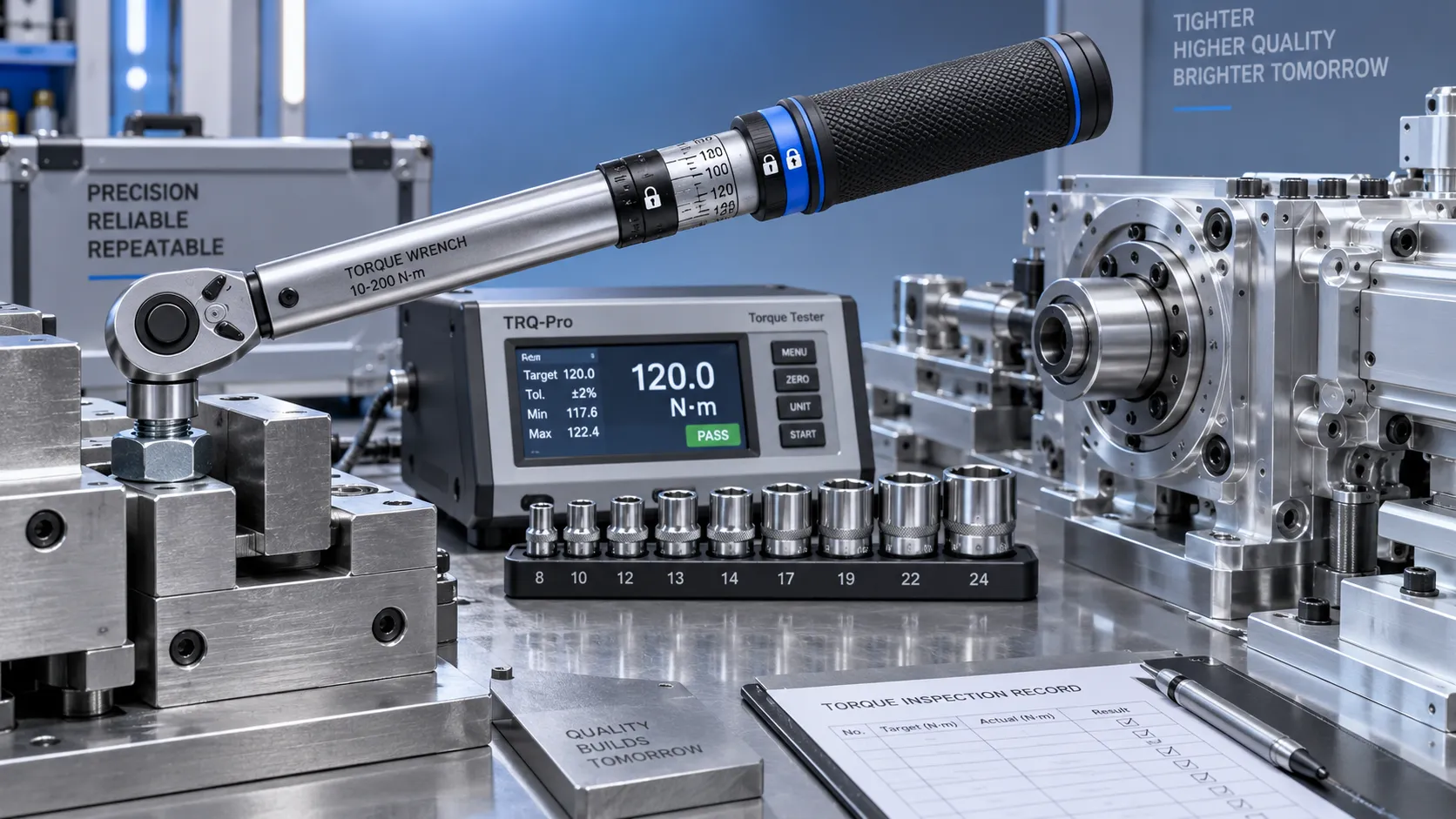
Selecting Adjustable Torque Tools for Repeatable Fastener Assembly
Adjustable torque tools: learn how to match range, accuracy, control methods, calibration, and ergonomics for repeatable, reliable fastener assembly.

How to Select Aerospace Inspection Tools for Aircraft Maintenance Tasks
Aerospace maintenance inspection tools: learn how to select reliable, traceable equipment for aircraft access, accuracy, calibration, and compliant maintenance decisions.

How to Select Wire Bonding Tools for Fine-Pitch Semiconductor Packaging
Explore semiconductor manufacturing tools for wire bonding and learn how to select precision solutions for fine-pitch packaging, reliable loops, accuracy, and yield.
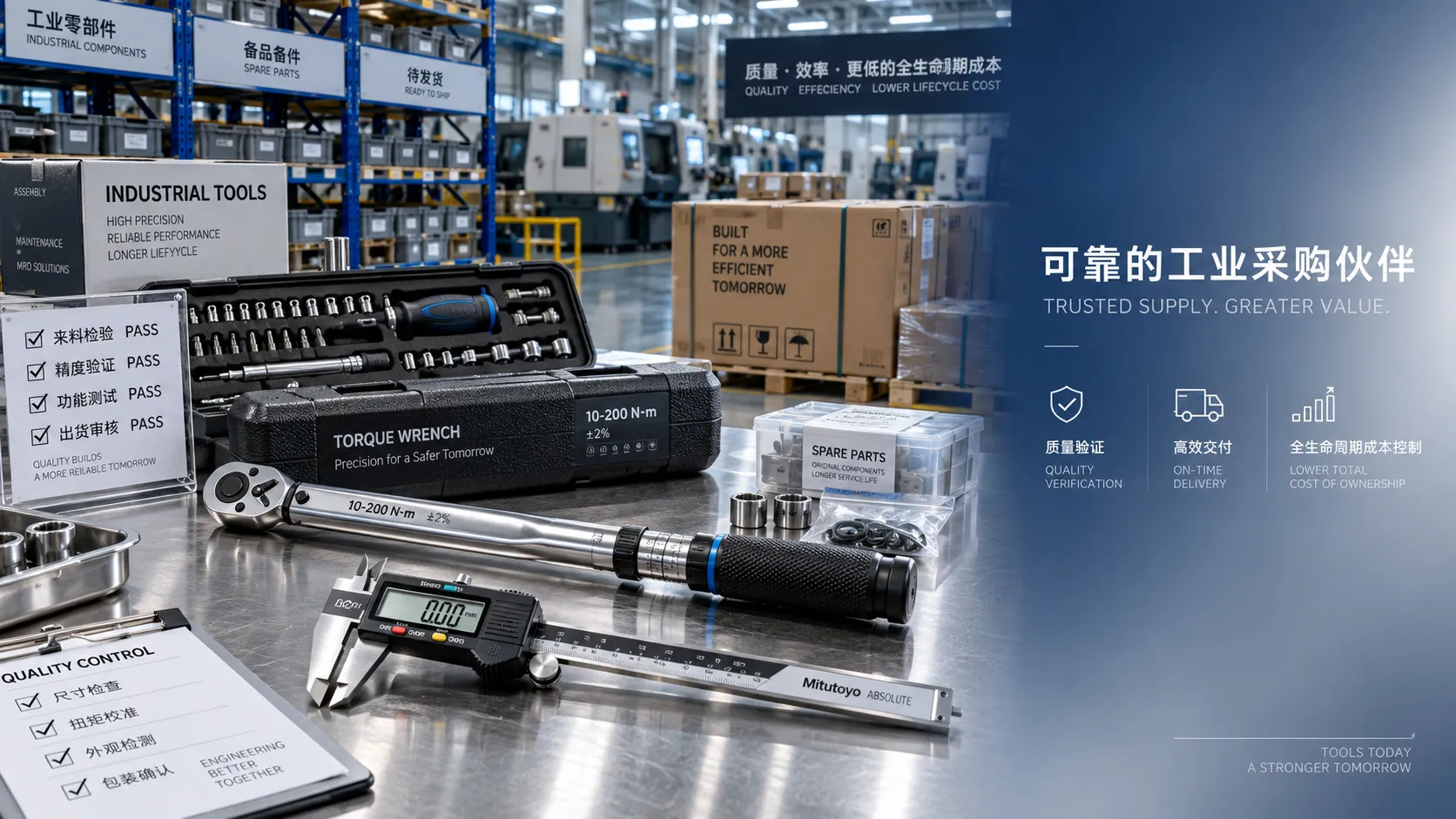
How to Compare Industrial Tool Suppliers for Quality, Lead Time, and Total Cost
Industrial tool selection supplier comparison made simple: evaluate quality, lead times, total cost, service, and supply resilience for confident sourcing decisions.
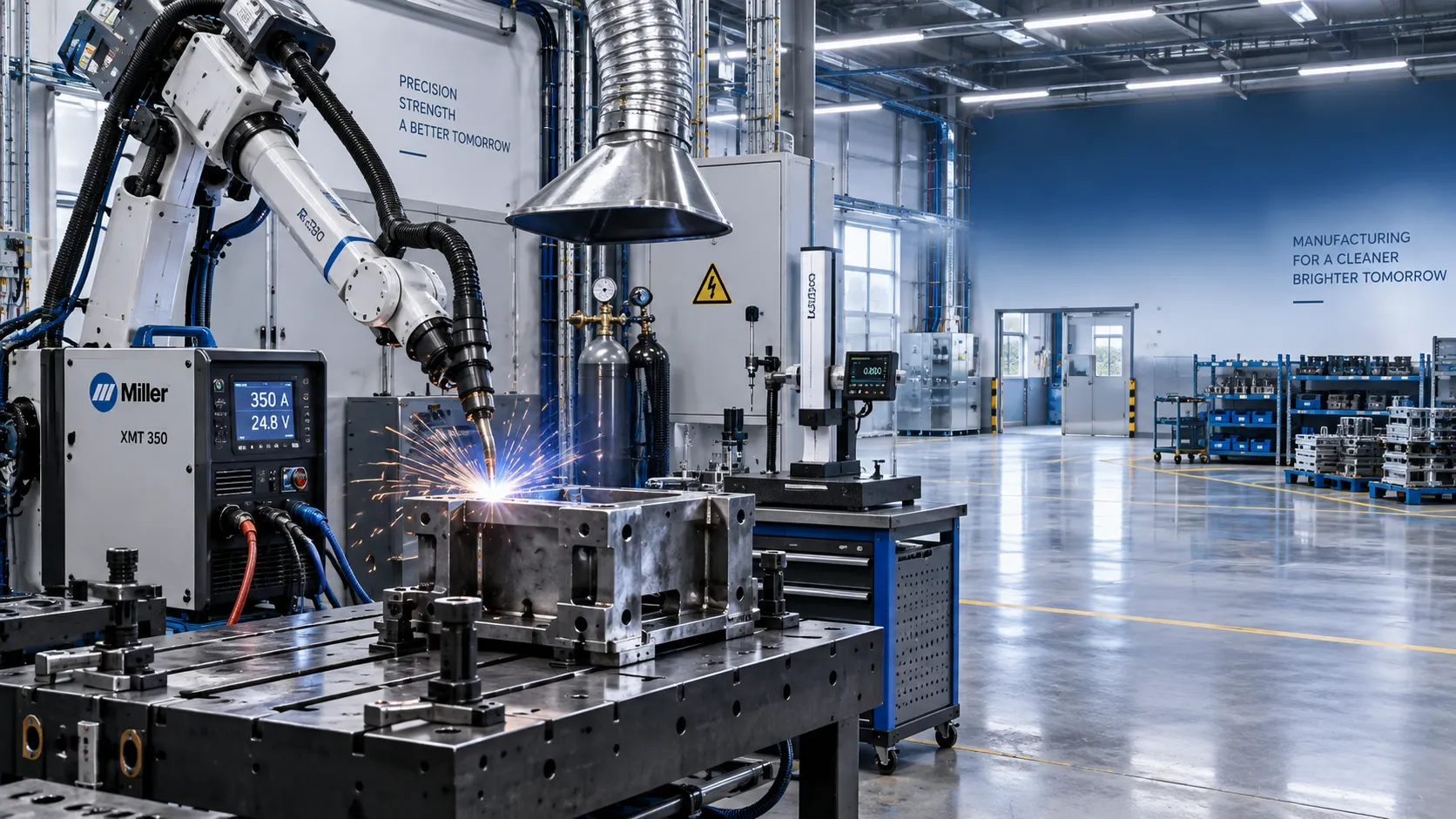
Industrial Equipment Application Guidance: Match Machines to Operating Conditions
Application guidance industrial equipment: match capacity, duty cycle, materials, site conditions, safety, and lifecycle cost to improve reliable output. Read the guide.
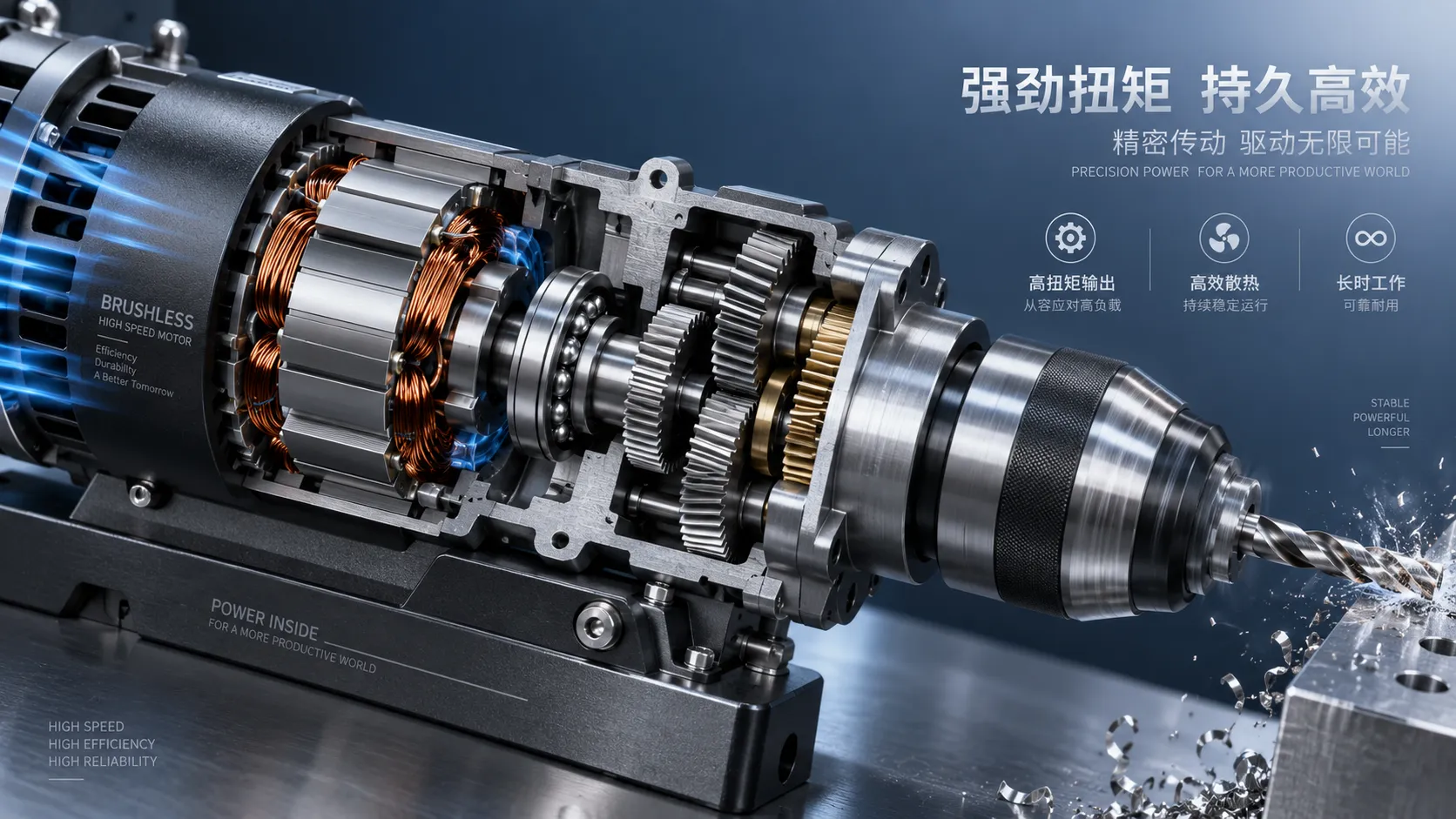
Selecting High-Speed Brushless Tool Motors for Torque, Heat, and Duty Cycle
High speed brushless tool motors: learn how to balance torque, heat, gearing, and duty cycle for reliable industrial tool performance and longer service life.
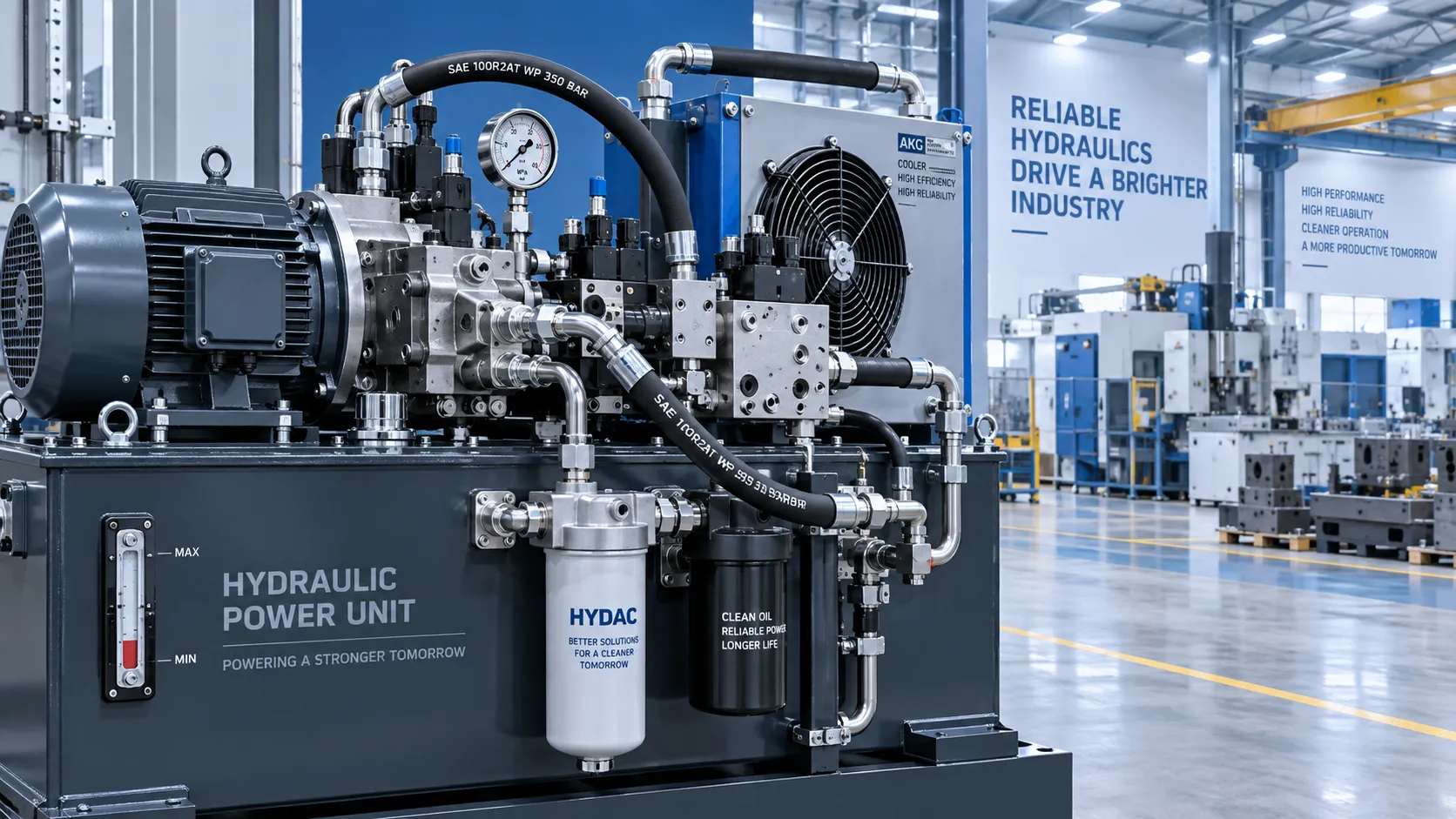
What Determines Industrial Hydraulic System Price for Heavy-Duty Equipment?
Industrial hydraulic system price depends on duty cycle, pressure, components, cooling, and integration. Compare quotes intelligently to secure reliable heavy-duty performance.

Welding Fume Extraction PPE: When Respirators Are Not Enough for Shop Safety
Welding fume extraction PPE: learn why respirators alone fall short and how source capture, ventilation, and layered controls improve shop safety.

How to Select Optical Metrology Solutions for Tight-Tolerance Manufacturing
Optical industrial metrology solutions for tight-tolerance manufacturing: evaluate accuracy, surface compatibility, workflow, and traceability to select with confidence.
Related News
- 00
0000-00
Why Data-Driven Intelligence Costs Are Reshaping Enterprise Automation Budgets - 00
0000-00
What Does Data-Driven Intelligence Cost? Budgeting for Data, Tools, and Talent - 00
0000-00
What Determines Metrology Technology Prices for Factory Inspection Systems? - 00
0000-00
Welding Tools Price Guide: What Affects Cost and How Buyers Can Compare Options - 00
0000-00
What Drives Industrial Tools Cost? A Buyer’s Guide to Materials, Volume, and Lifecycle Expenses
Ms. Elena Rodriguez
Weekly Insights
Stay ahead with our curated technology reports delivered every Monday.