
Tool lightweighting is saving weight but at what cost





Tool lightweighting is changing how industrial tools are specified, tested, and purchased across assembly, welding, maintenance, and metrology environments.
Lower mass can improve handling and reduce fatigue, especially in repetitive overhead or mobile work.
Yet tool lightweighting also raises harder questions about stiffness, heat resistance, torque consistency, repairability, and total cost.
For industrial decision-making, the best choice is rarely the lightest option.
The better choice is the tool that balances ergonomics, output, safety, and lifecycle value under real operating conditions.
What does tool lightweighting really mean in industrial use?
Tool lightweighting is not simply removing material from a product body.
It usually combines material substitution, structural redesign, component integration, and better motor or power management.
Common approaches include magnesium housings, reinforced polymers, compact brushless motors, smaller battery packs, and redesigned internal support frames.
In welding tools, lightweight torches improve reach and reduce wrist strain.
In precision tools, lighter handheld gauges can improve portability but may feel less stable during delicate measurement.
In fastening tools, tool lightweighting often targets better balance rather than minimum mass alone.
That distinction matters because balance affects control, reaction force, and repeatability.
Why the market keeps pushing lighter designs
Several pressures are driving tool lightweighting across the broader industrial sector.
- Higher labor sensitivity to ergonomic risk and fatigue exposure
- More mobile maintenance and field service tasks
- Battery-powered platforms replacing pneumatic or corded systems
- Pressure to improve productivity in confined workspaces
- Greater focus on global ergonomic standard alignment
The result is a market where lighter tools are often positioned as premium solutions.
However, premium weight reduction only adds value when performance remains predictable.
Does tool lightweighting reduce durability or output?
Sometimes yes, but not always.
The effect of tool lightweighting depends on where weight was removed and which duty cycle the tool must survive.
A lighter casing may be harmless in low-impact assembly work.
The same change may become a weakness in shipyard repair, heavy fabrication, or dusty construction maintenance.
Key trade-offs to examine
- Impact resistance after repeated drops
- Housing rigidity under torque load
- Heat dissipation around motors or welding interfaces
- Vibration behavior during continuous operation
- Seal integrity against dust, oil, and moisture
- Battery runtime if lighter packs are specified
Durability should never be judged by specification sheets alone.
Field conditions often expose weaknesses that laboratory claims cannot show.
For example, lighter torque tools may achieve rated output briefly but lose stability during sustained fastening sequences.
Likewise, a lighter welding accessory may improve motion but become less tolerant of thermal stress.
The cost of failure is not the tool alone.
It includes downtime, rework, calibration drift, and possible safety exposure.
Which applications benefit most from tool lightweighting?
Tool lightweighting works best when operator movement, access difficulty, or repetitive cycles are major productivity limits.
It is especially valuable in overhead fastening, ladder work, long-shift inspection, mobile welding support, and multi-station assembly lines.
In these settings, every gram matters because fatigue changes quality and pace.
High-value scenarios
- Aerospace maintenance with constrained access points
- Automotive assembly requiring repeated fastening cycles
- Construction service tasks involving frequent transport
- Handheld metrology where portability supports faster inspection routes
- Field welding preparation and supporting operations
Lower-value scenarios
- Bench-mounted or fixture-supported operations
- High-impact environments with frequent drops
- Applications needing maximum thermal mass or structural rigidity
- Use cases where battery endurance matters more than carrying comfort
This is why tool lightweighting should be mapped to task conditions, not treated as a universal upgrade.
How should lighter tools be evaluated before selection?
A strong evaluation process compares ergonomic gains against measurable performance risks.
The most useful approach is trial-based validation under normal production or service patterns.
A practical evaluation checklist
- Measure actual working weight, including battery, hose, cable, or consumables.
- Check center of gravity, grip angle, and wrist posture during real tasks.
- Test output stability across a full shift, not a short demonstration.
- Review drop resistance and environmental sealing data.
- Confirm spare parts availability and service turnaround time.
- Compare runtime, charging cycles, and thermal performance.
- Validate calibration retention for precision tools.
Tool lightweighting should also be reviewed together with process design.
Sometimes a balancer, arm support, or cable management change delivers better ergonomic results than replacing the tool itself.
That option may preserve proven tool durability while reducing strain.
What hidden costs and risks come with tool lightweighting?
The headline benefit of lower weight can hide several downstream costs.
Some lighter tools depend on specialized materials or compact assemblies that are harder to repair.
Others require more frequent battery swaps or stricter handling procedures.
Common hidden cost areas
- Higher replacement cost for housings or integrated modules
- Shorter service life in harsh duty cycles
- Extra battery inventory to maintain runtime
- Longer qualification time for safety and consistency testing
- Training needs if handling behavior differs from legacy tools
There is also a strategic risk.
If lightweight design depends on supplier-specific parts, sourcing flexibility may shrink.
That matters during raw material price swings or export control disruptions.
A lighter tool with unstable supply can become a planning problem.
How can tool lightweighting be compared more clearly?
A simple decision table can keep evaluation objective.
This framework helps separate smart tool lightweighting from marketing-led lightweight claims.
What is the best next step when considering tool lightweighting?
Start with the process, not the catalog.
Identify where fatigue, mobility, access, or repetitive handling is limiting productivity or quality.
Then compare current tools with lighter alternatives using controlled field trials and lifecycle metrics.
Tool lightweighting delivers real value when it improves human performance without weakening technical reliability.
In many industrial environments, the winning specification is not the lowest weight.
It is the best balance of ergonomics, resilience, safety, maintainability, and long-term output.
For organizations tracking industrial assembly, welding, and precision measurement trends, that balanced view is becoming essential.
Use tool lightweighting as a performance strategy, not a shortcut.
Related News
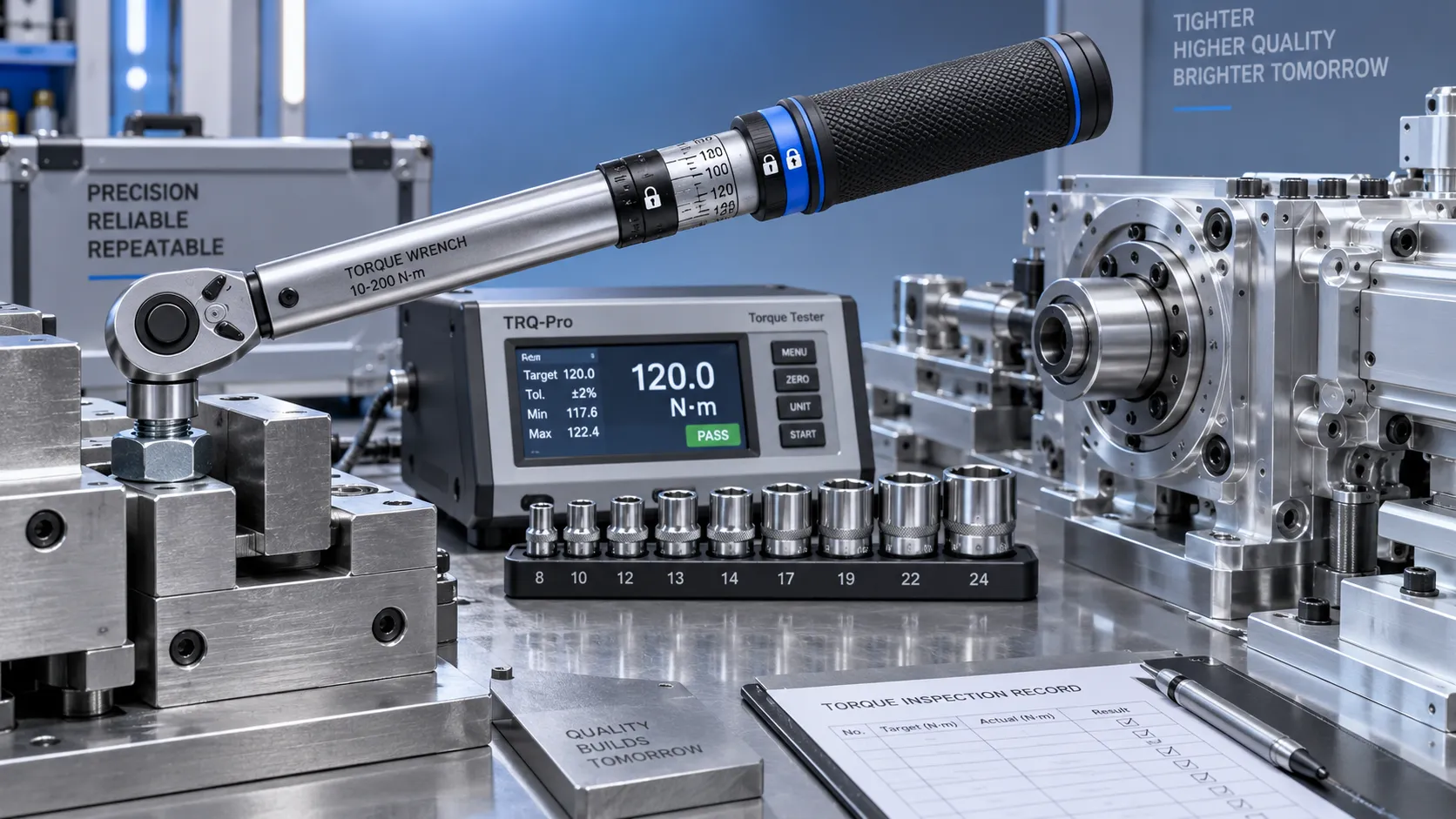
Selecting Adjustable Torque Tools for Repeatable Fastener Assembly
Adjustable torque tools: learn how to match range, accuracy, control methods, calibration, and ergonomics for repeatable, reliable fastener assembly.

How to Select Aerospace Inspection Tools for Aircraft Maintenance Tasks
Aerospace maintenance inspection tools: learn how to select reliable, traceable equipment for aircraft access, accuracy, calibration, and compliant maintenance decisions.

How to Select Wire Bonding Tools for Fine-Pitch Semiconductor Packaging
Explore semiconductor manufacturing tools for wire bonding and learn how to select precision solutions for fine-pitch packaging, reliable loops, accuracy, and yield.
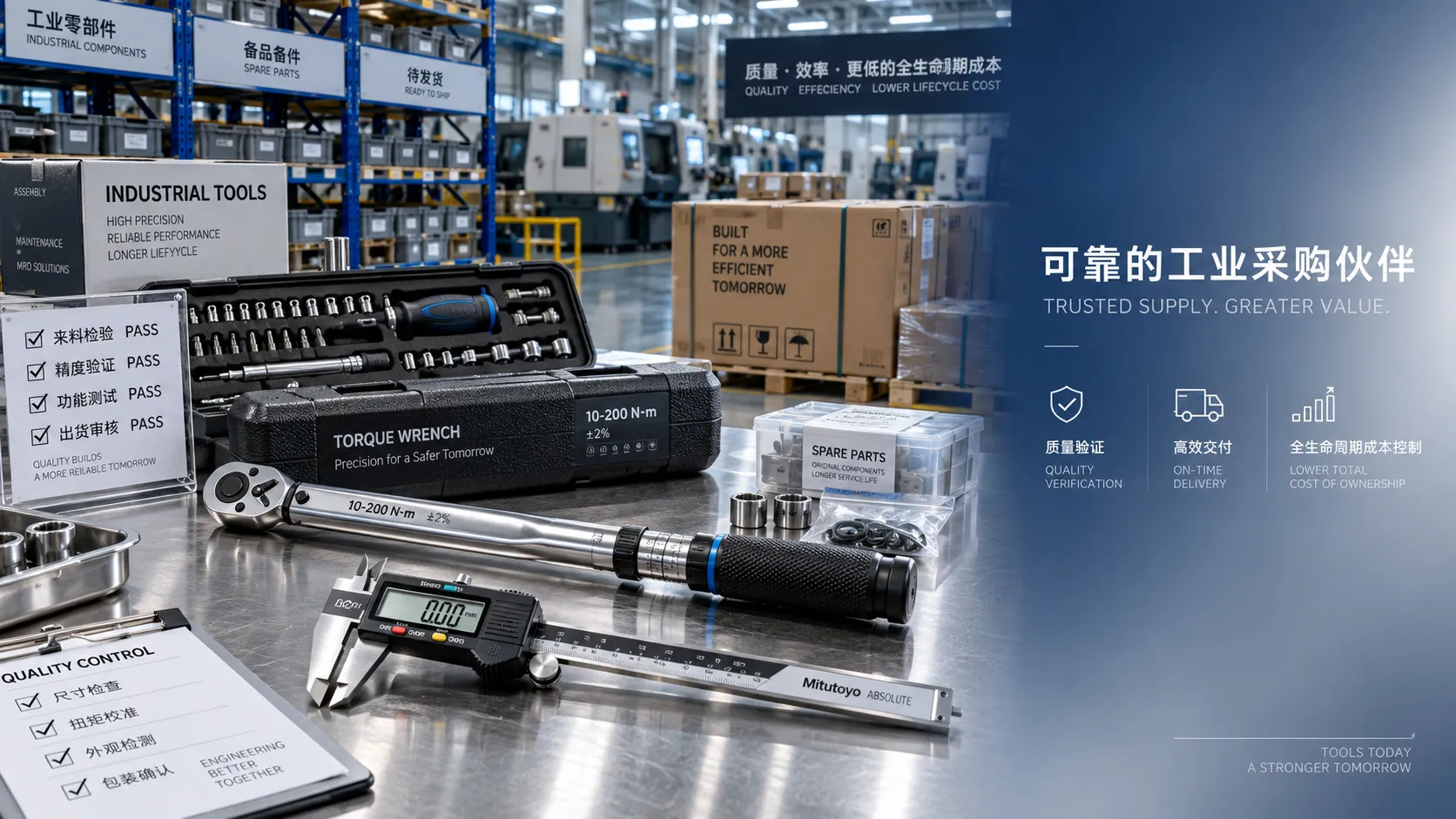
How to Compare Industrial Tool Suppliers for Quality, Lead Time, and Total Cost
Industrial tool selection supplier comparison made simple: evaluate quality, lead times, total cost, service, and supply resilience for confident sourcing decisions.

Industrial Equipment Application Guidance: Match Machines to Operating Conditions
Application guidance industrial equipment: match capacity, duty cycle, materials, site conditions, safety, and lifecycle cost to improve reliable output. Read the guide.
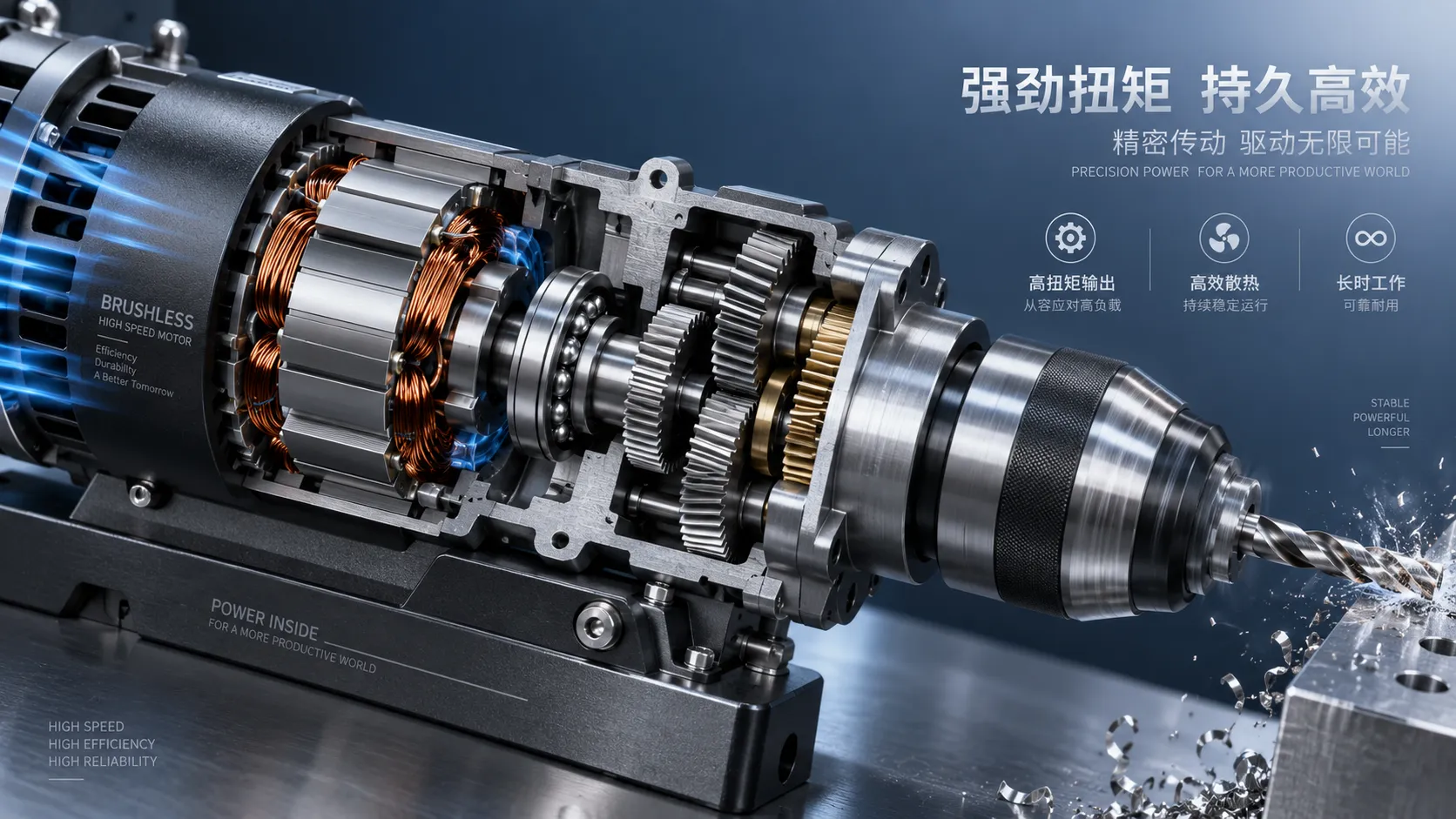
Selecting High-Speed Brushless Tool Motors for Torque, Heat, and Duty Cycle
High speed brushless tool motors: learn how to balance torque, heat, gearing, and duty cycle for reliable industrial tool performance and longer service life.
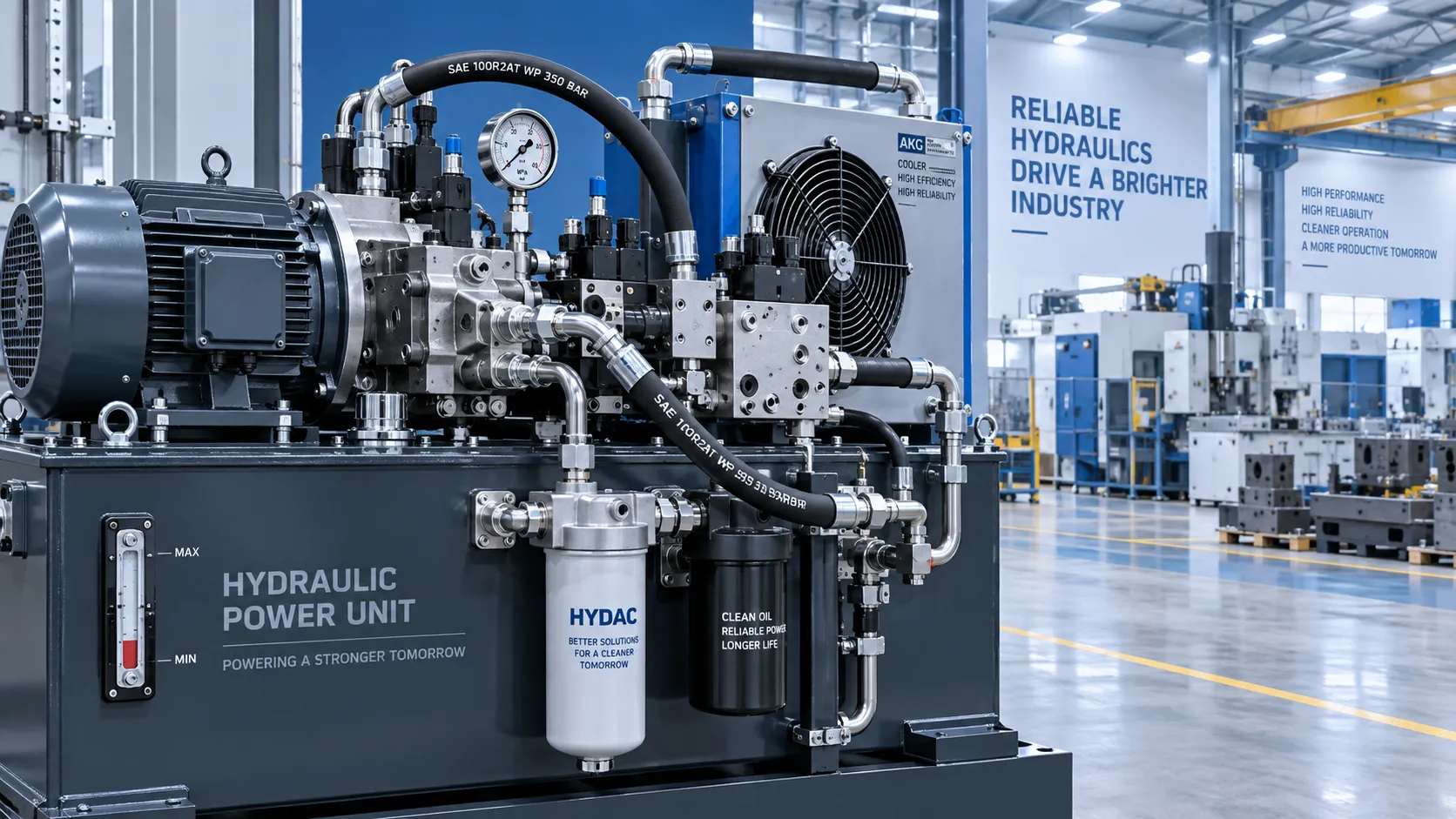
What Determines Industrial Hydraulic System Price for Heavy-Duty Equipment?
Industrial hydraulic system price depends on duty cycle, pressure, components, cooling, and integration. Compare quotes intelligently to secure reliable heavy-duty performance.

Welding Fume Extraction PPE: When Respirators Are Not Enough for Shop Safety
Welding fume extraction PPE: learn why respirators alone fall short and how source capture, ventilation, and layered controls improve shop safety.

How to Select Optical Metrology Solutions for Tight-Tolerance Manufacturing
Optical industrial metrology solutions for tight-tolerance manufacturing: evaluate accuracy, surface compatibility, workflow, and traceability to select with confidence.
Related News
- 00
0000-00
Why Data-Driven Intelligence Costs Are Reshaping Enterprise Automation Budgets - 00
0000-00
What Does Data-Driven Intelligence Cost? Budgeting for Data, Tools, and Talent - 00
0000-00
What Determines Metrology Technology Prices for Factory Inspection Systems? - 00
0000-00
Welding Tools Price Guide: What Affects Cost and How Buyers Can Compare Options - 00
0000-00
What Drives Industrial Tools Cost? A Buyer’s Guide to Materials, Volume, and Lifecycle Expenses
Ms. Elena Rodriguez
Weekly Insights
Stay ahead with our curated technology reports delivered every Monday.