
How to Evaluate a Power Tool Motors Supplier for OEM Orders and Quality Consistency





Why does the choice of a power tool motors supplier affect more than unit price?
OEM projects rarely fail because of one dramatic defect. More often, they drift off target through unstable torque, rising returns, and delivery gaps.
That is why a power tool motors supplier should be evaluated as a long-term production partner, not only a quotation source.
In practical terms, the motor influences heat buildup, speed stability, vibration, tool lifespan, and user safety. Small variations can reshape the whole product experience.
A reliable power tool motors supplier also supports compliance, documentation, engineering revision control, and scaling when demand changes suddenly.
This matters across construction, repair, metalworking, automotive service, and industrial assembly, where tool consistency directly affects output and warranty exposure.
GPTWM often tracks this issue through its industrial intelligence coverage. Raw material swings, export restrictions, and brushless efficiency trends all shape sourcing decisions.
So the real question is not simply, “Who offers the cheapest motor?” It is, “Which supplier can keep the same result across batches and over time?”
What should be checked first when screening a power tool motors supplier?
Start with manufacturing fit. A supplier may produce motors well, yet still be wrong for your tool category, duty cycle, or OEM customization level.
The first screen should answer four practical questions. Can they build the required motor type, control tolerance, document quality, and deliver repeatable volumes?
Look for evidence rather than claims. Factory audit records, process flowcharts, traceability methods, and past change-control examples reveal more than a polished brochure.
- Motor capability: brushed, brushless, AC, DC, high-speed, high-torque, or compact lightweight designs.
- Tool application history: drills, grinders, polishers, saws, fastening tools, or welding-adjacent portable equipment.
- Process control: winding consistency, rotor balancing, bearing installation, insulation testing, and end-of-line performance checks.
- Engineering support: sample refinement, failure analysis, and response speed when field problems appear.
Need to narrow candidates quickly? The table below works as a first-pass judgment tool before moving to sampling and commercial negotiation.
How do you judge quality consistency instead of just a good sample?
A strong sample proves possibility. It does not prove process stability. That difference is where many OEM sourcing mistakes begin.
When reviewing a power tool motors supplier, ask for batch-level data, not only prototype data. You want variation history across several production runs.
Useful indicators include no-load current, temperature rise, vibration level, noise, shaft runout, and load performance after endurance testing.
More importantly, ask how these values are controlled. A supplier with clear process limits is usually safer than one showing a single impressive report.
Signs that consistency is real
- Incoming material checks are tied to critical components such as magnets, bearings, commutators, and copper wire.
- Rotor balancing and winding tension are measured, not adjusted by operator feel alone.
- Every lot has traceable test records linked to date, machine, operator, and component batch.
- Field failures are classified by root cause, then fed back into process correction.
In real sourcing work, the better question is often, “What changed between your last three lots?” The answer reveals operational discipline very quickly.
This is also where GPTWM-style market intelligence becomes useful. When copper prices or export rules shift, weaker suppliers often reduce hidden quality margins.
Is a lower quote actually cheaper over the full OEM cycle?
Not always. A low starting quote can hide higher warranty costs, slower assembly, extra inspection, emergency freight, and redesign expense.
Total sourcing cost should include the motor price, but it should not stop there. Stable output usually saves more than a narrow unit-price win.
Compare suppliers on these cost drivers:
- Defect rate and rework burden during incoming inspection and line assembly.
- Lead time reliability during peak demand or seasonal replenishment.
- Engineering responsiveness when a housing, controller, or thermal target changes.
- Packaging quality and transit protection for shafts, bearings, and terminals.
- Payment terms balanced against actual supply security.
A practical comparison model is to calculate the landed cost per qualified motor after defects, delays, and support time are included.
For higher-volume programs, even a small reduction in motor failure can outweigh a meaningful gap in purchase price.
Which risks are commonly missed during supplier evaluation?
Several risks stay invisible until orders scale. By then, switching suppliers becomes expensive and disruptive.
One common mistake is focusing only on certification logos. Certificates matter, but they do not guarantee that daily production follows the same discipline.
Another issue is weak change notification. If a power tool motors supplier changes bearing grade or magnet source without formal approval, tool performance can drift.
Capacity overstatement is also common. Some suppliers handle samples well, then subcontract overflow orders with limited oversight.
Red flags worth investigating
- Quality reports look polished, but raw measurement records are unavailable.
- Lead times are unusually short without clear stock or capacity explanation.
- Technical staff cannot explain failure modes for overheating, brush wear, or commutation noise.
- Commercial terms are flexible, yet engineering details remain vague.
It also helps to ask about export compliance, restricted materials, and destination-market testing. These issues affect cost and delivery more often than expected.
What does a dependable evaluation process look like before placing OEM orders?
A disciplined process usually moves in stages. That reduces guesswork and keeps commercial decisions tied to verified technical results.
Begin with a written requirement sheet covering rated power, voltage, duty cycle, temperature rise limits, target lifespan, noise level, and compliance needs.
Then request samples built against those exact conditions, not a nearest catalog substitute. Similar is often not good enough in power tool applications.
After testing, review both the motor and the supplier response quality. Fast correction with transparent data is a meaningful capability signal.
- Define critical performance and failure thresholds.
- Audit the power tool motors supplier for process control and traceability.
- Run sample and pilot-lot testing under actual load conditions.
- Check documentation discipline for revisions, approvals, and lot records.
- Negotiate quality clauses, change notification rules, and corrective action timing.
For ongoing programs, supplier evaluation should continue after the first order. Quarterly defect trends and lead-time variance tell a more honest story than launch data.
The broader manufacturing view matters too. GPTWM’s coverage of industrial tools, metrology, and joining technologies highlights how connected these sourcing decisions really are.
A motor supplier influences not just one component, but product reliability, assembly efficiency, and brand credibility in the field.
Final question: how should the next supplier review be approached?
Use price as one input, not the deciding shortcut. The better power tool motors supplier is usually the one with repeatable process control and transparent problem solving.
A sound review should connect performance data, batch consistency, engineering cooperation, and supply resilience into one decision framework.
If the current shortlist is still broad, start by ranking each candidate on traceability, pilot-lot stability, change control, and full-cycle cost exposure.
That approach makes the final decision clearer, especially when market signals suggest pressure on materials, compliance, or production capacity.
The goal is simple: choose a power tool motors supplier that can support stable quality today and predictable growth later.
Related News
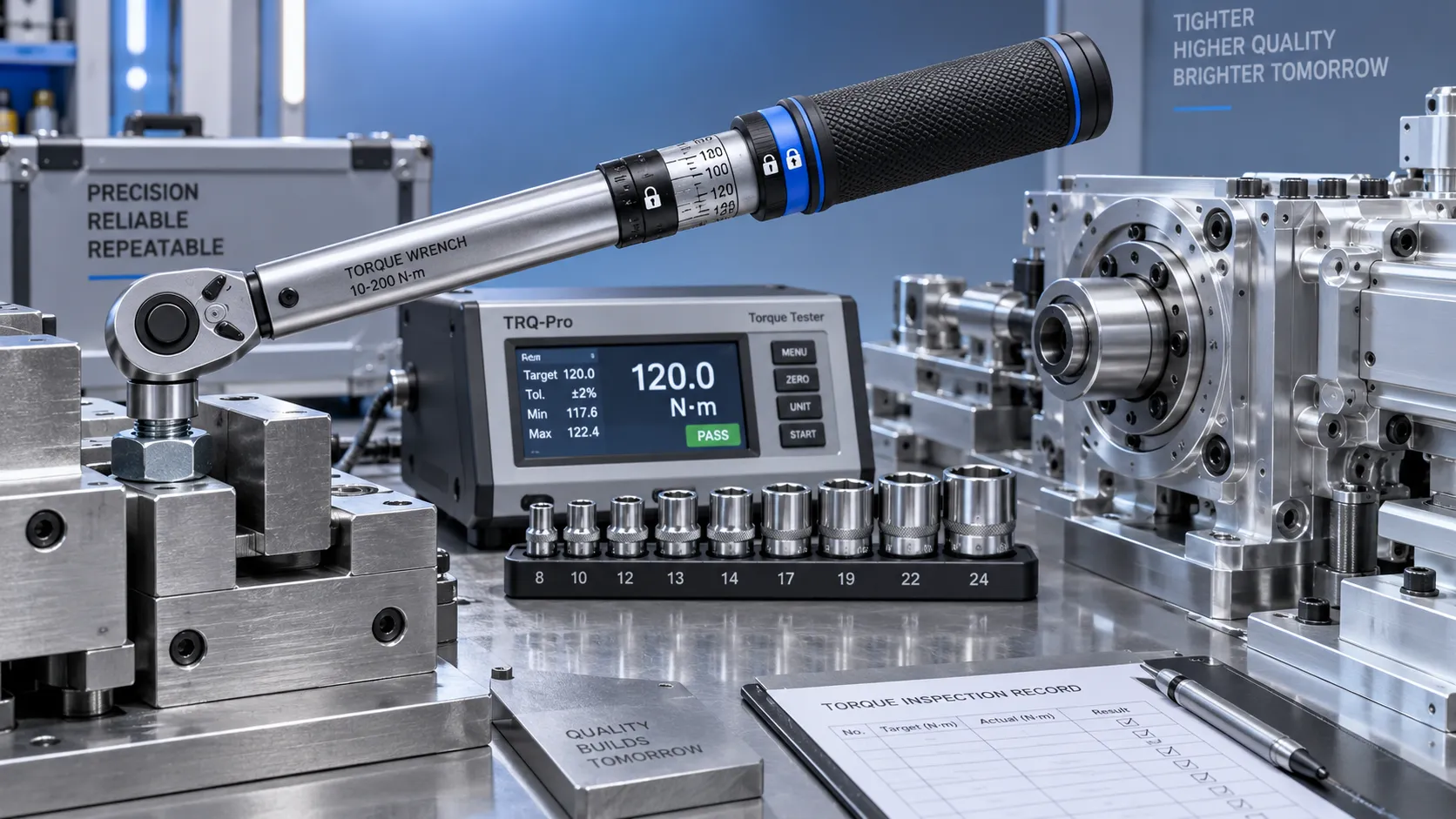
Selecting Adjustable Torque Tools for Repeatable Fastener Assembly
Adjustable torque tools: learn how to match range, accuracy, control methods, calibration, and ergonomics for repeatable, reliable fastener assembly.

How to Select Aerospace Inspection Tools for Aircraft Maintenance Tasks
Aerospace maintenance inspection tools: learn how to select reliable, traceable equipment for aircraft access, accuracy, calibration, and compliant maintenance decisions.

How to Select Wire Bonding Tools for Fine-Pitch Semiconductor Packaging
Explore semiconductor manufacturing tools for wire bonding and learn how to select precision solutions for fine-pitch packaging, reliable loops, accuracy, and yield.
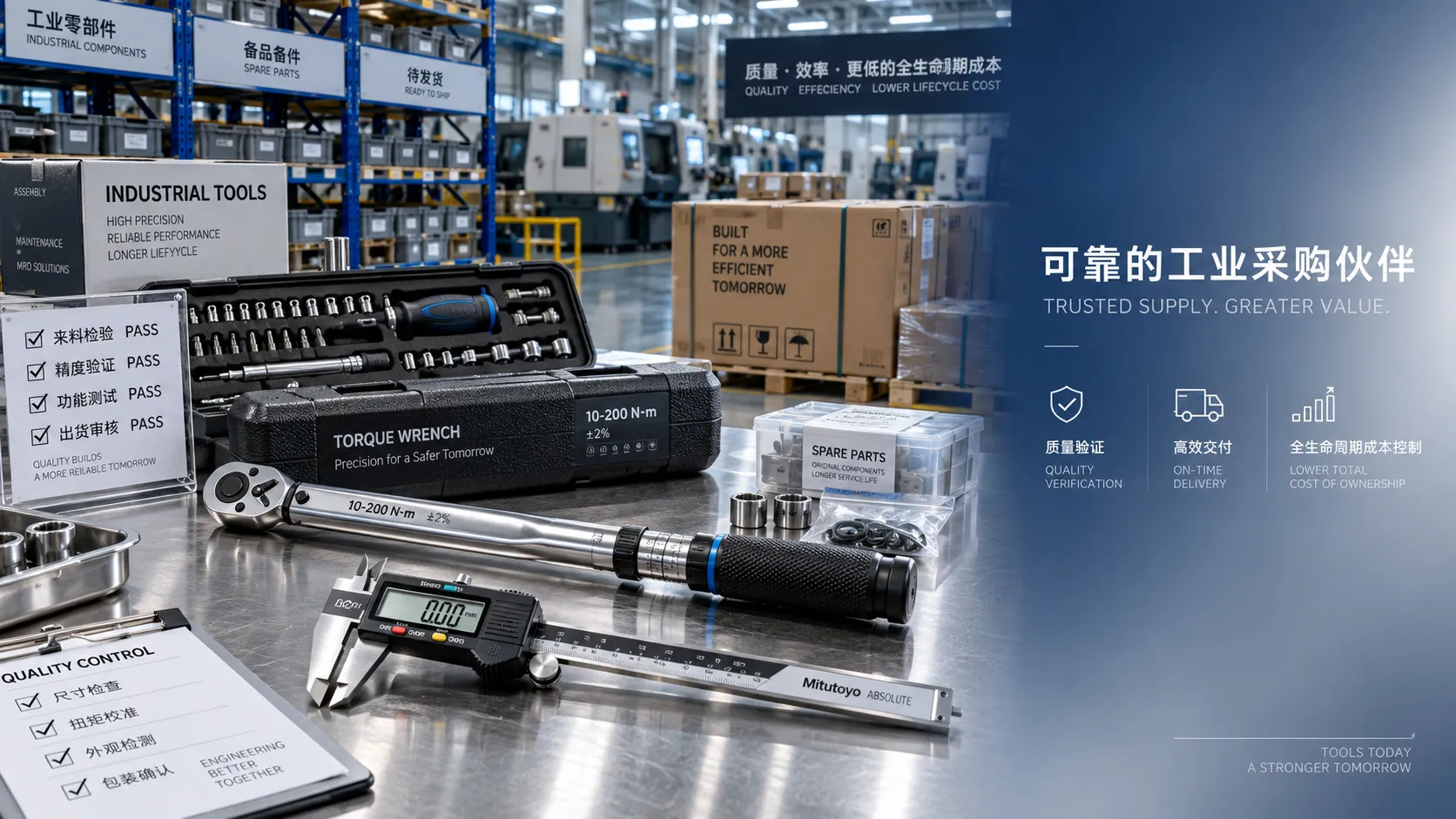
How to Compare Industrial Tool Suppliers for Quality, Lead Time, and Total Cost
Industrial tool selection supplier comparison made simple: evaluate quality, lead times, total cost, service, and supply resilience for confident sourcing decisions.
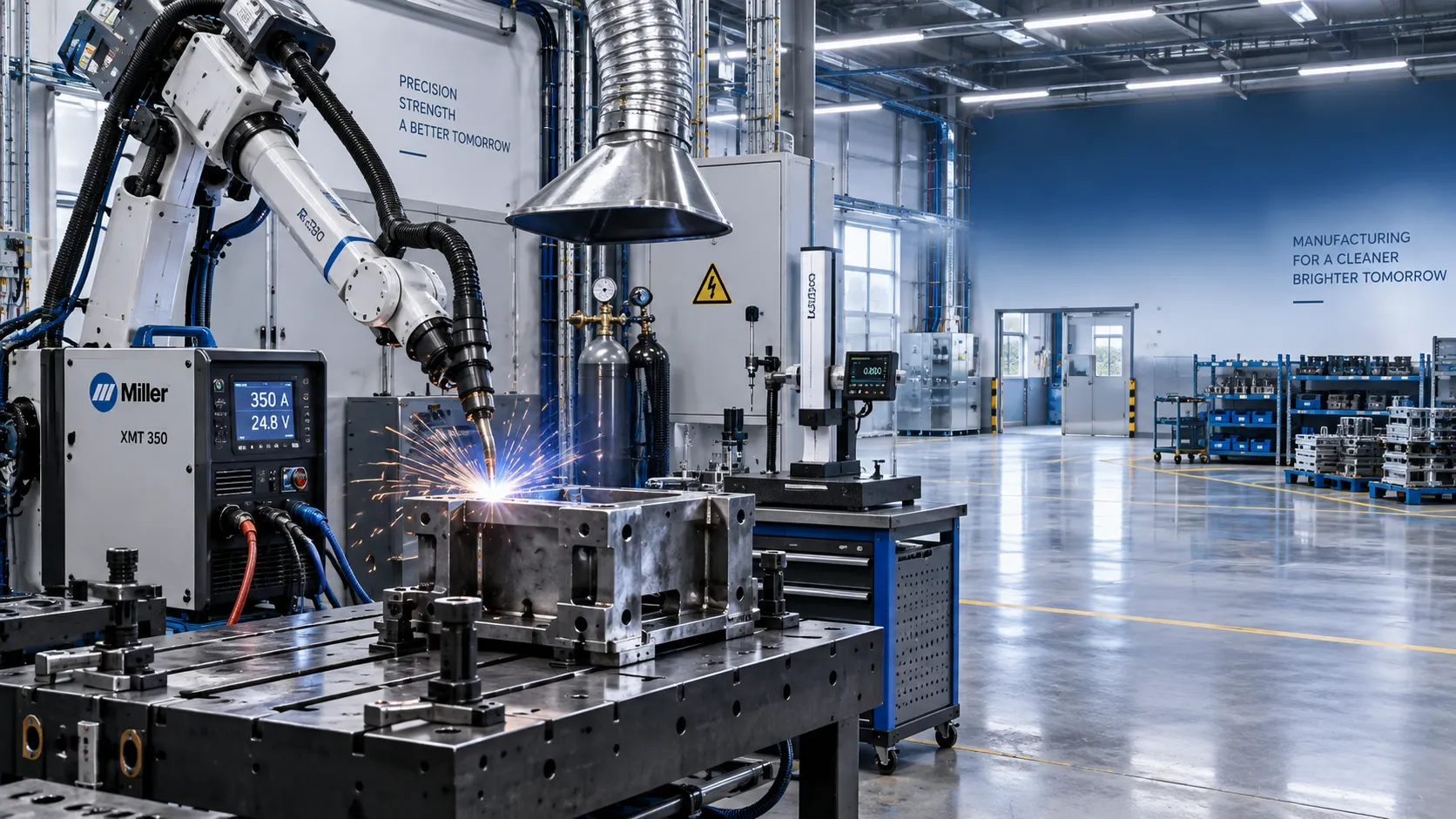
Industrial Equipment Application Guidance: Match Machines to Operating Conditions
Application guidance industrial equipment: match capacity, duty cycle, materials, site conditions, safety, and lifecycle cost to improve reliable output. Read the guide.
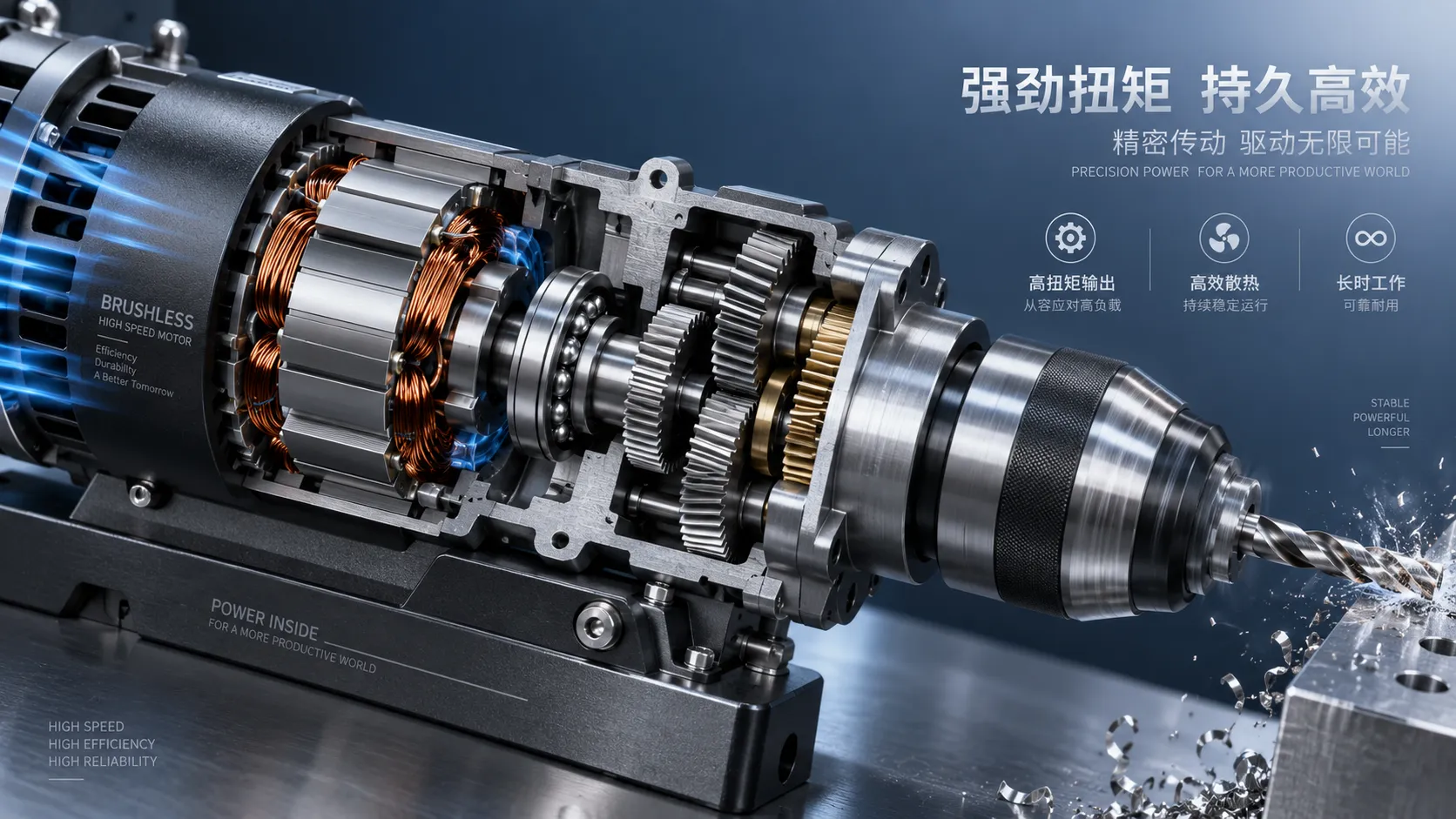
Selecting High-Speed Brushless Tool Motors for Torque, Heat, and Duty Cycle
High speed brushless tool motors: learn how to balance torque, heat, gearing, and duty cycle for reliable industrial tool performance and longer service life.
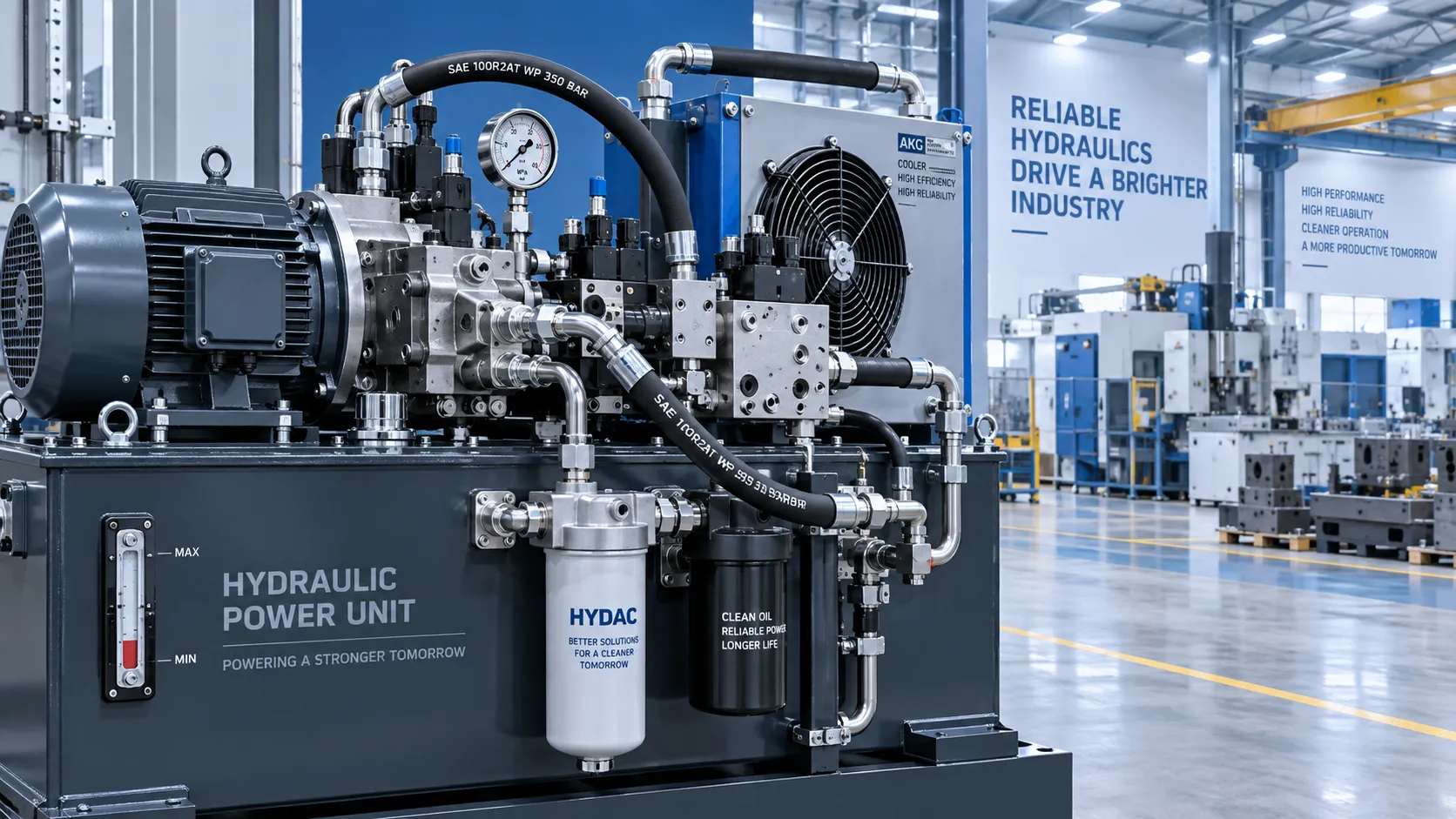
What Determines Industrial Hydraulic System Price for Heavy-Duty Equipment?
Industrial hydraulic system price depends on duty cycle, pressure, components, cooling, and integration. Compare quotes intelligently to secure reliable heavy-duty performance.
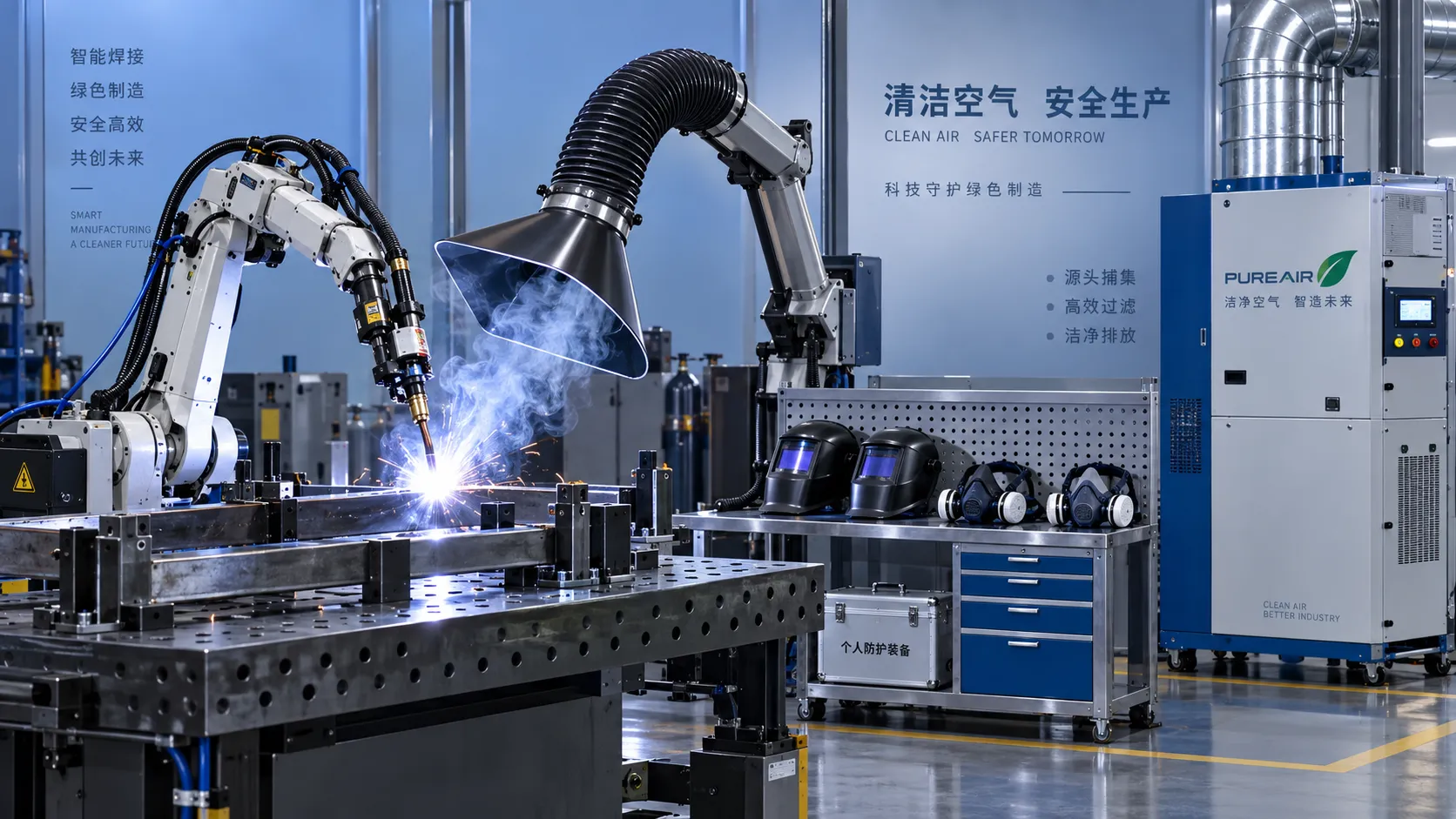
Welding Fume Extraction PPE: When Respirators Are Not Enough for Shop Safety
Welding fume extraction PPE: learn why respirators alone fall short and how source capture, ventilation, and layered controls improve shop safety.

How to Select Optical Metrology Solutions for Tight-Tolerance Manufacturing
Optical industrial metrology solutions for tight-tolerance manufacturing: evaluate accuracy, surface compatibility, workflow, and traceability to select with confidence.
Related News
- 00
0000-00
How to Compare Industrial Tool Suppliers for Quality, Lead Time, and Total Cost - 00
0000-00
How to Evaluate a Technology Integration Service Provider for Complex Projects - 00
0000-00
Product Comparison Resources in Europe: How Buyers Can Verify Specs and Suppliers - 00
0000-00
How to Evaluate an Industrial Metrology Solution Manufacturer for Production Use - 00
0000-00
How to Evaluate a Metal Joining Solutions Factory for Quality, Capacity, and Delivery Risk
Dr. Alistair Vaughn
Weekly Insights
Stay ahead with our curated technology reports delivered every Monday.