
How to Evaluate a Semiconductor Manufacturing Tools Exporter for Quality and Delivery Risk





How to Evaluate a Semiconductor Manufacturing Tools Exporter for Quality and Delivery Risk
Choosing a reliable semiconductor manufacturing tools exporter is a procurement decision with long operational consequences.
Price matters, but quality drift and delivery disruption usually cost far more than a higher unit quote.
In semiconductor production, tooling errors travel quickly into yield loss, rework, downtime, and compliance pressure.
That is why a structured review of any semiconductor manufacturing tools exporter should go beyond catalogs and sales claims.
A stronger evaluation framework helps reduce sourcing risk, protect schedules, and support stable production scaling.
The most useful signal is rarely one document.
It comes from the consistency between technical capability, process discipline, response speed, and shipping reliability.
Start with Product Fit and Process Understanding
Not every semiconductor manufacturing tools exporter understands fab-level requirements in the same way.
Some suppliers are strong in industrial tooling generally, but weak in contamination control, tolerance discipline, or traceability.
Before reviewing price, confirm the exporter knows the exact process environment.
- What tool category is involved: handling, joining, metrology, maintenance, or fixture support?
- What tolerance range must be held during production and inspection?
- Which material compatibility issues affect performance, outgassing, wear, or cleanliness?
- What downstream process risk appears if the tool fails or drifts?
A capable semiconductor manufacturing tools exporter should answer these points clearly and without generic language.
If the discussion stays too broad, that is already a delivery and quality warning.
Verify Quality Systems Beyond Basic Certification
Certification is necessary, but it should not end the review.
Many buyers stop at ISO documents and miss how quality actually operates inside the factory.
A dependable semiconductor manufacturing tools exporter should show control at process level, not only on paper.
Key quality checks
- Incoming material inspection records and approved supplier controls.
- Calibration routines for measuring instruments and inspection fixtures.
- In-process checkpoints for critical dimensions, torque, alignment, or surface finish.
- Final inspection criteria tied to actual application risk.
- Lot traceability for parts, subassemblies, operators, and test data.
- Nonconformance handling and root cause closure timing.
Ask for sample inspection reports, calibration logs, and corrective action examples.
Those documents reveal whether the semiconductor manufacturing tools exporter runs a stable system or a reactive one.
Assess Manufacturing Consistency and Technical Depth
A supplier may produce an acceptable sample while struggling to repeat performance at scale.
That gap becomes costly when semiconductor maintenance windows are tight and line interruptions are expensive.
This is where process capability matters more than presentation quality.
Review machining repeatability, assembly standardization, test methods, and engineering change control.
If possible, ask how the semiconductor manufacturing tools exporter handles tolerance stack-up, preventive maintenance, and operator qualification.
A mature answer usually includes control plans, work instructions, and defined escalation paths.
Useful evidence during evaluation
- First article inspection reports from similar products.
- Process capability data for critical dimensions.
- Change history on recent tooling revisions.
- Failure analysis examples from previous customer issues.
These details help separate a real semiconductor manufacturing tools exporter from a trading layer with limited control.
Measure Delivery Risk with Real Capacity Signals
Delivery risk is often underestimated because quoted lead times look reasonable during sourcing.
In practice, the risk sits inside capacity bottlenecks, outsourced steps, material dependency, and export handling.
A credible semiconductor manufacturing tools exporter should explain where lead time is consumed.
Break the schedule into raw material sourcing, fabrication, inspection, packaging, customs, and transit.
That makes hidden delay points much easier to spot.
Questions that expose delivery risk
- What is the current utilization rate on key machines and inspection stations?
- Which steps are outsourced, and who controls those subcontractors?
- What percentage of shipments leave on time over the last six months?
- How are rush orders prioritized without harming existing commitments?
- What buffer exists for material shortages or logistics disruption?
A strong semiconductor manufacturing tools exporter will answer with numbers, not broad promises.
Review Export Compliance and Documentation Readiness
For cross-border sourcing, documentation quality directly affects delivery reliability.
A delayed shipment can come from missing certificates, incorrect codes, or weak packaging records.
This becomes more sensitive when equipment or components fall under export control review.
A reliable semiconductor manufacturing tools exporter should manage commercial invoices, packing lists, origin documents, test records, and shipping marks accurately.
Also confirm who owns freight coordination and who responds when customs questions arise.
From a procurement view, this is not paperwork administration.
It is part of delivery risk control.
Use Samples, Audits, and Pilot Orders to Test Claims
The safest way to evaluate a semiconductor manufacturing tools exporter is to test performance in stages.
Do not move directly from quotation to full-volume award unless the supplier is already proven.
A staged approach creates better data and reduces switching costs later.
- Review technical documents and quality records.
- Request samples or first article units for verification.
- Run a process or remote audit focused on high-risk steps.
- Place a pilot order with clear acceptance criteria.
- Measure response speed, defect handling, and delivery accuracy.
This method turns supplier evaluation into evidence-based procurement instead of assumption-based purchasing.
Compare Exporters with a Weighted Scorecard
When several suppliers look similar, a weighted scorecard keeps the decision grounded.
This is especially useful when cost pressure competes with technical risk.
Adjust the weights to match business risk.
For critical tools, the best semiconductor manufacturing tools exporter is rarely the lowest bidder.
Watch for Early Warning Signs
Some warning signs appear before any order is placed.
These signals often predict future claim disputes or delayed shipments.
- Slow answers to technical questions.
- Inconsistent specifications across quotation documents.
- Reluctance to share inspection examples or process details.
- Lead times that look unusually short without explanation.
- Frequent changes in contact person or account ownership.
- Vague ownership for export compliance and after-sales issues.
When several of these signs appear together, the procurement risk is already visible.
Build a More Reliable Shortlist
A sound evaluation of a semiconductor manufacturing tools exporter combines technical review, quality evidence, and real delivery data.
That combination gives a clearer picture than price comparison alone.
In practical sourcing, the right exporter is the one that can repeat quality, communicate clearly, and ship predictably under pressure.
Start with a scorecard, validate claims through samples or pilot orders, and keep documentation standards high from the beginning.
That approach reduces total cost, strengthens supply continuity, and supports better procurement decisions over time.
Related News
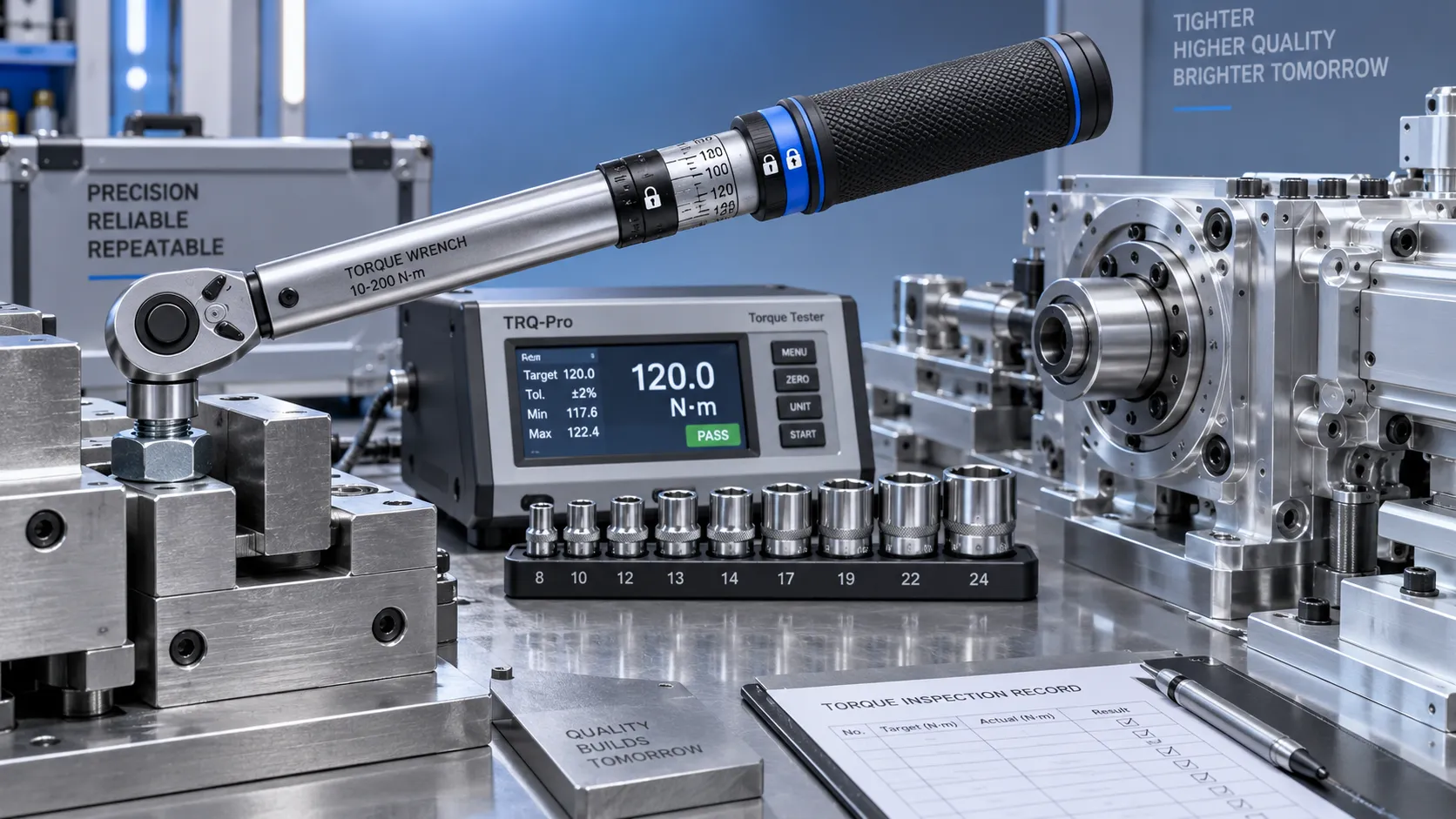
Selecting Adjustable Torque Tools for Repeatable Fastener Assembly
Adjustable torque tools: learn how to match range, accuracy, control methods, calibration, and ergonomics for repeatable, reliable fastener assembly.

How to Select Aerospace Inspection Tools for Aircraft Maintenance Tasks
Aerospace maintenance inspection tools: learn how to select reliable, traceable equipment for aircraft access, accuracy, calibration, and compliant maintenance decisions.

How to Select Wire Bonding Tools for Fine-Pitch Semiconductor Packaging
Explore semiconductor manufacturing tools for wire bonding and learn how to select precision solutions for fine-pitch packaging, reliable loops, accuracy, and yield.
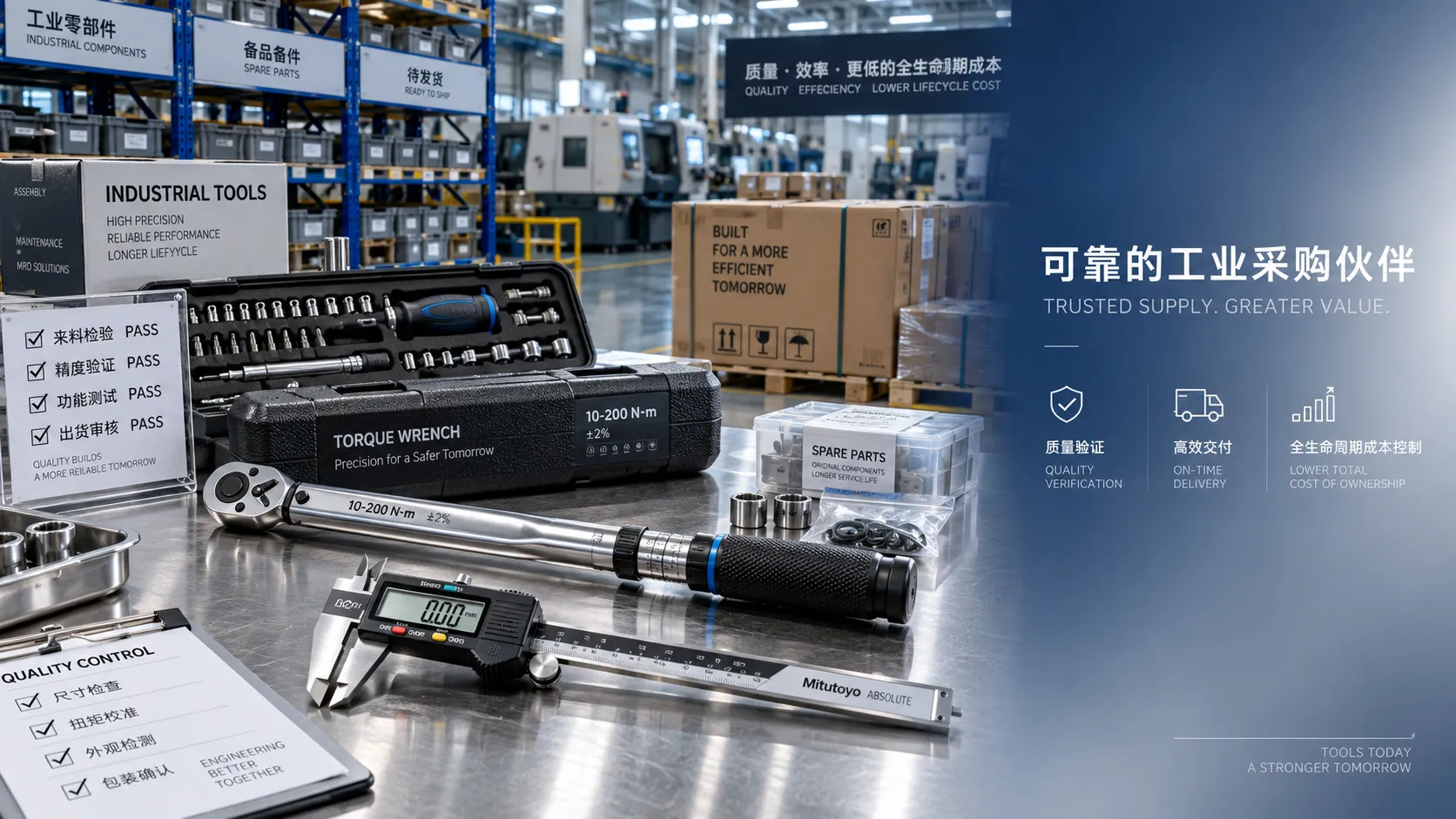
How to Compare Industrial Tool Suppliers for Quality, Lead Time, and Total Cost
Industrial tool selection supplier comparison made simple: evaluate quality, lead times, total cost, service, and supply resilience for confident sourcing decisions.
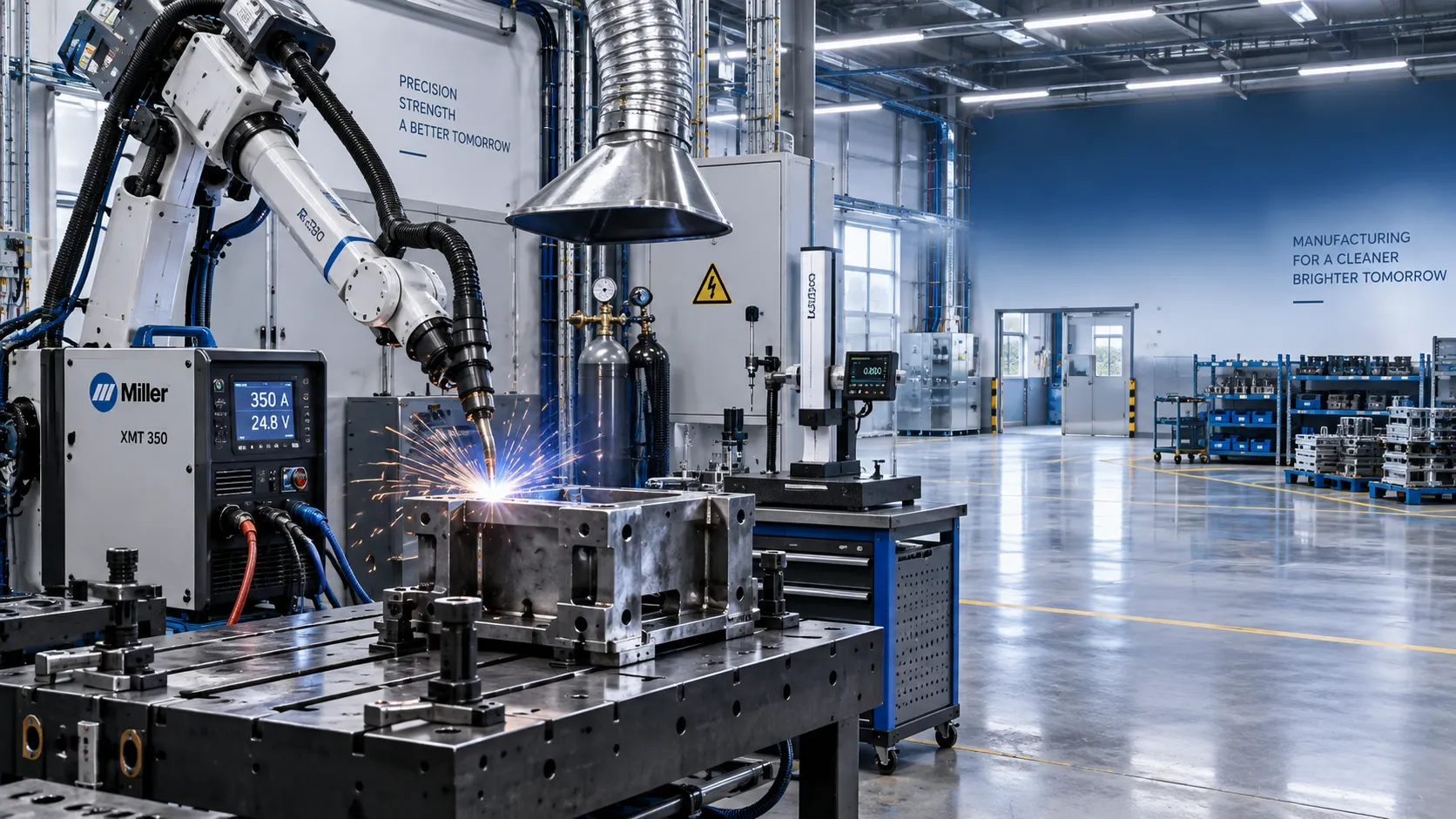
Industrial Equipment Application Guidance: Match Machines to Operating Conditions
Application guidance industrial equipment: match capacity, duty cycle, materials, site conditions, safety, and lifecycle cost to improve reliable output. Read the guide.
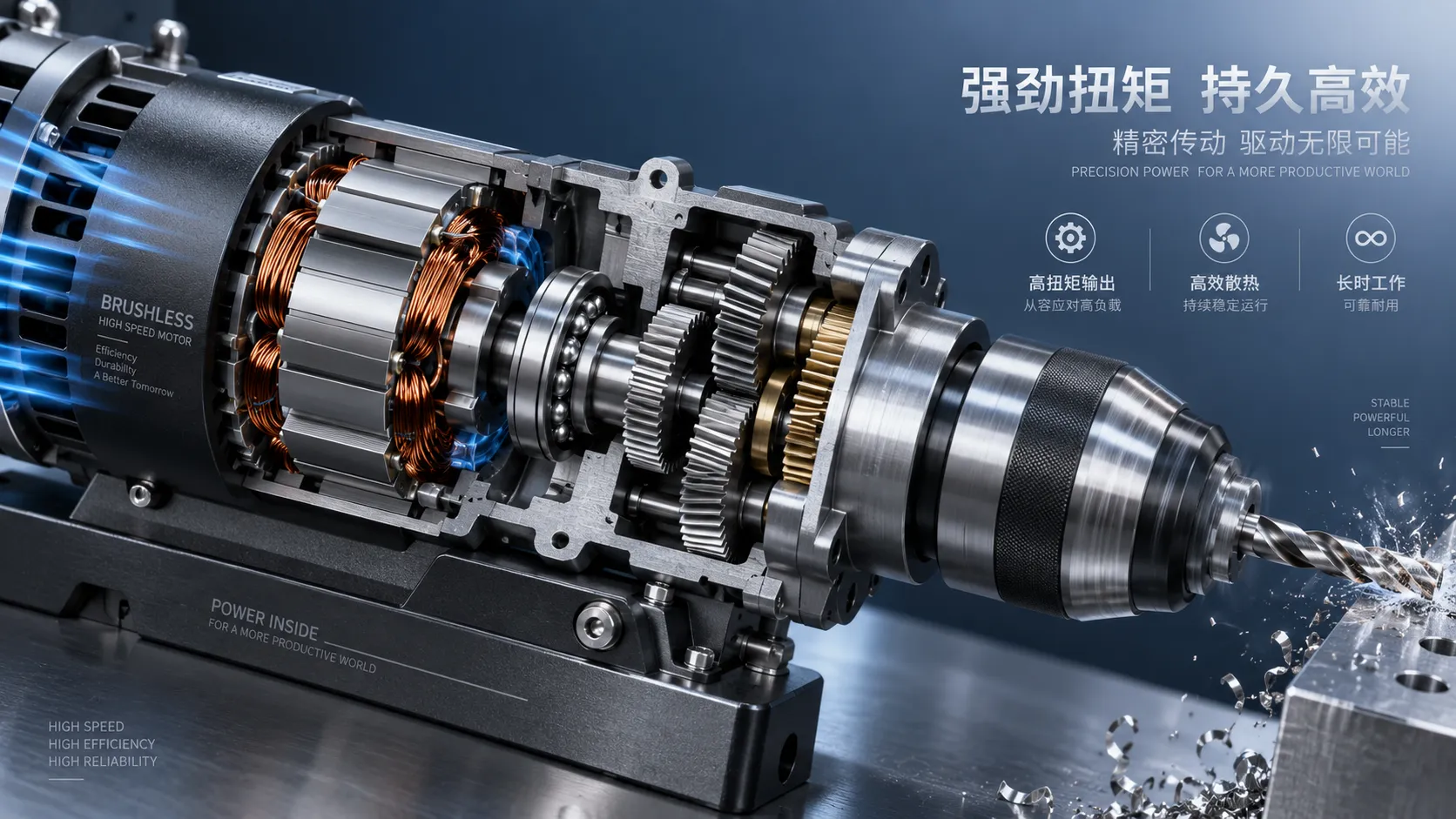
Selecting High-Speed Brushless Tool Motors for Torque, Heat, and Duty Cycle
High speed brushless tool motors: learn how to balance torque, heat, gearing, and duty cycle for reliable industrial tool performance and longer service life.
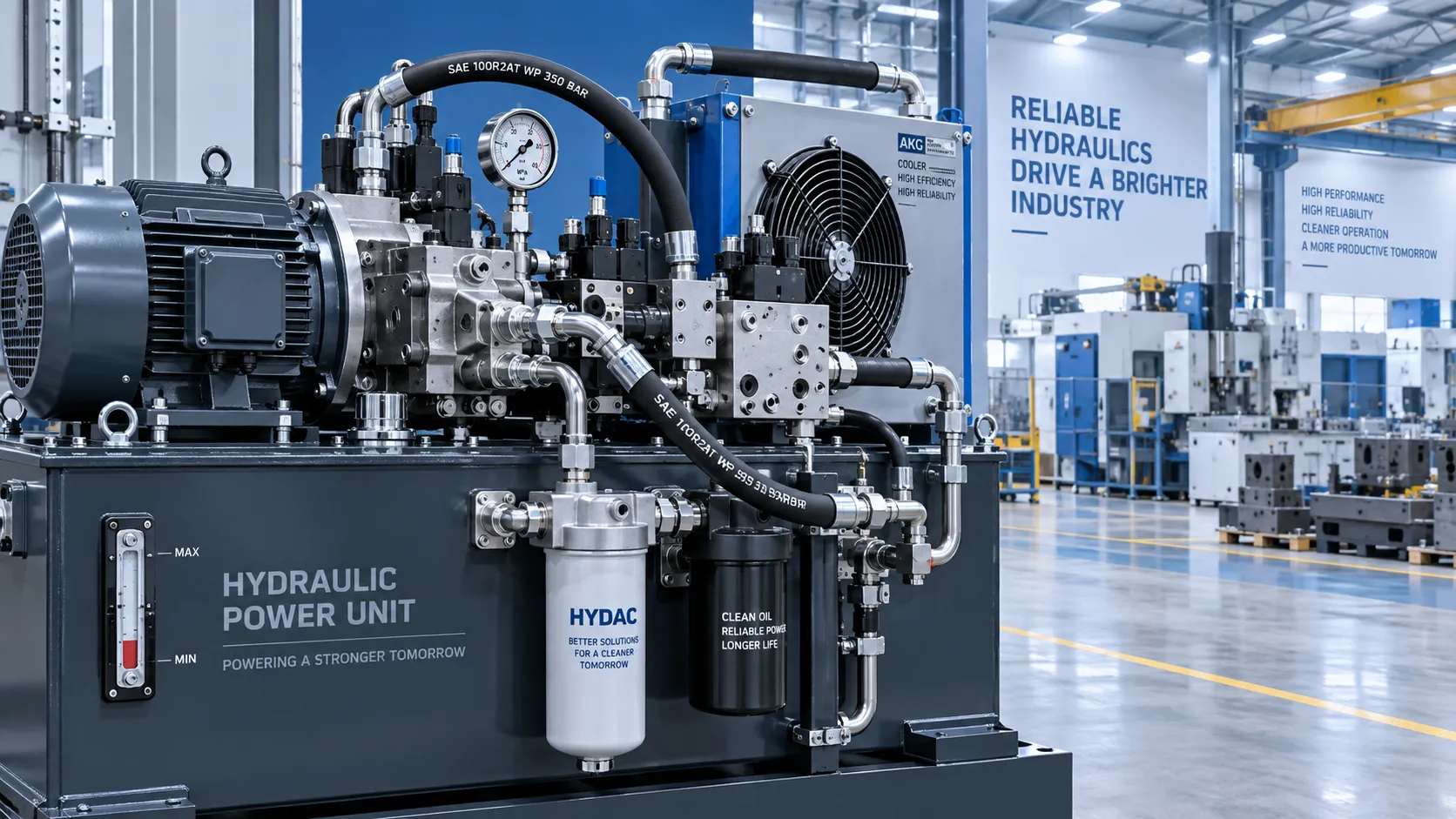
What Determines Industrial Hydraulic System Price for Heavy-Duty Equipment?
Industrial hydraulic system price depends on duty cycle, pressure, components, cooling, and integration. Compare quotes intelligently to secure reliable heavy-duty performance.
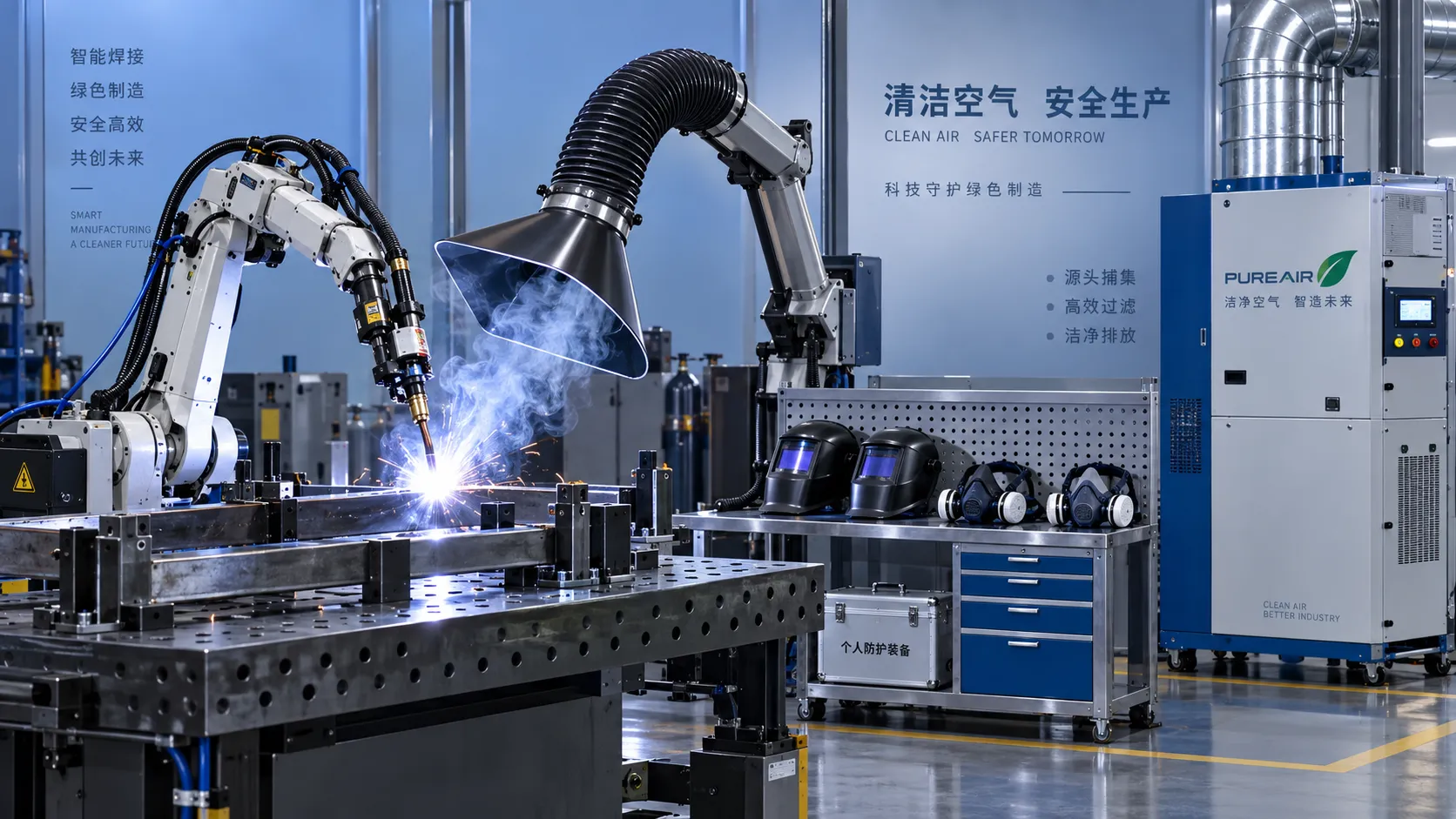
Welding Fume Extraction PPE: When Respirators Are Not Enough for Shop Safety
Welding fume extraction PPE: learn why respirators alone fall short and how source capture, ventilation, and layered controls improve shop safety.

How to Select Optical Metrology Solutions for Tight-Tolerance Manufacturing
Optical industrial metrology solutions for tight-tolerance manufacturing: evaluate accuracy, surface compatibility, workflow, and traceability to select with confidence.
Related News
- 00
0000-00
How to Compare Industrial Tool Suppliers for Quality, Lead Time, and Total Cost - 00
0000-00
How to Evaluate a Technology Integration Service Provider for Complex Projects - 00
0000-00
Product Comparison Resources in Europe: How Buyers Can Verify Specs and Suppliers - 00
0000-00
How to Evaluate an Industrial Metrology Solution Manufacturer for Production Use - 00
0000-00
How to Evaluate a Metal Joining Solutions Factory for Quality, Capacity, and Delivery Risk
Dr. Alistair Vaughn
Weekly Insights
Stay ahead with our curated technology reports delivered every Monday.