
Advanced manufacturing is reshaping supplier selection





Advanced Manufacturing Is Reshaping Supplier Selection
Advanced manufacturing is changing how enterprise decision makers evaluate suppliers, shifting focus from price and capacity to precision, digital readiness, compliance resilience, and innovation value.
As industrial assembly, metal joining, and metrology technologies become intelligent, supplier selection requires sharper intelligence and deeper understanding of process reliability.
Choosing the right partner is no longer routine sourcing. It is a strategic decision shaping efficiency, competitiveness, and future growth.
What Does Advanced Manufacturing Mean for Supplier Selection?
Advanced manufacturing refers to digitally enabled, precision-driven, and highly controlled production systems that improve quality, traceability, flexibility, and productivity.
It connects automation, smart tools, data systems, material science, robotics, welding intelligence, and precision metrology into coordinated industrial capability.
In supplier evaluation, advanced manufacturing changes the question from “Who can produce?” to “Who can prove reliable performance repeatedly?”
A supplier may offer attractive pricing, yet fail under tighter tolerances, documented inspection needs, or changing export requirements.
Advanced manufacturing raises expectations for process control, welding consistency, tool calibration, and real-time visibility across production stages.
This matters in automotive maintenance, aerospace repair, construction equipment, energy infrastructure, and precision assembly applications.
In these environments, small deviations can affect safety, rework cost, warranty exposure, and delivery credibility.
GPTWM observes this shift through the “last mile” of manufacturing, where welding torches, calipers, torque tools, and hydraulic equipment determine outcome quality.
Why Is Price No Longer the Main Supplier Selection Factor?
Price remains important, but advanced manufacturing exposes hidden costs that low quotations often cannot absorb.
Those costs include inspection failures, inconsistent joining quality, poor documentation, delayed certification, unstable raw material sourcing, and limited technical support.
A cheaper supplier can become expensive when products require repeated measurement, repair, sorting, or emergency replacement.
Advanced manufacturing rewards suppliers that reduce variation, not merely those that reduce unit cost.
For precision tools and welding systems, stable output often depends on motor efficiency, ergonomic design, sensor accuracy, and heat control.
For metrology instruments, the decisive factors include repeatability, calibration traceability, environmental stability, and user-friendly data recording.
For industrial distributors, advanced manufacturing intelligence helps identify suppliers capable of building brand premiums through technical reliability.
Key cost signals to verify
- Defect rate trends across multiple production batches.
- Calibration records for measuring and assembly tools.
- Welding process stability under different materials.
- Raw material exposure during market volatility.
- Response speed when compliance rules change.
The strongest evaluation model compares total risk-adjusted value, not invoice price alone.
How Does Digital Readiness Change Supplier Qualification?
Digital readiness is a core feature of advanced manufacturing because production quality now depends on data transparency and connected control.
A digitally mature supplier can share process data, inspection records, tool usage logs, and corrective action evidence with confidence.
This visibility improves trust when supply chains are geographically distributed and subject to changing technical standards.
In power tools, digital readiness may involve brushless motor diagnostics, battery performance tracking, and IoT-based torque control.
In welding, it may include parameter monitoring, safety interlocks, laser exposure controls, and process validation reports.
In metrology, it may include digital certificates, automated data capture, cloud storage, and integration with quality systems.
Advanced manufacturing does not require every supplier to operate a fully automated factory.
It does require disciplined data, clear traceability, and measurable control over critical variables.
Practical digital readiness questions
- Can production parameters be traced to each batch?
- Are inspection results stored in structured digital formats?
- Can corrective actions be verified with evidence?
- Are smart tools compatible with existing operating workflows?
- Can data support warranty, audit, and compliance needs?
Digital readiness turns supplier claims into verifiable operating facts.
Which Technical Capabilities Matter Most in Advanced Manufacturing?
The most relevant capabilities depend on the application, but several supplier qualities consistently indicate advanced manufacturing strength.
Precision control comes first. Suppliers must demonstrate stable tolerances, repeatable assembly, and reliable measurement methods.
Process adaptability is also essential. Global demand shifts quickly across construction, automotive, aerospace maintenance, and industrial repair markets.
A capable supplier can adjust output without sacrificing consistency or documentation quality.
Material expertise matters because advanced manufacturing often combines lightweight structures, coated components, specialized alloys, and high-strength joining requirements.
Tool engineering capability is another marker. Better ergonomics, efficient motors, safer welding designs, and intelligent controls improve field productivity.
Metrology competence is equally important. If a supplier cannot measure accurately, it cannot improve systematically.
Advanced manufacturing selection should always link technical evidence to operating consequences.
How Should Compliance and Supply Risk Be Evaluated?
Advanced manufacturing operates inside a complex network of safety rules, export standards, environmental policies, and customer-specific requirements.
Supplier selection must therefore include compliance resilience, not only production capability.
A resilient supplier understands documentation, labeling, electrical safety, laser safety, materials restrictions, packaging requirements, and regional certification expectations.
This is especially important for handheld laser welding systems, smart power tools, precision measuring instruments, and hydraulic equipment.
Regulatory changes can delay shipments, disrupt market entry, or damage channel confidence if handled late.
Advanced manufacturing intelligence helps identify suppliers that monitor rule changes and prepare alternatives before disruption occurs.
Common risk areas
- Unclear origin documentation for critical materials.
- Incomplete certificates for electrical or laser safety.
- Limited backup sources for motors, sensors, or chips.
- Weak inspection records during high-volume scaling.
- Slow response to export standard revisions.
Risk evaluation should combine supplier interviews, document reviews, production audits, and market intelligence.
The goal is not to eliminate every uncertainty, but to understand which risks are manageable.
What Mistakes Weaken Supplier Decisions in Advanced Manufacturing?
One common mistake is treating advanced manufacturing as a slogan instead of a measurable operating model.
Suppliers may advertise automation, yet lack process discipline, skilled technicians, or reliable inspection routines.
Another mistake is overvaluing factory scale. Large capacity does not guarantee precision, flexibility, or technical problem-solving.
A third mistake is ignoring tool-user experience. Ergonomics, maintenance access, and training demands influence real productivity.
Advanced manufacturing should improve practical work, not create fragile systems that fail outside ideal conditions.
It is also risky to accept isolated samples without studying batch consistency.
A polished sample may hide unstable suppliers, weak sub-tier controls, or manual corrections that cannot scale.
Finally, decisions often fail when commercial teams separate price negotiation from technical validation.
Advanced manufacturing requires integrated evaluation across cost, quality, compliance, delivery, service, and innovation potential.
FAQ: Advanced Manufacturing Supplier Selection Checklist
This checklist supports faster screening while preserving technical depth.
It also helps compare suppliers across different regions, product categories, and operating maturity levels.
How Can a Better Selection Framework Be Built?
A stronger framework begins by defining the performance outcome that matters most.
For welding systems, that outcome may be joint repeatability, safety assurance, and parameter stability.
For precision tools, it may be measurement confidence, durability, ergonomic comfort, and calibration support.
For hydraulic equipment, it may be pressure reliability, seal quality, serviceability, and performance under harsh conditions.
Advanced manufacturing selection should then rank suppliers against weighted criteria rather than informal impressions.
- Technical capability: 30 percent.
- Quality evidence: 25 percent.
- Compliance resilience: 20 percent.
- Commercial stability: 15 percent.
- Innovation cooperation: 10 percent.
The weighting can change by industry, but the principle remains consistent.
Advanced manufacturing decisions should be evidence-based, future-oriented, and connected to real operating risk.
Conclusion: Turning Supplier Selection into Strategic Intelligence
Advanced manufacturing is reshaping supplier selection because industrial value now depends on precision, data, compliance, and adaptable innovation.
The best suppliers provide more than components, tools, or equipment. They provide confidence in performance under changing conditions.
A practical next step is to review current suppliers against technical evidence, digital readiness, compliance resilience, and lifecycle cost.
GPTWM supports that process with intelligence across industrial assembly, metal joining, precision metrology, and global market movement.
With the right framework, advanced manufacturing becomes more than a production trend. It becomes a smarter way to build resilient industrial partnerships.
Precision tools, intelligent intelligence, and disciplined selection can connect industry with stronger performance and lasting international influence.
Related News
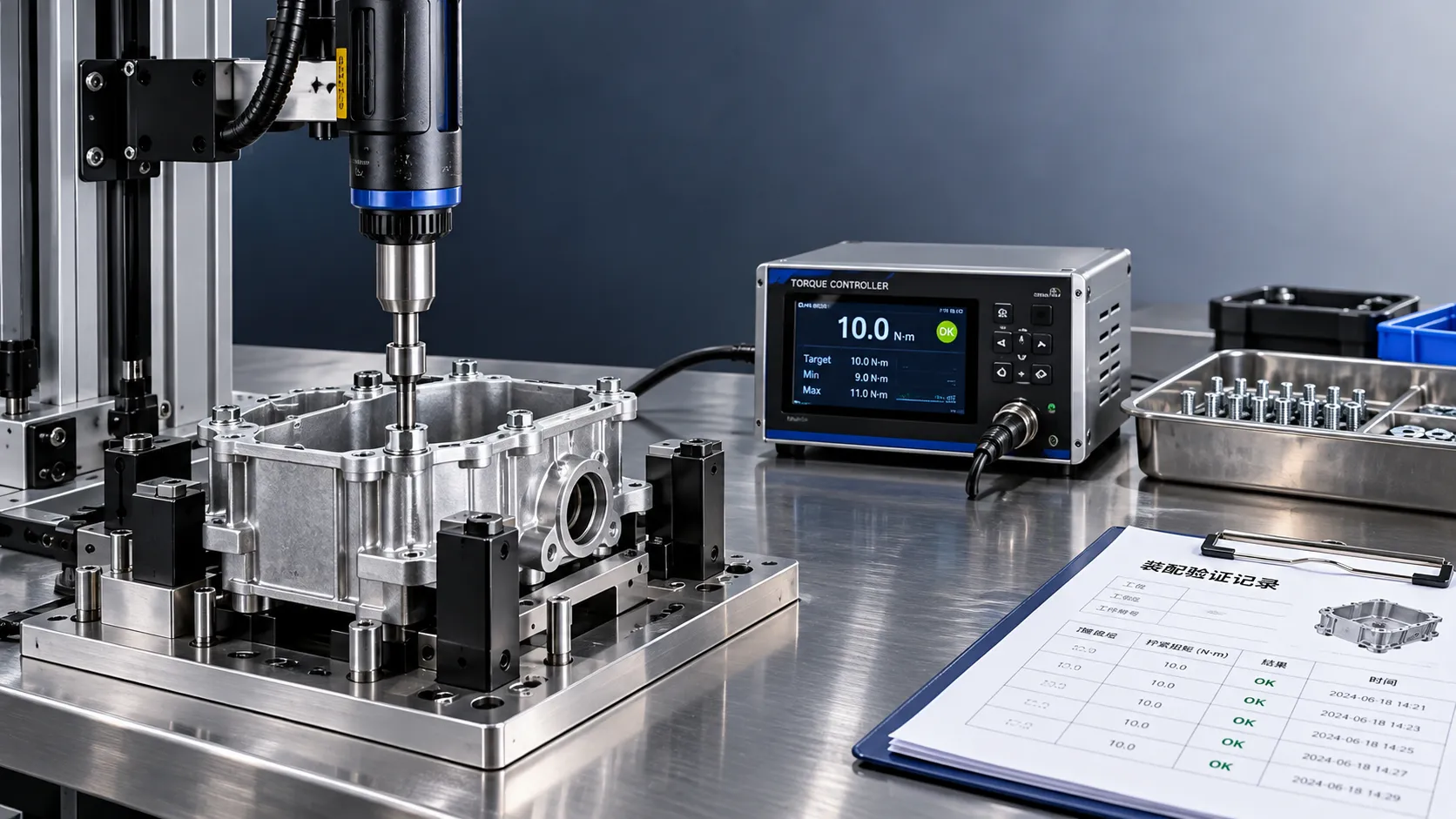
Torque System Suppliers: How to Assess References for Assembly Projects
Explore supplier and solution references torque systems buyers should verify. Assess assembly fit, traceability, and support to reduce risk and choose with confidence.
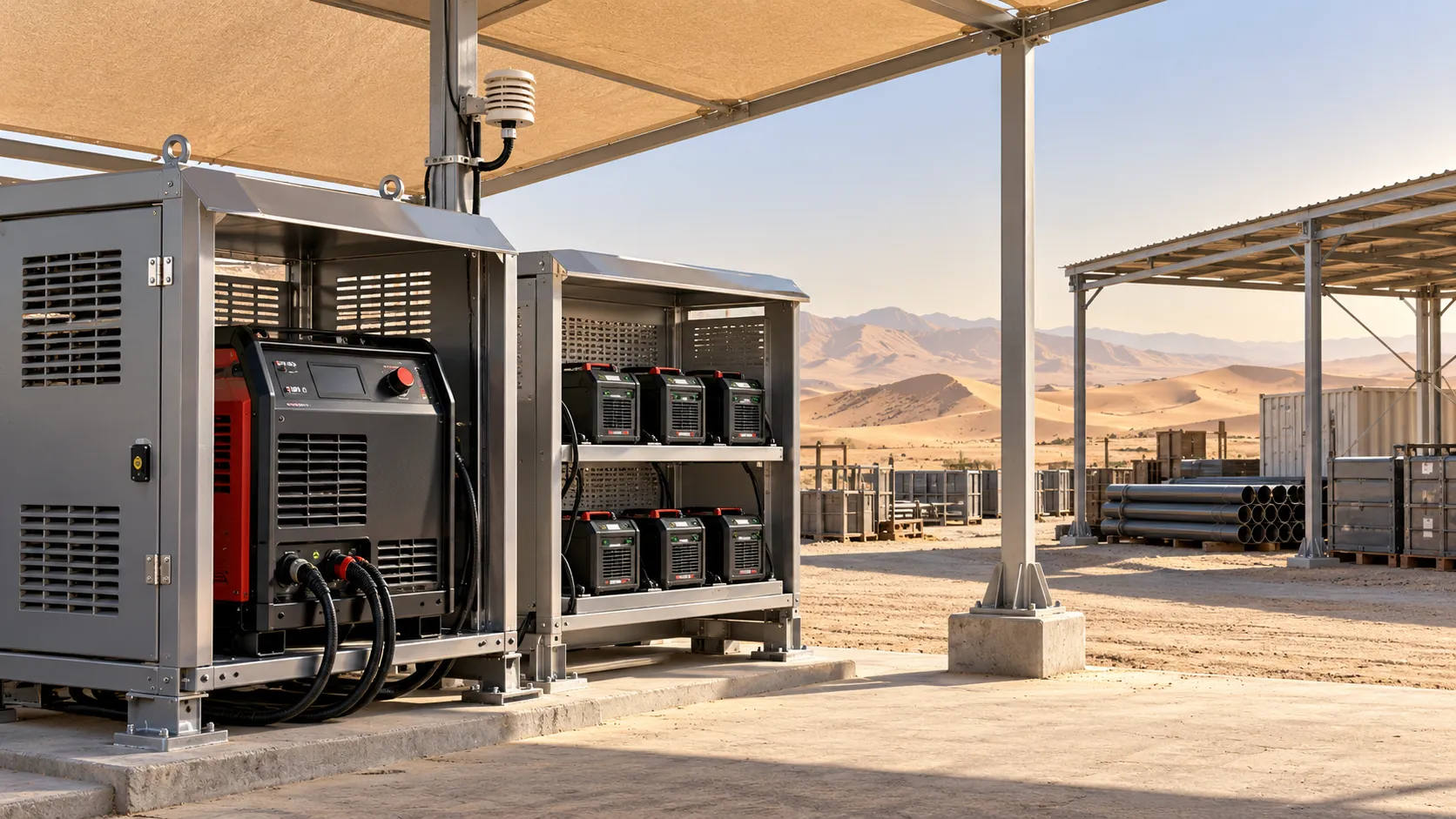
Equipment Application Guidance for the Middle East: Managing Heat and Dust
Explore application guidance Middle East teams can use to manage heat and dust, protect welding equipment, batteries and precision tools, and reduce downtime. Get practical tips.
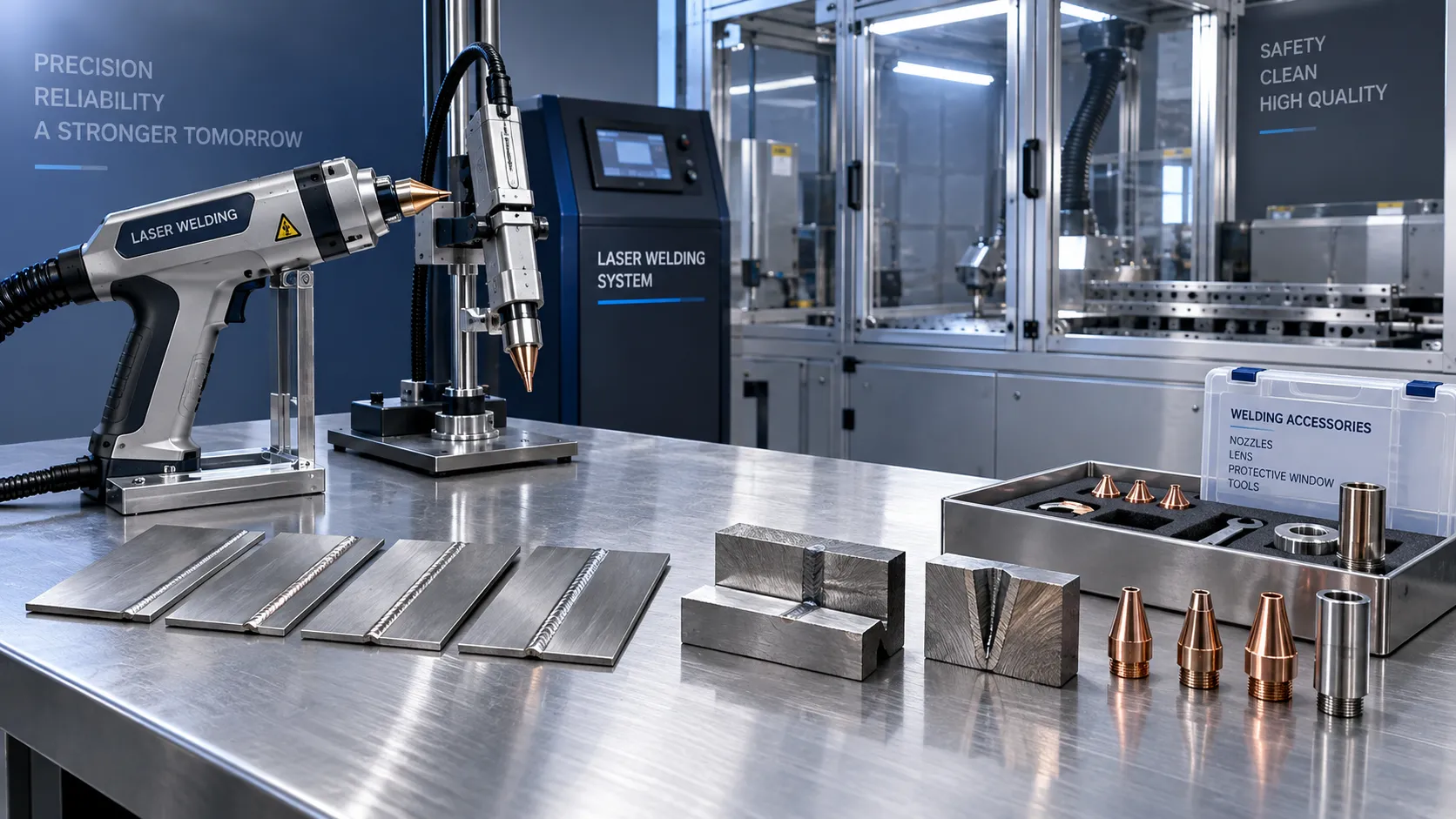
Choosing a Handheld Laser Welding Supplier: Weld Trials, Training, and Service
Choose a handheld laser welding supplier with proven weld trials, safety training, and reliable service. Learn what to verify before buying to reduce downtime and protect your investment.
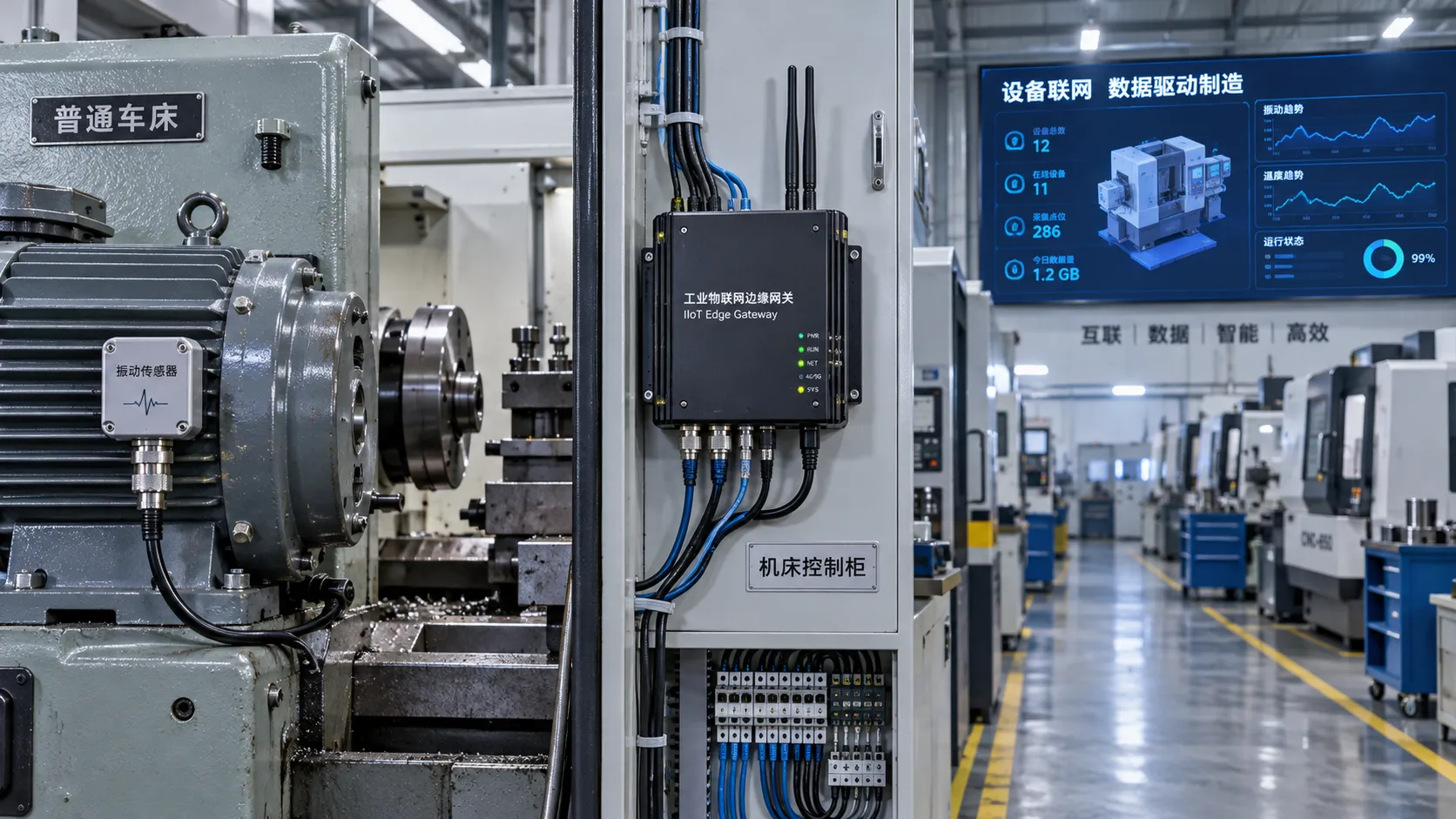
Choosing an Industrial IoT Platform: Key Criteria for Legacy Equipment
Choose an industrial IoT platform for legacy equipment with confidence. Discover key checks for connectivity, data integrity, security, and lifecycle costs before investing.
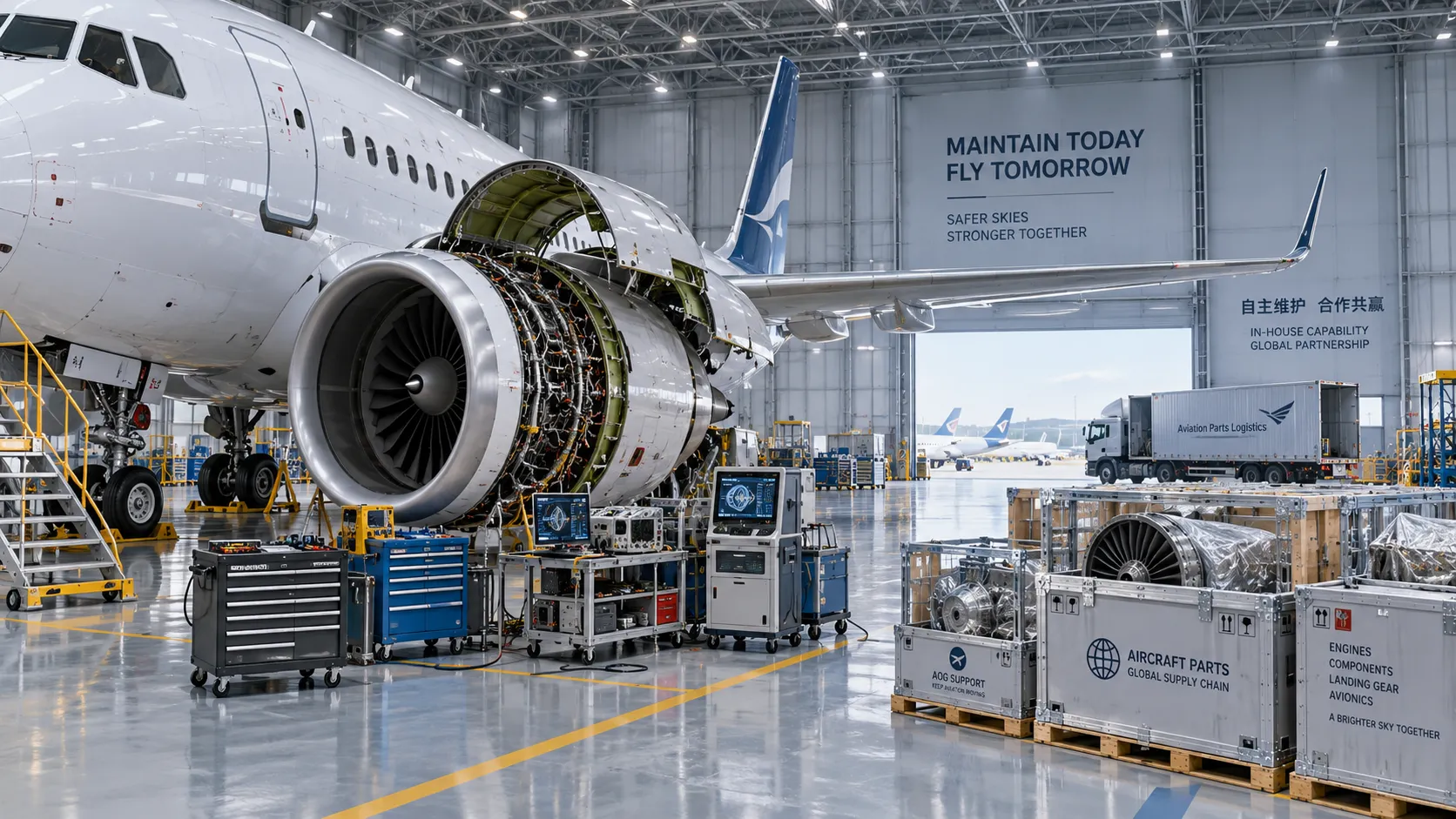
In-House vs. Outsourced Aircraft Maintenance: Comparing Total Costs
Compare aerospace maintenance cost for in-house vs. outsourced aircraft upkeep. Discover hidden expenses, downtime impacts, and break-even factors to find the best fit for your fleet.
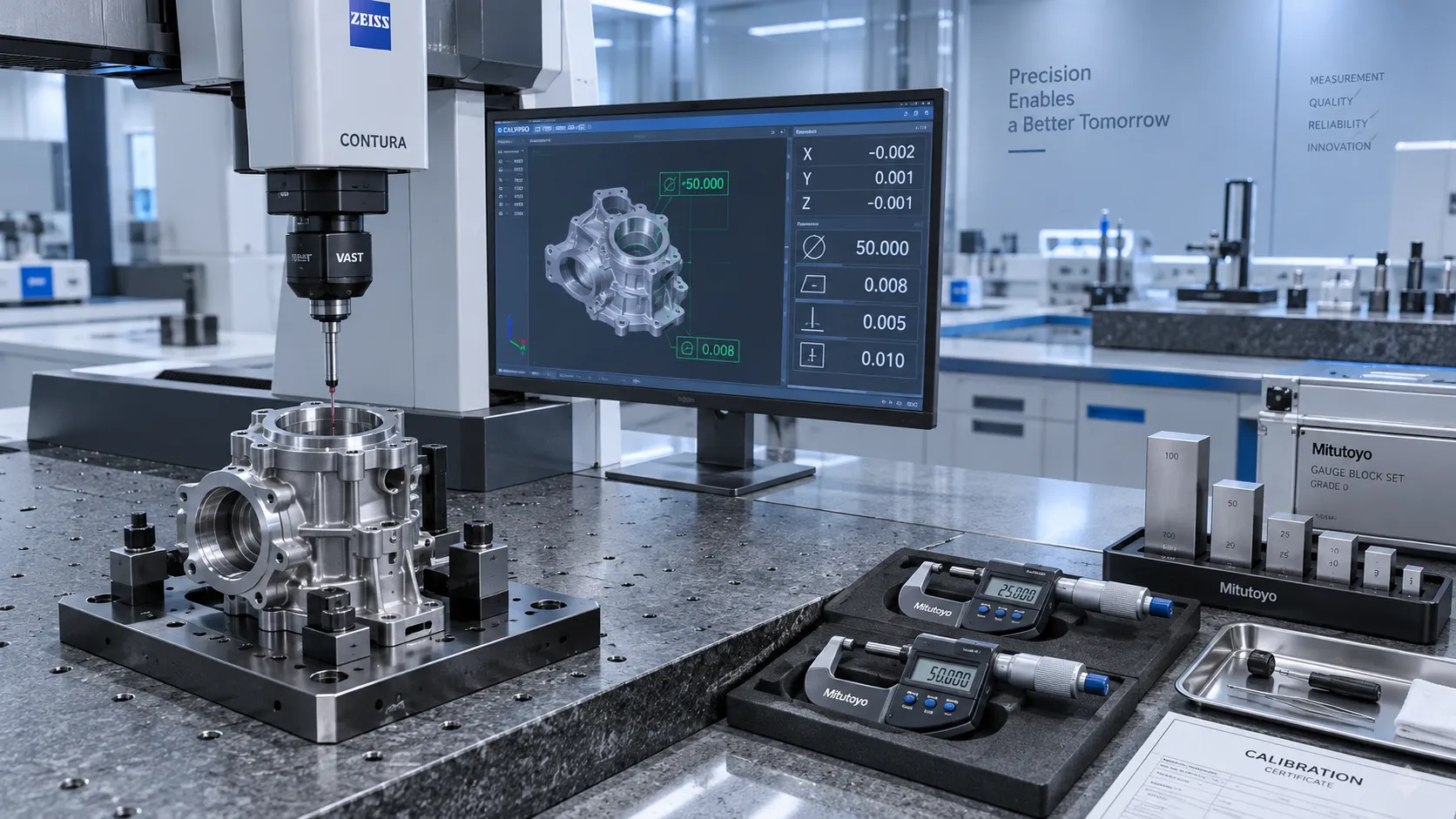
How to Select High-Precision Measuring Instruments for Tight-Tolerance Production?
High-precision measuring instruments are essential for tight-tolerance production. Learn how to evaluate accuracy, repeatability, environment, calibration, and data integration.
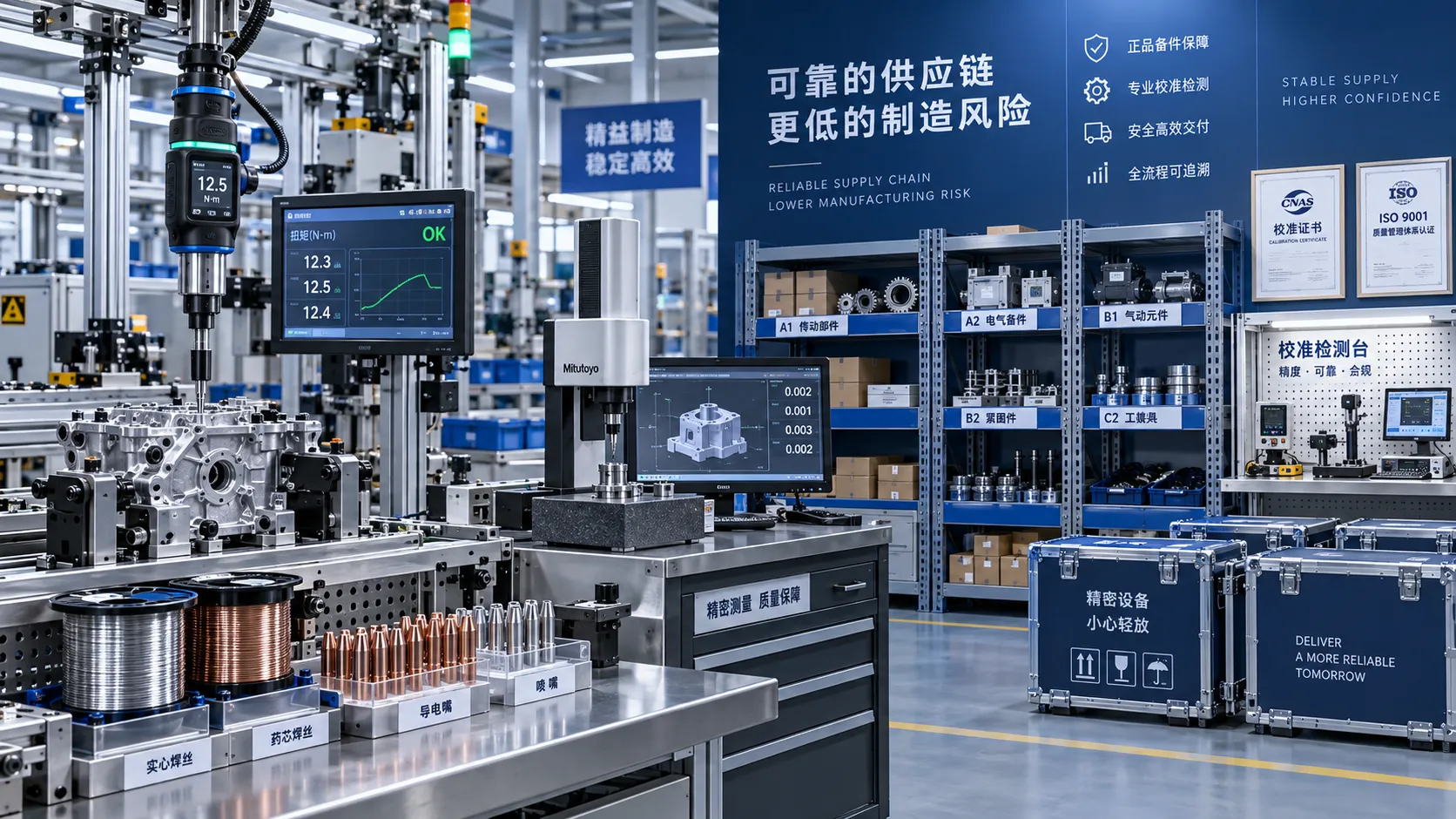
How Industrial Innovation Supplier Networks Reduce Sourcing Risk for Manufacturers
industrial innovation supplier network insights help manufacturers reduce sourcing risk, control lifecycle costs, and choose reliable tools, services, and suppliers with confidence.
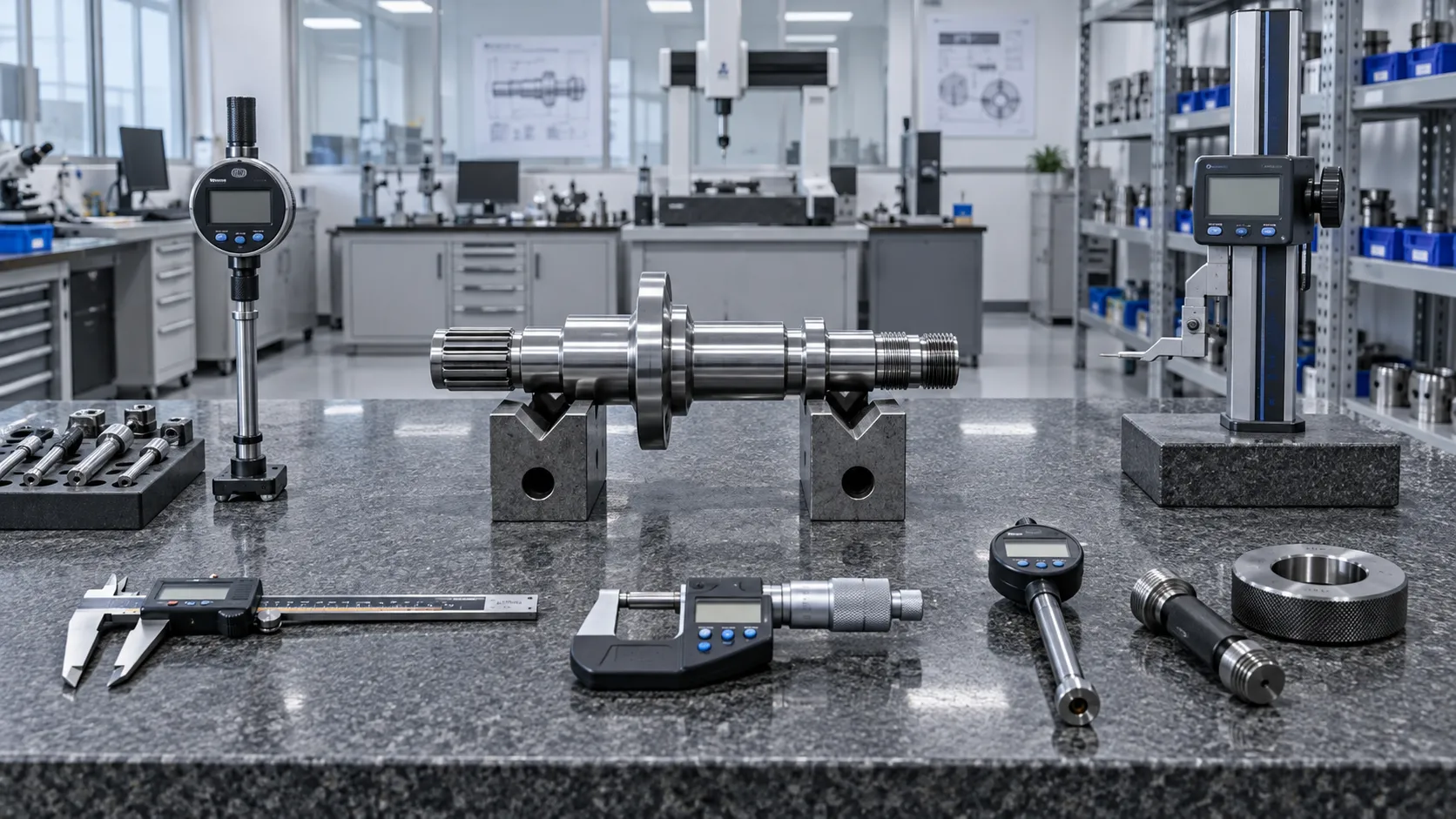
Which Precision Measuring Tools Are Best for Incoming Inspection?
Which precision measuring tools are best for incoming inspection? Explore calipers, micrometers, gauges, CMMs, and smarter strategies to prevent costly defects.
Are Lower-Cost Metalworking Tools More Likely to Fail Early?
Are cheaper metalworking tools more likely to fail early? Explore duty cycle, build quality, and total ownership costs to make smarter buying decisions.
Related News
- 00
0000-00
How Industrial Innovation Supplier Networks Reduce Sourcing Risk for Manufacturers - 00
0000-00
Which Industrial Standards Should Be Checked Before Export? - 00
0000-00
What Industrial Automation Exporters Need to Know Before Entering ASEAN Markets - 00
0000-00
How Procurement Teams Can Map the Industrial Value Chain to Reduce Supply Risk - 00
0000-00
How Industry Category Guides Help Global Sourcing Teams Compare Suppliers Faster
Dr. Alistair Vaughn
Weekly Insights
Stay ahead with our curated technology reports delivered every Monday.