
How global construction shifts are changing project risks





As global construction markets shift under pressure from supply volatility, regulatory changes, and evolving delivery models, project risks are becoming more complex for today’s leaders. For project managers and engineering decision-makers, understanding how global construction trends reshape cost, schedule, compliance, and resource exposure is now essential to keeping projects resilient, competitive, and on track.
What is changing in global construction, and why does it raise project risk?
Global construction is no longer shaped by local labor and material conditions alone. It is now influenced by geopolitics, logistics bottlenecks, climate rules, digital standards, and financing pressure.
These shifts increase uncertainty across planning, procurement, execution, and handover. Risks now move faster across borders, even when a project remains physically local.
A steel delay in one region can affect fabrication elsewhere. A code revision can trigger redesign. A currency swing can erase margin before procurement is complete.
In global construction, risk has become more interconnected. Cost, schedule, quality, safety, and compliance no longer behave as separate categories.
This matters across the wider industrial ecosystem. Construction activity influences demand for welding systems, precision measurement tools, fasteners, hydraulic equipment, and site assembly solutions.
For intelligence-driven platforms such as GPTWM, these changes highlight a practical truth: field execution risk often starts with upstream information gaps.
Key drivers behind the shift
- Material price swings in metals, cement, and energy-linked inputs
- Trade restrictions affecting imported equipment and components
- New carbon, safety, and traceability regulations
- Labor shortages in specialized installation and inspection work
- Broader use of modular, prefabricated, and digitally managed delivery models
How do global construction shifts affect cost and schedule control?
Cost risk in global construction is increasingly dynamic. Traditional budgets based on stable supplier assumptions often fail when freight, power, tariffs, or metal markets change quickly.
Schedule risk is also harder to isolate. Long-lead items such as structural steel, switchgear, HVAC systems, and specialist joining equipment now face more uncertain delivery windows.
One missed shipment can delay several linked trades. That creates stacked disruption, not a single delay event.
Projects that rely on imported tools or calibrated metrology devices face another issue. Late verification can stop installation, testing, or commissioning.
Common cost and timeline pressure points
- Supplier re-quoting after bid award
- Hidden logistics surcharges and customs delays
- Extended approval cycles for equivalent materials
- Rework caused by inconsistent site measurements
- Labor rescheduling after late design information
The response should be practical. Build flexible procurement packages, update lead-time assumptions monthly, and monitor critical items using live supply intelligence instead of static tender data.
It also helps to classify materials by volatility. Not every item deserves the same contingency or ordering strategy.
Which projects feel global construction risk most strongly?
Not all projects experience global construction exposure equally. Risk intensity usually rises with technical complexity, import dependency, strict compliance needs, and compressed delivery programs.
Infrastructure, energy, industrial plants, transport hubs, data centers, and high-spec commercial projects often feel the strongest effects. They depend on coordinated systems rather than simple local supply.
Projects with precision installation needs are especially vulnerable. Tolerance errors, calibration issues, or poor tool selection can turn small deviations into expensive downstream failures.
This is where industrial intelligence becomes valuable. Insights on welding safety adoption, tool motor performance, and torque control systems can support more reliable site planning.
Higher-risk project characteristics
- Heavy use of imported assemblies or specialist tools
- Strict tolerances requiring verified measurement processes
- Multi-country supply chains with variable standards
- High safety or environmental reporting obligations
- Fast-track programs with limited float
How are compliance, safety, and quality risks changing in global construction?
Compliance risk has expanded beyond building code checks. In global construction, projects may now face embodied carbon rules, product traceability demands, digital documentation expectations, and cross-border certification issues.
Safety risk is changing too. New equipment types, battery-powered tools, laser-based joining systems, and automated site processes require updated procedures and worker readiness.
Quality risk often appears when teams substitute products without fully checking compatibility. A cheaper alternative can create hidden failure points in fit, performance, or inspection acceptance.
Global construction projects therefore need more than paperwork. They need aligned technical data, verification routines, and clear approval paths.
Watch for these compliance and quality mistakes
- Assuming one region’s certification is accepted everywhere
- Using replacement materials without retesting interfaces
- Overlooking calibration intervals for measuring devices
- Ignoring safety training for unfamiliar joining technologies
- Treating digital records as optional during handover
A better approach combines procurement review, field validation, and technical intelligence. That lowers the chance of discovering compliance failures after installation.
How should teams judge and prioritize project risks under global construction pressure?
The first step is to stop treating all risks equally. In global construction, some risks are volatile but manageable, while others are low-frequency and project-critical.
A useful method is to score each risk by impact, detection speed, dependency, and recovery difficulty. This gives a more realistic picture than probability alone.
For example, a delayed consumable may be easy to replace. A delayed inspection tool with certification dependency may stop several activities at once.
Simple prioritization framework
This framework supports better decisions on contingency, supplier selection, and sequencing. It also helps explain why some risks deserve earlier investment.
What practical steps reduce risk in a changing global construction environment?
Effective risk reduction starts before mobilization. Early technical review, supplier mapping, and standards verification can remove many avoidable surprises.
Projects should also connect commercial and field data. A procurement warning is more useful when linked directly to installation sequence and inspection milestones.
Reliable execution depends on tool readiness as well. Precision measurement, torque control, and safe joining practices are not secondary details in global construction.
Recommended actions
- Refresh risk registers monthly using market and standards intelligence
- Prequalify alternative suppliers before shortages occur
- Verify calibration plans for critical metrology equipment
- Review substitution requests with engineering and quality together
- Add float to high-dependency packages, not to every activity
- Track safety impacts when adopting new welding or assembly tools
Platforms like GPTWM support this process by connecting sector news, technical trends, and commercial insight. Better information often prevents expensive late-stage correction.
FAQ: quick answers on global construction risk
Global construction is reshaping project risk through interconnected market, regulatory, and operational forces. The best response is not bigger buffers alone, but sharper visibility and earlier technical judgment.
Review your current projects against supply dependency, compliance exposure, and execution precision. Then use trusted intelligence to update assumptions before risk becomes delay, rework, or lost margin.
Related News
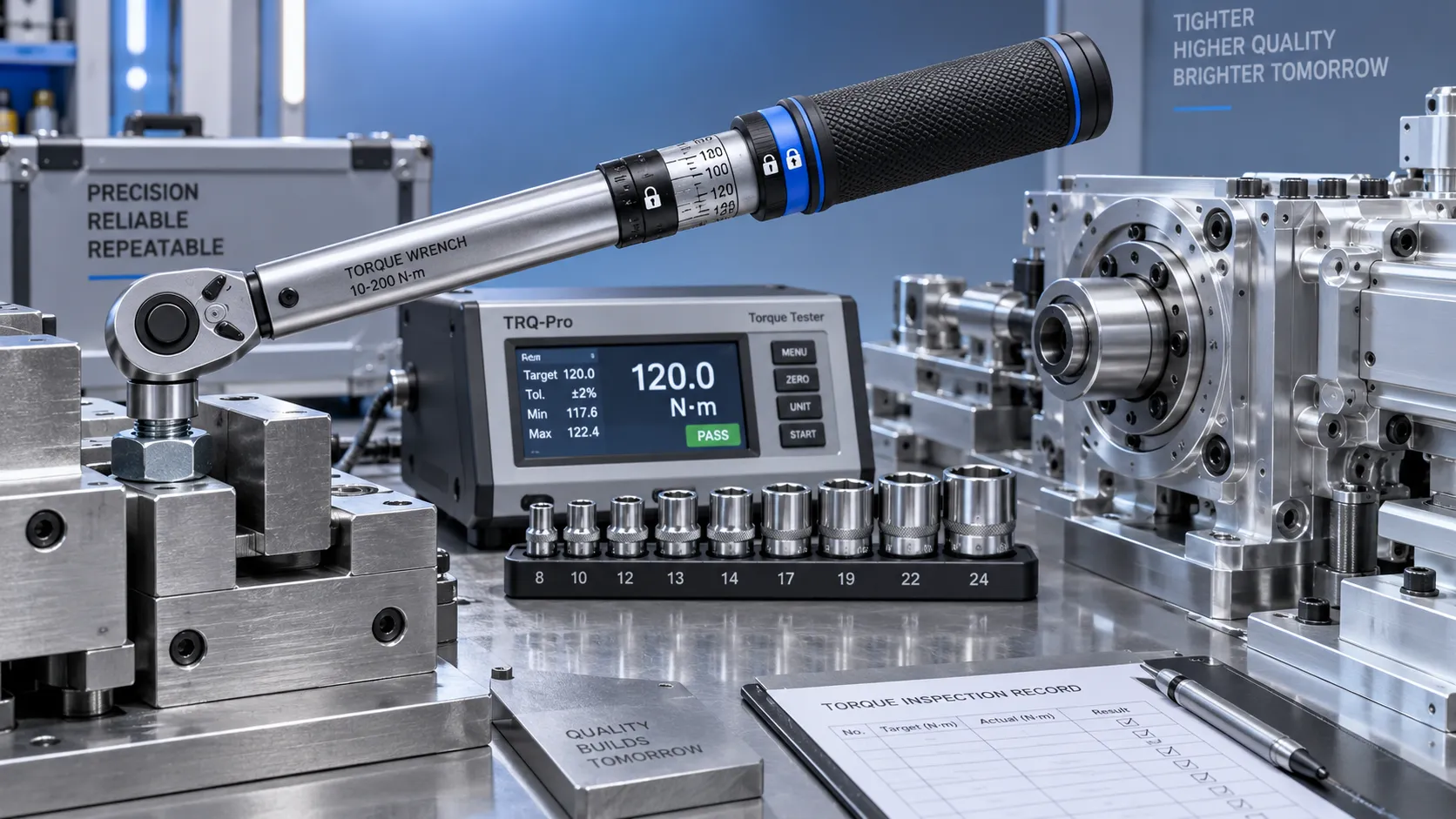
Selecting Adjustable Torque Tools for Repeatable Fastener Assembly
Adjustable torque tools: learn how to match range, accuracy, control methods, calibration, and ergonomics for repeatable, reliable fastener assembly.

How to Select Aerospace Inspection Tools for Aircraft Maintenance Tasks
Aerospace maintenance inspection tools: learn how to select reliable, traceable equipment for aircraft access, accuracy, calibration, and compliant maintenance decisions.

How to Select Wire Bonding Tools for Fine-Pitch Semiconductor Packaging
Explore semiconductor manufacturing tools for wire bonding and learn how to select precision solutions for fine-pitch packaging, reliable loops, accuracy, and yield.
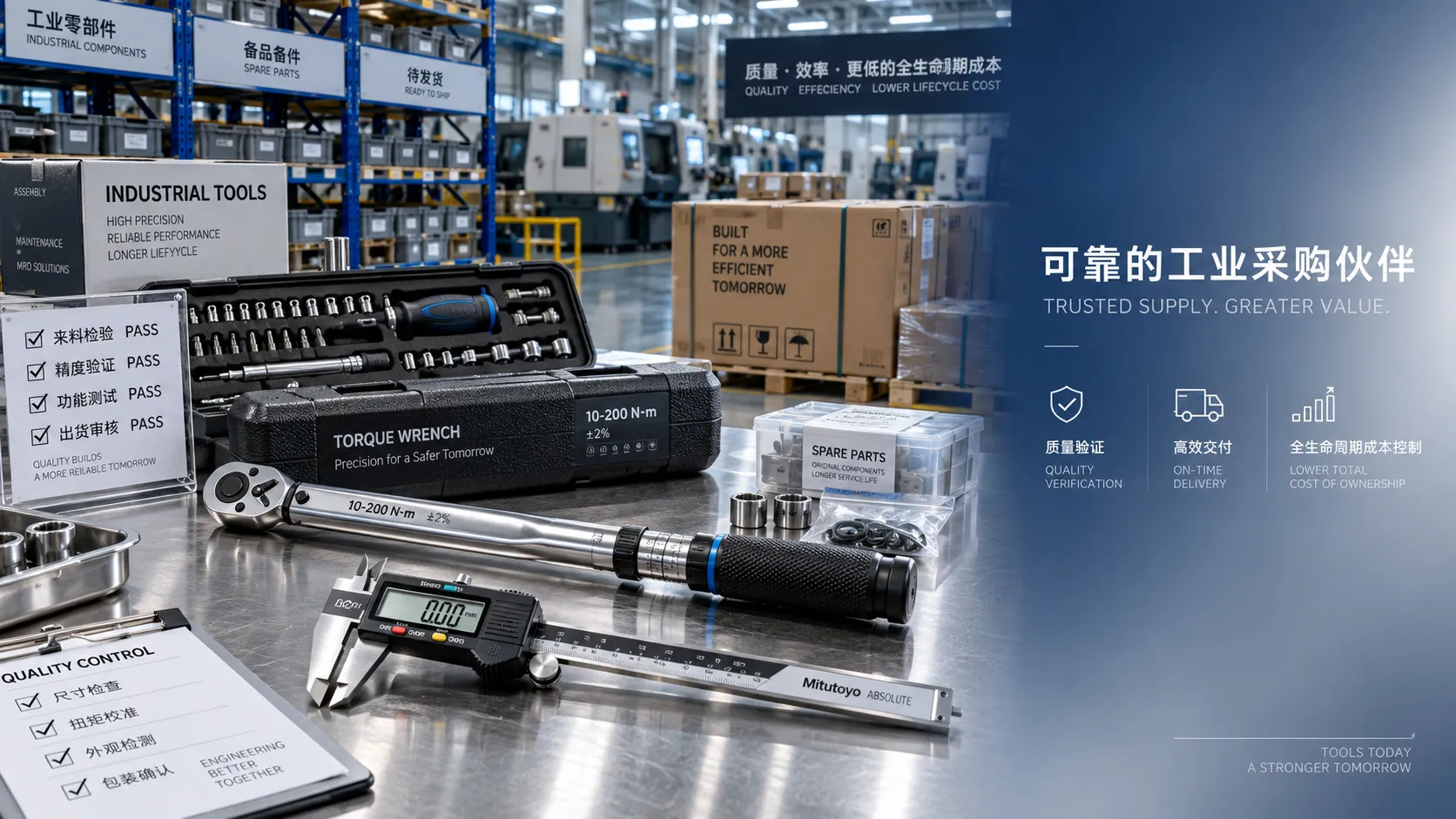
How to Compare Industrial Tool Suppliers for Quality, Lead Time, and Total Cost
Industrial tool selection supplier comparison made simple: evaluate quality, lead times, total cost, service, and supply resilience for confident sourcing decisions.
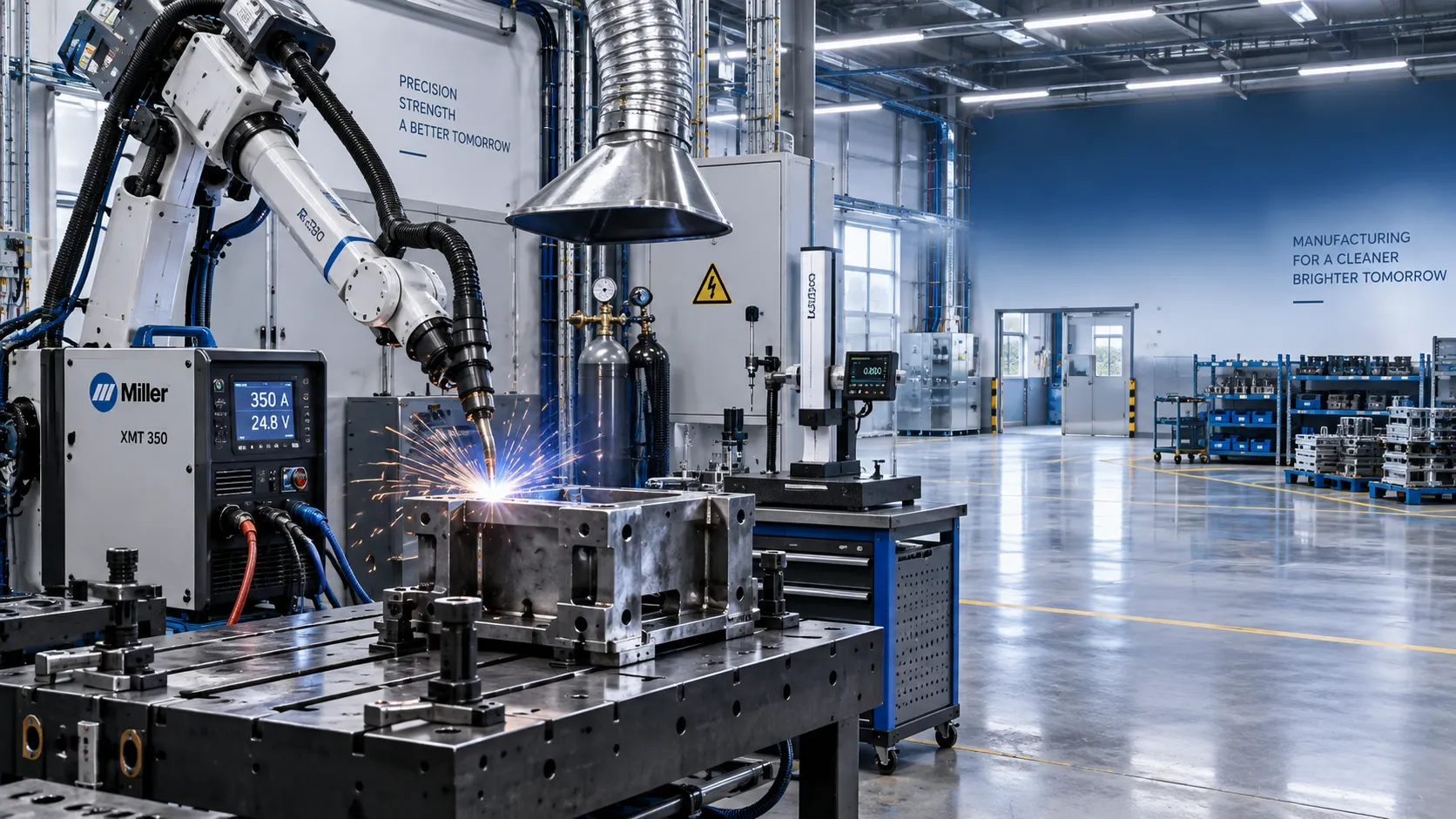
Industrial Equipment Application Guidance: Match Machines to Operating Conditions
Application guidance industrial equipment: match capacity, duty cycle, materials, site conditions, safety, and lifecycle cost to improve reliable output. Read the guide.

Selecting High-Speed Brushless Tool Motors for Torque, Heat, and Duty Cycle
High speed brushless tool motors: learn how to balance torque, heat, gearing, and duty cycle for reliable industrial tool performance and longer service life.
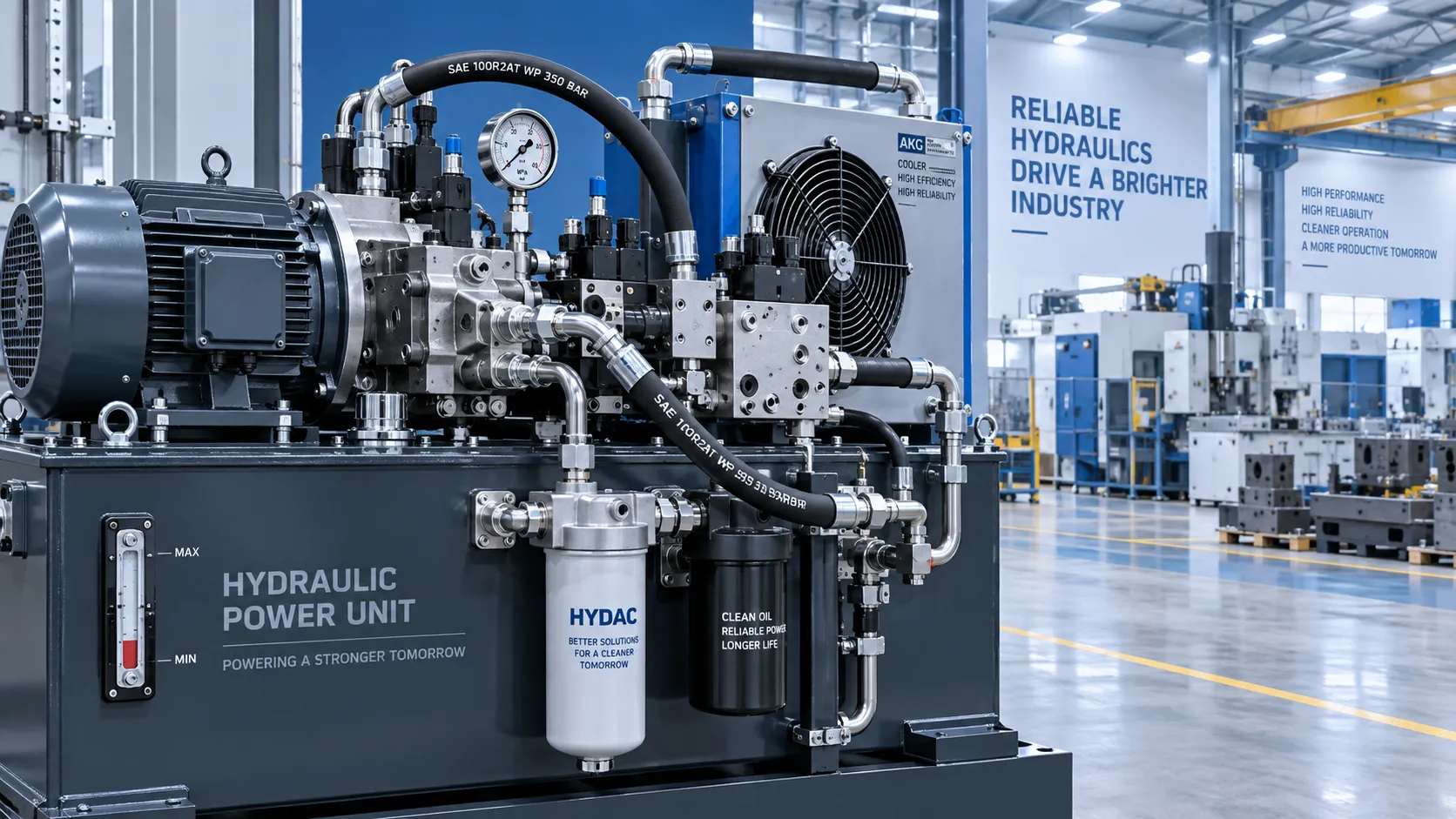
What Determines Industrial Hydraulic System Price for Heavy-Duty Equipment?
Industrial hydraulic system price depends on duty cycle, pressure, components, cooling, and integration. Compare quotes intelligently to secure reliable heavy-duty performance.
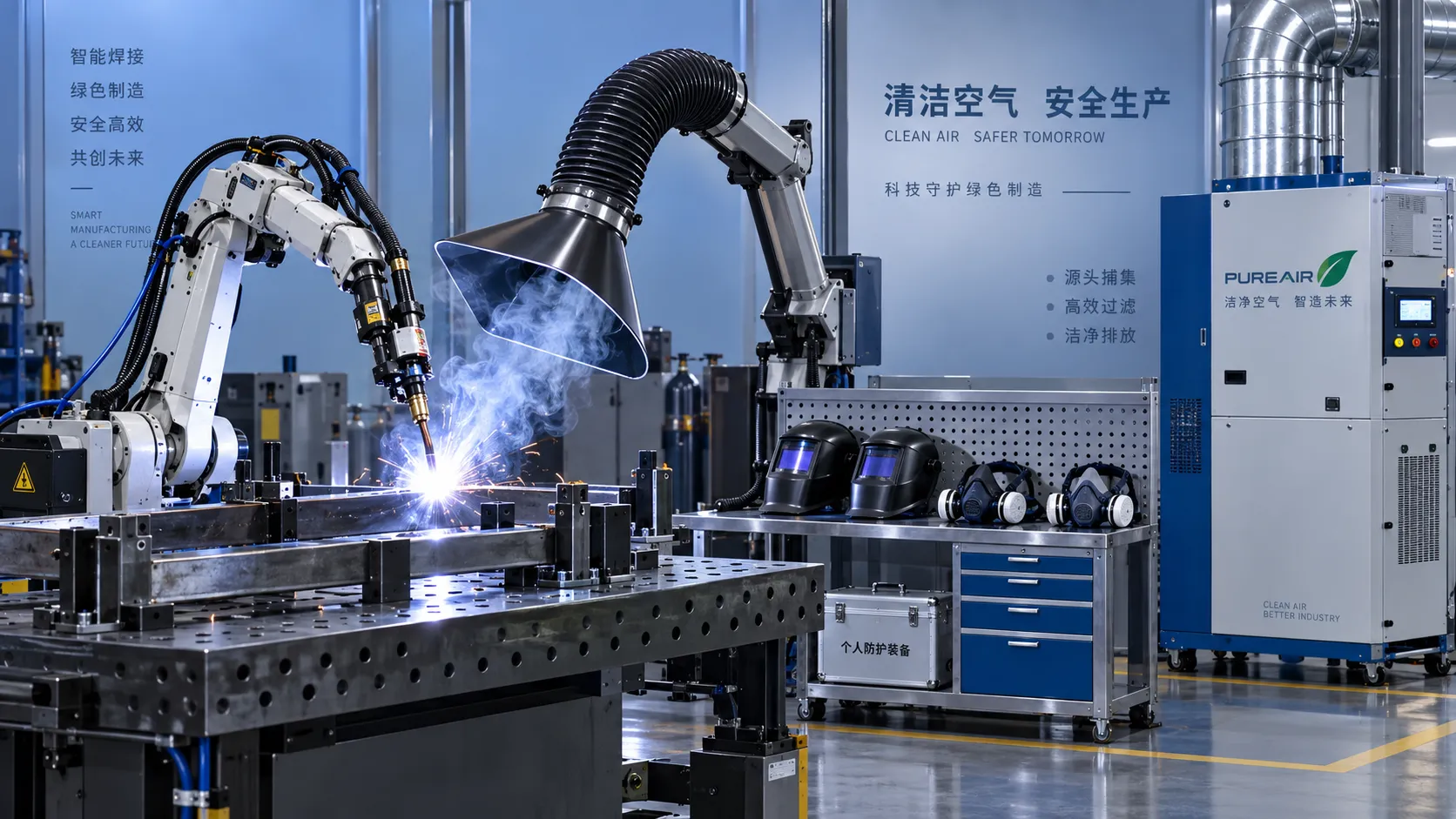
Welding Fume Extraction PPE: When Respirators Are Not Enough for Shop Safety
Welding fume extraction PPE: learn why respirators alone fall short and how source capture, ventilation, and layered controls improve shop safety.

How to Select Optical Metrology Solutions for Tight-Tolerance Manufacturing
Optical industrial metrology solutions for tight-tolerance manufacturing: evaluate accuracy, surface compatibility, workflow, and traceability to select with confidence.
Related News
- 00
0000-00
How Procurement Teams Can Map the Industrial Value Chain to Reduce Supply Risk - 00
0000-00
How Industry Category Guides Help Global Sourcing Teams Compare Suppliers Faster - 00
0000-00
Intelligent Tools in Southeast Asia: Key Market Trends, Buyers, and Supply Chain Shifts - 00
0000-00
Industrial Value Chain Europe: Where Sourcing Risks and Lead-Time Pressure Are Rising - 00
0000-00
North America's Industrial Value Chain: Key Shifts in Sourcing, Labor, and Logistics
Dr. Alistair Vaughn
Weekly Insights
Stay ahead with our curated technology reports delivered every Monday.