
What is changing in industrial manufacturing supply chains?





What is changing in industrial manufacturing supply chains?
Industrial manufacturing supply chains are being reshaped by raw material volatility, tighter export controls, digital traceability, and rising demand for precision, resilience, and speed.
The question is no longer only where components are sourced. It is how intelligently tools, welding systems, metrology data, and supplier networks connect.
For business evaluation, industrial manufacturing competitiveness now depends on visibility, technical compliance, operational flexibility, and the ability to protect margins under uncertainty.
Why are industrial manufacturing supply chains changing so quickly?
Industrial manufacturing supply chains are changing because cost, availability, regulation, and technology are moving at the same time.
Steel, aluminum, copper, rare earth elements, abrasives, electronics, and precision components face more frequent price swings and delivery disruptions.
This affects welding equipment, power tools, hydraulic systems, measuring instruments, fixtures, fasteners, and industrial assembly solutions.
Traditional procurement models were built around stable suppliers, predictable freight lanes, and quarterly price negotiations.
Modern industrial manufacturing requires live risk sensing, multiple sourcing paths, and faster engineering validation when a supplier changes.
Export controls and product standards also influence sourcing decisions. Compliance is becoming a supply chain design factor, not a final paperwork step.
A welding torch, torque tool, or caliper may cross several regulatory boundaries before reaching a workshop, service site, or assembly line.
In industrial manufacturing, this means traceability must cover origin, calibration, safety certification, material composition, and software integrity.
What does this mean for decision-making?
Decision-making is shifting from low-cost sourcing to evidence-based resilience. Price still matters, but failure cost matters more.
A delayed sensor, unverified gauge, or non-compliant welding accessory can stop production and damage downstream delivery commitments.
Industrial manufacturing teams increasingly evaluate suppliers by technical documentation, response speed, substitution capability, and lifecycle support.
How is digital traceability changing industrial manufacturing operations?
Digital traceability is becoming the backbone of industrial manufacturing supply chains because it connects materials, tools, processes, and quality records.
In the past, inspection records often stayed in paper files or isolated spreadsheets. Today, production data must travel with the product.
This is especially important in metal joining, aerospace maintenance, automotive repair, infrastructure projects, and precision assembly environments.
A torque value, weld parameter, calibration date, or inspection result can become proof of quality, warranty protection, and regulatory readiness.
Industrial manufacturing supply chains are therefore moving toward connected inspection devices, intelligent torque systems, and IoT-enabled production tools.
The value is not only automation. The deeper value is confidence when audits, recalls, or claims require fast evidence.
Where does metrology data create practical value?
Metrology data supports industrial manufacturing by turning quality from a final checkpoint into a continuous control system.
Digital calipers, micrometers, gauges, laser measurement tools, and coordinate systems can feed real-time production and maintenance decisions.
When data is standardized, a component made in one region can be verified, serviced, or replaced in another region more easily.
For industrial manufacturing networks, this reduces disputes between suppliers, plants, contractors, and after-sales service teams.
- Traceable calibration reduces uncertainty in critical measurements.
- Connected torque data supports repeatable fastening quality.
- Weld parameter records improve defect analysis and safety reviews.
- Digital inspection histories simplify supplier performance comparison.
Which sourcing models are replacing old industrial manufacturing habits?
Industrial manufacturing sourcing is moving from single-region efficiency toward segmented, risk-aware supply networks.
This does not always mean leaving one country or duplicating every supplier. It means matching sourcing structure to operational risk.
High-volume consumables, precision instruments, safety-critical welding systems, and custom hydraulic parts each need different sourcing logic.
Some categories benefit from nearshoring. Others require specialized global suppliers with proven engineering depth and certification history.
The strongest industrial manufacturing supply chains combine regional buffers, qualified alternatives, shared technical standards, and transparent communication.
How should supplier qualification evolve?
Supplier qualification now needs more than price, capacity, and sample approval. It must include resilience indicators and technical responsiveness.
Evaluation should examine engineering documentation, testing capability, change notification discipline, and ability to support international standards.
For industrial manufacturing, a supplier’s process maturity can be as important as its quoted unit cost.
If an alternative bearing, motor, sensor, battery cell, electrode, or measuring head is needed, qualification speed becomes a competitive advantage.
What role do welding, tools, and precision metrology play in resilience?
Welding systems, precision tools, and metrology devices sit close to the “last mile” of industrial manufacturing execution.
They turn designs, materials, and purchased components into working products, structures, vehicles, equipment, and serviceable assets.
When these tools lack accuracy, traceability, or ergonomic reliability, supply chain resilience becomes theoretical rather than operational.
A resilient supply chain must ensure that assembly work can continue safely, repeatedly, and measurably under changing conditions.
Why is welding technology receiving more attention?
Welding is central to many industrial manufacturing sectors, including construction equipment, energy infrastructure, transportation, shipbuilding, and repair services.
Handheld laser welding, automated welding cells, and advanced joining methods are expanding because they can improve speed and consistency.
However, adoption must include safety controls, operator training, parameter management, and inspection discipline.
Industrial manufacturing leaders should avoid treating welding upgrades as simple equipment purchases. They are process capability decisions.
How do intelligent tools affect supply chain performance?
Brushless power tools, connected torque systems, and ergonomic hydraulic equipment can reduce rework, fatigue, and inconsistent assembly outcomes.
In industrial manufacturing, small process variations can create large warranty, safety, or maintenance consequences.
Intelligent tools help standardize execution across multiple facilities, contractors, and service networks.
They also create data that supports supplier comparison, operator coaching, preventive maintenance, and process improvement.
What risks and misconceptions should be avoided?
One misconception is that industrial manufacturing resilience is mainly about holding more inventory.
Inventory can help, but excess stock may hide poor forecasting, weak quality control, or slow supplier communication.
Another risk is digitizing data without improving decisions. Dashboards are useful only when they trigger action.
A third mistake is choosing substitutes without understanding tolerance, safety, compatibility, or certification requirements.
Industrial manufacturing supply chains fail quietly when technical changes are approved too casually or documented too late.
Which warning signs deserve attention?
- Lead times change often, but root causes remain unclear.
- Inspection data is available, yet not connected to supplier reviews.
- Tool failures are treated as maintenance issues only.
- Export compliance is checked after production, not before sourcing.
- Industrial manufacturing substitutions are approved without full validation.
These signs indicate that supply chain risk is being managed reactively rather than structurally.
How should industrial manufacturing investments be prioritized?
Investment priorities should begin with bottlenecks that affect quality, delivery, compliance, and margin protection.
Not every facility needs the same technology roadmap. The best sequence depends on failure impact and decision urgency.
Industrial manufacturing evaluations should compare operational pain points against measurable gains in speed, accuracy, safety, and traceability.
What implementation approach works best?
A practical approach starts with one product family, one process bottleneck, or one high-risk supplier category.
Pilot projects should define baseline costs, defect rates, lead times, compliance delays, and tool-related interruptions.
After implementation, results should be measured against operational outcomes, not only technology adoption.
This keeps industrial manufacturing improvements connected to business value and avoids expensive, disconnected upgrades.
What should business evaluators monitor next?
Future industrial manufacturing supply chains will be shaped by energy costs, standards harmonization, automation maturity, and geopolitical sourcing restrictions.
They will also be shaped by the rising value of professional intelligence across tools, welding, and precision metrology.
Monitoring raw material signals is important, but it is not enough. Technical adoption patterns also reveal competitiveness.
For example, broader use of intelligent torque control can indicate higher assembly discipline across an industrial manufacturing ecosystem.
Growing demand for high-precision measuring instruments can signal stricter tolerance requirements and more advanced quality expectations.
Adoption of safer handheld laser welding practices can indicate a market moving toward faster, cleaner, and more controlled joining operations.
What is the most useful next step?
The most useful step is to build a supply chain intelligence map around critical tools, materials, suppliers, and inspection evidence.
This map should connect procurement data with technical data, not separate them into different reporting systems.
Industrial manufacturing resilience improves when sourcing decisions, welding parameters, tool performance, and metrology records support one shared view.
Conclusion: industrial manufacturing supply chains are becoming intelligence networks
Industrial manufacturing supply chains are no longer linear flows of parts, machines, and documents.
They are becoming intelligence networks where precision tools, welding systems, metrology data, suppliers, and compliance signals must work together.
The strongest organizations will not only source efficiently. They will validate faster, trace deeper, and respond earlier.
For long-term competitiveness, the next move is clear: assess where uncertainty touches quality, delivery, safety, and margin.
Then prioritize connected tools, reliable metrology, disciplined welding processes, and supplier intelligence that strengthens industrial manufacturing performance.
GPTWM supports this shift by connecting precision foundations with actionable intelligence across the global industrial manufacturing value chain.
- industrial assembly
- metal joining
- precision metrology
- welding technology
- handheld laser welding
- high-precision measuring instruments
- hydraulic equipment
- precision tools
- intelligent tools
- industrial manufacturing
- aerospace maintenance
- welding equipment
- precision instruments
- laser welding
- hydraulic systems
- construction equipment
Related News
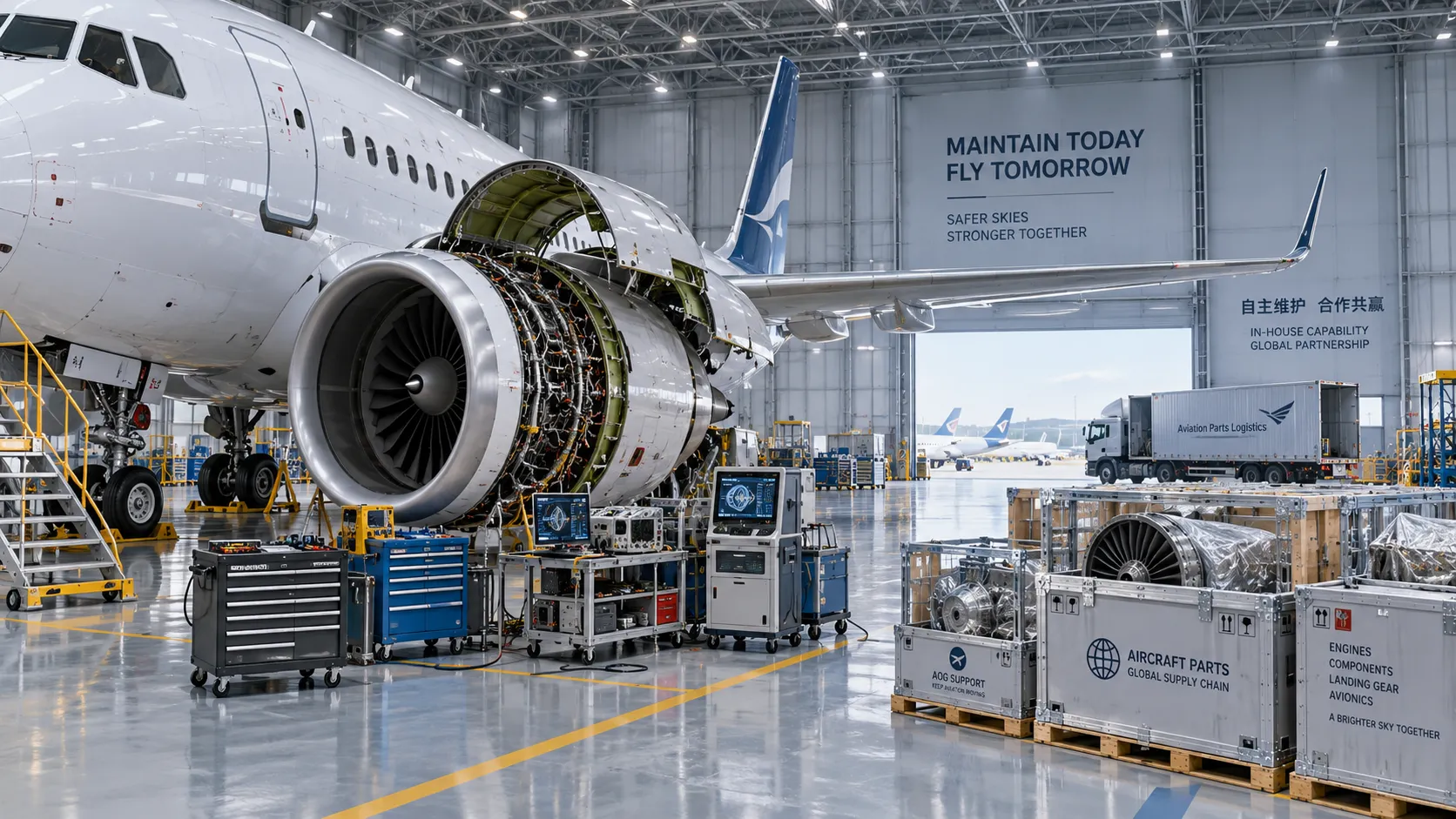
In-House vs. Outsourced Aircraft Maintenance: Comparing Total Costs
Compare aerospace maintenance cost for in-house vs. outsourced aircraft upkeep. Discover hidden expenses, downtime impacts, and break-even factors to find the best fit for your fleet.
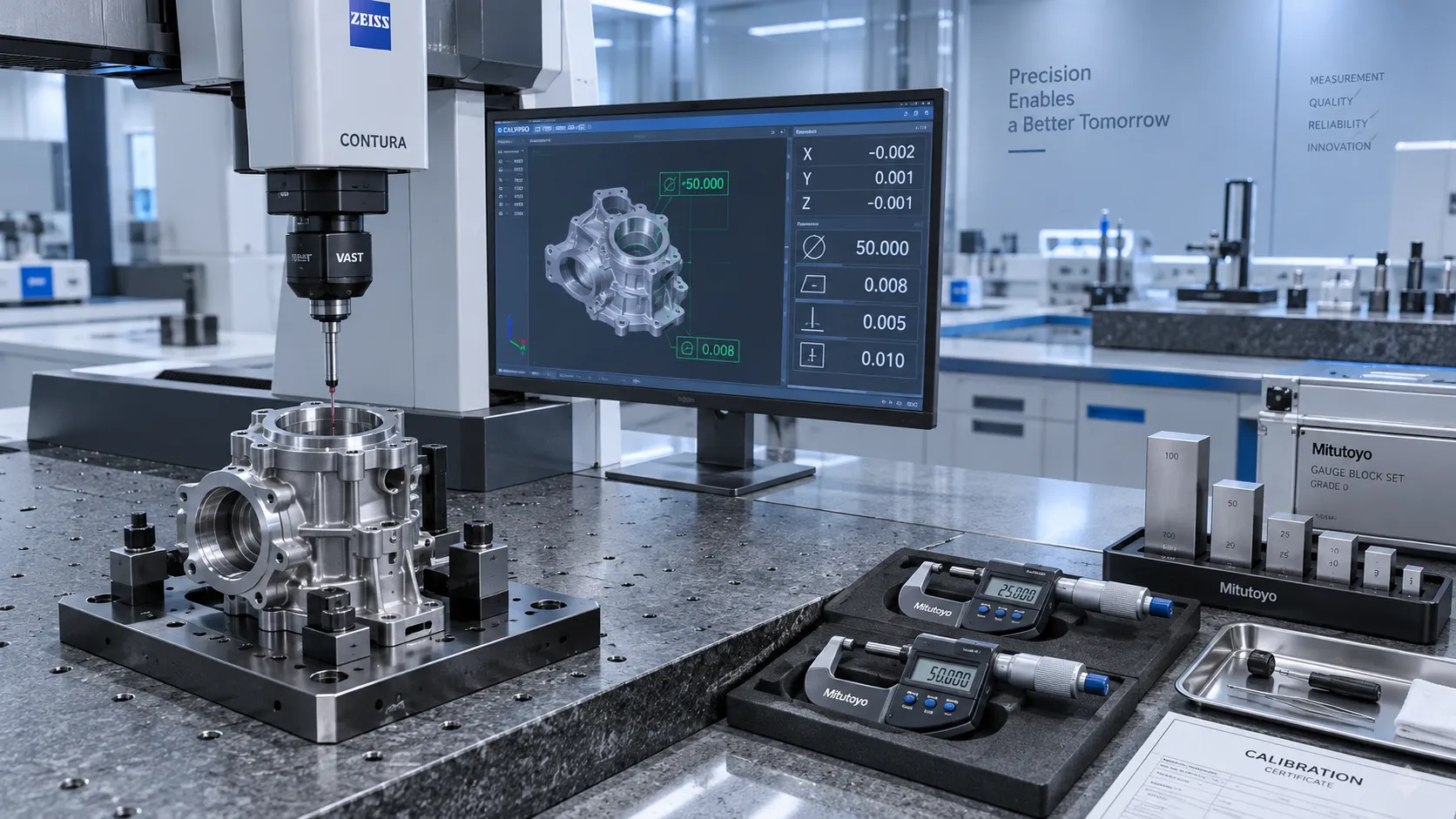
How to Select High-Precision Measuring Instruments for Tight-Tolerance Production?
High-precision measuring instruments are essential for tight-tolerance production. Learn how to evaluate accuracy, repeatability, environment, calibration, and data integration.
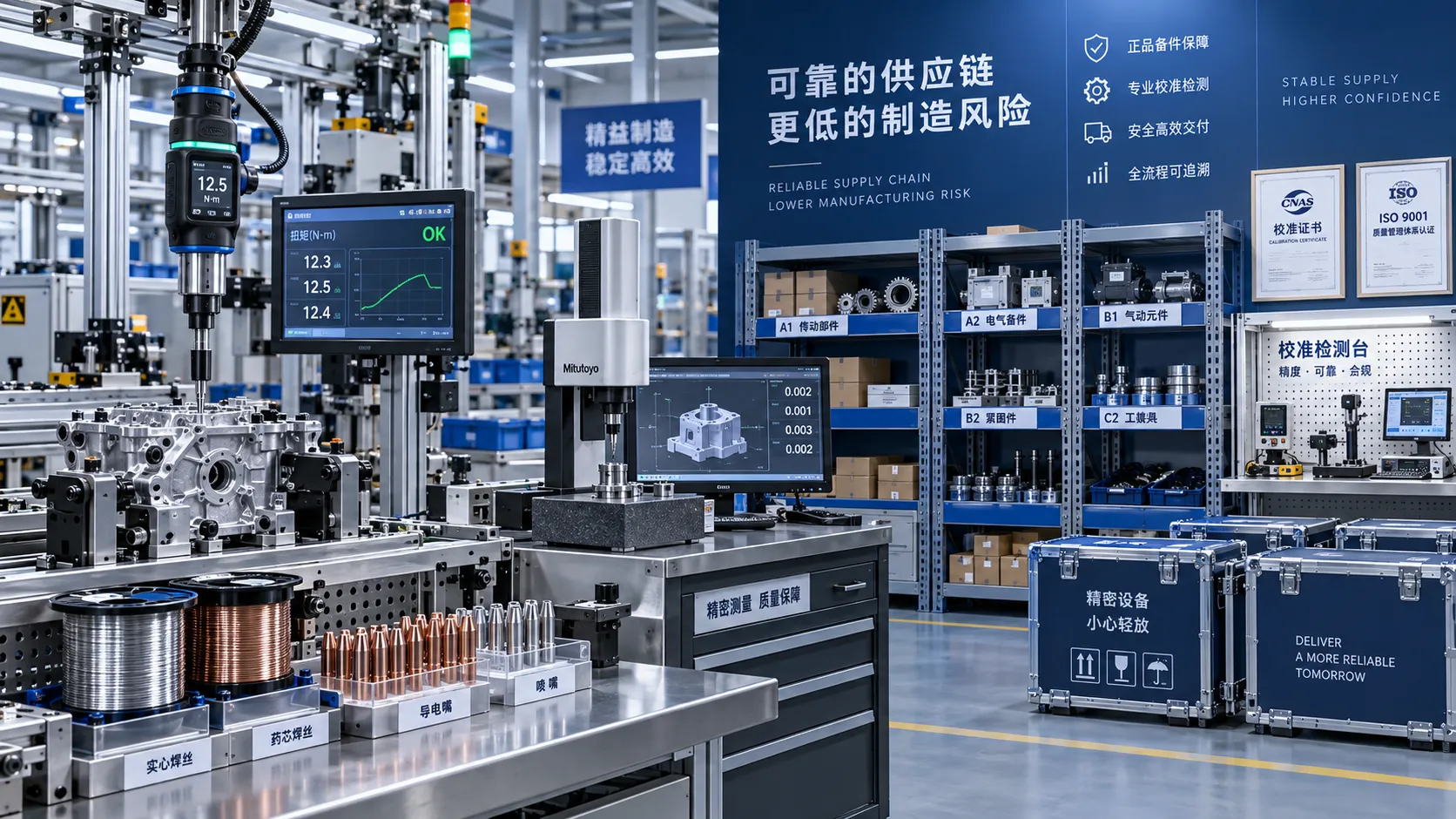
How Industrial Innovation Supplier Networks Reduce Sourcing Risk for Manufacturers
industrial innovation supplier network insights help manufacturers reduce sourcing risk, control lifecycle costs, and choose reliable tools, services, and suppliers with confidence.
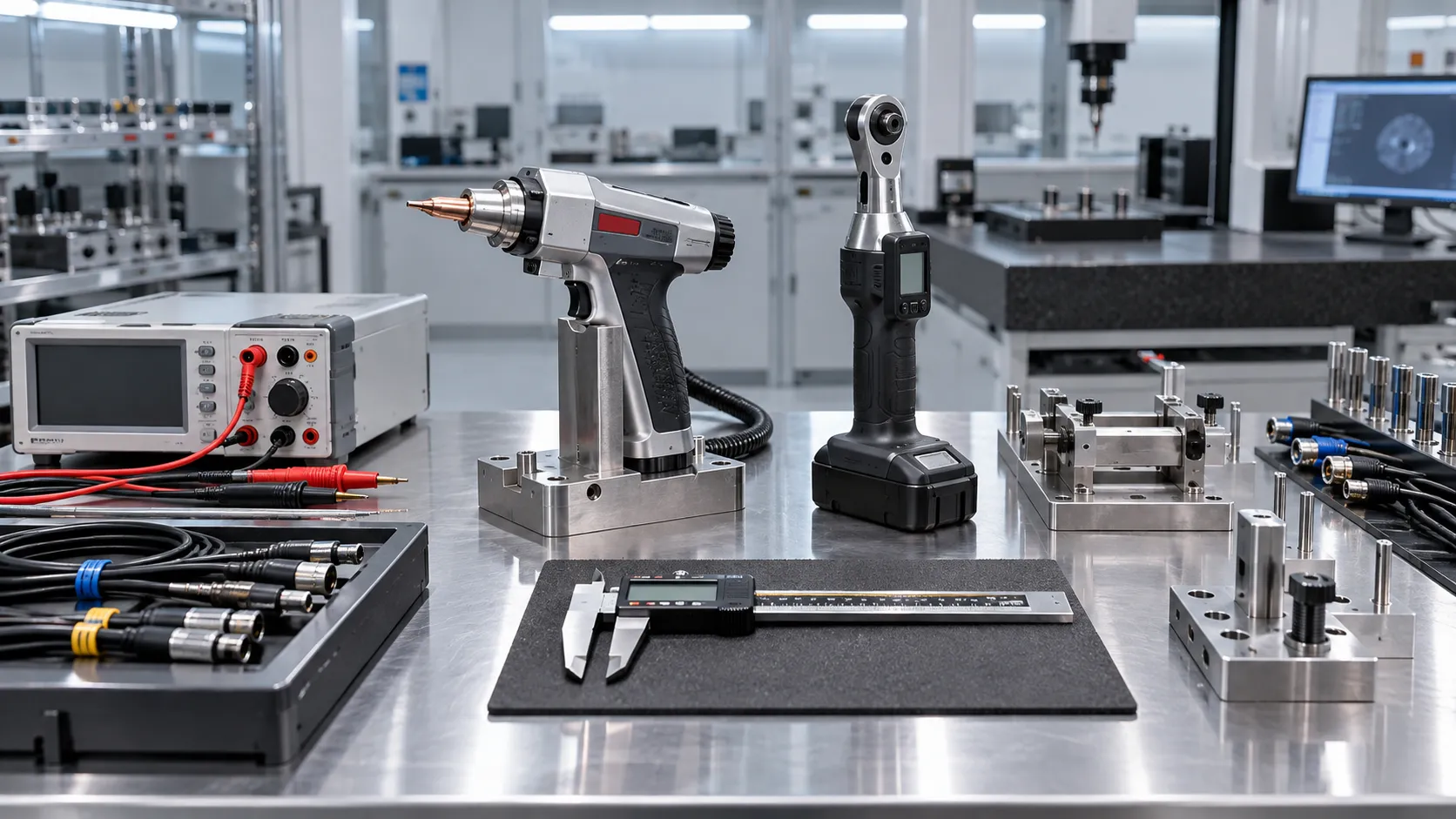
Which Industrial Standards Should Be Checked Before Export?
Which industrial standards should be checked before export? Discover essential compliance steps for industrial tools, welding equipment, laser systems, and metrology products.
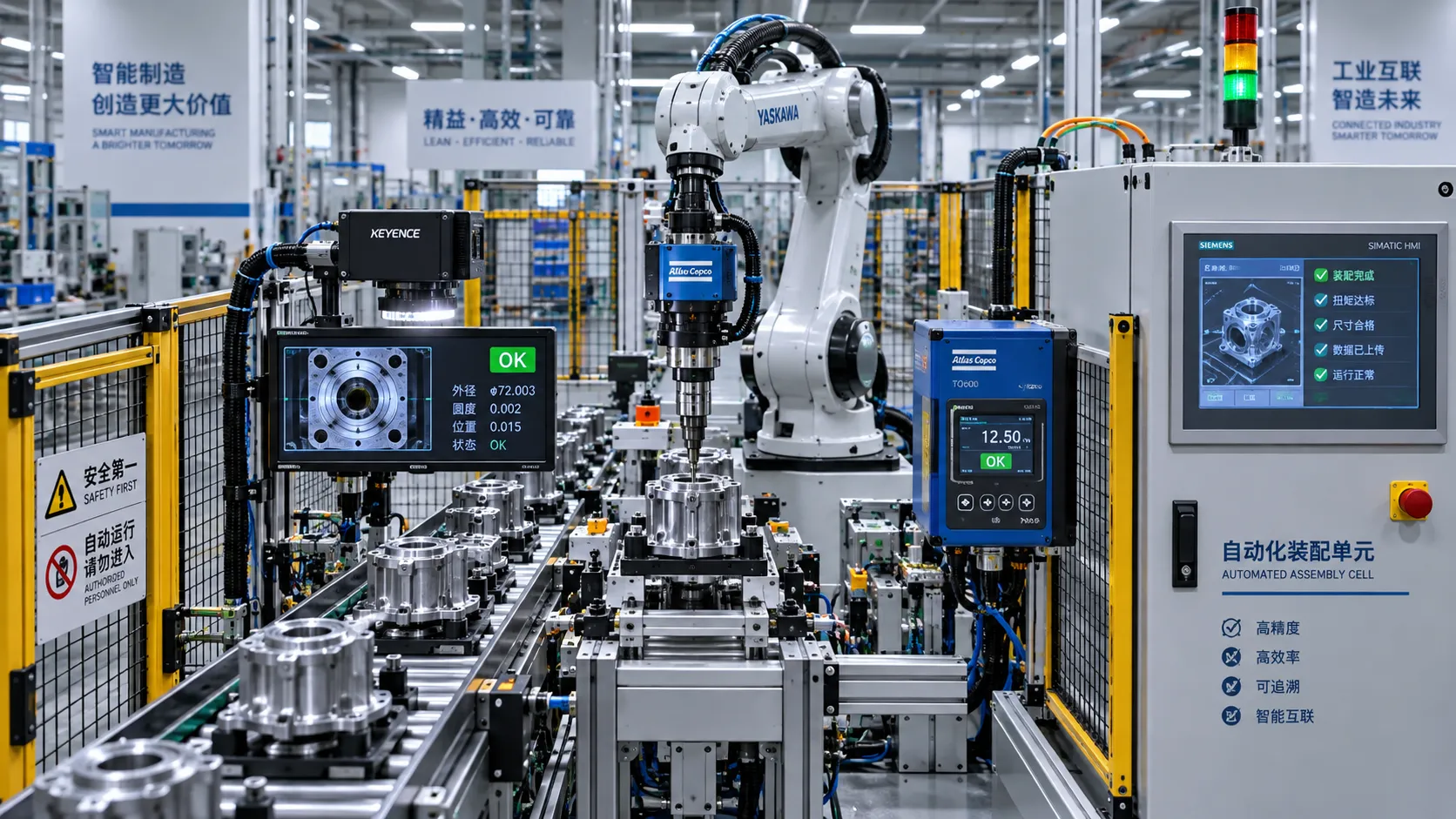
What Industrial Automation Exporters Need to Know Before Entering ASEAN Markets
Industrial automation exporter to ASEAN: learn how to navigate compliance, local service, digital readiness, pricing, and market entry for scalable growth.
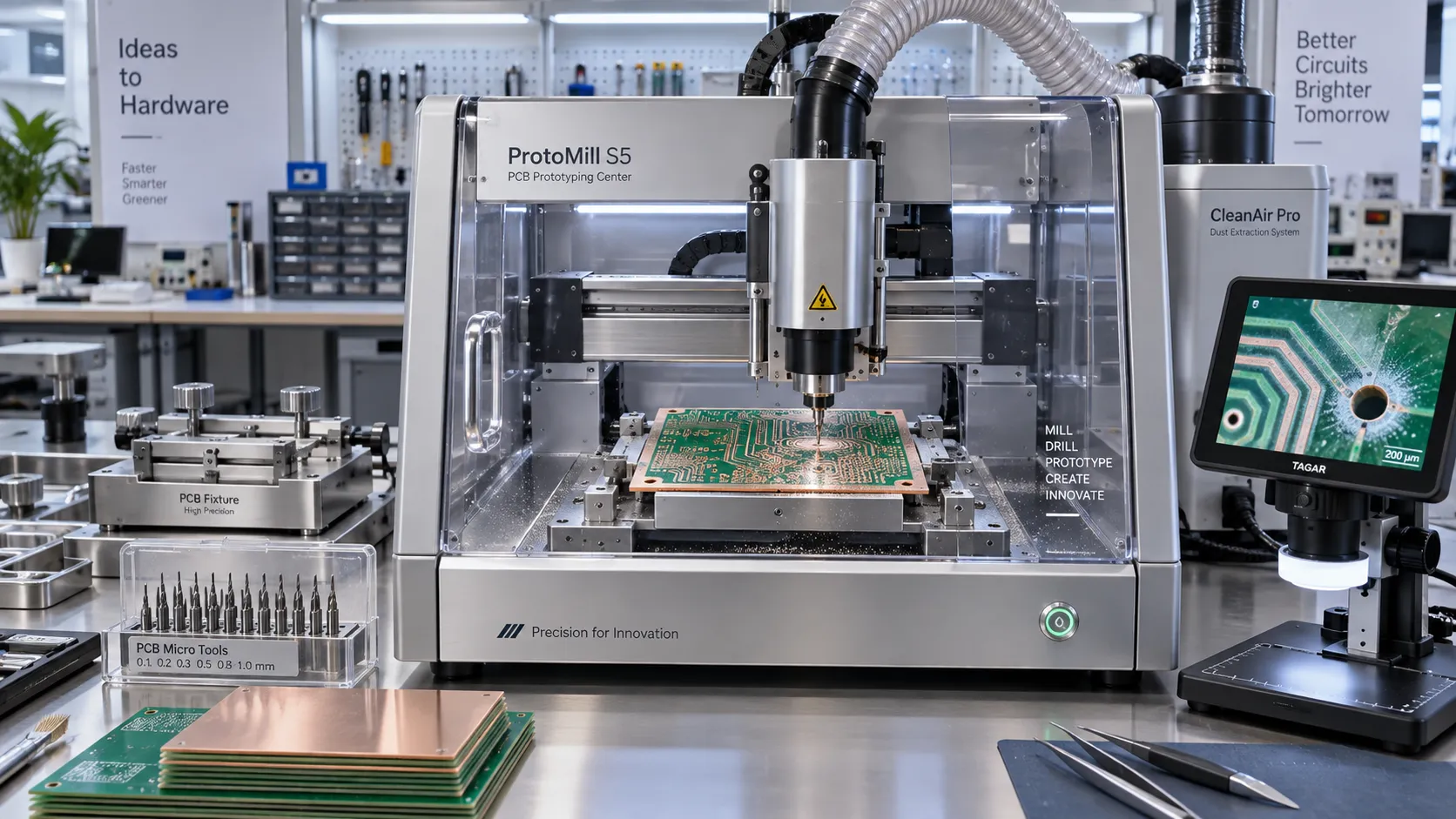
Prototype PCB Manufacturing Equipment: What Engineers Should Evaluate Before Purchase
Prototype PCB manufacturing equipment: discover the key factors engineers should evaluate—from accuracy and materials to software, safety, and ROI—before buying.
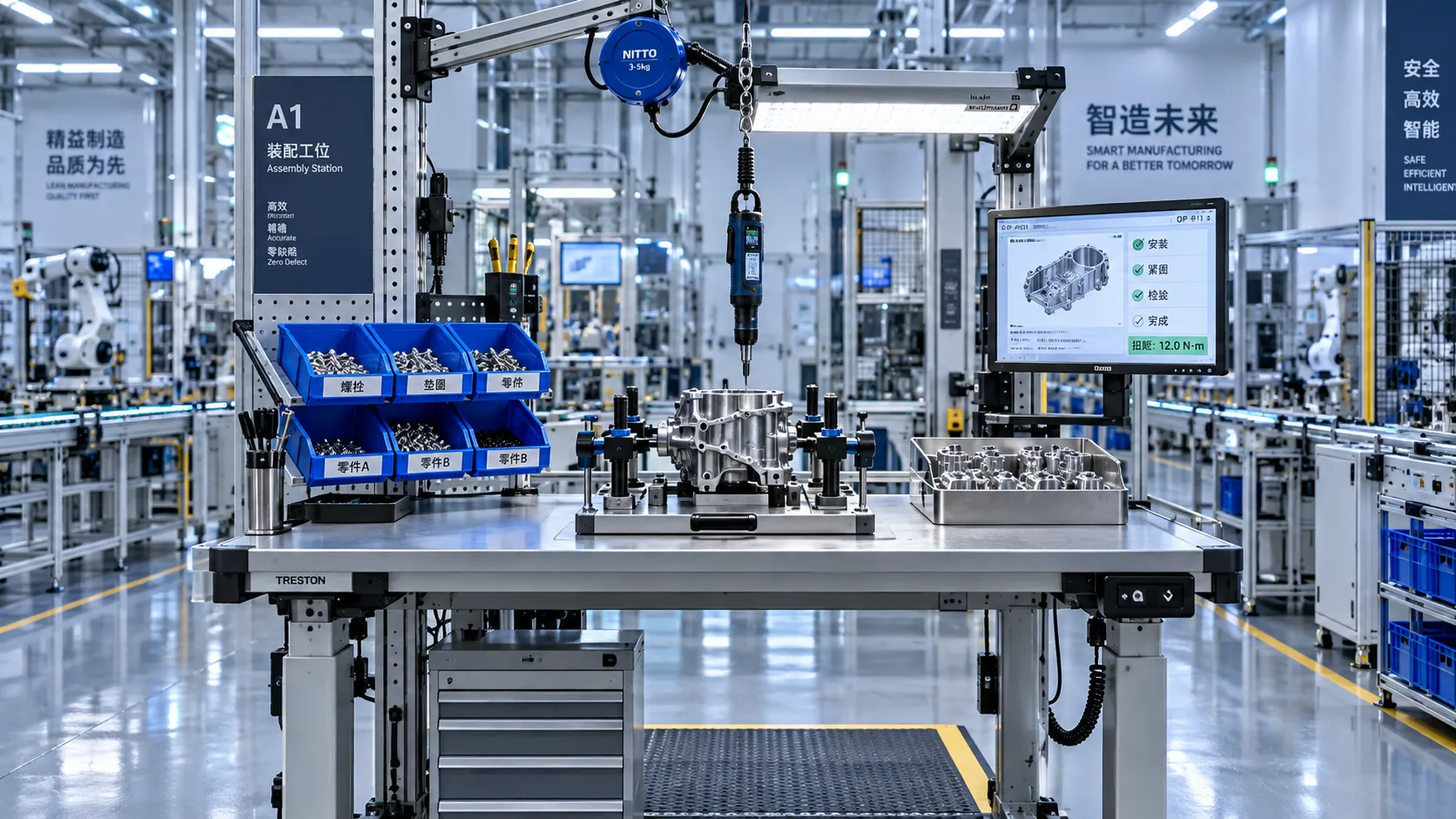
Workplace Ergonomics for Manufacturing: Reducing Repetitive-Strain Risks on Assembly Lines
Workplace ergonomics for manufacturing helps reduce repetitive-strain risks on assembly lines through smarter workstation design, tool selection, task analysis, and quality-focused improvements.
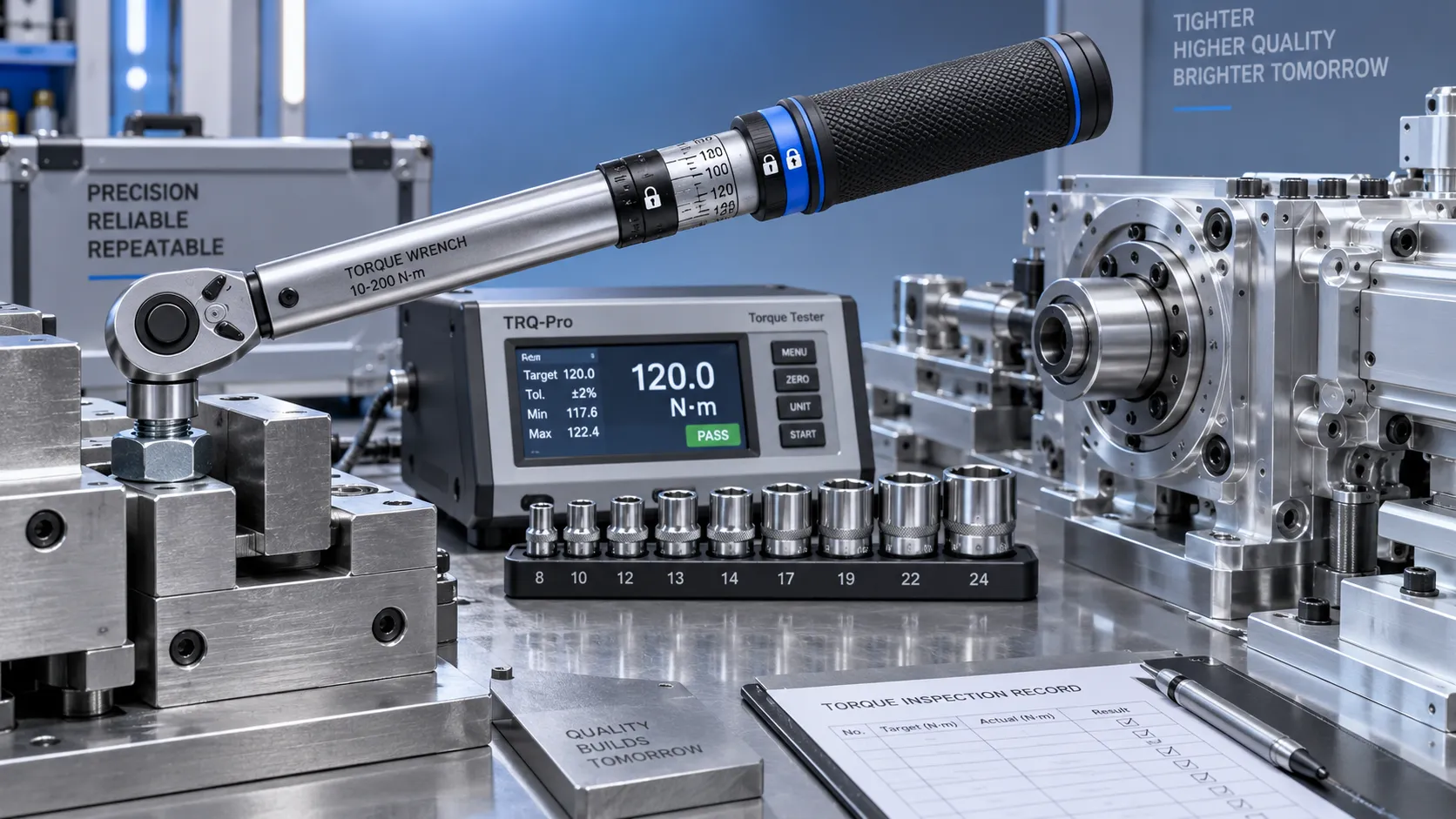
Selecting Adjustable Torque Tools for Repeatable Fastener Assembly
Adjustable torque tools: learn how to match range, accuracy, control methods, calibration, and ergonomics for repeatable, reliable fastener assembly.
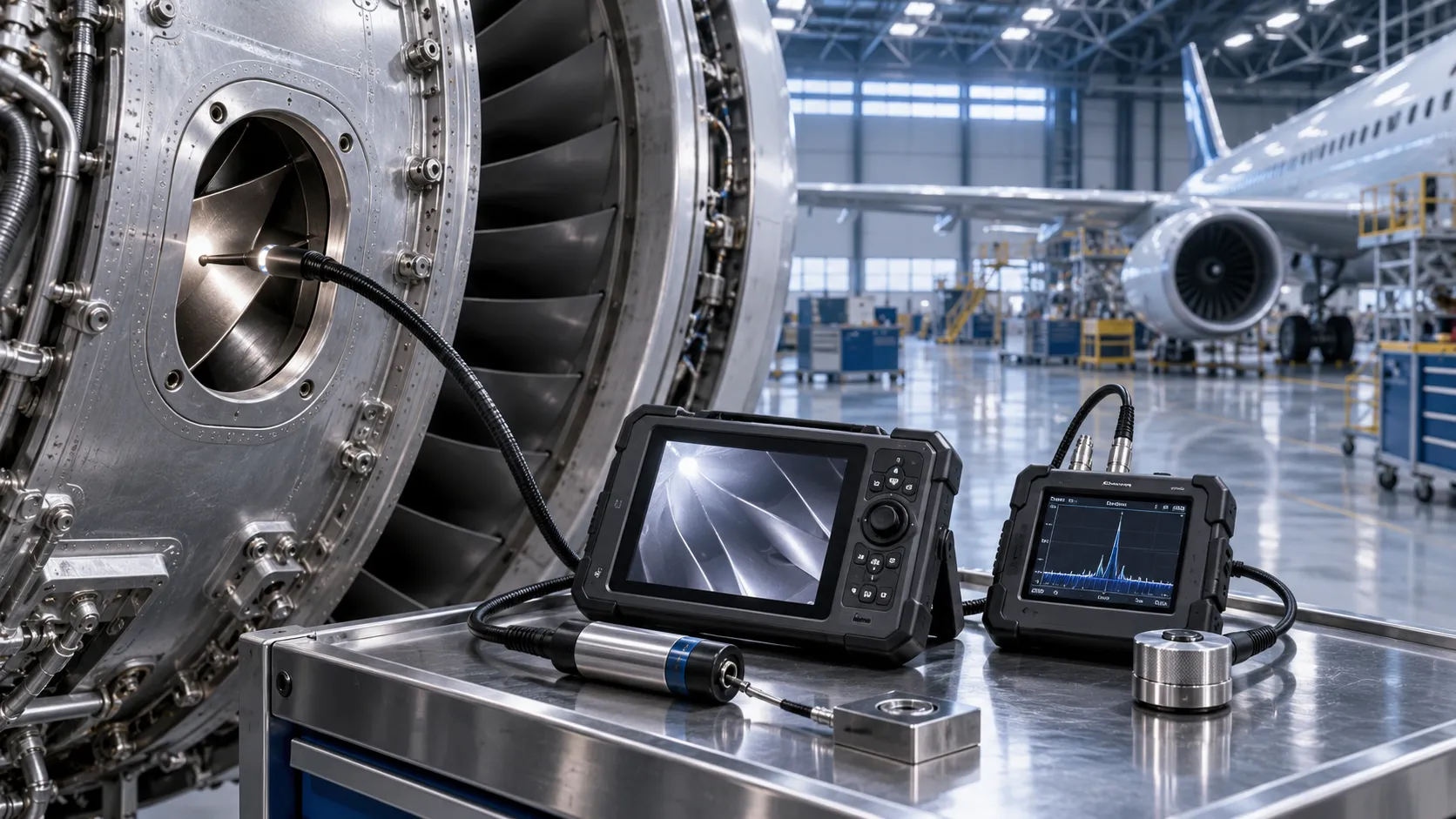
How to Select Aerospace Inspection Tools for Aircraft Maintenance Tasks
Aerospace maintenance inspection tools: learn how to select reliable, traceable equipment for aircraft access, accuracy, calibration, and compliant maintenance decisions.
Related News
- 00
0000-00
How Industrial Innovation Supplier Networks Reduce Sourcing Risk for Manufacturers - 00
0000-00
Which Industrial Standards Should Be Checked Before Export? - 00
0000-00
What Industrial Automation Exporters Need to Know Before Entering ASEAN Markets - 00
0000-00
How Procurement Teams Can Map the Industrial Value Chain to Reduce Supply Risk - 00
0000-00
How Industry Category Guides Help Global Sourcing Teams Compare Suppliers Faster
Dr. Alistair Vaughn
Weekly Insights
Stay ahead with our curated technology reports delivered every Monday.