
Technology Integration Challenges in Industrial Projects and How to Avoid Delays





Why technology integration delays appear late in industrial projects
Technology integration often looks manageable during planning, then turns into the main source of delay during commissioning, scale-up, or compliance review.
That pattern is common across assembly lines, welding cells, inspection systems, and retrofit programs, because integration risk rarely sits in one device alone.
It usually appears between systems: controller logic, sensor outputs, tooling tolerances, operator workflows, maintenance access, and reporting expectations.
In real projects, technology integration is not just a software topic. It also includes fixtures, power quality, safety architecture, calibration routines, and data interpretation.
That is why industrial delivery teams often underestimate delay exposure even when each supplier claims technical compatibility.
For sectors tracked by GPTWM, this issue is especially visible in the last mile of manufacturing, where precision tools, joining processes, and metrology must work together under production pressure.
The practical question is not whether technology integration matters. The real question is where it tends to break first under different operating conditions.
Different sites create different integration pressure
Two projects may use similar equipment but face very different technology integration challenges because site conditions shape how systems interact.
A greenfield facility usually has more freedom in network design, control hierarchy, and safety zoning. A brownfield upgrade inherits constraints that are harder to see early.
In welding and precision measurement environments, even small differences in heat, dust, vibration, or grounding can change integration reliability.
More importantly, the production objective changes the judgment criteria. A pilot line may accept manual intervention. A high-volume line usually cannot.
This is where technology integration should be judged by operating reality, not only by vendor specification sheets.
A quick comparison of common industrial conditions
The useful takeaway is simple: technology integration delays are shaped by context, and the context should define the test plan.
When equipment compatibility looks fine but the process still stalls
A frequent scenario appears in automated assembly and metal joining lines. Mechanical fit is confirmed, communication protocols are listed, yet throughput never reaches target.
In practice, the weak point is often timing rather than connection. A robot, torque tool, scanner, and vision unit may all communicate, but not at production speed.
For example, an IoT-enabled torque control system can add valuable traceability. It can also slow the cycle if data confirmation sits inside the wrong execution step.
The same issue appears with handheld laser welding safety controls. Safety interlocks may be compliant, yet they interrupt workflow if trigger logic and operator movement were modeled poorly.
Better technology integration in this setting starts with sequence mapping. Every device exchange should be tied to a time budget, fallback condition, and exception path.
- Check whether device response time supports target takt, not only successful communication.
- Separate essential interlocks from reporting events that can be processed asynchronously.
- Validate tool wear, consumables, and recalibration events inside the cycle model.
Many delays begin because teams approve interfaces one by one, while the real integration problem lives in the full operating sequence.
Data-rich projects fail when measurement logic is not aligned
Another common scenario sits in precision metrology, quality gates, and digitally monitored tooling. Here, technology integration fails less through hardware conflict and more through data misunderstanding.
A measurement platform may report accurate values, yet downstream systems may use different tolerance bands, different timestamps, or different part identities.
This becomes serious when inspection data is expected to trigger automatic process correction. A small mismatch in reference logic can create false alarms or missed defects.
In construction equipment maintenance, aerospace repair, and automotive rework, these mistakes are expensive because traceability must survive audits and field performance review.
GPTWM’s focus on metrology and industrial intelligence reflects this exact pressure. Reliable measurement only creates value when interpretation rules are equally controlled.
The integration lesson here is to define data meaning before dashboard design. Measurement source, acceptance logic, and escalation ownership should be frozen early.
What deserves closer attention in data-driven integration
- Whether all systems use the same part ID, revision code, and timestamp structure
- Whether pass or fail rules match customer, export, or plant-level standards
- Whether recalibration events automatically update decision thresholds
- Whether temporary manual overrides are recorded and reviewed later
Retrofits usually break at the hidden boundary between old and new
Brownfield work creates a different technology integration challenge. The issue is rarely the new equipment alone. The real delay driver is inherited uncertainty.
Legacy power tools, hydraulic units, drives, and controllers may still support production, but their documentation is often incomplete or no longer current.
A modern subsystem may require clean signal structure and stable network behavior. The existing environment may provide neither, even if the line still runs.
This is where many projects make the wrong call. They compare the new solution against normal operating output, instead of comparing it against actual infrastructure condition.
Useful retrofit planning includes intrusive checks before installation windows are fixed. Cabinet surveys, firmware identification, grounding tests, and spare-parts confirmation matter more than presentation-stage compatibility claims.
When export restrictions, component substitutions, or raw material volatility affect supply timing, the integration schedule needs contingency logic, not just procurement follow-up.
Where teams misjudge technology integration before delays surface
The most expensive mistakes are usually not technical impossibilities. They are wrong assumptions left untested until site execution begins.
- Assuming protocol compatibility means process compatibility
- Reviewing purchase cost without modeling maintenance access and replacement burden
- Treating similar production cells as identical despite different load, heat, or operator interaction
- Delaying safety, calibration, and compliance checks until after commissioning logic is built
- Ignoring how firmware updates, supplier alternates, or regional standards change validation scope
In actual delivery work, technology integration should be reviewed as a chain of dependencies, not as a list of approved components.
A practical way to reduce delay risk before launch
The most effective approach is early scenario-based validation. That means testing the system as it will be used, interrupted, maintained, and audited.
For industrial projects, a strong technology integration workflow usually includes a few disciplined steps.
- Map the real operating sequence, including exceptions, restarts, and manual interventions.
- Define interface ownership across controls, tooling, metrology, and safety systems.
- Build validation around site conditions, not only factory acceptance results.
- Freeze data definitions before analytics, dashboards, and remote reporting are expanded.
- Review maintenance tasks, consumables, and recalibration intervals as part of integration readiness.
This structure is especially useful when projects mix traditional craft processes with newer intelligent tools, which is increasingly common across GPTWM’s observed sectors.
The next step is not to collect more generic specifications. It is to sort the actual operating scenarios, compare constraint conditions, and test where technology integration is most likely to slow delivery.
Once those conditions are visible, schedule risk, implementation effort, and long-term support needs become easier to judge with discipline.
Related News
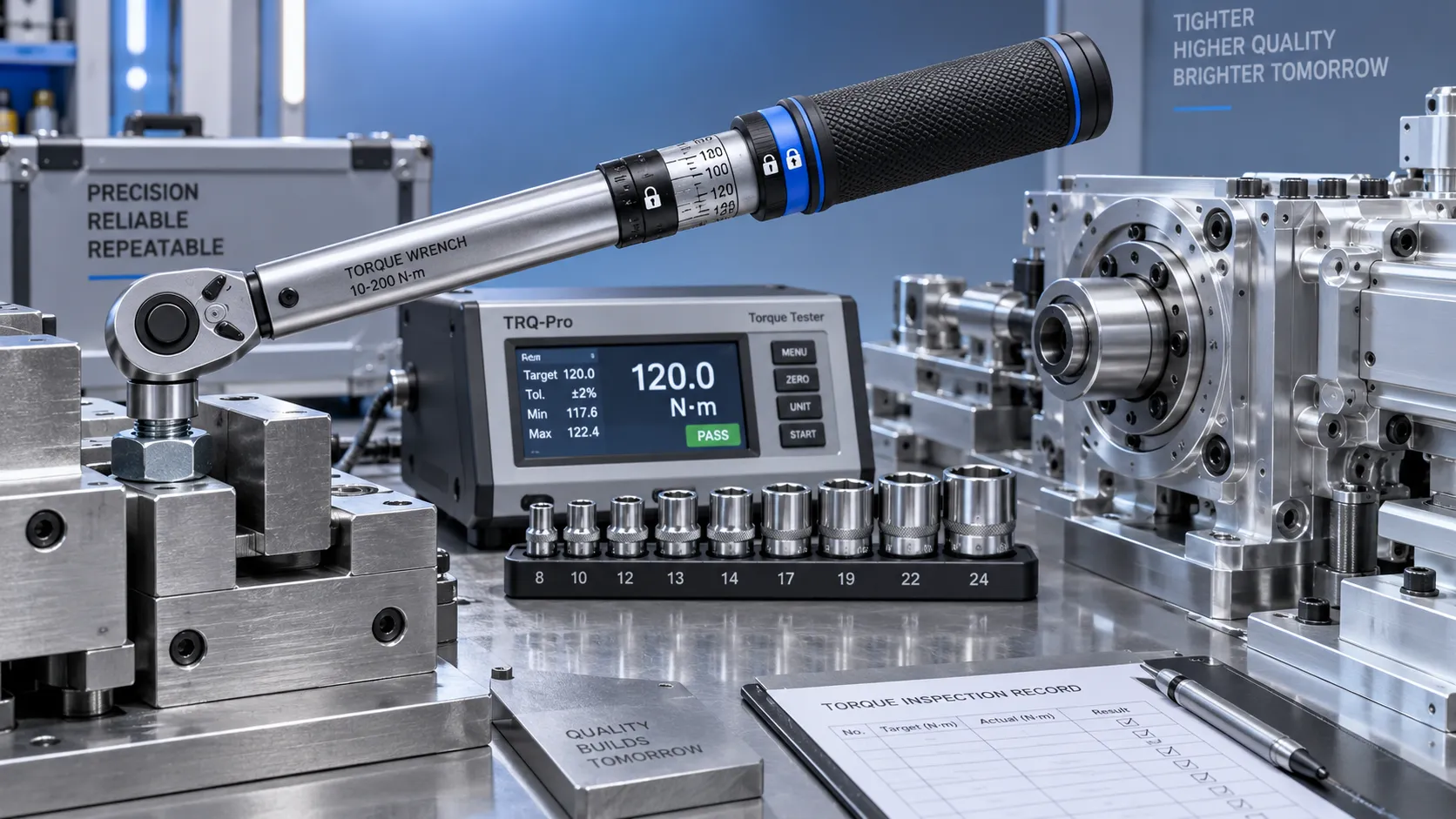
Selecting Adjustable Torque Tools for Repeatable Fastener Assembly
Adjustable torque tools: learn how to match range, accuracy, control methods, calibration, and ergonomics for repeatable, reliable fastener assembly.
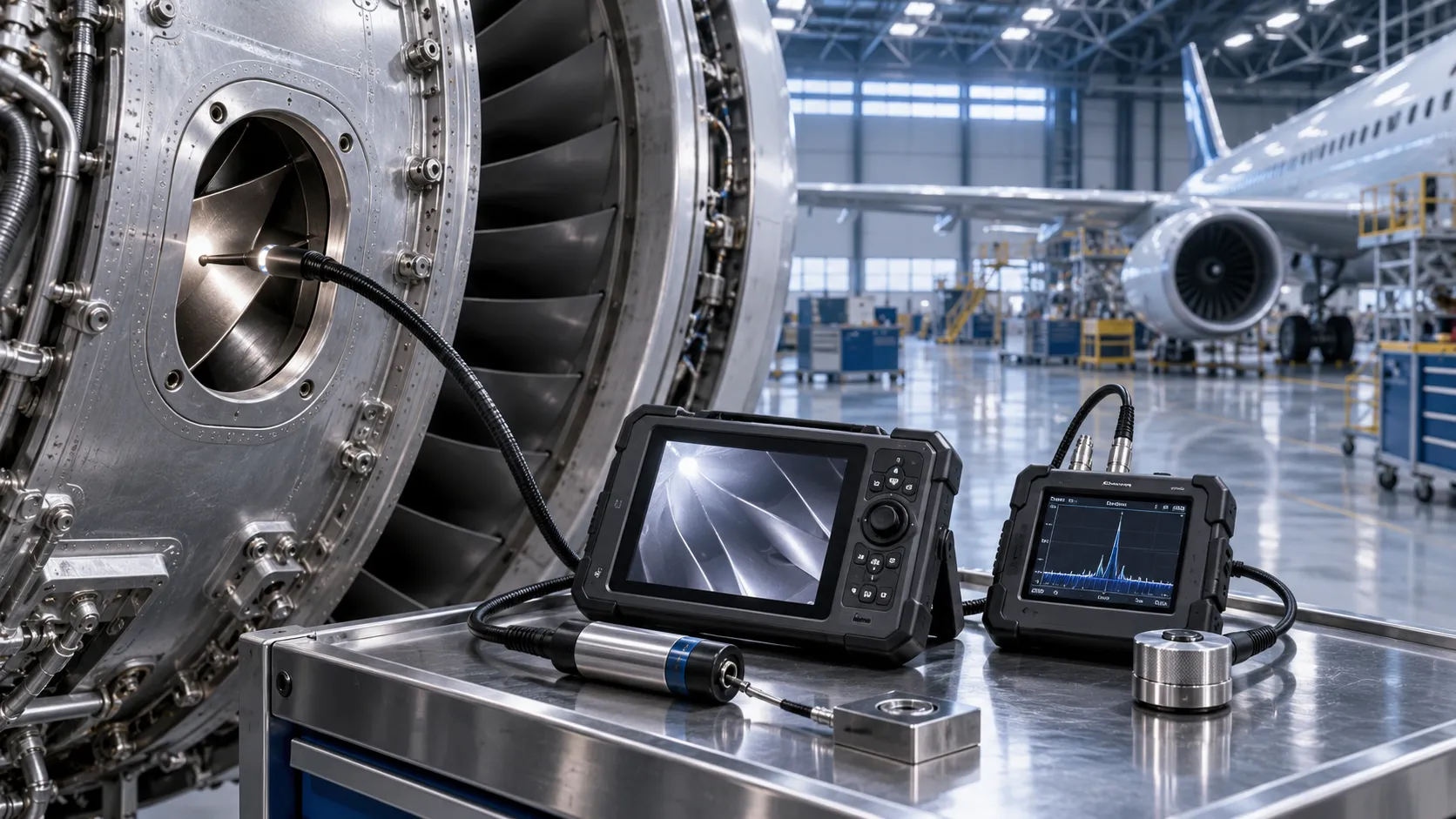
How to Select Aerospace Inspection Tools for Aircraft Maintenance Tasks
Aerospace maintenance inspection tools: learn how to select reliable, traceable equipment for aircraft access, accuracy, calibration, and compliant maintenance decisions.
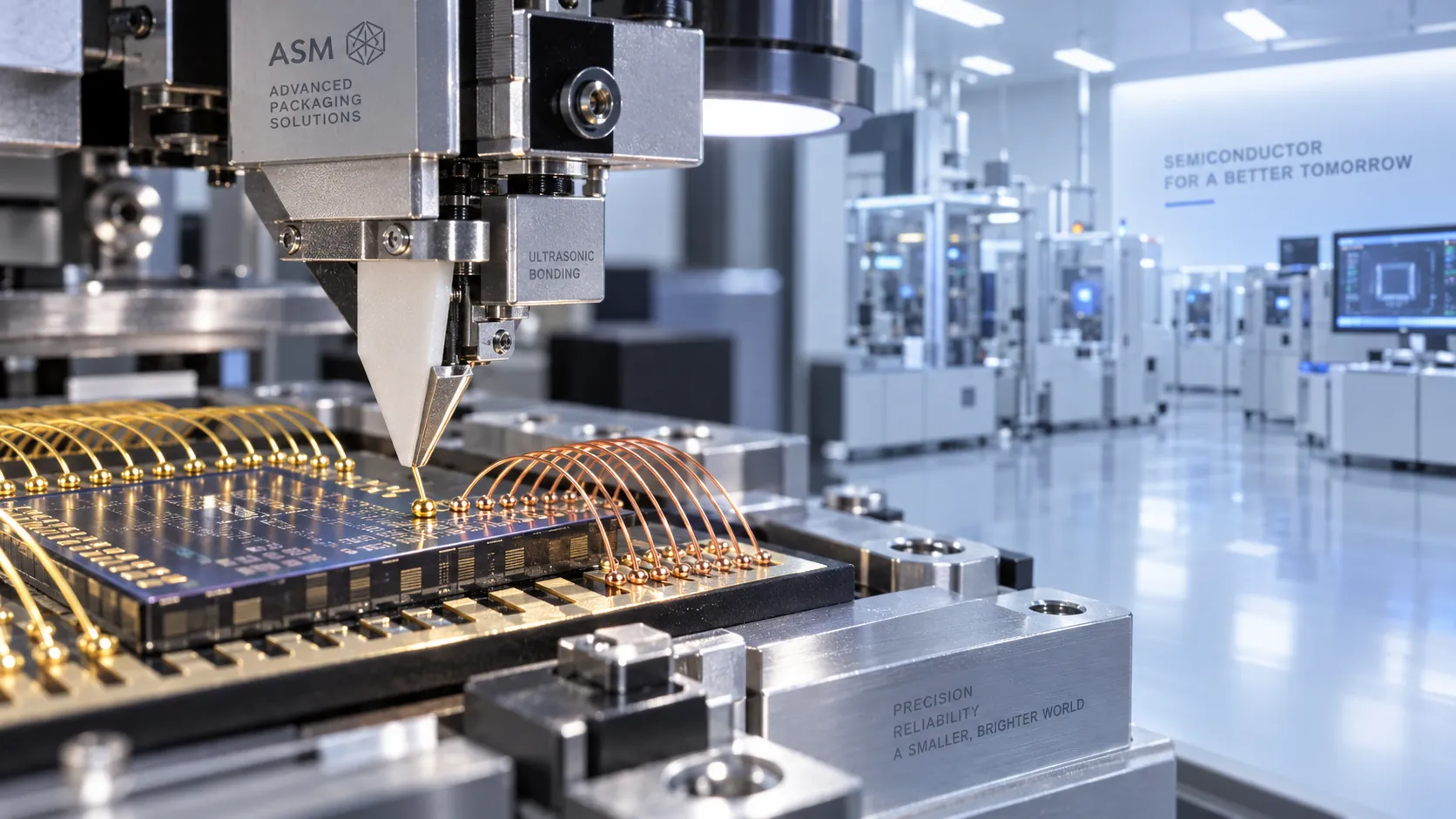
How to Select Wire Bonding Tools for Fine-Pitch Semiconductor Packaging
Explore semiconductor manufacturing tools for wire bonding and learn how to select precision solutions for fine-pitch packaging, reliable loops, accuracy, and yield.
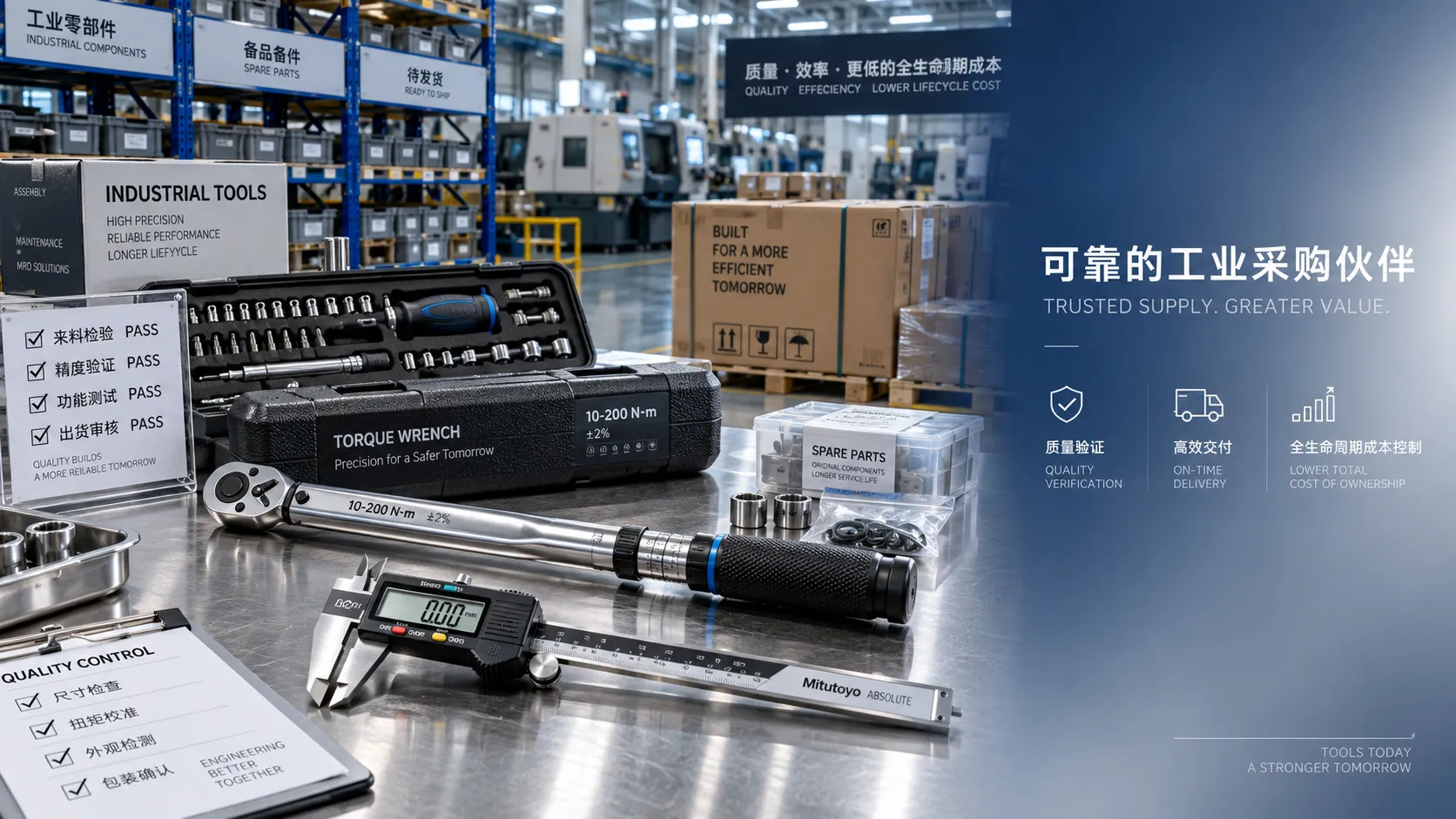
How to Compare Industrial Tool Suppliers for Quality, Lead Time, and Total Cost
Industrial tool selection supplier comparison made simple: evaluate quality, lead times, total cost, service, and supply resilience for confident sourcing decisions.
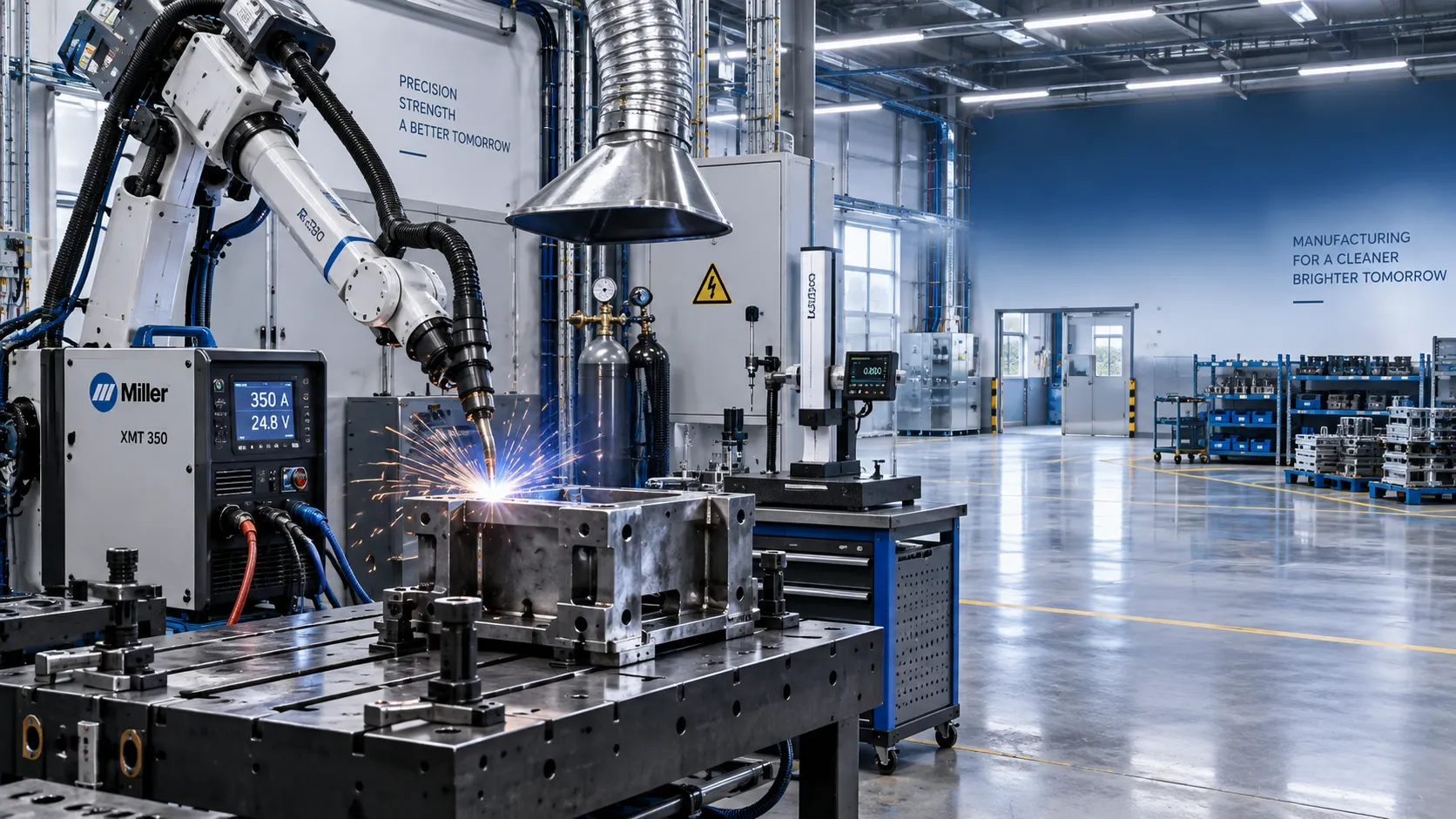
Industrial Equipment Application Guidance: Match Machines to Operating Conditions
Application guidance industrial equipment: match capacity, duty cycle, materials, site conditions, safety, and lifecycle cost to improve reliable output. Read the guide.
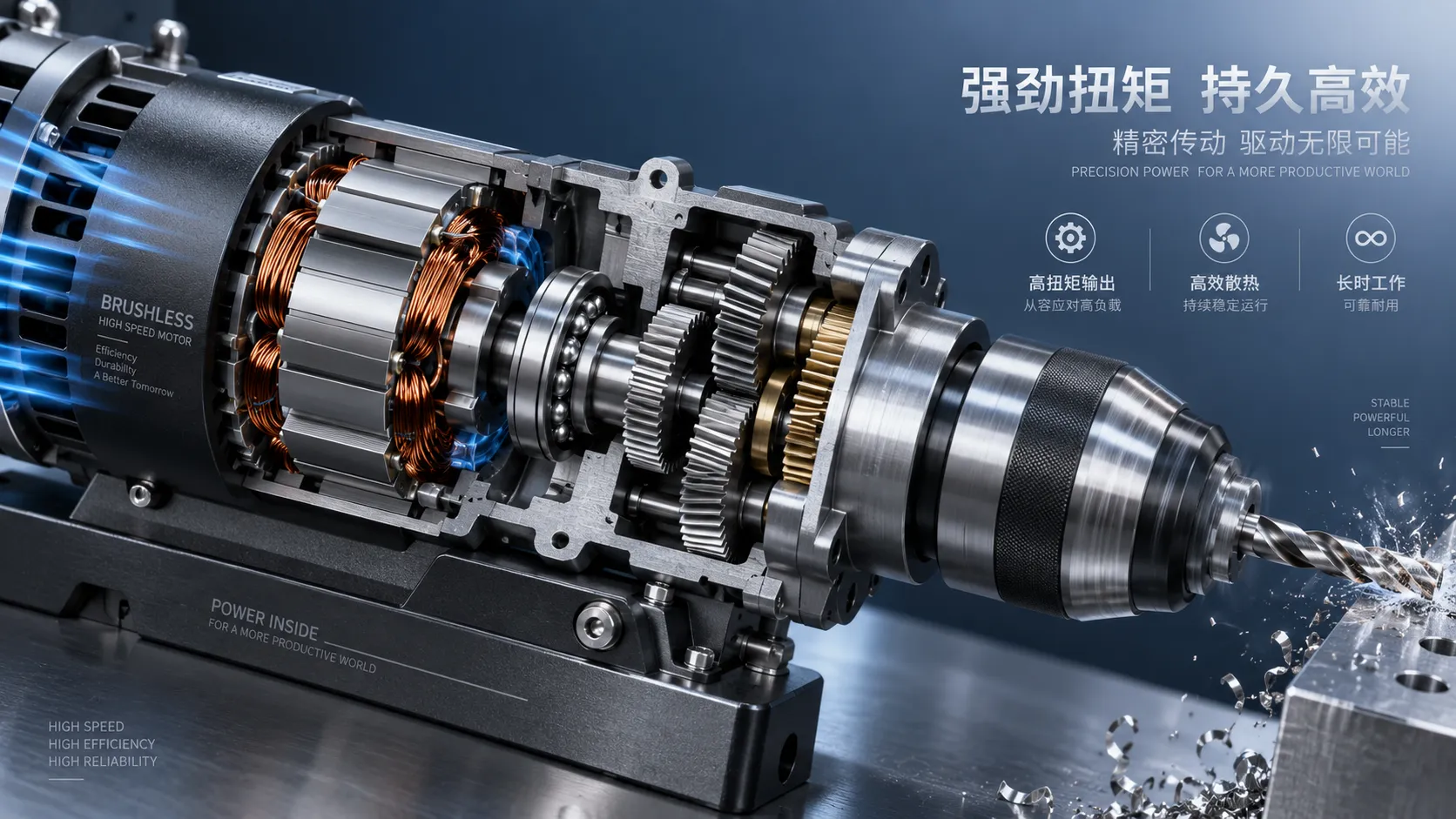
Selecting High-Speed Brushless Tool Motors for Torque, Heat, and Duty Cycle
High speed brushless tool motors: learn how to balance torque, heat, gearing, and duty cycle for reliable industrial tool performance and longer service life.
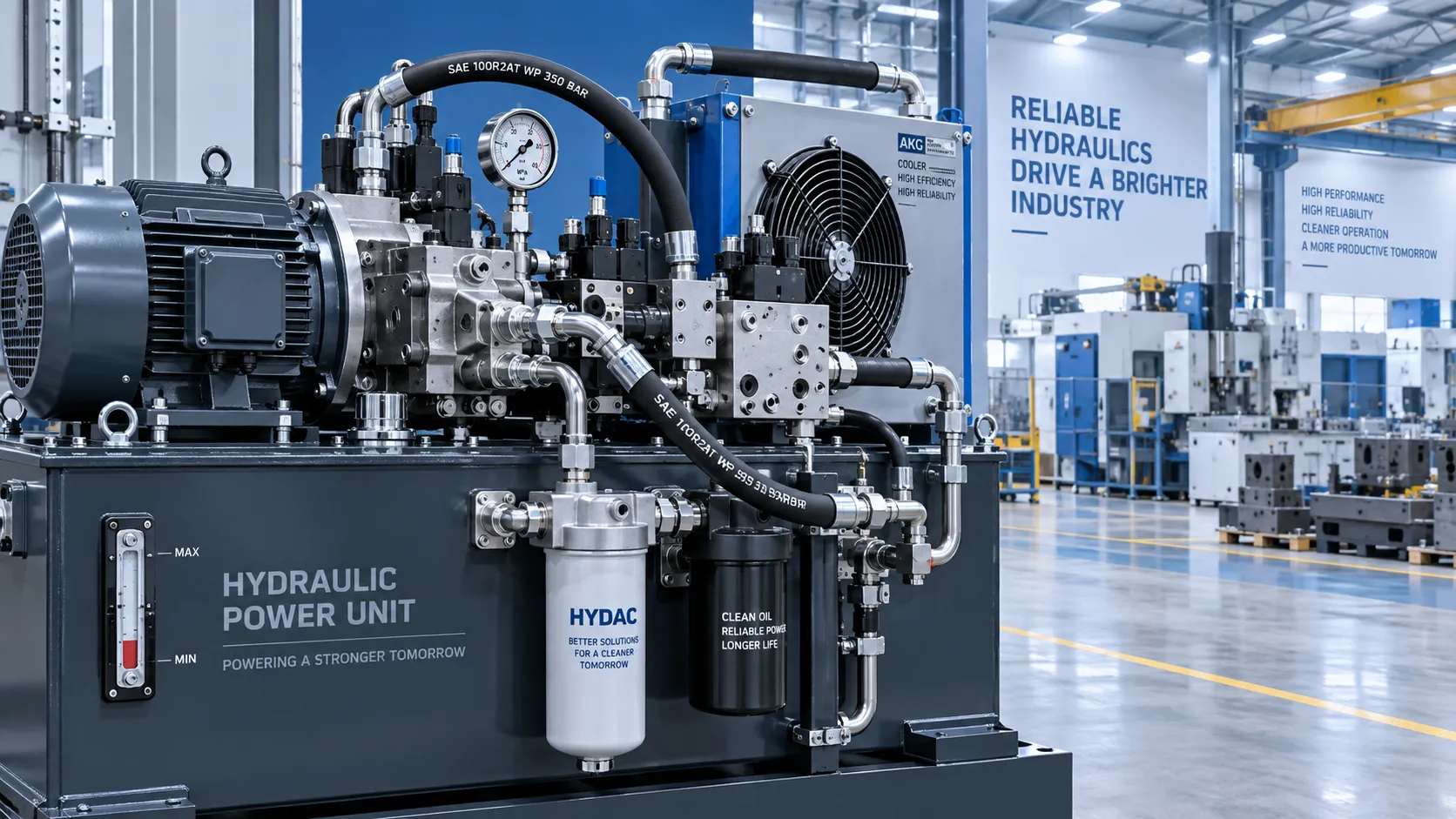
What Determines Industrial Hydraulic System Price for Heavy-Duty Equipment?
Industrial hydraulic system price depends on duty cycle, pressure, components, cooling, and integration. Compare quotes intelligently to secure reliable heavy-duty performance.
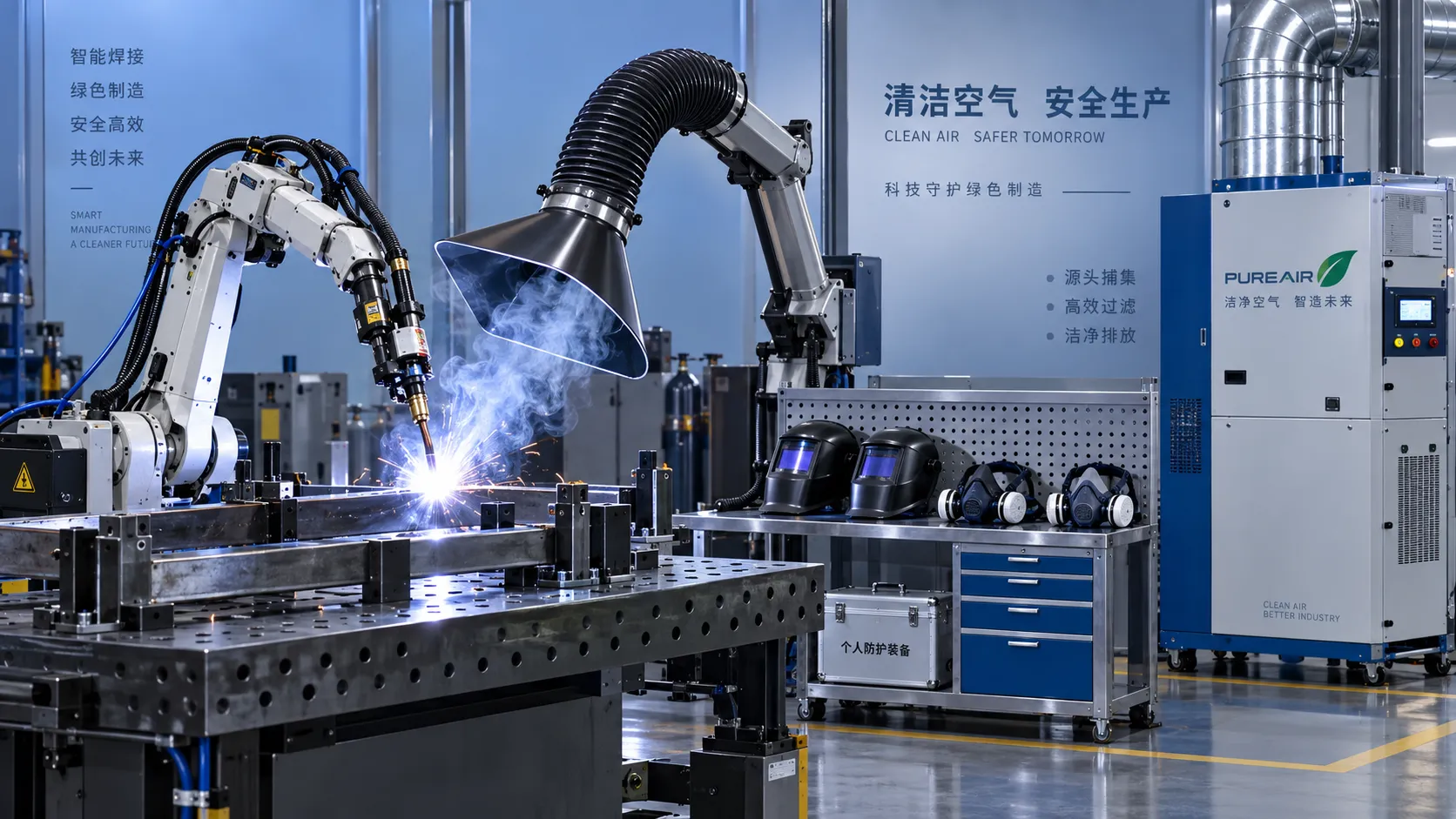
Welding Fume Extraction PPE: When Respirators Are Not Enough for Shop Safety
Welding fume extraction PPE: learn why respirators alone fall short and how source capture, ventilation, and layered controls improve shop safety.
How to Select Optical Metrology Solutions for Tight-Tolerance Manufacturing
Optical industrial metrology solutions for tight-tolerance manufacturing: evaluate accuracy, surface compatibility, workflow, and traceability to select with confidence.
Related News
- 00
0000-00
How Procurement Teams Can Map the Industrial Value Chain to Reduce Supply Risk - 00
0000-00
How Industry Category Guides Help Global Sourcing Teams Compare Suppliers Faster - 00
0000-00
Intelligent Tools in Southeast Asia: Key Market Trends, Buyers, and Supply Chain Shifts - 00
0000-00
Industrial Value Chain Europe: Where Sourcing Risks and Lead-Time Pressure Are Rising - 00
0000-00
North America's Industrial Value Chain: Key Shifts in Sourcing, Labor, and Logistics
Dr. Alistair Vaughn
Weekly Insights
Stay ahead with our curated technology reports delivered every Monday.