
Industrial standards can cut hidden compliance costs





For finance approvers, hidden compliance costs rarely appear as one large invoice. They emerge through retesting, document corrections, delayed customs clearance, warranty disputes, and blocked tenders.
That is why industrial standards matter far beyond engineering. They create a common operating language for sourcing, production, safety, labeling, and verification across global supply chains.
In complex industrial environments, industrial standards help reduce uncertainty early. They improve audit readiness, protect margins, and support faster decisions on tools, welding systems, metrology, and related assets.
For platforms such as GPTWM, standards intelligence also turns scattered technical updates into practical guidance. That link is essential when businesses must balance craftsmanship, digital control, and cross-border compliance.
When compliance risk changes by scenario, industrial standards become a financial control tool
Not every compliance burden starts in the same place. In one scenario, the risk comes from imported components. In another, it comes from operator safety, calibration drift, or inconsistent technical files.
Industrial standards reduce those variations by defining acceptable performance, test methods, tolerances, safety conditions, and record structures. This makes hidden costs more visible before purchase orders become operational problems.
GPTWM regularly tracks how standard updates influence industrial assembly, metal joining, and precision metrology. These shifts affect market access, service liabilities, and the total cost of industrial equipment ownership.
Scenario signals that usually reveal hidden compliance exposure
- Multiple suppliers use different test protocols for the same product family.
- Technical files cannot support export inspections or customer audits.
- Calibration records fail to match claimed measurement accuracy.
- Safety labels, manuals, or declarations differ across shipment batches.
- Rework rates rise after a new market or application is added.
In cross-border sourcing scenarios, industrial standards prevent cost leakage before goods arrive
Cross-border sourcing often looks efficient on quoted price alone. Yet hidden compliance costs appear when materials, certifications, or packaging rules fail destination requirements.
Industrial standards help align supplier qualification with target-market expectations. They clarify what must be tested, documented, marked, and retained before shipping begins.
This is especially relevant for precision tools, welding accessories, measuring instruments, hydraulic items, and motor-driven devices. Each category may face a different mix of safety, metrology, and traceability demands.
Core judgment points in sourcing scenarios
First, check whether supplier declarations match the final market, not only the domestic market. A valid document in one region may be incomplete elsewhere.
Second, verify whether incoming inspection standards match supplier test methods. If they differ, disputes and duplicate testing become likely.
Third, confirm whether component substitutions trigger new assessments. Small material changes can invalidate previous assumptions about durability, safety, or performance.
In production and assembly scenarios, industrial standards reduce rework, scrap, and undocumented variation
Production lines absorb hidden compliance costs in a quieter way. The symptoms are often unstable output, inconsistent torque, poor fit, or repeated verification failures.
Industrial standards define repeatable controls for assembly methods, welding quality, equipment safety, and measurement repeatability. That structure limits process drift before it becomes expensive nonconformance.
In metal joining, standards influence weld quality criteria, operator protection, and equipment settings. In assembly, they support traceable fastening, electrical safety, and controlled tool performance.
Where savings usually appear on the shop floor
- Fewer retests caused by unclear acceptance criteria.
- Lower scrap from misapplied tolerances or process windows.
- Shorter training cycles through standardized work instructions.
- Cleaner incident records from stronger safety alignment.
- Better root-cause analysis because records use common definitions.
In calibration and metrology scenarios, industrial standards protect decisions built on measurement data
Measurement errors create some of the most expensive hidden compliance costs. A product can appear acceptable until customer inspection, field use, or regulatory review proves otherwise.
Industrial standards are critical here because they define calibration intervals, uncertainty handling, reference methods, and documentation discipline. Without that framework, quality claims become difficult to defend.
GPTWM’s focus on precision metrology is useful in this scenario. Intelligence on evolving measurement practices can prevent underinvestment in calibration control or overconfidence in outdated instruments.
Key judgment points for metrology-heavy operations
Check whether measurement capability matches product tolerance, not just nominal specification. A compliant instrument can still be inadequate for a tighter application.
Review whether calibration certificates, environmental conditions, and operator methods are linked. Data without context often fails during audits or customer disputes.
Different scenarios create different industrial standards priorities
A practical standards strategy starts by recognizing that each operational scenario produces a different compliance profile. The same rulebook should not be applied with the same depth everywhere.
How to adapt industrial standards by scenario without slowing operations
The goal is not to create paperwork for its own sake. The goal is to apply industrial standards where they reduce expensive uncertainty the fastest.
- Map each process step to a compliance consequence, such as delay, defect, injury, or export blockage.
- Identify which industrial standards govern that consequence directly.
- Rank standards by financial exposure, not by document volume.
- Standardize evidence collection, including test reports, calibration records, and change logs.
- Review updates quarterly in categories affected by market, safety, or technology change.
This approach fits broad industrial environments because it links standards governance with operational priorities. It also supports better capital planning for tools, fixtures, software, and training.
Common scenario mistakes that make industrial standards look costly instead of valuable
One frequent mistake is treating industrial standards as a final inspection issue. By that stage, most hidden costs are already embedded in inventory, labor, and schedules.
Another mistake is assuming that one supplier certificate covers all downstream uses. Application conditions often change the relevant compliance requirements.
A third mistake is separating safety, quality, and finance reviews. Industrial standards deliver the strongest value when these views are connected through shared evidence and timing.
There is also risk in ignoring standard evolution. New guidance on handheld laser welding safety, motor efficiency, or intelligent torque control can affect procurement and operating assumptions quickly.
A practical next step: build a standards-driven review path for high-risk scenarios
Start with one product family, one export route, or one inspection-critical process. List the industrial standards that shape safety, performance, measurement, and documentation outcomes.
Then compare current records against real operating scenarios. Focus on where missing evidence could trigger rework, delayed revenue, warranty claims, or blocked customer approval.
GPTWM supports this discipline by connecting industrial intelligence with practical standards awareness. That combination helps turn compliance from a hidden expense into a controlled business capability.
When industrial standards are applied by scenario, compliance spending becomes more predictable. The result is stronger resilience, better investment timing, and fewer surprises across the last mile of manufacturing.
Related News
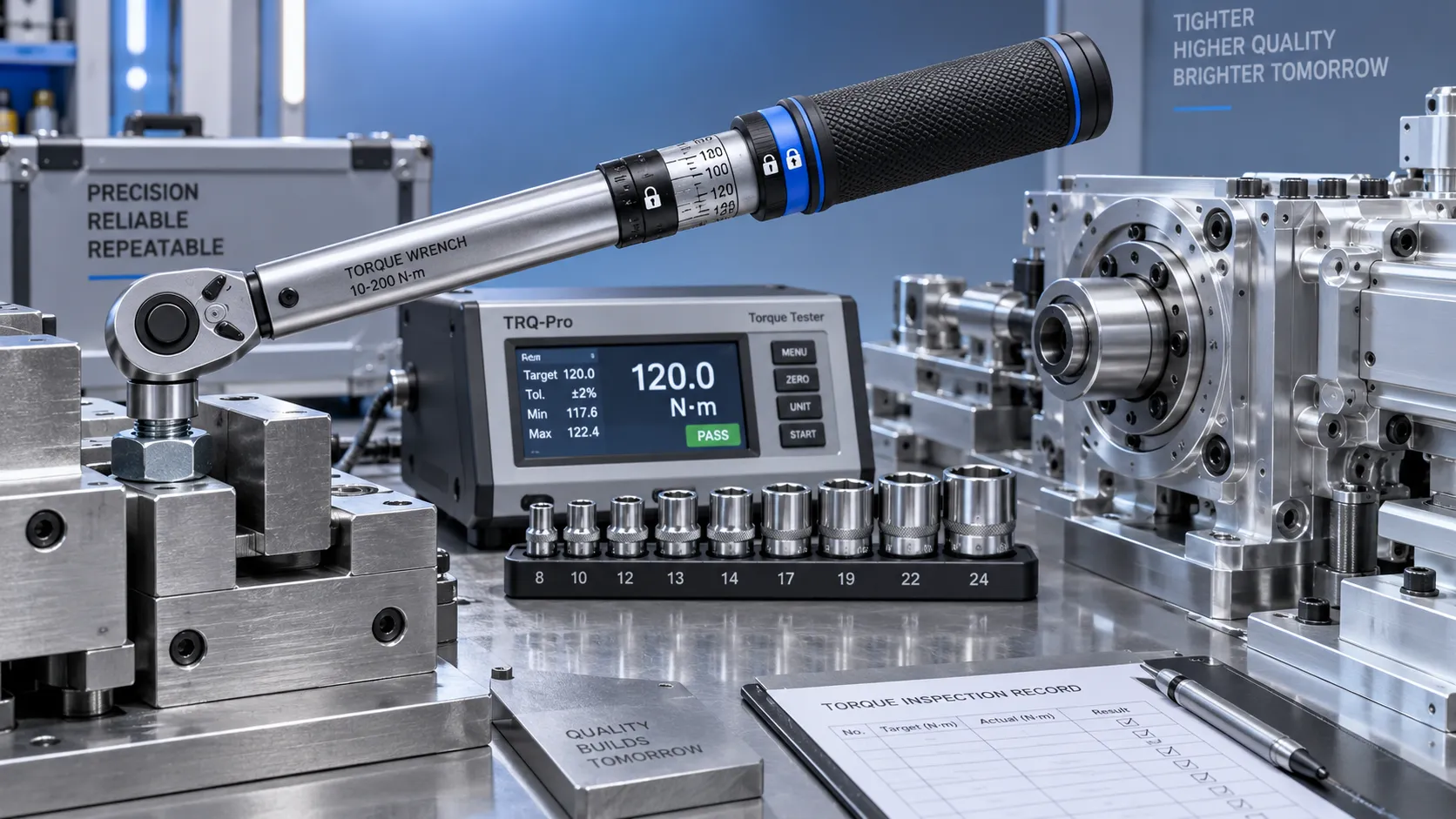
Selecting Adjustable Torque Tools for Repeatable Fastener Assembly
Adjustable torque tools: learn how to match range, accuracy, control methods, calibration, and ergonomics for repeatable, reliable fastener assembly.

How to Select Aerospace Inspection Tools for Aircraft Maintenance Tasks
Aerospace maintenance inspection tools: learn how to select reliable, traceable equipment for aircraft access, accuracy, calibration, and compliant maintenance decisions.

How to Select Wire Bonding Tools for Fine-Pitch Semiconductor Packaging
Explore semiconductor manufacturing tools for wire bonding and learn how to select precision solutions for fine-pitch packaging, reliable loops, accuracy, and yield.
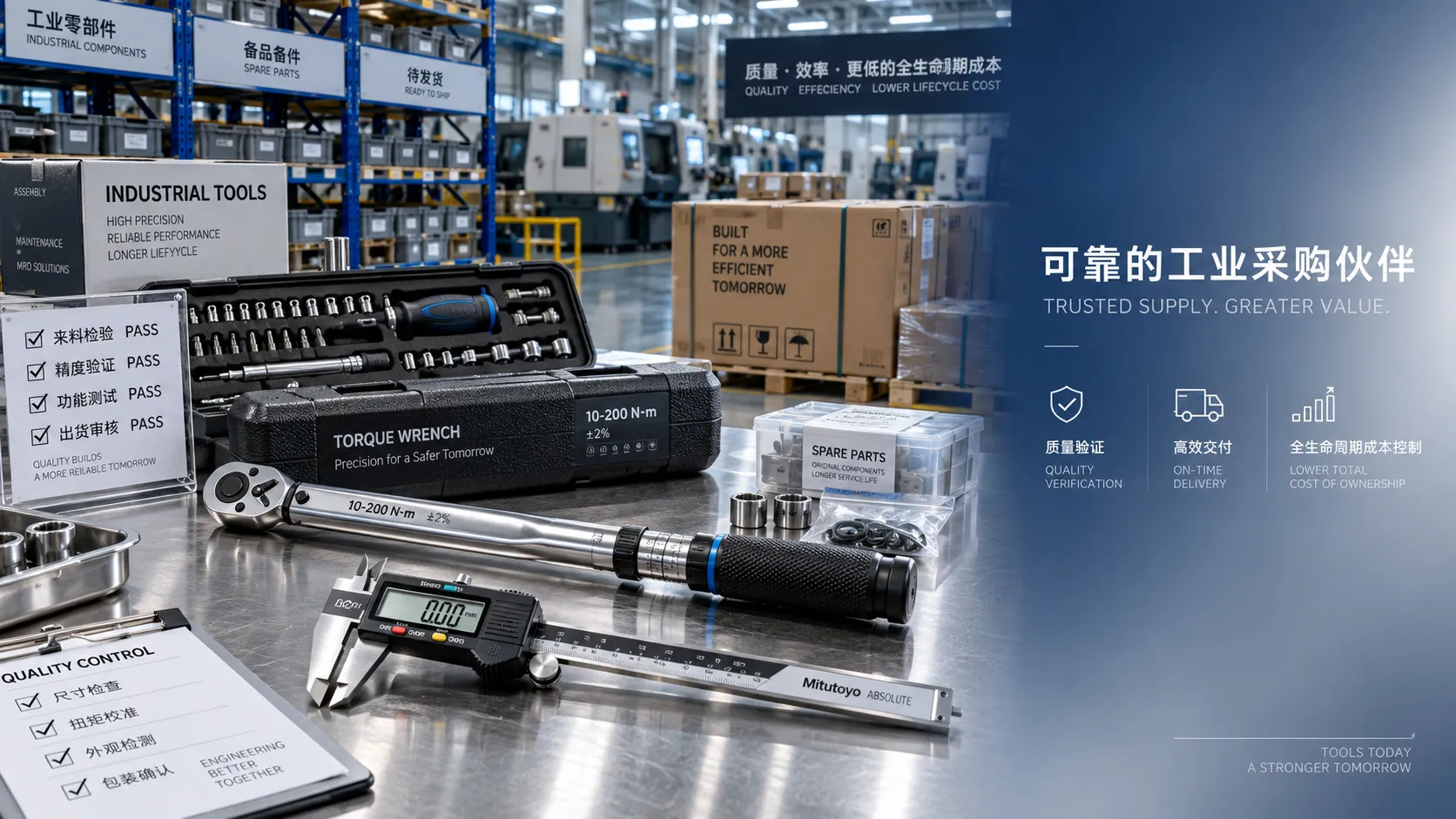
How to Compare Industrial Tool Suppliers for Quality, Lead Time, and Total Cost
Industrial tool selection supplier comparison made simple: evaluate quality, lead times, total cost, service, and supply resilience for confident sourcing decisions.
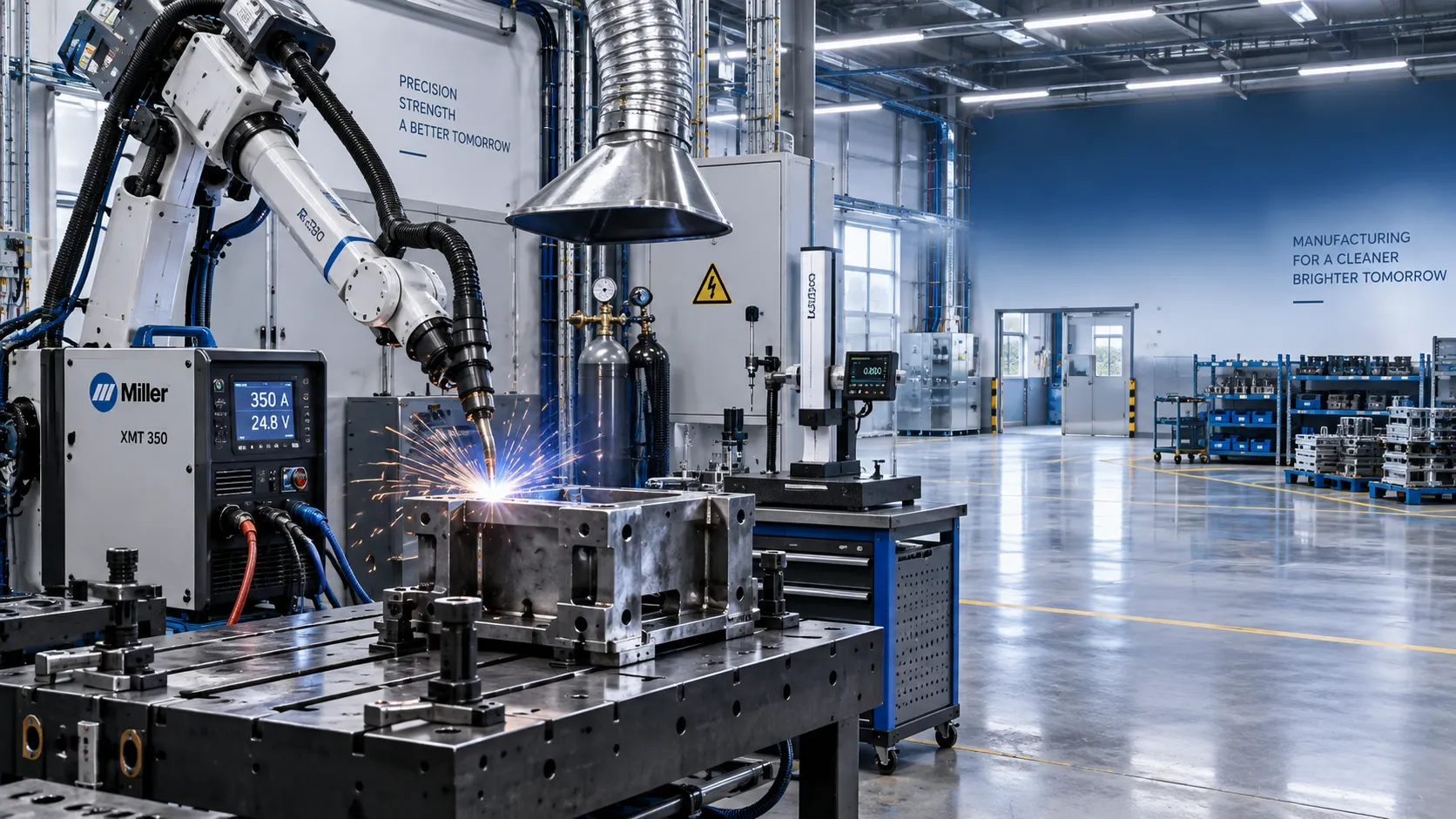
Industrial Equipment Application Guidance: Match Machines to Operating Conditions
Application guidance industrial equipment: match capacity, duty cycle, materials, site conditions, safety, and lifecycle cost to improve reliable output. Read the guide.

Selecting High-Speed Brushless Tool Motors for Torque, Heat, and Duty Cycle
High speed brushless tool motors: learn how to balance torque, heat, gearing, and duty cycle for reliable industrial tool performance and longer service life.
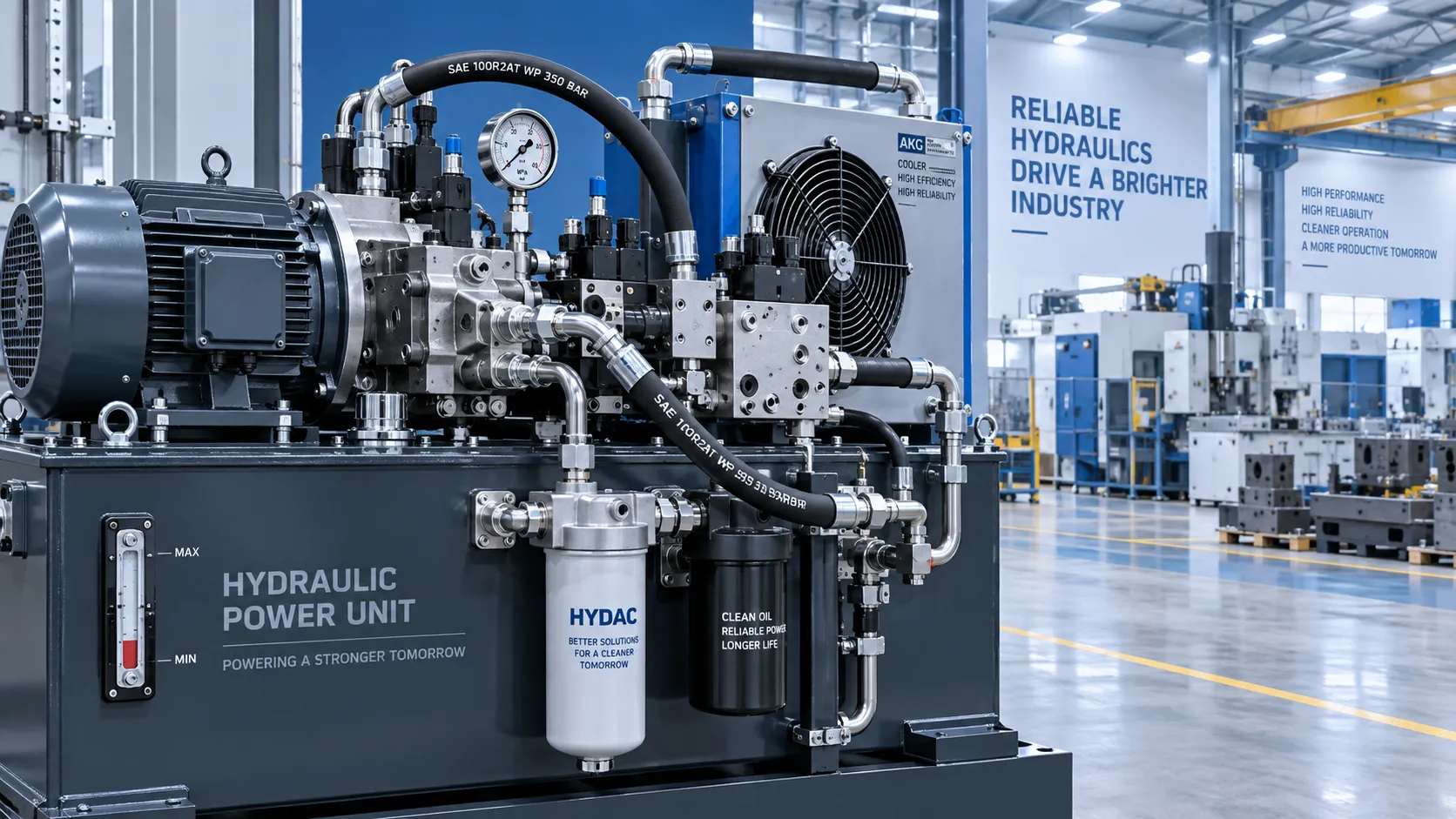
What Determines Industrial Hydraulic System Price for Heavy-Duty Equipment?
Industrial hydraulic system price depends on duty cycle, pressure, components, cooling, and integration. Compare quotes intelligently to secure reliable heavy-duty performance.

Welding Fume Extraction PPE: When Respirators Are Not Enough for Shop Safety
Welding fume extraction PPE: learn why respirators alone fall short and how source capture, ventilation, and layered controls improve shop safety.

How to Select Optical Metrology Solutions for Tight-Tolerance Manufacturing
Optical industrial metrology solutions for tight-tolerance manufacturing: evaluate accuracy, surface compatibility, workflow, and traceability to select with confidence.
Related News
- 00
0000-00
How Procurement Teams Can Map the Industrial Value Chain to Reduce Supply Risk - 00
0000-00
How Industry Category Guides Help Global Sourcing Teams Compare Suppliers Faster - 00
0000-00
Intelligent Tools in Southeast Asia: Key Market Trends, Buyers, and Supply Chain Shifts - 00
0000-00
Industrial Value Chain Europe: Where Sourcing Risks and Lead-Time Pressure Are Rising - 00
0000-00
North America's Industrial Value Chain: Key Shifts in Sourcing, Labor, and Logistics
Dr. Alistair Vaughn
Weekly Insights
Stay ahead with our curated technology reports delivered every Monday.