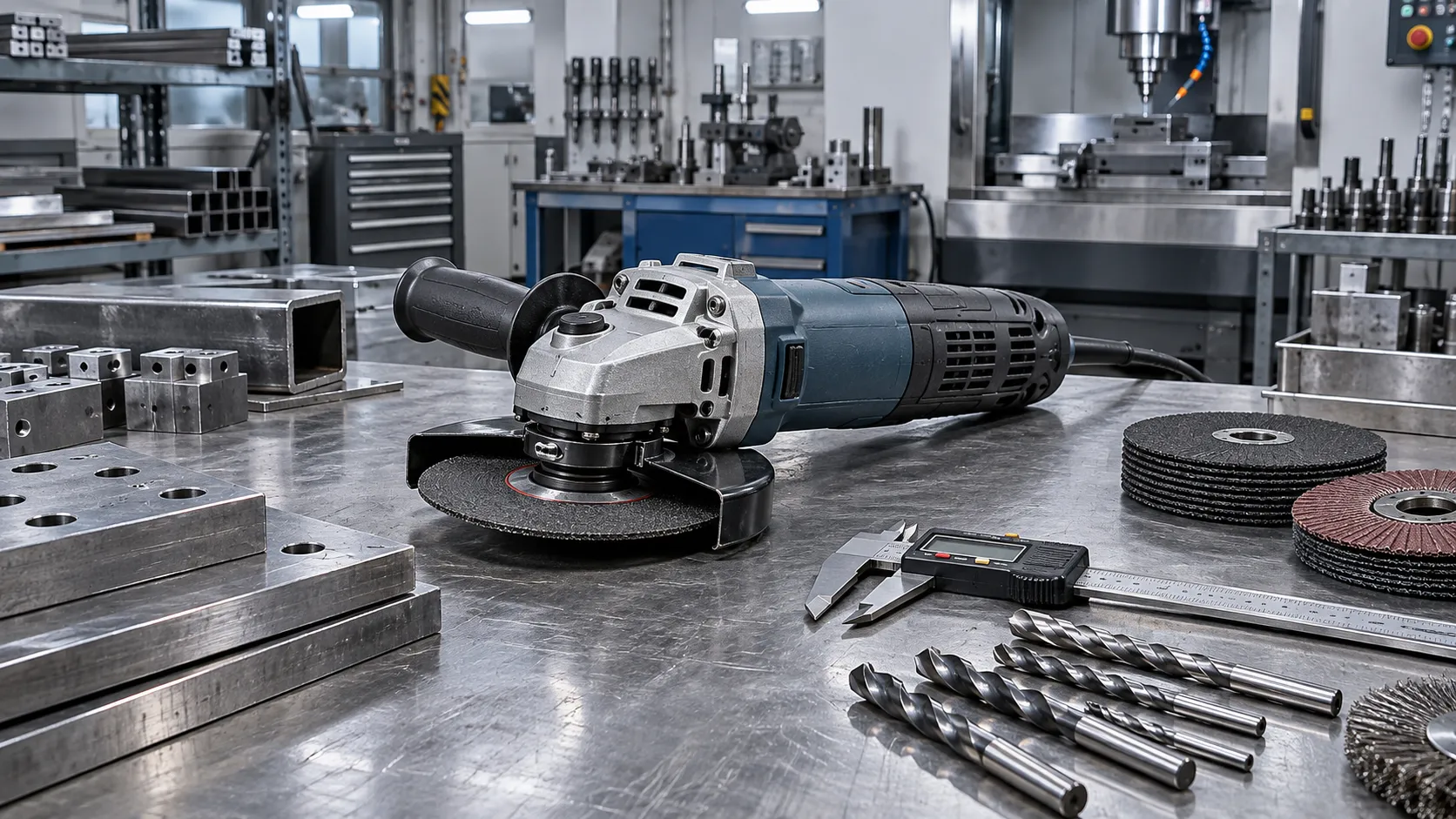




Advanced manufacturing is reshaping how factories design, join, measure, and optimize industrial products across increasingly competitive global supply chains.
For researchers tracking production efficiency, the key question is not whether factories are becoming smarter, but where value is actually created.
This article explains core technologies behind smart factories, including precision metrology, robotic welding, IoT-enabled tooling, and data-driven process control.
It also explores practical use cases across automotive, aerospace, construction equipment, and industrial maintenance, where measurable gains are already visible.
What Searchers Really Want to Know About Advanced Manufacturing
Most people searching for advanced manufacturing are not looking for a dictionary definition. They want a practical map of modern production capability.
Researchers, analysts, distributors, and factory planners usually ask three questions: which technologies matter, where they are used, and how benefits are measured.
The strongest answer is that advanced manufacturing combines digital intelligence with physical production disciplines such as joining, machining, assembly, inspection, and maintenance.
Its value comes from connecting machines, tools, sensors, operators, and quality data into repeatable systems that reduce variation and accelerate decisions.
In this context, a robotic welding cell, a connected torque wrench, and a laser tracker are not isolated upgrades.
They become part of a coordinated manufacturing environment where process knowledge is captured, analyzed, and converted into better output.
Advanced Manufacturing in Simple Terms
Advanced manufacturing refers to the use of modern technologies to improve how products are designed, produced, inspected, repaired, and scaled.
It is not limited to fully automated factories or futuristic production lines. Many plants adopt it gradually through targeted operational improvements.
A factory may start with digital metrology, then add robotic welding, connected power tools, machine vision, and production analytics over time.
The common theme is the ability to improve quality, speed, flexibility, safety, and traceability through better control of manufacturing processes.
Traditional craftsmanship remains important, especially in welding, fitting, measuring, and repair work. Advanced systems make skilled work more consistent and scalable.
For industrial decision makers, the best projects usually strengthen existing expertise rather than replace every human judgment with automation.
Why Advanced Manufacturing Matters Now
Factories face pressure from labor shortages, tighter tolerances, rising material costs, and stricter export standards across major industrial markets.
Customers also expect shorter delivery cycles, documented quality, safer products, and lower lifecycle costs, especially in automotive and aerospace supply chains.
Advanced manufacturing helps plants respond by reducing scrap, improving first-pass yield, shortening changeovers, and creating traceable records for compliance.
It also supports global competitiveness because buyers increasingly evaluate suppliers through digital maturity, process stability, and quality documentation.
For information researchers, the important signal is adoption depth. Mature factories connect engineering, production, inspection, and maintenance data into one feedback loop.
Less mature factories may own advanced equipment, but still operate with fragmented data, manual reporting, and inconsistent process discipline.
Core Technology 1: Precision Metrology and Digital Inspection
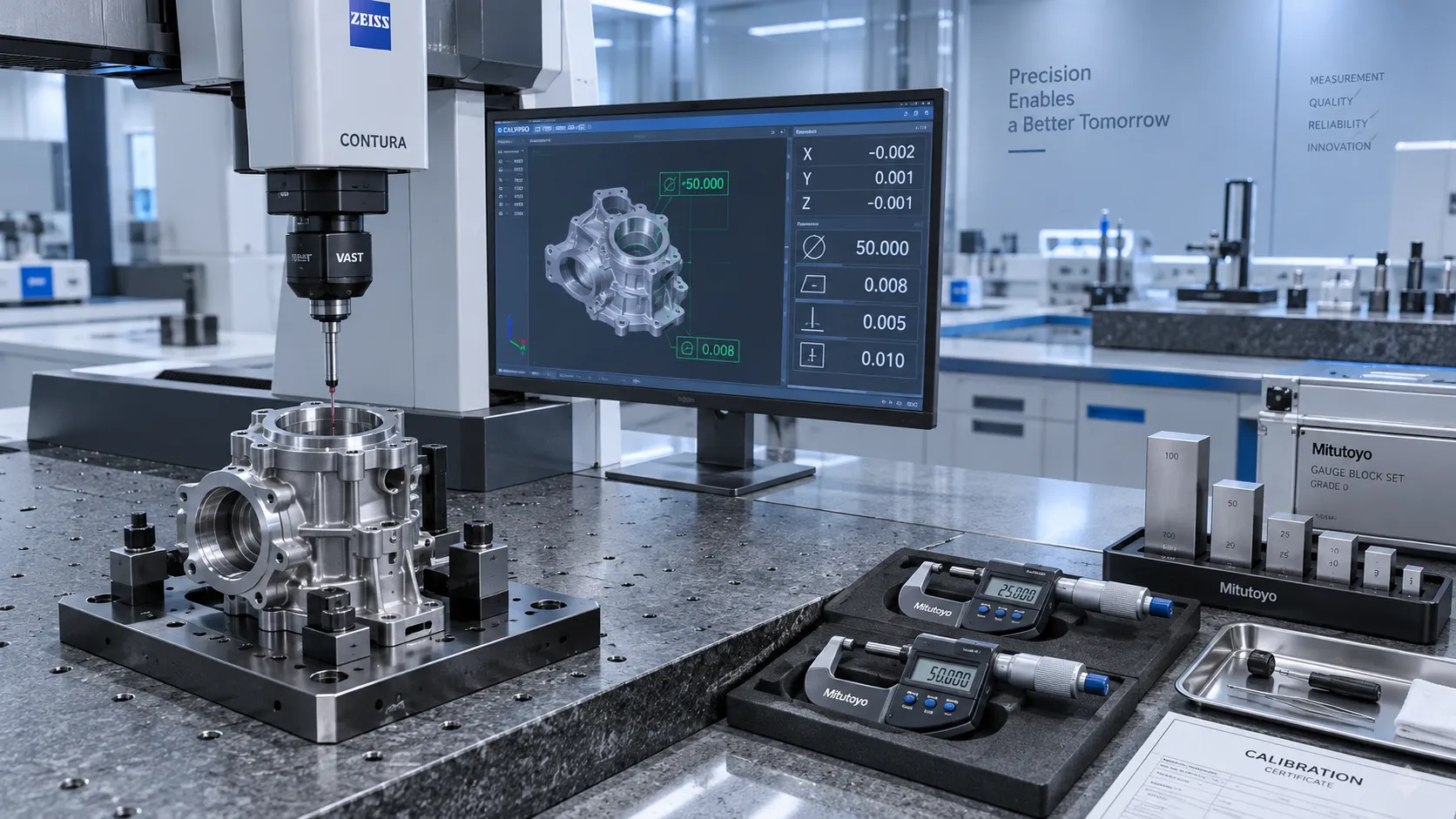
Precision metrology is one of the most important foundations of advanced manufacturing because factories cannot improve what they cannot measure reliably.
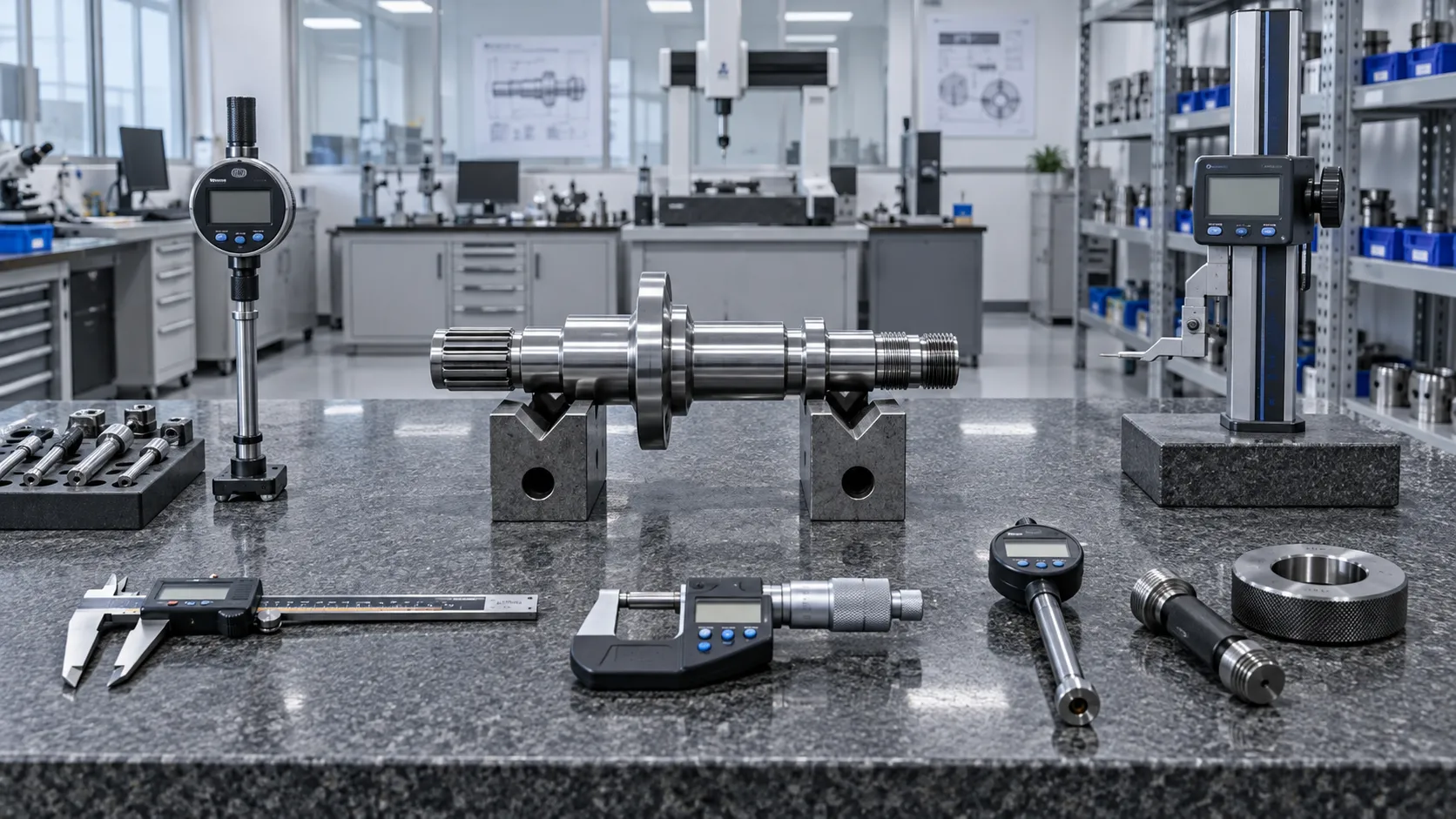
Modern inspection systems include coordinate measuring machines, laser trackers, optical scanners, digital calipers, torque testers, and in-process measurement sensors.
These tools verify dimensional accuracy, surface quality, alignment, assembly fit, and critical tolerances before defects move downstream.
The shift is from after-the-fact inspection toward real-time quality intelligence. Measurement data increasingly feeds production adjustments, supplier evaluation, and design improvement.
In aerospace, metrology helps validate large structures, tight assemblies, and safety-critical components where small deviations can become expensive failures.
In automotive manufacturing, digital inspection supports high-volume consistency, especially for body structures, battery trays, chassis parts, and powertrain assemblies.
Core Technology 2: Robotic Welding and Intelligent Joining
Metal joining remains a decisive “last mile” process in many factories, and advanced manufacturing is changing how welding quality is achieved.
Robotic welding systems improve consistency, productivity, and repeatability when part geometry, fixture design, and process parameters are well controlled.
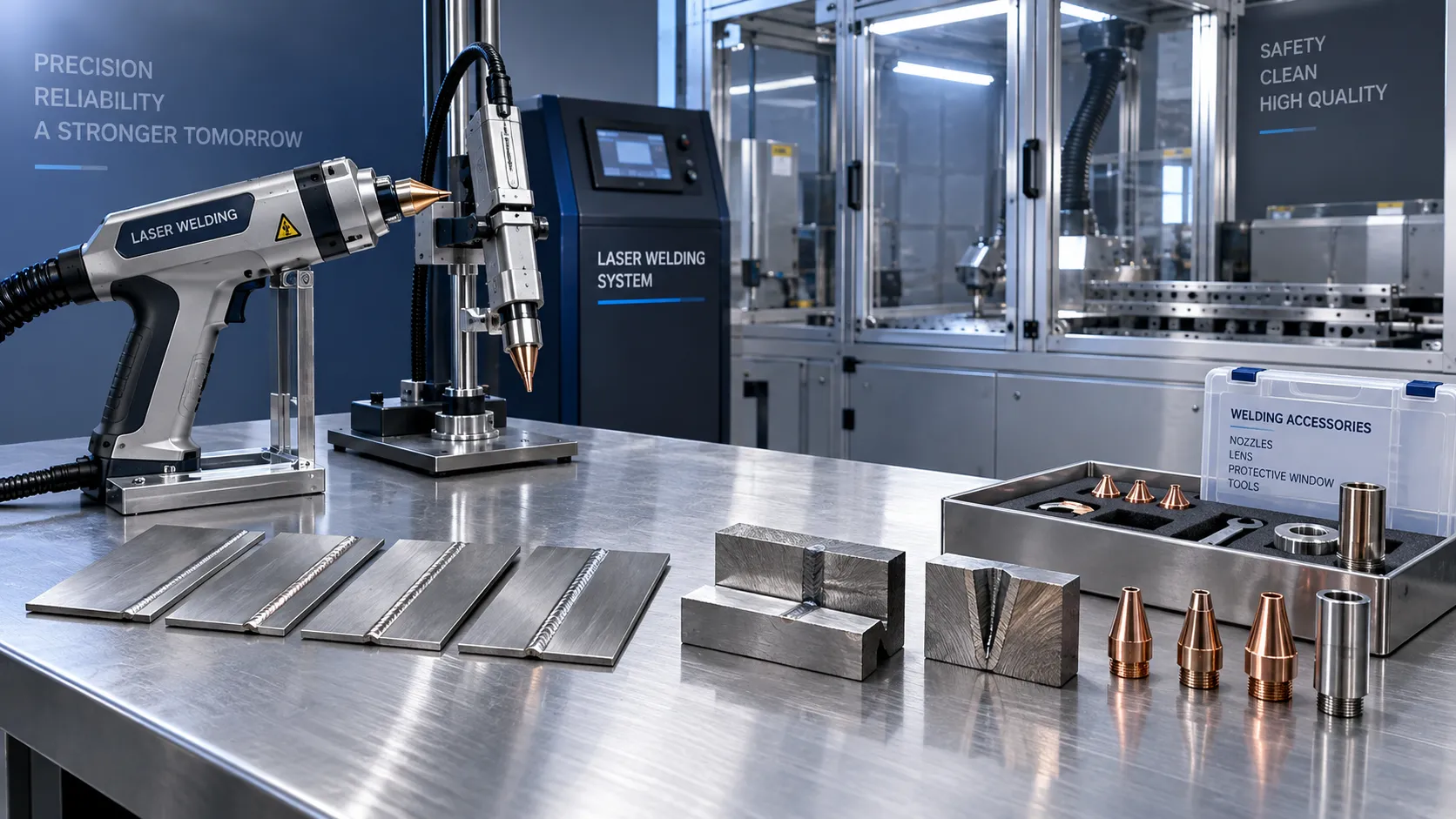
Newer systems combine arc welding, laser welding, hybrid processes, seam tracking, adaptive control, and machine vision for more complex tasks.
Handheld laser welding has also gained attention because it can improve speed and reduce heat distortion in selected applications.
However, researchers should note that laser welding adoption requires serious attention to safety controls, operator training, shielding, and regulatory compliance.
The strongest welding programs integrate process qualification, consumable control, inspection data, and operator feedback instead of relying only on equipment purchase.
Core Technology 3: IoT-Enabled Tools and Smart Assembly
Connected industrial tools are becoming essential in assembly environments where every fastening, torque value, and sequence step may affect product reliability.
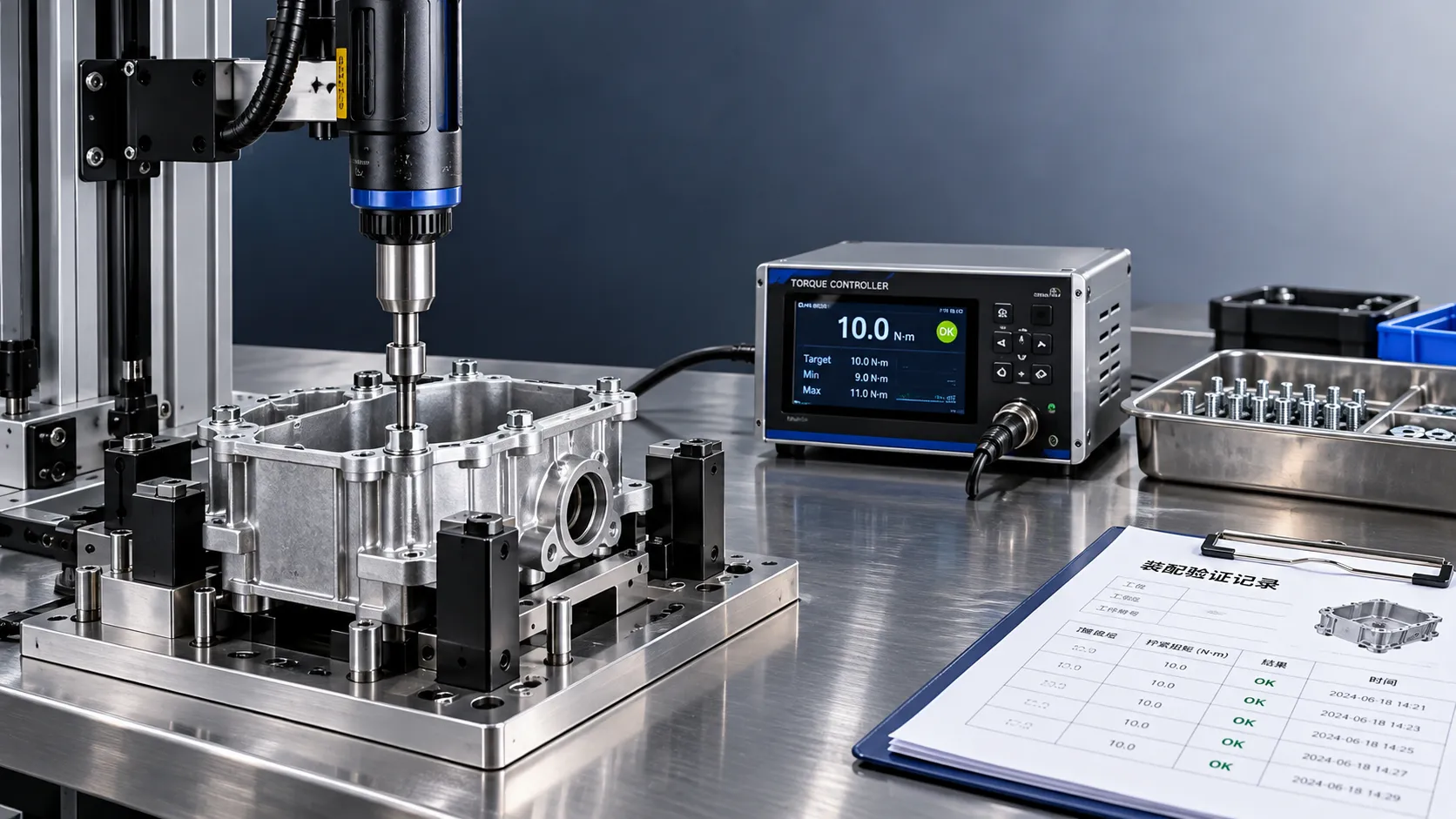
IoT-enabled torque wrenches, electric screwdrivers, riveters, and hydraulic tools can record usage data and confirm whether work meets specification.
This is especially valuable in aerospace maintenance, vehicle assembly, heavy equipment production, and safety-critical industrial repair operations.
Smart tools reduce dependence on handwritten records and help managers identify missed steps, tool wear, operator variation, or abnormal process conditions.
Brushless motors in power tools also support better efficiency, longer operating life, lighter tool bodies, and improved ergonomics for repetitive tasks.
For plants with high labor intensity, connected tooling can deliver quick gains without redesigning the entire manufacturing system.
Core Technology 4: Robotics, Automation, and Flexible Cells
Industrial robots are widely associated with advanced manufacturing, but the real value lies in flexibility, integration, and process reliability.
Modern robotic cells may handle welding, cutting, grinding, dispensing, machine tending, palletizing, inspection, or collaborative assembly support.
Flexible automation helps factories manage product variation, smaller batch sizes, and changing demand without sacrificing repeatability.
Collaborative robots can support lighter tasks where full enclosure automation is unnecessary, though safety assessment remains essential.
Automation succeeds when part presentation, fixtures, programming, maintenance, and quality feedback are engineered as one system.
It fails when companies buy robots to solve unstable processes that should first be standardized, measured, and simplified.
Core Technology 5: Data-Driven Process Control
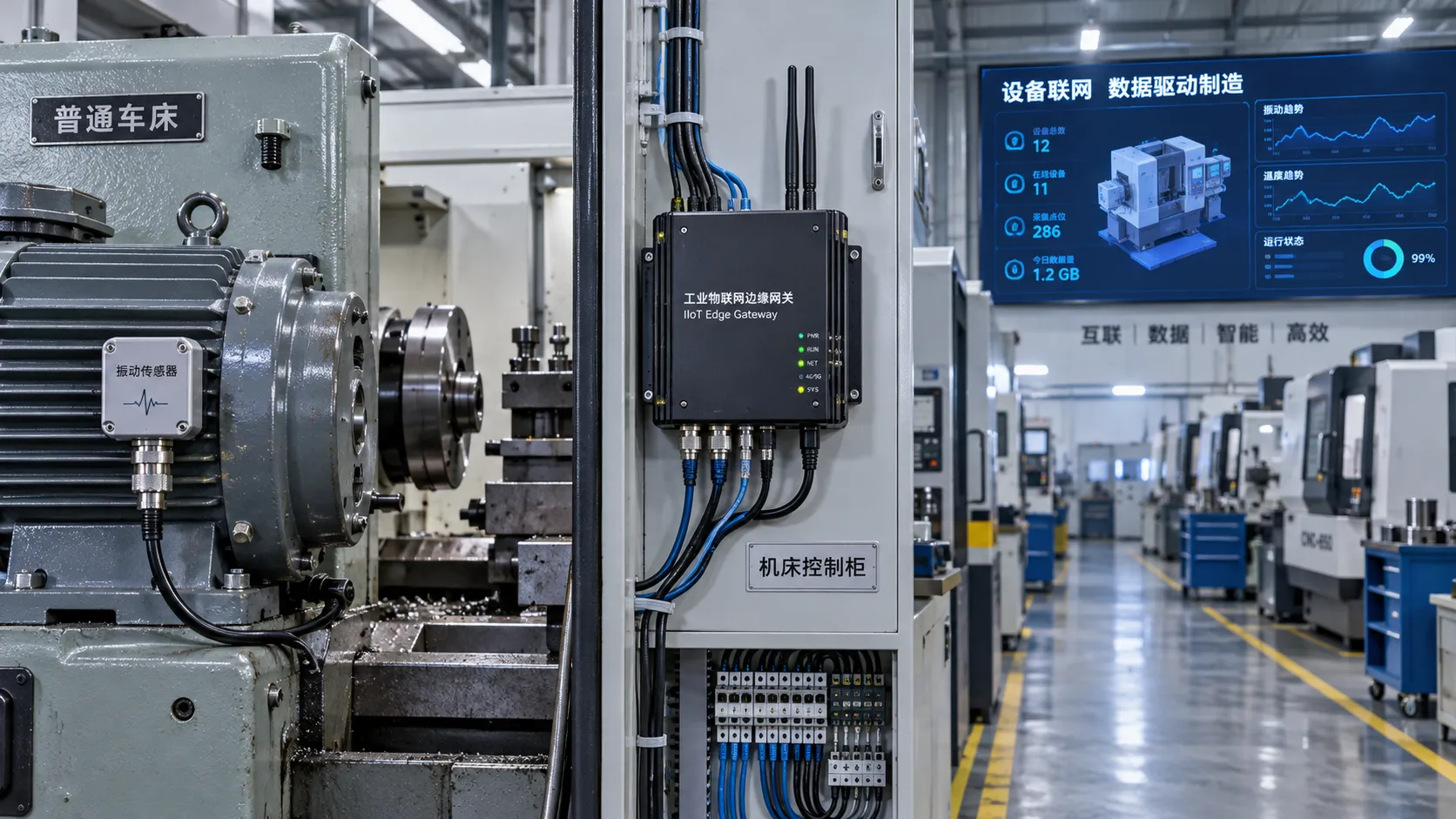
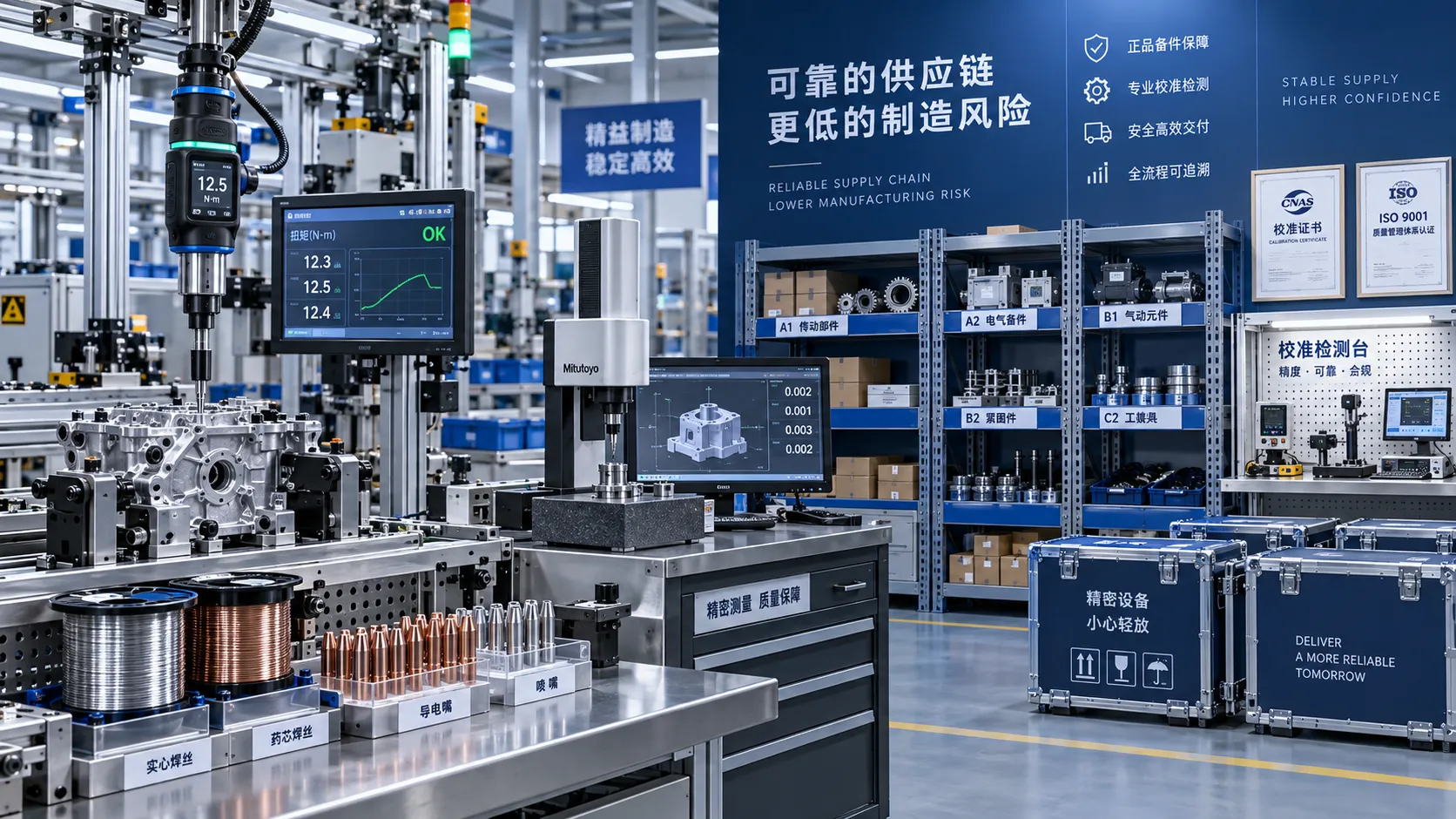
Data-driven process control connects machines, sensors, tools, inspection systems, and enterprise software to improve production decisions.
Factories use data to monitor cycle time, temperature, vibration, torque, weld parameters, dimensional drift, energy use, and downtime patterns.
When analyzed correctly, these signals reveal whether a process is stable, approaching failure, or drifting outside acceptable tolerance.
Predictive maintenance is one practical outcome. Instead of waiting for breakdowns, teams service equipment based on condition indicators.
Another outcome is closed-loop quality control, where inspection results guide adjustments to welding, machining, forming, or assembly parameters.
The challenge is not collecting data. The challenge is selecting meaningful signals and converting them into timely actions.
Core Technology 6: Additive Manufacturing and Rapid Production
Additive manufacturing, often called industrial 3D printing, supports advanced manufacturing by changing how components, tools, and prototypes are produced.
Its strongest value appears in complex geometries, low-volume parts, lightweight structures, tooling inserts, fixtures, and rapid design iteration.
In aerospace, additive methods can reduce weight and consolidate assemblies, although qualification requirements remain demanding.
In maintenance and repair, additive production may shorten lead times for selected replacement parts or specialized tooling.
However, additive manufacturing is not a universal replacement for machining, casting, forging, or welding.
Researchers should evaluate material properties, surface finish, repeatability, certification, post-processing, and total cost before assuming broad adoption.
Factory Use Case: Automotive Production
Automotive factories use advanced manufacturing to manage high volume, strict quality expectations, and rapid platform changes.
Robotic welding improves body-in-white consistency, while digital inspection validates geometry before defects spread across downstream operations.
Connected fastening tools help verify torque values in battery packs, chassis assemblies, interiors, and powertrain-related systems.
Machine vision checks component presence, orientation, surface defects, label accuracy, and assembly completeness at production speed.
Data analytics allows engineers to compare lines, shifts, suppliers, and equipment conditions with far greater precision than manual reporting.
The measurable benefits include lower rework, improved traceability, shorter launch cycles, and more stable production during model transitions.
Factory Use Case: Aerospace Manufacturing and Maintenance
Aerospace manufacturers depend on advanced manufacturing because tolerance control, documentation, and repeatable processes directly affect safety and certification.
Precision metrology supports wing, fuselage, engine, and landing gear production where dimensional accuracy is critical.
Smart assembly tools create verified records for fasteners, torque sequences, and maintenance procedures that auditors may later review.
Robotic drilling, automated inspection, and adaptive machining can reduce manual variation in complex structures and high-value components.
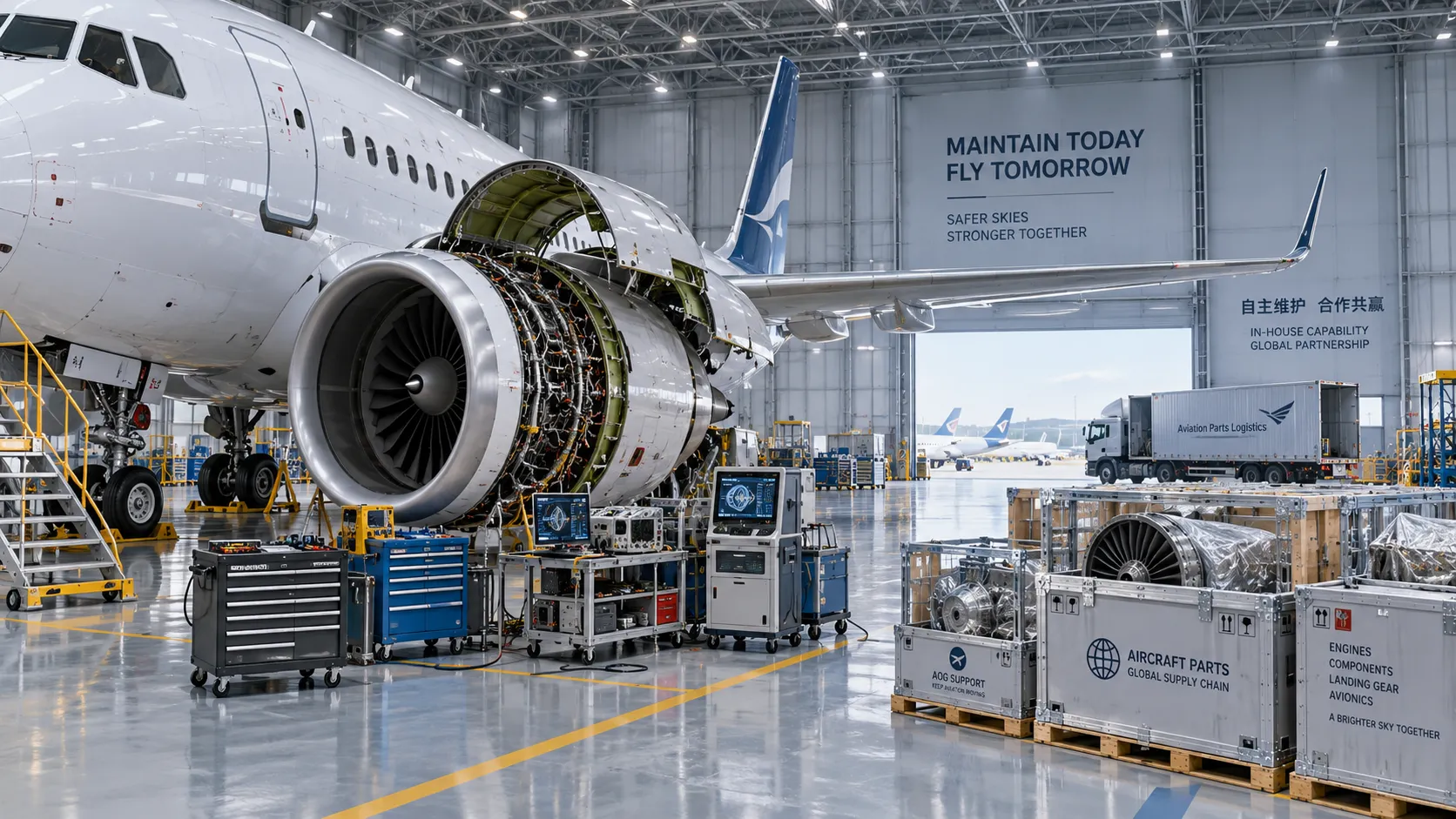
For maintenance, repair, and overhaul operations, connected tools and digital work instructions improve compliance and reduce avoidable errors.
The main barrier is not only cost. Qualification, change control, workforce training, and data governance can slow implementation.
Factory Use Case: Construction Equipment and Heavy Industry
Construction equipment manufacturers deal with large parts, thick materials, heavy weldments, and demanding durability requirements.
Advanced welding systems can improve bead consistency, penetration control, and productivity in frames, buckets, booms, and hydraulic structures.
Laser scanning and large-scale metrology help verify alignment, deformation, and assembly fit across oversized components.
Hydraulic testing systems and digital gauges support quality assurance for cylinders, pumps, valves, and heavy-duty motion systems.
Because parts are often large and variable, successful automation may combine robotic stations with skilled operators and adaptive fixtures.
The goal is usually not full lights-out production, but safer, faster, more reliable manufacturing of high-value equipment.
Factory Use Case: Industrial Maintenance and Field Service
Advanced manufacturing is not limited to new product factories. It also improves industrial maintenance, repair, and field service operations.
Technicians increasingly use digital measurement devices, connected diagnostic tools, thermal cameras, portable welders, and smart torque systems.
These tools help maintenance teams document asset condition, confirm repair quality, and avoid repeated failures caused by uncertain workmanship.
In global service networks, standardized digital records help companies compare technician performance, tool calibration, and recurring equipment issues.
This is especially important for energy, transport, shipbuilding, mining, and heavy machinery sectors, where downtime is expensive.
For researchers, maintenance adoption shows how advanced manufacturing principles extend beyond the factory floor into lifecycle performance.
How to Judge Whether an Advanced Manufacturing Project Has Real Value
A strong project should be evaluated against specific operational outcomes rather than broad claims about digital transformation.
Useful indicators include first-pass yield, scrap rate, cycle time, downtime, labor ergonomics, safety incidents, warranty claims, and inspection throughput.
Traceability is another important metric, especially when customers require proof of process control, calibration, and compliance.
Decision makers should also calculate integration costs, training needs, maintenance support, software compatibility, and cybersecurity requirements.
An upgrade that reduces defects but creates unmanageable data complexity may not deliver sustainable value.
The best business case links technology investment to a clear bottleneck, measurable performance gap, and realistic implementation roadmap.
Common Risks and Misunderstandings
One common misunderstanding is that advanced manufacturing means replacing people with machines. In practice, skilled workers remain central.
Operators, welders, inspectors, tool designers, and maintenance specialists provide the process knowledge needed to configure and improve intelligent systems.
Another risk is buying isolated equipment without considering fixtures, standards, calibration, data integration, and workflow design.
Factories also underestimate the importance of change management. Employees need training, clear procedures, and confidence in new systems.
Cybersecurity and data ownership deserve attention because connected tools and machines create new operational vulnerabilities.
Finally, companies should avoid technology fashion. The right solution depends on process maturity, product mix, tolerance demands, and customer requirements.
What Researchers Should Watch in the Next Wave
The next stage of advanced manufacturing will likely focus on practical intelligence rather than purely experimental automation.
Expect stronger adoption of AI-assisted inspection, adaptive welding control, digital twins, intelligent torque systems, and predictive maintenance platforms.
Metrology will move closer to the production line, giving engineers faster feedback on dimensional variation and process drift.
Tooling will become lighter, smarter, and more ergonomic, especially as manufacturers address aging workforces and labor shortages.
Safety standards for laser welding, collaborative robotics, and connected equipment will become more important as adoption widens.
Global manufacturers will also seek more unified operating standards to support distributed production and international supplier qualification.
Conclusion: Advanced Manufacturing Is a Practical System, Not a Buzzword
Advanced manufacturing is best understood as the disciplined integration of intelligent tools, precise measurement, skilled processes, and actionable data.
Its real value appears when factories improve quality, speed, safety, traceability, and competitiveness in measurable ways.
For researchers, the most useful analysis looks beyond headline technologies and examines where they solve specific manufacturing constraints.
Robotic welding, precision metrology, IoT tooling, automation, and process analytics each matter most when connected to operational needs.
The factories that benefit most are those that combine craftsmanship with digital intelligence, building systems that learn from every production cycle.
That is why advanced manufacturing is becoming a central pathway for industrial companies seeking resilient, efficient, and globally competitive operations.