
IoT Torque Control Explained: Traceability, Accuracy, and Line Integration





IoT torque control is becoming decisive for verifiable fastening quality, real-time process visibility, and smoother integration across automated or semi-automated lines.
The core challenge is not only torque accuracy. It is traceability, calibration integrity, operator guidance, and compatibility with MES, PLC, and quality systems.
For industrial assembly, connected fastening now sits between craftsmanship and digital factories, where every joint can become measurable, repeatable, and auditable.
IoT Torque Control Scenario Background: Why Fastening Data Now Matters
Fastening used to be evaluated mainly by tool setting, operator skill, and final inspection. That approach is less reliable in mixed production.
IoT torque control changes the judgment point. It connects torque events, angle curves, tool identity, product serial numbers, and process status.
This connection supports quality evidence. It also exposes process drift before scrap, rework, or warranty claims become expensive.
Different industrial scenes require different levels of connectivity. A repair bench does not need the same architecture as a robotic chassis line.
The practical question is therefore scenario fit. IoT torque control should improve reliability without adding workflow friction or unnecessary system complexity.
Manual Assembly Cells: When Operator Guidance Is the Main Value
Manual stations often face variation caused by sequence mistakes, wrong socket selection, missed fasteners, or unclear work instructions.
In this scene, IoT torque control should combine accurate fastening with clear operator feedback. Lights, screens, sounds, and lockout logic reduce ambiguity.
The key judgment point is not only peak torque. The platform should confirm the right task, tool, parameter set, and product position.
A good connected torque solution records pass, fail, re-tightening, rundown time, angle behavior, and operator confirmation when required.
For high-mix assembly, IoT torque control should switch recipes automatically through barcode, RFID, MES order, or PLC command.
Automotive and Mobility Lines: When Traceability Becomes Non-Negotiable
Vehicle assembly, battery modules, e-mobility frames, and safety-related subassemblies demand evidence that each critical joint was correctly tightened.
Here, IoT torque control must support full traceability. Each tightening event should connect to VIN, batch, station, tool, program, and timestamp.
Traceability is stronger when data includes torque-angle curves, not only final values. Curves help detect cross-threading, missing washers, and abnormal seating.
Line integration also matters. IoT torque control should communicate with MES, Andon, PLC, quality databases, and rework management systems.
For takt-driven production, latency and data reliability are decisive. A disconnected tool event can become a production and audit risk.
Aerospace and Precision Maintenance: When Calibration Integrity Leads the Decision
Aerospace maintenance, precision equipment service, and regulated repair environments place exceptional weight on calibration records and controlled procedures.
In these scenes, IoT torque control should preserve calibration status, usage history, tool certificates, and authorized parameter access.
A connected wrench or screwdriver becomes part of the quality record. Its value depends on trustworthy metrology links.
Important judgment points include calibration interval alerts, out-of-tolerance handling, electronic signatures, and audit-ready data export.
IoT torque control should not replace proper calibration discipline. It should make calibration status visible before fastening occurs.
Heavy Equipment and Construction Machinery: When Ruggedness Defines Success
Large assemblies in construction machinery, hydraulic equipment, and rail components often involve high torque, harsh environments, and dispersed work areas.
In this setting, IoT torque control must survive dust, vibration, oil, distance, and intermittent wireless coverage.
The platform should buffer data locally when networks fail. It should synchronize records without losing event sequence or timestamp integrity.
Battery endurance, ergonomic balance, glove-friendly interfaces, and durable connectors are as important as software dashboards.
High-torque joints also require attention to reaction forces, fixture stability, and safe operator positioning.
Electronics and Small Component Assembly: When Precision and Speed Must Coexist
Electronics, medical devices, instruments, and compact modules often require low torque, repeatable seating, and protection against over-tightening.
For these scenes, IoT torque control should deliver stable low-range accuracy and rapid cycle confirmation.
Angle monitoring can reveal stripped threads or incomplete engagement. Current-based estimation alone may not provide sufficient confidence.
The best system fit depends on screw size, material sensitivity, takt time, fixture design, and acceptable data depth.
IoT torque control in miniature assembly should emphasize repeatability, gentle handling, and immediate abnormality detection.
Scenario Differences: Comparing Requirements Before Selecting a Platform
This comparison shows why IoT torque control cannot be evaluated by one specification sheet alone.
The right system depends on process risk, production rhythm, compliance pressure, and integration maturity.
Performance Indicators That Separate Useful Data from Decorative Dashboards
Connected tools often promise visibility. The practical value appears only when data supports faster and better decisions.
For IoT torque control, accuracy must be evaluated across the operating range, not only at a preferred nominal point.
- Torque accuracy, repeatability, and stability under real joint conditions.
- Angle resolution and curve capture for abnormal joint diagnosis.
- Data completeness, timestamp reliability, and event loss prevention.
- Calibration linkage, certificate visibility, and alert management.
- Integration support for MES, PLC, ERP, SCADA, and quality systems.
Cybersecurity is also part of performance. Connected fastening systems must protect process data, user permissions, and configuration files.
A platform with weak access control can create quality risk even when mechanical accuracy looks acceptable.
Line Integration: Matching IoT Torque Control with Existing Automation
Line integration should begin with process mapping. Identify where fastening approval, rejection, rework, and product release decisions occur.
IoT torque control should fit those decision points. It should not create isolated dashboards that operators ignore.
PLC integration is important for station interlocks. MES integration is essential for order data, serial numbers, and quality records.
Open protocols reduce long-term risk. Common options include OPC UA, MQTT, REST APIs, fieldbus interfaces, and vendor-specific gateways.
The integration design should also define data ownership. Fastening records must remain accessible for audits, analytics, and continuous improvement.
Scenario Adaptation Suggestions for Practical Deployment
- Classify joints by safety, compliance, warranty, and rework impact.
- Define required evidence for each joint category before selecting tools.
- Pilot IoT torque control on one representative station with measurable targets.
- Validate accuracy using real fasteners, materials, fixtures, and operators.
- Test MES or PLC integration under normal, failure, and rework conditions.
- Create calibration, access control, backup, and data retention procedures.
A staged deployment reduces disruption. It also reveals whether the platform improves the process or merely digitizes existing confusion.
IoT torque control works best when engineering, metrology, IT, and production standards are aligned before rollout.
Common Misjudgments That Weaken Connected Fastening Projects
One common mistake is treating connectivity as the same thing as control. Data transmission alone does not guarantee tightening quality.
Another mistake is ignoring joint behavior. A tool may be accurate, while the fastening process remains unstable.
Some deployments collect too much data without defining decisions. Excessive records can slow analysis and hide priority signals.
Calibration is sometimes treated as a separate activity. In connected production, calibration status should influence tool availability automatically.
Wireless coverage is also underestimated. IoT torque control requires reliable communication plans, especially across metal structures and moving stations.
Finally, integration cost is often considered late. Interface planning should begin before purchase approval, not after installation.
Action Guide: Building a Reliable IoT Torque Control Roadmap
Start with the joints that carry the highest operational risk. Map their current failure modes, inspection effort, and rework pathways.
Then define the required evidence level. Some joints need simple pass-fail records, while others need full torque-angle signatures.
Next, evaluate IoT torque control platforms against the real operating scene. Include accuracy, traceability, integration, calibration, ergonomics, and support capability.
A meaningful pilot should compare baseline defects, cycle time, data loss, rework speed, and audit readiness.
GPTWM tracks intelligent torque systems as part of the broader shift toward precision tools and digital factories.
The strongest results come when IoT torque control is treated as a process capability, not simply a connected tool purchase.
With the right scenario fit, connected fastening can strengthen traceability, improve accuracy confidence, and make line integration more resilient.
Related News
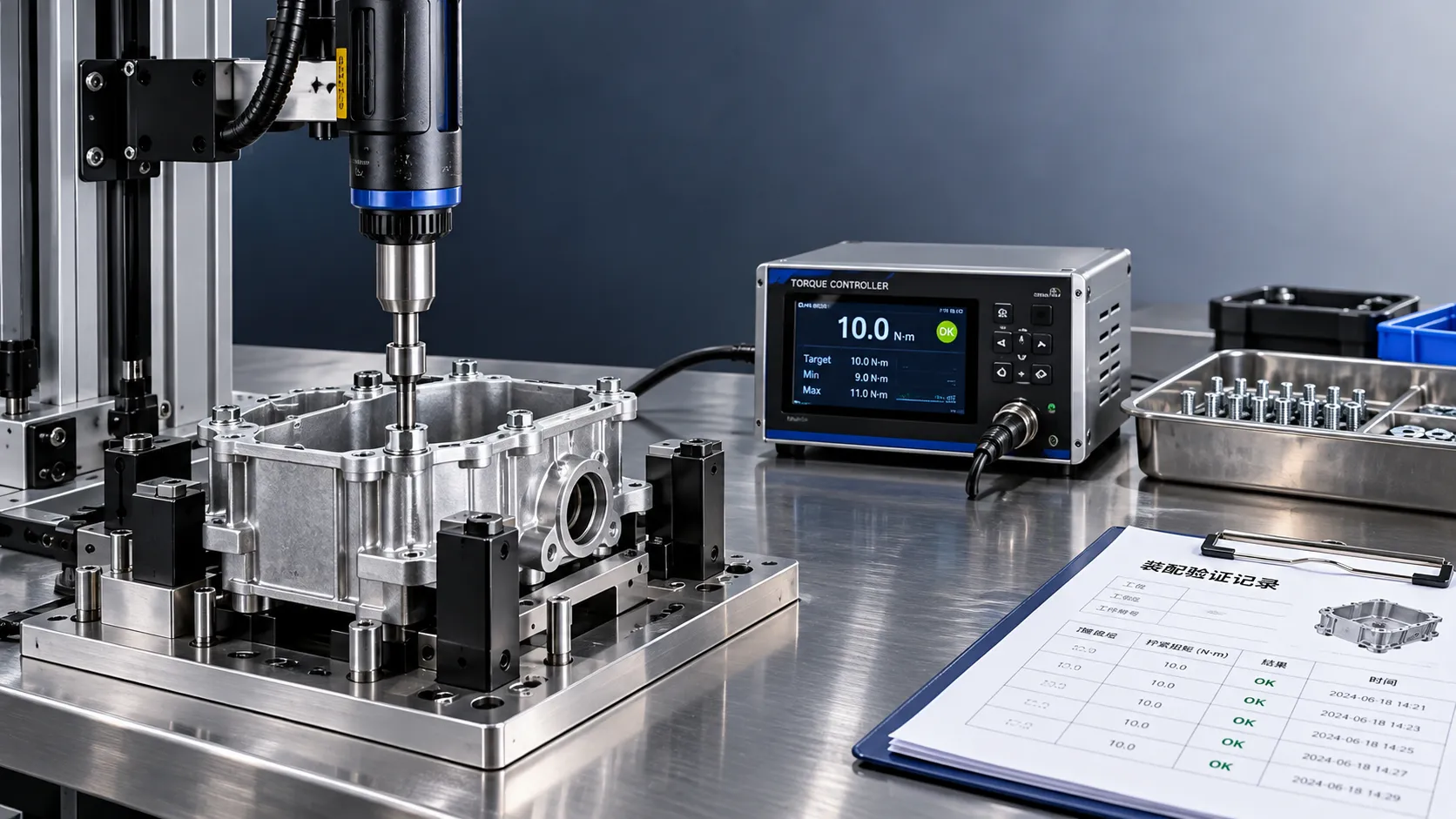
Torque System Suppliers: How to Assess References for Assembly Projects
Explore supplier and solution references torque systems buyers should verify. Assess assembly fit, traceability, and support to reduce risk and choose with confidence.

Equipment Application Guidance for the Middle East: Managing Heat and Dust
Explore application guidance Middle East teams can use to manage heat and dust, protect welding equipment, batteries and precision tools, and reduce downtime. Get practical tips.
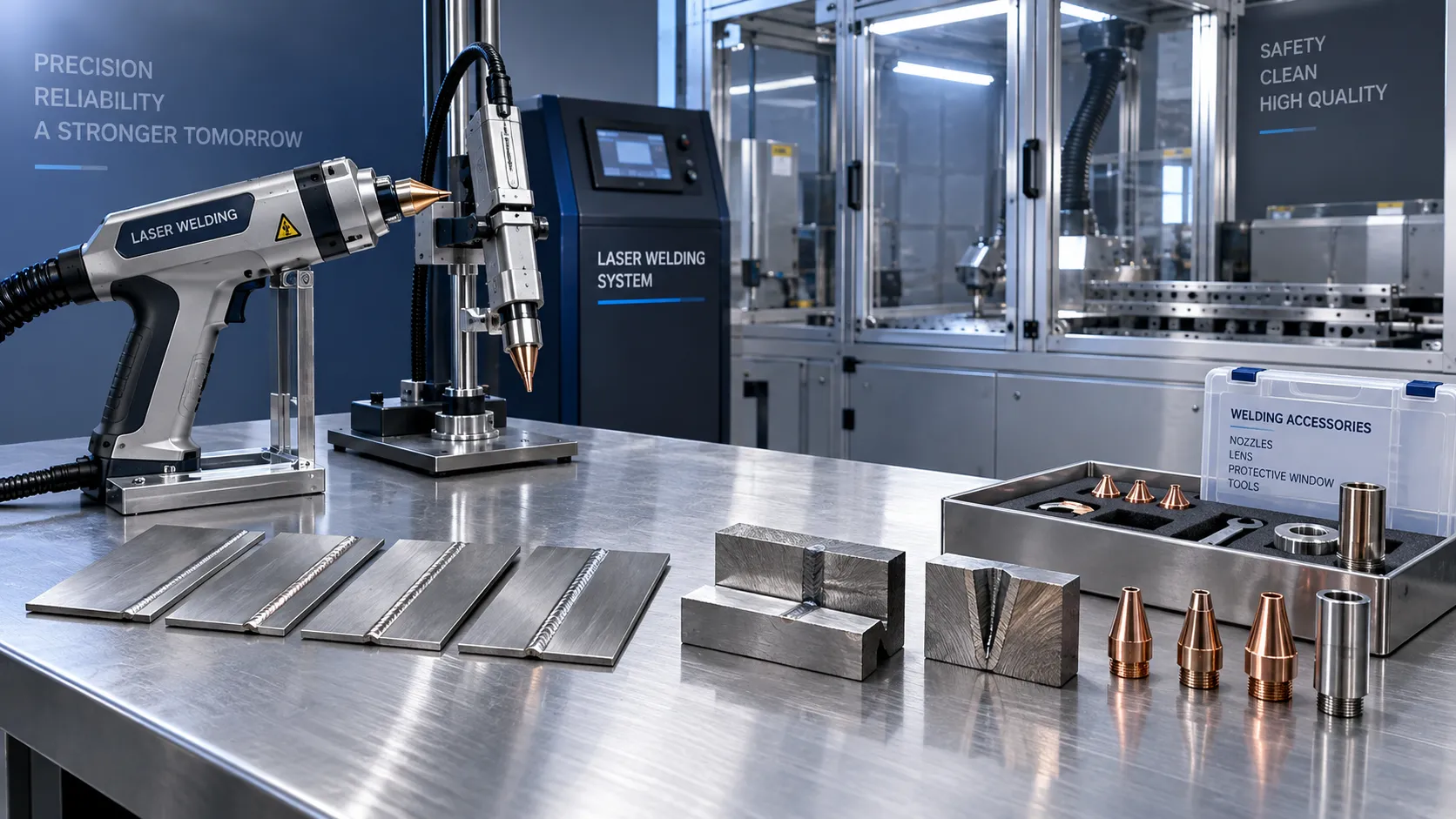
Choosing a Handheld Laser Welding Supplier: Weld Trials, Training, and Service
Choose a handheld laser welding supplier with proven weld trials, safety training, and reliable service. Learn what to verify before buying to reduce downtime and protect your investment.
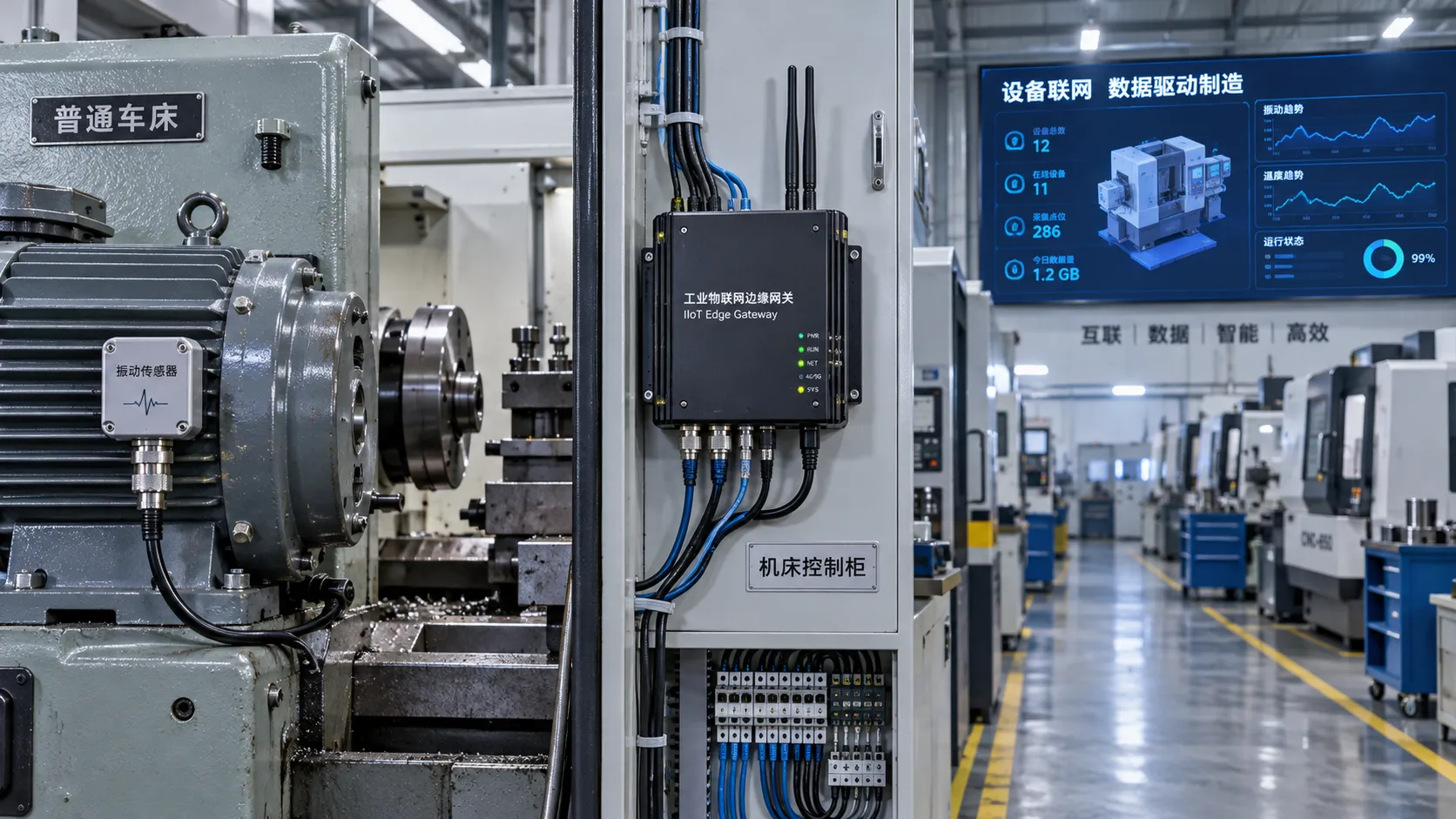
Choosing an Industrial IoT Platform: Key Criteria for Legacy Equipment
Choose an industrial IoT platform for legacy equipment with confidence. Discover key checks for connectivity, data integrity, security, and lifecycle costs before investing.

In-House vs. Outsourced Aircraft Maintenance: Comparing Total Costs
Compare aerospace maintenance cost for in-house vs. outsourced aircraft upkeep. Discover hidden expenses, downtime impacts, and break-even factors to find the best fit for your fleet.
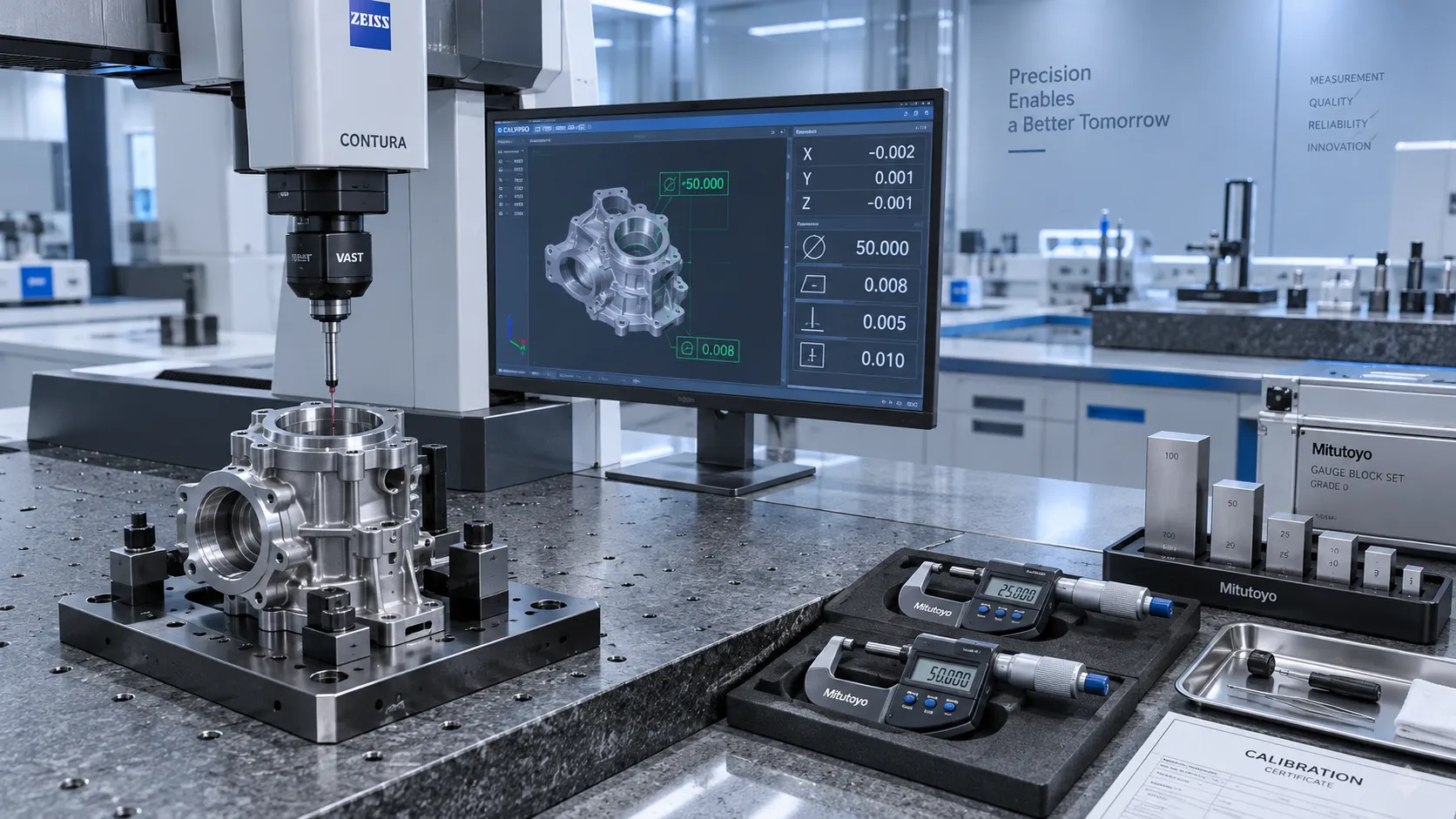
How to Select High-Precision Measuring Instruments for Tight-Tolerance Production?
High-precision measuring instruments are essential for tight-tolerance production. Learn how to evaluate accuracy, repeatability, environment, calibration, and data integration.
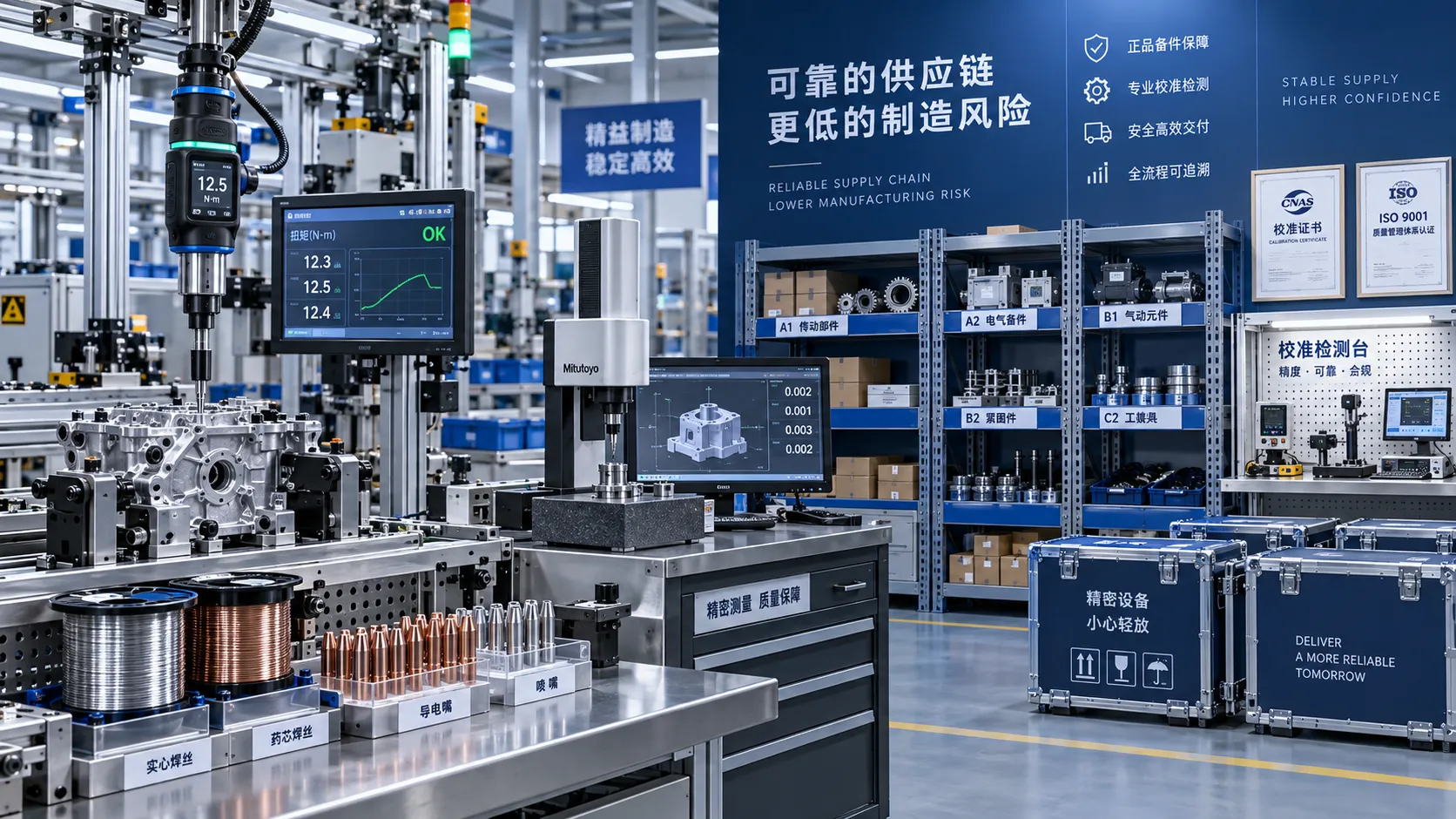
How Industrial Innovation Supplier Networks Reduce Sourcing Risk for Manufacturers
industrial innovation supplier network insights help manufacturers reduce sourcing risk, control lifecycle costs, and choose reliable tools, services, and suppliers with confidence.
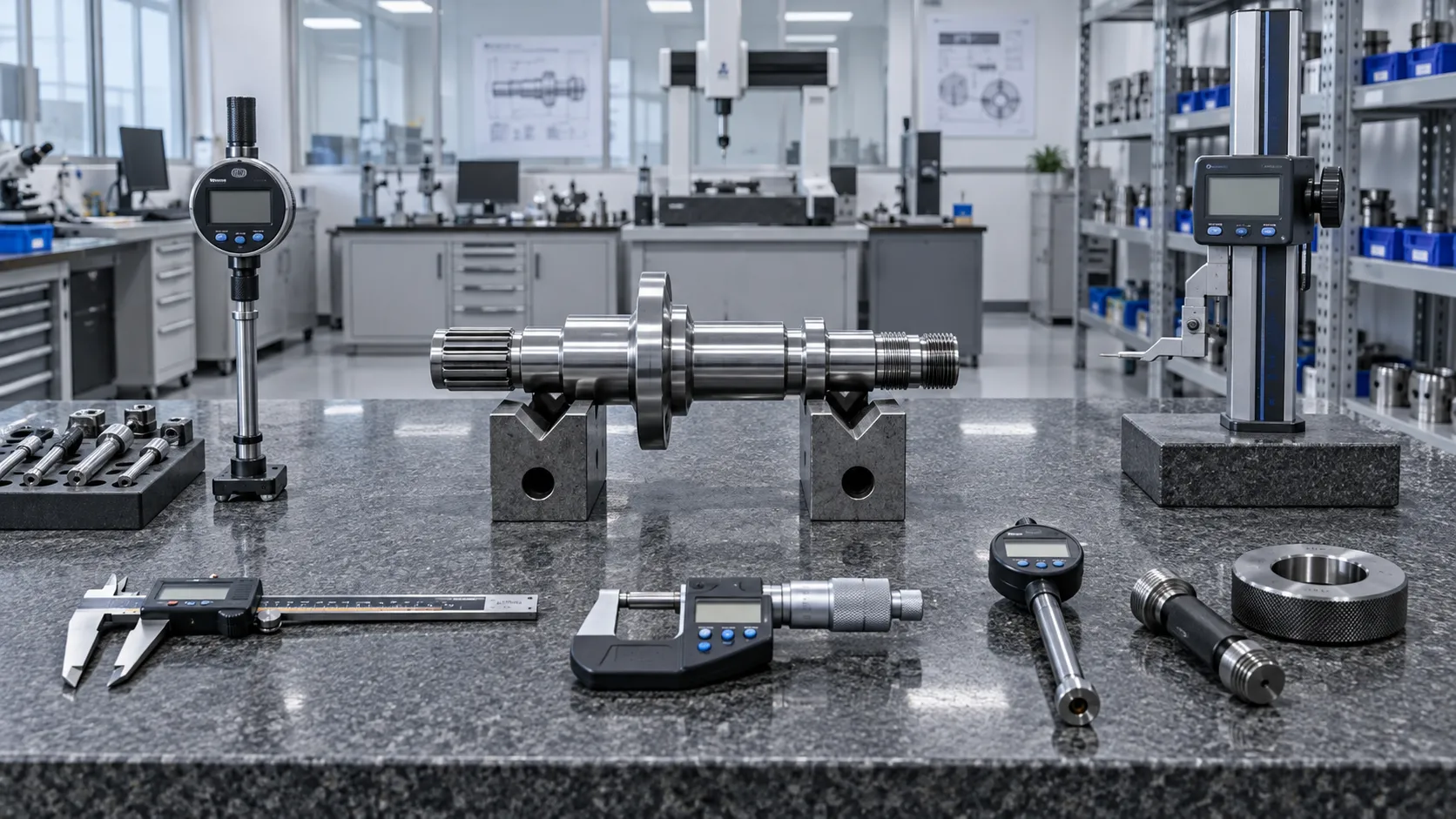
Which Precision Measuring Tools Are Best for Incoming Inspection?
Which precision measuring tools are best for incoming inspection? Explore calipers, micrometers, gauges, CMMs, and smarter strategies to prevent costly defects.
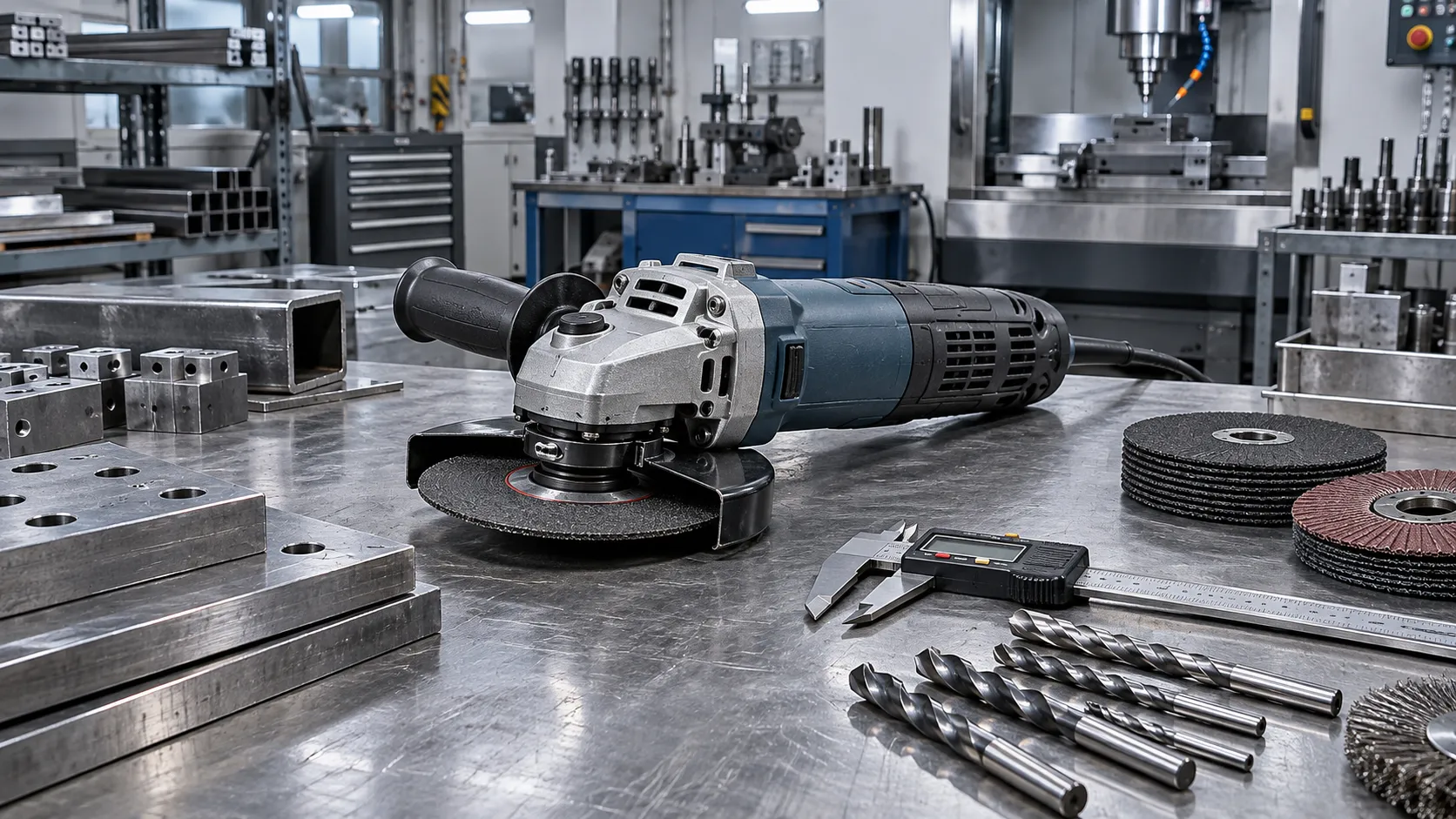
Are Lower-Cost Metalworking Tools More Likely to Fail Early?
Are cheaper metalworking tools more likely to fail early? Explore duty cycle, build quality, and total ownership costs to make smarter buying decisions.
Related News
- 00
0000-00
Equipment Application Guidance for the Middle East: Managing Heat and Dust - 00
0000-00
Choosing an Industrial IoT Platform: Key Criteria for Legacy Equipment - 00
0000-00
How to Select High-Precision Measuring Instruments for Tight-Tolerance Production? - 00
0000-00
How Do Advanced Manufacturing Methods Improve Batch Consistency? - 00
0000-00
Precision Positioning in Electronics Manufacturing: A Practical Route to Higher Yield
Prof. Marcus Chen
Weekly Insights
Stay ahead with our curated technology reports delivered every Monday.