
Aerospace Maintenance Tools: Reducing Rework, Downtime, and FOD Risk





In aerospace maintenance, even a minor tool mismatch, undocumented torque event, or overlooked foreign object can trigger costly rework, extended downtime, and serious safety exposure. For quality control and safety managers, the challenge is no longer just keeping aircraft serviceable—it is proving that every task is repeatable, traceable, and FOD-resistant. This article explores how precision maintenance tools, intelligent torque control, calibration discipline, and workflow standardization help reduce defects, strengthen compliance, and protect both operational efficiency and flight safety.
Aircraft maintenance environments combine high-value assets, tight turnaround windows, multi-shift labor, and strict documentation requirements. In that setting, tools are not just accessories; they are process-control instruments.
For quality control teams, the practical question is whether a task can be verified after completion. For safety managers, the question is whether the same task can be performed without introducing hidden risk.
Why Tool Control Determines Maintenance Quality
Aerospace maintenance involves thousands of repeated actions: fastening panels, replacing line-replaceable units, inspecting joints, measuring wear, and restoring assemblies after troubleshooting. Each action depends on controlled tools.
A torque deviation of only 5%–10%, a worn bit profile, or an uncalibrated gauge can create defects that are difficult to detect during visual inspection.
Rework Begins with Small Process Gaps
Rework usually appears as a downstream issue, but its origin is often upstream. A technician may use an acceptable-looking tool that is overdue for calibration by 30 days.
Another common trigger is unclear tool allocation. If 2 similar torque wrenches cover different ranges, selecting the wrong one may compromise fastener integrity.
In aerospace maintenance, these minor differences matter because fasteners, access panels, brackets, and hydraulic connections must match engineering instructions precisely.
Downtime Is a Quality Cost, Not Only an Operations Cost
When an inspection finds missing records or questionable torque application, the aircraft may remain unavailable while tasks are repeated or validated.
A single nonconforming maintenance step can delay release by 2–8 hours, depending on inspection scope, personnel availability, and documentation review requirements.
For safety managers, this delay is preferable to releasing risk. For operations leaders, the goal is preventing the defect before it reaches sign-off.
Core Risk Sources to Monitor
- Tools used outside their calibrated range or past a defined 6-month or 12-month calibration interval.
- Manual torque recording with incomplete operator, location, timestamp, or fastener sequence data.
- Shared toolboxes without shadow boards, barcode control, or end-of-shift reconciliation.
- Loose sockets, drill bits, blades, wipes, and fragments entering aircraft zones during open-panel work.
The following table connects common aerospace maintenance tool risks with quality and safety controls that are practical for daily line or base operations.
The key conclusion is that tool control must be built into the work system. Inspection after the task is necessary, but prevention during the task is more efficient.
Precision Tools That Reduce Rework in Aerospace Maintenance
The right maintenance tool program combines torque tools, precision measuring instruments, cutting and drilling accessories, extraction tools, lighting, and FOD-prevention devices.
For quality control personnel, selection should focus on repeatability, calibration compatibility, ergonomic stability, and documentation capability rather than purchase price alone.
Torque Tools: From Manual Confidence to Digital Evidence
Torque application is one of the highest-value control points in aerospace maintenance. Click wrenches remain useful, but critical tasks increasingly require digital confirmation.
A connected torque wrench can record target torque, actual torque, angle, pass/fail status, operator identity, and time. This supports faster audit review.
Typical ranges may include 1–20 N·m for avionics and interior work, 20–200 N·m for structural access, and higher ranges for landing gear assemblies.
Metrology Tools: Measuring Before Defects Become Rework
Calipers, micrometers, dial indicators, bore gauges, depth gauges, and feeler gauges support dimensional checks during inspection and component replacement.
In aerospace maintenance, a measurement system should consider resolution, environmental stability, operator repeatability, and storage protection against impact or contamination.
A common acceptance approach is matching the tool resolution to the tolerance band, often targeting a measurement resolution near one-tenth of the required tolerance.
Ergonomics and Access: Preventing Human-Induced Error
Aircraft zones often require awkward reach, low visibility, or overhead work. Tool weight, grip diameter, reaction force, and lighting directly affect task consistency.
For repetitive tasks exceeding 30 minutes, ergonomic imbalance can increase fatigue and raise the chance of skipped steps, misread scales, or dropped objects.
Procurement Criteria for Maintenance Tool Sets
- Confirm task coverage by aircraft zone, fastener type, torque range, measurement tolerance, and access restrictions.
- Verify calibration traceability, certificate format, interval control, and compatibility with internal quality systems.
- Assess FOD resistance, including tether points, color contrast, foam cutouts, and part retention features.
- Review data output options such as USB, Bluetooth, Wi-Fi, or integration with maintenance execution systems.
- Evaluate serviceability, replacement parts availability, repair lead time, and user training requirements.
These 5 criteria help purchasing teams align technical performance with compliance needs, reducing the risk of tools being rejected after delivery.
FOD Prevention: Designing Tools and Workflows Together
Foreign object debris control is a central safety discipline in aerospace maintenance. It depends on behavior, but behavior improves when tools make compliance easier.
Safety managers should treat every tool, accessory, consumable, and packaging item as a potential FOD source unless it is counted, contained, or removed.
Tool Accountability Across the Shift
A robust FOD-resistant process usually includes at least 4 checkpoints: issue, active work, interruption, and closure. Shift handover should add another verification layer.
Barcode or RFID tracking can reduce manual counting errors, especially in large hangars where one tool crib may support 20–50 technicians per shift.
However, technology alone is not enough. Foam inserts, labeled silhouettes, tethered tools, and clear red-tag quarantine areas improve visual control.
Consumables Are Often the Weakest Link
Rags, safety wire pieces, drill shavings, broken zip ties, gloves, and packaging fragments create FOD risk because they are not always treated as tools.
A good aerospace maintenance workflow defines disposal points within 3–5 meters of the work zone and requires cleaning before panel closure.
Magnetic sweepers, borescopes, inspection mirrors, and high-contrast collection mats can help detect debris before it becomes a release-blocking finding.
The table below outlines practical tool and workflow controls for common FOD exposure areas in aircraft maintenance operations.
The most effective FOD programs combine physical retention with procedural timing. Counting only at the end may be too late if debris moved during work.
Practical FOD Audit Questions
- Can every tool issued to the task be identified within 60 seconds?
- Are small parts separated by task step, or mixed in a general tray?
- Is there a defined process for missing-tool escalation before aircraft closure?
- Do consumables have the same accountability level as reusable tools?
Calibration Discipline and Traceable Maintenance Records
Calibration is not a back-office formality. In aerospace maintenance, it is evidence that measured values and applied forces can be trusted.
A mature calibration program controls interval, usage environment, tool condition, certificate review, out-of-tolerance response, and storage between tasks.
Setting Calibration Intervals Without Guesswork
Many facilities begin with 6-month or 12-month intervals, then adjust based on tool criticality, frequency of use, drift history, and manufacturer guidance.
High-use torque tools may justify shorter intervals after 5,000 cycles or after exposure to impact, contamination, or abnormal temperature conditions.
For low-use metrology tools, storage controls matter. A caliper left unprotected in a toolbox can lose reliability despite limited actual measurement use.
Responding to Out-of-Tolerance Findings
When a tool fails calibration, quality teams need more than a repair ticket. They need impact assessment for work performed since the last known valid check.
A practical response includes 3 steps: identify affected tasks, review criticality, and decide whether inspection, rework, or engineering evaluation is required.
Records That Should Be Searchable
- Tool serial number, asset owner, calibration due date, and operating range.
- Calibration results, uncertainty statement where applicable, and pass/fail status.
- Task number, aircraft zone, operator, supervisor review, and timestamp.
- Exception notes for dropped tools, damaged tools, missing accessories, or quarantine events.
Searchable records reduce audit time and help managers detect patterns, such as one tool family drifting early or one work area generating repeated exceptions.
Implementing Intelligent Torque and Tool Workflows
Digital transformation in aerospace maintenance should begin with high-risk and high-frequency tasks, not with a broad technology rollout lacking workflow discipline.
A phased approach allows quality control and safety managers to prove value within 30–90 days before expanding to additional aircraft zones.
A 5-Step Deployment Model
- Map critical tasks by torque sensitivity, FOD exposure, rework frequency, and release impact.
- Define tool standards for each task, including range, accessory control, calibration interval, and record format.
- Pilot connected tools on 1–2 work packages where repeatability and audit evidence are most valuable.
- Train technicians using real task cards, not generic classroom examples, and verify competence with supervised execution.
- Review data weekly for missed steps, torque failures, delayed tool returns, and recurring FOD findings.
This sequence keeps implementation grounded in operational reality. It also avoids overwhelming technicians with unnecessary data capture on low-risk activities.
Integration Considerations for Buyers
Before selecting intelligent tools, buyers should confirm whether data can be exported in usable formats, retained according to policy, and linked to task records.
Connectivity should be evaluated inside hangars, workshops, and apron environments. Signal limitations, battery life, and cybersecurity review may affect deployment plans.
A practical pilot kit may include 3–10 connected torque tools, calibration adapters, charging stations, barcode labels, and administrator training for supervisors.
Common Mistakes to Avoid
- Buying digital tools without defining pass/fail rules for specific aerospace maintenance tasks.
- Ignoring accessory control, even when the main tool is serialized and tracked.
- Setting calibration intervals once and never adjusting them based on actual tool behavior.
- Collecting data but failing to review exceptions within a weekly quality meeting.
How GPTWM Supports Better Tool Decisions
The Global Precision Tools & Welding Matrix observes the last mile of industrial manufacturing, where craft execution meets intelligent tools and measurable process control.
For aerospace maintenance stakeholders, GPTWM focuses on practical intelligence: precision metrology, intelligent torque control, ergonomic tool trends, welding safety, and distributor-level commercial insight.
What Quality and Safety Managers Can Benchmark
A decision team can use structured industry intelligence to compare tool categories, evaluate procurement risks, and understand where digital controls deliver measurable value.
Important comparison points include calibration service cycle, spare part availability, typical repair lead time of 7–21 days, and compatibility with existing quality systems.
GPTWM’s perspective is especially useful when distributors, maintenance organizations, and industrial buyers need to connect tool performance with compliance and operational efficiency.
Building a Stronger Maintenance Tool Strategy
A stronger strategy does not require replacing every tool at once. It begins with risk ranking, standard work, calibration visibility, and controlled purchasing.
Organizations can start by classifying tools into 3 levels: safety-critical, quality-critical, and general support. Each level receives different control depth.
Actionable Procurement Priorities
- Prioritize safety-critical tools with traceable torque, reliable calibration support, and tamper-resistant settings.
- Standardize tool kits by aircraft zone to reduce selection ambiguity and missing-item risk.
- Specify FOD-resistant accessories in the purchase requirement, not as an afterthought.
- Use pilot data to build the business case for wider intelligent tool deployment.
These priorities help align purchasing, maintenance, quality, and safety teams around one measurable objective: fewer defects with stronger evidence.
Turning Tool Control into Safer Aircraft Release
Reducing rework, downtime, and FOD risk in aerospace maintenance requires more than skilled technicians. It requires controlled tools, disciplined records, and repeatable workflows.
Precision torque tools, calibrated metrology instruments, FOD-resistant storage, and intelligent data capture give managers stronger proof that maintenance was completed correctly.
For quality control and safety leaders, the best tool strategy is one that improves daily execution while simplifying audit response and aircraft release confidence.
GPTWM helps industrial decision-makers understand evolving tool technologies, application risks, and procurement considerations across demanding maintenance environments.
To benchmark aerospace maintenance tool strategies, explore intelligent torque trends, or obtain a more focused procurement framework, contact GPTWM and learn more solutions tailored to your operational needs.
Related News
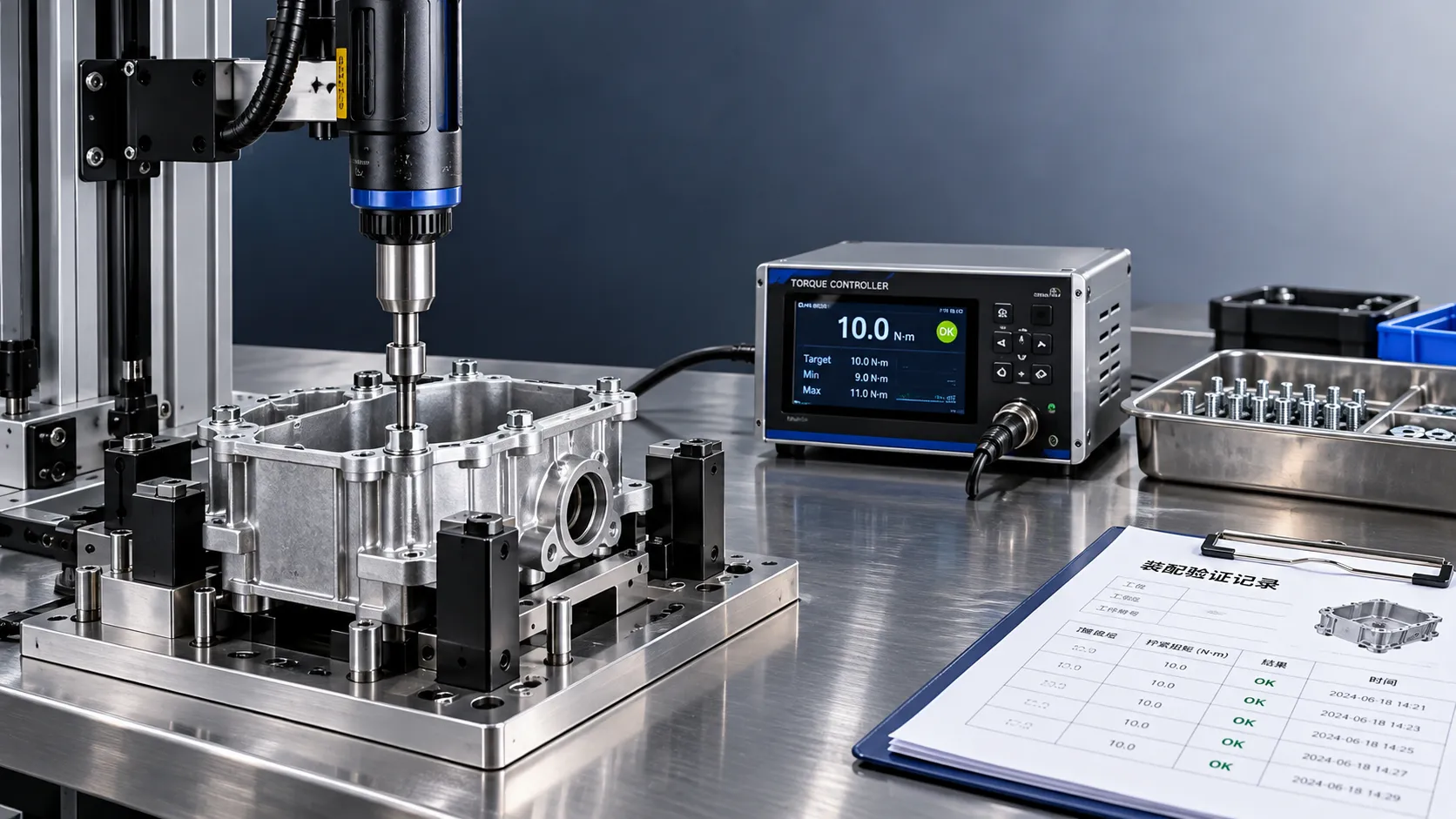
Torque System Suppliers: How to Assess References for Assembly Projects
Explore supplier and solution references torque systems buyers should verify. Assess assembly fit, traceability, and support to reduce risk and choose with confidence.

Equipment Application Guidance for the Middle East: Managing Heat and Dust
Explore application guidance Middle East teams can use to manage heat and dust, protect welding equipment, batteries and precision tools, and reduce downtime. Get practical tips.
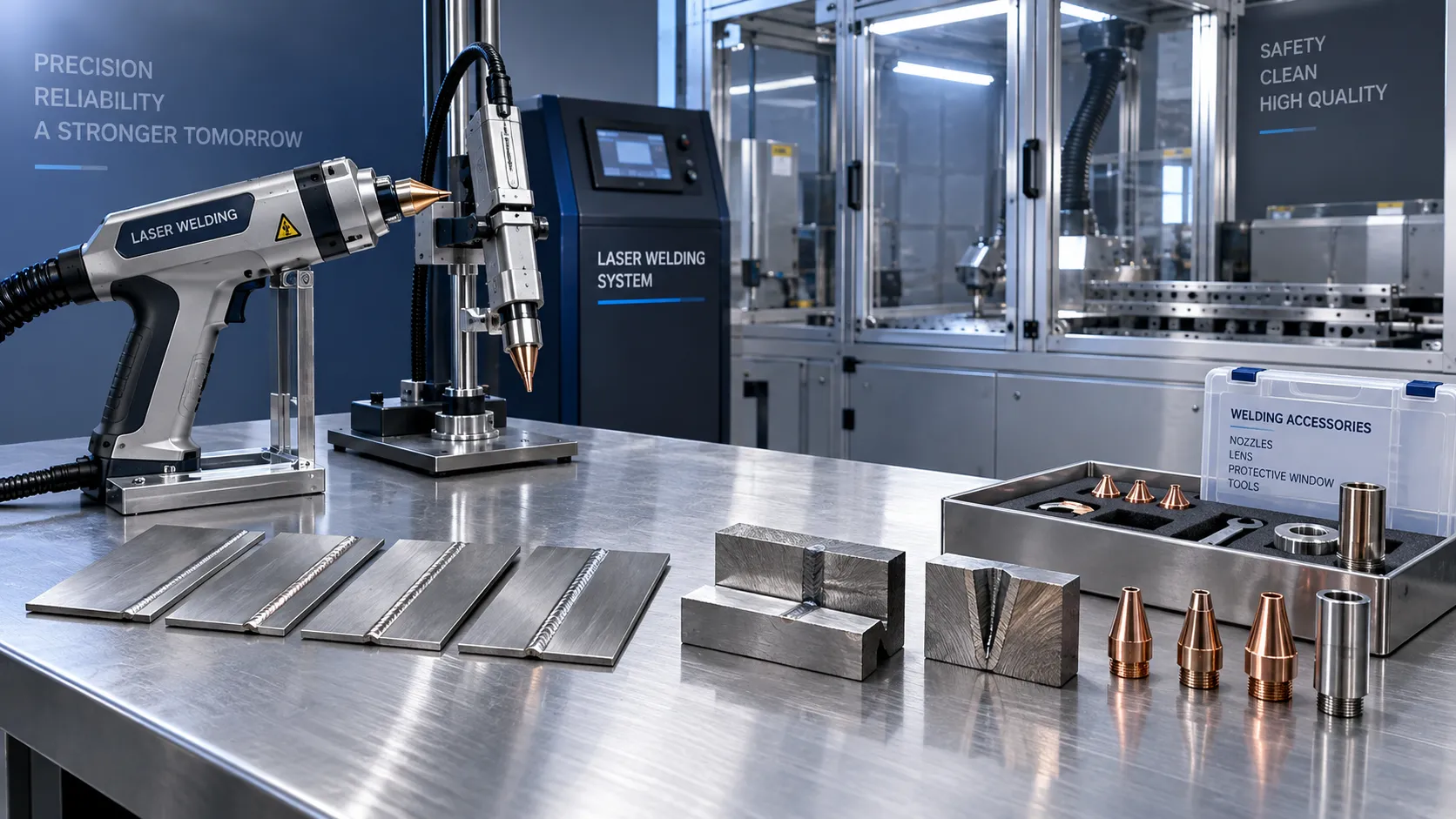
Choosing a Handheld Laser Welding Supplier: Weld Trials, Training, and Service
Choose a handheld laser welding supplier with proven weld trials, safety training, and reliable service. Learn what to verify before buying to reduce downtime and protect your investment.

Choosing an Industrial IoT Platform: Key Criteria for Legacy Equipment
Choose an industrial IoT platform for legacy equipment with confidence. Discover key checks for connectivity, data integrity, security, and lifecycle costs before investing.

In-House vs. Outsourced Aircraft Maintenance: Comparing Total Costs
Compare aerospace maintenance cost for in-house vs. outsourced aircraft upkeep. Discover hidden expenses, downtime impacts, and break-even factors to find the best fit for your fleet.
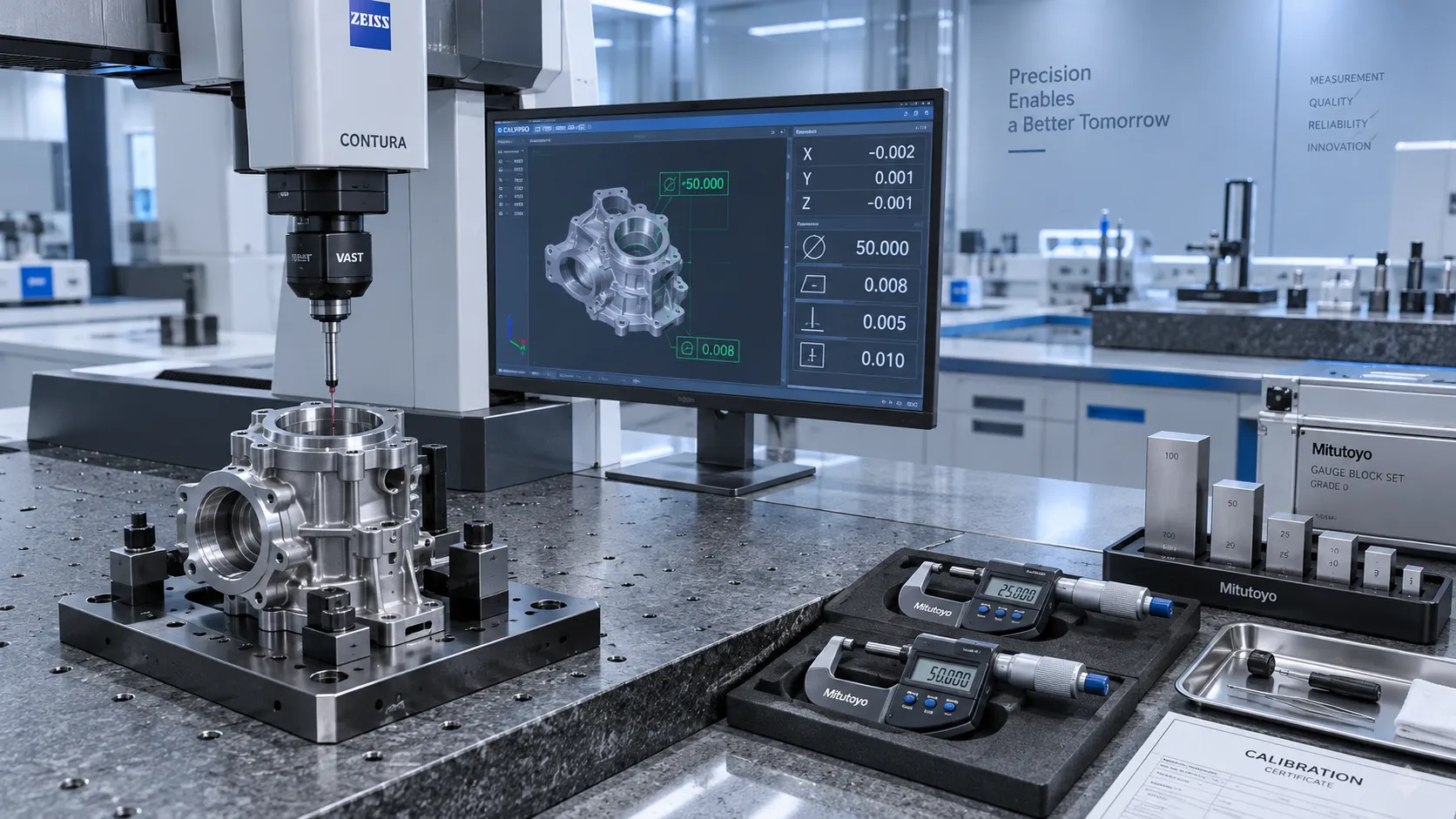
How to Select High-Precision Measuring Instruments for Tight-Tolerance Production?
High-precision measuring instruments are essential for tight-tolerance production. Learn how to evaluate accuracy, repeatability, environment, calibration, and data integration.

How Industrial Innovation Supplier Networks Reduce Sourcing Risk for Manufacturers
industrial innovation supplier network insights help manufacturers reduce sourcing risk, control lifecycle costs, and choose reliable tools, services, and suppliers with confidence.
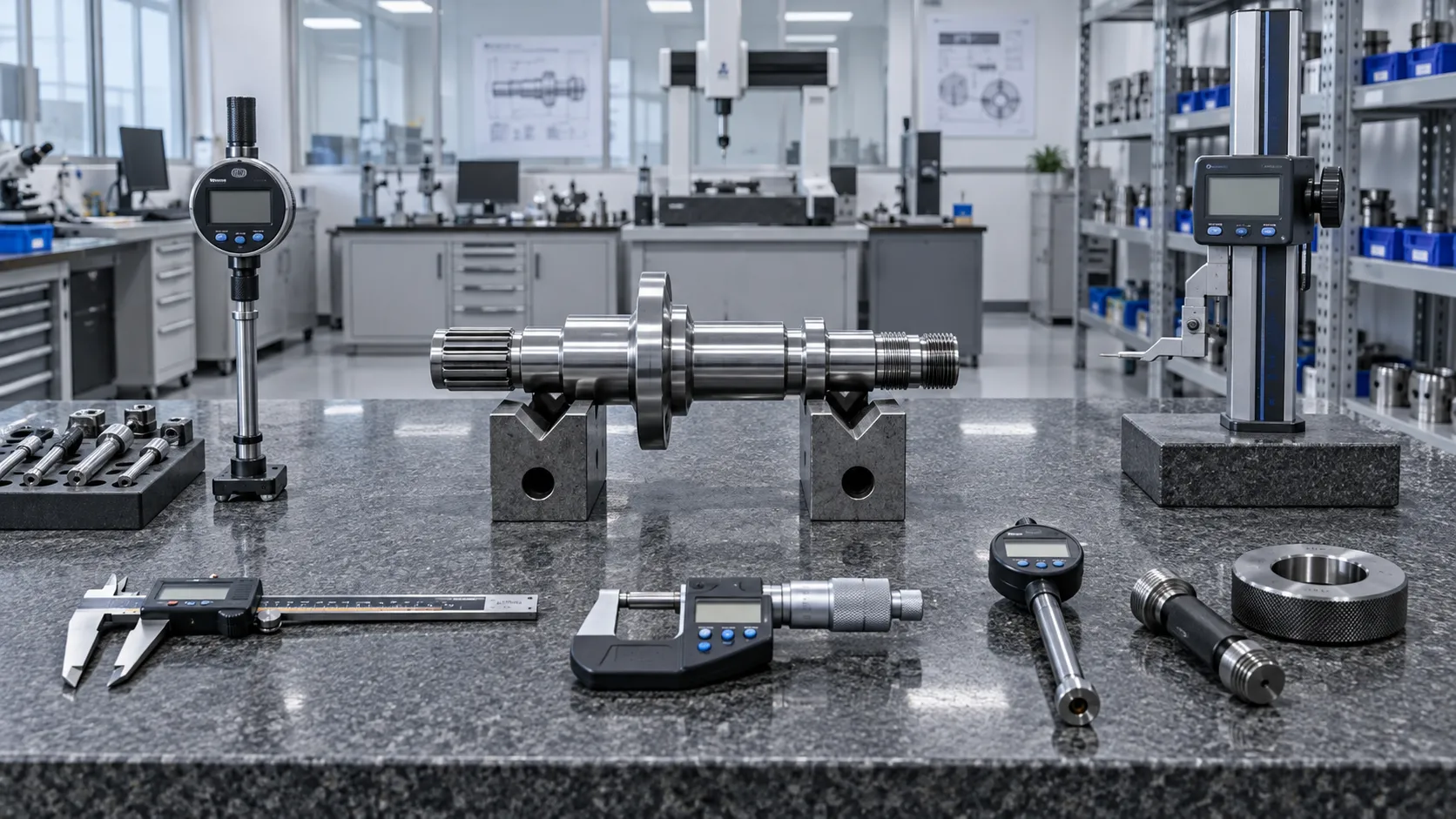
Which Precision Measuring Tools Are Best for Incoming Inspection?
Which precision measuring tools are best for incoming inspection? Explore calipers, micrometers, gauges, CMMs, and smarter strategies to prevent costly defects.
Are Lower-Cost Metalworking Tools More Likely to Fail Early?
Are cheaper metalworking tools more likely to fail early? Explore duty cycle, build quality, and total ownership costs to make smarter buying decisions.
Related News
- 00
0000-00
Equipment Application Guidance for the Middle East: Managing Heat and Dust - 00
0000-00
Choosing an Industrial IoT Platform: Key Criteria for Legacy Equipment - 00
0000-00
How to Select High-Precision Measuring Instruments for Tight-Tolerance Production? - 00
0000-00
How Do Advanced Manufacturing Methods Improve Batch Consistency? - 00
0000-00
Precision Positioning in Electronics Manufacturing: A Practical Route to Higher Yield
Prof. Marcus Chen
Weekly Insights
Stay ahead with our curated technology reports delivered every Monday.